
Reviewed · COOKING CLASSES
You’re Invited to Our Home in Seoul: The Only Cooking Class!
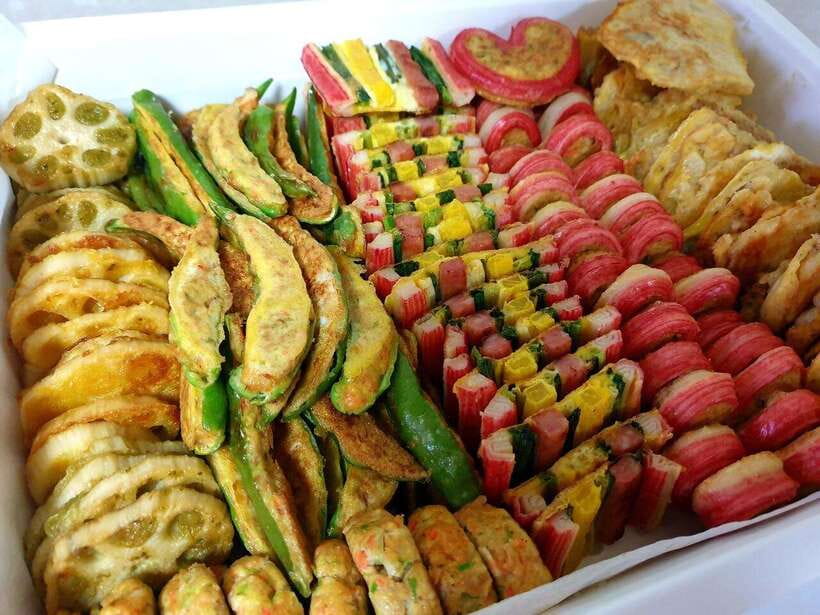
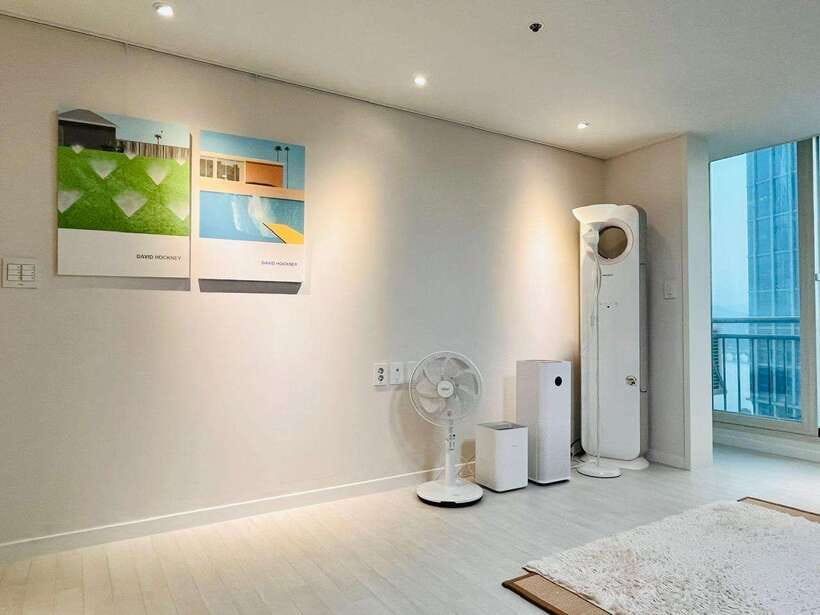
The special part here is simple: you enter a real Korean home, not a restaurant kitchen built for tourists. David and Hanna guide you through jeon, Korean pancakes made with ingredients such as scallions, zucchini, tofu, mushrooms, beef, seafood, and meatballs. You cook, eat, and talk around a home table with views toward the Han River and downtown Seoul.
I like the small four-person limit, which gives the class a friendly, personal feel. I also like the practical local advice: David can help with Seoul suggestions and even point you toward the right bus after class. The main consideration is that this takes place in a private home, so it is less suited to anyone needing wheelchair access or a polished commercial cooking school.
In This Review
- Key points to know before booking
- Why this Seoul cooking class feels different
- Starting with tea, stories, and Korean home life
- Making jeon, Korea’s festive savory pancakes
- The meal beyond the pancakes
- What the Joseon connection adds
- The Han River walk after lunch
- Photos and recipes make the class useful later
- Is $110 a fair price?
- Who will enjoy this most?
- Practical details for planning your day
- Should you book this Korean home cooking class?
- FAQ
- Where does the cooking class take place?
- How long does the activity last?
- How many people can join?
- Which languages are spoken?
- What food will I prepare?
- Can the menu be changed for dietary needs?
- Is the meal included in the price?
- Are ingredients and cooking equipment provided?
- Do I receive anything to use at home?
- Is transportation included?
- Is the activity wheelchair accessible?
- Can I cancel my booking?
Key points to know before booking
- Cook in a real Korean home: The setting is personal and domestic, with a view of the Han River and Seoul’s skyline.
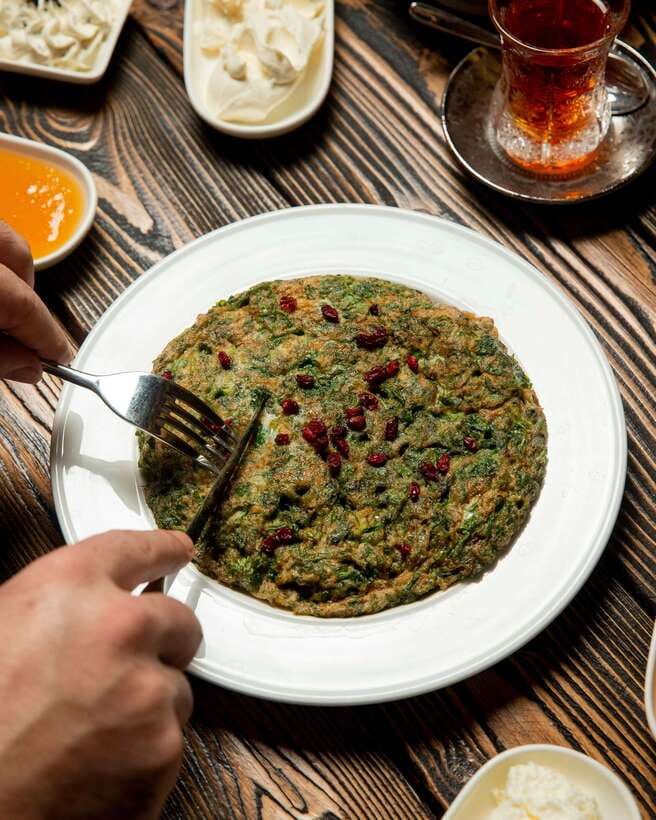
- Make several kinds of jeon: The menu can include scallion, zucchini, tofu, mushroom, beef, seafood, skewered, and meatball pancakes.
- Meet David and Hanna: English and Korean are spoken, and the hosts offer cooking guidance as well as local tips.
- Expect a tiny group: The experience is limited to four participants, making it easy to ask questions and get hands-on help.
- Dietary needs can be discussed: Vegan, vegetarian, shellfish-free, and less-spicy versions can be arranged when requested ahead of time.
- Stay for the Han River walk: After the meal, you can join an optional one-hour walk through the local area and along the river.
Why this Seoul cooking class feels different
Many cooking classes teach you a recipe and send you on your way. This one is built around hospitality. You are invited into David and Hanna’s home, where cooking becomes a way to talk about family customs, daily life, food, and Seoul.
That change of setting matters. A commercial kitchen can be efficient, but a private home gives you a better sense of how food fits into ordinary Korean life. You will have time to ask questions about traditions, ingredients, neighborhoods, public transport, and places to eat later in your trip.
The class is limited to four people. That is a real advantage if you like to ask questions or want help with knife work and pan-frying. It also means the mood may depend on the small group on your chosen date. If you enjoy conversation, that intimacy is part of the appeal. If you prefer to work alone, a larger class might give you more personal space.
The setting adds another layer. You will cook and dine with views of the Han River and central Seoul. The view is not a separate sightseeing stop, but it gives the meal a memorable sense of place. You are not simply learning Korean food in an anonymous room. You are eating Korean food while looking out at the city where it belongs.
More Korean cooking classes:
- Local Home Korean Cooking Class & Market Adventure in Seoul
★ 5.0 · 1,024 reviews - Master Korean traditional cooking with a Kimchi chef
★ 5.0 · 385 reviews - Seoul: Korean Cooking Class at a Local Home and Market Tour
★ 5.0 · 348 reviews
Starting with tea, stories, and Korean home life
The experience begins with a welcome drink of traditional Korean tea. Tea and snacks remain available during the class, so you are not expected to wait hungry while ingredients are prepared.
This opening is useful because it gives you time to settle in and meet the hosts. David and Hanna speak English and Korean, and the relaxed format makes it easy to ask about Korean customs or your Seoul plans. One particularly helpful feature is the local advice. David has offered food recommendations and sightseeing suggestions, and he has helped participants find their bus after the class.
You should think of this as part cooking lesson and part cultural conversation. The hosts explain how dishes connect with family gatherings, holidays, and shared meals. That context makes the food easier to remember once you return home.
You do not need to bring equipment. Ingredients, utensils, and an apron are provided, along with water. Comfortable shoes are sensible, since you will be standing and working around the kitchen.
Making jeon, Korea’s festive savory pancakes
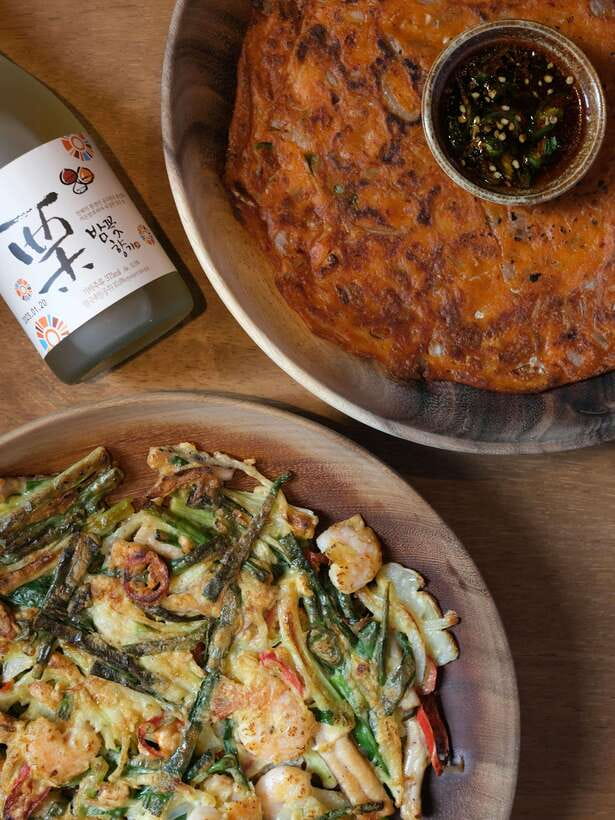
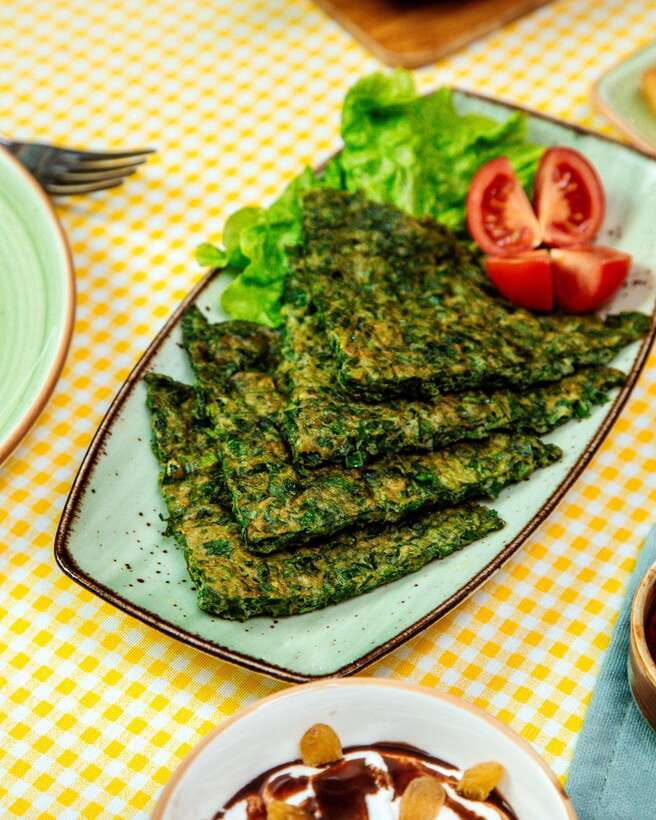
The main hands-on section focuses on assorted jeon. Jeon are savory foods coated or mixed with batter and cooked in a pan. They are closely linked with holidays, family gatherings, ancestral rites, and festive tables.
The appeal is variety. Instead of making one pancake over and over, you may work with several shapes, fillings, and textures:
- Pajeon: A scallion pancake with a soft, fragrant center.
- Hobakjeon: Zucchini prepared as a delicate vegetable pancake.
- Beoseotjeon: Mushroom jeon with an earthy flavor.
- Dubujeon: Tofu pancake, useful for anyone seeking a lighter meat-free option.
- Yukjeon: Beef pancake with a savory, substantial bite.
- Kkochi-jeon: Ingredients arranged on a skewer before cooking.
- Haemuljeon: Seafood pancake, available only if it suits your dietary needs.
- Donggeurangttaeng: A Korean meatball-style pancake.
The exact selection can change with ingredient availability. That is worth remembering if you book because you want one particular variety. You will receive a broad introduction to jeon rather than a guaranteed menu of every type listed.
The technique is more careful than it first appears. You need to control the heat, coat ingredients evenly, and turn each piece at the right time. Too much heat can brown the outside before the middle is ready. Too little can leave the pancake greasy. David and Hanna provide personalized guidance, so you can focus on learning rather than guessing.
I like this part because it shows how Korean home cooking often values patience and attention. A plate of assorted jeon looks generous, but each piece requires a little care. The shared process also explains why these foods are tied to family occasions. Several people can prepare different pieces together, then place everything on one table.
The meal beyond the pancakes
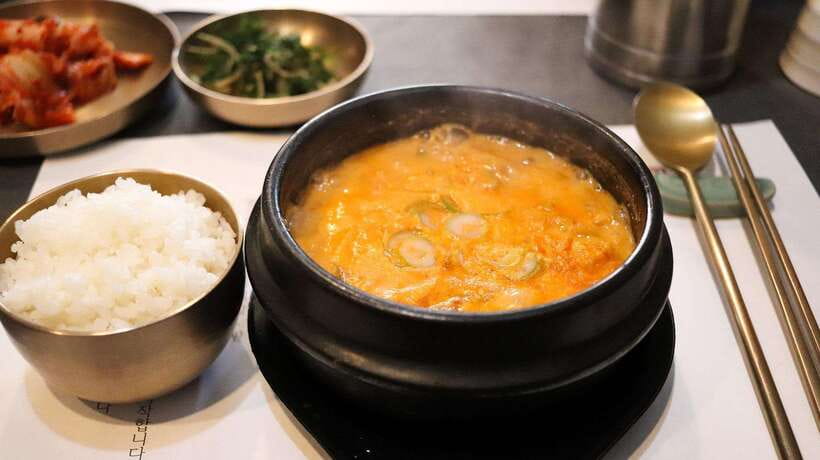
The class is not only about jeon. Doenjang-jjigae, a soybean paste stew, provides a warm, savory dish to balance the fried pancakes. Seasonal Korean banchan, or side dishes, are also served with the meal.
The precise meal can vary. The experience describes three main dishes with seasonal side dishes, while the detailed menu highlights jeon and doenjang-jjigae. Other meals connected with the class have included items such as gimbap, octopus ramen, and a sweet pastry. The useful point is that you should expect a Korean home-style spread, not a fixed restaurant menu.
This flexibility can work in your favor. Seasonal ingredients keep the meal connected to what is available, and dietary requests can be discussed in advance. Vegan and vegetarian adjustments are possible. The hosts can also reduce spice or change the menu for specific needs.
Shellfish allergies deserve special attention. One participant with a shellfish allergy was able to enjoy the meal after discussing the issue with the hosts. Still, you should provide allergy information before arrival, not at the table. The menu includes possible seafood dishes, so clear communication is important.
The meal ends with Korean sweets and tea. Sikhye, a sweet rice punch, is included, along with Hotteok, a sweet Korean pancake. These desserts give you a useful contrast with the savory jeon. Sikhye is cool and lightly sweet, while Hotteok is warm and dessert-like.
A few more Seoul trips worth weighing up
- Yongpyong Ski Resort from Seoul with Optional Lesson and Packages
★ 5.0 · 217 reviews - Korean Cooking Class with Grocery Shopping at Seoul Local Market
★ 5.0 · 107 reviews - Royal Seoul Cooking Class in a 100-Year-Old Hanok
★ 5.0 · 81 reviews - Seoul : Taste of Korea, Authentic Home-Style Cooking Class
★ 5.0 · 64 reviews
What the Joseon connection adds
Jeon has a long place in Korean food culture. It appeared at royal banquets and ancestral ceremonies, then continued into family kitchens and holiday meals. You do not need a long history lecture to appreciate the point: this is food connected with celebration and care.
That background helps explain why the class emphasizes making food together. Jeon is not just a quick snack. It can be part of a holiday table, a family event, or a meal prepared for people you want to welcome.
The cultural explanation also gives you something to look for during the rest of your time in Korea. Korean meals often arrive with many small dishes, shared plates, and several textures at once. After preparing jeon by hand, you will have a better feel for the work behind that generous table.
The Han River walk after lunch
After eating, you can join an optional one-hour walk through the local area and along the Han River. You can also skip it if you are tired or have another appointment.
This is a nice addition because it connects the home setting with Seoul outside the apartment. The river is one of the city’s most important public spaces, and the walk gives you time to see the area after learning about everyday life indoors.
Do not treat the walk as a full sightseeing tour of Seoul. It is a local-area stroll, not a replacement for a major city tour. Its value is convenience and context. You have just shared a meal with local hosts, then get a chance to walk nearby and enjoy the same river view from outside.
If you plan to take the walk, wear comfortable shoes. The activity suggests bringing a camera, and the outdoor portion gives you another reason to have one ready.
Photos and recipes make the class useful later

You receive recipes so you can try the dishes at home. That makes this more than a meal with a pleasant memory attached. Jeon is practical for home cooking because the basic idea can be adapted to different vegetables, proteins, and dietary needs.
A DSLR photography session is also included. Photos are taken during the class and provided afterward. This is a thoughtful extra for anyone who wants a record of the cooking process without asking a companion to handle a phone or camera.
The recipes will not remove every challenge. Pan temperature, timing, and ingredient preparation still take practice. But you will have a starting point, and the hands-on guidance should make the first attempt at home less uncertain.
Is $110 a fair price?

At $110 per person, this is not the cheapest way to eat Korean food in Seoul. You can find a filling meal for far less. The price makes more sense when you count what is included: two hours of instruction, all ingredients, equipment, apron, tea, snacks, a full meal, desserts, recipes, photos, and the optional local walk.
You are also paying for access to a private home and a very small group. That is the part you cannot easily reproduce by visiting a restaurant. If you value personal contact and want to ask questions about Korean life, the cost is easier to justify.
The value is weaker if you mainly want a fast meal or a formal culinary qualification. This is a social home experience with cooking at its center. It is not designed as an intensive chef-training session.
I would compare it with the cost of a standard restaurant meal plus a guided cultural activity. The class combines both, though the food menu is flexible and the exact jeon selection is not guaranteed.
Who will enjoy this most?

I would recommend the class to first-time visitors who want a friendly introduction to Korean food and customs. It suits couples, solo visitors comfortable meeting a few new people, and small groups looking for something more personal than a sightseeing stop.
It is also a strong choice for anyone nervous about Korean food. The hosts can adjust spice levels and accommodate vegan, vegetarian, and other dietary requirements when informed ahead of time. The shellfish-free option is especially useful for people who have avoided Korean cuisine because of allergy concerns.
Families should check the age and comfort of children before booking, since the supplied details do not specify a minimum age. The class involves cooking and hot pans, so young children may need close supervision.
This is not suitable for wheelchair users. The setting is a real home rather than a commercial venue, and accessibility details are limited. Smoking and pets are not allowed.
Practical details for planning your day
The class lasts two hours, with starting times depending on availability. Transportation to and from the home is not included, so allow time to reach the meeting point and confirm directions before setting out.
You may reserve now and pay later, and cancellation is free up to 24 hours in advance for a full refund. Those terms help if your Seoul schedule is still shifting, but you should still provide dietary information early so the hosts can prepare.
Bring comfortable shoes, a camera, snacks if you need them, and water. Water is supplied, along with tea and snacks, but the suggested items are sensible for a morning or afternoon activity.
The class is offered in English and Korean. The small group and direct host guidance make it a good fit for people who want to communicate rather than simply watch a demonstration.
Should you book this Korean home cooking class?
Book it if you want connection as well as food. The strongest part is the chance to cook with David and Hanna in their home, ask real questions, and share a meal with a view over the Han River. The recipes, photos, dietary flexibility, and optional walk add practical value.
Skip it if you want a fixed menu, a large professional kitchen, or a quick tasting with no social element. The private-home setting requires some flexibility, and the exact jeon selection can change.
For most visitors, the $110 price is reasonable when the small group, meal, instruction, cultural conversation, and photo session are all counted together. You leave with more than a full stomach. You leave knowing how jeon is made, why it matters, and how to try it again at home.
FAQ
Where does the cooking class take place?
The experience takes place in a real Korean home in Seoul, with views of the Han River and downtown Seoul.
How long does the activity last?
The cooking class lasts two hours. An optional one-hour walk by the Han River is available afterward.
How many people can join?
The class is limited to four participants, making it a small-group activity.
Which languages are spoken?
The host or greeter speaks English and Korean.
What food will I prepare?
The class focuses on assorted jeon, or Korean pancakes, along with doenjang-jjigae, traditional tea, Sikhye, and Hotteok. The exact pancake selection may change according to ingredient availability.
Can the menu be changed for dietary needs?
Yes. Vegan, vegetarian, allergy-related, and other dietary adjustments can be arranged when you provide the information in advance. Spice levels can also be reduced or modified.
Is the meal included in the price?
Yes. The experience includes a full-course meal with three main dishes and seasonal Korean banchan, along with Korean desserts, tea, snacks, and water.
Are ingredients and cooking equipment provided?
Yes. Ingredients, equipment, utensils, and an apron are provided for use during the class.
Do I receive anything to use at home?
Yes. Recipes are provided so you can recreate the dishes at home. Ingredients for home cooking are not included.
Is transportation included?
No. Transportation to and from the class location is not included. The optional local-area and Han River walk is included.
Is the activity wheelchair accessible?
No. The experience is not suitable for wheelchair users.
Can I cancel my booking?
You can cancel up to 24 hours in advance for a full refund. You can also reserve now and pay later.
Just added around Seoul
- Incheon Airport Private Transfer between Seoul City★ 4.0 · 4 reviews
- Seoul’s Stars: Open Mic with Local & International Talent★ 4.8 · 4 reviews
- Samaksan Cable Car and Nami Island Day Escape with Railbike★ 4.0 · 4 reviews
- DMZ 2nd Tunnel and Cheorwon Peace Observatory with Admission★ 5.0 · 4 reviews
- Nami & Maple Road & Theatre des Lumieres Day Tour from Seoul★ 4.8 · 4 reviews
- Hire Photographer, Professional Photo Shoot – Seoul★ 5.0 · 4 reviews
- [KoreaByLocal] Authentic Seoul Night Walk and Chicken & Beer★ 5.0 · 4 reviews
- Play Gayageum in Hanbok Cultural Experience in Bukchon★ 5.0 · 4 reviews
Cooking Classes, compared.
Local Home Korean Cooking Class & Market Adventure in Seoul
Read our review →
Master Korean traditional cooking with a Kimchi chef
Read our review →
Korean Cooking Class at a Local Home and Market Tour
Read our review →
Cook 3 Authentic Korean Dishes with Local Market Tour
Read our review →
Experience Korean Cooking in Modern Hanok Kitchen
Read our review →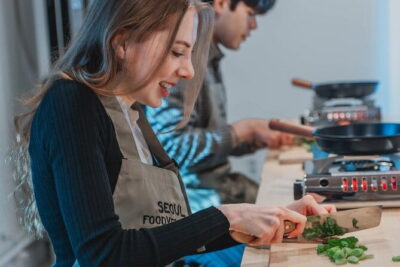
Korean Cooking Class with Grocery Shopping at Seoul Local Market
Read our review →Browse the lists this tour appears in