
Reviewed · COOKING CLASSES
Seoul : Taste of Korea, Authentic Home-Style Cooking Class
The best part of this Seoul cooking class is that you do not simply watch someone prepare Korean food. You make four classic dishes from scratch, then sit down to a generous home-style meal. Jennifer guides you through gimbap, tteokbokki, haemulpajeon, and budae jjigae, with food, cooking, and Korean culture all sharing the same table.
I like the small maximum of 10 people, which leaves room for personal help at the stove and worktable. I also like the practical touch of digital recipes afterward, so the class can continue in your own kitchen. The main consideration is the food quantity: this is not a light snack, so arrive hungry and avoid planning a large meal right afterward.
In This Review
- Key points to know before booking
- Four Korean dishes in one three-hour class
- Meeting Jennifer in Jongno
- How the hands-on cooking works
- The meal goes beyond the four main dishes
- What makes the atmosphere work for families
- Dietary needs and personal preferences
- Is the $89 price good value?
- Choosing morning or evening
- What to bring and how to prepare
- Who should book this Seoul cooking class?
- Should you book it?
- FAQ
- Where does the cooking class begin?
- Where does the activity end?
- How long does the cooking class last?
- Which Korean dishes will I prepare?
- Are drinks and dessert included?
- Can the class accommodate dietary restrictions?
- What is the cancellation policy?
Key points to know before booking
- Four dishes made by you: Prepare gimbap, tteokbokki, haemulpajeon, and budae jjigae with step-by-step instruction.
- Jennifer leads the class: She teaches cooking methods along with useful pieces of Korean food history and language.
- A full meal is included: Expect tea, snacks, side dishes, sikhye, makgeolli for participants aged 21 and older, and dessert.
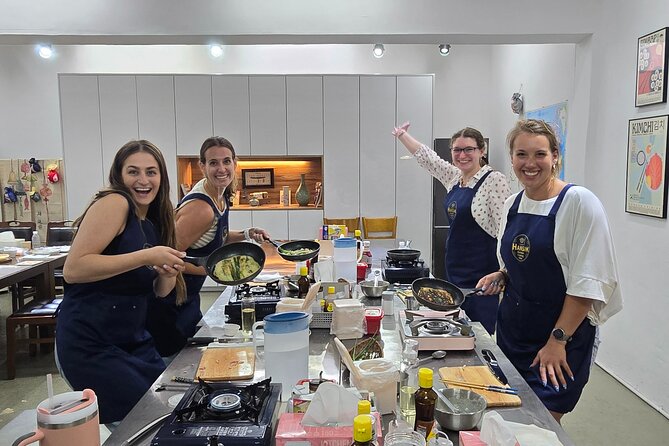
- Small, hands-on setting: The class accepts a maximum of 10 people and provides individual cooking stations.
- Morning or evening timing: The roughly three-hour session can fit around a day of sightseeing in Seoul.
- Leftovers may be substantial: Several dishes are prepared in generous portions, and food containers may come in handy for taking some with you.
Four Korean dishes in one three-hour class
This is a practical introduction to hansik, the Korean term for Korean food and cuisine. Rather than focus on one elaborate restaurant dish, the class covers four familiar foods that show different sides of Korean cooking.
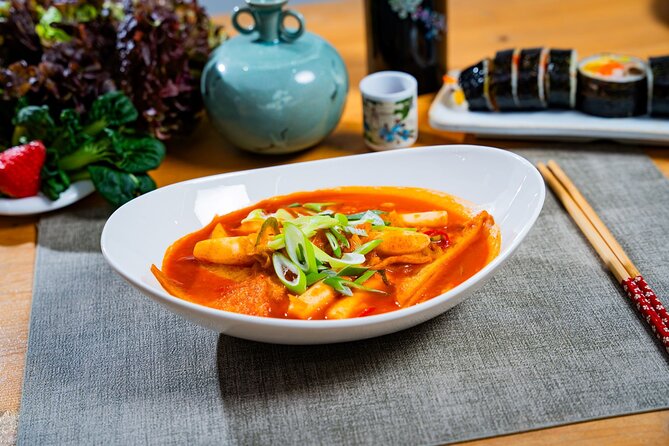
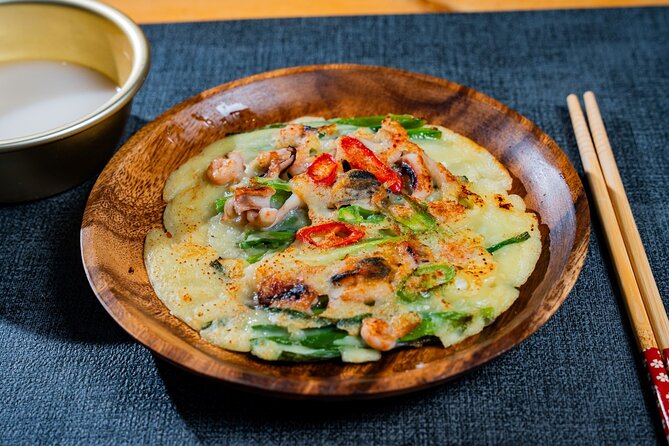
You prepare gimbap, Korean rice rolls filled and wrapped in seaweed. You also make tteokbokki, chewy rice cakes in a gochujang-based sauce, along with haemulpajeon, a seafood and green onion pancake. The fourth dish is budae jjigae, commonly called Korean army stew.
That is a good lineup for a first cooking class. Gimbap teaches careful assembly and knife work. Tteokbokki introduces the sweet, spicy flavor of gochujang. Haemulpajeon gives you practice with batter and heat, while budae jjigae shows how Korean meals often bring several ingredients together in one shared pot.
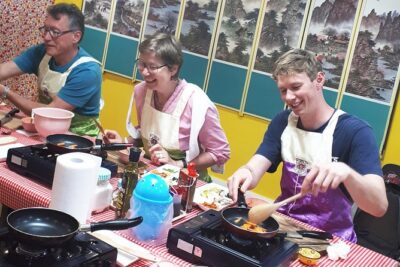
The recipes are taught step by step rather than presented as a demonstration you watch from the side. You take part in the preparation, and Jennifer assists when you need help. This makes the experience useful for beginners, including families and people who rarely cook Korean food at home.
Do not expect a restaurant-style tasting menu with tiny portions. The food is served as a proper meal after the cooking work, and the portions are described as generous. Some participants have had enough left over for another meal, so plan accordingly.
More Korean cooking classes:
- Local Home Korean Cooking Class & Market Adventure in Seoul
★ 5.0 · 1,024 reviews - Master Korean traditional cooking with a Kimchi chef
★ 5.0 · 385 reviews - Seoul: Korean Cooking Class at a Local Home and Market Tour
★ 5.0 · 348 reviews
Meeting Jennifer in Jongno
The class begins at 31-5 Jahamun-ro in Jongno District, a central Seoul location near public transportation. Its position makes it a sensible addition to a day spent around the Jongno area, though the supplied details do not specify the nearest station or the exact walking route from public transit.
Once inside, you can expect a clean teaching kitchen with dedicated cooking stations. That matters in a class where several dishes are prepared at once. You are not simply standing behind one crowded counter while trying to see a single pan.
Jennifer is the main teacher and host. Her approach combines cooking instruction with short explanations about the food, Korean customs, and some language. She is also described as patient and friendly, with enough attention to help people who need a little extra assistance without taking over their work.
That balance is important. The value of a cooking class comes from doing the work yourself, including the occasional imperfect roll or pancake. Jennifer’s role is to show the technique, keep the pace moving, and help you succeed while still allowing you to handle the ingredients.
How the hands-on cooking works
The exact order of the dishes can vary, but the class is designed to move through preparation, cooking, and eating within about three hours. You are given guidance throughout, with recipes supplied digitally afterward.
Gimbap is likely to be one of the more tactile parts of the session. Rolling rice and fillings neatly in seaweed takes some care, and you will get a feel for the amount of rice and filling needed. It is a useful dish to learn because the method can be adapted at home with ingredients available outside Korea.
Tteokbokki brings a different lesson. The rice cakes have a distinct chewy texture, and the sauce gives you a clear introduction to the sweet heat associated with many Korean dishes. If you are sensitive to spice, ask about adjustments during the class. The information provided says the food can be adapted to preferences and dietary restrictions.
Haemulpajeon is a straightforward crowd-pleaser, but getting a pancake crisp while keeping the ingredients together still requires attention. Green onion, seafood, batter, and heat need to work in the right proportions. This is the sort of cooking skill you can use again with other savory pancakes.
Budae jjigae rounds out the menu with a hearty stew. The class description calls it Korean army stew, a dish with a modern Korean story and a filling, communal character. It gives the meal a warm centerpiece rather than leaving you with only snacks and small cooked samples.
The teaching pace has been described as clear and manageable. You should still expect to stay engaged. Four dishes in three hours is a fair amount of cooking, not a slow afternoon lesson focused on one recipe.
The meal goes beyond the four main dishes
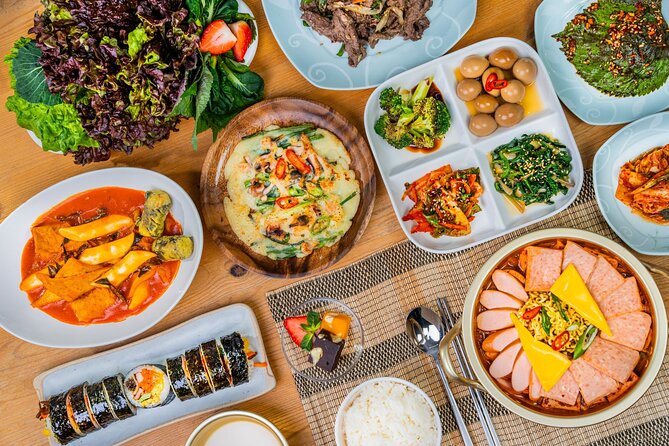
After preparing the food, you are served a full home-style meal. Korean tea and snacks are part of the experience, along with side dishes, dessert, and sikhye, a sweet Korean rice punch.
Makgeolli, a traditional Korean rice wine, is also served to people aged 21 and older. Participants under 21 receive non-alcoholic drinks instead. This is a useful detail for families, since the drink arrangement does not prevent younger members from taking part.
The meal is one of the strongest reasons to compare this class with a shorter market tour or a basic demonstration. You are not paying only for instruction. The price also covers a substantial spread of food and drinks, plus the chance to sit and eat what you prepared.
The portions may be more than you expect from a three-hour activity. That can be a welcome value for couples and families, but it can also be too much if you schedule the class immediately after breakfast or before a major dinner reservation. I would leave a generous gap around it.
A few more Seoul trips worth weighing up
- Yongpyong Ski Resort from Seoul with Optional Lesson and Packages
★ 5.0 · 217 reviews - Korean Cooking Class with Grocery Shopping at Seoul Local Market
★ 5.0 · 107 reviews - Royal Seoul Cooking Class in a 100-Year-Old Hanok
★ 5.0 · 81 reviews - K-pop Dance Class in Seoul (Incl. video shooting & editing)
★ 5.0 · 52 reviews
What makes the atmosphere work for families
The class is suitable for more than serious food fans. Families with children aged 10 and 12 have taken part, with the instructor adjusting her help to their skill levels. That suggests the class can work well for children who like to handle ingredients and take part in a group activity.
You should still judge your own child’s patience and interest. This is a cooking lesson, not a fast-moving entertainment show. The class includes preparation, waiting for food to cook, and sitting down for a meal.
The small group limit helps here. With no more than 10 participants, Jennifer can offer individual help when a child needs assistance with a technique or when an adult wants to ask about an ingredient. The class also has a social side, since you prepare food alongside other people and share the finished meal.
Couples and solo visitors can benefit in a different way. The format gives you something concrete to do together, and the recipes provide a useful reminder of Seoul after you return home. It is also a good break from sightseeing, especially if your days have been filled with palaces, shops, and museums.
Dietary needs and personal preferences
The class can offer alternative recipes for dietary restrictions, and the food can be adjusted to preferences. That is helpful, but you should communicate your needs before the activity rather than waiting until cooking begins.
The available information does not list every possible substitution or identify specific allergens. If your needs are serious or medically important, ask the provider for confirmation before booking. Do not assume that an alternative recipe will cover every restriction.
The same advice applies to spice. Tteokbokki traditionally has a gochujang-based sauce, but the class allows adjustments to personal taste. An early conversation with Jennifer should make it easier to set a comfortable heat level while keeping the dish recognizably Korean.
Is the $89 price good value?
At $89 per person, this class costs more than simply ordering Korean food in Seoul. That comparison is not quite fair, since the fee includes instruction, ingredients, a full meal, Korean drinks and snacks, dessert, and digital recipes.
The value is strongest if you want to learn rather than just eat. You receive hands-on time with four different dishes, guidance from a dedicated instructor, and a meal that appears to be large enough to include leftovers. For a family, the class also combines food with culture, language, and a shared activity.
The value is weaker if you dislike cooking, have a very tight schedule, or mainly want a quick taste of Korean cuisine. Three hours is a meaningful part of a Seoul day, and the class asks you to participate rather than sit back.
The 97 percent recommendation rate and 4.9 rating from 64 reviews point to a consistent experience, especially around Jennifer’s teaching, the clean setup, the food portions, and her ability to adjust to different needs. Those strengths support the price, though no class can guarantee that every participant will enjoy every dish or the pace of instruction.
Choosing morning or evening
Morning and evening sessions are available. A morning class can work well if you want a substantial meal before an afternoon of sightseeing, but remember that the activity lasts about three hours and may leave you too full for an early lunch.
An evening session gives you a chance to cook dinner instead of searching for a restaurant afterward. It may fit naturally into a day in Jongno, though you should check your other plans so you are not rushing to reach the meeting point.
The activity ends where it begins, at the Jahamun-ro meeting point. That makes the return simple, but the supplied details do not promise transportation to your hotel or another Seoul neighborhood.
What to bring and how to prepare
Bring your booking confirmation on your mobile device, since the activity uses a mobile ticket. Wear something comfortable for standing and cooking, though the available details do not specify a dress code or whether aprons are supplied.
Most important, arrive hungry but not uncomfortably so. You will prepare four main dishes and receive snacks, side dishes, drinks, and dessert. Several portions may be large enough to take away leftovers.
If you are booking for a family, tell the provider about the children and any food restrictions in advance. If you are booking near your travel date, plan early. The experience is booked on average 34 days ahead, which suggests that popular dates can fill well before the day itself.
Free cancellation is available when you cancel at least 24 hours before the start time. Changes or cancellations inside that window are not accepted for a refund. The activity can also be affected by poor weather or by failing to reach its minimum number of participants, in which case another date or a full refund is offered.
Who should book this Seoul cooking class?
I would choose this class if you want a hands-on cultural activity with enough food to count as a meal. It suits first-time visitors who want context for Korean cuisine, repeat visitors looking for something more personal than sightseeing, and families whose children enjoy practical activities.
It is especially appealing if you like taking recipes home. Gimbap, haemulpajeon, tteokbokki, and budae jjigae offer four different techniques and flavors, while the digital recipes make it easier to try them again.
I would hesitate if you want a short, polished food tasting with no work involved. I would also check the spice level and dietary arrangements carefully if your food restrictions are strict.
Should you book it?
Yes, if you want to cook, eat well, and learn how Korean home-style dishes fit into everyday food culture. Jennifer’s patient teaching, the small group size, adaptable recipes, and generous meal make the $89 fee reasonable for a three-hour Seoul activity.
Book it for a morning or evening when you can give the class your full attention. Leave room in your stomach, allow time to reach Jongno, and tell the provider about dietary needs before you arrive. For many visitors, the best souvenir here is not a small gift from a shop, but a recipe you can make again at home.
FAQ
Where does the cooking class begin?
The class begins at 31-5 Jahamun-ro, Jongno District, Seoul, South Korea.
Where does the activity end?
The activity ends back at the meeting point.
How long does the cooking class last?
The class lasts approximately three hours.
Which Korean dishes will I prepare?
You will prepare gimbap, tteokbokki, haemulpajeon, and budae jjigae.
Are drinks and dessert included?
Yes. The experience includes Korean tea, snacks, sikhye, side dishes, makgeolli for participants aged 21 and older, and desserts. People under 21 receive non-alcoholic drinks.
Can the class accommodate dietary restrictions?
Alternative recipes can be offered for dietary restrictions, and dishes can be adjusted to personal preferences. You should communicate your needs before the class.
What is the cancellation policy?
You can cancel at least 24 hours before the start time for a full refund. Cancellations or changes made less than 24 hours in advance are not accepted for a refund. If the activity is canceled because of poor weather or an insufficient number of participants, you can choose another date or receive a full refund.
Just added around Seoul
- Incheon Airport Private Transfer between Seoul City★ 4.0 · 4 reviews
- Seoul’s Stars: Open Mic with Local & International Talent★ 4.8 · 4 reviews
- Samaksan Cable Car and Nami Island Day Escape with Railbike★ 4.0 · 4 reviews
- DMZ 2nd Tunnel and Cheorwon Peace Observatory with Admission★ 5.0 · 4 reviews
- [KoreaByLocal] Authentic Seoul Night Walk and Chicken & Beer★ 5.0 · 4 reviews
- Nami & Maple Road & Theatre des Lumieres Day Tour from Seoul★ 4.8 · 4 reviews
- Hire Photographer, Professional Photo Shoot – Seoul★ 5.0 · 4 reviews
- Play Gayageum in Hanbok Cultural Experience in Bukchon★ 5.0 · 4 reviews
Cooking Classes, compared.
Local Home Korean Cooking Class & Market Adventure in Seoul
Read our review →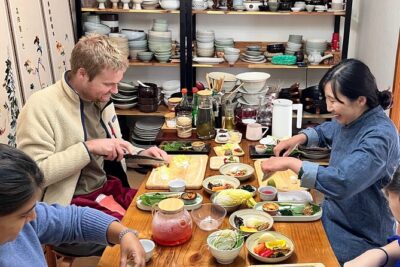
Master Korean traditional cooking with a Kimchi chef
Read our review →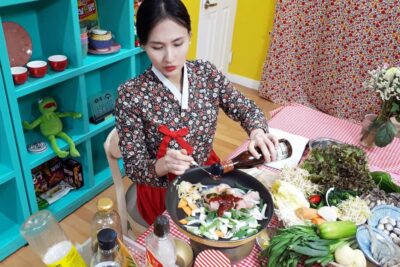
Korean Cooking Class at a Local Home and Market Tour
Read our review →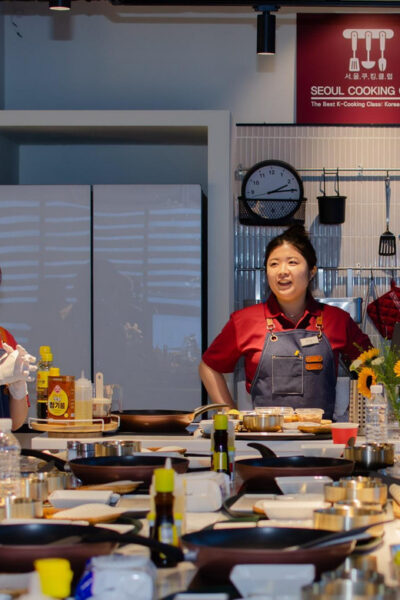
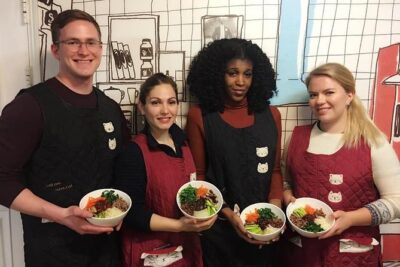
Cook 3 Authentic Korean Dishes with Local Market Tour
Read our review →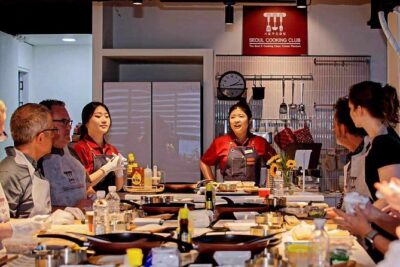
Experience Korean Cooking in Modern Hanok Kitchen
Read our review →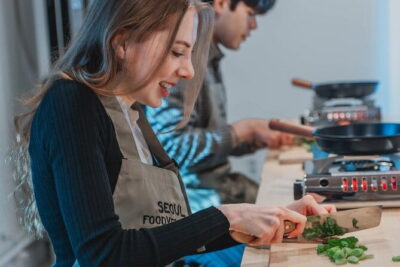
Korean Cooking Class with Grocery Shopping at Seoul Local Market
Read our review →Browse the lists this tour appears in