
Reviewed · COOKING CLASSES
Secret Cooking Class in Seoul by Secret Food Tours
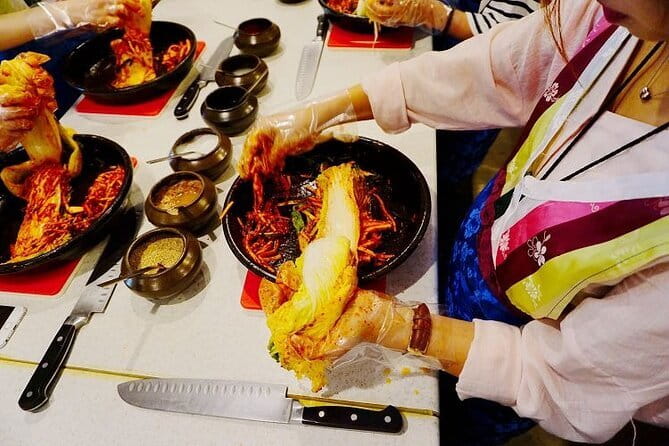
The star of this Seoul class is kimchi in three different forms. Near Gyeongbokgung Palace, you prepare a crisp cabbage kimchi pancake, turn radish kimchi into fried rice with bacon and egg, and make mild white kimchi with noodles and broth. It is a useful lesson in how one Korean staple can change from fiery side dish to full meal.
I like the small group limit of eight, which gives you a better chance to work directly with the chef instead of watching from the back. I also like the mix of cooking and food culture: you learn how kimchi is made, why fermentation matters, and how to find the ingredients in your own city.
The main drawback is the short two-hour format. You get a focused introduction rather than a long culinary workshop, so the class moves at a steady pace. If you want to prepare several batches of kimchi from start to finish, this is not that kind of class.
In This Review
- Key points at a glance
- Kimchi becomes the main course near Gyeongbokgung Palace
- Washing hands, meeting the chef, and learning the basics
- First dish: cabbage kimchi pancake with a crisp edge
- Second dish: kkakdugi, fried rice, bacon, and an egg
- Third dish: white kimchi with noodles and broth
- Makgeolli, a soft drink, and the extra secret dish
- What two hours really gives you
- Is the $87 price good value?
- Who will enjoy this class most?
- Practical details before you book
- My call: book it for a focused kimchi lesson
- FAQ
- Where does the Seoul Secret Cooking Class meet?
- Where does the class finish?
- How long does the cooking class last?
- How many people can join?
- Which dishes do you prepare?
- Is the white kimchi spicy?
- Is a drink included?
- What else is included with the meal?
- How much does the experience cost?
- Can you cancel for a refund?
Key points at a glance
- Three kimchi-based dishes: Make a cabbage kimchi pancake, radish kimchi fried rice with bacon and egg, and white kimchi noodles with broth.
- Near Gyeongbokgung Palace: The meeting point is on the third floor at 36 Jahamun-ro 7-gil in Jongno District.
- A lesson in Korean food tradition: Learn about fermentation, kimchi varieties, flavor balance, and traditional preparation.
- A compact group: The class accepts no more than eight people, making hands-on instruction more likely.
- Makgeolli included: Enjoy one glass of Korean rice wine, or choose a soft drink instead.
- A secret dish: One extra tasting is included, though its identity is kept until the experience.
Kimchi becomes the main course near Gyeongbokgung Palace
Many visitors first meet kimchi as a small side dish served with rice, soup, or barbecue. This class gives you a broader view. You work with kimchi as a batter ingredient, a crunchy vegetable, and the base for a cool noodle dish.
That range is what makes the class useful. You are not simply learning one recipe. You are seeing how Korean cooks use fermentation to add sourness, salt, heat, texture, and depth to everyday food.
The setting is near Gyeongbokgung Palace, one of Seoul’s best-known historic sights. The class itself begins at 36 Jahamun-ro 7-gil, on the third floor, and ends at the same place. That makes it easy to fit into a day spent around Jongno, though you should allow time to find the exact building and floor.
The location also gives the cooking class a strong neighborhood connection. You are not being taken far outside the center for a generic kitchen lesson. You can pair it with palace visits, nearby streets, or other stops in Jongno before or after the meal.
More Korean cooking classes:
- Local Home Korean Cooking Class & Market Adventure in Seoul
★ 5.0 · 1,024 reviews - Master Korean traditional cooking with a Kimchi chef
★ 5.0 · 385 reviews - Seoul: Korean Cooking Class at a Local Home and Market Tour
★ 5.0 · 348 reviews
Washing hands, meeting the chef, and learning the basics
The session starts with the practical essentials. You meet the chef at the designated location, wash your hands, and begin with the skills needed to prepare a Korean meal.
The chef introduces local ingredients and explains how you might locate similar items in your own city. That detail matters if you want to repeat the recipes after returning home. A cooking class is far more useful when it helps you shop and substitute, not just follow a recipe in one special kitchen.
You also learn about kimchi itself. The class covers its place in Korean food culture, how it is made, and the many forms it can take. Suyeon is one chef associated with the experience, and the class places clear weight on explaining the traditions and methods behind the food.
The group size is capped at eight people. That is small enough to keep the session personal, although the exact amount of individual attention can still depend on the day’s group and the pace of the cooking. You should expect to take part rather than simply watch a demonstration.
First dish: cabbage kimchi pancake with a crisp edge
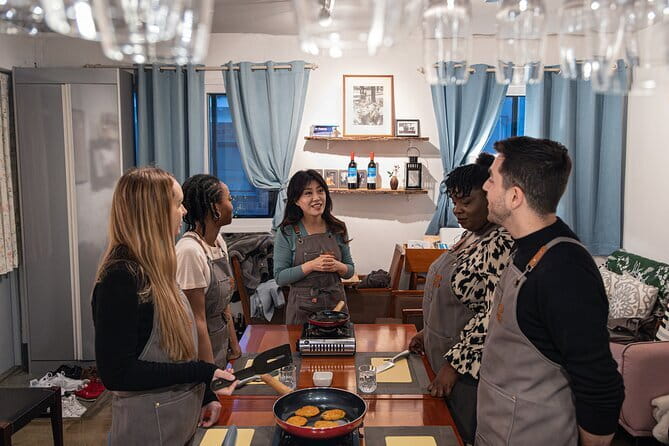
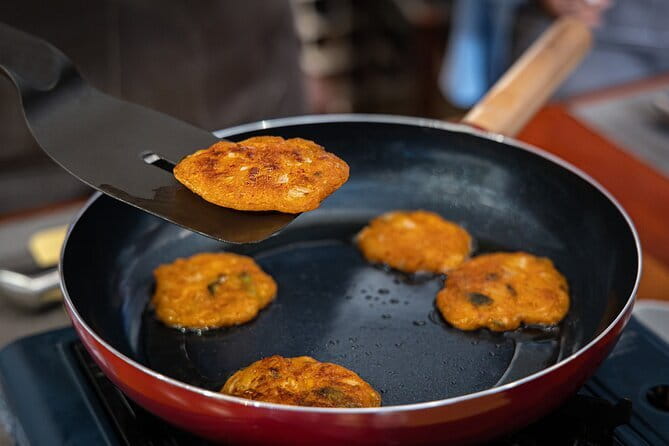
The first dish is kimchi-buchimgae, a savory pancake made with cabbage kimchi. It is a simple Korean favorite, but it shows several basic cooking ideas at once.
The fermented cabbage gives the pancake a salty, sour, spicy flavor. The batter turns crisp as it cooks, while the kimchi brings moisture and a soft texture inside. The contrast is the point. You are learning how to make a modest set of ingredients taste full and satisfying.
This is likely the most approachable dish for cooks who want a quick recipe at home. It does not require a separate main course, and it works as a snack, side dish, or light meal. During the lesson, the chef can show you how the mixture comes together and how the pancake reaches its proper texture.
The word crispy matters here. A kimchi pancake that stays soft throughout can feel heavy. The appeal comes from getting a browned outside while keeping the interior tender. In a two-hour class, this first recipe also helps you get comfortable with the ingredients before the more involved dishes follow.
Second dish: kkakdugi, fried rice, bacon, and an egg
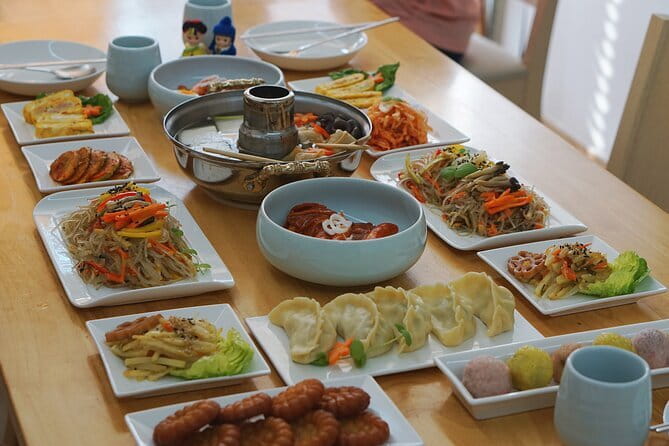
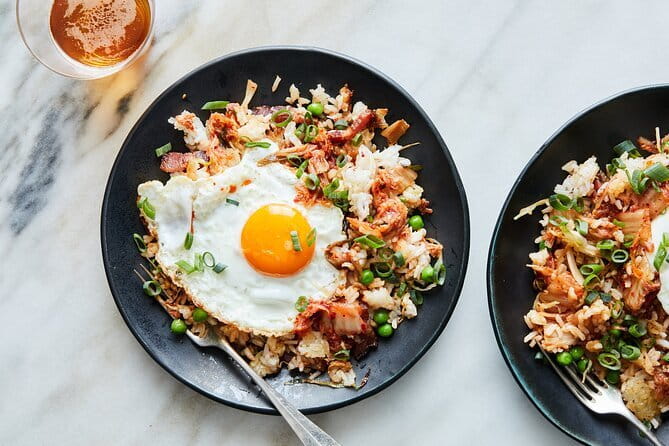
Next comes radish kimchi, known as kkakdugi. Instead of treating it only as a side dish, you use it in a hearty fried rice preparation with bacon and a golden cooked egg.
This is a clever lesson in leftovers and balance. The crunchy radish brings a sharp fermented note, while rice softens the stronger flavors. Bacon adds salt and richness, and the egg rounds out the plate. You get a filling dish without losing the character of the kimchi.
For many people, this will be the most practical recipe of the class. Fried rice is flexible, and kimchi can give it enough flavor to become a complete meal. You will also see how Korean cooking often balances hot, sour, salty, savory, and rich elements in one bowl.
The dish is more substantial than the pancake, so the meal builds as the class continues. If you prefer mild food, ask about the level of heat as the class begins. The information provided confirms that the white kimchi is non-spicy, but it does not give a precise heat level for every other dish.
A few more Seoul trips worth weighing up
- Seoul Street Food Market Tour
★ 5.0 · 1,226 reviews - Seoul: Night Market Food Tour with Local Guide
★ 4.9 · 943 reviews - Downtown Seoul Guided Food & Market Tour with 8+ Local Tastings
★ 5.0 · 580 reviews - Small-Group Night Food Tour in Seoul with Korean BBQ
★ 5.0 · 304 reviews
Third dish: white kimchi with noodles and broth
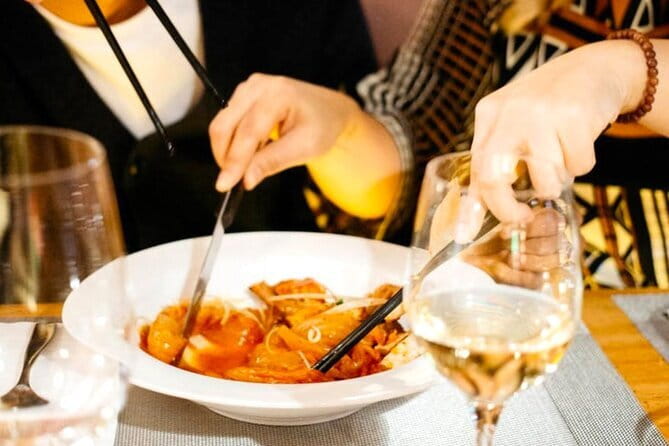
The final named dish is baek-kimchi, or white kimchi. Unlike the red, spicy varieties many people know, this version is mild and refreshing.
You serve it with a delicate broth and noodles. This changes the mood of the meal. After the crisp pancake and rich fried rice, the white kimchi course gives you something lighter, cooler, and less forceful.
This dish is especially valuable if you are unsure about spicy food. It shows that Korean kimchi is not one fixed recipe. The family of kimchi includes different vegetables, seasonings, colors, and levels of heat.
The broth and noodles also show how fermentation can be used in a more restrained way. Instead of relying on chili for impact, the dish depends on clean flavor, texture, and the gentle sourness of the kimchi. You leave with a better sense of why kimchi belongs in so many parts of Korean cooking.
Makgeolli, a soft drink, and the extra secret dish
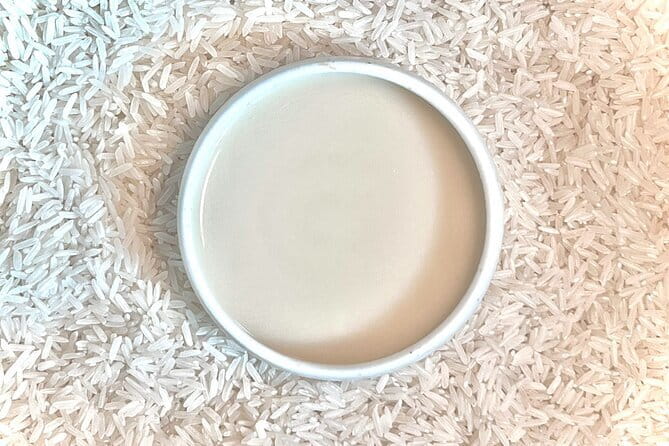
The class includes one glass of makgeolli, a Korean rice wine. It is a fitting drink for a meal centered on fermentation, since the beverage itself is made through a traditional rice-based process.
You can choose a soft drink instead if you do not drink alcohol. That makes the class more flexible for families, non-drinkers, and anyone who wants to stay sharp while cooking.
There is also a secret dish included in the meal. The details are intentionally not given in advance, so you should treat it as an extra tasting rather than plan your meal around it. It adds an element of surprise, but the three named kimchi dishes are the main reason to book.
Because all the food is prepared during the class, you should arrive ready to eat what you make. The included dishes are not just samples. You receive your own cabbage kimchi pancake, radish kimchi with bacon, rice and egg, white kimchi with noodles, the drink, and the additional dish.
What two hours really gives you
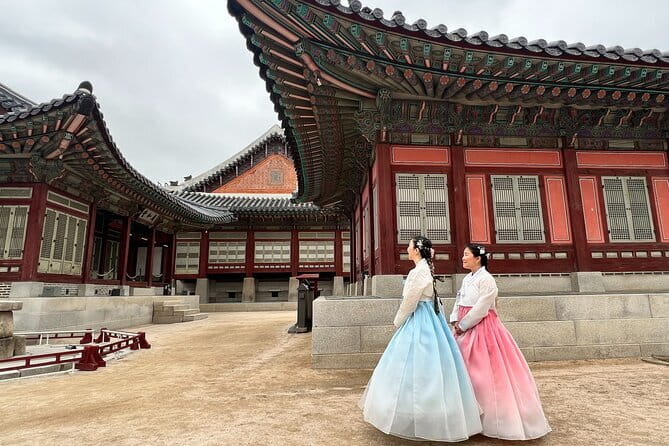
Two hours is enough for a compact introduction to kimchi and Korean home-style cooking. You can expect to handle ingredients, follow the chef’s instructions, prepare three dishes, and eat during the same session.
The time limit also shapes the experience. You are learning selected dishes rather than completing a long fermentation project. Kimchi fermentation normally involves time beyond the class itself, so the focus here is on preparation, flavor, use, and cultural context.
I would think of this as a food-focused activity, not a professional cooking course. You will gain recipes and techniques, but you should not expect advanced knife work, a detailed study of fermentation science, or a long discussion of regional Korean cuisine unless the chef adds it during your session.
The pace may suit you if your Seoul schedule is tight. It is short enough to fit between sightseeing stops, yet long enough to produce a complete meal. If you want a relaxed class with plenty of time for questions, the small group helps, but the two-hour window may still feel brisk.
Is the $87 price good value?
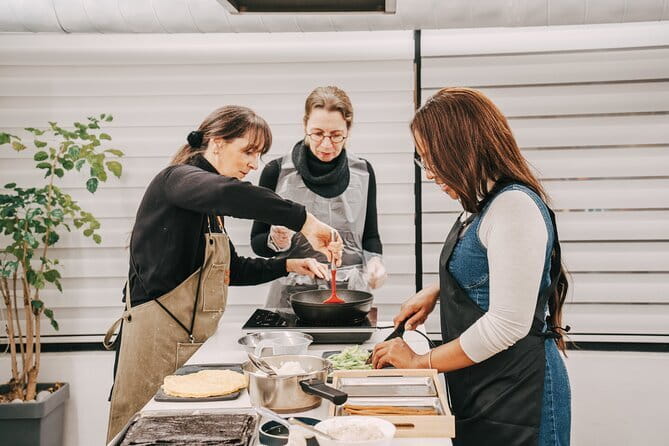
At $87 per person, this is not a budget meal. You are paying for a guided activity, ingredients, instruction, drinks, a small group, and a meal near one of Seoul’s major sightseeing areas.
The value depends on what you want from your food experience. If you only want to eat kimchi dishes, you can spend less at a restaurant. If you want to understand how the flavors work and learn recipes you can try later, the price becomes easier to justify.
The group limit of eight is important here. A large class could offer similar food for less, but it would likely feel less personal. The chance to ask questions, work through the recipes, and receive direct help adds much of the value.
You also receive three different preparations rather than one dish. The pancake, fried rice, and white kimchi noodles cover different textures and flavors. That variety gives you more cooking ideas to take home.
I would recommend comparing this cost with other hands-on food classes in Seoul before booking. The strongest reason to choose this one is its narrow focus on kimchi and its small-group format, not simply the amount of food on the table.
Who will enjoy this class most?
This experience suits you if you want a practical food activity close to central Seoul. It is a good fit for couples, friends, solo visitors who enjoy meeting people, and small family groups interested in Korean cooking.
It also works well for anyone who already knows kimchi as a packaged side dish but wants to understand how it fits into a meal. The three recipes show more range than a single tasting.
You will likely appreciate it most if you are willing to take part. The class is built around preparing food, not sitting back while a chef cooks everything. Wear something comfortable for a kitchen setting, though specific clothing requirements are not provided.
The class may be less suitable if you want a full-day culinary program, a market visit, or a lesson focused on making a large batch of kimchi for later fermentation. None of those features is listed. The strength here is a short, focused meal-making session.
Practical details before you book
The meeting point is the third floor at 36 Jahamun-ro 7-gil in Seoul’s Jongno District. The location is near public transportation, and the activity returns to the same meeting point.
A mobile ticket is provided, which is useful when you are moving around Seoul with your phone. Confirmation is sent within 48 hours of booking, subject to availability, so do not assume that a booking is final until you receive it.
The class is generally booked eight days ahead, which suggests you should reserve in advance if your Seoul dates are fixed. The group size is limited to eight people, and the activity requires a minimum number of participants.
Free cancellation is available if you cancel at least 24 hours before the start time. Cancellations or changes made inside that period are not refunded or accepted. If poor weather or an insufficient number of participants causes the class to be canceled, you are offered another date or experience, or a full refund.
The activity is listed as requiring good weather. Since the exact reason is not explained, check the cancellation terms close to the date and keep some flexibility in your schedule.
My call: book it for a focused kimchi lesson
I would book this class if you want to eat a proper meal, learn a few repeatable recipes, and spend two hours on a small food activity near Gyeongbokgung Palace. The mix of cabbage pancake, kkakdugi fried rice, and mild white kimchi gives you a much wider look at Korean food than a single kimchi tasting.
I would skip it if your priority is a long fermentation workshop, a market tour, or the lowest-cost meal possible. At $87, the value rests on instruction and participation.
For most food-minded visitors, the small group, named dishes, drink choice, and extra secret dish make this a sensible addition to a Seoul itinerary. Just book ahead, confirm the meeting details, and arrive ready to cook rather than simply watch.
FAQ
Where does the Seoul Secret Cooking Class meet?
You meet on the third floor at 36 Jahamun-ro 7-gil in Jongno District, Seoul, South Korea.
Where does the class finish?
The activity ends back at the meeting point.
How long does the cooking class last?
The class lasts approximately two hours.
How many people can join?
The activity has a maximum of eight travelers.
Which dishes do you prepare?
You prepare a cabbage kimchi pancake, radish kimchi with bacon, rice and egg, and white kimchi with broth and noodles.
Is the white kimchi spicy?
The white kimchi, or baek-kimchi, is a non-spicy dish.
Is a drink included?
Yes. You receive a glass of makgeolli or a soft drink.
What else is included with the meal?
A secret dish is included in addition to the three named kimchi dishes.
How much does the experience cost?
The listed price is $87 per person.
Can you cancel for a refund?
You can cancel up to 24 hours before the start time for a full refund. Cancellations or changes made less than 24 hours before the experience are not accepted for a refund.
More Workshops in Seoul
- Yongpyong Ski Resort from Seoul with Optional Lesson and Packages
★ 5.0 · 217 reviews - Korean Cooking Class with Grocery Shopping at Seoul Local Market
★ 5.0 · 107 reviews - Royal Seoul Cooking Class in a 100-Year-Old Hanok
★ 5.0 · 81 reviews - Seoul : Taste of Korea, Authentic Home-Style Cooking Class
★ 5.0 · 64 reviews
More Food in Seoul
- Seoul Night Palace & Market Food Tour with Vehicle
★ 5.0 · 275 reviews - Seoul Fun Food Tour: 12 different food tastings
★ 5.0 · 266 reviews - The Award-Winning PRIVATE Food Tour of Seoul: The 10 Tastings
★ 4.5 · 128 reviews - Afternoon E-bike tour and “Happy Hour” food and drinks
★ 5.0 · 46 reviews
Just added around Seoul
- Incheon Airport Private Transfer between Seoul City★ 4.0 · 4 reviews
- Seoul’s Stars: Open Mic with Local & International Talent★ 4.8 · 4 reviews
- Samaksan Cable Car and Nami Island Day Escape with Railbike★ 4.0 · 4 reviews
- DMZ 2nd Tunnel and Cheorwon Peace Observatory with Admission★ 5.0 · 4 reviews
- Nami & Maple Road & Theatre des Lumieres Day Tour from Seoul★ 4.8 · 4 reviews
- Hire Photographer, Professional Photo Shoot – Seoul★ 5.0 · 4 reviews
- [KoreaByLocal] Authentic Seoul Night Walk and Chicken & Beer★ 5.0 · 4 reviews
- Play Gayageum in Hanbok Cultural Experience in Bukchon★ 5.0 · 4 reviews
Cooking Classes, compared.
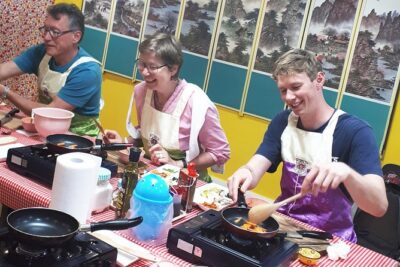
Local Home Korean Cooking Class & Market Adventure in Seoul
Read our review →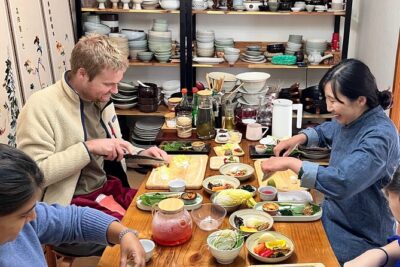
Master Korean traditional cooking with a Kimchi chef
Read our review →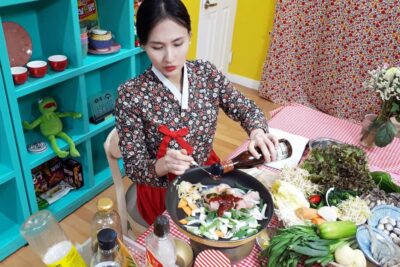
Korean Cooking Class at a Local Home and Market Tour
Read our review →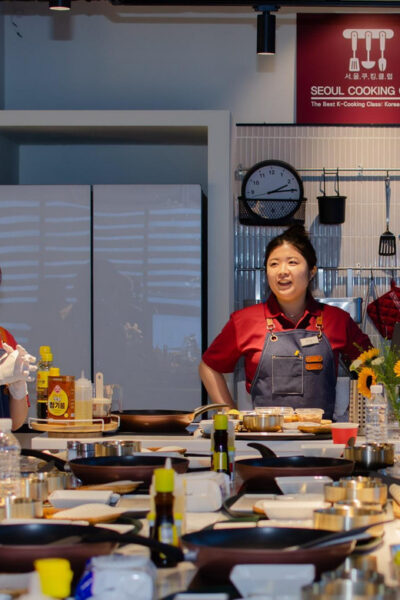
Cook 3 Authentic Korean Dishes with Local Market Tour
Read our review →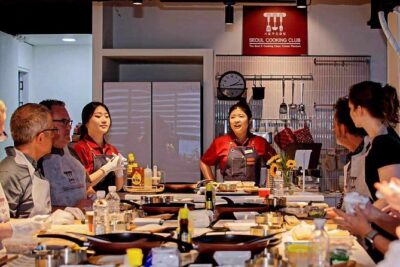
Experience Korean Cooking in Modern Hanok Kitchen
Read our review →
Korean Cooking Class with Grocery Shopping at Seoul Local Market
Read our review →Browse the lists this tour appears in