
Reviewed · COOKING CLASSES
Korean Grandma Cooking Class l Gimbap & Kimchi Pancake l Seoul
The best part of this Seoul cooking class is the setting: you cook in Grandma Sharon’s home, not in a polished cooking studio built for tourists. Tea, family stories, and a short look around the house make the food lesson feel tied to daily Korean life.
I like the personal teaching style and the fact that you make both dishes yourself. I also like that children can take part, with Grandma Sharon’s patient English making the class a good fit for families. The main thing to consider is the location at Ui-dong in Gangbuk-gu, which may take more planning than a class in central Seoul.
In This Review
- Key Points Before You Book
- Why Cooking at Grandma Sharon’s Home Matters
- Welcome Tea and a Gentle Start
- A Short Tour of Korean Home Life
- Making Gimbap One Roll at a Time
- Turning Kimchi Into a Pancake
- Sitting Down to Eat What You Made
- Is $52 a Fair Price?
- Timing, Meeting Point, and Group Fit
- What Grandma Sharon Adds to the Experience
- Practical Details Worth Knowing
- Should You Book This Seoul Cooking Class?
- FAQ
- Where does the Korean Grandma Cooking Class meet?
- What time does the cooking class start?
- How long does the experience last?
- Which dishes will I make?
- Is this a private activity?
- Can children take part?
Key Points Before You Book
- Cook two Korean staples: Make your own gimbap and kimchi pancakes with Grandma Sharon’s guidance.
- Visit a real Seoul home: See how a Korean family living space and kitchen differ from a commercial cooking school.
- Meet at 11:00 a.m.: The class lasts about 2 hours and 30 minutes and returns to the starting point.
- Private for your group: Only your party takes part, so the pace can suit your family or friends.
- Good for children: Kids aged 9 and 11 particularly enjoyed the class, and Grandma Sharon is patient and communicates well in English.
- Budget about $52 per person: The price pays for a small, personal cultural experience as well as the cooking lesson.
Why Cooking at Grandma Sharon’s Home Matters
Seoul offers plenty of food classes, but many take place in purpose-built kitchens with rows of identical workstations. This one begins at the Meritz Fire Insurance Training Institute at 92 Ui-dong, Gangbuk-gu, then brings you into a local home environment.
That change of setting is important. You are not only learning how to roll rice and prepare a pancake. You are seeing where Korean daily life happens. The home tour gives you a glimpse of living spaces and traditional kitchen arrangements, details that are easy to miss when you spend your whole visit in restaurants and shopping districts.
The class also has a personal quality. Grandma Sharon shares family recipes and stories while she teaches, so the meal has a sense of family connection rather than a purely technical lesson. I like this approach because food becomes a way to understand people, not just a list of steps.
The setting may not suit you if you prefer a central Seoul attraction or a fast, tightly scheduled activity. Ui-dong is in Gangbuk-gu, away from some of the city’s most familiar visitor areas. Public transportation is nearby, but you should allow enough time to reach the meeting point for the 11:00 a.m. start.
More Korean cooking classes:
- Local Home Korean Cooking Class & Market Adventure in Seoul
★ 5.0 · 1,024 reviews - Master Korean traditional cooking with a Kimchi chef
★ 5.0 · 385 reviews - Seoul: Korean Cooking Class at a Local Home and Market Tour
★ 5.0 · 348 reviews
Welcome Tea and a Gentle Start
The experience begins with a cup of welcome tea. This is a small touch, but it sets the right pace. Instead of rushing straight to chopping and rolling, you have time to settle in and meet the people in your private group.
Tea also creates an easy opening for conversation. You can hear about Grandma Sharon’s home and family, and she can learn a little about you. If you are traveling with children, this slower beginning may help them feel comfortable before the cooking starts.
The tea is part of what you are paying for at this price point. A standard class might focus only on the recipe. Here, the first minutes are used to build a friendly connection and place the food in a Korean home setting.
Keep your expectations realistic. This is not described as a tea ceremony or a formal lesson about Korean tea. It is a welcome drink and a chance to get acquainted before the main activity.
A Short Tour of Korean Home Life
Before cooking, Grandma Sharon shows you around her home. You can learn about Korean living spaces, kitchen arrangements, and the way a local household is organized.
The tour is brief, but it gives the class context. You may have seen Korean homes in dramas or modern apartment buildings from the outside. This visit lets you look at an actual home from the inside, with Grandma Sharon explaining what matters to her family.
The attraction here is ordinary life. You are not touring a palace or museum. You are seeing the kind of domestic setting that can make Seoul feel more understandable. That is especially useful if you want cultural contact beyond famous sights.
The available details do not promise a large house or an extensive collection of antiques, so I would not book this expecting a museum visit. Think of it as a personal introduction to a Korean home before sitting down to cook.
Making Gimbap One Roll at a Time

Gimbap is the first main dish. Grandma Sharon teaches you how to make it in a Korean home style, and you prepare your own roll rather than simply watching a demonstration.
That hands-on format is valuable. Gimbap can look simple when it arrives neatly sliced at a restaurant, but getting a tidy roll takes some care. You will learn the basic method from someone who makes the dish as part of local food culture, then get the satisfaction of handling the ingredients yourself.
For families, gimbap is a sensible choice. Children can take part in assembling and rolling the food, and the finished dish is easy to share. A family with children aged 9 and 11 found the class especially memorable, with cooking becoming their favorite part of the Seoul experience.
I would not expect restaurant-perfect rolls on your first attempt. That is part of the fun. Your gimbap may be a little loose or uneven, but you will understand how it is made and can try it again at home.
The lesson is also more useful than a simple tasting. You leave with a method, not just a photograph of food on a plate. Since the class centers on making your own dishes, you should be prepared to participate rather than sit back and observe.
A few more Seoul trips worth weighing up
- Yongpyong Ski Resort from Seoul with Optional Lesson and Packages
★ 5.0 · 217 reviews - Korean Cooking Class with Grocery Shopping at Seoul Local Market
★ 5.0 · 107 reviews - Royal Seoul Cooking Class in a 100-Year-Old Hanok
★ 5.0 · 81 reviews - Seoul : Taste of Korea, Authentic Home-Style Cooking Class
★ 5.0 · 64 reviews
Turning Kimchi Into a Pancake
The second dish is a kimchi pancake made with Grandma Sharon’s kimchi. You taste the kimchi and then use it to prepare the pancake, linking the ingredient to the finished dish.
This part gives you a different kind of cooking lesson from gimbap. Gimbap involves careful assembly and rolling. The kimchi pancake is about combining ingredients and cooking them into a warm, shareable dish. Together, the two recipes show different sides of Korean home food.
Using Grandma Sharon’s kimchi adds a personal element. You are not simply opening a packaged ingredient in a classroom kitchen. You are working with the food she serves and knows well.
The class information does not specify the recipe quantities, cooking equipment, or spice level. If you have a strong sensitivity to spicy food, ask Grandma Sharon about the kimchi before you begin. The activity does clearly include tasting the kimchi, so this is worth considering in advance.
Sitting Down to Eat What You Made
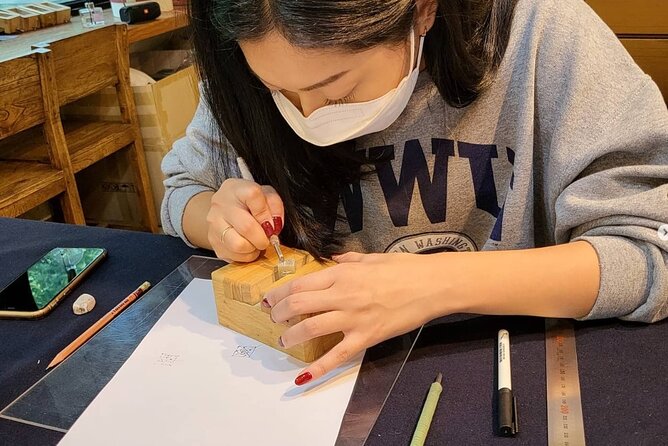
Once the cooking is finished, you gather around the table and eat the gimbap and kimchi pancakes together. This shared meal gives the class a natural finish. You can see how the separate tasks come together, compare your results, and talk with Grandma Sharon.
I like that the meal is not treated as an afterthought. Cooking in a Korean home makes sense when you sit down and share the food in the same setting. It is also a welcome pause after the practical work of preparing the dishes.
There is time for stories and a picture with Grandma Sharon. That photo can be a pleasant souvenir, but the conversation is likely to be the more lasting part of the visit. You are meeting a local host in her own home, and the personal exchange is central to the experience.
Because this is a private activity, only your group participates. That gives you more room to ask questions and lets the meal feel less like a performance. It can also make the class a better fit for a family, since you do not need to match the pace of a large mixed group.
Is $52 a Fair Price?
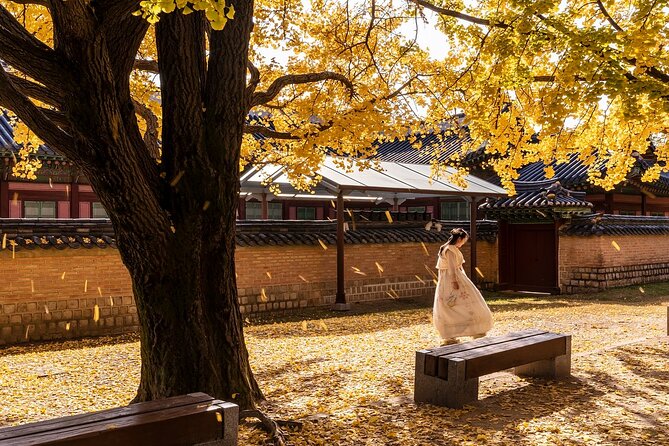
At $52 per person, this is not the cheapest way to eat Korean food in Seoul. You can buy gimbap and pancakes for far less at a casual restaurant. The value comes from the setting, personal instruction, tea, home tour, stories, cooking time, and shared meal.
The class lasts about 2 hours and 30 minutes. That is a substantial portion of a day, but it does not feel like a full-day commitment. You get enough time to cook both dishes without turning the activity into a rushed demonstration.
The private format also matters. If your group includes children or people with different cooking confidence, a private class gives you more flexibility than a large public session. Grandma Sharon’s patience and good English communication are useful here, especially for families who want clear instructions.
I would call the price fair if you want a personal cultural activity, not simply a meal. It is less compelling if your main goal is to eat as cheaply as possible or to visit several Seoul sights in one morning.
The fact that the experience is often booked around 108 days in advance suggests that you should not leave it until the last moment if the date matters to you. Confirmation is issued within 48 hours, subject to availability, so check your booking details before building a tight schedule around it.
Timing, Meeting Point, and Group Fit
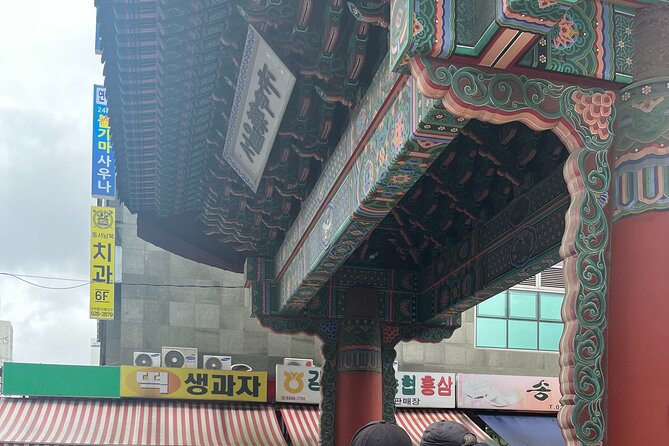
The class starts at 11:00 a.m. at the Meritz Fire Insurance Training Institute, 92 Ui-dong, Gangbuk-gu, Seoul. The activity ends back at the same meeting point.
Public transportation is nearby, which makes the location reachable without arranging a private car. Still, Ui-dong is not the same as meeting beside a major central attraction. I would plan the route the day before and leave extra time for finding the exact entrance.
The 11:00 a.m. start works well for a relaxed morning. You can eat breakfast first, travel to the meeting point, and finish in the early afternoon. Since the class ends where it begins, you can continue sightseeing afterward without needing to arrange a second pickup point.
This is a private tour for your group only. Most people can participate, and no special ability is listed as a requirement. You should still be ready to stand, handle food, and take part in the preparation, since the focus is on cooking your own dishes.
The class suits:
- Families with school-age children
- Couples who want a personal food experience
- Friends traveling together
- First-time visitors curious about ordinary Korean home life
- Anyone who wants to learn recipes they can attempt later
It may not suit you if you want a large professional kitchen, a formal culinary certificate, or a class focused on advanced cooking technique. It is a cultural home visit with cooking at its center.
What Grandma Sharon Adds to the Experience
A cooking teacher can show you a recipe. A grandmother hosting you at home can add something more personal: stories, family habits, and the small explanations that give a dish meaning.
Grandma Sharon’s patience is one of the strongest reasons to consider this class. Her English is good enough for communication, which removes a common worry for international visitors. You can ask questions and follow the steps without relying only on gestures or a printed recipe.
That matters even more when children are involved. Young cooks often need extra time and encouragement, and a patient teacher can turn a tricky roll or pancake into a success rather than a frustrating task.
The experience also supports a local, personal approach to tourism. Your money goes toward a host-led activity rather than only toward a commercial cooking facility. That does not automatically make every moment perfect, but it does give the visit a direct human connection.
I would keep the tone of the class in mind. This is home hospitality, not a show with a scripted stage presentation. The appeal comes from conversation and participation, so it works best when you are willing to ask questions, listen, and make the food yourself.
Practical Details Worth Knowing
The activity is offered with a mobile ticket, so you can keep the booking information on your phone. Confirmation arrives within 48 hours, subject to availability.
Free cancellation is available until 24 hours before the start time. If you cancel less than 24 hours ahead, you will not receive a refund, and changes made inside that window are not accepted. The cut-off follows Seoul local time.
A minimum number of participants is required for the activity to run. If that minimum is not met, you are offered another date or experience, or a full refund.
Since the class is frequently booked well ahead, I would reserve early for weekends, school holidays, or a specific day in your Seoul schedule. Keep the morning clear, and do not book a separate attraction with a strict early afternoon entry time unless you have allowed plenty of travel time.
Should You Book This Seoul Cooking Class?
Book it if you want to cook Korean food in a real home, meet a warm local host, and spend a relaxed morning making gimbap and kimchi pancakes. It is especially appealing for families, thanks to Grandma Sharon’s patience and clear English.
Skip it if you only want a quick food stop, a central location, or a formal cooking-school setting. The trip to Ui-dong takes planning, and the $52 price reflects personal hosting rather than a cheap meal.
For the right audience, this is a thoughtful way to see Seoul from the inside. You leave with a full stomach, two dishes you helped prepare, and a better sense of how food and family life meet in a Korean home.
FAQ
Where does the Korean Grandma Cooking Class meet?
The meeting point is the Meritz Fire Insurance Training Institute at 92 Ui-dong, Gangbuk-gu, Seoul, South Korea. The activity also ends at this same meeting point.
What time does the cooking class start?
The class starts at 11:00 a.m.
How long does the experience last?
The cooking class lasts approximately 2 hours and 30 minutes.
Which dishes will I make?
You will make gimbap and a kimchi pancake. Grandma Sharon also lets you taste her kimchi during the pancake preparation.
Is this a private activity?
Yes. Only your group participates in the activity.
Can children take part?
Most people can participate, and the experience has worked well for children. Grandma Sharon’s patience and good English communication make it suitable for families, including children around ages 9 and 11.
Just added around Seoul
- Jeonju & Yeosu: 4-Day Foodie & Artist Journey★ 5.0 · 3 reviews
- Seongsu-dong Walking Tour: K-Pop, Culture, Cheer, Friends & Relax★ 4.5 · 3 reviews
- Full Day Private Seoul Tour for foodies★ 5.0 · 3 reviews
- Imjingak DMZ Private Tour for Incheon Airport and Cruise Guests★ 5.0 · 3 reviews
- K-Pop Tour★ 3.5 · 3 reviews
- Strawberry Picking, Winter Sled with Eobi Ice Valley from Seoul★ 4.5 · 3 reviews
- Seoul: LEGOLAND Admission with Transport (Optional Railbike)★ 5.0 · 3 reviews
- Seoul: Seorak Mountain, East DMZ, and Sokcho Tour★ 5.0 · 3 reviews
Cooking Classes, compared.
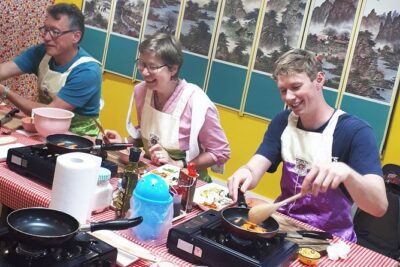
Local Home Korean Cooking Class & Market Adventure in Seoul
Read our review →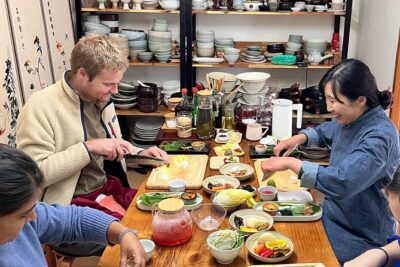
Master Korean traditional cooking with a Kimchi chef
Read our review →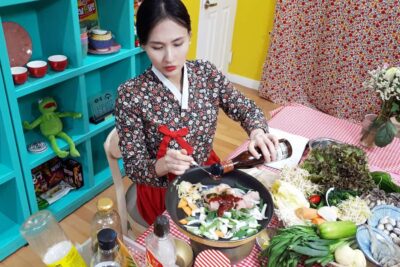
Korean Cooking Class at a Local Home and Market Tour
Read our review →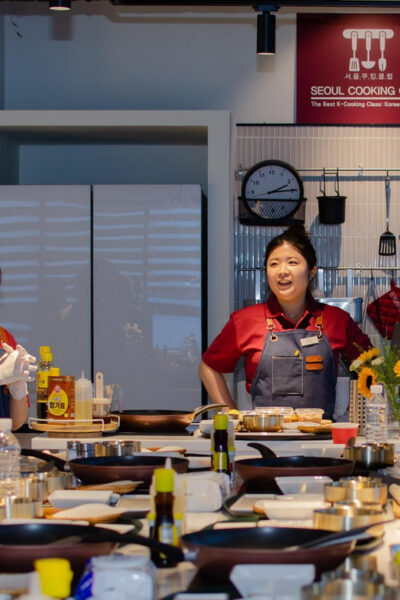
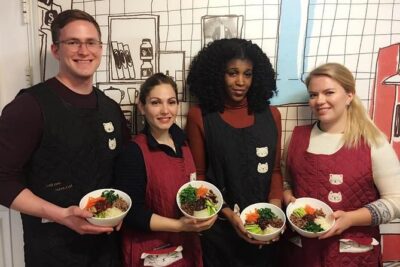
Cook 3 Authentic Korean Dishes with Local Market Tour
Read our review →
Experience Korean Cooking in Modern Hanok Kitchen
Read our review →
Korean Cooking Class with Grocery Shopping at Seoul Local Market
Read our review →Browse the lists this tour appears in