
Reviewed · COOKING CLASSES
Korean Cooking Class Full Meal with BBQ on an All in One Table
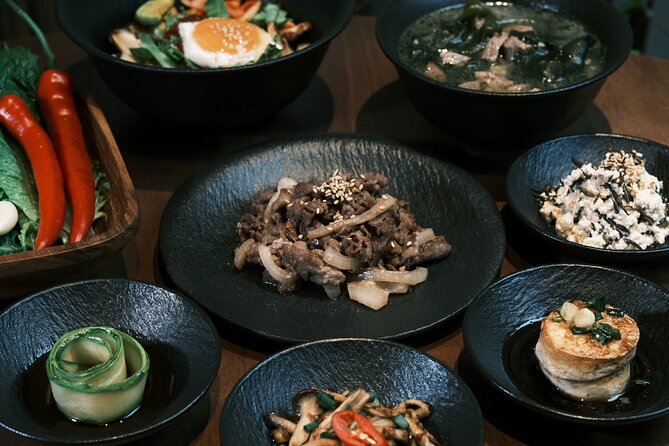
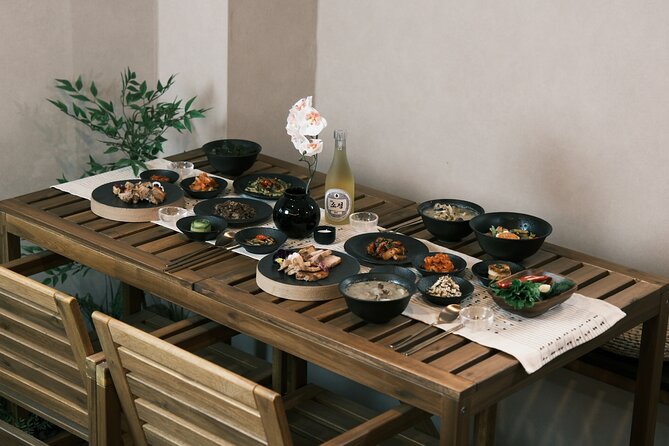
The best part of this Seoul cooking class is that you do not make just one famous dish. You prepare a full Korean table, with four side dishes, soup or stew, a main dish, and bibimbap, then sit down to eat it with chef-served pork belly BBQ. It feels closer to learning how a Korean meal works than taking a quick recipe lesson.
I like the small group size, capped at eight, and the thoughtful setting inspired by traditional Hanok architecture. I also like that the class gives real attention to plating and shared dining, not just chopping and stirring. The main consideration is the $89 price, which is fair for a three-hour meal-centered class but high if you only want to learn one simple recipe.
In This Review
- Key points at a glance
- What makes this Seoul cooking class different
- Arriving at Soop Table in Mapo
- Seasonal tea and the first look at Korean ingredients
- Making four banchan from fresh vegetables
- Choosing a main dish and soup or stew
- Plating your bibimbap your way
- Pork belly BBQ and traditional Korean liquor
- Dessert finishes the three-hour meal
- The food culture lesson behind the menu
- Is $89 a fair price in Seoul?
- Who should book this experience?
- Practical details before you reserve
- Should you book Soop Table?
- FAQ
- Where does the Korean cooking class take place?
- How long does the experience last?
- How many people can join the class?
- What food will I prepare?
- Do I cook the BBQ myself?
- Is a drink included?
- Can I choose my main dish and soup or stew?
- Is this a Korean market tour?
- What is the cancellation policy?
Key points at a glance
- A complete Korean meal: Prepare four banchan, one main dish, soup or stew, bibimbap, and dessert.
- A small Mapo class: The group is limited to eight people at Soop Table on Donggyo-ro 46-gil.
- Chef Woody’s personal touch: The chef uses seasonal vegetables and fermented pastes, including doenjang and gochujang, with some ingredients from his hometown.
- BBQ is served for you: You cook nearly everything, but the chef handles the grilled pork belly.
- Korean dining culture matters: The dishes are prepared to arrive together, rather than in separate Western-style courses.
- A practical three-hour format: You spend the time cooking and eating, not walking through markets.
What makes this Seoul cooking class different
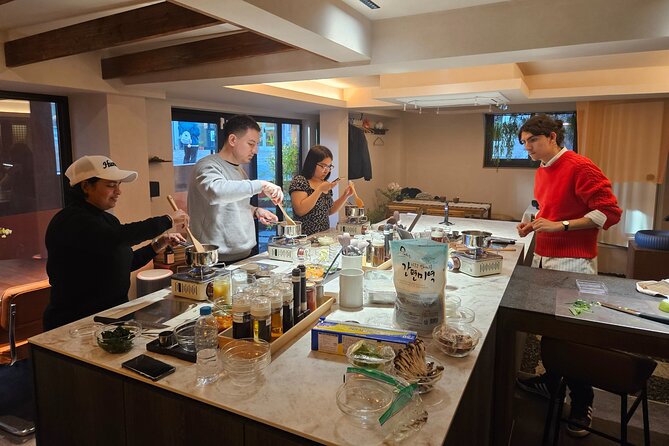
Many cooking classes focus on one recognizable dish. This one takes a wider view. You make the parts of a Korean meal that give the table its variety: small vegetable dishes, a bowl of soup or stew, a main dish, and a carefully arranged bowl of bibimbap.
That matters because Korean food is not usually built around one large plate arriving alone. The meal comes together as a group of dishes, with contrasting colors, textures, and flavors. You get to see how the side dishes support the main food rather than treating them as filler.
The class takes place at Soop Table: The Hansik Atelier in Seoul’s Mapo-gu district. The kitchen is inspired by Hanok architecture, and the setting includes details that go beyond a standard commercial classroom. One review describes a lava and slate walkway and a calm, distinctive atmosphere. You should expect a space designed to make the meal feel connected to Korean home cooking and traditional materials.
The group limit of eight is important. Cooking becomes harder to follow when too many people crowd around a counter or share one work surface. Here, the smaller scale should give you a better chance to see demonstrations, ask questions, and handle each dish yourself.
More Korean cooking classes:
- Local Home Korean Cooking Class & Market Adventure in Seoul
★ 5.0 · 1,024 reviews - Master Korean traditional cooking with a Kimchi chef
★ 5.0 · 385 reviews - Seoul: Korean Cooking Class at a Local Home and Market Tour
★ 5.0 · 348 reviews
Arriving at Soop Table in Mapo
The meeting point is Soop Table: Korean Cooking Class, at 34 Donggyo-ro 46-gil, Mapo-gu, Seoul. The experience begins and ends at this address, and the location is near public transportation.
Your timing matters. The class lasts about three hours, so arriving late could mean missing the early explanation of ingredients or the first preparation steps. Confirmation comes when you book, and the host may contact you afterward to confirm your dinner choices and timing. One useful detail from the class experience is that Woody reached out soon after booking to sort out meal choices, so keep an eye on your messages.
The class has a maximum of eight participants, which makes it a better fit for people who want a personal cooking lesson than for anyone looking for a large social event. It also suits couples, since the menu allows you to choose a main dish and a soup or stew based on your taste.
This is not a market walk. That is worth knowing before you reserve. You will not spend part of the afternoon browsing stalls or shopping for ingredients with the chef. Instead, the class uses that time for cooking, plating, and eating. If you want market suggestions, the host can share trusted local markets, but that is separate from the class itself.
Seasonal tea and the first look at Korean ingredients
The class begins with a seasonal Korean welcome tea. It is a small opening, but it sets the tone: the meal is connected to season, place, and the ingredients on the table.
You then learn about core Korean sauces and ingredients. Doenjang and gochujang are especially important here. Doenjang brings a fermented soybean depth, while gochujang adds the familiar Korean mix of heat, sweetness, and savory flavor. The point is not just to memorize sauce names. You learn how these pastes help shape a meal.
Some of the fermented pastes come from Woody’s hometown, which gives the lesson a personal link to Korean food traditions. The use of seasonal vegetables also helps you understand why Korean home cooking changes through the year. The exact vegetables are not fixed in the information provided, so you should expect the menu to reflect what is available rather than a rigid list of ingredients.
This is useful for home cooks. A recipe can tell you how much sauce to add, but a class can also show you how a Korean meal gains balance from fermented flavor, fresh vegetables, soup, and small side dishes. If you are hoping to take ideas home, the sauces and preparation methods may be more useful than one complicated signature dish.
Making four banchan from fresh vegetables
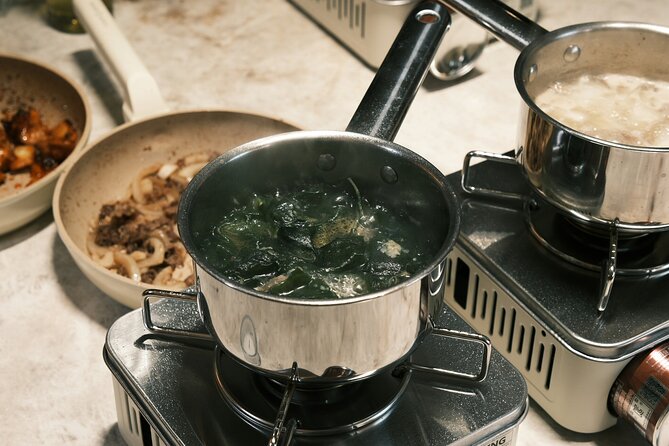
The banchan portion is the heart of the class. You prepare four Korean side dishes using fresh vegetables, and each one contributes something different to the finished table.
Banchan can be easy to underestimate. These small dishes are where Korean meals often gain variety. One may be crisp, another soft, another spicy, and another savory or lightly seasoned. The information provided does not name the four recipes, so do not book expecting a particular vegetable dish unless the host confirms the menu.
The practical advantage is that you get repeated practice. Instead of making one dish and watching the rest of the meal happen, you work through several preparations. That gives you a better feel for seasoning and for how a small amount of food can still have a clear role on the plate.
The class is also hands-on. You cook every dish yourself except for the BBQ, which the chef serves. That distinction matters. Some cooking experiences use the word hands-on for a short demonstration followed by a meal prepared mostly in advance. Here, the stated format gives you real work across the table.
The pace should still be manageable. The class runs about three hours, and the group is small. You should be prepared to stand, handle several ingredients, and follow instructions in sequence, but there is no suggestion that you need advanced cooking skills.
More Korean BBQ nights:
- Small-Group Night Food Tour in Seoul with Korean BBQ
★ 5.0 · 304 reviews - Seoul: Anthony Bourdain-Inspired BBQ and Pub Experience
★ 5.0 · 186 reviews - Seoul Night “Private Tour”(Korean BBQ, N-Tower, Seoul Fortress, Local Market)
★ 4.5 · 86 reviews - Private DMZ Tour and Suspension Bridge + Korean BBQ
★ 5.0 · 79 reviews
Choosing a main dish and soup or stew
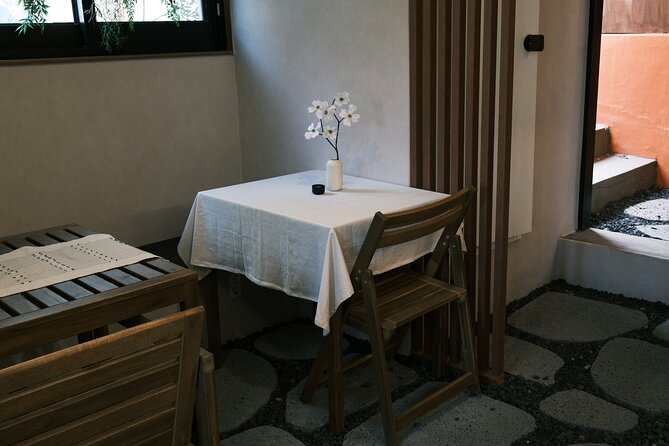
After the side dishes, you choose one main dish and one soup or stew. This choice gives the class some flexibility and makes the meal more personal.
The available choices are not specified, so confirm your options if you have a dietary concern or a strong preference. The information does not state that the class is vegetarian, halal, allergy-free, or adapted to specific diets. A message to the host before the class is the sensible move if your meal needs careful planning.
The soup or stew is an important part of the Korean table. It adds warmth and moisture alongside the drier side dishes and main food. Cooking it yourself also helps show how a Korean meal is assembled as a group. You are not simply learning a single main course, then receiving everything else from the kitchen.
I like this structure because it gives you a choice without turning the class into a long menu of options. Too many choices can slow a small class. One main dish and one soup or stew keep the meal focused while still letting you select according to taste.
Plating your bibimbap your way
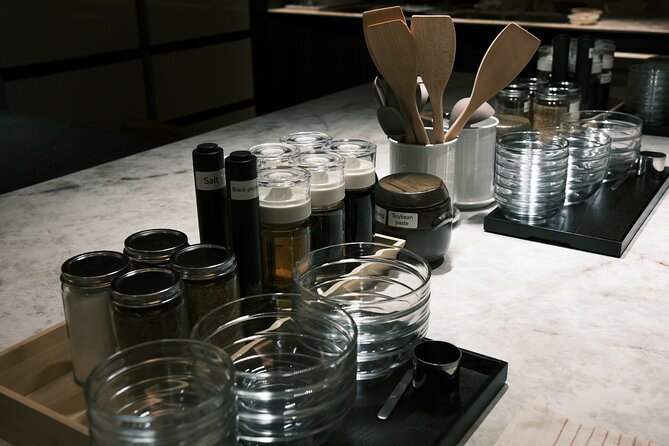
Bibimbap is the dish where presentation gets its clearest lesson. You plate your own bowl, arranging the ingredients in your preferred style before mixing and eating it.
The class places unusual emphasis on appearance, and that is a real strength. Korean food often uses color as part of the meal’s appeal. Fresh vegetables, cooked ingredients, sauce, and rice can be arranged so the bowl looks balanced before everything is stirred together.
You should not expect a formal restaurant plating course. The useful lesson is more practical: how to arrange food attractively, how to leave contrast between ingredients, and how your own choices can shape the final bowl. The phrase your dish, your style fits the activity well.
This section may be especially valuable if you enjoy food photography or want to recreate Korean meals at home. You get a finished dish that is both edible and visual, rather than a recipe that disappears into a pot.
Pork belly BBQ and traditional Korean liquor
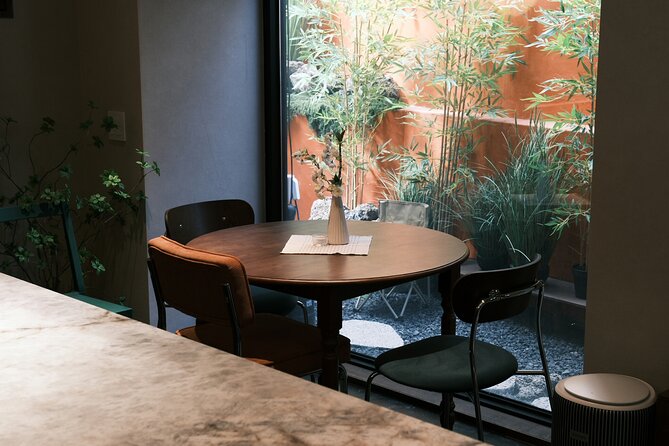
During the meal, the chef serves grilled pork belly BBQ. This is the one major part of the experience that you do not cook yourself.
That is a sensible division of labor. Grilled pork belly is best served hot, and having Woody handle it lets you focus on the table you prepared. It also gives the class a small hosted-meal feeling, with the chef adding something directly to the food you made.
You also receive a taste of traditional liquor. The information does not name the liquor or state the serving size. If you do not drink alcohol, ask about an alternative before the class begins.
The BBQ adds value to the $89 cost because the class is not limited to the ingredients you personally prepare. You receive a broad Korean meal, a chef-served specialty, and a drink tasting within roughly three hours. Still, the value depends on your priorities. If you mainly want instruction in one dish, the price may feel steep. If you want the food, setting, and cultural context together, it is easier to justify.
Dessert finishes the three-hour meal
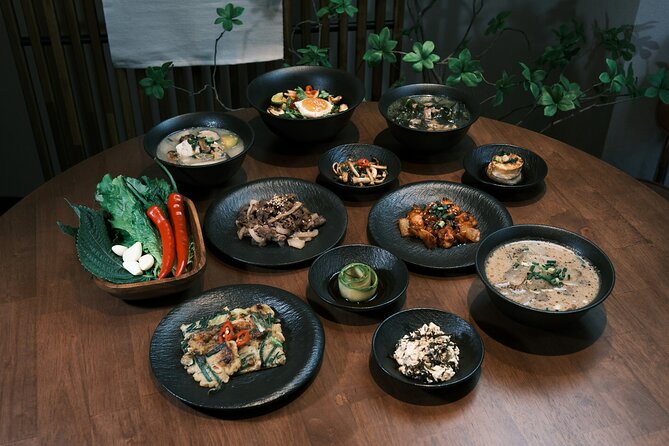
After the main meal, you make a popular Korean dessert together. The specific dessert is not named, so the final course remains a small surprise unless you ask in advance.
This ending works well because it gives you one more shared preparation after the savory food. It also prevents the class from feeling like a series of unrelated recipes. You start with tea, build a full table, eat together, and finish by making something sweet.
The dessert is prepared with the group, but the class remains centered on your own work. That balance is useful for couples and small parties who want to cook together without turning the session into a competitive activity.
The food culture lesson behind the menu
The most useful idea here is that Korean meals are served all at once. In many Western restaurants, you expect a starter, main dish, and dessert to arrive in order. This class uses a different structure, with side dishes, soup, main food, and rice forming one table.
You see how each item fits beside the others. The banchan bring variety, soup or stew adds another texture, bibimbap provides a hands-on rice dish, and BBQ supplies a freshly grilled centerpiece. The meal is designed for sharing, even though you prepare your own portions.
That format also explains why the class spends so much time on plating. A Korean table is not only about taste. It is also about how several dishes sit together, how colors balance, and how people eat from a shared spread.
I find this more useful than a class that treats Korean food as a collection of trendy dishes. You learn a way of eating, not just a recipe title.
Is $89 a fair price in Seoul?
At $89 per person, this is not a budget meal. It becomes a better value when you count what is included: about three hours of instruction, a welcome tea, four banchan, bibimbap, one main dish, soup or stew, chef-served pork belly BBQ, traditional liquor, and dessert.
You also receive the setting and the teaching. The small group limit of eight should make the instruction more direct than a large class, though the available information does not promise private instruction.
The price makes the most sense for you if you value participation. You are paying to prepare and plate a full meal, not simply to sit down for Korean food. It is also a good choice if your schedule does not leave room for a market visit and a separate food experience.
For a quick lunch, $89 is a lot. For a three-hour cultural activity that replaces a meal and gives you several techniques to take home, the price is reasonable. I would compare it with the cost of booking a shorter, one-dish class plus eating at a restaurant. This experience offers more range, but it also asks for more time and attention.
Who should book this experience?
I would recommend it to couples, food-focused visitors, and anyone who wants a calmer Seoul activity with a strong cultural angle. The small group and full-table format should suit people who like to ask questions and work through several dishes.
It is also a good pick for anyone curious about Korean sauces, seasonal vegetables, fermentation, and plating. You do not need to be an experienced cook based on the way the class is presented, and the instructions are designed to guide you through the dishes.
You may want to skip it if you want a market tour, a fast demonstration, or a class built around a single famous dish. It is also not the right choice if you need confirmed dietary adaptations and have not checked with the host first.
The BBQ is chef-served, so this is not a class where you cook every item from beginning to end. Most of the meal is yours to make, but that one course is handled for you.
Practical details before you reserve
The mobile ticket makes it easy to keep your booking details with you. Confirmation is provided at booking, and the experience is near public transportation. The address in Mapo-gu is both the start and end point.
Free cancellation is available until 24 hours before the scheduled start time. If you cancel later, changes are not accepted and the payment is not refunded. The activity may also be canceled if the minimum number is not reached or if poor weather affects the operation. In those cases, you are offered another date or experience, or a full refund.
The class has a maximum of eight people. The exact menu can vary with the season, and the main dish and soup or stew are selected according to your taste. Ask the host about ingredients, alcohol, and dietary needs before the day of the class.
Should you book Soop Table?
Book this class if you want to understand Korean food as a complete table rather than as one recipe. The combination of four banchan, soup or stew, a main dish, bibimbap, dessert, and chef-served BBQ gives you plenty to do and plenty to eat.
I especially like the small group, Hanok-inspired kitchen, seasonal produce, and attention to plating. The strongest reason to go is the chance to cook nearly the entire meal yourself, then sit down to eat it in the same all-at-once style used in Korean dining.
The $89 price is the main hurdle, and the lack of a market visit may disappoint anyone seeking a broader food walk. But if your aim is a focused, hands-on Korean meal with personal guidance from Woody, Soop Table offers a substantial three-hour experience rather than a quick cooking novelty.
FAQ
Where does the Korean cooking class take place?
The class takes place at Soop Table: Korean Cooking Class, at South Korea, Seoul, Mapo-gu, Donggyo-ro 46-gil, 34, first floor.
How long does the experience last?
The cooking class lasts approximately three hours.
How many people can join the class?
The activity has a maximum of eight participants.
What food will I prepare?
You prepare four Korean side dishes, one main dish, one soup or stew, bibimbap, and a popular Korean dessert.
Do I cook the BBQ myself?
No. The chef serves grilled pork belly BBQ during the meal. You cook the other dishes yourself.
Is a drink included?
The class includes a taste of traditional Korean liquor. The specific liquor and serving size are not stated.
Can I choose my main dish and soup or stew?
Yes. You choose one main dish and one soup or stew according to your taste. The specific choices are not stated.
Is this a Korean market tour?
No. This is a cooking class rather than a food or market tour. The host can share suggestions for trusted local markets if you are interested.
What is the cancellation policy?
You can cancel up to 24 hours before the start time for a full refund. Cancellations or changes made less than 24 hours before the start time are not refunded or accepted. If the activity is canceled because of weather or because the minimum number of participants is not reached, you are offered another date or experience, or a full refund.
More Workshops in Seoul
- Yongpyong Ski Resort from Seoul with Optional Lesson and Packages
★ 5.0 · 217 reviews - Korean Cooking Class with Grocery Shopping at Seoul Local Market
★ 5.0 · 107 reviews - Royal Seoul Cooking Class in a 100-Year-Old Hanok
★ 5.0 · 81 reviews - Seoul : Taste of Korea, Authentic Home-Style Cooking Class
★ 5.0 · 64 reviews
Just added around Seoul
- Incheon Airport Private Transfer between Seoul City★ 4.0 · 4 reviews
- Seoul’s Stars: Open Mic with Local & International Talent★ 4.8 · 4 reviews
- Samaksan Cable Car and Nami Island Day Escape with Railbike★ 4.0 · 4 reviews
- DMZ 2nd Tunnel and Cheorwon Peace Observatory with Admission★ 5.0 · 4 reviews
- Nami & Maple Road & Theatre des Lumieres Day Tour from Seoul★ 4.8 · 4 reviews
- Hire Photographer, Professional Photo Shoot – Seoul★ 5.0 · 4 reviews
- [KoreaByLocal] Authentic Seoul Night Walk and Chicken & Beer★ 5.0 · 4 reviews
- Play Gayageum in Hanbok Cultural Experience in Bukchon★ 5.0 · 4 reviews
Cooking Classes, compared.
Local Home Korean Cooking Class & Market Adventure in Seoul
Read our review →
Master Korean traditional cooking with a Kimchi chef
Read our review →
Korean Cooking Class at a Local Home and Market Tour
Read our review →
Cook 3 Authentic Korean Dishes with Local Market Tour
Read our review →
Experience Korean Cooking in Modern Hanok Kitchen
Read our review →
Korean Cooking Class with Grocery Shopping at Seoul Local Market
Read our review →Browse the lists this tour appears in