
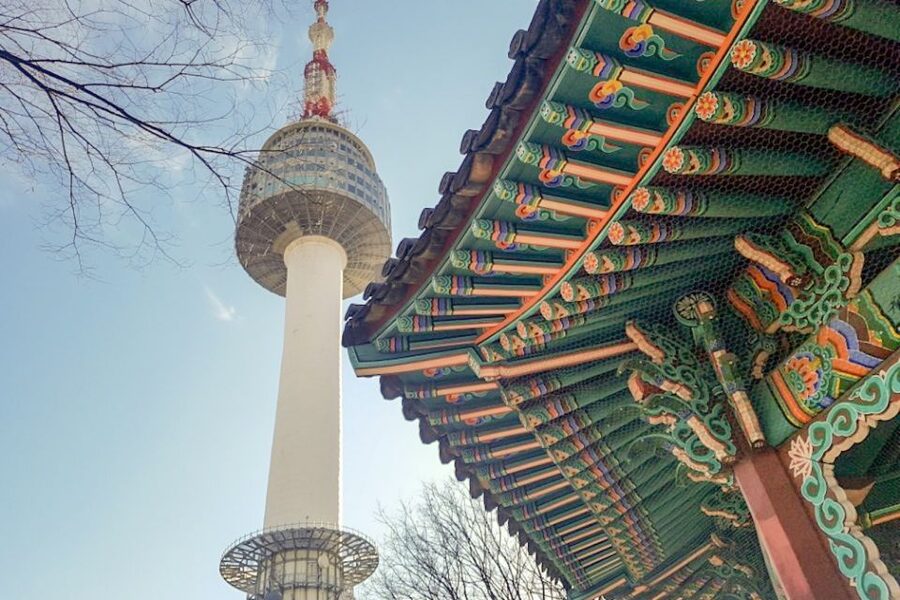
Reviewed · GYEONGBOKGUNG PALACE
Seoul: Gyeongbok Palace and Bukchon Hanok Walking Tour
Gyeongbokgung Palace gives this Seoul walk its grand opening: painted gates, broad courtyards, royal guards in period dress, and 500 years of Joseon history. Then the mood changes in Bukchon Hanok Village, where traditional homes line hilly lanes beside modern Seoul.
I like the small group, capped at eight, and the way the guide connects palace rituals with ordinary life at the National Folk Museum. I also like ending near Insadong, where you can shop, eat, and ask for local advice. The catch is simple: this is a walking tour with standing and uphill sections, so comfortable shoes are not optional.
In This Review
- Key points to know before you book
- Starting at City Hall Station
- Gyeongbokgung Palace and the Joseon court
- The National Folk Museum’s view of ordinary life
- Walking through Samcheongdong Alley
- The guide makes the difference
- Three hours, a morning, and a useful finish
- What the $88 price really buys
- Weather, clothing, and walking advice
- Who should book this Seoul walk?
- Should you book it?
- FAQ
- How long does the Seoul palace and Bukchon tour last?
- Where does the tour meet?
- Where does the tour end?
- Is hotel pickup included?
- What language is the tour conducted in?
- How many people can join the tour?
- Is the Gyeongbokgung entrance ticket included?
- Can I see the royal guard changing ceremony?
- Is the National Folk Museum included?
- What should I bring?
- Can I cancel for a full refund?
- Can I reserve now and pay later?
Key points to know before you book
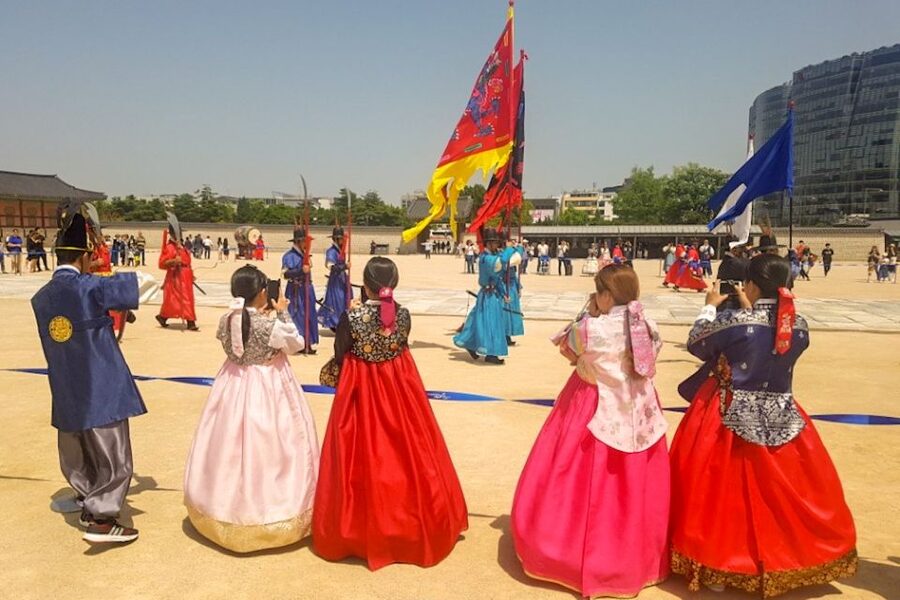
- The royal guard ceremony adds a memorable start: Watch the changing ceremony at Gyeongbokgung Palace, provided timing and conditions allow.
- The National Folk Museum adds everyday context: See a collection of more than 98,000 artifacts tied to Korean life during the Joseon period.
- Bukchon requires some effort: Expect climbing and uneven city walking as you explore Samcheongdong Alley and the hanok lanes.
- The guide is part of the value: Stella, Joe, Jay Kim, Jack, Ben, Jae, and others have been praised for clear history, local tips, photos, and friendly conversation.
- You finish in a useful area: Insadong is a good place for souvenirs, Korean tea, crafts, food, and planning your next stop.
- The price reflects personal attention: At $88 per person, the tour costs more than a basic group walk, but the eight-person limit can make it feel almost private.
Starting at City Hall Station
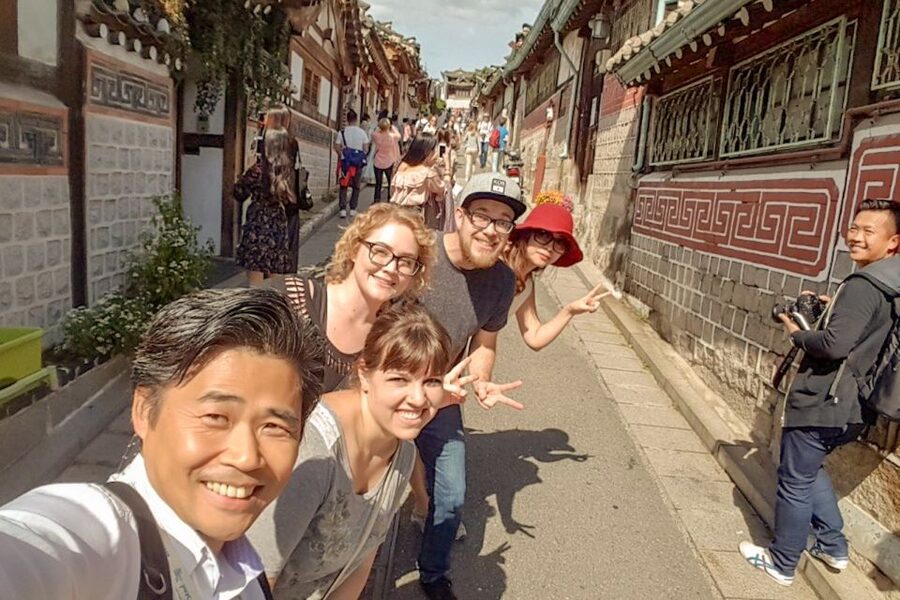
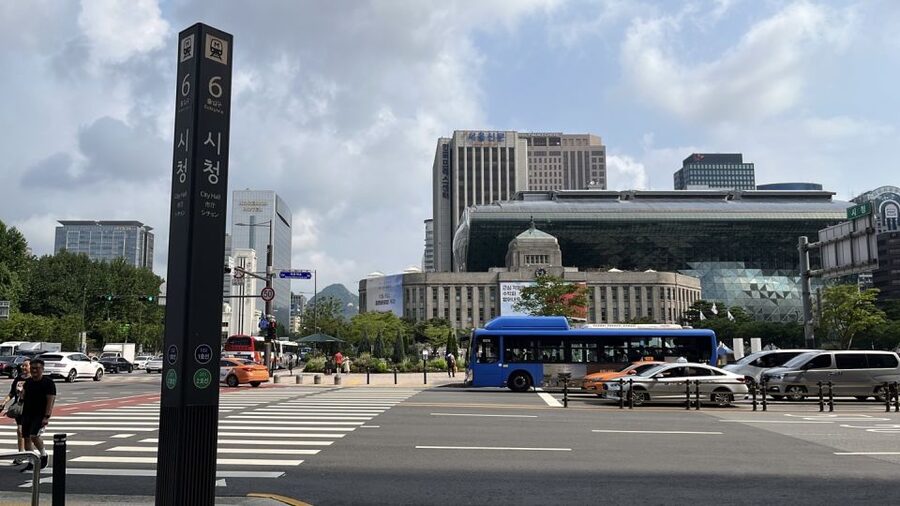
The meeting point is outside City Hall Station Exit 6, next to The Plaza hotel. This is a practical start in central Seoul, especially if you are staying in the city center or beginning your sightseeing day nearby.
You meet your English-speaking guide in the morning and walk toward Gyeongbokgung Palace. Hotel pickup and drop-off are not included, so you need to reach the station on your own. The tour also introduces you to Korean public transport and local habits, which can be useful early in a Seoul visit.
That practical help is one of the tour’s quiet strengths. Several guides have helped people understand the T-money card, bus rides, subway use, and basic transport etiquette. You are not simply taken from one sight to another. You can ask questions and get advice that may shape the rest of your stay.
The group is limited to eight participants. That matters in a city where palace courtyards and narrow village lanes can get crowded. A small party also gives you a better chance to ask about food, shopping, photography, or places to visit after the tour.
More Gyeongbokgung visits:
- Seoul: Gyeongbok Palace, Bukchon Village, and Gwangjang Tour
★ 4.9 · 2,321 reviews - Best Seoul City Tour (Gyeongbokgung Palace,Insadong,Namsan Tower)
★ 5.0 · 1,647 reviews - Seoul City Sightseeing Tour Including Gyeongbokgung Palace, N Seoul Tower, and Namsangol Hanok Village
★ 5.0 · 1,423 reviews
Gyeongbokgung Palace and the Joseon court
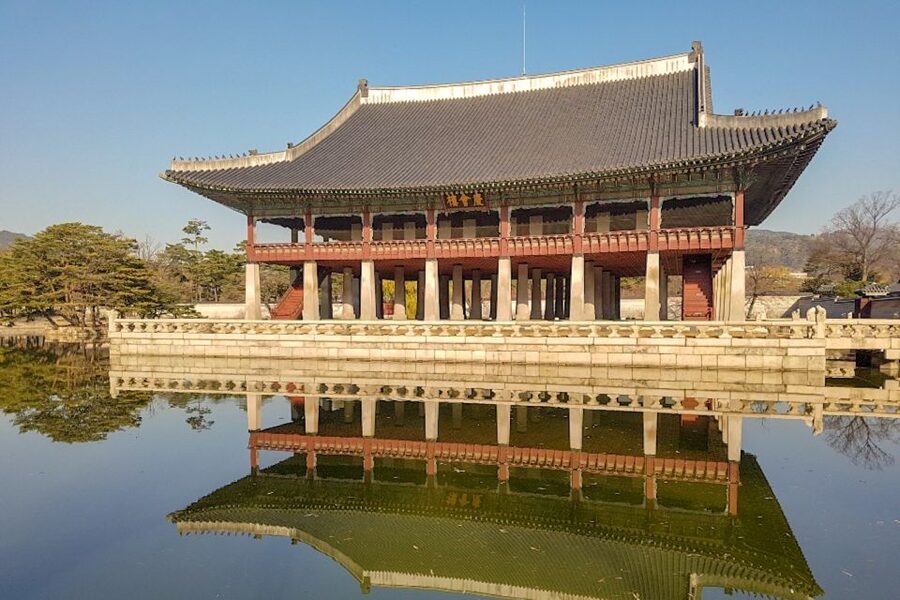
Gyeongbokgung Palace is the main historical anchor of the morning. The complex introduces you to the Joseon Dynasty and its long influence on Korean government, culture, architecture, and daily life.
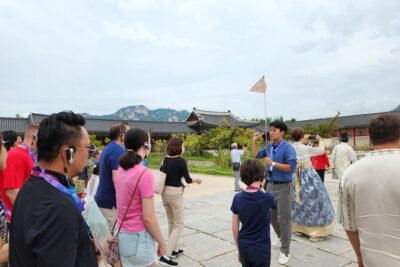
Your guide explains the purpose of the palace spaces and points out details that are easy to miss when you walk through alone. You can expect discussion of royal life, court customs, architecture, and the events that shaped Seoul. Guides such as Joe, Jay Kim, Stella, and Jack have been praised for turning dates and buildings into stories that are easier to remember.
The palace is also a strong photo stop. The colorful painted woodwork, formal gates, and spacious courtyards give you clear views in several directions. Your guide may suggest good places for photos and, according to several accounts, help take them. Still, this is a guided walk rather than a dedicated photography session, so the schedule keeps moving.
The changing ceremony of the royal guards is a special part of the morning. Period uniforms and formal movements give the palace a sense of ceremony that bare walls and signs cannot provide. The exact experience can depend on weather and traffic conditions, so treat it as an important possibility rather than the only reason to book.
You should also expect some standing. Watching a ceremony, listening to explanations, and moving between palace areas can be tiring if you have mobility concerns or are not used to walking tours. The supplied information does not give a formal accessibility rating, so ask the operator if you need specific assistance.
The National Folk Museum’s view of ordinary life
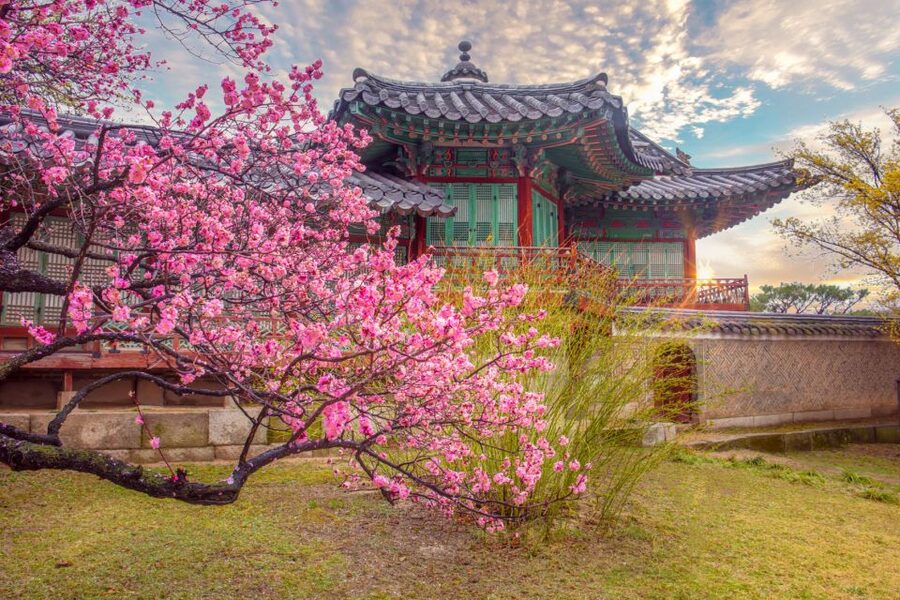
Inside the palace grounds, the National Folk Museum of Korea shifts attention from kings and court buildings to everyday Korean life. Its collection includes more than 98,000 artifacts, giving the guide plenty to work with.
This stop helps answer a useful question: how did people actually live during the Joseon period? Palace architecture can tell you about power and ceremony. Museum objects can explain household routines, work, clothing, beliefs, and social customs.
I find this pairing especially useful. You first see the world of the royal court, then look at objects connected with ordinary people. With a guide, the displays have more meaning because you can ask how an item was used and what it says about Korean society.
Time is the limitation. The full museum collection cannot be covered during a three-hour tour that also includes the palace and Bukchon. You will get an introduction rather than a detailed museum study. If museums are your main interest, you may want to return later and spend more time here.
Walking through Samcheongdong Alley
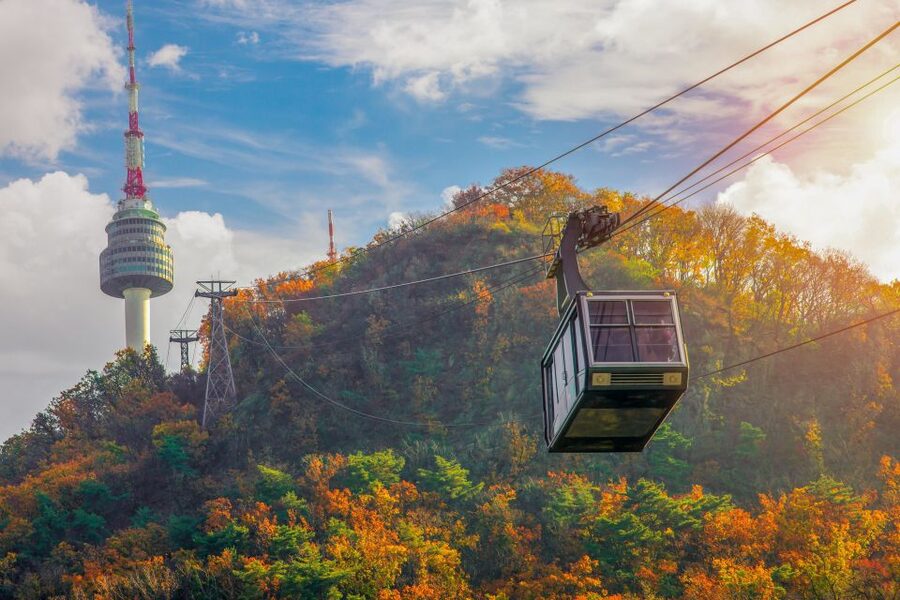
After the palace and museum, the tour heads toward Bukchon Hanok Village and Samcheongdong Alley. This is where Seoul’s scale changes. Instead of broad palace courts, you move through lanes lined with traditional Korean houses, known as hanok.
Bukchon is one of the most attractive parts of the route, but it is not a flat stroll. The area includes uphill sections, steps, and climbing. Several people specifically noted the amount of walking and the incline, so wear supportive shoes and comfortable clothes. In hot, cold, wet, or snowy weather, the same route can feel much harder.
The reward is the contrast between old and new Seoul. Traditional rooflines and wooden details appear within a modern capital filled with offices, shops, traffic, and high-rise buildings. Your guide points out how the neighborhood works as a living part of the city, not simply a preserved display.
You should follow your guide’s lead about where to stop and how to behave. Bukchon is a residential area, and narrow lanes can be busy. The experience is strongest when you take in the architecture without treating the neighborhood like a theme park.
The route also includes smaller alleys and shortcuts that are difficult to identify on your first visit. Guides such as Jay Kim have been praised for leading people through paths they would not have found alone. These small route choices are part of what separates a guided walk from a map-based checklist.
More Bukchon and hanok village walks:
- Seoul: Gyeongbok Palace, Bukchon Village, and Gwangjang Tour
★ 5.0 · 1,044 reviews - Best Walking Tour to Gyeongbok Palace Bukchon Hanok Village
★ 5.0 · 138 reviews - Experience Korean Cooking in Modern Hanok Kitchen
★ 5.0 · 118 reviews - Royal Seoul Cooking Class in a 100-Year-Old Hanok
★ 5.0 · 81 reviews
The guide makes the difference
The route is worthwhile on its own, but the guide determines how much you get from it. The strongest part of the experience is the human explanation between the major stops.
Stella appears often among the named guides and has been praised for friendly teaching, clear English, history, food suggestions, skincare recommendations, and personal attention. Joe has a background as a retired teacher and is described as using stories, humor, and well-organized explanations. Jay Kim has handled wide-ranging conversations about history, politics, food, and current rights movements.
Jack has been praised for making Korean history easier to follow, helping with pronunciation, and taking photos. Ben has helped first-time visitors understand the subway, T-money card, bus rides, and local etiquette. Jae has added palace songs and photo advice. Other guides, including Kay, Kat, Kelly, Sam, Phoebe, and Catherine, have also received strong praise for making the route personal and informative.
You cannot choose a particular guide from the information provided, so book for the route and format rather than expecting one specific person. The experience may feel nearly private if few people reserve. Several tours have had only one or two participants, while the stated maximum is eight.
That small-group design also supports conversation. You can ask about vegetarian street food, Korean skincare, shopping, restaurants, tea, or the best next stop. Some guides have adjusted the pace, stopped for ice cream, or helped people find places connected to their interests. These extras are not guaranteed inclusions, but they show how the format can adapt.
Three hours, a morning, and a useful finish
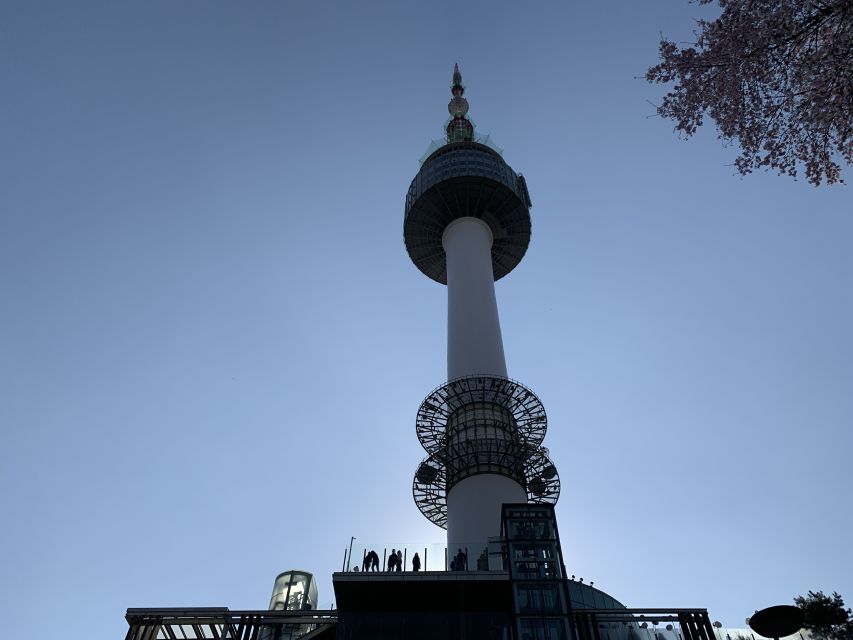
The tour lasts three hours and ends in the Insadong area. That timing works well for a first or second day in Seoul because you still have the afternoon for another neighborhood, museum, market, or meal.
Insadong is a practical ending point. You can look for souvenirs and ask your guide where to shop, eat, or drink tea. The ending is not just a drop-off at a random street. It leaves you in an area suited to continuing a day of cultural sightseeing.
The schedule is fairly full. You cover a palace, a museum, a traditional neighborhood, an alley route, and part of central Seoul in one morning. One person found that the three-hour format did not allow a long look at every stop, which is a fair tradeoff. You see a lot, but you do not get the leisurely pace of a full-day private tour.
If you want every palace building explained in detail, a long museum visit, or extensive shopping time, this tour will feel brisk. If you want a strong first look at old Seoul with enough explanation to make later sightseeing easier, the pace makes sense.
What the $88 price really buys
At $88 per person, this is not Seoul’s cheapest walking tour. The fee includes the guide and the Gyeongbokgung entrance ticket, but not hotel pickup or drop-off.
The value depends on how much you use the guide. If you walk through palaces quickly, read signs on your own, and already understand Korean transport, a cheaper self-guided visit may suit you. You can enter the palace, explore Bukchon, and reach Insadong without paying for a small group.
I think the price is easier to justify for a first visit, a solo visitor, or anyone who wants context rather than just photographs. The guide can explain the connection between Joseon court life, museum objects, traditional homes, and modern Seoul. Practical help with transport and later sightseeing adds value beyond the three-hour route.
The small-group limit is important. Eight people is far more manageable than a large coach group, and a quiet morning can turn into a one-on-one experience. That is not promised, but it has happened often enough to be part of the format’s appeal.
The strongest value comes from personal questions. Ask where to find vegetarian food, how to pronounce Korean words, which skincare shops are worth your time, or how to reach the next neighborhood. The more you engage, the more the tour becomes a useful introduction rather than a simple palace visit.
Weather, clothing, and walking advice
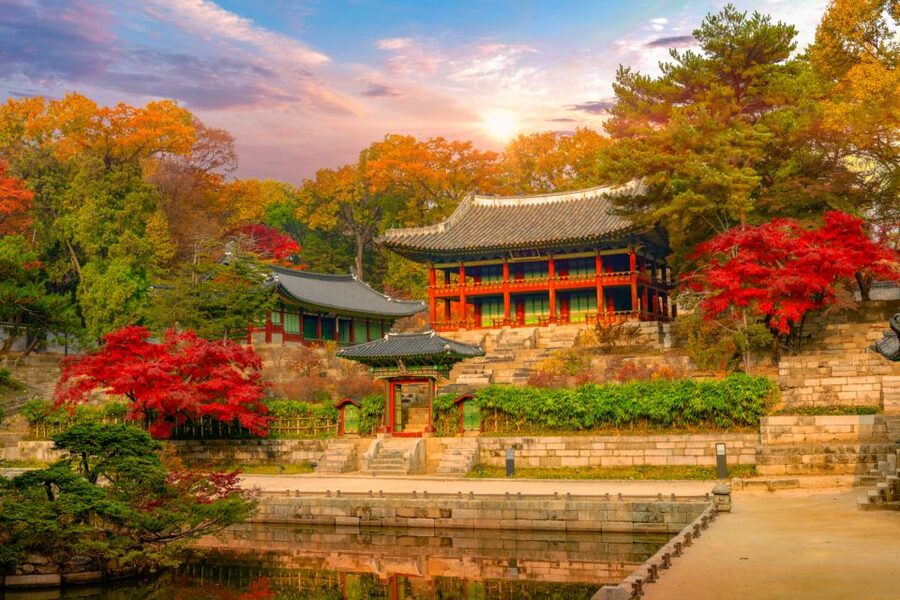
Bring comfortable shoes and comfortable clothes. That advice sounds basic, but Bukchon’s hills and the amount of standing make it important.
The itinerary can change because of weather and traffic. Snow, rain, heat, or a crowded street may affect the order or length of stops. One winter experience continued through intense cold and snow, while another rainy tour remained enjoyable because the guide adjusted to conditions. Even so, dress for the forecast and carry what you need to stay comfortable.
Allow energy for the final part. Gyeongbokgung involves open courtyards and standing. Bukchon adds slopes and climbing. If you want a gentler morning, tell the guide about your pace at the start and understand that the route is still a walking tour.
Free cancellation is available up to 24 hours before the start for a full refund. You can also reserve now and pay later, which helps if your Seoul schedule is still changing.
Who should book this Seoul walk?
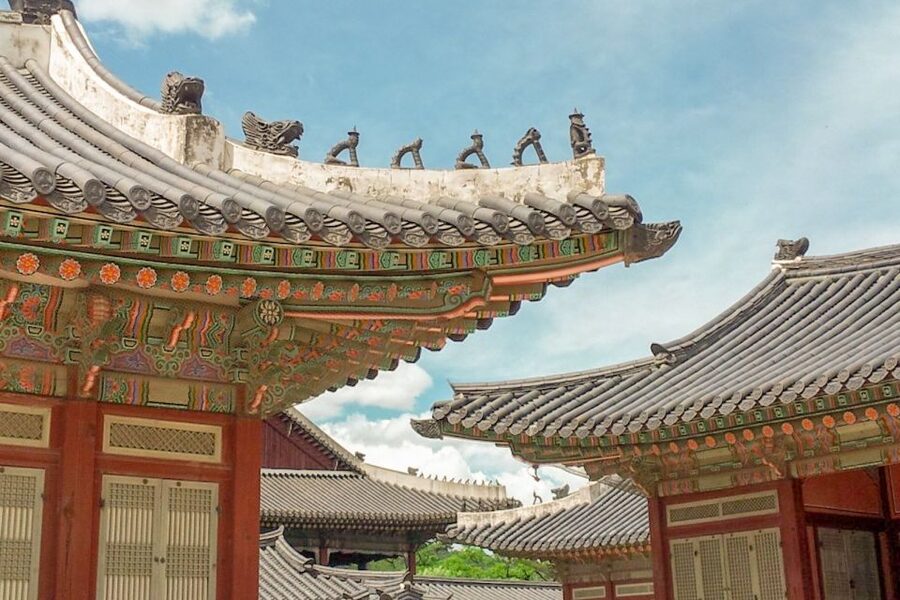
I would choose this tour if you are visiting Seoul for the first time and want the city’s history explained in plain language. It is also a good fit for solo visitors who want company without joining a large group.
Families with older children may appreciate the mix of ceremony, architecture, museum objects, and narrow streets. People interested in photography should like the palace colors, hanok roofs, and guide-suggested viewpoints, though the tour is not built around long photo sessions.
Food and shopping fans also get useful help at the end. Guides have offered suggestions for Korean street food, vegetarian choices, skincare, tea, restaurants, and souvenirs.
I would hesitate if you dislike hills, cannot stand for long, or want a slow and detailed palace study. I would also compare prices if you already know Seoul well and only need entrance tickets.
Should you book it?
Book this tour if you want historical context, a small group, and practical Seoul advice in one morning. The route covers the right first-visit essentials: Gyeongbokgung Palace, the guard ceremony, the Folk Museum, Bukchon, Samcheongdong Alley, and Insadong.
The $88 price is reasonable when the guide is active, personal, and generous with advice. The main tradeoff is time. You will cover a lot in three hours, but some stops receive an introduction rather than a full exploration.
For a first morning in Seoul, I think that is a smart exchange. You get your bearings, learn how the city’s old and new sides connect, and finish with plenty of day left.
FAQ
How long does the Seoul palace and Bukchon tour last?
The tour lasts three hours.
Where does the tour meet?
Meet outside City Hall Station Exit 6, right next to The Plaza hotel.
Where does the tour end?
The morning tour ends in the Insadong area.
Is hotel pickup included?
No. Hotel pickup and drop-off are not included.
What language is the tour conducted in?
The tour is conducted in English with a live English-speaking guide.
How many people can join the tour?
The tour is limited to eight participants.
Is the Gyeongbokgung entrance ticket included?
Yes. The Gyeongbokgung entrance ticket is included.
Can I see the royal guard changing ceremony?
The itinerary includes watching the changing ceremony of the royal guards, but the itinerary can be affected by weather and traffic conditions.
Is the National Folk Museum included?
Yes. The tour stops at the National Folk Museum of Korea, which is located within the palace grounds.
What should I bring?
Bring comfortable shoes and comfortable clothes. The route includes walking, standing, and climbing in Bukchon Hanok Village.
Can I cancel for a full refund?
Yes. You can cancel up to 24 hours in advance for a full refund.
Can I reserve now and pay later?
Yes. The activity allows you to reserve your place and pay later.
More Walking Tours in Seoul
- Seoul moonlight walking tour with local historian
★ 5.0 · 940 reviews - Seoul: Nighttime Hidden Gems Walking Tour
★ 5.0 · 775 reviews - Seoul: Evening Dark History, Folklore & Ghost Story Walking Tour
★ 5.0 · 593 reviews - Seoul: Dark Side of the City and Ghost Stories Walking Tour
★ 4.8 · 484 reviews
More Palace Tours in Seoul
- Small-Group Royal Palace and Seoul City Tour (hotel pick-up)
★ 5.0 · 1,474 reviews - Seoul Highlights: Gyeongbok Palace, Insadong & N Seoul Tower
★ 4.7 · 726 reviews - Seoul: Hanbok Rental with Gyeongbokgung Palace Entry
★ 4.6 · 611 reviews - Seoul City Half Day Tour-Gyeongbok Palace Guard Changing Ceremony
★ 4.5 · 357 reviews
Just added around Seoul
- Incheon Airport Private Transfer between Seoul City★ 4.0 · 4 reviews
- Seoul’s Stars: Open Mic with Local & International Talent★ 4.8 · 4 reviews
- Samaksan Cable Car and Nami Island Day Escape with Railbike★ 4.0 · 4 reviews
- DMZ 2nd Tunnel and Cheorwon Peace Observatory with Admission★ 5.0 · 4 reviews
- Nami & Maple Road & Theatre des Lumieres Day Tour from Seoul★ 4.8 · 4 reviews
- Hire Photographer, Professional Photo Shoot – Seoul★ 5.0 · 4 reviews
- [KoreaByLocal] Authentic Seoul Night Walk and Chicken & Beer★ 5.0 · 4 reviews
- Play Gayageum in Hanbok Cultural Experience in Bukchon★ 5.0 · 4 reviews
Gyeongbokgung Palace, compared.
Gyeongbok Palace, Bukchon Village, and Gwangjang Tour
Read our review →
Best Seoul City Tour (Gyeongbokgung Palace,Insadong,Namsan Tower)
Read our review →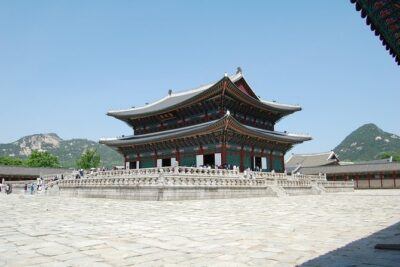
Seoul City Sightseeing Tour Including Gyeongbokgung Palace, N Seoul Tower, and Namsangol Hanok Village
Read our review →Gyeongbok Palace, Bukchon Village, and Gwangjang Tour
Read our review →
Seoul Highlights: Gyeongbok Palace, Insadong & N Seoul Tower
Read our review →
Seoul City Half Day Tour-Gyeongbok Palace Guard Changing Ceremony
Read our review →
Browse the lists this tour appears in