
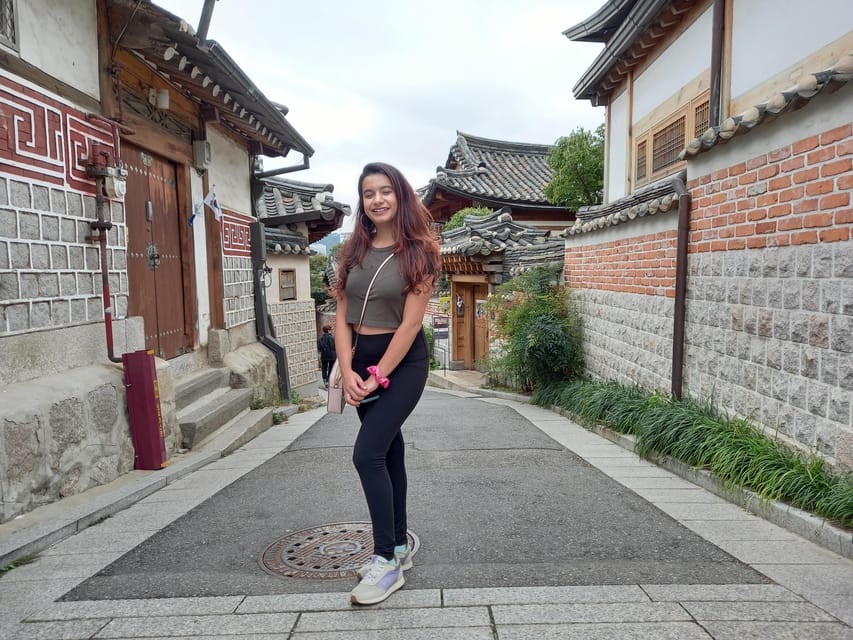
Reviewed · BUKCHON HANOK VILLAGE
Seoul: 4-Hour Guided Tour to Palace, Bukchon, Jogyesa Temple
Seoul’s old core makes the most sense when you understand the ideas behind its buildings. This private tour connects Gyeongbokgung Palace with Confucian values, everyday Joseon life, Buddhist practice, and Bukchon’s traditional homes, so you are not left with a string of pretty photographs and no story.
I like the guide-led focus on Paul Koo’s explanations and the small private format for up to two people. I also like the practical route, which gives Gyeongbokgung the time it deserves before moving to the Folk Museum, Bukchon, and Insadong. The main consideration is cost: at $152 per group, admission fees and transportation are extra, so this is best value for two people who want serious cultural context.
In This Review
- Key points to know before booking
- Why Confucian ideas matter at Gyeongbokgung
- Gwanghwamun Square is a practical starting point
- Gyeongbokgung gives the tour its weight
- The Folk Museum explains life beyond the royal court
- Bukchon Hanok Village brings history into present-day Seoul
- Insadong closes the listed route with art and tradition
- What the Buddhist stops add to the day
- Four hours works best for a private pair
- Paul Koo’s teaching style is the main selling point
- Who should book this Seoul culture tour
- Should you book it?
- FAQ
- How long does the tour last?
- What is the tour price?
- Is the tour private?
- What language does the guide speak?
- Where does the tour begin?
- Can I choose the meeting place and time?
- Are palace admission fees included?
- Is transportation included?
- Can I cancel for a full refund?
Key points to know before booking
- Confucian ideas shape the tour: Paul Koo explains how Joseon’s national philosophy influenced palace design and traditional Korean buildings.
- Gyeongbokgung receives the largest share of time: The guided visit lasts about 2 hours and 20 minutes.
- The Folk Museum adds ordinary lives to royal history: Exhibits cover customs, seasonal activities, ceremonies, illness, marriage, aging, and death.
- Bukchon brings old Seoul into the modern city: Its roughly 1,000 hanoks sit among today’s streets, towers, and city views.
- This is a private tour for up to two people: You choose the meeting time and place after booking, including your hotel.
- Check the final route carefully: Jogyesa Temple and Bongeunsa are highlighted in the description, while the timed itinerary lists Insadong as the final stop.
Why Confucian ideas matter at Gyeongbokgung
This tour is built around a useful idea: architecture is easier to appreciate when you understand the beliefs that shaped it. For Joseon Korea, that belief system was Confucianism. It influenced court order, family life, public conduct, education, and the design of royal buildings.
Paul Koo presents himself as a specialist in Korean Confucian culture, and the tour’s strongest feature is this interpretive angle. You are not simply told when a palace was built. You are shown how its arrangement reflects the values of the Joseon Dynasty, which ruled Korea for centuries.
That approach helps turn decorative roofs, courtyards, gates, and ceremonial spaces into evidence of a wider social system. I find this especially useful if you are visiting Seoul for the first time and want more than a quick photo stop.
More Bukchon and hanok village walks:
- Seoul: Gyeongbok Palace, Bukchon Village, and Gwangjang Tour
★ 4.9 · 2,321 reviews - Seoul City Sightseeing Tour Including Gyeongbokgung Palace, N Seoul Tower, and Namsangol Hanok Village
★ 5.0 · 1,423 reviews - Seoul: Gyeongbok Palace, Bukchon Village, and Gwangjang Tour
★ 5.0 · 1,044 reviews
Gwanghwamun Square is a practical starting point
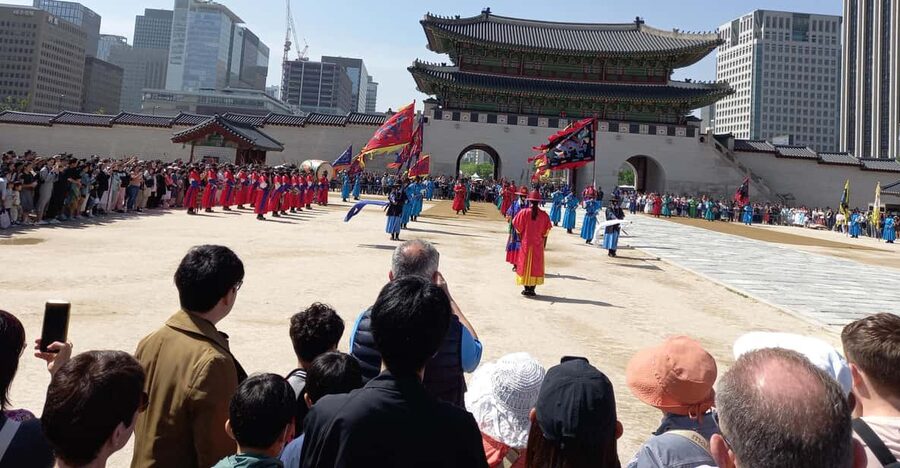
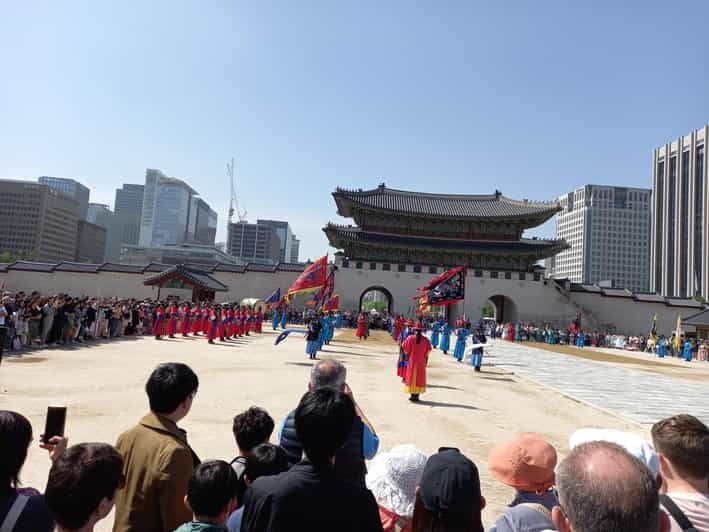
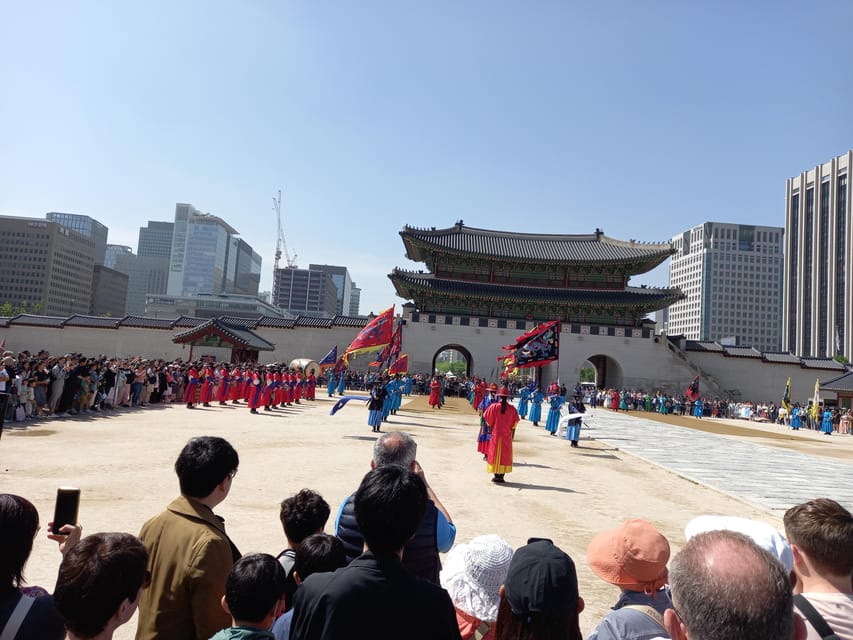
The tour begins at Gwanghwamun Square, a central location beside Seoul’s main palace district. It is a sensible place to meet because it puts you near Gyeongbokgung from the start.
The exact meeting time and place can be chosen after booking, and you can arrange to meet Paul at your hotel. That flexibility matters if you are dealing with jet lag, a family schedule, or a hotel located outside the immediate palace area.
The meeting arrangement also means you should confirm the details in advance. The provider asks for an advance reservation and guide confirmation, so do not treat the booking as a last-minute walk-up activity.
Gyeongbokgung gives the tour its weight
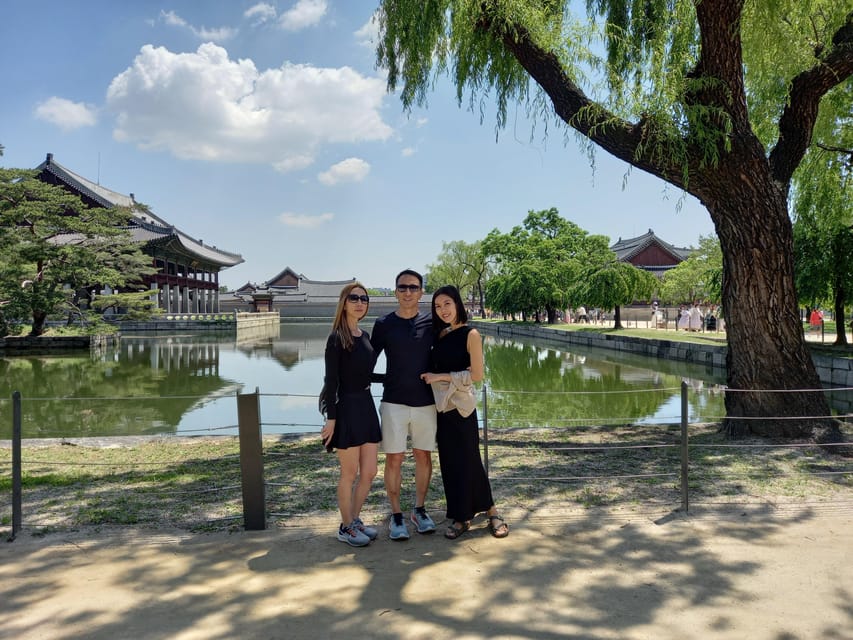
Gyeongbokgung was built in 1395 as the principal palace of the Joseon Dynasty. It is described as Korea’s largest and most magnificent palace, and it is the main reason to choose this tour over a general city walk.
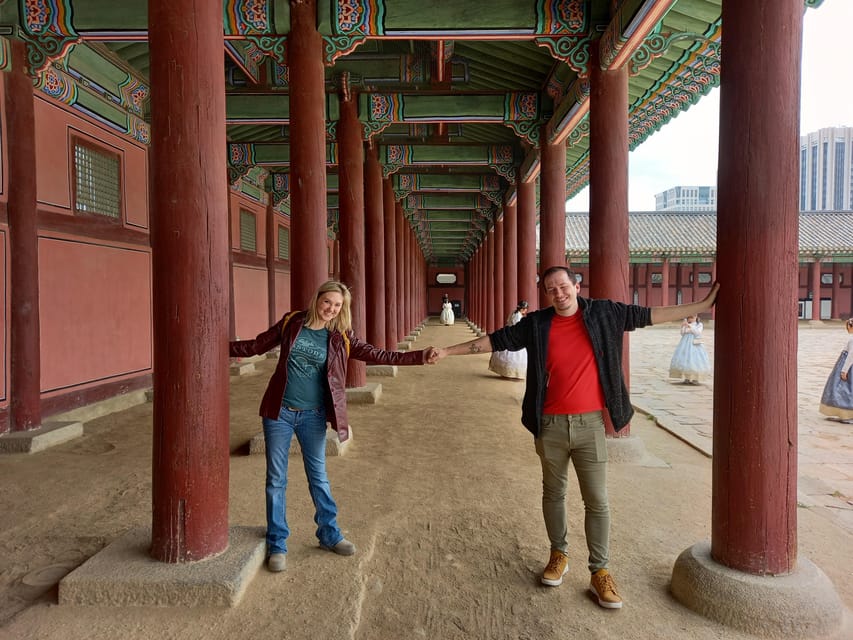
The palace is particularly important because it follows an authentic Confucian palace structure. Unlike other Seoul palaces, it was built on flat ground and planned as the main royal complex. That layout gives Paul plenty to explain about hierarchy, ceremony, government, and the relationship between people and power.
You spend about 2 hours and 20 minutes here, far longer than the usual quick palace photo stop. I consider that a real advantage. The site is large, and a short visit can leave you remembering only painted beams and broad courtyards. A longer guided visit gives you time to connect the buildings with Joseon political and cultural life.
The drawback is that a palace visit of this length requires comfortable walking and sustained attention. If you want only a fast introduction, two hours and 20 minutes may feel heavy. If you enjoy history, buildings, and cultural explanation, this is where the tour earns its price.
Admission is not included. The supplied information does not give the exact ticket cost, so you should allow extra money for entry when planning your budget.
The Folk Museum explains life beyond the royal court
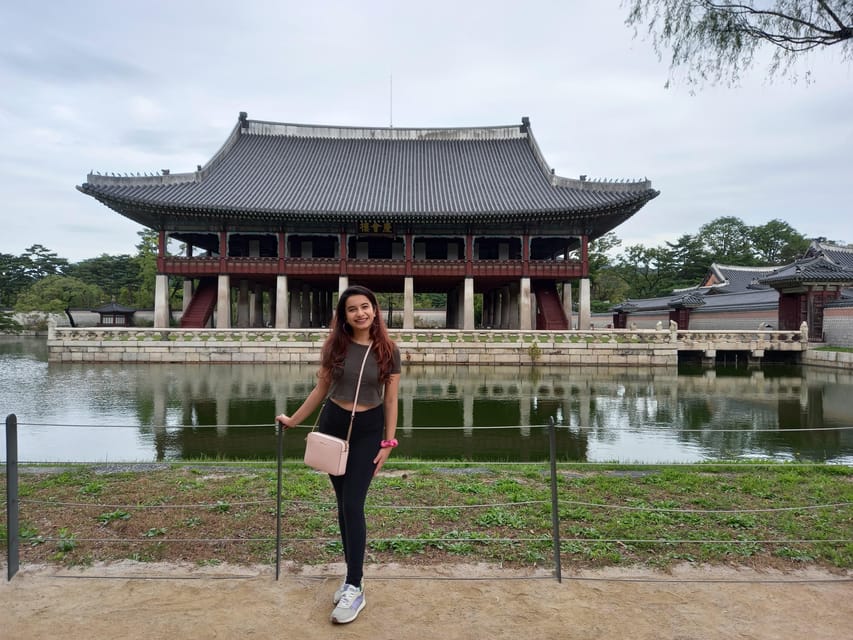
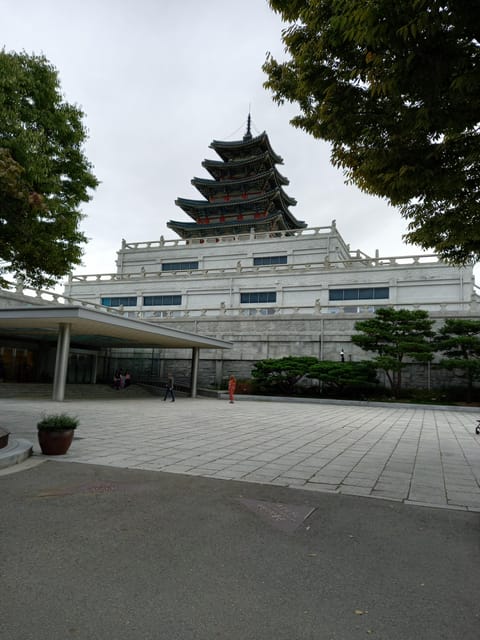
The National Folk Museum of Korea follows the palace visit and receives about 30 minutes of guided time. This stop broadens the picture by shifting attention from kings and officials to ordinary people.
Its exhibitions cover common life and seasonal activities during the Joseon period. You can also expect displays about the stages of life, including birth, childhood, marriage, aging, illness and treatment, and death.
Ceremonial and commemorative customs are another focus. These details matter because they show how values worked in daily life, not only in palace halls. The museum can help you understand the family structure, rituals, and social expectations that supported Joseon society.
Thirty minutes is enough for a focused introduction, but not enough for every exhibit. I would treat this as a guided highlight visit rather than a full museum study. Paul’s explanations should help you decide what deserves your attention, especially if you are more interested in social customs than in royal architecture.
More palace visits:
- Best Seoul City Tour (Gyeongbokgung Palace,Insadong,Namsan Tower)
★ 5.0 · 1,647 reviews - Small-Group Royal Palace and Seoul City Tour (hotel pick-up)
★ 5.0 · 1,474 reviews - Seoul Highlights: Gyeongbok Palace, Insadong & N Seoul Tower
★ 4.7 · 726 reviews - Seoul: Hanbok Rental with Gyeongbokgung Palace Entry
★ 4.6 · 611 reviews
Bukchon Hanok Village brings history into present-day Seoul
Bukchon Hanok Village is known for its traditional Korean houses, called hanoks. The area contains a large cluster of about 1,000 hanoks, making it one of the clearest places in central Seoul to see traditional residential design.
What makes Bukchon special is the contrast. You see tiled roofs and old-style homes, while modern Seoul rises behind them, including city skyscrapers and N Seoul Tower in the distance. This is not a preserved rural village separated from city life. It is an old neighborhood within the capital.
The guided visit lasts about 40 minutes. That is long enough to understand the area’s character and take photographs, but you should not expect an exhaustive exploration of every lane. Bukchon’s appeal comes from its streets and views, so the pace may include several stops for explanation and pictures.
One useful detail from the experience is Paul’s attention to photo angles. He is described as helping with the best spots and viewpoints, which can be worthwhile in a neighborhood where a small change in position can alter the view of roofs, towers, and the modern city beyond.
You should also remember that Bukchon is a residential area. The information supplied does not state specific visitor rules, but normal courtesy is important: keep voices down, avoid blocking narrow streets, and treat the homes as lived-in places rather than a film set.
Insadong closes the listed route with art and tradition
The timed route ends with a 30-minute guided visit to Insadong. This district sits close to the palace area and is associated with Korean traditional culture, shops, and older city character.
The information also identifies Jogyesa Temple as a key part of the experience. Jogyesa is a small Buddhist temple and the headquarters of Korea’s Buddhist organization. It was built in 1926 in Insadong and is located near Gyeongbokgung.
There is an important planning point here. The description highlights Jogyesa, while the formal stop list names Insadong rather than Jogyesa. Bongeunsa Buddhist Temple is also mentioned among the highlights, but it does not appear in the four-stop itinerary. Since the tour lasts four hours and local transportation is not included, you should ask Paul to confirm whether Jogyesa or Bongeunsa is part of your specific route before booking.
That clarification is not a minor detail. Bongeunsa lies in a different part of Seoul from the palace, Bukchon, and Insadong, so adding it could affect travel time. If Jogyesa is your priority, make that clear when arranging the tour.
What the Buddhist stops add to the day
The Buddhist material gives the tour a useful counterpoint to its Confucian focus. Gyeongbokgung represents the political and social order of the Joseon state, while Jogyesa introduces Korea’s Buddhist tradition through an active religious institution.
Jogyesa is described as small, but its importance comes from its role as the headquarters of Korean Buddhism rather than its size. That distinction is helpful. A modest building can carry national religious importance even if it does not have the scale of a royal palace.
Bongeunsa is described as a beautiful place where old and new Seoul meet. Again, confirm whether it is included, because the supplied schedule does not assign it a time. I would not assume that a highlight in the general description automatically means a guaranteed stop.
Four hours works best for a private pair
The tour costs $152 per group of up to two people, not $152 per person. For a couple or two friends, that works out to $76 each before admission and transportation. For one person, the same group price is much harder to justify.
The private format is the main value. You can choose the meeting place and time, ask Paul to slow down when a subject interests you, and shape the discussion around architecture, religion, family customs, or photography. A private guide can also avoid the stop-and-start rhythm that often comes with a large group.
The price includes the guide fee and four hours of information. It does not include palace admission, N Seoul Tower admission, transportation, food, drinks, or insurance. N Seoul Tower appears in the exclusions, but it is not listed as a timed stop, so I would not assume that tower entry or a tower visit forms part of this route.
Transportation is another cost to consider. The route is compact in its listed form, but any movement beyond the palace, Bukchon, and Insadong may require a taxi or public transit. Since the tour does not include transport, confirm how you will move between any added stops.
Paul Koo’s teaching style is the main selling point
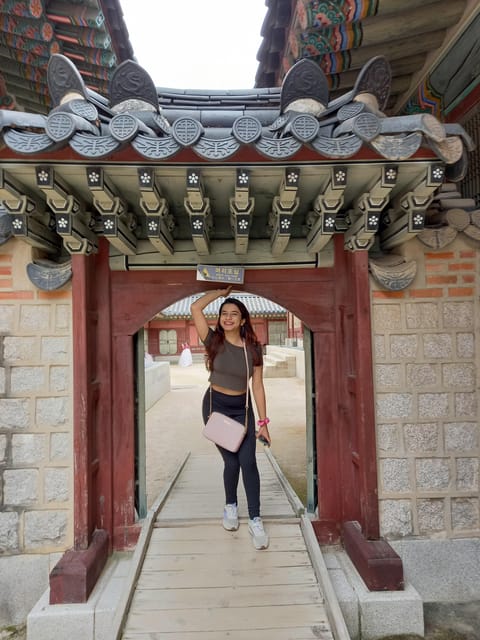
The strongest praise focuses on Paul’s ability to explain Korean history clearly and in detail. His approach uses Confucianism as a thread, but the supplied feedback also points to cultural, religious, and historical explanation more broadly.
That matters because Seoul’s historic sites can otherwise blur together. A palace, museum, hanok street, and Buddhist temple each tell a different story, but the connections are not always obvious when you visit alone.
Paul is also described as taking many photographs and knowing good angles. That is a useful extra for a private tour, though I would see it as a bonus rather than the main reason to book. The real benefit is understanding why the places look and function as they do.
The tour is offered in English. The guide’s explanations are intended to be accessible, and the strongest emphasis is on making Korean history understandable rather than presenting isolated dates.
Who should book this Seoul culture tour
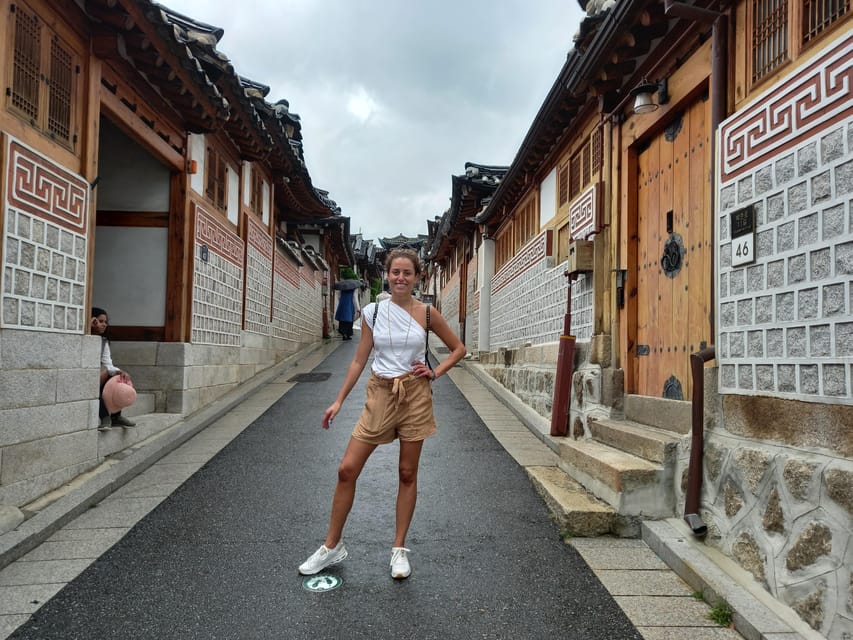
I would recommend it to two people who want a focused introduction to traditional Seoul and prefer a private guide over a large group. It suits first-time visitors, architecture fans, people interested in Korean religion, and anyone who wants historical context while taking photographs.
It is also a good choice if your schedule is tight. Four hours covers the central sights without committing you to a full day. Meeting at your hotel may make the start easier, especially if you are still learning Seoul’s transport system.
I would be more cautious if you are counting every won, traveling alone, or hoping to cover many distant sights. The base cost is fixed for up to two people, and extras for admission and transportation add up. I would also avoid booking without clarification if Jogyesa and Bongeunsa are essential to your plans.
Free cancellation is available up to 24 hours before the tour for a full refund, and you can reserve now and pay later. Those terms give you some flexibility, but you still need advance reservation and confirmation of the guide.
Should you book it?
Book this tour if you want Gyeongbokgung to mean more than a beautiful palace backdrop. Paul Koo’s Confucian culture focus, long palace visit, clear historical explanations, and private format give the day a strong educational purpose.
Before paying, confirm the exact stops, especially Jogyesa and Bongeunsa, since the highlights and timed itinerary do not match perfectly. If you are two people and value a thoughtful guide, $152 can be fair value. If you mainly want independent sightseeing and quick photographs, save the money and explore these central districts on your own.
FAQ
How long does the tour last?
The tour lasts four hours.
What is the tour price?
The price is $152 per private group of up to two people.
Is the tour private?
Yes. It is offered as a private group experience for up to two people.
What language does the guide speak?
The live tour guide provides the experience in English.
Where does the tour begin?
The listed starting location is Gwanghwamun Square.
Can I choose the meeting place and time?
Yes. After booking, you can choose the meeting place and time. The information also says you can meet the guide at your hotel.
Are palace admission fees included?
No. Admission fees for the palace are not included.
Is transportation included?
No. Transportation for moving between locations is not included.
Can I cancel for a full refund?
Yes. You can cancel up to 24 hours in advance for a full refund.
More Temple Tours in Seoul
- Seoul: Mt Seorak + Naksansa Temple or Nami Island Group Tour
★ 4.7 · 422 reviews - Best Things to Do – Half Day Seoul Trip (Seoul Palace & Temple)
★ 5.0 · 190 reviews - Mount Seorak and Naksansa Temple One Day Tour from Seoul
★ 4.5 · 167 reviews - Day Tour of Suwon Hwaseong Fortress Starfield Waujeongsa Temple
★ 5.0 · 61 reviews
Just added around Seoul
- Jeonju & Yeosu: 4-Day Foodie & Artist Journey★ 5.0 · 3 reviews
- Seongsu-dong Walking Tour: K-Pop, Culture, Cheer, Friends & Relax★ 4.5 · 3 reviews
- Full Day Private Seoul Tour for foodies★ 5.0 · 3 reviews
- Imjingak DMZ Private Tour for Incheon Airport and Cruise Guests★ 5.0 · 3 reviews
- K-Pop Tour★ 3.5 · 3 reviews
- Seoul: LEGOLAND Admission with Transport (Optional Railbike)★ 5.0 · 3 reviews
- Seoul: Seorak Mountain, East DMZ, and Sokcho Tour★ 5.0 · 3 reviews
- Strawberry Picking, Winter Sled with Eobi Ice Valley from Seoul★ 4.5 · 3 reviews
Bukchon Hanok Village, compared.
Gyeongbok Palace, Bukchon Village, and Gwangjang Tour
Read our review →
Seoul City Sightseeing Tour Including Gyeongbokgung Palace, N Seoul Tower, and Namsangol Hanok Village
Read our review →Gyeongbok Palace, Bukchon Village, and Gwangjang Tour
Read our review →
Gyeongbok Palace and Bukchon Hanok Walking Tour
Read our review →
Best Walking Tour to Gyeongbok Palace Bukchon Hanok Village
Read our review →Experience Korean Cooking in Modern Hanok Kitchen
Read our review →
Royal Seoul Cooking Class in a 100-Year-Old Hanok
Read our review →
Afternoon Seoul: Hanok Vibes, Netflix Street Food & N Seoul Tower
Read our review →Browse the lists this tour appears in