
Reviewed · PALACE TOURS
Best Things to Do – Half Day Seoul Trip (Seoul Palace & Temple)
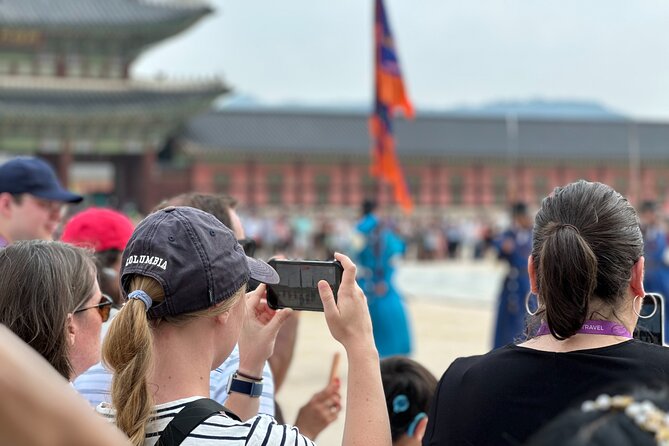
The most memorable part of this Seoul half-day tour is the jump from quiet Buddhist ritual at Jogyesa Temple to royal ceremony at Gyeongbokgung Palace. In a few hours, you see the city’s spiritual and political sides, including the changing of the guard and the grounds around the former Blue House.
I like the air-conditioned coach, especially in Seoul’s summer heat or winter cold. I also like the way guides such as Judy, Henry, K, and Sunny have brought palace stories, royal intrigue, and Korean history to life for visitors who have only a short time in town.
The catch is the ginseng shopping stop. It can feel like a sales presentation rather than sightseeing, and some departures have spent close to an hour there. Hotel pickup also needs careful confirmation, since pickup times and arrangements have caused problems for some customers.
In This Review
- Key points to know before booking
- A quick Seoul orientation with a strong royal focus
- Jogyesa Temple gives the tour a calm opening
- Gyeongbokgung Palace brings royal Seoul to life
- Cheongwadae Sarangchae connects the palace past with modern Korea
- The ginseng center changes the tone
- Guides can make or break a short tour
- Value at $38 depends on your expectations
- Who should book this Seoul half-day tour?
- Should you book it?
- FAQ
- How long does the Seoul palace and temple tour last?
- Is hotel pickup included?
- Which language is the guide?
- What happens if I take the tour on a Tuesday?
- Is admission to the palace included?
- Is lunch included?
- Can I cancel for a full refund?
Key points to know before booking
- Three major cultural stops in about three hours: Jogyesa Temple, Gyeongbokgung Palace, and Cheongwadae Sarangchae.
- The changing of the guard is a highlight: Timing matters, and your guide may plan the palace visit around the ceremony.
- Gyeongbokgung closes on Tuesdays: On that day, the tour uses Changdeokgung Palace instead.
- Air-conditioned transport saves time and energy: You avoid piecing together several subway or taxi rides.
- Hotel pickup is offered, but confirm it carefully: Some pickup arrangements have required extra reminders.
- The ginseng center is the weak link: Treat it as a shopping presentation, not a museum visit alone.
A quick Seoul orientation with a strong royal focus
At $38 per person, this is priced as an efficient introduction rather than a full cultural expedition. You get transport, an English or Chinese-speaking guide, palace admission, and several central Seoul sights without having to plan the route yourself.
The tour lasts about three hours, though the listed visits add up to close to 170 minutes before pickup, transfers, and group movement are counted. That means you should expect a brisk schedule. You will see important places, but you will not have hours to wander palace courtyards, shop at length, or linger over every exhibit.
This format works well for a first afternoon in Seoul, a short stop between other plans, or a final morning when you want to cover the city’s headline sights. It is less suitable if you prefer slow photography, long museum visits, or independent exploration.
The coach is a real advantage. Seoul is easy to explore by public transport, but a palace-and-temple route can involve several transfers and plenty of walking. The vehicle gives you a cool or warm break between stops, while the guide fills the ride with context and practical suggestions.
Group size can reach 100 people, although one departure described a much smaller group. Your actual experience may depend on the day. A large group can make palace movement slower, while a small group allows easier questions and faster stops.
More palace visits:
- Seoul: Gyeongbok Palace, Bukchon Village, and Gwangjang Tour
★ 4.9 · 2,321 reviews - Best Seoul City Tour (Gyeongbokgung Palace,Insadong,Namsan Tower)
★ 5.0 · 1,647 reviews - Small-Group Royal Palace and Seoul City Tour (hotel pick-up)
★ 5.0 · 1,474 reviews
Jogyesa Temple gives the tour a calm opening
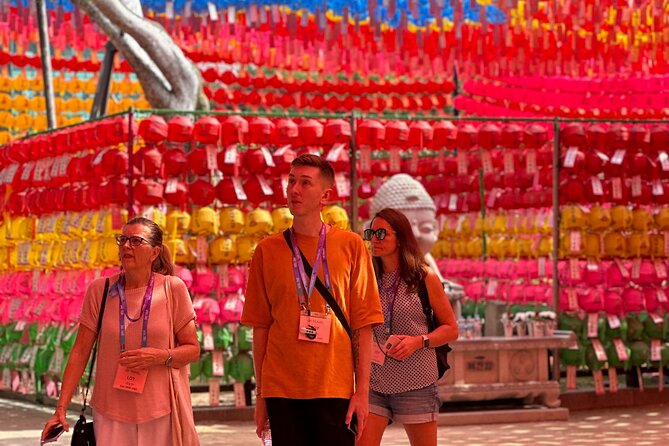
The first stop is Jogyesa Temple, one of the key centers of Korean Buddhism. The temple was first established in 1935 and sits in central Seoul, where its traditional character contrasts sharply with the surrounding city.
You have about 40 minutes here, with no admission charge. That is enough time to look at the main temple setting, observe details of Buddhist worship, and hear why Jogyesa matters in modern Korean religious life.
One distinctive feature is the old white pine tree on the temple grounds. Details like this give the stop a more personal feel than simply checking off a famous building. Ask your guide about the tree, the temple’s role, and the meaning of the decorations or rituals you see.
This is a good place to begin because it is not only a photo stop. It introduces a living part of Seoul. You are seeing a place used for faith and community, not just a preserved monument.
Still, forty minutes goes quickly. If you want extended time for quiet observation, incense, photography, or a closer look at temple architecture, you may wish for more freedom here. The guide-led format keeps the tour moving toward the palace.
Several guides have earned strong praise for explaining each place clearly without making the ride feel like a lecture. Judy, in particular, has been described as fluent in English and helpful with questions and souvenir shopping. Names and guide assignments vary, but the best guides appear to be a major part of the experience.
Gyeongbokgung Palace brings royal Seoul to life
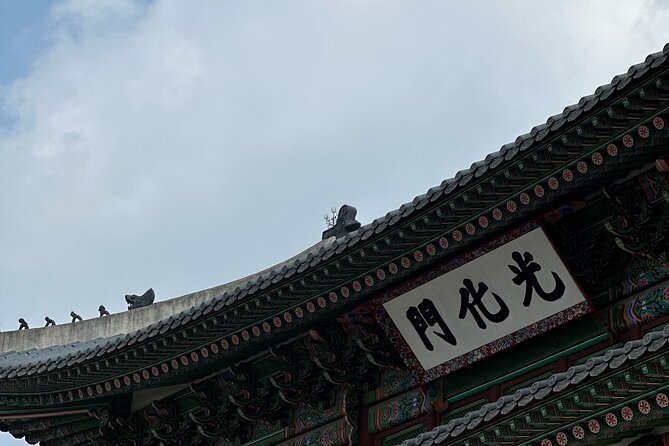
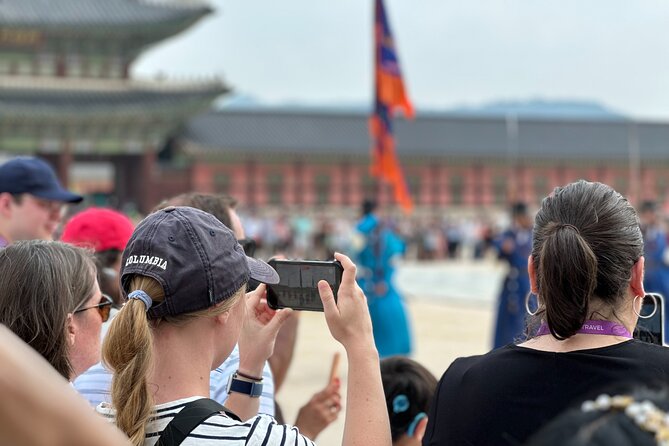
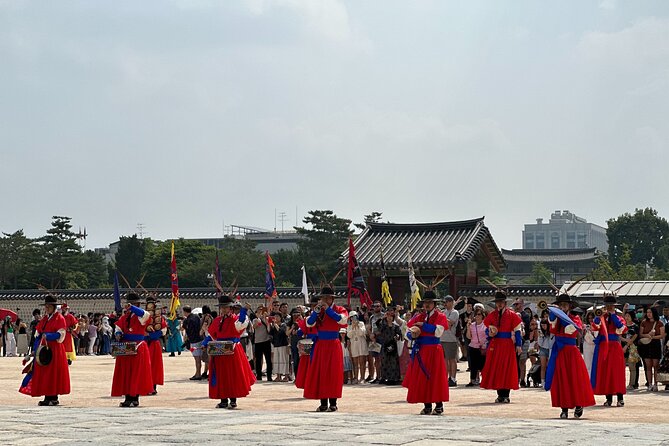
Gyeongbokgung Palace is the centerpiece. You have about an hour, including the chance to see the changing of the guard ceremony in front of Gwanghwamun Gate.
The ceremony is carefully choreographed, with colorful uniforms, formal movements, and traditional pageantry. It offers an easy visual introduction to Korea’s royal past, and it is especially appealing if you enjoy historical dramas. One guide helped a visitor separate television images from the real setting, which is useful if Korean period shows sparked your interest in Seoul.
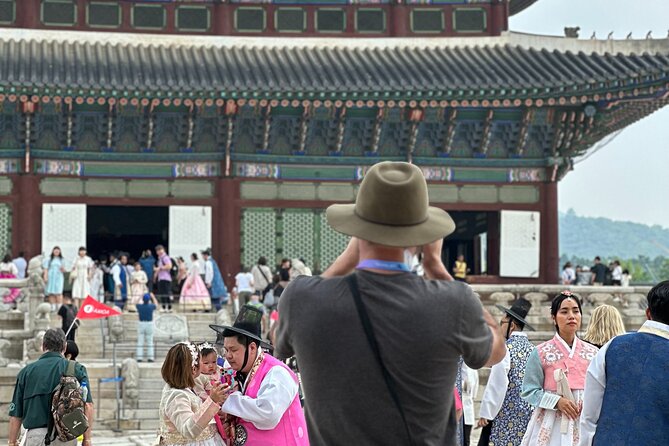
Inside the palace grounds, the tour highlights buildings and spaces including Geunjeongjeon Hall, Hyangwonjeong Pavilion, and Gyeonghoeru Pavilion. These sites help explain how the palace functioned, from official court business to royal residence and formal banquets.
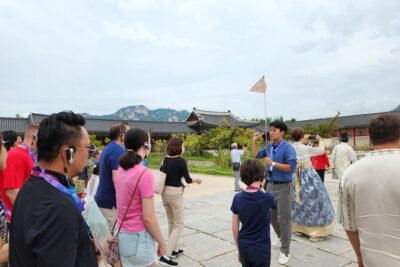
Your guide’s storytelling matters here. A good explanation can turn a line of ornate buildings into a picture of court life, ceremony, politics, and palace intrigue. Guides including Henry, Wendy, Lynn, Lina, and Judy have received particular praise for keeping information lively and for answering questions clearly.
The palace is also where timing and weather matter most. In hot conditions, the coach’s air conditioning becomes a welcome relief. In winter, you will be outside for much of the visit, so dress for the forecast. Crowds can be heavy on popular days, but an experienced guide may help the group move through busy areas with less confusion.
You should also know the Tuesday change. Gyeongbokgung Palace is closed on Tuesdays, so the tour substitutes Changdeokgung Palace. Changdeokgung is UNESCO listed and is an important royal site in its own right, but it is not the same visit. If seeing Gyeongbokgung and the changing of the guard is your main goal, check the operating day before you book.
The palace admission is included, which adds value to the low price. You avoid buying a separate ticket and do not have to work out the route from Jogyesa to the palace. The tradeoff is that one hour provides an overview, not a full palace visit.
Cheongwadae Sarangchae connects the palace past with modern Korea
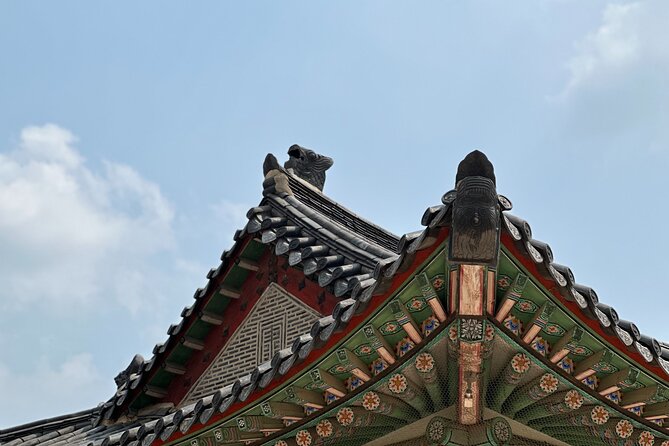
Cheongwadae Sarangchae is an exhibition hall near the Blue House, also called Cheongwadae. You have about 40 minutes to see displays related to Korean politics, history, culture, artifacts, and documents.
This stop gives the tour a useful change of scale. The palace shows Korea’s royal period, while Sarangchae helps place that past beside the country’s more recent political story. If you want more than buildings and photographs, this is where the tour adds civic context.
The stop may be especially helpful for first-time visitors who do not yet have a clear picture of how Seoul’s royal, governmental, and modern cultural districts connect. Your guide can provide the basic framework, while the exhibits offer something to look at beyond outdoor monuments.
The limitation is time. Forty minutes is enough for an introduction, but not a careful study of every display. If the palace ceremony runs long, traffic slows the group, or the party gathers late, this stop may feel compressed.
More temple visits:
- Seoul: Mt Seorak + Naksansa Temple or Nami Island Group Tour
★ 4.7 · 422 reviews - Mount Seorak and Naksansa Temple One Day Tour from Seoul
★ 4.5 · 167 reviews - Day Tour of Suwon Hwaseong Fortress Starfield Waujeongsa Temple
★ 5.0 · 61 reviews - Half day Morning Seoul City Tour(Temple & Gyeongbok Palace)
★ 5.0 · 54 reviews
The ginseng center changes the tone
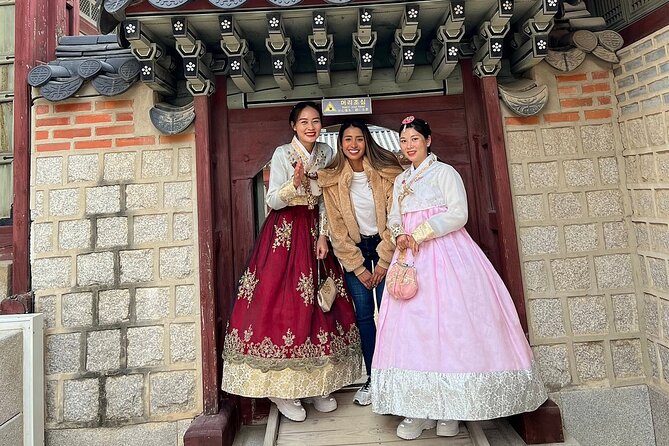
The final stop is listed as Cheongha Plus Ginseng Shopping Center, with about 30 minutes assigned and no admission fee. In practice, this part has been the most divisive element of the tour.
You may receive an explanation of Korean ginseng and its uses, followed by an opportunity to purchase products. Some departures have found the stop interesting and low-pressure. Others have felt that the presentation was designed mainly to sell expensive ginseng, with a sales pitch that continued longer than expected.
That difference is important. If you are happy to learn about a well-known Korean product and browse a specialty shop, the stop may be harmless. If you dislike commercial demonstrations or do not want to consider buying supplements, you may find it uncomfortable.
Some people have left before the presentation finished. One customer described the place as more like a tightly controlled sales room than a museum. Another suggested that it should be optional or placed at the very end, so visitors could leave without affecting the cultural portion of the tour.
My practical advice is simple: go in with clear expectations. This is a shopping stop, not a neutral museum visit. You do not need to buy anything, and you should not feel that the low tour price requires a purchase. If this type of stop is a dealbreaker, ask the operator before booking if it can be skipped.
The tour description also refers to shopping at two popular Seoul markets, but the detailed route provided for this experience names the ginseng center rather than two traditional markets. Do not book expecting a long market visit unless the operator confirms that the market portion is running on your date.
Guides can make or break a short tour
Because the schedule is tight, the guide has a large effect on your day. The strongest guide reports praise clear English, warm manners, useful stories, good timing, and help with photographs or souvenirs.
Judy has been singled out for fluent English, palace timing, and helping someone locate a particular souvenir. Henry has been praised for friendly explanations and suggestions for other things to do in Seoul. K was described as generous, kind, and detailed, while Sunny was noted for being pleasant and accommodating.
Lynn received praise for speaking excellent English and continuing to explain the sights during bus rides. Lina managed to keep the group on schedule during intense heat. These details tell you what a strong departure can offer: not just transportation, but a quick framework for understanding Seoul.
Guide assignments are not guaranteed, so you should not book solely for one named person. Still, the repeated praise for individual guides suggests that the company has staff who can make a short itinerary feel worthwhile.
The biggest operational concern is pickup. Hotel pickup is offered, but one group had difficulty getting the company to honor the arrangement until the day of the tour. Another departure changed from afternoon to morning with only a day’s notice, and the pickup time was more than an hour earlier than expected.
Confirm your hotel address, pickup time, and meeting instructions before the day of departure. Do not assume that choosing hotel pickup means the vehicle will arrive at the time you imagine. This small step can prevent a stressful start.
Value at $38 depends on your expectations
At $38, the tour offers good basic value if you want an escorted overview. Palace admission, transport, a professional guide, taxes, fees, and fuel surcharge are included. You do not have to pay for lunch, because lunch is not included, and there is no hotel drop-off after the tour.
The price is strongest when you value convenience. A private taxi route between the temple, palace, museum, and shopping center would require more planning and could cost more, especially if you are traveling alone. The coach also protects you from Seoul’s weather for much of the day.
The price is less attractive if you want every minute devoted to sightseeing. The ginseng presentation takes time from cultural stops, and the tour does not include a meal or return transfer. You may need to plan your next activity from the final drop-off point.
The experience has a 4.8 rating from 190 reviews and a 95 percent recommendation rate, which points to a generally strong result. The lower ratings are not random complaints about the main sights. They focus mainly on pickup confusion, schedule changes, waiting for late groups, and the ginseng sales stop.
That pattern makes the booking decision clearer. The cultural route and guides are the strong core. The commercial stop and transport coordination are the risks.
Who should book this Seoul half-day tour?
I would choose this tour for a first visit when you want the essential royal sights explained in plain language. It also suits visitors who prefer a coach, need hotel pickup, or have limited time before another Seoul activity.
It is a good match for:
- History and architecture fans who want Gyeongbokgung in a short visit
- Korean drama fans curious about the real places behind palace stories
- Visitors who want a guide rather than a self-directed route
- People traveling in hot or cold weather
- Families or older visitors who prefer not to arrange several transfers
- Anyone who wants a quick introduction to both Buddhism and royal Seoul
I would think twice if you dislike group schedules, sales presentations, or early pickup changes. Independent visitors can spend longer at Jogyesa, explore Gyeongbokgung at their own pace, and avoid the ginseng center altogether.
The tour is also not ideal for someone whose only goal is Changdeokgung Palace. Changdeokgung appears as the Tuesday substitute, but the regular route centers on Gyeongbokgung. Check the date and palace plan before paying.
Should you book it?
Book this tour if you want an affordable, guided snapshot of Seoul’s temple, royal, and modern political sights. The changing of the guard, Gyeongbokgung’s major halls, Jogyesa’s calm setting, and the air-conditioned coach give you a lot in three hours.
Book with caution if the ginseng stop would bother you. Confirm hotel pickup and ask about the final shopping visit before you go. If the operator can clarify those points, this is a sensible first-day tour. If not, a self-guided palace and temple plan may give you more time and fewer surprises.
FAQ
How long does the Seoul palace and temple tour last?
The tour lasts approximately three hours. The planned stops include about 40 minutes at Jogyesa Temple, one hour at Gyeongbokgung Palace, 40 minutes at Cheongwadae Sarangchae, and 30 minutes at the ginseng shopping center.
Is hotel pickup included?
Hotel pickup is offered. Hotel drop-off is not included. Confirm your pickup address and time in advance, since pickup arrangements and departure times have caused confusion on some departures.
Which language is the guide?
The professional guide speaks English or Chinese. Specific guides vary by departure. Guides named in customer feedback include Judy, Henry, K, Sunny, Lynn, Lina, Wendy, and others.
What happens if I take the tour on a Tuesday?
Gyeongbokgung Palace is closed on Tuesdays. On that day, the tour substitutes Changdeokgung Palace.
Is admission to the palace included?
Yes. Admission is included for the palace visit. Jogyesa Temple has no admission charge.
Is lunch included?
No. Lunch is not included in the tour price.
Can I cancel for a full refund?
Yes, if you cancel at least 24 hours before the experience start time. Cancellations made less than 24 hours in advance are not refunded, and changes within 24 hours are not accepted.
Just added around Seoul
- Incheon Airport Private Transfer between Seoul City★ 4.0 · 4 reviews
- Seoul’s Stars: Open Mic with Local & International Talent★ 4.8 · 4 reviews
- Samaksan Cable Car and Nami Island Day Escape with Railbike★ 4.0 · 4 reviews
- DMZ 2nd Tunnel and Cheorwon Peace Observatory with Admission★ 5.0 · 4 reviews
- Nami & Maple Road & Theatre des Lumieres Day Tour from Seoul★ 4.8 · 4 reviews
- Hire Photographer, Professional Photo Shoot – Seoul★ 5.0 · 4 reviews
- [KoreaByLocal] Authentic Seoul Night Walk and Chicken & Beer★ 5.0 · 4 reviews
- Play Gayageum in Hanbok Cultural Experience in Bukchon★ 5.0 · 4 reviews
Palace Tours, compared.
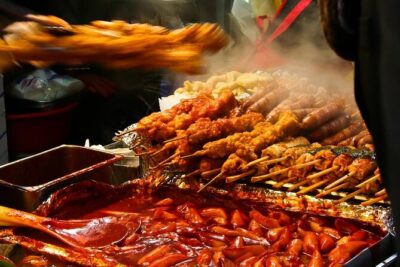
Gyeongbok Palace, Bukchon Village, and Gwangjang Tour
Read our review →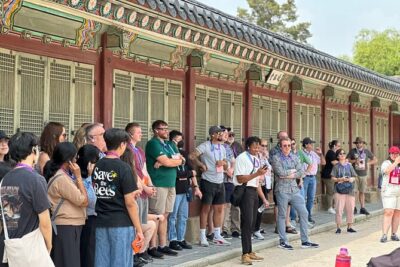
Best Seoul City Tour (Gyeongbokgung Palace,Insadong,Namsan Tower)
Read our review →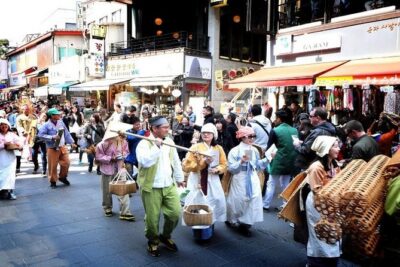
Small-Group Royal Palace and Seoul City Tour (hotel pick-up)
Read our review →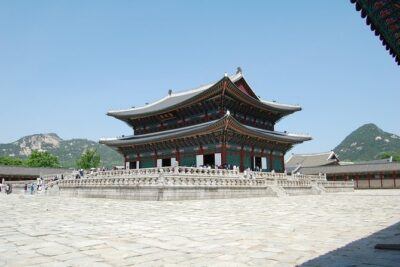
Seoul City Sightseeing Tour Including Gyeongbokgung Palace, N Seoul Tower, and Namsangol Hanok Village
Read our review →Gyeongbok Palace, Bukchon Village, and Gwangjang Tour
Read our review →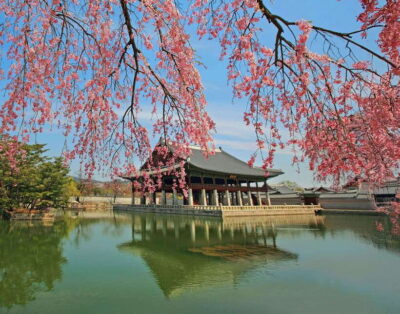
Seoul Highlights: Gyeongbok Palace, Insadong & N Seoul Tower
Read our review →
Seoul City Half Day Tour-Gyeongbok Palace Guard Changing Ceremony
Read our review →Browse the lists this tour appears in