

Reviewed · COOKING CLASSES
Vegan Korean Food Cooking Class: Gimbap, Sundubu Jjigae, and more
The best part of this Itaewon workshop is that you do not simply sit and watch a Korean meal being made. You work through four vegan dishes, from rolling gimbap to cooking sundubu jjigae and shaping flower-topped hwa-jeon. I like the small maximum of four people, and I like that Soomin explains both the food and the Korean traditions behind it.
I also value the practical help for plant-based eating in Seoul, especially if Korean food feels hard to navigate. The main drawback is simple: the class is on the third floor with no elevator, and a two-and-a-half-hour cooking session may leave you very full, so plan your meals accordingly.
In This Review
- Key points
- Why this Itaewon cooking class is different
- Meeting Soomin at 11:00 am
- Rolling gimbap and learning Korean kitchen basics
- Making sundubu jjigae from scratch
- Biji-jeon and the practical side of soy pulp
- Shaping hwa-jeon with seasonal flowers
- What Soomin adds to the experience
- The $75 price and what you receive
- Who should book this class
- Booking timing, confirmation, and cancellation
- My call: book it if you want food and useful skills
- FAQ
- Where does the Korean vegan cooking class take place?
- What time does the class start?
- How long does the cooking class last?
- How many people can join?
- Which dishes will I make?
- Is the food fully vegan?
- Can the class accommodate gluten-free needs?
- Is the meeting point also the end point?
- What is the cancellation policy?
Key points
- Four dishes in one class: Make gimbap, sundubu jjigae, biji-jeon, and hwa-jeon from start to finish.
- A true small-group workshop: The maximum is four people, with the possibility of a one-on-one session.
- Led by Soomin: Expect clear, step-by-step instruction and explanations of ingredients, customs, and vegan eating in Seoul.
- Tofu takes center stage: The class shows how tofu and soy pulp can work in several very different dishes.
- Good for special diets: The experience is vegan, vegetarian-friendly, reducetarian-friendly, and Muslim-friendly, with gluten-free preparation available on request.
- Useful Itaewon location: You meet in World Food Street Itaewon at 11:00 am and finish where you began.
Why this Itaewon cooking class is different
Many food classes give you one signature dish and a quick taste. This one gives you a small Korean meal, with several textures and cooking methods in a single 2-hour-30-minute session.
You will prepare gimbap, a rolled dish that rewards careful assembly. You will make sundubu jjigae from scratch, work with soy pulp for biji-jeon, and finish with hwa-jeon, a glutinous rice dough preparation decorated with seasonal edible flowers.
That mix matters. You are not learning four versions of the same recipe. You move between rolling, simmering, pan-cooking, shaping, and decorating. It gives you a clearer sense of how Korean food can be hearty, colorful, simple, and plant-based without relying on meat or seafood.
The class takes place with Tofu Artist in Itaewon, an area known for its international food scene. The location makes sense for a food workshop focused on different diets, though the exact address should be checked carefully after booking. Confirmation arrives within 48 hours, subject to availability.
More Korean cooking classes:
- Local Home Korean Cooking Class & Market Adventure in Seoul
★ 5.0 · 1,024 reviews - Master Korean traditional cooking with a Kimchi chef
★ 5.0 · 385 reviews - Seoul: Korean Cooking Class at a Local Home and Market Tour
★ 5.0 · 348 reviews
Meeting Soomin at 11:00 am

The class begins at 11:00 am in Itaewon-dong, in Seoul’s Yongsan District. You return to the same meeting point at the end, so you will not need to arrange a separate pickup or find your way to another neighborhood afterward.
I like the morning start. You can make this a late breakfast and lunch, or have something very light beforehand. The finished food is substantial enough that you may not want to schedule a large meal immediately afterward.
The class is capped at four people. That is a real advantage for hands-on cooking. You should have a better chance to ask questions, get help with knife work or rolling, and follow the process closely instead of waiting behind a large group.
If nobody else books your session, the class may still go ahead as a private one-on-one experience. That can be especially useful if you want more time with Soomin or have detailed questions about vegan food in Korea. It can also feel less social than a full group class, so choose your expectations accordingly.
Rolling gimbap and learning Korean kitchen basics
Gimbap is likely to be the most familiar dish for many people, but making it is different from simply ordering a roll at a restaurant. You will assemble the fillings, manage the balance of ingredients, and roll the sheet carefully so the finished pieces hold together.
This is the kind of task where step-by-step guidance helps. Soomin is described as giving clear instructions and explaining processes in an easy-to-follow way. If you have never rolled gimbap before, the small class size should make it easier to correct mistakes before the roll reaches the knife.
The dish is also a good introduction to Korean presentation. Gimbap is portable and practical, but it is still judged by its shape and neat slices. You get a useful lesson in how arrangement affects both appearance and texture.
The class focuses on vegan food throughout. That is important because some Korean dishes can include fish-based ingredients or meat stock, even when the dish itself appears vegetable-based. Here, the meal is designed as vegan from the start, so you can cook and eat without having to keep checking every step.
Making sundubu jjigae from scratch
Sundubu jjigae is the warm, soupy centerpiece of the class. You will cook it from scratch rather than simply reheating a prepared base, giving you a closer look at how the flavors build during cooking.
The workshop description places tofu at the heart of the experience, and sundubu jjigae is a natural setting for it. The soft tofu brings a different texture from the firmer ingredients used in a rolled dish or pancake. That contrast is one of the most useful lessons in the class: tofu is not one fixed food, and its role changes depending on how it is prepared.
Soomin also explains ingredients and food traditions as you work. I find that sort of context more useful than a long lecture at the beginning, because you learn the reason for an ingredient while seeing it used.
The class is listed as Muslim-friendly, and gluten-free preparation is available on request. You should state your needs when booking rather than waiting until the cooking begins. The supplied information does not specify every ingredient substitution, so ask for confirmation if you have a serious allergy or strict dietary requirement.
A few more Seoul trips worth weighing up
- Vegan & Vegetarian Korean Market Adventure Gwangjang Market
★ 5.0 · 34 reviews - Seoul Vegan & Vegetarian Gwangjang Market Food Tour (11 Tastings)
★ 5.0 · 24 reviews
Biji-jeon and the practical side of soy pulp

Biji-jeon gives the class another angle on soy. You will prepare and cook soy pulp pancakes, turning an ingredient that might otherwise be discarded into part of the meal.
That is a useful Korean food lesson, especially for anyone interested in reducing waste or finding more uses for familiar ingredients. It also adds a pan-cooked dish to the menu, so your hands-on work is not limited to assembly.
The texture and cooking technique will differ from both gimbap and sundubu jjigae. You will see how a mixture changes when it meets a hot pan, and you can ask Soomin about the ingredients as you go.
This is also where the class feels practical rather than decorative. You are learning dishes that make use of tofu and soy in ordinary, adaptable ways. The menu is visually appealing, but it is not only about making food look good for a photograph.
Shaping hwa-jeon with seasonal flowers
The final dish is hwa-jeon, made by shaping and cooking glutinous rice dough and decorating it with seasonal edible flowers. It brings a little ceremony to the end of the class without turning the whole workshop into a pastry demonstration.
The flowers make hwa-jeon especially attractive, but the important part is the handling of the dough. You will shape it, cook it, and finish it with care. This gives the meal a clear final course and a different set of skills from the savory dishes.
Seasonal flowers mean the exact decoration can vary. That is part of the appeal, but you should not expect one fixed design every time. The experience promises seasonal edible flowers, not a guaranteed flower type or color.
For many people, hwa-jeon will be the least familiar dish on the menu. That makes it a strong reason to book this class instead of choosing a basic gimbap lesson. You leave with a broader picture of Korean cooking and a dish that is less common on everyday restaurant menus.
What Soomin adds to the experience

The cooking is the main event, but Soomin’s teaching style appears to be a major part of the value. The class includes explanations of ingredients, traditions, Korean food culture, and useful tips for finding vegan food in Seoul.
That last point matters if you are staying in Seoul for several days. A cooking class can give you a safe meal, but guidance on how to approach local food afterward is even more useful. You can ask questions in real time and connect the ingredients in front of you with the food you see around the city.
Soomin also keeps the class moving with clear, step-by-step directions. That is important in a small workshop with several dishes. You want enough explanation to understand what you are doing, but not so much that the food sits waiting while everyone listens.
The tone appears warm and conversational, with room for questions about vegan and vegetarian food cultures. If you are a meat eater who simply wants to understand Korean cooking, you should still find the class suitable. The recipes are plant-based, but the instruction is about Korean techniques and ingredients more broadly.
The $75 price and what you receive

At $75 per person, this is not the cheapest way to eat lunch in Seoul. It can still be good value if you want instruction, a full meal, and cultural context rather than a restaurant stop.
You are paying for about two and a half hours of guided cooking in a group of no more than four. You make four dishes and eat food you helped prepare. The one-on-one possibility adds even more personal attention if your booking is the only one for that time.
I would compare this price with the cost of a standard meal plus a separate food activity. If you are already planning to book a cooking class, the four-dish menu makes the price easier to justify. If you only want a quick lunch, it is likely more time and money than you need.
The experience is especially good value for vegan visitors who want confidence with Korean food. Finding a fully plant-based Korean meal can take extra research, and this class gives you both dinner and useful food knowledge in one booking.
Come hungry, but not uncomfortably so. The menu covers soup, rolls, pancakes, and a glutinous rice dessert, and the portion can be enough to serve as a full meal. Bringing a container for leftovers is a sensible tip if you expect not to finish everything.
Who should book this class

I would recommend it first to vegans and vegetarians who want more than a meal. It gives you a fully vegan menu, a chance to ask direct questions, and practical ideas for eating in Seoul afterward.
It also suits reducetarians, curious cooks, and anyone who wants an introduction to Korean food without a meat-centered menu. You do not need to be an expert cook. The instructions are designed to guide you through each stage.
The class may also work well for solo visitors. With only four places, you are less likely to feel lost in a crowd, and a solo booking can become a private session if availability allows.
Families with very young children may want to think about the 2.5-hour duration and the third-floor location. The supplied information does not give an age range, so ask the provider before booking if a child will attend.
You should also consider the stairs. The class is on the third floor and there is no elevator. Service animals are allowed, and the location is near public transportation, but the information does not specify step-free access.
Booking timing, confirmation, and cancellation
This experience is often booked about 41 days in advance. That is a useful warning if your Seoul dates are fixed, particularly if you want a private session or a specific morning.
A mobile ticket is provided, and confirmation is sent within 48 hours of booking if space is available. Check your confirmation for the exact meeting details before heading to Itaewon.
Free cancellation is available up to 24 hours before the 11:00 am start time for a full refund. Changes or cancellations made within 24 hours are not accepted for a refund, and the cut-off uses Seoul local time.
My call: book it if you want food and useful skills
Book this class if you want to cook a complete vegan Korean meal, prefer a small group, and enjoy asking questions as you work. The strongest reasons are the four-dish menu, Soomin’s clear teaching, and the practical help with plant-based eating in Seoul.
Skip it if you only want a fast meal, have difficulty climbing to a third-floor room, or dislike structured cooking activities. At $75, the value depends on wanting the lesson as much as the food.
For the right person, this is a friendly and focused way to meet Korean cuisine through tofu, soy pulp, rice dough, flowers, soup, and gimbap. It gives you something to eat in Seoul and something you can try making after you go home.
FAQ
Where does the Korean vegan cooking class take place?
The class takes place in Itaewon-dong, in Seoul’s Yongsan District, in the World Food Street Itaewon area.
What time does the class start?
The experience starts at 11:00 am.
How long does the cooking class last?
The class lasts approximately 2 hours and 30 minutes.
How many people can join?
The maximum group size is four people.
Which dishes will I make?
You will make gimbap, sundubu jjigae, biji-jeon, and hwa-jeon.
Is the food fully vegan?
Yes. The experience is designed as a vegan cooking workshop.
Can the class accommodate gluten-free needs?
Gluten-free preparation is available on request. You should make the request when booking.
Is the meeting point also the end point?
Yes. The activity ends back at the meeting point.
What is the cancellation policy?
You can cancel at least 24 hours before the start time for a full refund. Cancellations or changes made less than 24 hours before the experience are not accepted for a refund.
More Food in Seoul
- Seoul Night Palace & Market Food Tour with Vehicle
★ 5.0 · 275 reviews - Seoul Fun Food Tour: 12 different food tastings
★ 5.0 · 266 reviews - The Award-Winning PRIVATE Food Tour of Seoul: The 10 Tastings
★ 4.5 · 128 reviews - Afternoon E-bike tour and “Happy Hour” food and drinks
★ 5.0 · 46 reviews
More Food & Drink in Seoul
- Seoul Street Food Market Tour
★ 5.0 · 1,226 reviews - Seoul: Night Market Food Tour with Local Guide
★ 4.9 · 943 reviews - Downtown Seoul Guided Food & Market Tour with 8+ Local Tastings
★ 5.0 · 580 reviews - Small-Group Night Food Tour in Seoul with Korean BBQ
★ 5.0 · 304 reviews
Just added around Seoul
- Incheon Airport Private Transfer between Seoul City★ 4.0 · 4 reviews
- Seoul’s Stars: Open Mic with Local & International Talent★ 4.8 · 4 reviews
- Samaksan Cable Car and Nami Island Day Escape with Railbike★ 4.0 · 4 reviews
- DMZ 2nd Tunnel and Cheorwon Peace Observatory with Admission★ 5.0 · 4 reviews
- [KoreaByLocal] Authentic Seoul Night Walk and Chicken & Beer★ 5.0 · 4 reviews
- Nami & Maple Road & Theatre des Lumieres Day Tour from Seoul★ 4.8 · 4 reviews
- Hire Photographer, Professional Photo Shoot – Seoul★ 5.0 · 4 reviews
- Play Gayageum in Hanbok Cultural Experience in Bukchon★ 5.0 · 4 reviews
Cooking Classes, compared.
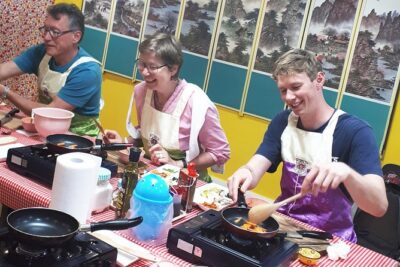
Local Home Korean Cooking Class & Market Adventure in Seoul
Read our review →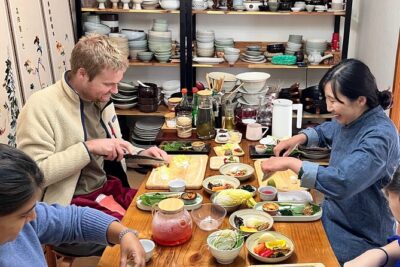
Master Korean traditional cooking with a Kimchi chef
Read our review →
Korean Cooking Class at a Local Home and Market Tour
Read our review →
Cook 3 Authentic Korean Dishes with Local Market Tour
Read our review →
Experience Korean Cooking in Modern Hanok Kitchen
Read our review →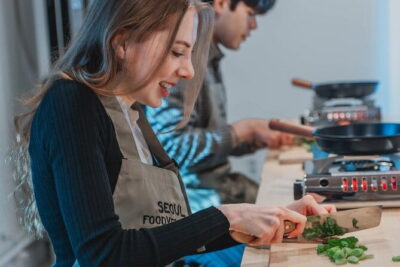
Korean Cooking Class with Grocery Shopping at Seoul Local Market
Read our review →Browse the lists this tour appears in