
Reviewed · COOKING CLASSES
Seoul Food: Banchan, Bibimbap, and Beyond
Seoul’s food culture makes the most sense when you see where people eat it. This private five-hour walk links backstreet restaurants and markets with Dongdaemun, Jongno, Gyeongbokgung Palace, and Bukchon Hanok Village. Guide Eunice brings the history into the meal, explaining how Korean cooks reshaped outside influences into food that feels distinctly Korean.
I like two things right away. First, the food is not treated as a series of disconnected samples. You learn how history, family traditions, and everyday life shape dishes such as Korean beef, chicken noodle soup, banchan, and bibimbap. Second, the tour reaches beyond the obvious sights, with time for local lanes, a record store, and a tent bar.
The main consideration is the walking and food-heavy pace. The listed sightseeing stops add up to about four hours, while the full experience lasts around five, so you should be ready to walk, eat several times, and keep moving between stops. Private transportation is not included.
In This Review
- Key points to know before booking
- Why this Seoul food walk feels different
- Starting beside Dongdaemun Gate
- From royal gate to futuristic DDP
- Walking beside Cheonggyecheon Stream
- Gyeongbokgung Palace and the story behind the food
- Bukchon Hanok Village in half an hour
- What you may eat along the way
- Why the private format matters
- Is $195 a fair price?
- Who should book this experience?
- Practical details for a smooth afternoon
- Should you book Seoul Food: Banchan, Bibimbap, and Beyond?
- FAQ
- How much does the Seoul food tour cost?
- How long does the experience last?
- Where does the tour start?
- What time does the tour begin?
- Where does the tour end?
- Is private transportation included?
- What is included in the price?
- Is this a private tour?
- What is the cancellation policy?
Key points to know before booking
- Guide Eunice brings food and Korean history together, making the meal stops easier to understand.
- Dinner, snacks, alcoholic drinks, and bottled water are included in the $195 price.
- The private format is useful for couples, families, and solo visitors who want a more personal outing.
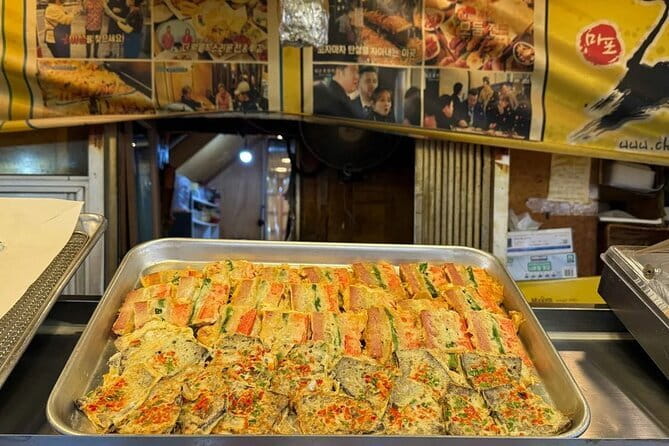
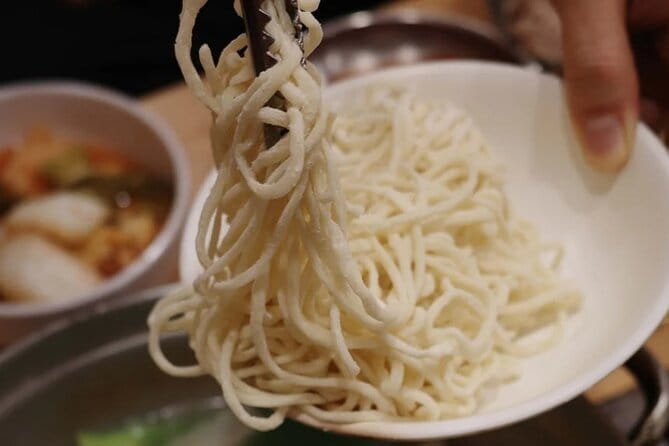
- Food can include family-run backstreet restaurants, Korean beef, chicken noodle soup, steak tartare, and other local specialties.
- The route combines food with major Seoul sights, including Dongdaemun Gate, DDP, Gyeongbokgung Palace, and Bukchon Hanok Village.
- You meet at JW Marriott Dongdaemun Square Seoul at 1:00 pm, then return to that meeting point at the end.
Why this Seoul food walk feels different
Many city food tours keep you seated in one neighborhood. This one uses Seoul itself as the dining room. You move through Dongdaemun and Jongno, with food stops set among old streets, royal architecture, modern design, and ordinary local businesses.
That matters because Korean cuisine is closely tied to place and memory. Eunice explains how Korea has borrowed ideas from Chinese, Japanese, and Western traditions, then reshaped them through Korean ingredients, habits, and tastes. You are not simply handed a plate and told what it is. You get a sense of why the food developed in the way it did.
The private setup also changes the tone. Only your group takes part, so the day can feel more like walking around Seoul with a well-informed local companion than joining a large sightseeing procession. The available comments point especially to Eunice’s warmth, wit, and ability to connect food with culture.
The food itself is intended to be substantial. Dinner and snacks are included, along with alcoholic beverages and bottled water. Past experiences have included traditional sit-down meals, hearty chicken noodle soup, Korean beef served in several forms, steak tartare, and a memorable sauce described as magic. Exact dishes can vary, so book this for the range and setting rather than one promised menu item.
More Korean cooking classes:
- Local Home Korean Cooking Class & Market Adventure in Seoul
★ 5.0 · 1,024 reviews - Master Korean traditional cooking with a Kimchi chef
★ 5.0 · 385 reviews - Seoul: Korean Cooking Class at a Local Home and Market Tour
★ 5.0 · 348 reviews
Starting beside Dongdaemun Gate
The meeting point is JW Marriott Dongdaemun Square Seoul, at 279 Cheonggyecheon-ro. The first listed stop is Dongdaemun Gate, also called Heunginjimun, one of Seoul’s historic city gates.
The gate dates to the late fourteenth century and once served as a main entrance through the city’s defensive walls. It gives the afternoon an immediate sense of time and place. Before tasting modern Korean food, you see one of the structures that shaped how people entered and moved through old Seoul.
A one-hour stop is listed here, which suggests more than a quick photograph. Your guide can use the gate to set up the broader story of Seoul: a royal capital, a commercial center, and a city that has repeatedly rebuilt and reinvented itself.
This is also a practical starting point. The meeting point is near public transportation, and the tour begins at 1:00 pm. You do not need to arrange a separate transfer, since private transportation is not part of the package.
From royal gate to futuristic DDP
The next stop is Dongdaemun Design Plaza, usually called DDP. Its sweeping, futuristic form was designed by Zaha Hadid, and it provides a sharp contrast with the historic gate nearby.
You have about 30 minutes here. That is enough to look around the large open spaces and take photographs, but not enough for a full exhibition visit if one happens to be running. DDP hosts exhibitions, fashion events, and cultural programs, yet admission to the tour stop is listed as free rather than as a guaranteed exhibition ticket.
I like this pairing because it shows Seoul’s habit of placing old and new side by side. The gate reflects the city’s royal past. DDP reflects its design culture and global outlook. You do not need to choose between history and modern Seoul on this walk.
If architecture is a major reason you visit the city, DDP will be one of the strongest visual stops. If food is your only interest, the half-hour visit may feel like a pause between meals. Still, it gives your eyes a break from restaurant interiors and adds useful context to the city’s character.
Walking beside Cheonggyecheon Stream
Cheonggyecheon Stream provides the route’s most relaxed stretch. The stream runs through both Dongdaemun and Jongno, and the listed stop lasts about an hour.
The walk gives you time to digest between food stops, an important detail when the tour includes dinner and snacks. At night, lights reflect on the water, but this experience begins at 1:00 pm, so the exact atmosphere will depend on the season and the pace of the group.
The stream is also a good place to notice the contrast between Seoul’s dense city streets and its calmer pedestrian spaces. You are still in central Seoul, but the water and walking path create a quieter break from traffic and commercial streets.
Wear comfortable shoes. The tour covers several districts and combines sightseeing with eating, so you should expect a fair amount of walking even though no exact distance is provided. The stream walk itself is not difficult in concept, but the full afternoon can feel long if you are not used to walking and eating over several hours.
A few more Seoul trips worth weighing up
- Seoul Street Food Market Tour
★ 5.0 · 1,226 reviews - Seoul: Night Market Food Tour with Local Guide
★ 4.9 · 943 reviews - Downtown Seoul Guided Food & Market Tour with 8+ Local Tastings
★ 5.0 · 580 reviews - Small-Group Night Food Tour in Seoul with Korean BBQ
★ 5.0 · 304 reviews
Gyeongbokgung Palace and the story behind the food
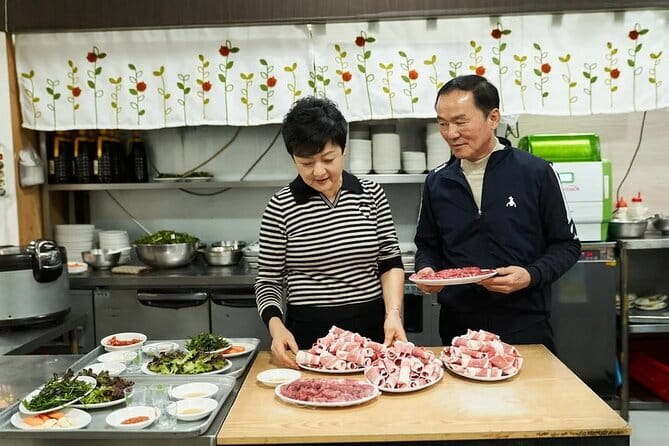
Gyeongbokgung Palace is the largest and best-known royal palace in the route. It was the main palace of the Joseon Dynasty, and its courtyards, buildings, and gardens provide the clearest setting for understanding Korea’s royal past.
The listed visit lasts one hour. Admission is shown as free for this experience, though the available information does not specify whether every palace area or special exhibit is included. Your guide’s explanations are likely to matter more here than a rushed checklist of buildings.
This is where the cultural side of the food tour gains weight. Korean cuisine is not only about ingredients and cooking methods. It also reflects class, season, family custom, preservation, and the way meals have been shared over time. A palace visit helps place those ideas within the long story of Korean society.
Do not expect a full palace tour with every corner covered. One hour gives you an introduction rather than total coverage. If Gyeongbokgung is at the top of your Seoul list, you may want to return on your own for a longer visit.
Bukchon Hanok Village in half an hour
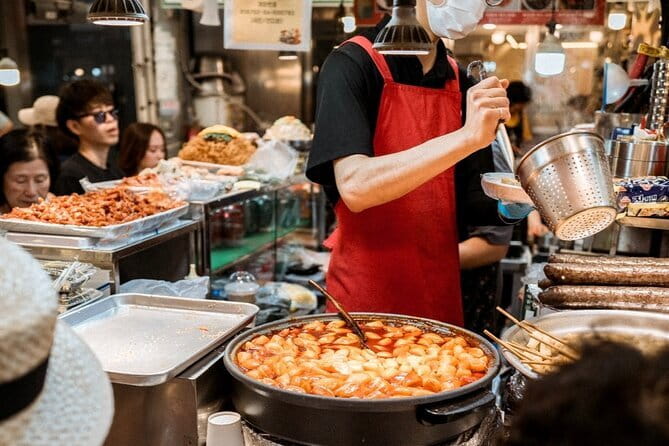
The final listed sightseeing stop is Bukchon Hanok Village, a historic residential area made up of traditional hanok houses. Its narrow lanes and views offer a glimpse of older Seoul within the modern city.
The stop lasts about 30 minutes, so you should think of it as an introduction. You may see the traditional architecture and walk through a few lanes, but there is not time for a slow, detailed visit to the whole area.
Bukchon is still a working neighborhood, not simply an open-air museum. Keep your voice down in residential streets and follow any posted guidance. The short visit works well as part of a wider day, especially because the tour’s main focus remains food and local culture.
The route’s mix is one of its strengths. You get a royal palace, a traditional neighborhood, a modern design landmark, a stream walk, and food stops in local streets. No single sight receives a full afternoon, but together they give you a useful first reading of central Seoul.
What you may eat along the way
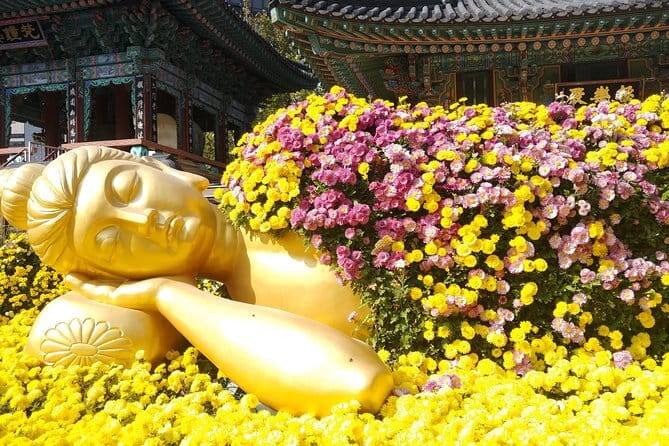
The name points toward banchan, bibimbap, and more, but the supplied details do not promise a fixed menu. That is worth keeping in mind if you have strict dietary needs or one particular dish you want to try.
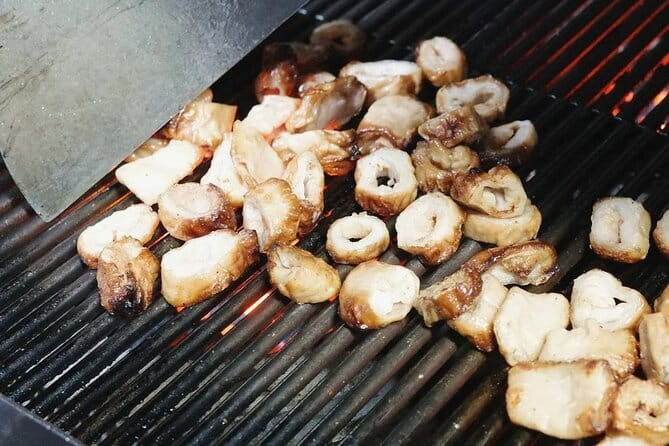
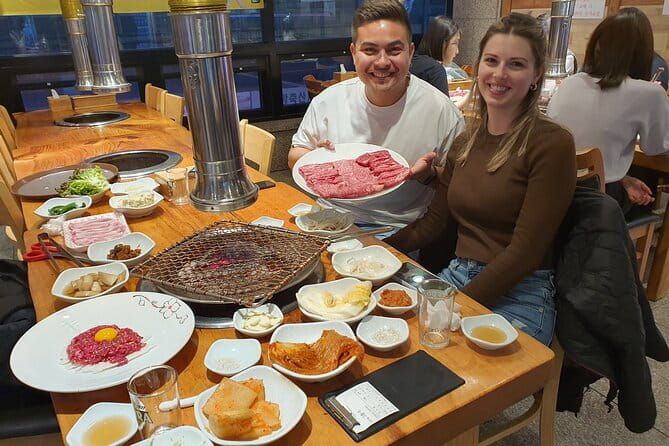
The food experiences described include traditional sit-down restaurants and family-run places in backstreets. You may encounter hearty chicken noodle soup, Korean beef prepared in several ways, steak tartare, and a distinctive sauce that made a strong impression. Snacks and dinner are included, so this is not a tour where you merely nibble and then search for a meal afterward.
Banchan, the small side dishes served with Korean meals, are especially useful for understanding the Korean table. They show how a meal can contain many tastes and textures at once rather than one large main course. Bibimbap, suggested by the tour title, offers another familiar entry point, but the experience is designed to go beyond the dishes most visitors already know.
Alcoholic beverages are included. If you do not drink, the package still includes dinner, snacks, and bottled water, but the price does not appear to be reduced for skipping alcohol.
One appealing feature is the contact with the people behind the food. The experience can include learning about the cooks and the stories connected to the restaurants. That human detail gives the meals more meaning than a simple list of dishes.
Why the private format matters
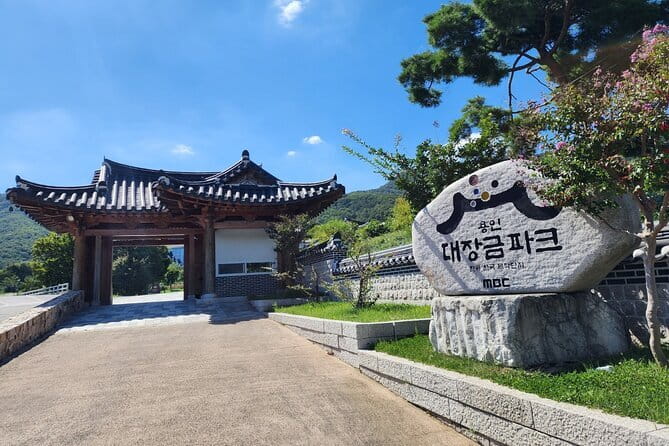
This is a private activity, so only your group participates. That is a meaningful advantage at $195 per person, especially if you are traveling as a couple, family, or small group and want to ask questions without holding up strangers.
A private tour can also help with food preferences, pace, and conversation, though the available details do not promise specific dietary adaptations. You should raise any concerns at booking rather than assume substitutions will be available.
The experience has worked well for solo visitors too. A solo participant can get a friendly introduction to Seoul, with a guide who provides both company and local context. Families may also appreciate the variety, since the day does not rely on one long lecture or one restaurant meal. One family experience included an 11-year-old who learned more about Korean food through traditional backstreet stops.
Is $195 a fair price?
At $195 per person, this is not a budget food crawl. The value comes from the package: about five hours, a private guide, several food stops, dinner, snacks, alcoholic beverages, bottled water, and visits to major Seoul sights.
You are also paying for interpretation. A cheap market visit may let you taste food, but it may not explain how Korean cuisine connects to migration, cultural exchange, family businesses, royal life, and modern Seoul. Eunice’s role is central because she links those pieces together.
The price makes the most sense if you want a strong first day in Seoul or prefer a planned experience that combines eating and sightseeing. It is less suitable if you are comfortable ordering on your own, want to spend hours at Gyeongbokgung, or are mainly looking for the lowest-cost way to sample Korean dishes.
Because private transportation is not included, you are paying for the guide and food rather than a vehicle. The meeting point is near public transportation, and the tour returns there, so you should plan your own way to and from JW Marriott Dongdaemun Square Seoul.
Who should book this experience?
I would recommend it most strongly for:
- First-time visitors who want food and culture in one afternoon
- Solo visitors looking for an easy, social introduction to Seoul
- Couples who value a private guide and a flexible conversation
- Families with older children who can manage several hours of walking
- Food lovers who want traditional restaurants rather than only famous tourist stops
- Visitors who enjoy learning the story behind a meal
You may want another option if you dislike walking, avoid alcohol, need a guaranteed menu, or prefer to spend an entire day at one palace or neighborhood. The route is broad, and the food is plentiful. That is a benefit for many people, but it can feel busy if you want a slow, single-subject tour.
The tour is recommended by all available ratings, with a five-star average from 16 reviews. That is a small sample, so I would treat it as encouraging rather than absolute proof. The consistent praise centers on Eunice, the variety of food, the backstreet setting, and the way Korean history is explained through eating.
Practical details for a smooth afternoon
The tour starts at 1:00 pm and ends back at the meeting point. The duration is approximately five hours, with free admission listed for the sightseeing stops.
You receive confirmation when booking. Most people can participate, and the meeting point is near public transportation. Since the experience is private, the group size is limited to your own party.
Free cancellation is available if you cancel at least 24 hours before the start time. Cancellations made less than 24 hours before the start are not refunded, and late changes are not accepted. Cut-off times use Seoul local time. The experience also requires a minimum number of participants, and if that minimum is not met, you are offered another date or experience, or a full refund.
Should you book Seoul Food: Banchan, Bibimbap, and Beyond?
Book it if you want Seoul explained through both its streets and its food. The combination of Dongdaemun Gate, DDP, Cheonggyecheon Stream, Gyeongbokgung, Bukchon, and backstreet meals gives you a broad first look without making the day only about monuments.
The strongest reason to choose it is Eunice’s reported style: warm, witty, and able to connect each dish with Korean culture and history. The best food moments may be the less polished ones, such as a family-run restaurant, a bowl of chicken noodle soup, or a late stop at a tent bar.
Skip it if you want a cheap tasting tour, a fixed menu, or a leisurely palace visit. At $195, it should be viewed as a private half-day introduction to Seoul, with a full meal and drinks included. For the right visitor, that is a useful and satisfying way to get oriented.
FAQ
How much does the Seoul food tour cost?
The price is $195 per person.
How long does the experience last?
The experience lasts approximately five hours.
Where does the tour start?
It starts at JW Marriott Dongdaemun Square Seoul, located at 279 Cheonggyecheon-ro in Seoul’s Jongno District.
What time does the tour begin?
The tour starts at 1:00 pm.
Where does the tour end?
The experience ends back at the meeting point.
Is private transportation included?
No. Private transportation is not included.
What is included in the price?
The price includes a licensed guide, alcoholic beverages, bottled water, dinner, and snacks.
Is this a private tour?
Yes. Only your group participates in the activity.
What is the cancellation policy?
You can cancel up to 24 hours before the start time for a full refund. Cancellations or changes made less than 24 hours before the start time are not accepted for a refund.
More Food in Seoul
- Seoul Night Palace & Market Food Tour with Vehicle
★ 5.0 · 275 reviews - Seoul Fun Food Tour: 12 different food tastings
★ 5.0 · 266 reviews - The Award-Winning PRIVATE Food Tour of Seoul: The 10 Tastings
★ 4.5 · 128 reviews - Afternoon E-bike tour and “Happy Hour” food and drinks
★ 5.0 · 46 reviews
Just added around Seoul
- Incheon Airport Private Transfer between Seoul City★ 4.0 · 4 reviews
- Seoul’s Stars: Open Mic with Local & International Talent★ 4.8 · 4 reviews
- Samaksan Cable Car and Nami Island Day Escape with Railbike★ 4.0 · 4 reviews
- DMZ 2nd Tunnel and Cheorwon Peace Observatory with Admission★ 5.0 · 4 reviews
- Nami & Maple Road & Theatre des Lumieres Day Tour from Seoul★ 4.8 · 4 reviews
- Hire Photographer, Professional Photo Shoot – Seoul★ 5.0 · 4 reviews
- [KoreaByLocal] Authentic Seoul Night Walk and Chicken & Beer★ 5.0 · 4 reviews
- Play Gayageum in Hanbok Cultural Experience in Bukchon★ 5.0 · 4 reviews
Cooking Classes, compared.
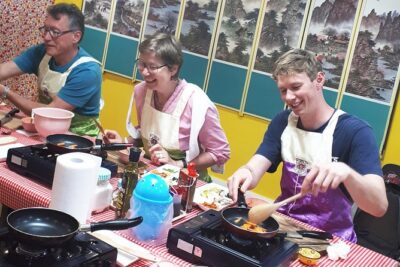
Local Home Korean Cooking Class & Market Adventure in Seoul
Read our review →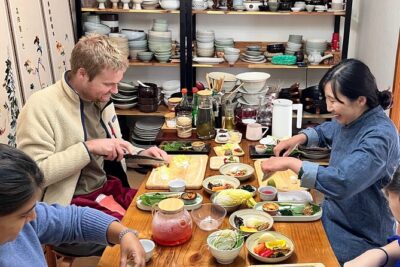
Master Korean traditional cooking with a Kimchi chef
Read our review →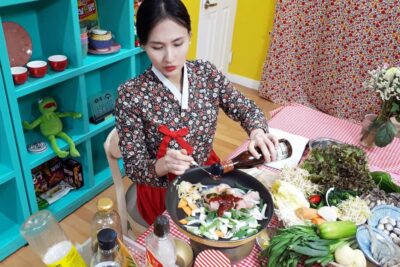
Korean Cooking Class at a Local Home and Market Tour
Read our review →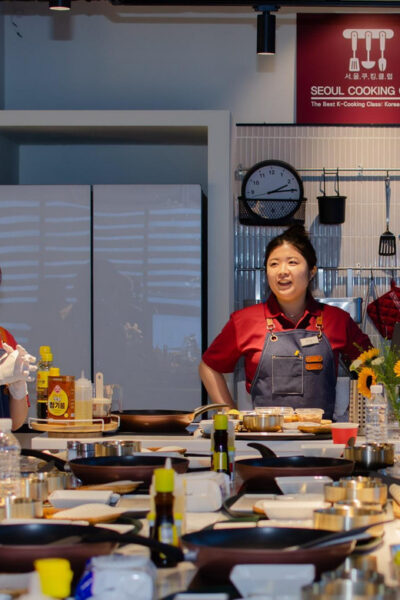
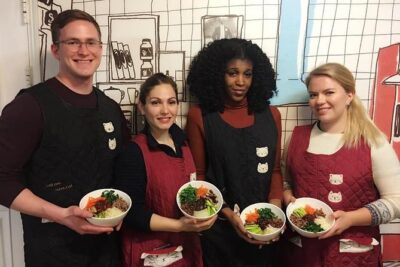
Cook 3 Authentic Korean Dishes with Local Market Tour
Read our review →
Experience Korean Cooking in Modern Hanok Kitchen
Read our review →
Korean Cooking Class with Grocery Shopping at Seoul Local Market
Read our review →Browse the lists this tour appears in