
Reviewed · BUKCHON HANOK VILLAGE
Private Jeonju Hanok Village – Culinary tour
Jeonju is worth the long ride from Seoul because it gives you a full day of traditional Korean food and architecture in one place. You’ll stroll through the Hanok Village, see royal portraits at Gyeonggijeon Shrine, and eat your way through Nambu Market and local restaurants.
I like the private hotel pickup, which removes a layer of Seoul transport planning, and I like the food focus. The guide can take you beyond the obvious dishes, from bibimbap to bean sprout soup, rice wine, and a substantial Korean table meal.
The tradeoff is clear: you may spend about three hours each way in the vehicle, and traffic can make the day even longer. Lunch and snacks are not included, so the $300 price needs to be judged as a private transport and guiding fee, not an all-inclusive meal package.
In This Review
- Key points to know before booking
- Why Jeonju earns a day away from Seoul
- Starting at 7 a.m. in a private vehicle
- Walking through Jeonju Hanok Village
- Exploring Nambu Market and its local food culture
- Gyeonggijeon Shrine and Joseon royal memory
- Jeondong Catholic Church in ten minutes
- The culinary side: bibimbap, rice wine, and a Korean table
- What the $300 price really covers
- The guide can make or break a long day
- Who should book this Jeonju day trip
- Practical booking advice for a smoother day
- Should you book the Jeonju culinary tour?
- FAQ
- Where does the tour start?
- How long does the experience last?
- Is transportation included?
- Is this a private activity?
- What language does the guide speak?
- Are entrance fees included?
- Are lunch and snacks included?
- Is a vegetarian option available?
- What places are included in the day?
- Can I cancel for a full refund?
Key points to know before booking
- Jeonju takes most of the day: Plan on 8 to 10 hours, with an early 7 a.m. start and roughly three hours of driving each way.
- The private format matters: Only your group joins, and hotel pickup, drop-off, transport, guiding, and entrance fees are covered.
- Food is the main event: Bibimbap, bean sprout soup, street snacks, rice wine, and a possible 15-course Korean meal are part of the culinary appeal, but meals cost extra.
- The Hanok Village is more than a photo stop: Its raised roof edges and ondol floor-heating tradition give the architecture real character.
- Guides can add local color: Jiwon, Jones, and Andy have been named as guides, with special praise for clear explanations, humor, care, and restaurant choices.
- Plan well ahead: The experience is often booked 81 days before departure, so last-minute availability may be limited.
Why Jeonju earns a day away from Seoul
Seoul gives you grand palaces, modern neighborhoods, and an endless choice of restaurants. Jeonju offers a slower change of pace, with old-style houses, market food, royal memorials, and a food culture closely tied to the city.
I see this as a good choice when you want more than another Seoul neighborhood. The tour does not try to cram in every corner of Jeonju. Instead, it joins several strong pieces: architecture, local history, religious heritage, and food.
The private setup is especially useful for a long day. Your pickup is arranged at your hotel, the vehicle is reserved for your group, and the English-speaking guide stays with you. That means you can ask questions, adjust the pace within reason, and avoid spending the day figuring out intercity transport.
Still, do not mistake this for a quick side trip. The drive from Seoul takes about three hours in normal conditions, and heavy traffic can stretch the day. If long vehicle rides wear you down, that is the main issue to weigh before paying.
More Bukchon and hanok village walks:
- Seoul: Gyeongbok Palace, Bukchon Village, and Gwangjang Tour
★ 4.9 · 2,321 reviews - Seoul City Sightseeing Tour Including Gyeongbokgung Palace, N Seoul Tower, and Namsangol Hanok Village
★ 5.0 · 1,423 reviews - Seoul: Gyeongbok Palace, Bukchon Village, and Gwangjang Tour
★ 5.0 · 1,044 reviews
Starting at 7 a.m. in a private vehicle
The early departure is practical rather than glamorous. You leave Seoul at 7 a.m., giving you the best chance of having useful time in Jeonju before the return journey.
The vehicle cost is included, along with hotel pickup and drop-off. That is important here. A public transport plan would require more coordination, while a private vehicle lets you travel directly with your own group.
The long drive can also become part of the experience if you use the time well. Jiwon was described as explaining how the Seoul region developed during the ride, while Andy provided local background and looked after the group throughout the day. Guide assignments can change, but these details show the kind of service to expect: conversation and context, not just a silent transfer.
You should still bring water and keep your breakfast simple. Snacks are not included, and the first formal food stops come later. Since the tour runs 8 to 10 hours, comfortable clothes and shoes are more useful than anything fancy.
Walking through Jeonju Hanok Village
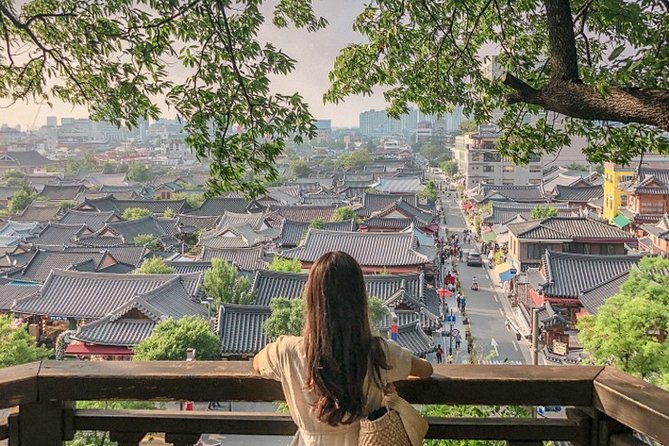
The first major stop is Jeonju Hanok Village, with about two hours set aside for exploring. This is the architectural heart of the day.
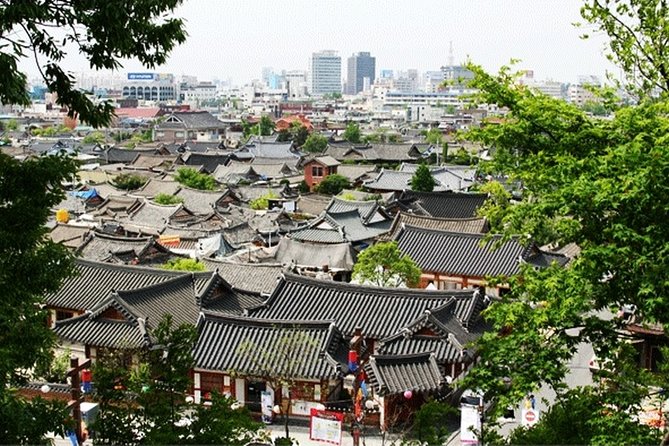
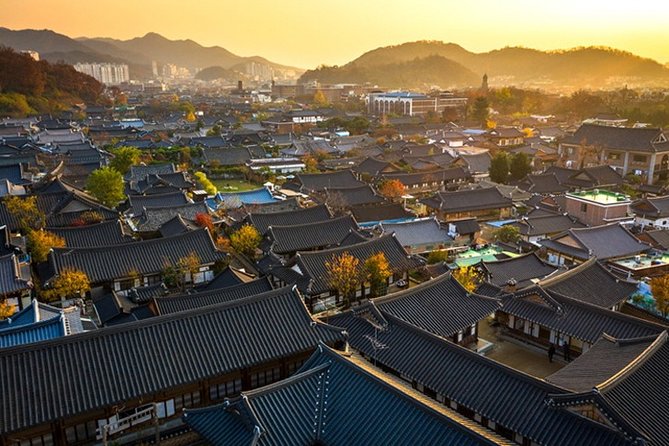
A hanok is a traditional Korean house. Here, the roof edges rise slightly toward the sky, giving the streets a distinctive shape. The homes also use ondol, a Korean underfloor heating system. That detail helps you understand the buildings as working homes designed for Korean weather and daily life, not just attractive façades.
Two hours is a sensible amount of time. You can look closely at the rooflines, walk through the lanes, and listen to the guide explain how the homes function. The village gives you a visual setting for the rest of the day, since the food and customs you encounter are tied to older Korean life.
The limitation is that the Hanok Village is only one part of a larger modern city. The tour gives you a guided taste rather than an exhaustive architectural study. If you want long, unhurried photography sessions or time to browse every lane, you may find the schedule brisk.
I like beginning here because the village puts you in the right frame of mind for the food stops. You are not simply driving to a restaurant. You are seeing the building styles, market traditions, and old institutions that make Jeonju different from Seoul.
Exploring Nambu Market and its local food culture
Nambu Market receives two portions of the day: about an hour for the main visit and another 30 minutes connected to its food. That split makes sense because this is both a traditional market and a culinary stop.
The market sells ordinary goods used in daily life, including food, furniture, and clothing. That matters because you see more than a row of snack counters. It is a place where local shopping and eating overlap.
The food focus here is bean sprout soup, a Jeonju specialty. You may also encounter popular street foods, though the exact snacks depend on the day and what you choose to buy. Snacks are not included, so carry some Korean won or another accepted payment method for purchases, though the supplied details do not specify payment methods at individual stalls.
A market can be one of the most useful stops for understanding a city because it shows what people buy for ordinary meals. It also gives you a chance to compare the polished restaurant meal with simpler food served in a traditional setting.
The visit is not designed as a long shopping expedition. You have about 90 minutes in total across the market-related stops, so your guide will likely keep the group moving. That is helpful for a full-day schedule, but you should tell the guide if a particular food stall or product interests you.
A few more Seoul trips worth weighing up
- Private DMZ Tour (No Shopping): 3rd Tunnel & Suspension Bridge
★ 5.0 · 607 reviews - Seoul City Private Full-Day Tour Including Lunch
★ 5.0 · 469 reviews - Private DMZ the 3rd Tunnel Tour from Seoul (optional Red Bridge)
★ 5.0 · 429 reviews - Seoul Highlights & Hidden Gems Tours by Locals: Private + Custom
★ 5.0 · 359 reviews
Gyeonggijeon Shrine and Joseon royal memory
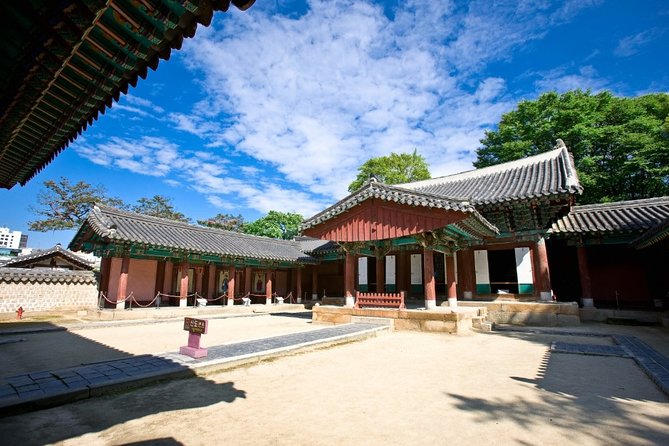
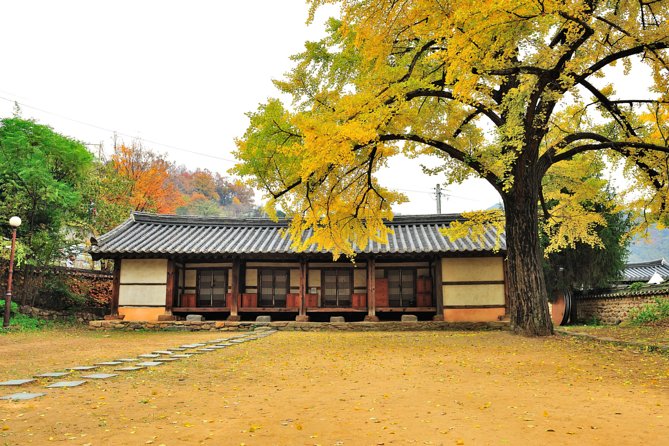
Gyeonggijeon Shrine gets about an hour and adds the historical center of the tour. The shrine contains memorial portraits and ancestor tablets connected with the Yi family, the rulers of the Joseon Dynasty. It also has history exhibits and a museum with royal portraits.
This stop gives the day some needed depth. Jeonju is not only a pleasant old-town setting and a place to eat. The shrine shows how Korean royal memory was preserved and presented.
An hour is enough for a guided visit, especially if you want the key points rather than a detailed museum study. I would pay close attention to the guide here. A portrait or memorial tablet can seem distant without context, but a good explanation connects the objects to Korea’s royal past.
The entrance fee is included, so you do not need to budget separately for this visit. That is a small point, but it makes the private tour easier to manage because the guide handles the covered admission costs.
Jeondong Catholic Church in ten minutes
Jeondong Catholic Church is a short stop, listed at about ten minutes. It is one of Korea’s traditional Catholic churches and gives the tour a different view of Jeonju’s past.
Do not expect a long church visit. Ten minutes is enough to see the exterior and understand why it belongs on a city highlights route, but not enough for an extended inspection or quiet reflection.
I appreciate the contrast. The day moves from hanok homes and a Joseon shrine to a Catholic church, showing several layers of Korean culture in a compact area. The stop is brief, so treat it as a visual and historical pause rather than a major standalone attraction.
The culinary side: bibimbap, rice wine, and a Korean table
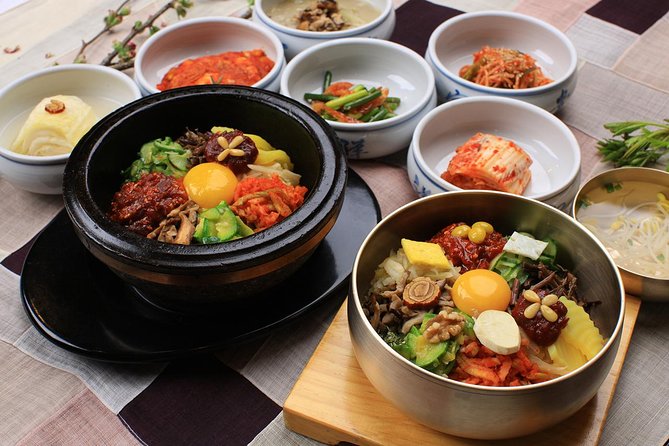
Food is the reason many people will choose this tour. Jeonju is closely associated with bibimbap, and the experience includes the chance to eat this Korean classic along with market dishes and other local foods.
The meal cost is separate. Lunch, rice wine, the bibimbap, and a hanjeongsik meal are not covered in the tour price. You should budget for these before booking, especially if you want to try several dishes rather than choose only one meal.
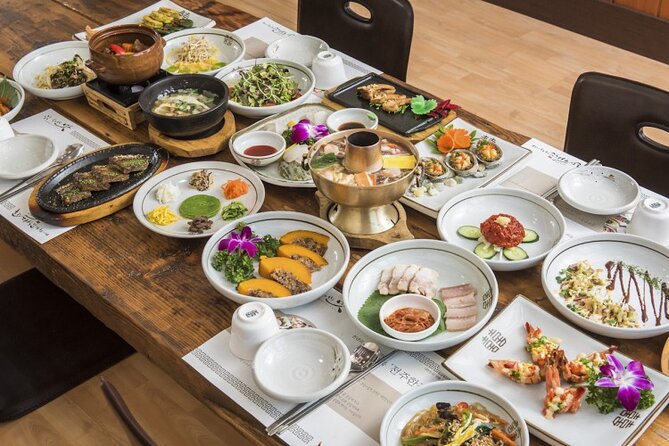
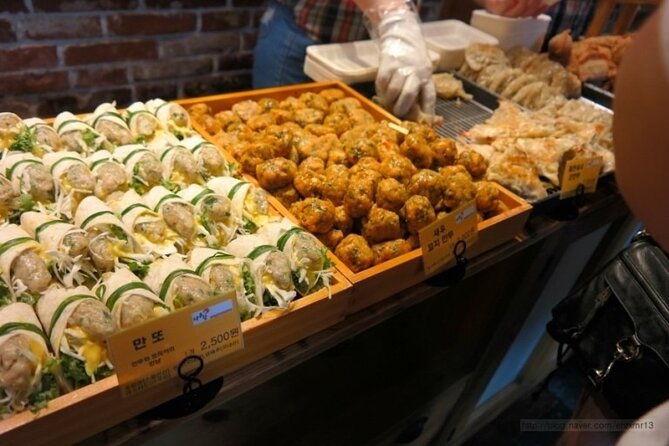
A hanjeongsik meal can include many small dishes served together. One meal described from this experience included 15 courses with rice wine, followed by local bibimbap. The exact meal you receive is not guaranteed by the supplied details, but this gives you a useful idea of the possible culinary range.
I like that the food is not treated as a token tasting. The day allows room for a proper lunch and market eating, so you can compare different sides of Jeonju’s food culture. Jones was praised for taking the group to a local restaurant that would be difficult to find independently, which is precisely where a private food tour can earn its keep.
At the same time, the restaurant choice and menu may depend on the guide and the day. If you need vegetarian food, request the vegetarian option when booking. Do not wait until lunch, since the tour asks you to advise in advance.
What the $300 price really covers
At $300 per person, this is not a budget day trip. The value comes from the private structure and the distance involved.
Your price covers private transportation, vehicle costs, hotel pickup and drop-off, an English-speaking guide, and entrance fees. It does not cover lunch, snacks, rice wine, bibimbap, or the hanjeongsik meal.
For one person, the cost may feel high. For a small private group, the calculation becomes more reasonable because you are paying for direct transport from Seoul, a dedicated guide, and a full day away from the capital. Group discounts are offered, so ask about them if you are booking with several people.
The tour is most useful when convenience matters. You avoid arranging your own long-distance route, finding a restaurant without local help, and coordinating several Jeonju stops. You are also not locked into a large group’s schedule.
If your priority is the lowest possible cost, this is not the right fit. You could seek cheaper transport and pay only for the sights and food you choose. You would, however, give up the private vehicle, hotel service, and guide-led food recommendations.
The guide can make or break a long day
A private guide matters more on an 8 to 10-hour outing than on a short city walk. You will spend many hours together, including a long drive in each direction.
Guides named in the available feedback include Jiwon, Jones, and Andy. Jiwon was praised for explaining regional development during the drive. Jones was described as personable and fun, with a strong choice of local restaurant. Andy was credited with careful attention and useful local information during a day affected by heavy traffic.
Those details point to the tour’s strongest human element. You are not only hiring a driver. You are getting someone who can fill the road time, explain what you are seeing, and help you make sense of food and history.
Guide names are not a guarantee that one particular person will lead your departure. Still, if you have a special interest in food, architecture, or history, mention it when booking. The private format gives you a better chance to shape the conversation than a large group outing.
Who should book this Jeonju day trip
I would recommend this experience to you if you want a single, organized day that combines several parts of Korean culture. It suits first-time visitors who want to get outside Seoul without arranging the trip themselves.
It is also a good match for:
- Couples or families who prefer a private vehicle
- Food-focused visitors who want bibimbap and local market dishes
- People interested in traditional homes and Joseon history
- Small groups that can make use of group discounts
- Visitors who want an English-speaking guide for the full day
I would be more cautious if you dislike long drives, need a slow schedule, or want every meal included in the advertised price. Heavy traffic can make the outing tiring, and the food bill comes separately.
The tour is also less suited to someone seeking a deep museum day. Gyeonggijeon Shrine receives about an hour, and Jeondong Catholic Church only about ten minutes. The aim is variety, not extensive time at one site.
Practical booking advice for a smoother day
The experience is often booked about 81 days ahead, so I would not leave it until the last week of a Seoul stay. Confirmation is received at booking, and you should include your country code with your phone number.
Most people can participate, and the activity is private, with only your group taking part. Vegetarian food is available if requested at booking.
Free cancellation is available up to 24 hours before the start time for a full refund. Changes or cancellations made within 24 hours are not accepted for a refund, and the activity can also be canceled if the minimum number of people is not met. In that case, you are offered another date or experience, or a full refund.
Because the day starts early and may run long, I would avoid scheduling another fixed activity in Seoul that evening. The return can be affected by traffic, and the day already includes a great deal of ground to cover.
Should you book the Jeonju culinary tour?
Book it if you want an easy, private route from Seoul to Jeonju and care about the combination of food, architecture, and local history. The best reasons are the private vehicle, hotel service, guide-led context, and access to food choices you might not locate on your own.
Skip it if your main goal is saving money or avoiding long car rides. The $300 price excludes the meals, and the three-hour journey each way is a serious part of the day.
For the right person, this is a rewarding use of a free Seoul day. Go with an appetite, request vegetarian food early if needed, and budget extra for lunch, rice wine, bibimbap, and market snacks.
FAQ
Where does the tour start?
The tour starts with hotel pickup at 7:00 a.m. in Seoul.
How long does the experience last?
The day lasts approximately 8 to 10 hours.
Is transportation included?
Yes. Private transportation, the vehicle cost, and hotel pickup and drop-off are included.
Is this a private activity?
Yes. Only your group participates in the tour.
What language does the guide speak?
An English-speaking guide is included.
Are entrance fees included?
Yes. Entrance fees are included, including admission to Gyeonggijeon Shrine.
Are lunch and snacks included?
No. Lunch, snacks, rice wine, bibimbap, and the hanjeongsik meal are not included.
Is a vegetarian option available?
Yes. Request the vegetarian option when booking.
What places are included in the day?
The route includes Jeonju Hanok Village, Nambu Market, Gyeonggijeon Shrine, and Jeondong Catholic Church.
Can I cancel for a full refund?
Yes. You can cancel at least 24 hours before the experience start time for a full refund.
Just added around Seoul
- Incheon Airport Private Transfer between Seoul City★ 4.0 · 4 reviews
- Seoul’s Stars: Open Mic with Local & International Talent★ 4.8 · 4 reviews
- Samaksan Cable Car and Nami Island Day Escape with Railbike★ 4.0 · 4 reviews
- DMZ 2nd Tunnel and Cheorwon Peace Observatory with Admission★ 5.0 · 4 reviews
- Nami & Maple Road & Theatre des Lumieres Day Tour from Seoul★ 4.8 · 4 reviews
- Hire Photographer, Professional Photo Shoot – Seoul★ 5.0 · 4 reviews
- [KoreaByLocal] Authentic Seoul Night Walk and Chicken & Beer★ 5.0 · 4 reviews
- Play Gayageum in Hanbok Cultural Experience in Bukchon★ 5.0 · 4 reviews
Bukchon Hanok Village, compared.
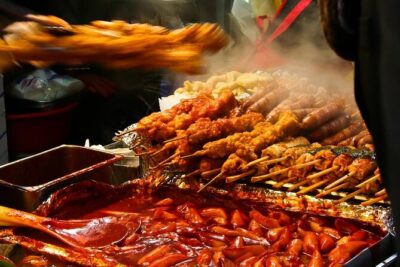
Gyeongbok Palace, Bukchon Village, and Gwangjang Tour
Read our review →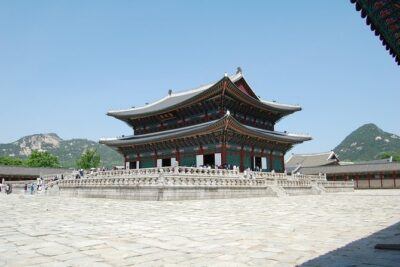
Seoul City Sightseeing Tour Including Gyeongbokgung Palace, N Seoul Tower, and Namsangol Hanok Village
Read our review →Gyeongbok Palace, Bukchon Village, and Gwangjang Tour
Read our review →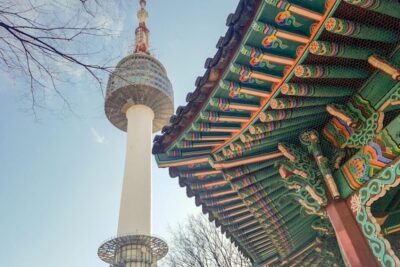
Gyeongbok Palace and Bukchon Hanok Walking Tour
Read our review →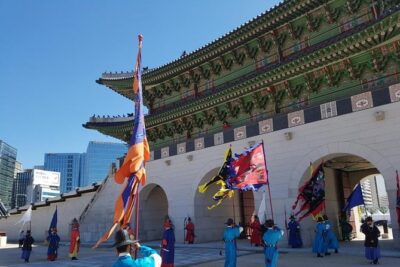
Best Walking Tour to Gyeongbok Palace Bukchon Hanok Village
Read our review →Experience Korean Cooking in Modern Hanok Kitchen
Read our review →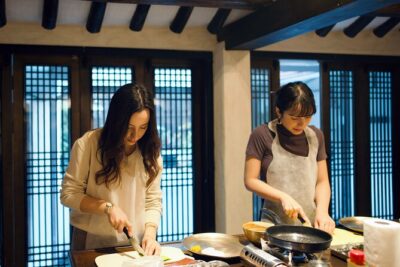
Royal Seoul Cooking Class in a 100-Year-Old Hanok
Read our review →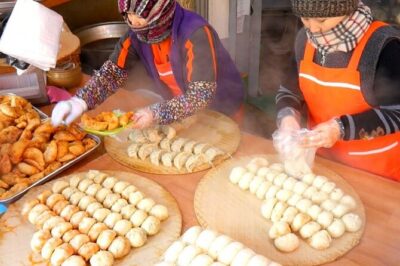
Afternoon Seoul: Hanok Vibes, Netflix Street Food & N Seoul Tower
Read our review →Browse the lists this tour appears in