
Reviewed · DMZ & JSA TOURS
Private DMZ the 3rd Tunnel Tour from Seoul (optional Red Bridge)
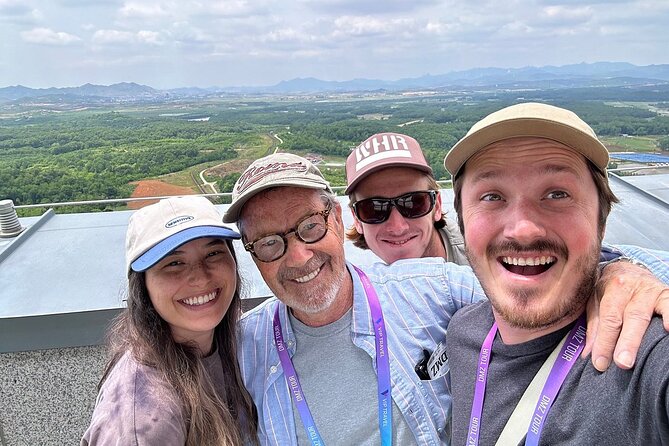
The most striking part of this eight-hour private DMZ tour is the shift from Seoul’s busy streets to a tightly controlled border zone where the Korean War still shapes daily life. You’ll walk through the Third Tunnel, look toward North Korea from Dora Observatory, and see memorials built by families separated for decades. I like the hotel pickup and private vehicle, which save time and let your guide adjust the pace. I also like the mix of solemn sites and direct viewing points, rather than spending the whole day inside a bus.
The main drawback is that the DMZ runs on military rules, not tourist convenience. Start times and stops can change because of security or weather, and a group of fewer than 30 may still transfer to a shared shuttle after entering the zone. Bring your passport, expect a long day, and understand that refunds are not offered when the schedule changes because of military or weather conditions.
In This Review
- Key points before you book
- Why this DMZ day trip feels different from an ordinary sightseeing tour
- Imjingak Park puts the division in human terms
- Crossing toward the border
- Walking into the Third Tunnel
- Looking north from Dora Observatory
- Tongilchon and the optional red suspension bridge
- What $500 per group really gets you
- Timing, weather, and what to carry
- Who will enjoy this tour most
- Should you book the private DMZ tour?
- FAQ
- How long does the private DMZ tour take?
- How many people can join the private tour?
- Is hotel pickup available?
- Do I need to bring my passport?
- What languages are offered by the guide?
- Is lunch included?
- Can the schedule change?
- Will the whole tour remain private?
- Is the Gamaksan Chulleong Bridge included?
Key points before you book
- The Third Tunnel is the physical centerpiece: You walk into a passage built by North Korea and discovered in 1978.
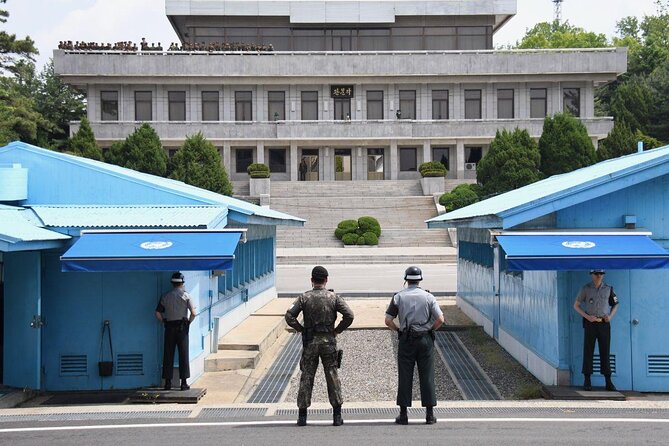
- Dora Observatory gives you a direct view north: Binoculars can reveal Kijong-dong and the area around Kaesong City.
- Imjingak Park adds the human story: The Bridge of Freedom, Mangbaedan altar, peace bell, and war-damaged locomotive show how division affects families.
- Private means up to six people: At $500 per group, a full party pays about $83 per person before extra fees.
- The Red Bridge is optional: Gamaksan Chulleong Bridge adds an hour of scenery and walking, but it is not part of the core DMZ visit.
- Your passport is essential: Military access requires you to carry it on tour day.
Why this DMZ day trip feels different from an ordinary sightseeing tour
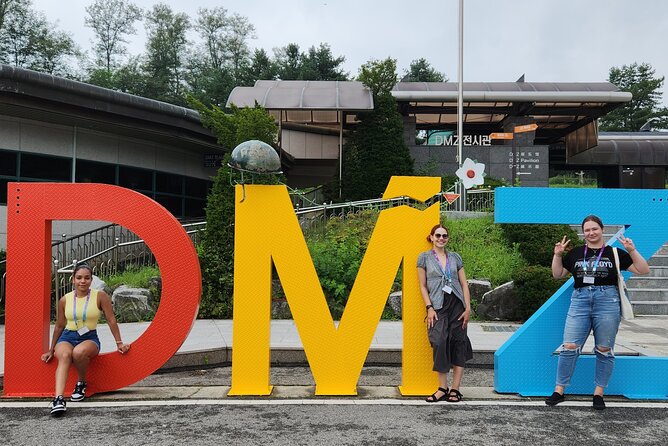
The Korean Demilitarized Zone is not simply another historic attraction outside Seoul. It is a four-kilometer-wide buffer created by the 1953 armistice, and it remains an active military border rather than a normal national park.
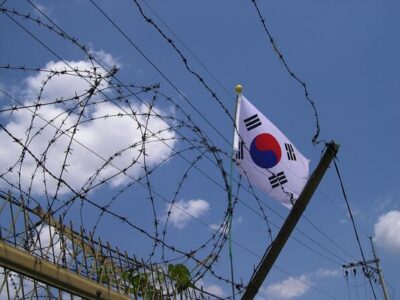
That distinction matters. You are not wandering freely from one sight to the next. Access, timing, and road movements can shift with little warning. The result can feel less polished than a standard city tour, but it also gives the day a sense of reality. The barbed wire, checkpoints, military roads, and distant views are not stage scenery.
With a private group of up to six, you get a guide and driver assigned to your party from Seoul. Pickup is available at downtown hotels, or you can meet at a nearby subway station. That is useful if your hotel is outside the pickup area or if you prefer to reach a central meeting point on your own.
The operator lists English or Chinese-speaking guides. Guide assignments vary, but named guides connected with this experience include Ray, Alice, Lina, Sua, Diane, and Tom. The strongest guide experiences described include clear explanations of the war and border, patient answers to many questions, careful coordination, and help taking photos. If you have a preferred language or guide request, ask before booking rather than assuming it can be arranged.
More ways to reach the DMZ:
- Best DMZ Tour Korea from Seoul (Red Suspension Bridge Optional)
★ 5.0 · 41,422 reviews - DMZ Tour: 3rd Tunnel, Option(Suspension Bridge, Boat) from Seoul
★ 5.0 · 21,373 reviews - DMZ tour south Korea from Seoul (NK experience hall, defector)
★ 5.0 · 20,599 reviews
Imjingak Park puts the division in human terms
The first major part of the day is Imjingak Pyeonghwa-Nuri Park, usually simply called Imjingak Park. Opened in 2005 as a place linked with peace, it sits near the DMZ and gathers several reminders of Korea’s divided past.
You have roughly 30 minutes here, which is enough to see the main areas but not enough for a slow, reflective visit to every corner. The park’s open setting makes a useful introduction before the more restricted border stops.
The Bridge of Freedom is one of the most meaningful sights. A temporary wooden bridge built in 1953 carried 12,773 prisoners of war back to South Korea. Today, it represents return and freedom, but it also points to the many people who never crossed back to their families.
Nearby, Mangbaedan Memorial Altar is a small but powerful stop. Families with relatives in North Korea gather there on major holidays such as Chuseok. Your visit lasts only about 10 minutes, so listen closely to your guide. The place is less about grand architecture than about the quiet act of remembering people separated by a border.
You will also see the Imjin River Dokgae Bridge from a viewing point. The steel bridge was rebuilt after Korean War destruction, and its damaged, weathered structure helps make the conflict visible. This is mainly a photo and explanation stop, not a long walk.
The rusted steam locomotive at Jangdan Station gives you another direct link to the war. Bombed and derailed in 1950, it has been preserved since 1953. Its bullet-scarred frame is a stark object lesson: the war did not end with a neat resolution. It stopped under an armistice.
The 21-ton Pyeonghwauijong Peace Bell is more symbolic. Cast in 2000, it expresses hope for reunification. You will spend only around 10 minutes there, but the bell helps balance the military displays with a clear message of peace.
Crossing toward the border
The Unification Bridge is a short but important part of the route. Opened in 1998, it carries traffic toward the DMZ and passes through military checkpoints. You may cross it as part of the tour, though the exact movement can depend on current controls.
As the bus follows the Imjin River, the view can seem calm. That quiet is part of the experience. The river, fields, and low hills do not announce the political tension around them, while fences and controlled access quietly remind you where you are.
The tour description lists several short stops around Imjingak Park, including the bridge, altar, river bridge, locomotive, and peace bell. These are not long independent visits. Your guide’s explanations are important because some objects are most meaningful when you understand what happened there.
Walking into the Third Tunnel
The Third Tunnel of Aggression is the day’s most physical stop. North Korea built this 1,635-meter passage, which was discovered in 1978. The tunnel is about two meters high and two meters wide, and it lies roughly 52 kilometers from Seoul.
You spend around 30 minutes at the site, including the descent and visit. The passage is narrow, enclosed, and more demanding than the outdoor memorial stops. If you dislike confined spaces or steep walking, treat this as a serious consideration before booking.
The tunnel matters because it turns the border conflict into something you can feel in your legs and shoulders. Instead of hearing only about infiltration plans, you see the scale of the work and the effort needed to construct a route underground.
You should wear practical shoes and bring water, although the supplied information does not impose a special dress code. The time inside can pass quickly, especially when your guide explains how the tunnel was found and why it remains significant.
This is not a theatrical attraction. It is a cold, concrete passage connected to military suspicion and the continuing armistice. That plainness is exactly why it leaves an impression.
A few more Seoul trips worth weighing up
- Private DMZ Tour (No Shopping): 3rd Tunnel & Suspension Bridge
★ 5.0 · 607 reviews - Seoul City Private Full-Day Tour Including Lunch
★ 5.0 · 469 reviews - Seoul Highlights & Hidden Gems Tours by Locals: Private + Custom
★ 5.0 · 359 reviews - Premium Private DMZ Tour & (Suspension Bridge or N-Tower) include lunch
★ 5.0 · 348 reviews
Looking north from Dora Observatory
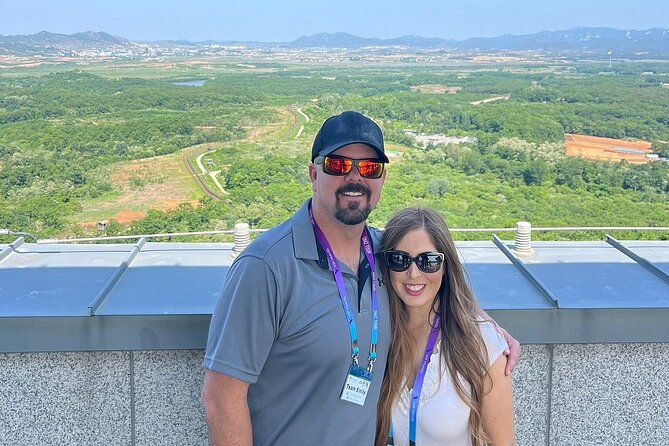
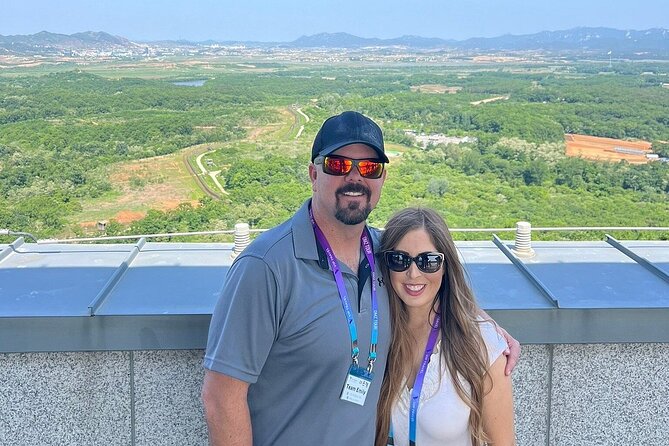
Dora Observatory offers the clearest viewing opportunity on the route. From the Dorasan area, you look across the border toward North Korea. Binoculars can help you spot Kijong-dong, often described as a propaganda village, as well as the area around Kaesong City.
The stop lasts about 30 minutes. Weather and visibility will shape what you can see, so keep your expectations sensible. On a clear day, the viewing platform gives you a rare look into a country that is otherwise almost impossible to visit freely. On a hazy day, the guide’s explanation may be more valuable than the view itself.
I like this stop because it connects the history to the present. At Imjingak, you see what the division did to families. At the tunnel, you see military preparation. At Dora Observatory, you face the country on the other side of the line.
Follow the rules closely. Border sites can restrict photography or movement, and the schedule may change with military instructions. Your guide will be the person to watch when conditions are unclear.
Tongilchon and the optional red suspension bridge
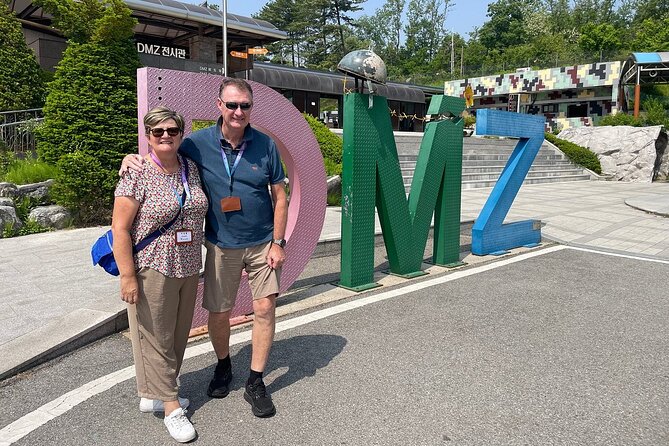
Tongilchon-gil takes you through Tongilchon village, just beyond the Civilian Control Line. The stop lasts about 30 minutes and gives the day a more ordinary rural side. Fields produce Jangdan soybeans, a local specialty, and the village shows that people live and work close to one of the world’s most watched borders.
This stop is less dramatic than the tunnel or observatory. That is its value. It helps you see the DMZ area as more than a collection of fences, memorials, and military stories.
The optional Gamaksan Chulleong Bridge changes the mood again. The red suspension bridge stretches 150 meters and hangs about 30 meters above the ground. Built in 2018, it honors Korean War heroes and adds about one hour to the outing.
Choose it if you enjoy walking, open views, and a little height. Skip it if you want more time at the core DMZ sites or prefer to keep the day focused on Korean War history. It is not a substitute for the Third Tunnel or Dora Observatory, and it may bring additional admission, parking, or toll charges.
What $500 per group really gets you
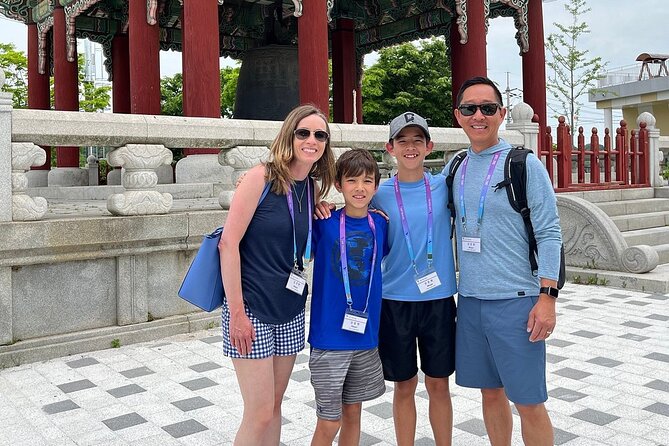
The listed price is $500 for up to six people. If you fill the vehicle, that works out to about $83 per person. For a family or group of friends, that is a reasonable way to share a private guide, driver, hotel pickup, and transport for a full day outside Seoul.
The value drops if only one or two people book, since the price is charged by group rather than person. In that case, compare it with a larger shared DMZ tour. The private format is most useful when you want your own pickup, room for questions, and a schedule built around your group.
Taxes, fees, and handling charges are included, along with pickup and drop-off in Seoul and an English or Chinese-speaking professional guide. Lunch is not included. The supplied details also list optional admission, parking, and toll fees as extra, even though several core stops show admission included, so ask the operator exactly which charges apply to your chosen date and the Red Bridge add-on.
The biggest practical value is control before you enter the restricted zone. You can travel in a private vehicle from Seoul and avoid organizing the route yourself. Once inside the DMZ, though, privacy has limits. Groups of fewer than 30 may transfer to a group shuttle bus, so do not book this expecting every mile to be private.
Timing, weather, and what to carry

Plan on about eight hours, with downtown Seoul pickup in the morning or at a time assigned by the operator. Military guidelines can change the start time. The operator may also change the schedule because of security conditions or bad weather.
Bring your passport. This is not optional, and a passport check is part of access to the controlled area. Keep it with you rather than leaving it in your hotel or vehicle.
There is no special dress code, but practical clothing makes sense. The Third Tunnel involves walking in a confined passage, while the Red Bridge option adds outdoor walking and height. Comfortable shoes will serve you better than stylish but stiff footwear.
Pack lunch money or food plans because lunch is excluded. The supplied details do not promise a specific restaurant stop, so do not assume the day includes a sit-down meal.
For photos, bring a phone or camera, but listen to instructions at each military site. Dora Observatory is built for viewing, yet visibility can depend on weather, and border rules can limit where or what you photograph.
Free cancellation is available up to 24 hours before the start time. Changes or cancellations inside that window are not accepted for a refund.
Who will enjoy this tour most
I would choose this tour for a small family, a group of friends, or anyone who wants a fuller explanation than a standard bus outing can provide. The mix of English-language guiding, private transport, and historical stops works especially well if several people in your group have questions.
It also suits families. One family described a private outing with parents and 11-year-old twins, and the guide and driver handled the day well. Children old enough to understand the war and border may find the locomotive and tunnel memorable, though the confined passage may not suit every child.
History-minded visitors will get the most from the memorial altar, bridge, locomotive, tunnel, and observatory together. The day is not just a photo stop at the border. It links military events with separated families and present-day restrictions.
I would think twice if you need a fixed timetable, dislike controlled access, or want a relaxed scenic day. The operator cannot guarantee a particular start time or unchanged route. The private vehicle helps, but the DMZ itself remains unpredictable.
Should you book the private DMZ tour?
Book it if you have up to six people and want an efficient, guide-led day that combines the Third Tunnel, Dora Observatory, and the human stories around Imjingak Park. The 4.9 rating from 429 ratings and a 100 percent recommendation record fit the tour’s strongest qualities: attentive guides, clear explanations, helpful photo assistance, and smooth pickup with a driver.
The best value comes with a full group. Confirm the language, pickup point, extra fees, shuttle transfer, and Red Bridge option before paying. Most important, bring your passport and accept that military conditions can change the schedule.
If you want the most meaningful first visit to the DMZ, keep the core route. Add Gamaksan Chulleong Bridge only if you have the energy and want an outdoor finish. For a small group seeking comfort, personal attention, and a serious look at Korea’s divided past, this is a strong choice.
FAQ
How long does the private DMZ tour take?
The tour lasts approximately eight hours, including transportation from Seoul and visits to the DMZ area.
How many people can join the private tour?
The private vehicle and tour can accommodate up to six people per group.
Is hotel pickup available?
Yes. Free pickup and drop-off are offered at hotels in downtown Seoul. You may also meet the guide and driver at a nearby subway station.
Do I need to bring my passport?
Yes. You must bring your passport on the day of the tour.
What languages are offered by the guide?
A professional English or Chinese-speaking guide is included.
Is lunch included?
No. Lunch is not included in the tour price.
Can the schedule change?
Yes. The start time and route may change because of military guidelines, military issues, or weather conditions. Refunds are not available when the schedule changes for those reasons.
Will the whole tour remain private?
Your group participates privately, but groups of fewer than 30 may transfer to a group shuttle bus once inside the DMZ.
Is the Gamaksan Chulleong Bridge included?
No. The red Gamaksan Chulleong Bridge is an optional addition that takes about one hour. Admission, parking, and toll charges may apply to optional arrangements.
Just added around Seoul
- Incheon Airport Private Transfer between Seoul City★ 4.0 · 4 reviews
- Seoul’s Stars: Open Mic with Local & International Talent★ 4.8 · 4 reviews
- Samaksan Cable Car and Nami Island Day Escape with Railbike★ 4.0 · 4 reviews
- DMZ 2nd Tunnel and Cheorwon Peace Observatory with Admission★ 5.0 · 4 reviews
- Nami & Maple Road & Theatre des Lumieres Day Tour from Seoul★ 4.8 · 4 reviews
- Hire Photographer, Professional Photo Shoot – Seoul★ 5.0 · 4 reviews
- [KoreaByLocal] Authentic Seoul Night Walk and Chicken & Beer★ 5.0 · 4 reviews
- Play Gayageum in Hanbok Cultural Experience in Bukchon★ 5.0 · 4 reviews
DMZ & JSA Tours, compared.
Best DMZ Tour Korea from Seoul (Red Suspension Bridge Optional)
Read our review →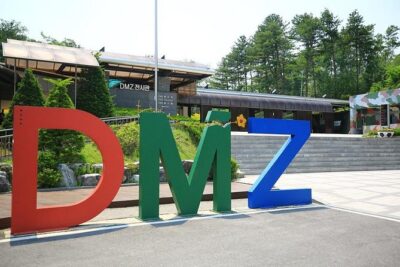
DMZ Tour: 3rd Tunnel, Option(Suspension Bridge, Boat) from Seoul
Read our review →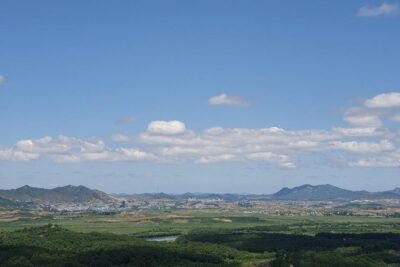
DMZ tour south Korea from Seoul (NK experience hall, defector)
Read our review →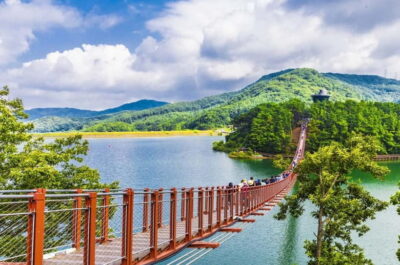
DMZ Insider Tour: 3rd Tunnel, NK Defector Meet & Red Bridge
Read our review →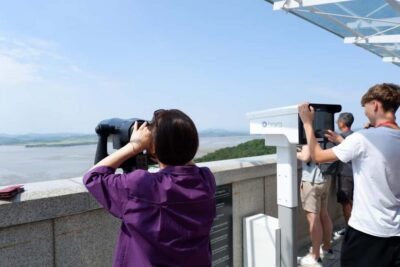
Thrilling Korean DMZ 3rd Tunnel Tour from Seoul + Red Bridge Rush
Read our review →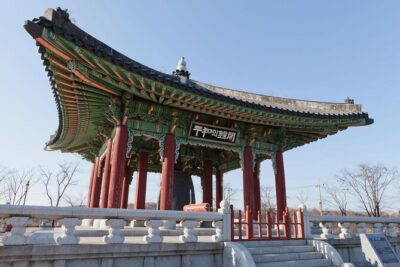
DMZ Past and Present: Korean Demilitarized Zone Tour from Seoul
Read our review →
Ultimate Korea DMZ Tour from Seoul (Gondola & Suspension Bridge)
Read our review →Browse the lists this tour appears in