
Reviewed · DMZ & JSA TOURS
Seoul: DMZ Tour with Optional Suspension Bridge
The most striking part of this day trip is the chance to look across the Korean Demilitarized Zone toward North Korea, then walk through a tunnel secretly dug beneath the border. This is not a theme park version of history. It is a tightly controlled military zone shaped by war, families separated for decades, and an uneasy hope for peace.
I like the way the tour combines the 3rd Infiltration Tunnel with the Dora Observatory. One puts you underground in the physical story of the conflict; the other lets you see the border from above. I also like the guides’ personal touch. Winnie, Kenny, Sophie, and Henry are among the English-speaking guides praised for clear explanations, humor, patience, and personal stories.
The main drawback is the long day and the exercise. The tunnel has a steep 30 to 40 minute walk, and the Gamaksan option adds a roughly 40-minute hike to a suspension bridge. Views of North Korea also depend on weather, while military rules can change the plan without notice.
In This Review
- Key points to know before you book
- Why the DMZ feels different from an ordinary day trip
- Imjingak Park and the Bridge of Freedom
- The DMZ Theater and Exhibition Hall
- Walking through the 3rd Infiltration Tunnel
- Dora Observatory and the view into North Korea
- Unification Village and the quieter side of the border
- The Gamaksan Suspension Bridge option
- The Aegibong Observatory and Starbucks option
- Transport, timing, and the rhythm of the day
- Is $45 good value for a full day?
- What can change without warning
- Who should book this DMZ tour?
- Should you book it?
- FAQ
- How long does the DMZ tour take?
- What sites are included in the standard DMZ tour?
- Can I see North Korea on this tour?
- Is the Joint Security Area included?
- Do I need my passport?
- Is the 3rd Infiltration Tunnel difficult to walk through?
- What is the Gamaksan Suspension Bridge option?
Key points to know before you book
- Look across the border at Dora Observatory: Binoculars and open weather can reveal North Korean territory, border villages, and the 4-kilometer-wide buffer zone.
- Walk into the 3rd Infiltration Tunnel: The passage is steep and demanding, but it gives you a physical sense of how close the two Koreas remain.
- Choose your add-on carefully: Gamaksan brings a suspension bridge and war history, while Aegibong offers displaced-family history and a Starbucks at the observatory.
- Expect strong guiding in English: Guides such as Winnie, Kenny, Sophie, and Henry are known for history lessons, practical instructions, humor, and help with photos.
- Allow most of your day: The trip lasts 7 to 9 hours, with about an hour each way by bus and several security-related stops.
- Bring your passport and proper shoes: Flip-flops, slippers, and heels are poor choices for the tunnel and mountain walk.
Why the DMZ feels different from an ordinary day trip
The DMZ is a narrow strip separating North and South Korea. It was created after the 1953 armistice, which stopped most fighting but did not produce a formal peace treaty. The zone is about 4 kilometers wide, with 2 kilometers on each side of the military demarcation line.
That history makes the visit more serious than a standard sightseeing outing. You are not simply looking at a line on a map. You are visiting a place where military rules still shape the schedule, where separated families once gathered to look north, and where the border remains part of daily political life.
The English commentary is important here. Without explanation, Imjingak can look like a collection of memorials, flags, and observation points. With a good guide, the stops connect into a clear story about the Korean War, the armistice, the tunnels, divided families, and the different ways North and South Korea present themselves.
Guides vary from day to day, but the names Winnie, Kenny, Sophie, Henry, Grace, Sue, Anna, Stella, and Thomas appear among the strongest guide experiences associated with this tour. The best guides do more than recite dates. They keep the group together at checkpoints, explain where to meet, answer questions, and sometimes share family or personal stories that make the political history easier to understand.
More ways to reach the DMZ:
- Best DMZ Tour Korea from Seoul (Red Suspension Bridge Optional)
★ 5.0 · 41,422 reviews - DMZ Tour: 3rd Tunnel, Option(Suspension Bridge, Boat) from Seoul
★ 5.0 · 21,373 reviews - DMZ tour south Korea from Seoul (NK experience hall, defector)
★ 5.0 · 20,599 reviews
Imjingak Park and the Bridge of Freedom
Imjingak is the emotional opening to the tour. It sits just south of the civilian control area and contains reminders of the Korean War and the families divided by the border.
The Bridge of Freedom is the key stop. It was used by returning prisoners of war and repatriated soldiers after the conflict. Today, it carries a different weight. It symbolizes the wish of separated families to cross in the other direction, toward relatives and homes they may never have been able to visit again.
You will have guided time at Imjingak and roughly 30 minutes at the bridge. That is enough to see the main sites and listen to the explanation, though it is not enough for an unhurried museum visit. If you prefer to linger over every memorial, the group schedule may feel brisk.
This is also a useful place to get your bearings. The DMZ can sound abstract when described from central Seoul. At Imjingak, the border becomes visible as a human problem rather than just a political one.
The DMZ Theater and Exhibition Hall
The tour continues with a short video at the DMZ Theater and a visit to the DMZ Exhibition Hall. These stops add background before the tunnel and observatory.
The presentation is useful if you know little about the Korean War. It helps explain why the border exists, how the armistice shaped the peninsula, and why the DMZ remains under military control. The exhibition hall adds visual context and gives you a clearer idea of the ongoing tension.
Do not expect a large, leisurely museum visit. These are short educational stops within a full-day route. Their value comes from timing: you receive the basic framework before reaching the more dramatic sites.
Walking through the 3rd Infiltration Tunnel
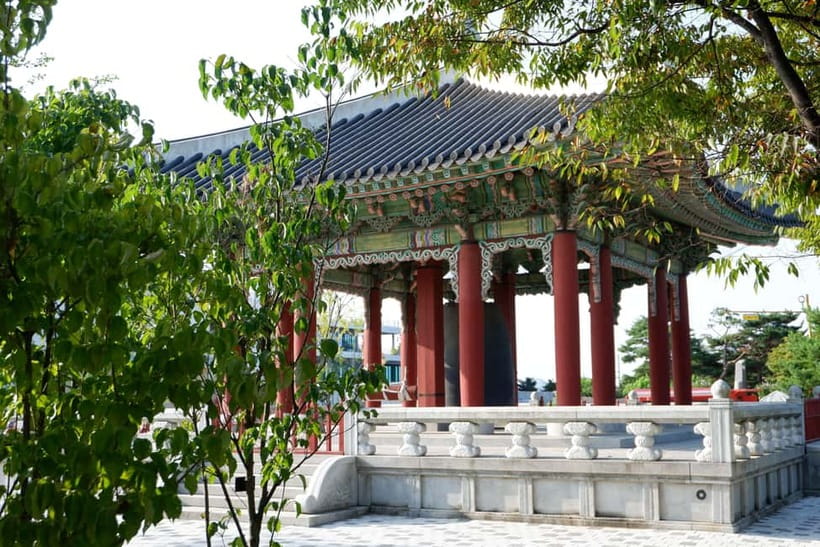
The 3rd Infiltration Tunnel is the most physical part of the standard DMZ visit. North Korea dug the tunnel beneath the border, apparently for a possible military incursion, and it is now open to the public.
You descend along a steep route and walk through the passage for about 30 to 40 minutes round trip. The walk is not long in distance, but the slope on the way back makes it tiring. The tunnel can be challenging for young children, older adults, and anyone with heart problems.
The tour allows you to wait at the entrance if you do not want to make the descent. That is a sensible option, not a failure to complete the tour. The observatory and other stops still provide plenty of context.
Wear shoes with a firm grip. The operator strongly advises against flip-flops, slippers, and heels, and the advice matters here. Bring water, since food and drinks are not included. You should also be ready for a group schedule, with limited time to pause along the route.
For me, the tunnel gives the DMZ its strongest physical impact. A lecture can explain military division, but a steep underground passage makes the danger and effort easier to grasp.
More suspension bridge walks:
- Signature DMZ Tour: Exclusive Defector Talk & Suspension Bridge
★ 5.0 · 4,459 reviews - Ultimate Korea DMZ Tour from Seoul (Gondola & Suspension Bridge)
★ 5.0 · 2,396 reviews - DMZ; NK Defector, 3rd Tunnel, Suspension Bridge,Hotel pickup
★ 4.9 · 2,055 reviews - DMZ Tour from Seoul – Optional Suspension Bridge Experience
★ 5.0 · 1,918 reviews
Dora Observatory and the view into North Korea
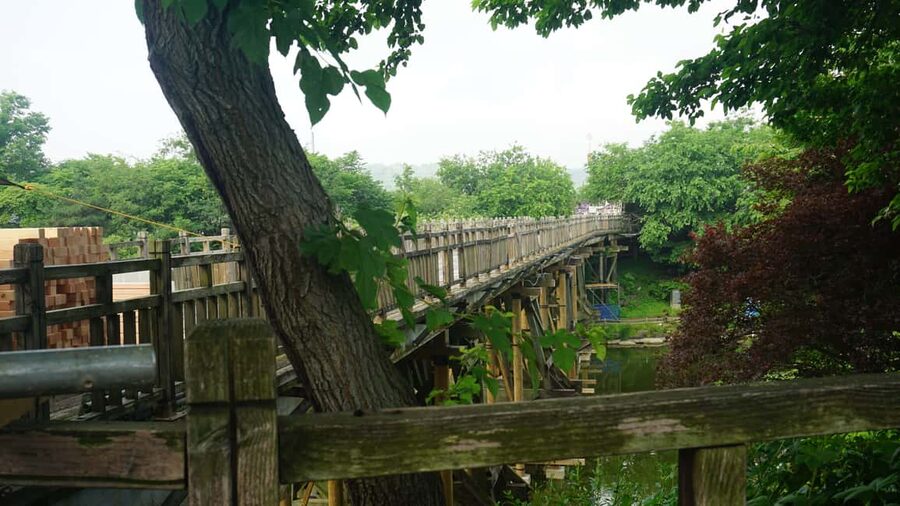
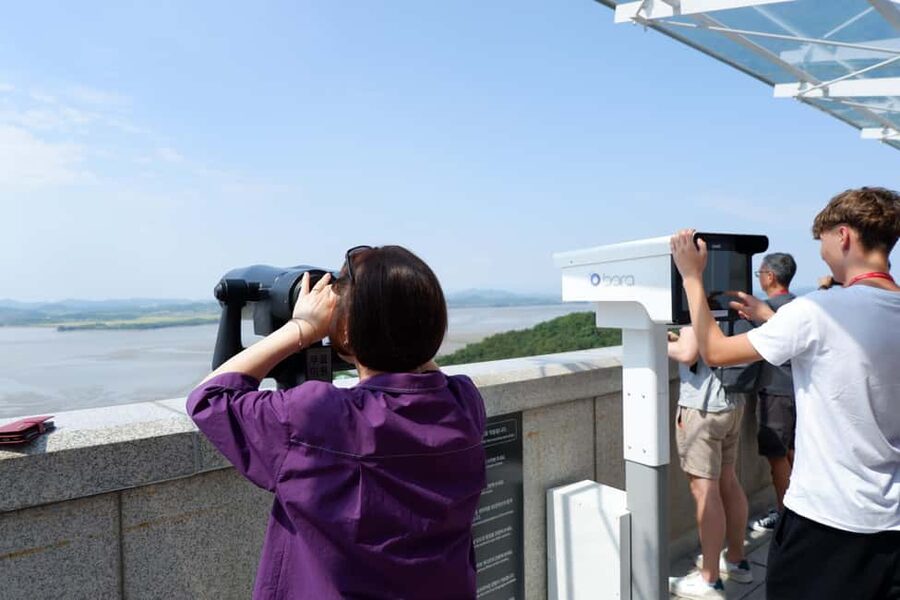
Mount Dora is home to Dora Observatory, the point most people anticipate. From here, you can look across the DMZ toward North Korean territory and see border villages when conditions allow.
The view changes with weather. Clear skies can reveal the buffer zone and distant villages, while haze or cloud can reduce the scene to faint outlines. One recent account noted that poor weather limited the view, so you should treat North Korea’s visibility as a bonus rather than a promise.
The observatory is also a place for careful observation. It is easy to turn the stop into a quick photograph, but listen to the guide first. The explanation helps you understand what you are seeing and why certain areas remain restricted.
This is not a visit to North Korea, and it is not the JSA at Panmunjom. The Joint Security Area is specifically excluded. Instead, you receive a controlled view from the South Korean side, along with an explanation of the border’s geography and political meaning.
Unification Village and the quieter side of the border
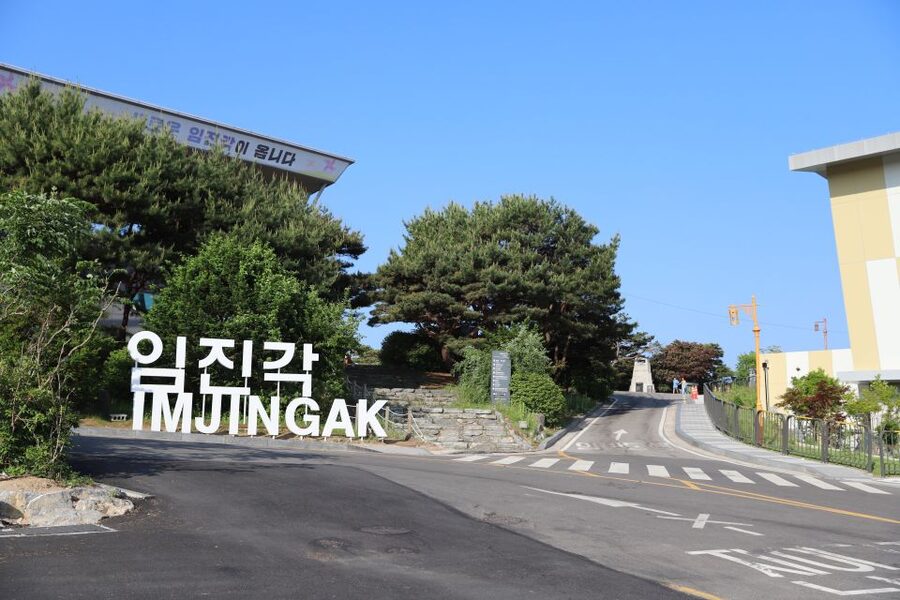
Unification Village is a farming community near the DMZ. Its residents live close to a heavily controlled border, and the stop shows a calmer side of the area.
You have about 30 minutes here. Depending on the day, you may find locally made products, symbolic souvenirs, and sometimes goods associated with North Korea. This is a shopping stop, but it also reflects the way border communities connect ordinary life with national politics.
Do not expect a long village walk or a broad choice of shops. The stop is brief and may feel more commercial than Imjingak or the tunnel. Still, I find it useful because it moves the day away from military infrastructure and back toward people, farming, food, and daily routines.
The Gamaksan Suspension Bridge option
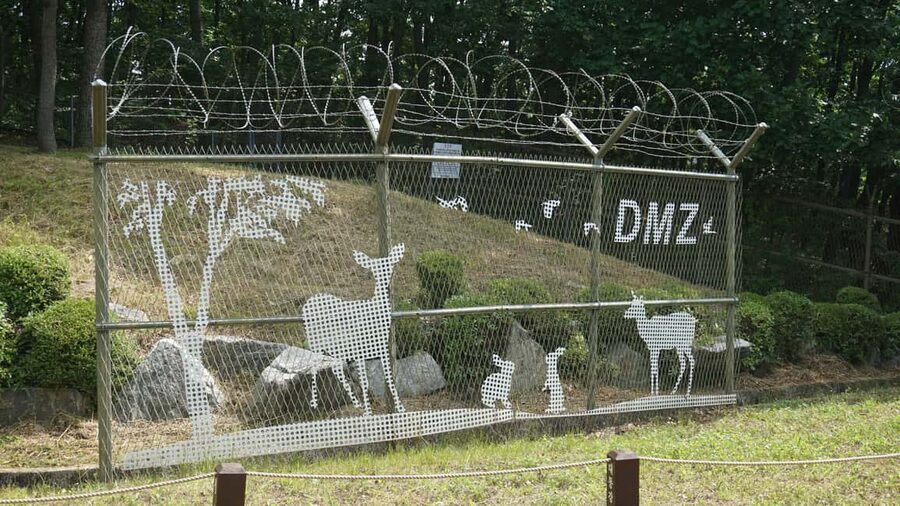
The Gamaksan option adds a scenic and more active finish to the DMZ day. The suspension bridge is linked with Gamaksan Mountain, where British troops fought a notable battle during the Korean War.
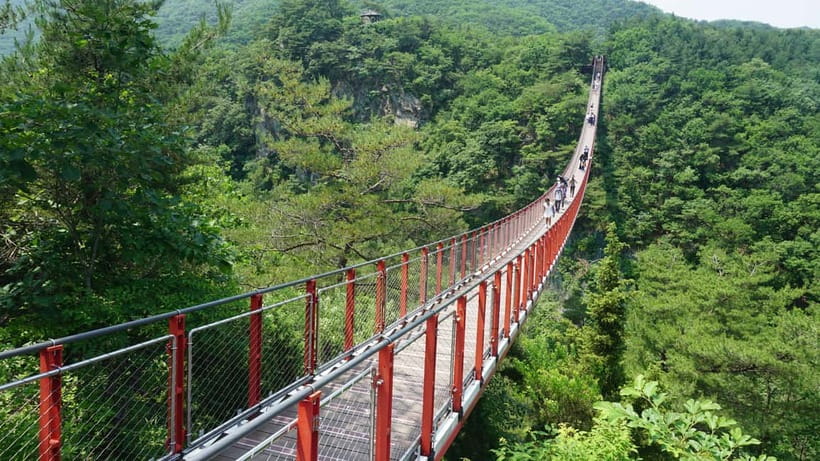
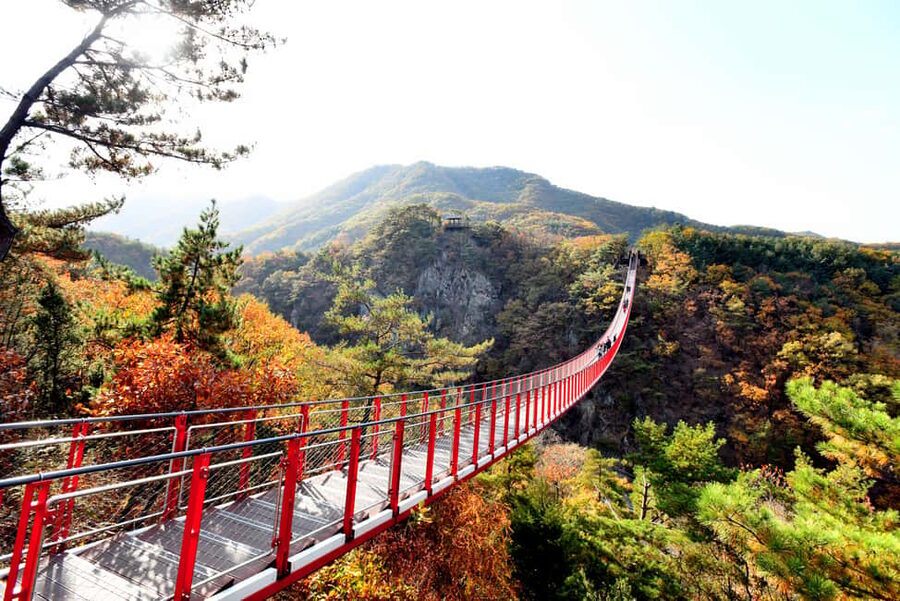
The bridge itself offers a different mood from the border sites. You get mountain views, a distinctive photo setting, and a chance to connect the Korean War with a specific battlefield. Ungye Falls is also included as a short photo stop, lasting about 10 minutes.
The catch is the hike. Reaching the bridge takes roughly 40 minutes on foot, so this option is not simply a quick roadside photo stop. Comfortable walking shoes are essential, and you should consider your energy after the tunnel and a full morning of sightseeing.
Choose Gamaksan if you want nature, movement, and another layer of war history. Skip it if your priority is a slower, more focused DMZ visit or if steep walks are difficult for you.
The Aegibong Observatory and Starbucks option
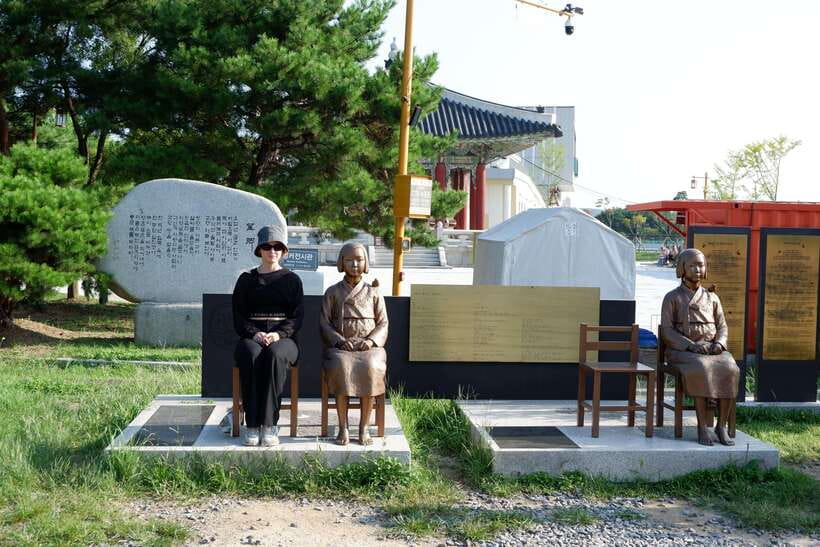
Aegibong is another option, available Monday through Sunday. Its main historical connection is to people displaced by the Korean War who visited the area to look toward their former homes in North Korea.
That makes Aegibong especially meaningful for anyone interested in the personal side of division. It is less about military engineering and more about memory, homes, and the longing of people separated from their birthplace.
The observatory also has a Starbucks, an unusual modern detail at such a serious border site. The contrast may appeal to you or feel slightly odd. Either way, it makes Aegibong distinct from the standard Dora Observatory route.
Because the available options differ by day and booking choice, check the exact route before paying. The standard DMZ tour operates Tuesday through Sunday, while the Aegibong route operates Monday through Sunday.
Transport, timing, and the rhythm of the day
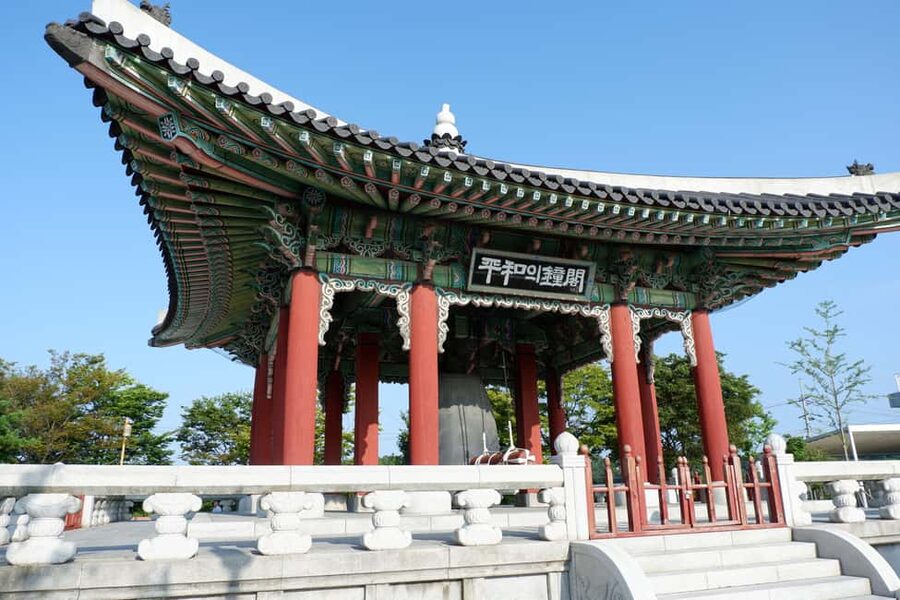
The full outing takes 7 to 9 hours. The bus ride from Seoul to the border area takes about an hour, with a similar ride back. Traffic and the number of participants can affect your return time, so do not schedule a tight evening reservation.
Transport is by air-conditioned bus or minivan, and centrally located hotel pickup may be offered. Pickup areas can include Gangnam, Myeongdong, Gwanghwamun, Itaewon, and Dongdaemun. If your accommodation is hard for a vehicle to reach or outside the central area, you may be asked to meet the guide at a central hotel or subway station.
The tour is shared unless you select a private or small-group format. If fewer than 30 people are in the vehicle, government policy requires a transfer to a DMZ shuttle bus. That extra change can add a little waiting or confusion, but it is part of the controlled access system.
The strongest guides keep the day moving without making it feel rushed. Winnie has been especially effective at using the bus time for pictures and videos, while Kenny is praised for clear instructions, humor, and making sure people return to the vehicle. Sophie’s personal family stories have added emotional weight for some groups.
Keep your passport accessible. You will need it for entry into the controlled area, and military checkpoints are part of the experience.
Is $45 good value for a full day?
At $45 per person, this tour offers solid value. The price includes round-trip shared transport, entrance fees, an English-speaking licensed guide, and an air-conditioned vehicle. A full day of border access and interpretation would be difficult to arrange independently, especially with military rules and changing access procedures.
Food and drinks are not included, so plan for that separately. Hotel drop-off is also not included, with the listed return points including Myeongdong. The optional suspension bridge may also involve a different price or meeting arrangement, so confirm the selected package.
The value rests mainly in the guide. The sites have real weight, but the tunnel, observatory, and memorials make much more sense when someone explains the history and keeps you on the correct schedule. The tour’s 4.8 rating from 5,277 ratings and the 92 percent perfect score for transport point to a generally strong operation, though no organized day trip is free of occasional communication problems.
One person was briefly left behind after a group mix-up, although the issue was resolved. That is a reminder to listen carefully to meeting instructions, keep your phone available, and arrive early at every return point.
What can change without warning
The DMZ is operated by the military, not by a sightseeing company alone. Weather, military decisions, and government regulations can cancel or change the route without prior notice.
If access is restricted, the replacement plan can include Imjingak, Art Space BEAT 131, Odusan Unification Observatory, or the War Memorial of Korea. The stated policy says a refund will not be offered for these changes, so book this tour only if you accept some uncertainty.
That uncertainty is part of visiting a live border. It is also why you should avoid placing the tour on the final day of your Seoul stay if seeing the DMZ is especially important to you.
Who should book this DMZ tour?
I would choose this tour if you want a guided introduction to the Korean War and the division of the peninsula, especially if you value clear English commentary and a full day outside Seoul.
It suits solo visitors because guides may help with photos and keep you connected to the group. It also works for families with older children who can manage the walking, though infants under 24 months ride free without their own seat.
I would not choose it for wheelchair users, people with heart problems, or anyone who wants a slow, flexible day. The tunnel is steep, the suspension bridge requires a hike, and the schedule depends on military access.
Cancellation is free up to 24 hours before departure, and reserve-now-pay-later booking is available. Pickup time is confirmed by email, so check your messages the day before.
Should you book it?
Book this DMZ tour if you want the most important border stops in one organized day at a reasonable price. The 3rd Tunnel and Dora Observatory provide the strongest combination of physical history and direct views toward North Korea, while guides such as Winnie, Kenny, Sophie, and Henry can make the facts personal and easy to follow.
Choose the Gamaksan add-on if you enjoy hiking and want a mountain bridge tied to Korean War history. Choose Aegibong if the stories of displaced families matter more to you, and remember that weather or military rules can alter any route.
Bring your passport, wear sturdy shoes, and leave plenty of time after the tour. If you can accept a long day, some walking, and the possibility of a changed itinerary, this is one of the more useful ways to understand Korea beyond Seoul’s palaces, markets, and skyscrapers.
FAQ
How long does the DMZ tour take?
The tour lasts about 7 to 9 hours. Travel from Seoul to the DMZ area takes roughly one hour each way, but traffic and group size can affect the return time.
What sites are included in the standard DMZ tour?
The standard route includes Imjingak Park, the Bridge of Freedom, the DMZ Theater, the DMZ Exhibition Hall, the 3rd Infiltration Tunnel, Dora Observatory, and Unification Village.
Can I see North Korea on this tour?
Dora Observatory provides a view toward North Korean territory and border villages. Visibility depends on weather, so a clear view is not guaranteed.
Is the Joint Security Area included?
No. The tour does not include the JSA at Panmunjom.
Do I need my passport?
Yes. Bring your passport for access to the military-controlled DMZ area.
Is the 3rd Infiltration Tunnel difficult to walk through?
The tunnel has a steep slope and takes about 30 to 40 minutes for a round trip on foot. Children, older adults, and people with heart problems may find it difficult, and waiting at the entrance is possible.
What is the Gamaksan Suspension Bridge option?
It adds a visit to Gamaksan Suspension Bridge, a site connected with a Korean War battle involving British troops. The stop includes about a 40-minute hike and may also include a short photo stop at Ungye Falls.
Just added around Seoul
- Incheon Airport Private Transfer between Seoul City★ 4.0 · 4 reviews
- Seoul’s Stars: Open Mic with Local & International Talent★ 4.8 · 4 reviews
- Samaksan Cable Car and Nami Island Day Escape with Railbike★ 4.0 · 4 reviews
- DMZ 2nd Tunnel and Cheorwon Peace Observatory with Admission★ 5.0 · 4 reviews
- Nami & Maple Road & Theatre des Lumieres Day Tour from Seoul★ 4.8 · 4 reviews
- Hire Photographer, Professional Photo Shoot – Seoul★ 5.0 · 4 reviews
- [KoreaByLocal] Authentic Seoul Night Walk and Chicken & Beer★ 5.0 · 4 reviews
- Play Gayageum in Hanbok Cultural Experience in Bukchon★ 5.0 · 4 reviews
DMZ & JSA Tours, compared.
Best DMZ Tour Korea from Seoul (Red Suspension Bridge Optional)
Read our review →
DMZ Tour: 3rd Tunnel, Option(Suspension Bridge, Boat) from Seoul
Read our review →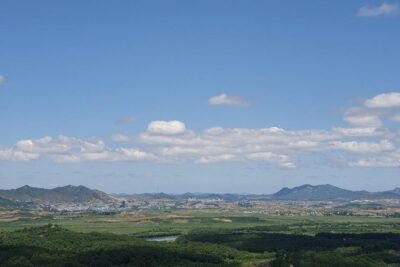
DMZ tour south Korea from Seoul (NK experience hall, defector)
Read our review →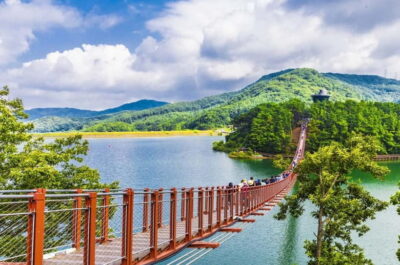
DMZ Insider Tour: 3rd Tunnel, NK Defector Meet & Red Bridge
Read our review →
Thrilling Korean DMZ 3rd Tunnel Tour from Seoul + Red Bridge Rush
Read our review →
DMZ Past and Present: Korean Demilitarized Zone Tour from Seoul
Read our review →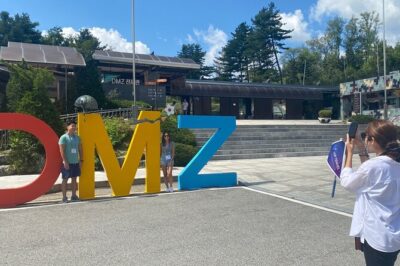
Ultimate Korea DMZ Tour from Seoul (Gondola & Suspension Bridge)
Read our review →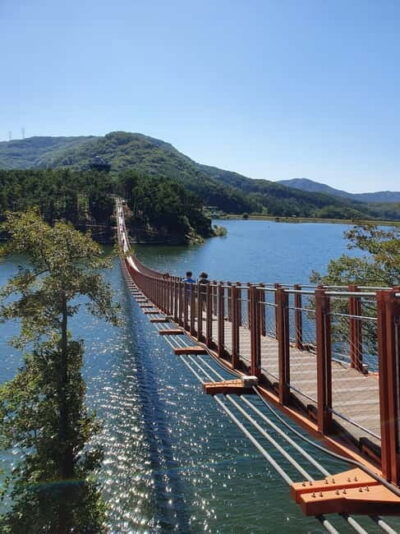
DMZ; NK Defector, 3rd Tunnel, Suspension Bridge,Hotel pickup
Read our review →Browse the lists this tour appears in