
Reviewed · DMZ & JSA TOURS
Thrilling Korean DMZ 3rd Tunnel Tour from Seoul + Red Bridge Rush
The Third Tunnel is the heart of this day out. You walk down a steep slope into a passage dug by North Korea, then head through a low, narrow section before climbing back up. Add the distant view toward North Korea from Dora Observatory and a crossing of Gamaksan Red Bridge, and you get a full day that is part history lesson, part physical challenge.
I like the central Seoul pickup choices, which save you from crossing the city before sunrise, and I like the mix of serious memorial sites with open-air stops such as Imjingak Pyeonghwa-Nuri Park. The main caution is simple: the tunnel and Red Bridge route require stamina, and the schedule can change because of military controls or weather.
In This Review
- Key points at a glance
- Why this DMZ day trip matters
- Getting from Seoul to the border
- Imjingak Park and the first signs of division
- The Peace Gondola and the Civilian Control Zone
- Walking into the Third Tunnel
- Dora Observatory and the distant North Korean view
- Tongilchon, the village stop, and the shopping question
- The Red Bridge finish
- Guide quality and the pace of the day
- What $35 gets you
- Who should book this tour?
- FAQ
- How long does the DMZ tour last?
- Where can I meet the tour?
- Is hotel drop-off included?
- Do I need my passport?
- Is lunch included?
- Can I take photographs inside the Third Tunnel?
- Is the Third Tunnel difficult to walk through?
- Is the Gamaksan Red Bridge included?
- Can the schedule change?
- Should you book it?
Key points at a glance
- Third Tunnel workout: Expect a steep 250-meter descent, a low passage, and the same climb back out.
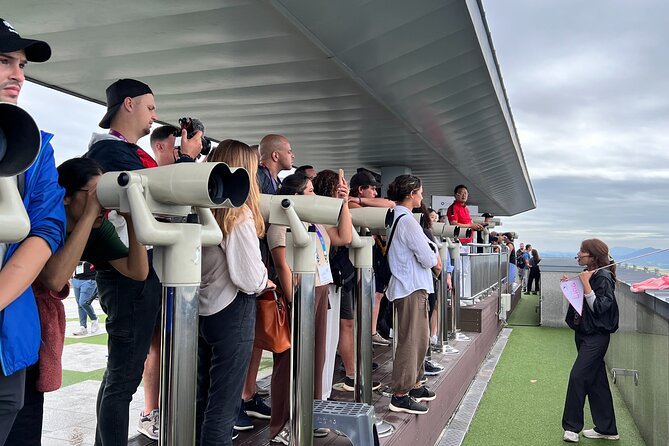
- Dora Observatory view: North Korea is visible at a distance, but binoculars are useful and photography may be restricted.
- Red Bridge add-on: The 150-meter Gamaksan Suspension Bridge adds a steep uphill walk and a rewarding final view.
- Strong guiding: Guides including Kelly, Crystal, Henry, Sunny, Judy, Lina, and K are praised for clear explanations and good timekeeping.
- Useful Seoul access: Meet at Myeongdong, City Hall, or Hongdae, with drop-off at those same central areas.
- Good low price: At $35 per person, transportation and attraction admission make this a budget-friendly way to reach a controlled military zone.
Why this DMZ day trip matters
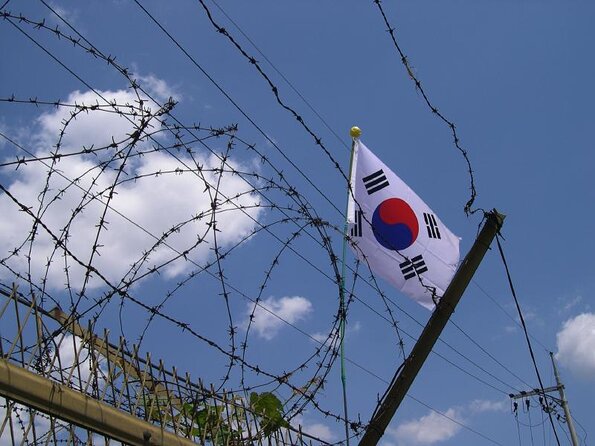
The Korean Demilitarized Zone is not a normal sightseeing district. It is a 4-kilometer-wide buffer created after the 1953 armistice, and it remains under military control. You are not simply visiting a border marker. You are looking at the continuing division of the Korean Peninsula through memorials, abandoned military works, family rituals, and a distant view of North Korea.
The day is useful because independent access to the DMZ is restricted. A guide handles the route, entrance clearance, and group movement through the controlled areas. You can focus on what you are seeing instead of trying to work out which gates, documents, and transport connections apply.
The tour receives a 5 out of 5 rating from more than 3,000 reviews, with 99 percent recommending it. That does not erase the practical drawbacks, but it points to a service that usually delivers what it promises: a long, organized introduction to the DMZ at a modest price.
More ways to reach the DMZ:
- Best DMZ Tour Korea from Seoul (Red Suspension Bridge Optional)
★ 5.0 · 41,422 reviews - DMZ Tour: 3rd Tunnel, Option(Suspension Bridge, Boat) from Seoul
★ 5.0 · 21,373 reviews - DMZ tour south Korea from Seoul (NK experience hall, defector)
★ 5.0 · 20,599 reviews
Getting from Seoul to the border
You can connect with the tour at Myeongdong Subway Station Exit 9, Seoul City Hall Subway Station Exit 6, or Hongdae Subway Station Exit 3. Hotel pickup is also available in the downtown area, or at a main subway station, but the exact meeting time depends on your selected location.
The ride gives you a break from Seoul’s crowded streets and lets you watch the city thin into smaller communities and open countryside. The full outing lasts about 7 hours and 30 minutes. That includes driving, security procedures, walking, sightseeing, and time for optional stops.
The group can reach up to 150 people, so this is not a private or quiet custom tour. A large group keeps the price low, but it also means you need to listen carefully for meeting times and stay close to your guide. Guides such as Henry have been praised for tracking late arrivals and keeping everyone moving, while guides such as Jenny have been appreciated for speaking slowly and clearly to people who do not use English every day.
Bring your passport. A military ID card or locally issued ARC card is also accepted. Without an accepted document, you may not be able to enter the controlled area.
Imjingak Park and the first signs of division
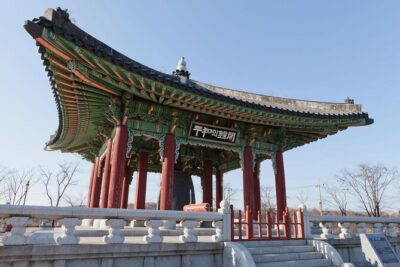
The first major stop is Imjingak Pyeonghwa-Nuri Park, a place built for people separated from family members in North Korea. The park makes the division personal rather than abstract. You can look at the Freedom Train, a damaged relic associated with the Korean War, and see memorials that reflect the long wait for contact and reunification.
Nearby, the Bridge of Freedom recalls the return of 12,773 prisoners of war across the Imjin River in 1953. The bridge itself is a short stop, but it carries more weight than its size suggests. It is one of those places where a guide adds real value, explaining how the armistice affected soldiers and families.
You also visit Mangbaedan, a memorial altar where families honor relatives trapped in North Korea. The site is especially meaningful during lunar holidays, when family remembrance traditions become more visible. At the 21-ton Peace Bell, the focus shifts toward hope for reunification.
These stops are not flashy. That is their strength. If you want a theme park-style border attraction, this is not it. If you want context for why the DMZ still matters to Korean families, these memorials are essential.
The Peace Gondola and the Civilian Control Zone
The Paju Imjingak Peace Gondola is listed as an optional part of the route and takes about an hour. Opened in 2020, it crosses the Imjin River into the Civilian Control Zone, giving you a higher view of the river and the surrounding restricted area.
The gondola adds variety after several memorial stops, though it can also make the day feel tight. You are already fitting the Third Tunnel, Dora Observatory, village visit, and Red Bridge into one schedule. If you prefer more time at the core DMZ sites, pay attention to how your guide handles this option.
The stop at Imjingak Resort is brief, about 10 minutes. Here, the guide obtains entrance clearance and tickets for entry through the Unification Bridge. This administrative pause is not a sightseeing highlight, but it shows why the DMZ cannot be treated like an ordinary open attraction.
A completely different kind of day, same trip:
- DMZ Insider Tour: 3rd Tunnel, NK Defector Meet & Red Bridge
★ 4.9 · 15,214 reviews - Seoul: DMZ Tour with Optional Suspension Bridge
★ 4.8 · 5,277 reviews - Signature DMZ Tour: Exclusive Defector Talk & Suspension Bridge
★ 5.0 · 4,459 reviews - DMZ Past and Present: Korean Demilitarized Zone Tour from Seoul
★ 5.0 · 2,481 reviews
Walking into the Third Tunnel
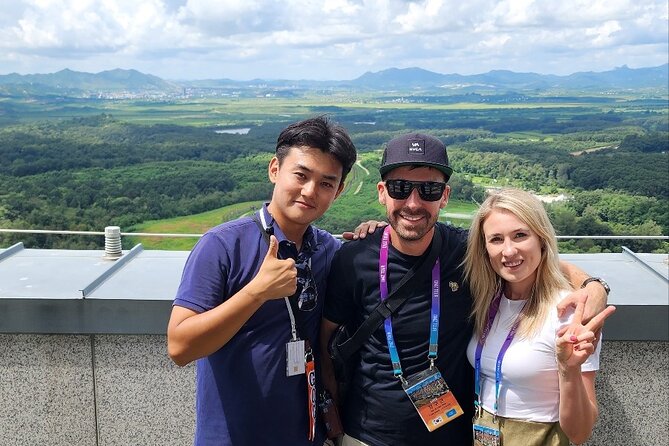
The Third Tunnel of Aggression was discovered in 1978. It is about 52 kilometers from Seoul and 12 kilometers from Munsan, and it was part of an effort to move forces southward without detection.
The tunnel visit is the most demanding part of the day. You first walk down a slope of roughly 20 degrees for about 250 meters. Inside, the ceiling becomes low, around 5 feet in sections, and you continue for another 250 meters before turning around and making the same difficult climb back to the surface.
This is not a casual stroll. Several visitors describe it as challenging even when they were in their sixties, while others say it is best suited to people who enjoy walking and hiking. The tunnel is also cool, dark, and enclosed. If you are short, the low ceiling may still require care, and taller people should expect to bend for much of the route.
Photography inside the tunnel is not allowed. That may disappoint anyone hoping for dramatic underground pictures, but it keeps the focus on the site itself. Wear firm shoes, avoid carrying a heavy bag, and do not treat the 30-minute visit as a race. The time is limited, so you need to keep pace, but rushing on the slope is unwise.
The tunnel does not bring you right up to the North Korean side. You see a military structure and a remarkable piece of Cold War engineering, not a secret passage into a forbidden country. Set your expectations correctly and the stop becomes far more interesting.
Dora Observatory and the distant North Korean view
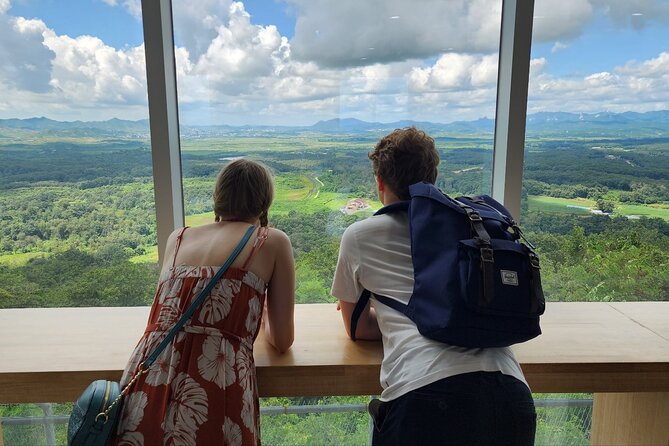
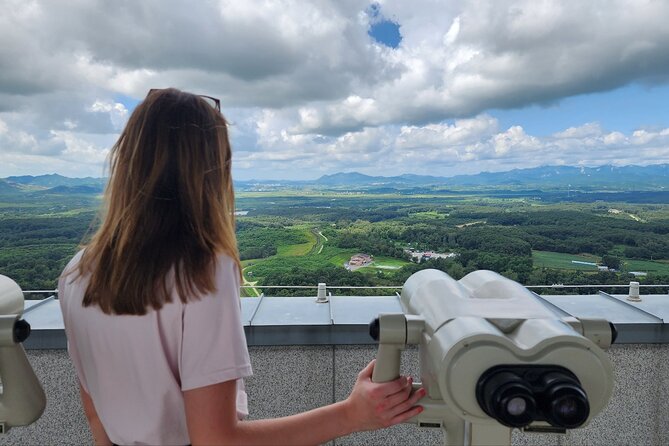
At Dora Observatory, you look across the border from one of South Korea’s closest public viewpoints. The observatory was established in 1986 and rebuilt in 2018. On a clear day, you may see North Korean territory in the distance, but the view is not close-up.
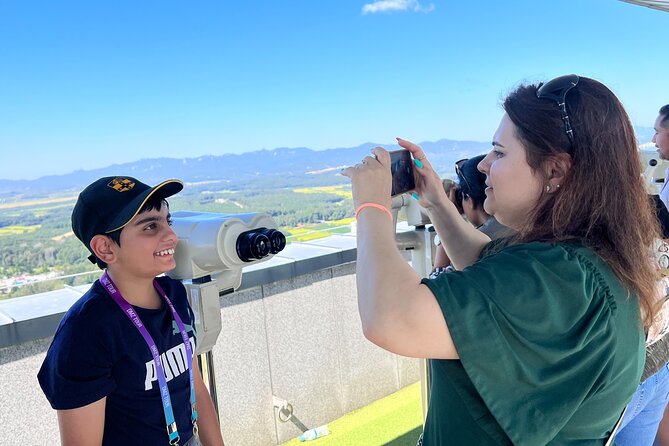
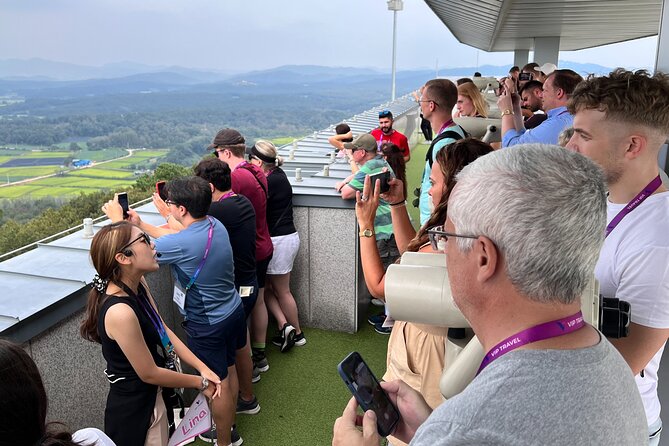
Bring binoculars if you have them. Several people find the border harder to see than expected, especially in rain, haze, or poor light. Photography toward North Korea may also be restricted, so follow your guide’s instructions rather than assuming every viewpoint is open for pictures.
The value here comes from scale. From Seoul, the division can feel like a political story on television. At Dora Observatory, you are looking across an actual controlled frontier. The broad view also helps you understand why the border is not just a line on a map.
Weather matters greatly. Rain can reduce the view, and snow may force changes to the schedule. The operator notes that military issues and events inside the DMZ can also alter the tour time or route. Those changes are frustrating, but they are part of visiting an active security zone.
Tongilchon, the village stop, and the shopping question
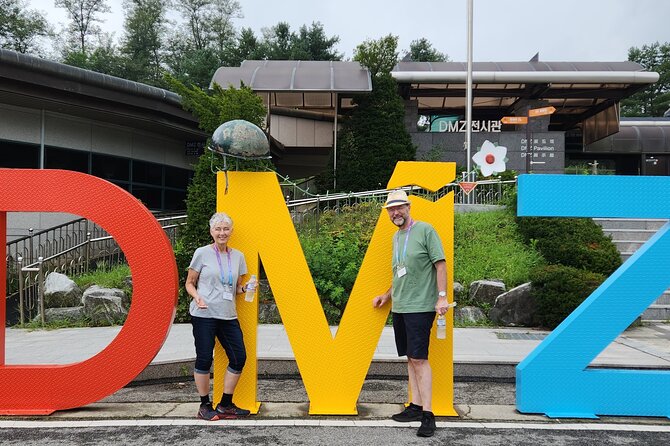
Tongilchon Jangdankong Maeul is a village beyond the Civilian Control Line, known for Jangdan beans grown in the area. The stop lasts about 30 minutes and offers a look at civilian life near the restricted zone.
This is also where you should read the schedule with care. Some versions of the day include time at a village shop, and that has disappointed people who expected a strictly no-shopping route. The stop may be brief, and the day can feel fast-paced. If you dislike sales stops, ask the operator before booking how this departure handles Tongilchon.
I see the village as a useful contrast to the memorials and military sites. It shows that the DMZ area is not only bunkers and observation posts. People live and work near it, though access and movement are shaped by security rules.
The Red Bridge finish
The Gamaksan Suspension Bridge, often called the Gloucester Heroes Bridge or Red Bridge, is a 150-meter suspension bridge built in 2018 to honor Korean War sacrifices. It is a striking way to finish the day, but the route to it is the most likely place to test your legs.
The walk includes a steep uphill section, and the time allotted is limited. If you want to reach the bridge, cross it, take pictures, and return without stress, start promptly and wear proper shoes. One hour sounds generous until you account for the climb, the bridge, and the return walk.
The bridge is about 1.5 meters wide, so it can feel exposed if heights make you uneasy. The reward is the view and the sense of space after the enclosed tunnel. The contrast works well: first you squeeze through a hidden wartime passage, then you walk high above the ground on a modern structure built in memory of those who fought.
Because the Red Bridge is described as optional, confirm at booking or with your guide whether it is operating on your date. Conditions, timing, and the military schedule can affect this part of the day.
Guide quality and the pace of the day
The strongest part of this experience is the guiding. Guides named Kelly, Crystal, Henry, Sunny, Judy, Lina, K, Nancy, Ray, Hana, and Yu Jin have been singled out for clear explanations, warmth, humor, patience, and good organization.
That matters at the DMZ. Without explanation, the Bridge of Freedom is just a short bridge, the tunnel is just a hard walk, and Dora Observatory is just a distant view. A good guide connects each place to the Korean War, divided families, military restrictions, and the continuing hope of reunification.
The pace is brisk. You get around 10 minutes at some memorial stops and 30 minutes at the larger sites. The benefit is that you see a lot in one day. The cost is that you may not linger, browse, or take a long meal break.
There is no included lunch stop. You can buy food at some stops, but the timetable may not give you much time. Bring snacks and water. This is especially important if you plan to tackle both the tunnel and the Red Bridge.
What $35 gets you
At $35 per person, this is strong value if you want several DMZ sights in one day. The price includes transportation, a professional English or Chinese guide, taxes, handling charges, and admission to the listed attractions. You avoid arranging separate transport to the border and do not need to manage DMZ entrance procedures alone.
The low price reflects the group format. With a maximum of 150 people, you should not expect private attention at every stop or a flexible timetable built around your interests. You are paying for access, transport, basic organization, and interpretation rather than luxury.
I would compare this tour with more expensive small-group options only if you want quieter travel, more time at each place, or a stronger guarantee about specific stops. For a first DMZ visit on a budget, $35 is hard to dismiss.
The booking has free cancellation up to 24 hours before the start time. Cancellations or changes inside that window are not refunded or accepted.
Who should book this tour?
I would choose it if you want a practical introduction to the DMZ, prefer a guide to explain the political and human story, and can handle a long day with substantial walking. It also suits families with older children who can manage the tunnel, people with limited Seoul time, and anyone wanting both major DMZ sites and the Red Bridge.
I would think twice if you have mobility limitations, dislike enclosed spaces, need a proper sit-down lunch, or want a slow photographic outing. The tunnel is physically demanding, the observatory view depends on weather, and military conditions can change the plan.
FAQ
How long does the DMZ tour last?
The tour lasts approximately 7 hours and 30 minutes, including transportation and visits to the DMZ area, memorial sites, the Third Tunnel, Dora Observatory, Tongilchon, and optional attractions.
Where can I meet the tour?
Meeting points are available at Myeongdong Subway Station Exit 9, Seoul City Hall Subway Station Exit 6, and Hongdae Subway Station Exit 3. Hotel pickup is available in the downtown area or at a main subway station.
Is hotel drop-off included?
Hotel drop-off is not included. At the end of the tour, you can get off at Hongdae, Seoul City Hall, or Myeongdong.
Do I need my passport?
Yes. You must bring your passport on the tour day. A military ID card or locally issued ARC card is also accepted.
Is lunch included?
No. Lunch is not included, and there is no dedicated meal stop listed. You can buy food at some stops, but bringing snacks is sensible because the schedule can be fast.
Can I take photographs inside the Third Tunnel?
No. Photography inside the Third Tunnel is not allowed.
Is the Third Tunnel difficult to walk through?
Yes. The route includes a roughly 250-meter descent on a slope of about 20 degrees, a low passage of around 250 meters, and the same route back uphill. Good walking shoes are recommended.
Is the Gamaksan Red Bridge included?
The Gamaksan Suspension Bridge is listed as an optional stop. It takes about one hour and involves a steep uphill walk before reaching the 150-meter bridge.
Can the schedule change?
Yes. The tour time and route can change because of military issues, events in the DMZ, or weather. Heavy snow, for example, can prevent access to the DMZ and lead to substitute activities such as the cable car or Korean War Museum.
Should you book it?
Book this tour if you want the best amount of DMZ access for a low price and you are ready for a brisk, active day. The combination of Imjingak’s memorials, the Third Tunnel, Dora Observatory, and the optional Red Bridge gives you a clear sense of the border from several angles.
Just arrive with the right expectations. This is a large-group excursion, not a relaxed private tour. Bring your passport, snacks, water, binoculars if you have them, and shoes suited to steep walking. If that sounds manageable, this is a worthwhile and unusually direct way to understand Korea’s divided present.
Just added around Seoul
- Incheon Airport Private Transfer between Seoul City★ 4.0 · 4 reviews
- Seoul’s Stars: Open Mic with Local & International Talent★ 4.8 · 4 reviews
- Samaksan Cable Car and Nami Island Day Escape with Railbike★ 4.0 · 4 reviews
- DMZ 2nd Tunnel and Cheorwon Peace Observatory with Admission★ 5.0 · 4 reviews
- Nami & Maple Road & Theatre des Lumieres Day Tour from Seoul★ 4.8 · 4 reviews
- Hire Photographer, Professional Photo Shoot – Seoul★ 5.0 · 4 reviews
- [KoreaByLocal] Authentic Seoul Night Walk and Chicken & Beer★ 5.0 · 4 reviews
- Play Gayageum in Hanbok Cultural Experience in Bukchon★ 5.0 · 4 reviews
DMZ & JSA Tours, compared.
Best DMZ Tour Korea from Seoul (Red Suspension Bridge Optional)
Read our review →
DMZ Tour: 3rd Tunnel, Option(Suspension Bridge, Boat) from Seoul
Read our review →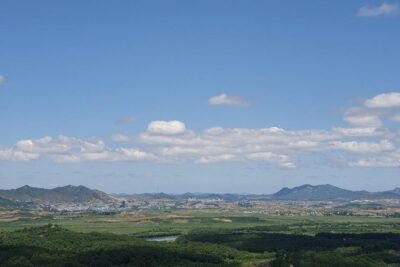
DMZ tour south Korea from Seoul (NK experience hall, defector)
Read our review →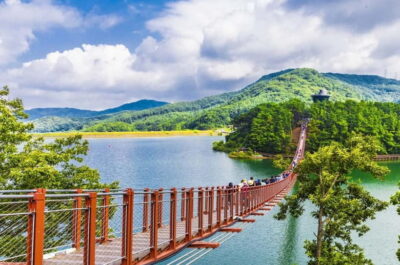
DMZ Insider Tour: 3rd Tunnel, NK Defector Meet & Red Bridge
Read our review →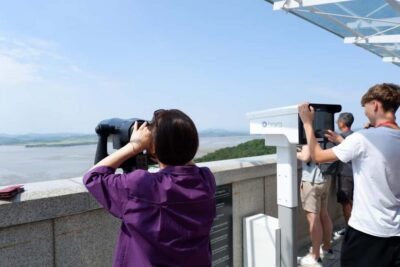
DMZ Past and Present: Korean Demilitarized Zone Tour from Seoul
Read our review →
Ultimate Korea DMZ Tour from Seoul (Gondola & Suspension Bridge)
Read our review →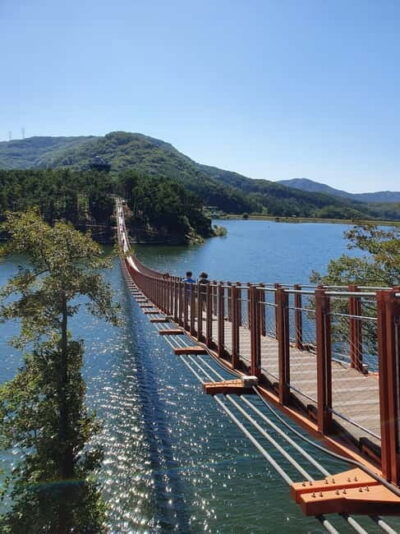
DMZ; NK Defector, 3rd Tunnel, Suspension Bridge,Hotel pickup
Read our review →Browse the lists this tour appears in