
Reviewed · BUKCHON HANOK VILLAGE
Jeonju Hanok Stay & Mt. Jiri Hiking from Seoul
Jeonju’s tiled roofs and Jirisan’s misty peaks make a fine two-day escape from Seoul. This trip links traditional hanok culture with a proper stretch of countryside, including Oseong Hanok Village, where BTS stayed while filming their 2019 Summer Package.
I like the small group, capped at seven, and the fact that accommodation, meals, entrance fees, transport, insurance, and an English-speaking guide are bundled together. I also like the route’s mix of familiar Jeonju sights and quieter rural stops such as Oseong and Gurye Sansuyu Village.
The catch is the price, $690 per person, and the long road journey from Seoul. You should also be comfortable with a moderate level of physical activity and an early second day outdoors.
In This Review
- Key points to know before booking
- Why this Seoul escape works
- Oseong Hanok Village and its BTS connection
- Jeonju Hanok Village after the countryside
- What a hanok night adds
- Jirisan National Park and the early mountain start
- Gurye Sansuyu Village and a quieter final stop
- Food, transport, and the real value of $690
- Who will enjoy this trip most
- Practical details that matter
- Should you book the Jeonju and Jirisan tour?
- FAQ
- Where does the tour start?
- Where does the tour end?
- How long does the experience last?
- What meals are included?
- Is accommodation included?
- How many people can join the tour?
- What happens if the weather is poor?
Key points to know before booking
- BTS connection: Oseong Hanok Village is linked to BTS’s 2019 Summer Package filming stay.
- Traditional overnight: You sleep in a hanok in or around Jeonju, rather than returning to Seoul after sightseeing.
- Four substantial stops: The plan allows about three hours in Oseong, three hours in Jeonju, three hours in Jirisan, and two hours in Gurye.
- Small-group format: The vehicle carries no more than seven people, making the trip more personal than a large coach tour.
- Meals are included: Dinner, two lunches, and two breakfasts are covered, with seasonal Korean dishes such as bibimbap and grilled short ribs highlighted.
- Outdoor fitness matters: Jirisan includes hiking and sunrise meditation, so this is not simply a village sightseeing trip.
Why this Seoul escape works
Seoul is exciting, but its speed can wear you down. This trip gives you two days of tiled roofs, mountain air, village lanes, and Korean meals without asking you to arrange trains, lodging, local transfers, and restaurant stops yourself.
The strongest idea here is the contrast. Jeonju gives you Korea’s best-known traditional village experience, while Jirisan brings forests, mountain views, and a quieter rhythm. Oseong and Gurye add smaller stops that help the trip feel less like a checklist of major attractions.
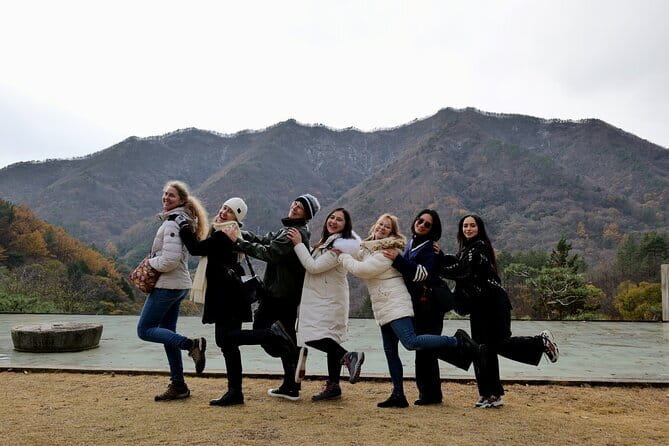
I also appreciate the group size. With a maximum of seven people, you are not being moved through the countryside in a giant bus. The transport is described as comfortable, with reclining seats, plenty of legroom, and free Wi-Fi. That matters because the distance from Seoul to southwestern Korea is considerable, and some of your time will be spent on the road.
The schedule begins at 8 a.m. at Namsan Yejang Public Parking Lot in Jung-gu. You return to the same meeting point at the end of the second day. Plan your Seoul lodging and morning route around that exact departure location, rather than assuming the vehicle will collect you at your hotel.
More Bukchon and hanok village walks:
- Seoul: Gyeongbok Palace, Bukchon Village, and Gwangjang Tour
★ 4.9 · 2,321 reviews - Seoul City Sightseeing Tour Including Gyeongbokgung Palace, N Seoul Tower, and Namsangol Hanok Village
★ 5.0 · 1,423 reviews - Seoul: Gyeongbok Palace, Bukchon Village, and Gwangjang Tour
★ 5.0 · 1,044 reviews
Oseong Hanok Village and its BTS connection
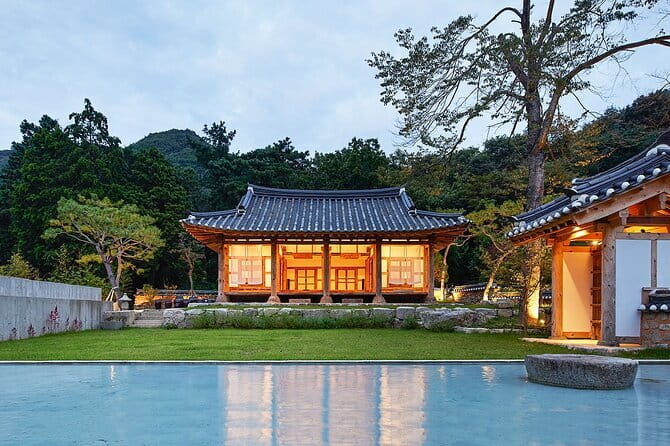
The first stop is Oseong Hanok Village in Wanju, a place where traditional Korean buildings meet open countryside and natural scenery. You have about three hours here, which should give you time to walk, take photographs, and absorb the setting without racing from one doorway to the next.
Oseong has a special draw for BTS fans. The group stayed here for a week while filming the 2019 Summer Package. That connection may be the reason you first put Oseong on your list, but the village works even if you have no interest in pop culture. Its value comes from the combination of hanok architecture and a rural setting.
I would treat this as a slow orientation to the trip. Look closely at the rooflines, courtyards, and relationship between the buildings and the surrounding scenery. The village is not just a backdrop for photos. It gives you an early sense of how Korean traditional design uses simple lines, natural materials, and carefully placed open space.
The three-hour stop is generous compared with a quick photo visit. Still, do not expect a packed attraction with endless formal exhibits. This is a place for walking and looking, and the experience will depend partly on the weather and your interest in the surroundings.
Jeonju Hanok Village after the countryside
Jeonju Hanok Village is the best-known stop on the first day. Around 700 traditional hanok houses fill the district, making it the largest traditional village in Korea according to the supplied tour information. You get roughly three hours to explore.
Jeonju is more developed and popular than Oseong. You will find a lively mix of preserved homes, cultural sites, food shops, cafés, and streets made for wandering. That mix is both the attraction and the limitation. The village offers more to do, but it can feel less quiet and less purely residential than a smaller hanok settlement.
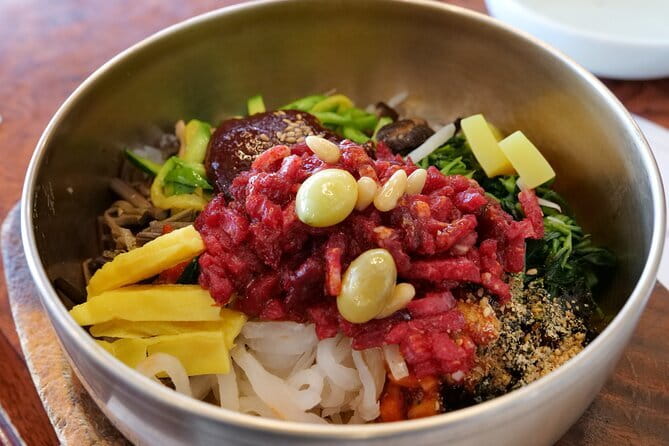
Use your time here well. Walk beyond the first attractive lane, notice the changing roof shapes, and allow time for local food. Jeonju is closely associated with bibimbap, and the trip highlights seasonal dishes and juicy grilled short ribs as part of its food experience. The meals are not an afterthought. Food is one of the main reasons this area matters.
A hanok stay gives the visit more meaning than a daytime stop alone. Instead of seeing traditional houses only as preserved façades, you get a chance to spend the night in one. Expect the experience to feel different from a standard hotel. Traditional accommodation can be appealing precisely because it connects you with Korean domestic design, but you should choose this trip for atmosphere rather than modern hotel uniformity.
The accommodation is included in the $690 price, which improves the value considerably. A self-planned trip would otherwise require you to arrange a long-distance transfer, a traditional stay, meals, and local visits separately.
What a hanok night adds
The overnight stay is the emotional center of the trip. A hanok is not simply an old-looking hotel. Its appeal comes from the structure, materials, and sense of place. You are sleeping in the same broad architectural tradition that you spend the day learning to notice.
The supplied information does not specify room layouts, private bathrooms, bedding type, or the exact property. Ask the operator about those details before booking if comfort requirements are important to you. That is especially useful for anyone who prefers a Western-style bed or needs a particular bathroom arrangement.
Dinner is included, along with breakfast the next morning. The food focus is one of the tour’s strongest features, with seasonal ingredients and dishes such as bibimbap and grilled short ribs mentioned as examples. Dietary needs should be provided in the booking’s special requirements field.
The small group should make the overnight portion easier to manage. You will not be part of a large crowd moving through a shared schedule, and the guide can likely explain the customs and practical details of the stay. Still, a hanok night is best for someone who welcomes a little difference from a conventional hotel.
A few more Seoul trips worth weighing up
- Seoul: Guided City Wall Sunset Hike with Korean Dinner
★ 4.9 · 227 reviews - Private Hiking tour to Bukhansan Peak(Baegundae: 836.5m) with Mountain Expert
★ 5.0 · 113 reviews - Fortress Night Hike & Snack at a Local Market
★ 5.0 · 112 reviews - Seoul Mountain Hike: Temples, Folklore & Traditional Meal
★ 5.0 · 42 reviews
Jirisan National Park and the early mountain start
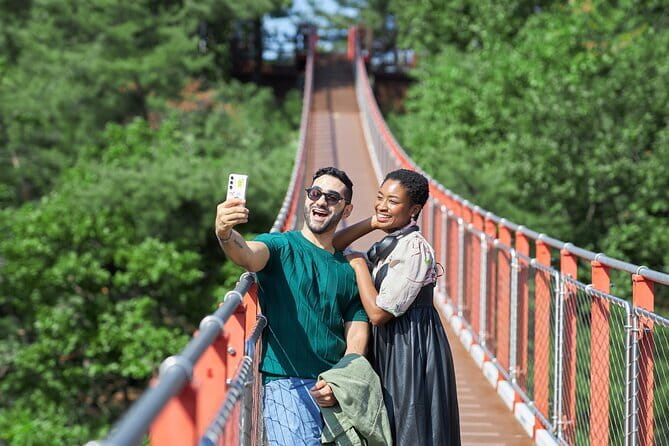
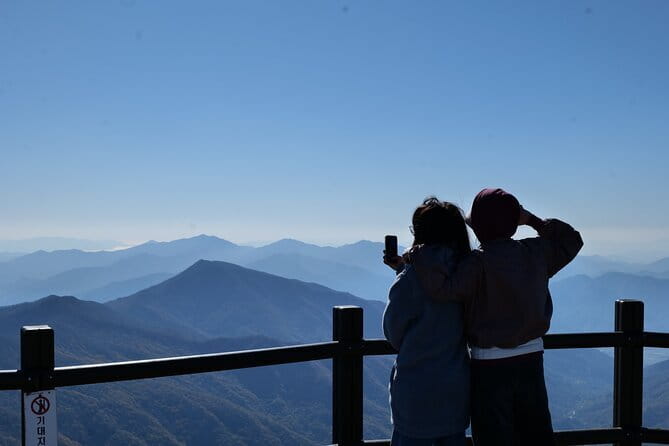
Day two shifts from architecture to nature. Jirisan, also written as Mt. Jiri or Chiri Mountain, is Korea’s first national park and is often called Mother Mountain. The trip allows about three hours here, with sunrise meditation among mist-covered peaks forming part of the planned experience.
This is the part that makes the tour more than a Jeonju cultural break. You get a chance to walk in a major Korean mountain park and feel the change in air and pace. Depending on conditions, mist, forest, and mountain views may be the day’s most memorable sights.
Be realistic about the word hiking. The supplied details do not give a trail name, distance, elevation gain, or technical grade. They do state that you need a moderate physical fitness level. That means you should be ready for uneven ground and sustained walking, but you should confirm the exact route if you have concerns about your knees, stamina, or footwear.
Sunrise meditation also suggests an early start or an early outdoor period. Pack warm layers, even if Seoul feels mild. The group has sometimes provided hot packs for outdoor activities, but you should not rely on that alone. Wear shoes with good grip and bring water.
Weather will shape this stop. Mountain mist can make the setting atmospheric, but poor weather may lead to a changed date or a full refund because the experience requires suitable conditions. That policy is reassuring, but it also means you should keep some flexibility in your schedule.
Gurye Sansuyu Village and a quieter final stop
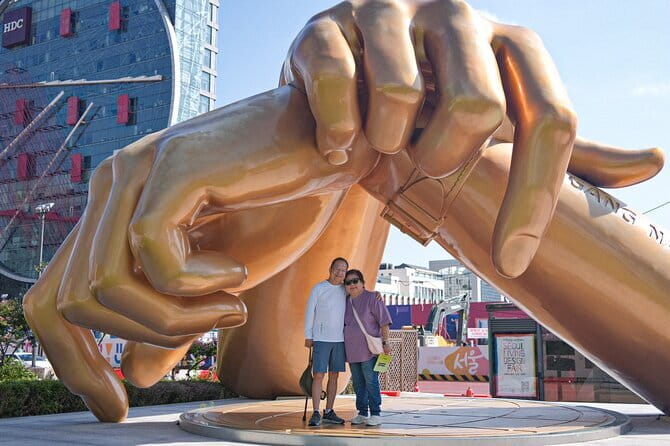
The final listed stop is Gurye Sansuyu Village, with about two hours available. The description connects the area with Ssangsanje, a hanok setting used as the backdrop for the Korean program Youn’s Stay. It also contrasts this place with Awon Old House, describing it as a more modest hanok experience.
That modesty is part of the appeal. After Jeonju’s large and well-known traditional district, Gurye offers a smaller-scale look at Korean rural architecture and scenery. You may find the pace more relaxed here, with less pressure to cover a long list of sights.
The stop is free to enter, so its value is not based on a major admission fee. It is included because it rounds out the route. You see another style of traditional setting, spend more time in the countryside, and finish with a place that feels different from Jeonju.
Two hours is enough for a focused visit, but not enough for an extensive exploration of the wider area. Keep your expectations in proportion. This is a thoughtful final stop, not a full-day attraction.
Food, transport, and the real value of $690
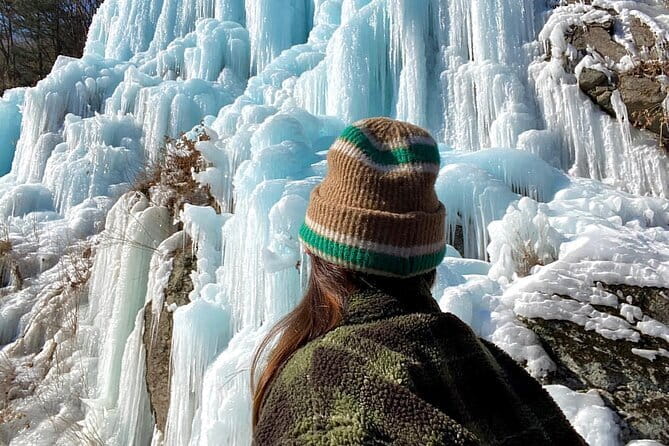
At $690 per person, this is an expensive two-day excursion. The price makes more sense when you count what is included: round-trip transport from Seoul, accommodation, dinner, two lunches, two breakfasts, entrance fees, a licensed English-speaking guide, and travel insurance.
The meal coverage is especially useful in rural areas. You do not need to spend time finding restaurants between scheduled stops, and the food is presented as part of the regional experience. You should still budget separately for drinks, tips, laundry, telephone charges, paid television, haircuts, and other personal costs.
Transport is another major part of the value. Reaching Jeonju, Wanju, Jirisan, and Gurye independently from Seoul would require planning several connections and arranging an overnight stay. The vehicle is described as luxurious and smooth, with reclining chairs, legroom, Wi-Fi, and good views. The journey is still long, but a comfortable ride makes that time easier.
The group size is a meaningful advantage. A maximum of seven people can make it easier to ask questions, adjust the pace within reason, and avoid the impersonal feel of a large tour. The tour requires at least four participants to operate, so your plans could be affected if that minimum is not reached.
Who will enjoy this trip most
I would recommend this experience to you if you want Korean culture and nature in one compact package. It suits solo visitors especially well because the transport, meals, lodging, and company are arranged without forcing you to join a large group. It also suits first-time visitors who want to see more of Korea than Seoul but do not want to plan a complicated regional trip.
BTS fans have an extra reason to book, thanks to the Oseong connection. Food-focused visitors should also be happy with the attention given to seasonal dishes and Jeonju specialties.
This is less suitable if you want a slow, unstructured weekend. The route covers several locations in two days, so there is a fair amount of movement and a fixed timetable. It is also not the best pick if you want a serious multi-hour mountain trek, since the exact Jirisan trail details are not provided.
Families and older visitors should consider the moderate fitness requirement carefully. The tour may be perfectly manageable, but the mountain portion, early outdoor activity, and long vehicle journey could be tiring.
Practical details that matter
Confirmation is normally sent at booking. If you book within two days of departure, confirmation may arrive within 48 hours and depends on availability.
The tour uses a mobile ticket and begins at 8 a.m. at Namsan Yejang Public Parking Lot, Yejang-dong, Jung District, Seoul. It ends at the same meeting point, so allow time for getting back across Seoul after arrival.
You can cancel for a full refund up to 24 hours before the local start time. Changes or cancellations made inside that window are not accepted for a refund. If bad weather causes cancellation, you will be offered another date or a full refund. The same applies if the minimum group size is not reached.
Should you book the Jeonju and Jirisan tour?
Book it if you value convenience, small groups, Korean food, traditional buildings, and a taste of the countryside more than you value a low price. The strongest parts are the hanok overnight stay, the excellent contrast between Jeonju and Jirisan, and the access to places that are awkward to reach on a short independent trip from Seoul.
Before paying, confirm the hanok room setup and ask for the exact Jirisan walking route. If those details suit you, $690 can be fair for an all-in two-day regional experience with transport, lodging, meals, insurance, and a guide.
Skip it if you want a cheap day trip, a modern hotel, or a demanding mountain expedition. For everyone else, this is a well-balanced way to trade Seoul’s neon and traffic for tiled roofs, seasonal food, and mountain air.
FAQ
Where does the tour start?
The tour starts at 8:00 a.m. at Namsan Yejang Public Parking Lot in Yejang-dong, Jung District, Seoul, South Korea.
Where does the tour end?
The activity ends back at the starting meeting point.
How long does the experience last?
The experience lasts approximately two days.
What meals are included?
Dinner, two lunches, and two breakfasts are included.
Is accommodation included?
Yes. Accommodation and all entrance fees are included in the price.
How many people can join the tour?
The tour requires a minimum of four participants and has a maximum of seven travelers.
What happens if the weather is poor?
If poor weather causes cancellation, you will be offered a different date or a full refund.
Just added around Seoul
- Incheon Airport Private Transfer between Seoul City★ 4.0 · 4 reviews
- Seoul’s Stars: Open Mic with Local & International Talent★ 4.8 · 4 reviews
- Samaksan Cable Car and Nami Island Day Escape with Railbike★ 4.0 · 4 reviews
- DMZ 2nd Tunnel and Cheorwon Peace Observatory with Admission★ 5.0 · 4 reviews
- Nami & Maple Road & Theatre des Lumieres Day Tour from Seoul★ 4.8 · 4 reviews
- Hire Photographer, Professional Photo Shoot – Seoul★ 5.0 · 4 reviews
- [KoreaByLocal] Authentic Seoul Night Walk and Chicken & Beer★ 5.0 · 4 reviews
- Play Gayageum in Hanbok Cultural Experience in Bukchon★ 5.0 · 4 reviews
Bukchon Hanok Village, compared.
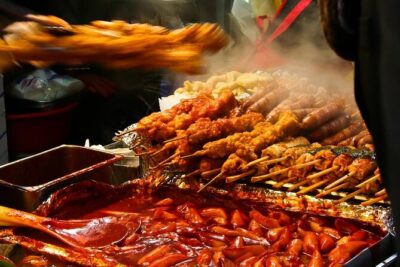
Gyeongbok Palace, Bukchon Village, and Gwangjang Tour
Read our review →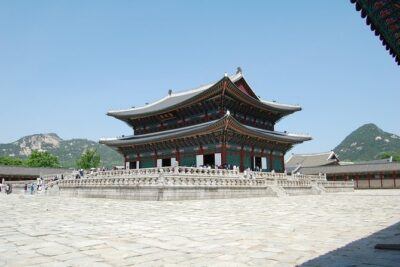
Seoul City Sightseeing Tour Including Gyeongbokgung Palace, N Seoul Tower, and Namsangol Hanok Village
Read our review →Gyeongbok Palace, Bukchon Village, and Gwangjang Tour
Read our review →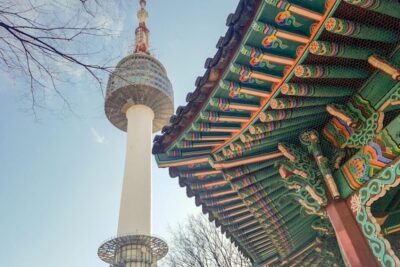
Gyeongbok Palace and Bukchon Hanok Walking Tour
Read our review →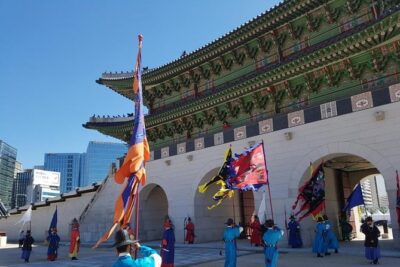
Best Walking Tour to Gyeongbok Palace Bukchon Hanok Village
Read our review →Experience Korean Cooking in Modern Hanok Kitchen
Read our review →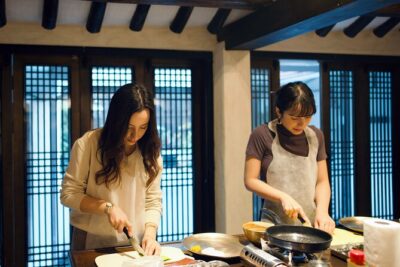
Royal Seoul Cooking Class in a 100-Year-Old Hanok
Read our review →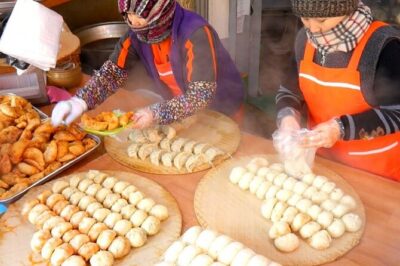
Afternoon Seoul: Hanok Vibes, Netflix Street Food & N Seoul Tower
Read our review →Browse the lists this tour appears in