
Reviewed · MARKET FOOD TOURS
Hidden Stories & Flavors: Traditional Market Food Tour
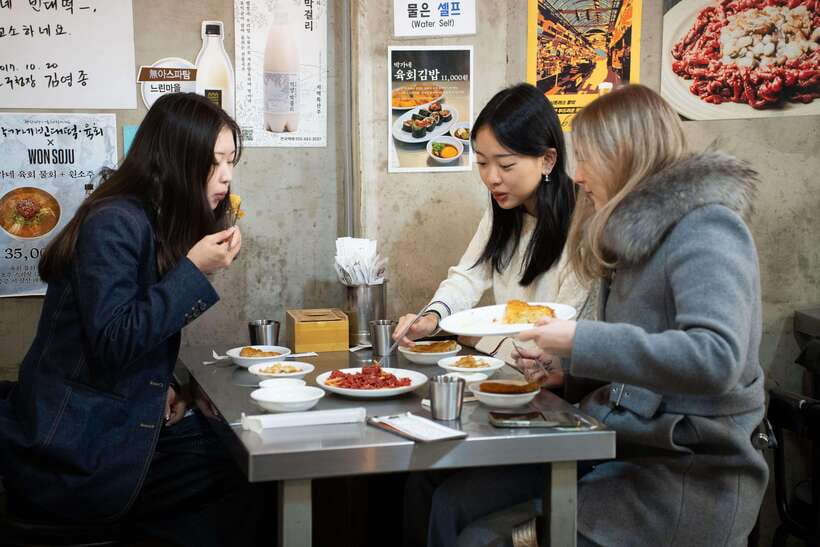
Gwangjang Market is the point here, but the food is only half the story. You move from stall to stall with an English-speaking local guide, eating familiar Korean market snacks while hearing how modern South Korea works, including the personal reality of a divided peninsula. The conversation gives the meal its shape.
I like the generous food lineup, from dumplings and meatballs to sweet hotteok and fish-shaped buns. I also like the small-group format, capped at 10 people, which makes it easier to ask about a dish or pause when the market gets crowded. The main drawback is the amount of food: portions can be large, so arrive hungry and be ready to share or leave something behind.
In This Review
- Key points to know before booking
- Why this Gwangjang Market tour feels different
- Meeting at Jongno 5-ga Station Exit 8
- Eating your way through Gwangjang Market
- The guide’s role, from food to daily life
- What the two-hour route can feel like
- Is $100 a fair price?
- Who will enjoy this food walk most
- Booking details worth noting
- FAQ
- Where does the tour meet?
- How long does the food tour last?
- What market does the tour visit?
- What food is included?
- Is the tour conducted in English?
- How large is the group?
- Is this a historical tour?
- Should you book Hidden Stories & Flavors?
Key points to know before booking
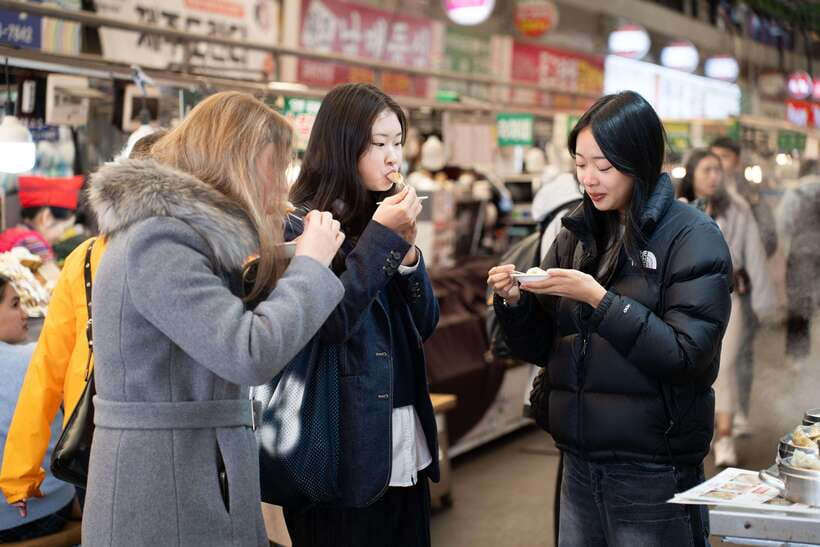
- Eight-plus Korean market foods: Expect dumplings, meatballs, Korean hotdog, rice roll, spicy rice cake, fish cake, sweet Korean pancake, and a fish-shaped bun, with water included.
- Gwangjang Market setting: The two-hour walk takes place at one of Seoul’s best-known traditional markets, where food stalls provide the central focus.
- More than a food crawl: Your guide connects dishes and sights to Korean culture, daily life, military service, and the division of the peninsula.
- Small English-speaking group: The group is limited to 10 participants, and Taeseong is one of the guides named in the feedback.
- Come hungry: The portions may be bigger than expected, especially if you want to try everything.
- Not a formal history tour: The experience offers historical and political context, but its main purpose is food and conversation.
Why this Gwangjang Market tour feels different
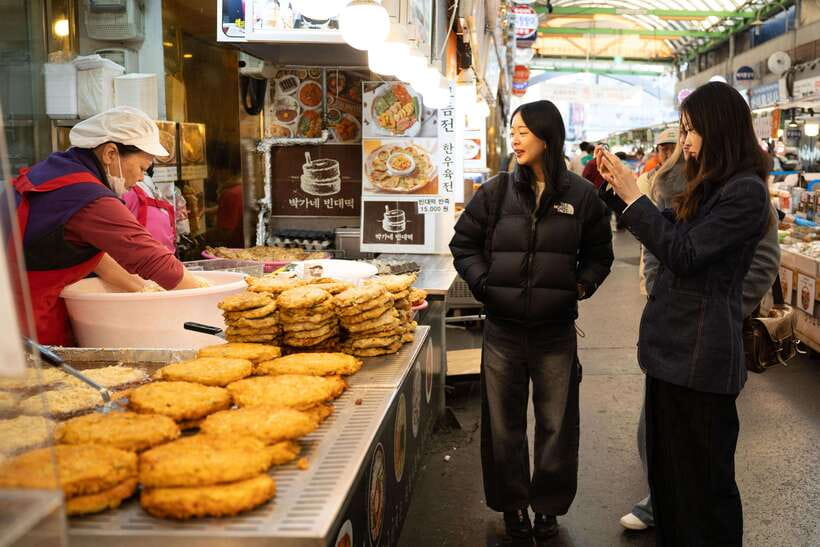
Many market food walks are simple exercises in eating. You point, taste, nod, and move on. This one adds a second layer: the guide uses the stalls and dishes as a way to talk about present-day Korea.
That makes the experience useful early in a Seoul visit. You get a first look at how traditional food fits into city life, then hear broader explanations about Korean culture and the peninsula’s division. The guide also discusses military service from personal experience as a member of the reserve forces. That subject can be hard to understand from a short visit, so a local perspective adds meaning without turning the outing into a classroom lecture.
The activity is not promoted as a historical tour, and you should not book it expecting a detailed chronology of Korean history. Instead, think of it as a food walk with social and political context. You will eat in the market, learn why some dishes matter, and have room for questions.
The English-language format matters here. Food names and ingredients can be difficult to sort out when you are standing at a busy stall. An English-speaking guide can explain what you are eating, how the food fits into Korean habits, and what you are seeing around you.
More market food walks:
- Seoul: Gyeongbok Palace, Bukchon Village, and Gwangjang Tour
★ 4.9 · 2,321 reviews - Seoul: Gyeongbok Palace, Bukchon Village, and Gwangjang Tour
★ 5.0 · 1,044 reviews - Seoul: Night Market Food Tour with Local Guide
★ 4.9 · 943 reviews
Meeting at Jongno 5-ga Station Exit 8
The meeting point is Jongno 5-ga Station Exit 8. You should allow enough time to find the correct exit, since Seoul station areas can have several stairways and busy street corners.
The meeting point places you close to Gwangjang Market, the main setting for the tour. The supplied information also lists a starting location marked 407, but the practical meeting instruction is Jongno 5-ga Station Exit 8. Follow the booking details you receive for the exact gathering instructions.
The experience lasts two hours. That is a useful length for a first taste of Korean market food. It is long enough to visit several stalls and have a proper conversation, but short enough to fit before or after another Seoul plan.
You will want comfortable shoes. The tour is spent walking through a market rather than sitting in one restaurant, and you may stop often as the guide introduces each item. The market setting is part of the appeal, but it also means noise, crowds, and limited space are part of the bargain.
Eating your way through Gwangjang Market
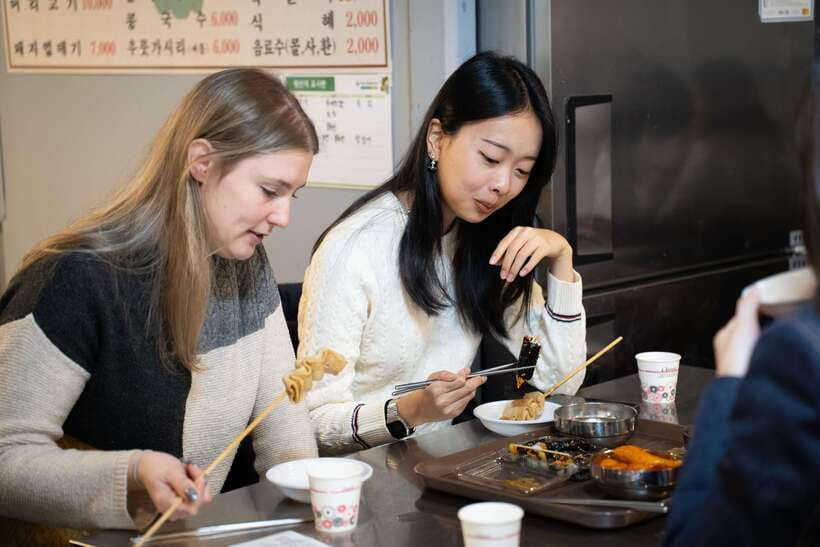
The food list is broad for a two-hour activity. You are scheduled to try:
- Dumpling
- Meatball
- Korean hotdog
- Rice roll
- Spicy rice cake
- Fish cake
- Sweet Korean pancake
- Fish-shaped bun
- Water
The wording allows for menu changes, so treat this as a guide to the types of food rather than a fixed promise. Market conditions can affect what is available, and the final selection may change.
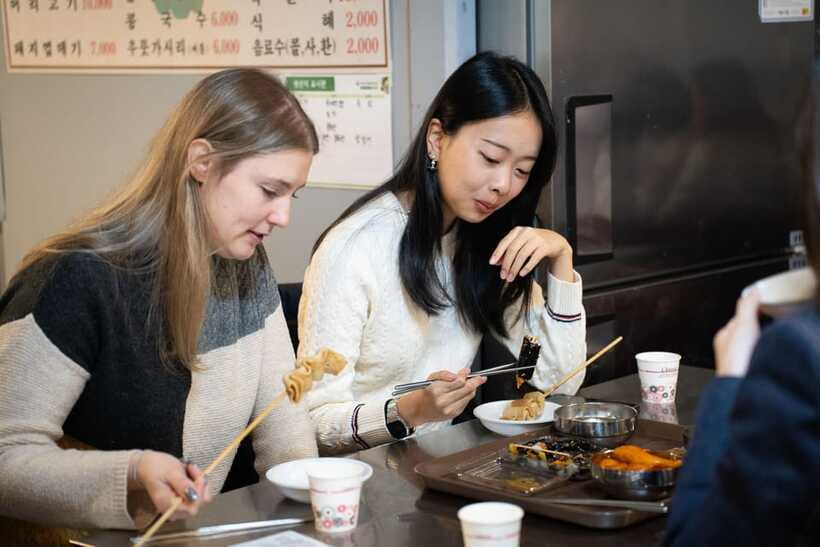
The savory side begins with familiar market staples. Dumplings offer a straightforward introduction to Korean street food, while meatballs and fish cake give you different textures and flavors. A Korean hotdog adds a more casual snack, and the rice roll provides a useful contrast to the fried or sauced items.
The spicy rice cake, often known as tteokbokki, is likely to be one of the more distinctive stops for first-time visitors. The sauce and heat can vary, and your guide can help explain what you are tasting. If you do not normally eat spicy food, ask about the dish before taking a large bite.
The sweet finish is important. A Korean sweet pancake, or hotteok, gives the walk a warm, sugary ending, while the fish-shaped bun adds another familiar market treat. The shape is fun, but the food is still worth discussing: your guide can explain what makes it a common Korean snack.
Because the list is long, you should not think of each item as a full meal on its own. Together, though, the food can amount to a substantial lunch or early dinner. One participant specifically found the portions large enough that skipping breakfast would be sensible. I would follow that advice if you want to sample everything.
If you are traveling with someone, sharing can help you manage the quantity. A small group also makes it easier to compare reactions and ask the guide to slow down. The point is not to win a race through eight foods. It is to notice how the dishes differ and understand what you are eating.
The guide’s role, from food to daily life
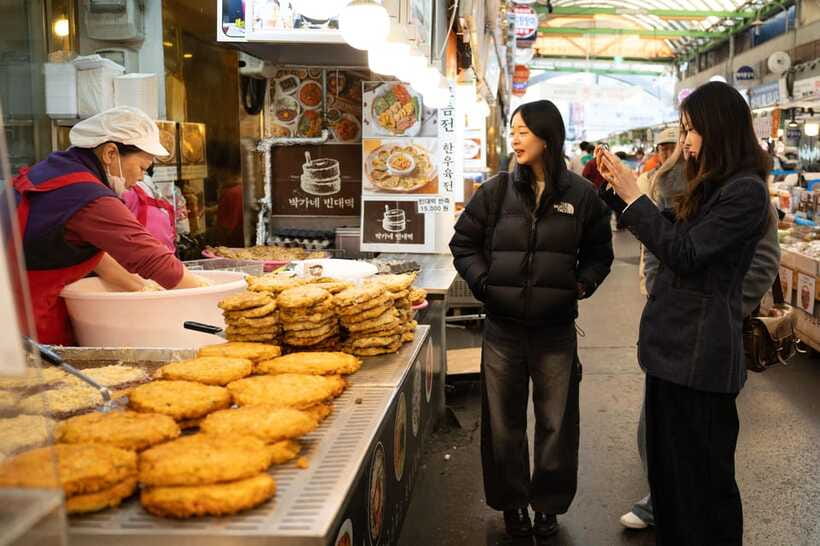
The guide is the key reason to choose this experience over simply visiting Gwangjang Market alone. You can walk through the market independently, but it is harder to connect the dishes, the surroundings, and modern Korean life without help.
Taeseong is named as one of the guides associated with the experience. The feedback describes him as friendly, sociable, and clear in English. Other comments praise the guide’s explanations of the dishes and the stories behind them. That suggests the strongest part of the outing is the quality of the conversation, not just the number of snacks.
You can expect explanations about Korean culture and everyday interactions, along with stories connected to Seoul’s sights. The discussion also includes the Korean peninsula’s division and the role of the military. Since the guide draws on experience in the reserve forces, this is more personal than a standard tourist script.
That subject may not suit everyone at a casual food outing. Still, it gives the activity a useful focus. South Korea is easy to see as a polished, modern destination, but its current identity is tied to security, conscription, family separation, and the unresolved division between North and South. The tour offers a chance to ask simple questions in a relaxed setting.
Keep your expectations measured. This is not a formal history lesson, and you will not receive a full account of the Korean War or a detailed tour of Seoul’s monuments. The value lies in the guide’s ability to connect food and place to real life.
A few more Seoul trips worth weighing up
- Seoul Street Food Market Tour
★ 5.0 · 1,226 reviews - Downtown Seoul Guided Food & Market Tour with 8+ Local Tastings
★ 5.0 · 580 reviews - Small-Group Night Food Tour in Seoul with Korean BBQ
★ 5.0 · 304 reviews - Seoul Night Palace & Market Food Tour with Vehicle
★ 5.0 · 275 reviews
What the two-hour route can feel like
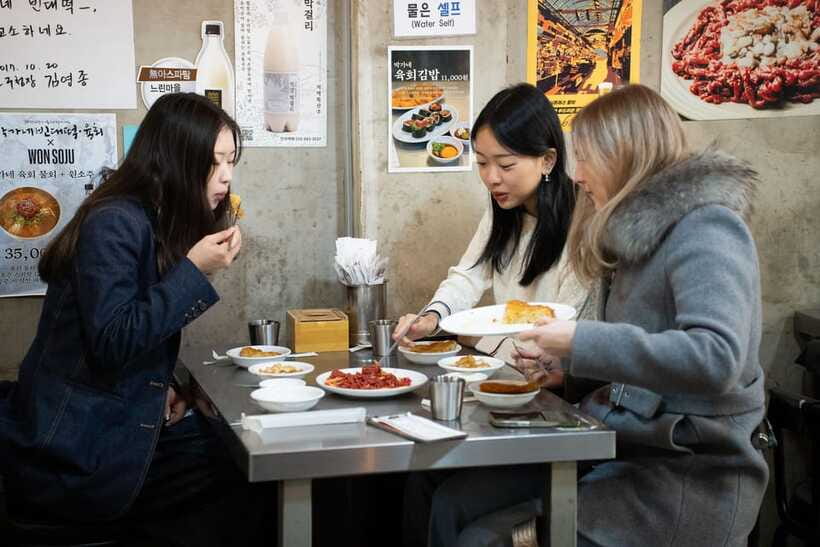
The route begins at Jongno 5-ga Station Exit 8 and continues into Gwangjang Market. The first stage is likely about orientation: finding the group, entering the market, and getting used to the pace of the stalls.
As you move through the market, the guide introduces the foods one by one. You will stop to taste the listed items, hear what they are, and ask questions. Since the group is limited to 10, the guide can keep the group together without the feel of a large coach excursion.
The middle of the experience is where the food and conversation overlap. A rice roll or dumpling becomes a chance to discuss how the dish fits into Korean eating habits. A market sight can lead to a wider explanation of Seoul or contemporary culture. The route is not just a checklist of stalls.
The final part continues the tasting with sweet foods such as hotteok and the fish-shaped bun, though the exact order may change. Water is included, which is useful with spicy or salty foods, but you should not assume that every menu item will appear exactly as listed.
The market itself adds energy and unpredictability. Stall availability and circumstances can affect the menu, so flexibility is part of the experience. If you need a perfectly controlled meal, choose a restaurant-based food tour instead.
Is $100 a fair price?
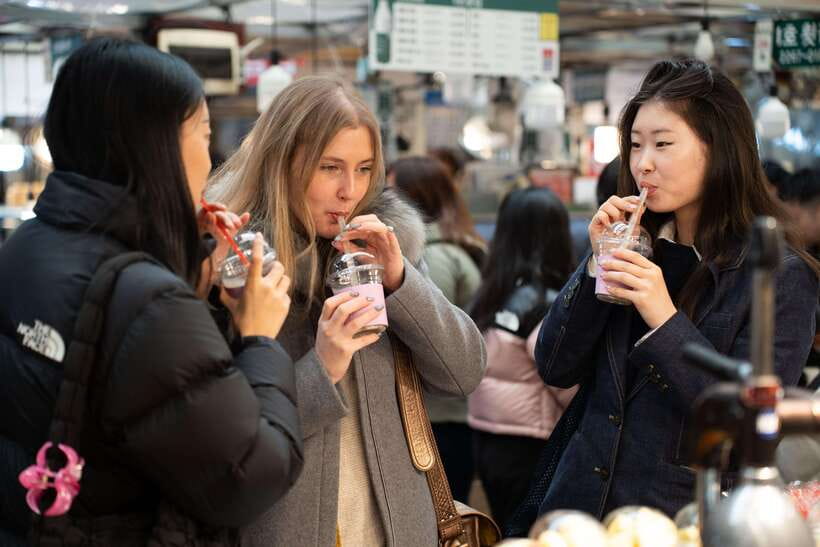
At $100 per person, this is not the cheapest way to eat at Gwangjang Market. You could buy individual snacks on your own for less. The real question is how much you value the guide, translation, selection, and conversation.
The price makes more sense if you want a structured introduction and would otherwise feel unsure about what to order. You are paying for someone to select a range of foods, explain them in English, lead you through the market, and discuss subjects that are difficult to pick up from a menu.
The small group also adds value. With no more than 10 people, you have a better chance of hearing the guide and asking about ingredients, customs, or Korean life. That matters more here than it would on a simple sightseeing walk because the discussion is central to the experience.
It is less good value if your only goal is a quick snack. Independent visitors who already know Korean food and feel comfortable ordering at market stalls may prefer to spend the $100 on several meals.
The food quantity helps balance the price, but remember that market snacks are not the same as a long restaurant meal. You are tasting many items rather than choosing one carefully prepared dish. The experience earns its price through variety and guidance.
Who will enjoy this food walk most
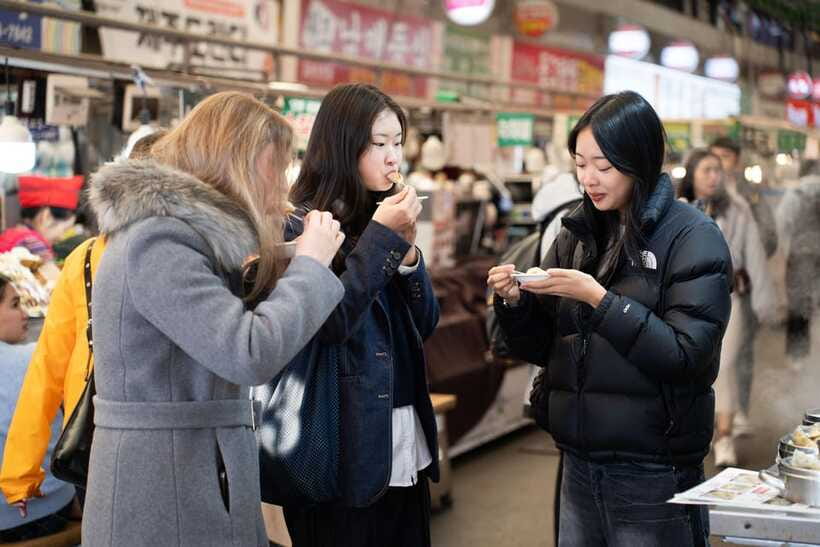
I would recommend it to first-time visitors who want an easy way to approach Korean market food. The guide handles the explanations, and the fixed route removes some of the uncertainty that comes with ordering from unfamiliar stalls.
It also suits people who enjoy conversation as much as eating. The discussion of daily life, Seoul, military service, and the divided peninsula gives you more to think about than a standard snack stop.
This is a good choice for solo visitors and couples who want a small social setting. A group of up to 10 is large enough to feel lively but small enough for questions. It may also work well for friends who want to compare foods, especially if they are willing to share portions.
You may want to skip it if you have strict dietary requirements, but the supplied information does not list allergy, vegetarian, vegan, or religious-diet options. Ask the provider before booking if those concerns affect what you can eat.
It may also be a poor fit if you dislike spicy food, crowded markets, or eating several items in a short time. The menu includes spicy rice cake, and the food can add up quickly.
Booking details worth noting
The tour is conducted in English and runs for two hours. Starting times depend on availability, so check the date you want before making plans.
You can reserve now and pay later, which helps if your Seoul schedule is still changing. Free cancellation is available up to 24 hours in advance for a full refund. Keep those terms in mind if you are building a busy itinerary.
The provider is listed as 전T. The available information does not promise a particular guide for every departure, although Taeseong is specifically named in connection with the experience. If meeting a certain guide matters to you, confirm that before booking.
FAQ
Where does the tour meet?
The meeting point is Jongno 5-ga Station Exit 8 in Seoul.
How long does the food tour last?
The tour lasts two hours.
What market does the tour visit?
The tour takes place at Gwangjang Market, a traditional market in Seoul.
What food is included?
The listed foods are dumpling, meatball, Korean hotdog, rice roll, spicy rice cake, fish cake, sweet Korean pancake, fish-shaped bun, and water.
Is the tour conducted in English?
Yes. The tour has a live English-speaking guide.
How large is the group?
The experience is a small-group tour limited to 10 participants.
Is this a historical tour?
No. It is primarily a market food experience, though the guide discusses Korean culture, Seoul, modern Korean life, the division of the peninsula, and military experience.
Should you book Hidden Stories & Flavors?
Book it if you want more than a list of Korean snacks. The best reason to go is the combination of Gwangjang Market food and a local guide who can explain how the dishes connect to Korean culture and present-day life.
The strongest points are the varied menu, the English conversation, the small group, and the unusually direct discussion of the divided peninsula and military service. The main cautions are the $100 price, the potentially large portions, the changing menu, and the fact that this is not a formal historical tour.
Come hungry, keep an open mind, and allow the guide’s conversation to be as important as the food. If that sounds like your kind of Seoul experience, this two-hour walk offers a practical and memorable introduction to Korea beyond the usual sightseeing route.
More Markets in Seoul
- Local Home Korean Cooking Class & Market Adventure in Seoul
★ 5.0 · 1,024 reviews - Seoul: Korean Cooking Class at a Local Home and Market Tour
★ 5.0 · 348 reviews - Cook 3 Authentic Korean Dishes with Local Market Tour
★ 5.0 · 231 reviews - Korean Palace and Market Tour in Seoul Including Insadong and Gyeongbokgung Palace
★ 4.0 · 174 reviews
More Food in Seoul
- Seoul Fun Food Tour: 12 different food tastings
★ 5.0 · 266 reviews - The Award-Winning PRIVATE Food Tour of Seoul: The 10 Tastings
★ 4.5 · 128 reviews - Afternoon E-bike tour and “Happy Hour” food and drinks
★ 5.0 · 46 reviews - Mangwon Market Food tour By Locals; Cheap Eats to Fancy Feast
★ 5.0 · 38 reviews
Just added around Seoul
- Incheon Airport Private Transfer between Seoul City★ 4.0 · 4 reviews
- Seoul’s Stars: Open Mic with Local & International Talent★ 4.8 · 4 reviews
- Samaksan Cable Car and Nami Island Day Escape with Railbike★ 4.0 · 4 reviews
- DMZ 2nd Tunnel and Cheorwon Peace Observatory with Admission★ 5.0 · 4 reviews
- Nami & Maple Road & Theatre des Lumieres Day Tour from Seoul★ 4.8 · 4 reviews
- Hire Photographer, Professional Photo Shoot – Seoul★ 5.0 · 4 reviews
- [KoreaByLocal] Authentic Seoul Night Walk and Chicken & Beer★ 5.0 · 4 reviews
- Play Gayageum in Hanbok Cultural Experience in Bukchon★ 5.0 · 4 reviews
Market Food Tours, compared.
Gyeongbok Palace, Bukchon Village, and Gwangjang Tour
Read our review →Gyeongbok Palace, Bukchon Village, and Gwangjang Tour
Read our review →
Seoul Night Palace & Market Food Tour with Vehicle
Read our review →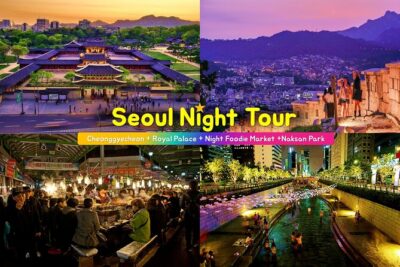
Seoul Night Tour (Gwangjang Market, Royal Palace and Naksan Park)
Read our review →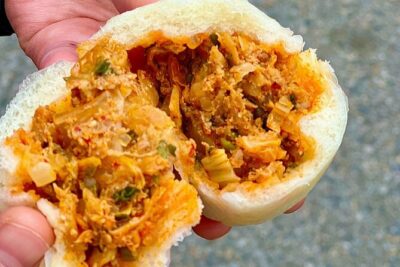
Mangwon Market Food tour By Locals; Cheap Eats to Fancy Feast
Read our review →
Vegan & Vegetarian Korean Market Adventure Gwangjang Market
Read our review →
Browse the lists this tour appears in