
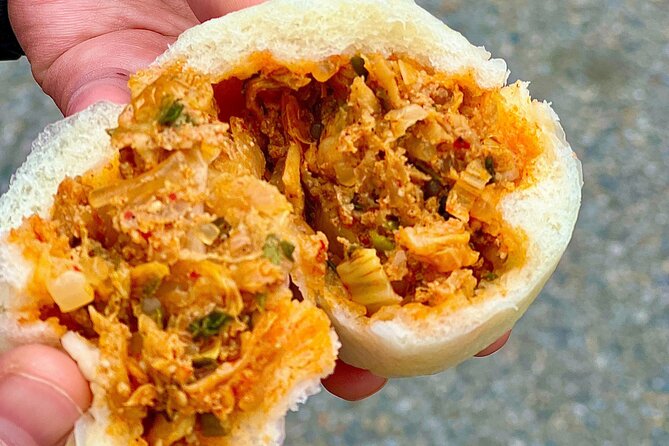
Reviewed · MARKET FOOD TOURS
Mangwon Market Food tour By Locals; Cheap Eats to Fancy Feast
Mangwon Market is the kind of place where a modest snack can sit beside a luxury ingredient, and this tour makes that contrast the whole point. You’ll work through Korean favorites such as tteokbokki, gimbap, fried snacks, and chicken, then try more polished bites including Hanwoo beef and upgraded tofu.
I like the local focus and the small group, capped at eight people. I also like the way Jay and Sam connect food with language, customs, and everyday life, rather than treating the market as a row of anonymous samples. The main drawback is that the tour is not suitable for anyone under 15, and vegan, kosher, and halal options are not available.
In This Review
- Key points to know before you book
- Why Mangwon Market makes a good food stop
- Starting at 5:00 pm with Jay or Sam
- The first 80 minutes: from tteokbokki to Hanwoo beef
- The final 40 minutes: Korean fried chicken by the Han River
- What you are really paying for at $50.90
- The guide makes the difference
- Who should book this food walk
- Practical details that matter
- Should you book the Mangwon Market food tour?
- FAQ
- How long does the Mangwon Market food tour last?
- What time does the tour begin?
- Where does the tour meet?
- Where does the tour end?
- How many people can join?
- Is the tour suitable for children?
- Are vegan, kosher, or halal options available?
- What foods are included?
- What happens if the weather is poor?
Key points to know before you book
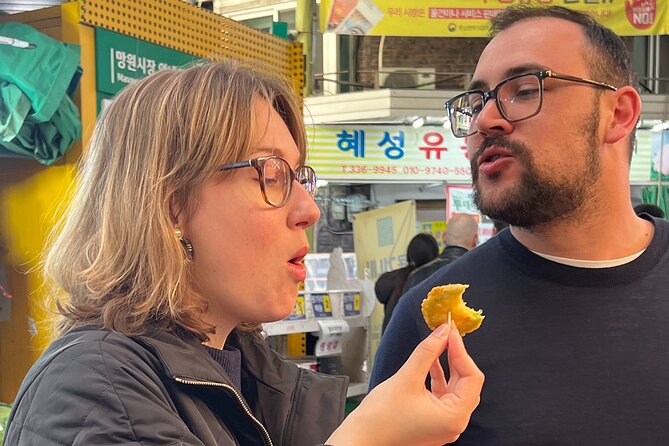
- A full Korean food range: Expect familiar street foods alongside more luxurious market treats.
- A local food connection: Guides Jay and Sam work in food and beverage and live in the area.
- A relaxed small group: The maximum is eight people, which makes questions and conversation easier.
- A fried-chicken finish: The final food stop is a favorite Korean fried-chicken restaurant.
- An evening schedule: The tour starts at 5:00 pm and lasts about two and a half hours.
- A weather-sensitive ending: The Han River park portion takes place when conditions are suitable.
Why Mangwon Market makes a good food stop
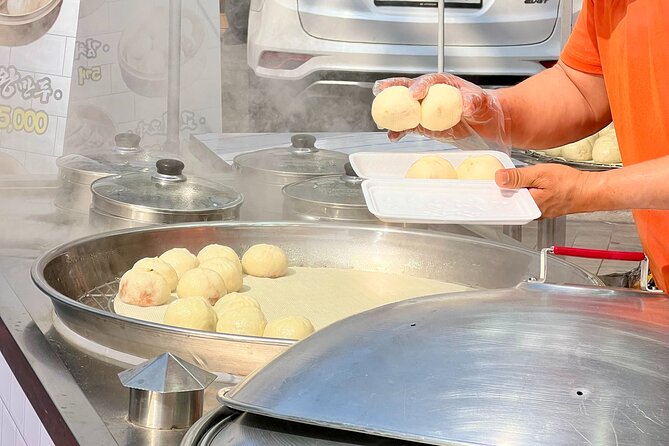
Mangwon Market offers a useful introduction to Korean eating because it is not built around one single famous dish. You can move from small, inexpensive bites to ingredients that carry a much higher price tag, all within the same food neighborhood.
That range matters. A first-time visitor may think Korean market food means only spicy rice cakes or fried snacks. Those are part of the picture, but Mangwon also shows how familiar foods can be improved, refined, or presented with more care. The tour’s food theme is cheap eats to fancy feast, and the market supports that idea well.
Many vendors are second-generation businesses. That does not mean every stop is old-fashioned. It suggests that some stalls have been updated by younger family members who have raised the quality or presentation of what their families sell. You get a glimpse of Korean food changing without losing its local roots.
I appreciate that this is not simply a speed-eating route. Jay and Sam are interested in ingredients, cooking, and the stories behind food. That gives the meal more meaning. You are not just asking what something is. You are also learning why people eat it, how it fits into daily life, and what makes one version better than another.
More market food walks:
- Seoul: Gyeongbok Palace, Bukchon Village, and Gwangjang Tour
★ 4.9 · 2,321 reviews - Seoul: Gyeongbok Palace, Bukchon Village, and Gwangjang Tour
★ 5.0 · 1,044 reviews - Seoul: Night Market Food Tour with Local Guide
★ 4.9 · 943 reviews
Starting at 5:00 pm with Jay or Sam
The meeting point is 377-20 Mangwon-dong, in Mapo-gu. The tour begins at 5:00 pm and returns to that same meeting point. Since it is close to public transportation, you can fit it into an evening in western Seoul without treating it as an all-day outing.
The timing is sensible for a food walk. At 5:00 pm, you can begin with market snacks before finishing with a proper fried-chicken stop. You should arrive hungry. The portions are not described as a single formal meal, but the food adds up, and the route is designed to leave you well fed.
Jay is the guide most often named in the tour material. She brings a friendly, personal style and explains Korean food, language, customs, and traditions along the way. Sam is also part of the experience provider team and works with Jay in the food and beverage world.
The group limit of eight is important. Mangwon Market is a working market, not a private dining room. A smaller group is easier to keep together around stalls and counters, and you have a better chance to ask about ingredients or preparation without losing the guide in the crowd.
The first 80 minutes: from tteokbokki to Hanwoo beef
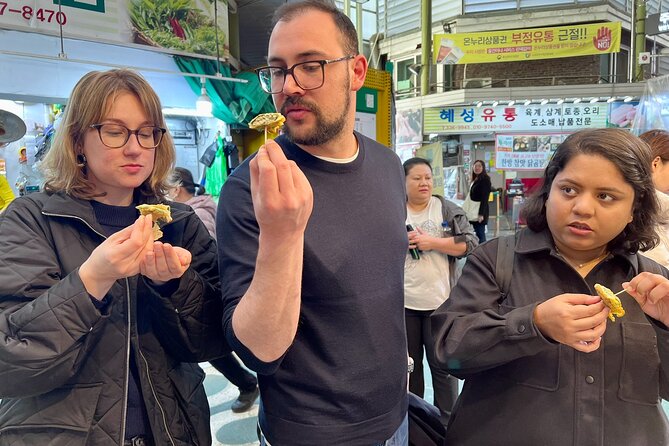
The market section lasts about 1 hour and 20 minutes. You’ll try a series of handpicked foods from vendors that Jay and Sam have come to know through years of living in the area.
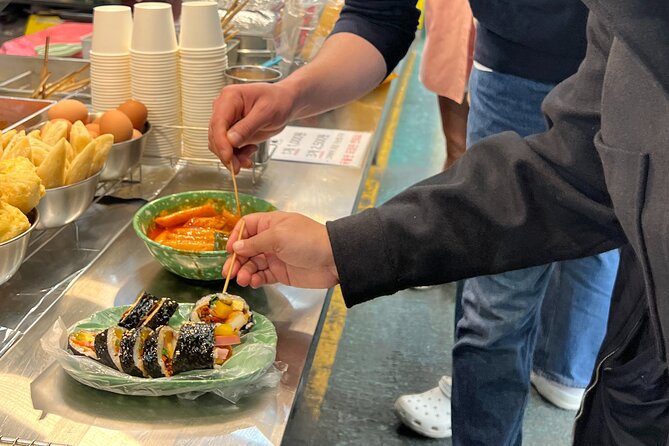
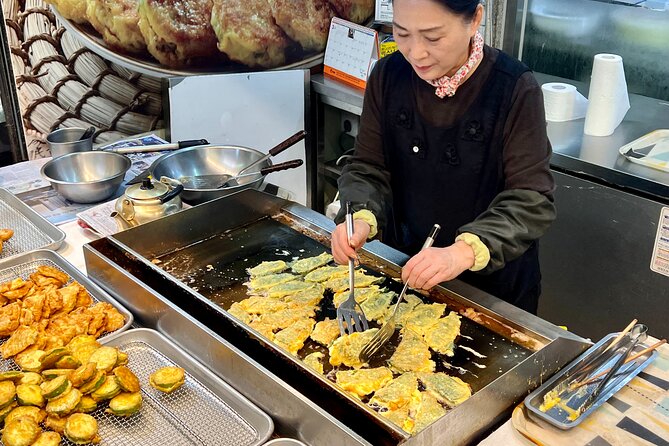
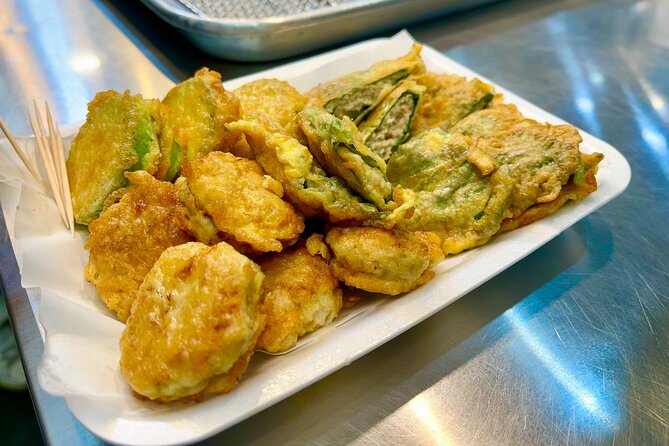
The exact selection can vary, but the food examples connected with the tour include tteokbokki, gimbap, fried foods, tofu, and other Korean market treats. This is useful for first-time visitors because you can sample several categories without committing to a full serving at every stall.
Tteokbokki gives you the familiar spicy-sweet side of Korean street food. Gimbap offers a more portable combination of rice and fillings. Fried snacks add crunch and richness. Together, these foods help you see how Korean market eating works: small portions, quick stops, shared bites, and plenty of conversation.
One helpful detail is the attention to drinks. One part of the experience may include a stop at a grocery store to choose something to drink. Jay has recommended barley tea with scorched rice, a Korean drink that can be an appealing change from soft drinks or plain water. Since the exact drink selection can change, treat this as a possible part of the route rather than a guaranteed inclusion.
The more unusual feature is the move into premium ingredients. Hanwoo beef is Korean beef known for its high value, so its presence gives the tour more range than a basic street-food walk. You are not stuck in the cheap-snack category. You also get a sense of how a market can sell ingredients associated with special meals and higher-end dining.
Tofu gets similar treatment. The tour description points out that even old-school tofu can receive a gourmet makeover. That is a small but telling detail. Korean food culture is not only about adding spice or meat. It also pays attention to texture, freshness, and the quality of everyday ingredients.
I like this section because a guide can make the food less intimidating. If you already know Korean cuisine, you can focus on the local choices and ingredient stories. If you are new to it, you can ask questions before ordering something unfamiliar. Jay’s role is especially useful here because she can explain what you are eating and help connect the food to Korean habits.
The tradeoff is that market conditions can affect the pace. You are walking through a public food market, not moving through a fixed restaurant menu. If you prefer a neatly timed meal with every dish known in advance, this format may feel less predictable.
The final 40 minutes: Korean fried chicken by the Han River
After the market, the tour moves to a favorite Korean fried-chicken restaurant. This part lasts about 40 minutes and is the social finish to the food walk.
Korean fried chicken is more than a quick takeaway snack. It is a major part of casual dining and group eating in South Korea. Ending with chicken gives you time to sit, talk, and compare the foods you have tried earlier in the evening.
When the weather is nice, the group goes to Mangwon Hangang Park at the Han River. The park setting adds a change of pace after the tight market lanes. You move from browsing stalls and tasting small bites to eating together in a more open public space.
Do not assume the park portion will always happen. The information specifically ties it to good weather, so rain or poor conditions can alter the plan. The tour itself also requires a minimum number of participants. If the outing is canceled for poor weather or because that minimum is not reached, you are offered another date or experience, or a full refund.
The chicken stop is a strong choice for people who want cultural context with their food. It is also a practical way to end the evening because fried chicken gives the group a shared dish and time to chat. If you are hoping for a long, formal restaurant dinner, this is not that. It is a casual food stop within a walking tour.
A few more Seoul trips worth weighing up
- Seoul Street Food Market Tour
★ 5.0 · 1,226 reviews - Downtown Seoul Guided Food & Market Tour with 8+ Local Tastings
★ 5.0 · 580 reviews - Small-Group Night Food Tour in Seoul with Korean BBQ
★ 5.0 · 304 reviews - Seoul Night Palace & Market Food Tour with Vehicle
★ 5.0 · 275 reviews
What you are really paying for at $50.90
The price is $50.90 per person. That is more than you would spend wandering into Mangwon Market alone, especially if you were choosing only the cheapest snacks.
The value comes from the guidance and the range. You are paying to have Jay or Sam select stops, explain the food, introduce you to local favorites, and help you move beyond the items you might recognize from a menu. You also get a planned progression from market snacks to premium food and fried chicken.
A solo visit can be cheaper, but it may involve trial and error. You may not know which stall has the best version, how much to order, or what a dish contains. You might also pass by Hanwoo beef or a less familiar food without realizing why it matters.
At the same time, the price makes more sense for someone who wants substantial tasting. If you are a very light eater, dislike sharing, or plan a large dinner immediately afterward, the tour may feel less economical. The food is meant to add up to a filling evening, so schedule it as your main meal rather than as a small appetizer before dinner.
The value is strongest during your first days in Seoul, when the guide can give you a base for later eating. You may leave with new foods to look for and a better idea of how markets, snacks, drinks, and casual chicken restaurants fit together.
The guide makes the difference
Jay’s strongest contribution is her ability to combine food facts with conversation. She explains where foods come from, why people eat them, and how Korean food traditions work. She also teaches pieces of Korean language and culture, which can make ordering and later market visits less awkward.
Her style is warm and social. The tour is intended to feel like an evening with someone who knows the neighborhood, not a lecture delivered beside a stall. That suits people who like asking questions and talking as they eat.
Sam shares the same food-centered background. Both guides work in food and beverage, and their interest goes beyond taking visitors to famous dishes. They talk about ingredients and cooking, and they have spent years finding the places they want to share.
That local connection is one of the tour’s best features. Mangwon Market is not presented as a sightseeing backdrop. It is treated as a place where people shop, eat, and return regularly. You get a better sense of the neighborhood when the guide can point out why a vendor matters rather than simply naming the food.
Who should book this food walk
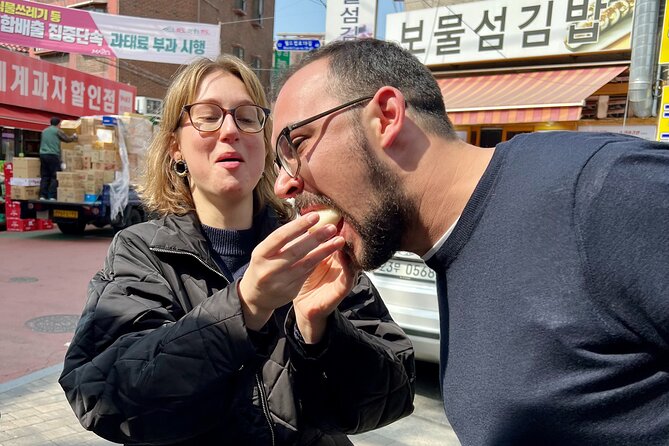
I would choose this tour if you want an easy introduction to Korean food without spending time decoding every menu yourself. It is especially useful for solo visitors and couples who want a social evening, since the group is small and the final chicken stop encourages conversation.
It also suits adventurous eaters who want both familiar and less obvious choices. Tteokbokki and gimbap offer a gentle start, while Hanwoo beef and upgraded tofu add something more distinctive.
This is not the right pick for children under 15. It also cannot accommodate vegan, kosher, or halal diets. If you have other food allergies or restrictions, the supplied information does not confirm how they are handled, so you should ask before booking.
You should also be comfortable walking through a public market and eating a series of samples rather than sitting down for one carefully paced meal. The tour is best for people who value local explanation, variety, and an informal atmosphere.
Practical details that matter
The mobile ticket makes the experience easy to carry on your phone. Confirmation is provided at booking, and the meeting point is near public transportation.
The tour is usually booked about 11 days ahead. That is useful to know if your Seoul schedule is fixed, especially because the group maximum is only eight people. Booking early gives you a better chance of finding the 5:00 pm time that fits your plans.
The experience is non-refundable and cannot be changed after booking. That is a firm condition, so check your schedule before paying. Weather and minimum-group cancellations are treated differently: in those cases, you can receive another date or experience, or a full refund.
Should you book the Mangwon Market food tour?
Book it if you want a guided, filling introduction to Seoul food with a local voice and a clear sense of place. The best reasons are the small group, Jay and Sam’s food background, the mix of inexpensive snacks and Hanwoo beef, and the relaxed fried-chicken finish.
Skip it if you need vegan, kosher, or halal food, are traveling with children under 15, or want a private tour with a fixed restaurant menu. The tour is also less suited to anyone who prefers to explore independently and spend as little as possible.
For everyone else, this is a smart way to use one Seoul evening. Come hungry, leave room for the chicken, and treat the market as your dinner table rather than a quick stop between major sights.
FAQ
How long does the Mangwon Market food tour last?
The experience lasts about 2 hours and 30 minutes. Around 1 hour and 20 minutes is spent at Mangwon Market, followed by about 40 minutes focused on Korean fried chicken and Mangwon Hangang Park when weather allows.
What time does the tour begin?
The tour starts at 5:00 pm.
Where does the tour meet?
The meeting point is 377-20 Mangwon-dong, Mapo-gu, Seoul, South Korea.
Where does the tour end?
The activity ends back at the meeting point.
How many people can join?
The maximum group size is eight people.
Is the tour suitable for children?
No. Children under 15 years old are not accepted.
Are vegan, kosher, or halal options available?
No. Vegan, kosher, and halal options are not possible on this tour.
What foods are included?
The tour features a selection of Korean market foods, with examples including tteokbokki, gimbap, fried foods, tofu, Hanwoo beef, and Korean fried chicken. The exact selection may vary.
What happens if the weather is poor?
The experience requires good weather. If it is canceled because of poor weather, you are offered a different date or experience, or a full refund.
More Markets in Seoul
- Local Home Korean Cooking Class & Market Adventure in Seoul
★ 5.0 · 1,024 reviews - Seoul: Korean Cooking Class at a Local Home and Market Tour
★ 5.0 · 348 reviews - Cook 3 Authentic Korean Dishes with Local Market Tour
★ 5.0 · 231 reviews - Korean Palace and Market Tour in Seoul Including Insadong and Gyeongbokgung Palace
★ 4.0 · 174 reviews
More Food in Seoul
- Seoul Fun Food Tour: 12 different food tastings
★ 5.0 · 266 reviews - The Award-Winning PRIVATE Food Tour of Seoul: The 10 Tastings
★ 4.5 · 128 reviews - Afternoon E-bike tour and “Happy Hour” food and drinks
★ 5.0 · 46 reviews - Vegan & Vegetarian Korean Market Adventure Gwangjang Market
★ 5.0 · 34 reviews
Just added around Seoul
- Incheon Airport Private Transfer between Seoul City★ 4.0 · 4 reviews
- Seoul’s Stars: Open Mic with Local & International Talent★ 4.8 · 4 reviews
- Samaksan Cable Car and Nami Island Day Escape with Railbike★ 4.0 · 4 reviews
- DMZ 2nd Tunnel and Cheorwon Peace Observatory with Admission★ 5.0 · 4 reviews
- Nami & Maple Road & Theatre des Lumieres Day Tour from Seoul★ 4.8 · 4 reviews
- Hire Photographer, Professional Photo Shoot – Seoul★ 5.0 · 4 reviews
- [KoreaByLocal] Authentic Seoul Night Walk and Chicken & Beer★ 5.0 · 4 reviews
- Play Gayageum in Hanbok Cultural Experience in Bukchon★ 5.0 · 4 reviews
Market Food Tours, compared.
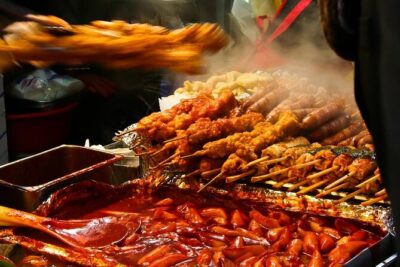
Gyeongbok Palace, Bukchon Village, and Gwangjang Tour
Read our review →Gyeongbok Palace, Bukchon Village, and Gwangjang Tour
Read our review →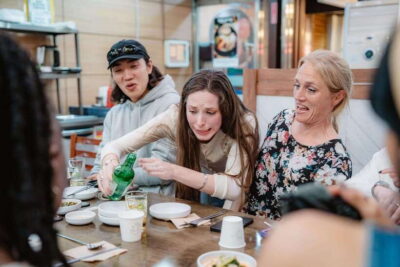
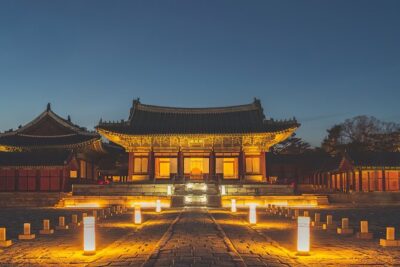
Seoul Night Palace & Market Food Tour with Vehicle
Read our review →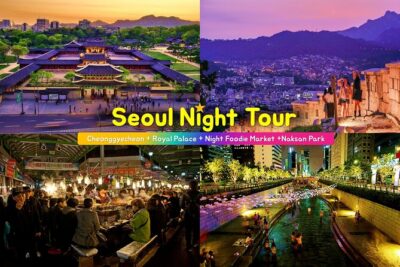
Seoul Night Tour (Gwangjang Market, Royal Palace and Naksan Park)
Read our review →
Vegan & Vegetarian Korean Market Adventure Gwangjang Market
Read our review →
Market Food Tour & Evening E-bike Ride in Seoul
Read our review →Browse the lists this tour appears in