
Reviewed · MARKET FOOD TOURS
Seoul: Gwangjang Market Netflix Food Tour
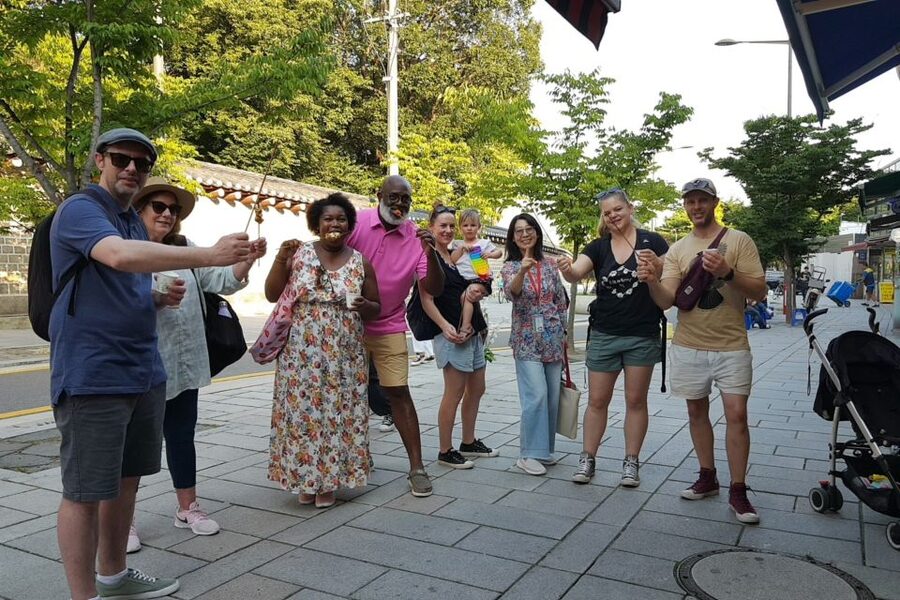
Gwangjang Market is the main event here, but the smart part of this tour is the walk that leads you there. You begin among Insa-dong’s galleries and antique shops, pass through the old hanok lanes of Ikseon-dong, then finish with Korean street food at one of Seoul’s best-known markets. The route links three very different sides of old Seoul.
I like the way the food comes with cultural context, not just a plate pushed across a counter. I also like the guide-led route, especially for first-time visitors who want help choosing unfamiliar dishes. Guides including Peter Park, Sally, Alan, Sam, and Charlie have been praised for clear explanations and a friendly manner. The main caution is simple: this is a tasting tour, not a full meal, and the largest food portions come near the end.
In This Review
- Key points at a glance
- Why this route works for a first look at Seoul
- Insa-dong, where old Seoul meets shop windows
- Ikseon-dong’s hanok lanes and modern edge
- Gwangjang Market, where the food takes over
- What the food allowance really means
- The guide makes or breaks the experience
- Walking comfort, timing, and practical limits
- Who will get the most from this tour
- Should you book the Gwangjang Market food tour?
- FAQ
- Where does the tour begin?
- Where does the tour end?
- How long does the experience last?
- What neighborhoods does the tour visit?
- How much food is included?
- Is this a full meal?
- What languages are available?
- Can I book a private or small-group tour?
- What happens if the tour is canceled because not enough people book?
Key points at a glance
- Starts at Anguk Station: Meet in front of Exit 6 on Seoul Subway Line 3, then begin on foot.
- Three distinct Seoul districts: See Insa-dong’s art shops, Ikseon-dong’s traditional hanok buildings, and Gwangjang Market.
- Food is included: Taste 3 to 5 kinds of Korean street food, depending on the option you book.
- The guide adds meaning: Learn about Korean customs, food origins, local history, and how to order at the market.
- Three hours on foot: The tour ends at Gwangjang Market, with no return transport included.
- Small or private groups: You can choose a more personal format if available for your date.
Why this route works for a first look at Seoul
Many food tours rush straight to a market. This one takes a slower and more useful route. You first get a sense of Seoul’s older neighborhoods, then see how traditional buildings, design shops, cafes, and food stalls share the same city blocks.
The walk begins at Anguk Station, a convenient starting point in central Seoul. You should arrive 10 to 15 minutes early and look for the guide in front of Exit 6. The meeting point matters because Anguk has several exits, and a small delay at the start can eat into a three-hour tour.
I like this opening because it gives you more than a list of dishes. Korean food makes more sense when you understand the streets, buildings, and social customs around it. You also get a useful orientation to neighborhoods you may want to revisit on your own.
More market food walks:
- Seoul: Gyeongbok Palace, Bukchon Village, and Gwangjang Tour
★ 4.9 · 2,321 reviews - Seoul: Gyeongbok Palace, Bukchon Village, and Gwangjang Tour
★ 5.0 · 1,044 reviews - Seoul: Night Market Food Tour with Local Guide
★ 4.9 · 943 reviews
Insa-dong, where old Seoul meets shop windows
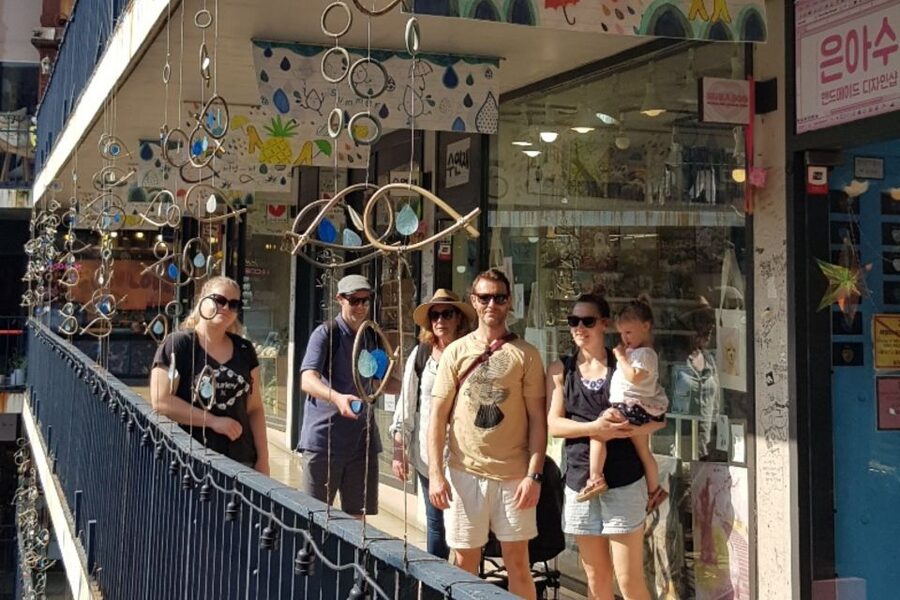
The first walking section takes you through Insa-dong Culture Avenue. This area is known for traditional Korean art, galleries, antique shops, and handmade goods. It is not a preserved museum district. Modern cafes and stylish boutiques sit beside older storefronts, so the appeal comes from the mix.
Your guide explains how Insa-dong developed from an older cultural and trading area into one of Seoul’s best-known places for Korean arts. That background helps you read the district with more care. Instead of seeing only souvenir shops, you can look for the connection between calligraphy, antiques, craftwork, and modern Korean design.
The guide-led format is useful here. You can ask what an object is, learn why a building matters, or get help deciding where to browse after the tour. The walk includes time to look around, but this is not a dedicated shopping trip. If you want long visits inside galleries or serious antique buying, three hours will feel tight.
Insa-dong also makes a good first stop because it is calmer than the market at the end. You can hear the guide, take photographs, and settle into the pace before the streets become more crowded and food becomes the focus.
Ikseon-dong’s hanok lanes and modern edge
From Insa-dong, the route continues toward Ikseon-dong. Here, narrow alleys run between traditional hanok buildings, the low wooden and tiled homes associated with older Seoul. These buildings now house cafes and small shops, creating a sharp contrast between old construction and current city life.
I find this section valuable because it shows that Korean heritage is not kept only behind glass. The old houses still shape the streets, but the businesses inside them have changed. Your guide can point out the stories behind selected buildings and explain how the area reflects Seoul’s changing character.
The lanes are compact, and that is part of their charm. You will not cover a huge area, but you will see a neighborhood where the street itself is the attraction. The tight passages can also slow the group, especially if the area is busy. Keep your belongings close and wear shoes you can walk in comfortably.
This stop is particularly good for photographers and anyone who likes architecture. It also gives you a break from the idea that Korean culture means only palaces and grand monuments. Here, the details are smaller: rooflines, alley corners, shop fronts, and the way a traditional home has been adapted for modern use.
Gwangjang Market, where the food takes over
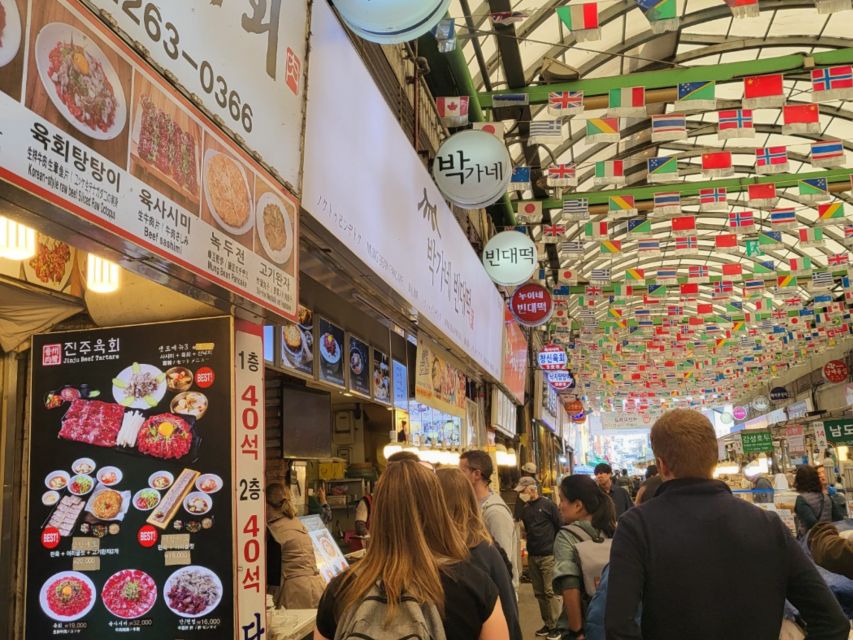
The tour ends at Gwangjang Market, a major traditional marketplace with roots going back to the early 1900s. By this point, the focus shifts from buildings and neighborhood history to food, daily commerce, textiles, and handmade goods.
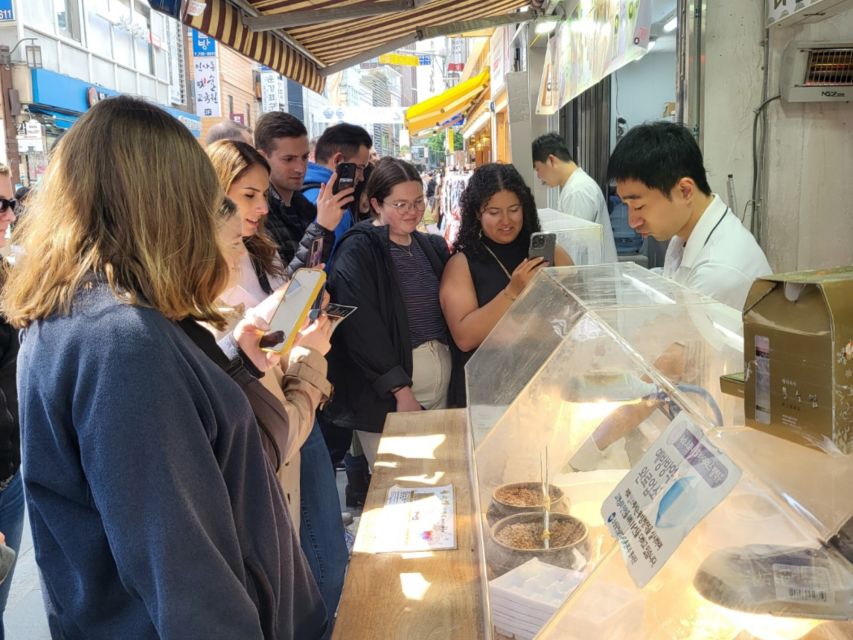
Gwangjang can feel loud, crowded, and fast-moving. That is exactly why a guide helps. You do not have to guess which stall to approach or how to handle unfamiliar dishes on your first visit. The guide leads you through the market and explains what you are tasting, how the food is usually eaten, and what it says about Korean food culture.
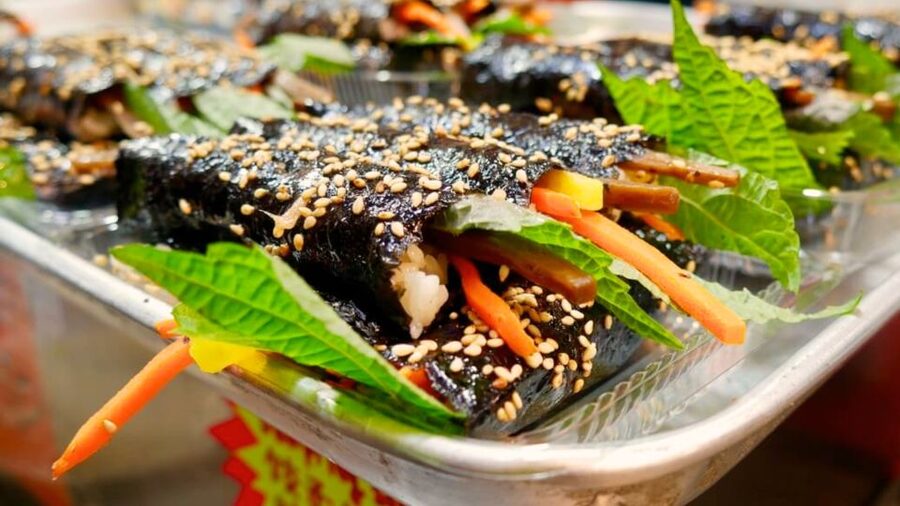
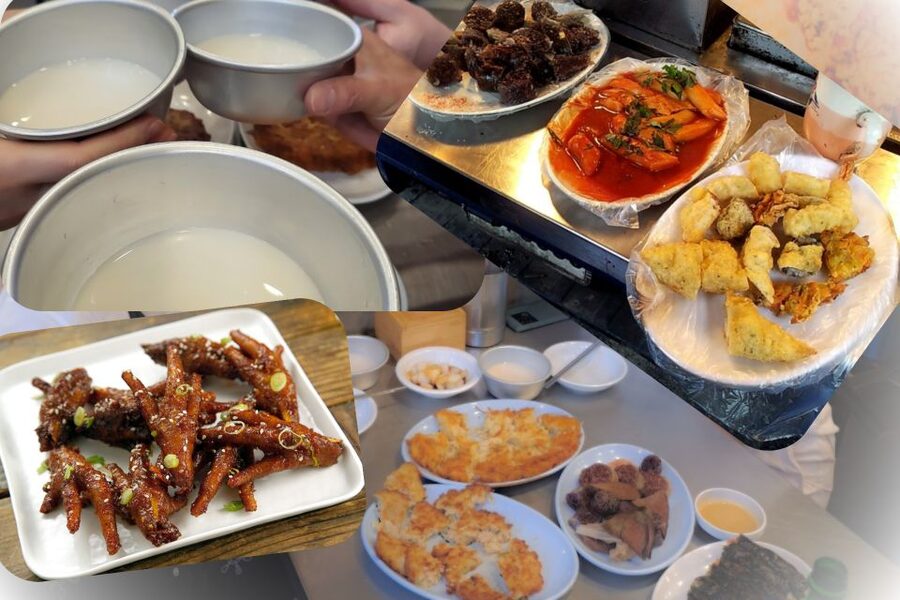
The included tastings cover 3 to 5 kinds of street food, depending on the option you choose. The exact selection is not fixed in the information provided, so you should think of this as a guided sample of market food rather than a guaranteed menu.
One review singled out octopus near the end as a highlight. That gives you a useful clue about the tour’s food range, but do not assume every departure includes precisely the same dishes. Market choices can vary, and the guide may adjust the route or selection.
The food is not treated as an afterthought. Guides explain the origins of traditional Korean dishes and local eating customs. Alan, for example, was praised for explaining both food and the proper way to act at a local restaurant. That sort of instruction is practical. It helps you feel less awkward when you return to the market alone.
A few more Seoul trips worth weighing up
- Seoul Street Food Market Tour
★ 5.0 · 1,226 reviews - Downtown Seoul Guided Food & Market Tour with 8+ Local Tastings
★ 5.0 · 580 reviews - Small-Group Night Food Tour in Seoul with Korean BBQ
★ 5.0 · 304 reviews - Seoul Night Palace & Market Food Tour with Vehicle
★ 5.0 · 275 reviews
What the food allowance really means
At $64 per person, the price is fair if you value the guide and the context as much as the food. You are paying for a three-hour walk, a live English or Korean guide, entrance fees, and 3 to 5 tastings. You are not paying for a complete lunch or dinner.
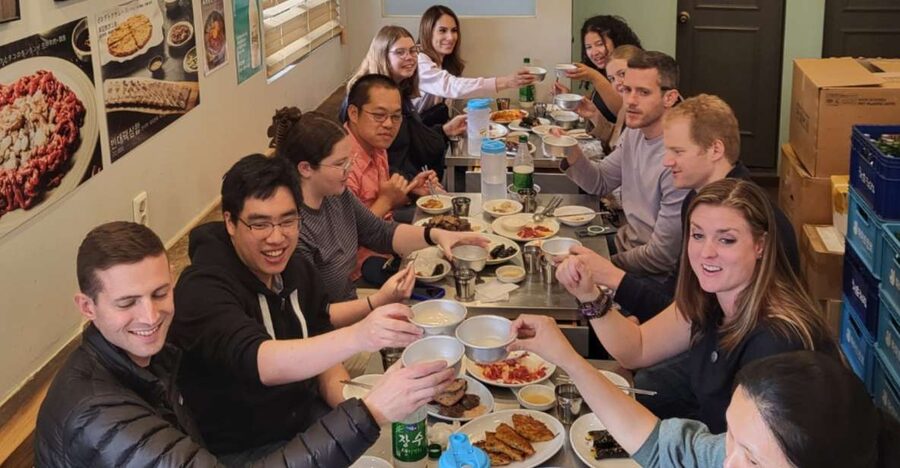
The wording about portions matters. The larger servings arrive toward the end, so do not skip a meal before meeting the group. A light meal beforehand is the sensible plan. You can then enjoy the samples without expecting them to carry you through the afternoon or evening.
This arrangement also gives the tour flexibility. You get to sample several foods instead of committing to one large dish. That is useful if you are new to Korean cuisine or want a broad first taste. On the other hand, a serious food lover may find the amount modest, especially if expecting a full market feast.
Personal expenses are not included. If you see something tempting in the market, such as an extra dish, textile, or handmade item, you pay for it yourself. Budget a little extra if you want freedom to keep eating after the official tasting ends.
The guide makes or breaks the experience
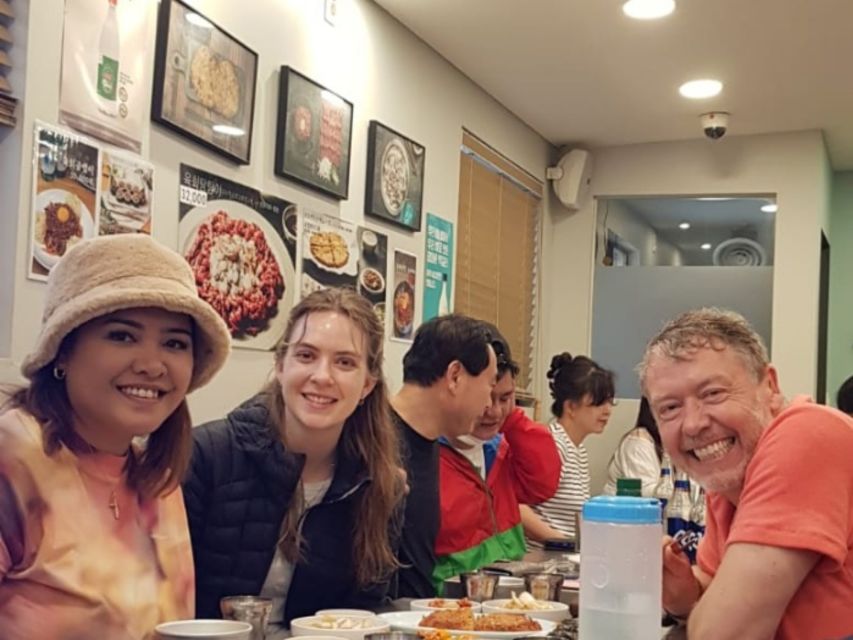
The strongest part of this tour is the guide’s role. The group has praised guides named Peter Park, Sally, Alan, Sam, and Charlie for warmth, clear explanations, flexibility, and a good sense of fun. You are not guaranteed a particular person, but these names show the range of guiding styles associated with the experience.
Peter has been especially valued for combining food with Korean history and culture, even in difficult weather. Sam was praised for helping with food choices, while Charlie was described as informative without making the tour feel stiff. Sally has led families through Insa-dong, explaining historic buildings while keeping the pace flexible.
That matters because the route is not difficult to understand geographically, but it is easy to miss its meaning. A guide can explain why a food is served a certain way, what a market custom means, or how an old neighborhood changed over time.
The private and small-group formats are worth considering if you want more questions, a gentler pace, or a tour shaped around your interests. Larger groups may offer less individual attention. The available group type depends on the option you book.
Walking comfort, timing, and practical limits
The activity lasts about three hours and is built around walking. The route begins at Anguk Station and ends at Gwangjang Market, so plan your next stop from the market rather than expecting to return to Anguk.
Wear comfortable shoes. Insa-dong streets, Ikseon-dong alleys, and market lanes each have a different feel underfoot, and the tour is more enjoyable when you are not watching the clock or worrying about sore feet.
Weather can affect the mood and pace. The route includes outdoor walking, and one departure remained enjoyable despite poor weather because the guide kept the experience moving. Still, bring suitable clothing for the forecast. The market provides some shelter, but the earlier sections are not indoor attractions.
The operator requires a minimum number of participants. If that number is not met, the tour can be canceled, with a different date or experience offered, or a full refund. You can cancel up to 24 hours before the start for a full refund, and the reserve-now, pay-later option helps keep your plans flexible.
Who will get the most from this tour
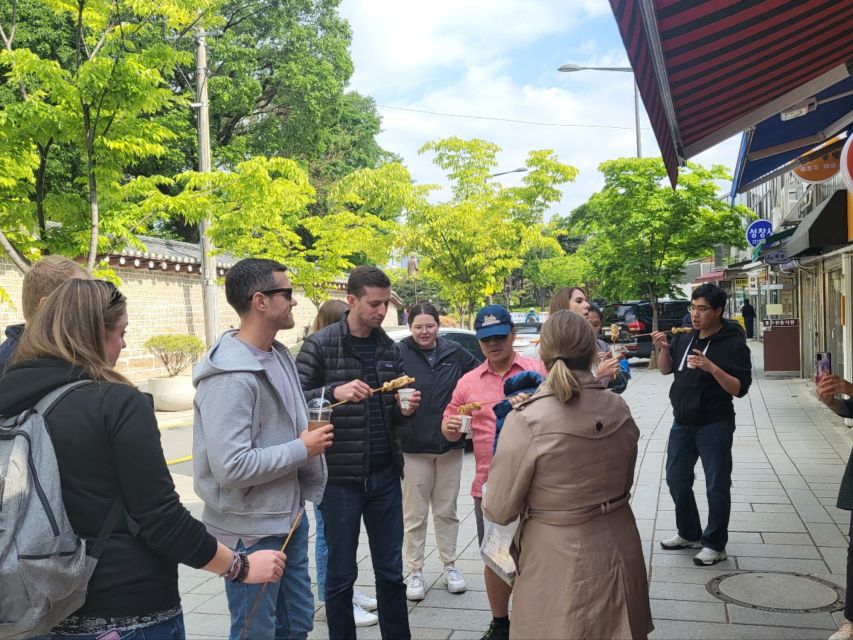
I would recommend this tour to a first-time Seoul visitor who wants an easy introduction to food, neighborhoods, and everyday culture in one outing. It suits you especially well if you are unsure what to order at Gwangjang Market or want a local guide to explain customs without turning the walk into a lecture.
Families can also benefit from the format. The route gives children visual variety: colorful shops, old houses, narrow lanes, and food stalls. The tastings let you try several things without ordering a full meal at every stop.
It is a good match for curious eaters, but less ideal for anyone seeking a long, restaurant-style meal. It may also disappoint you if your main goal is extensive shopping or a detailed tour of every corner of Gwangjang Market. One four-star assessment specifically wanted more time for the market and food, which is a fair criticism of a three-hour route with several neighborhoods to cover.
If you have mobility concerns, check the walking demands before booking. The tour is described as a walking experience, and the supplied details do not provide specific accessibility information.
Should you book the Gwangjang Market food tour?
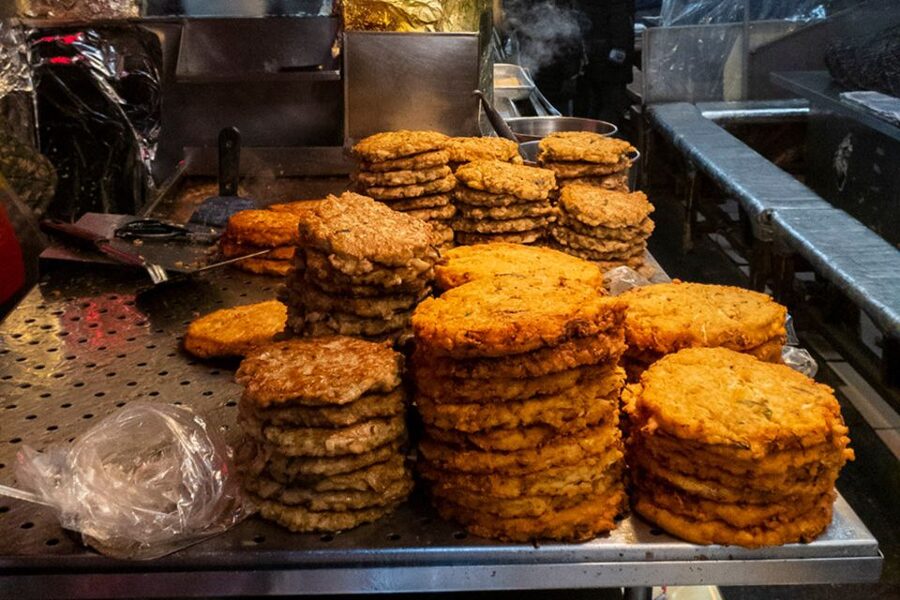
Book it if you want a guided introduction to central Seoul that combines art, old homes, local history, and street food. The route is well chosen, the guide adds real value, and the ending at Gwangjang Market gives you a practical place to return to later.
Skip it if you want a full meal, a long food crawl, or hours to browse the market at your own speed. In that case, use the tour as an orientation, then return to Gwangjang Market independently with a bigger appetite and extra spending money.
For most first visits, $64 is reasonable because the value lies in the explanations and the confidence you gain. Eat something small first, arrive early at Anguk Station, and leave room for the octopus or another final market taste.
FAQ
Where does the tour begin?
It begins in front of Exit 6 of Anguk Station on Seoul Subway Line 3.
Where does the tour end?
The tour ends at Gwangjang Market.
How long does the experience last?
The walking tour lasts approximately three hours.
What neighborhoods does the tour visit?
It visits Insa-dong, Ikseon-dong, and Gwangjang Market.
How much food is included?
The tour includes tastings of 3 to 5 kinds of Korean street food, depending on the option selected.
Is this a full meal?
No. The tastings do not make up a complete meal, and the larger portions are served near the end. You should not skip meals beforehand.
What languages are available?
Live guiding is available in English and Korean.
Can I book a private or small-group tour?
Yes. Private and small-group options are available.
What happens if the tour is canceled because not enough people book?
You will be offered a different date or experience, or you can receive a full refund.
More Markets in Seoul
- Local Home Korean Cooking Class & Market Adventure in Seoul
★ 5.0 · 1,024 reviews - Seoul: Korean Cooking Class at a Local Home and Market Tour
★ 5.0 · 348 reviews - Cook 3 Authentic Korean Dishes with Local Market Tour
★ 5.0 · 231 reviews - Korean Palace and Market Tour in Seoul Including Insadong and Gyeongbokgung Palace
★ 4.0 · 174 reviews
More Food in Seoul
- Seoul Fun Food Tour: 12 different food tastings
★ 5.0 · 266 reviews - The Award-Winning PRIVATE Food Tour of Seoul: The 10 Tastings
★ 4.5 · 128 reviews - Afternoon E-bike tour and “Happy Hour” food and drinks
★ 5.0 · 46 reviews - Mangwon Market Food tour By Locals; Cheap Eats to Fancy Feast
★ 5.0 · 38 reviews
Just added around Seoul
- Incheon Airport Private Transfer between Seoul City★ 4.0 · 4 reviews
- Seoul’s Stars: Open Mic with Local & International Talent★ 4.8 · 4 reviews
- Samaksan Cable Car and Nami Island Day Escape with Railbike★ 4.0 · 4 reviews
- DMZ 2nd Tunnel and Cheorwon Peace Observatory with Admission★ 5.0 · 4 reviews
- Nami & Maple Road & Theatre des Lumieres Day Tour from Seoul★ 4.8 · 4 reviews
- Hire Photographer, Professional Photo Shoot – Seoul★ 5.0 · 4 reviews
- [KoreaByLocal] Authentic Seoul Night Walk and Chicken & Beer★ 5.0 · 4 reviews
- Play Gayageum in Hanbok Cultural Experience in Bukchon★ 5.0 · 4 reviews
Market Food Tours, compared.
Gyeongbok Palace, Bukchon Village, and Gwangjang Tour
Read our review →Gyeongbok Palace, Bukchon Village, and Gwangjang Tour
Read our review →
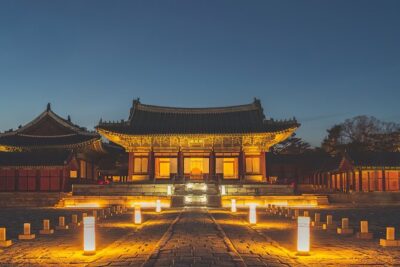
Seoul Night Palace & Market Food Tour with Vehicle
Read our review →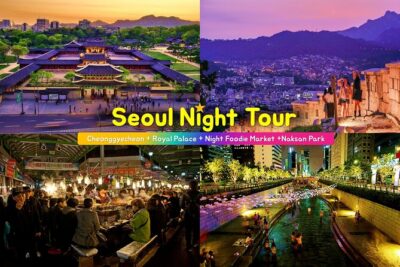
Seoul Night Tour (Gwangjang Market, Royal Palace and Naksan Park)
Read our review →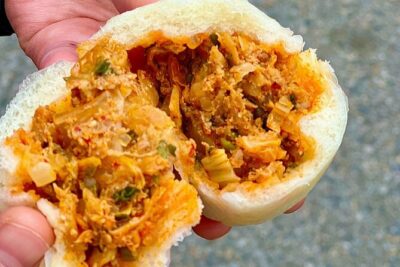
Mangwon Market Food tour By Locals; Cheap Eats to Fancy Feast
Read our review →
Vegan & Vegetarian Korean Market Adventure Gwangjang Market
Read our review →
Market Food Tour & Evening E-bike Ride in Seoul
Read our review →Browse the lists this tour appears in