
Reviewed · MARKET FOOD TOURS
Seoul: Noryangjin Fish Market Dinner
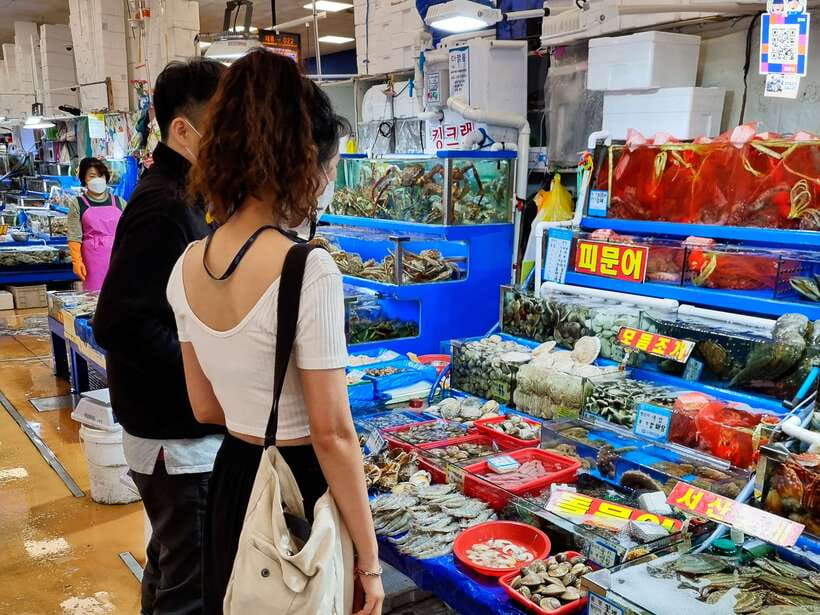
Noryangjin Fish Market is where Seoul’s seafood trade becomes dinner theater. You walk through a working wholesale market, see the day’s catch, and choose seafood to be cooked upstairs or nearby. I like that the guide handles the buying, since market choices and Korean seafood names can be confusing.
I also like the small group limit of nine, which keeps the outing personal, and the chance to try foods you might never order alone. The main catch is simple: you need to enjoy seafood, and crab and lobster are not included in the $116 price.
In This Review
- Key points to know before you go
- Why Noryangjin makes a memorable Seoul dinner
- Meeting at Noryangjin Station, Line 1
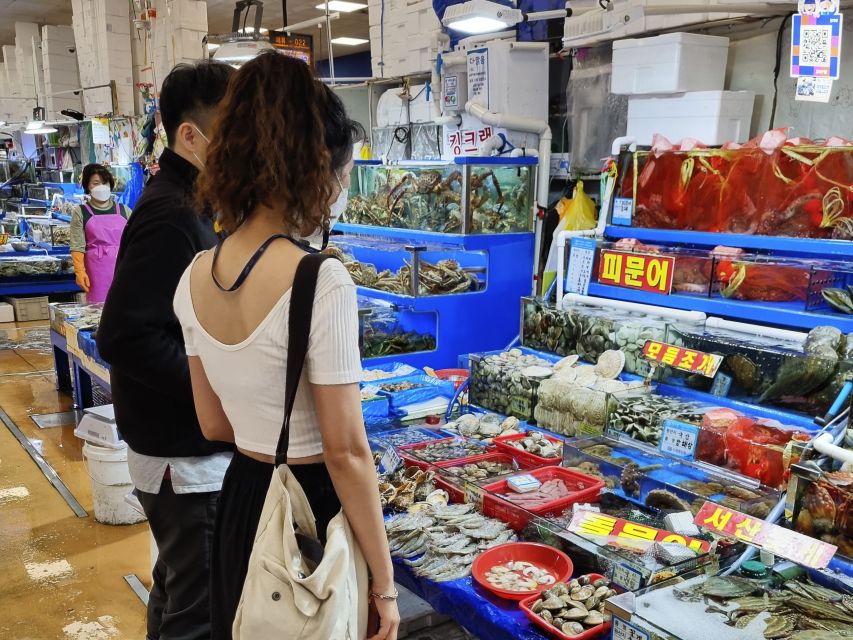
- Walking through Seoul’s largest fish market
- Choosing seasonal seafood with a guide
- From market stall to restaurant table
- The cultural side of the dinner
- Is $116 a fair price?
- Who will enjoy this most?
- Practical details that shape the evening
- Should you book the Noryangjin seafood dinner?
- FAQ
- Where does the Noryangjin Fish Market dinner meet?
- How long does the experience last?
- What is included in the price?
- Are crab and lobster included?
- What language does the guide speak?
- How large is the group?
Key points to know before you go
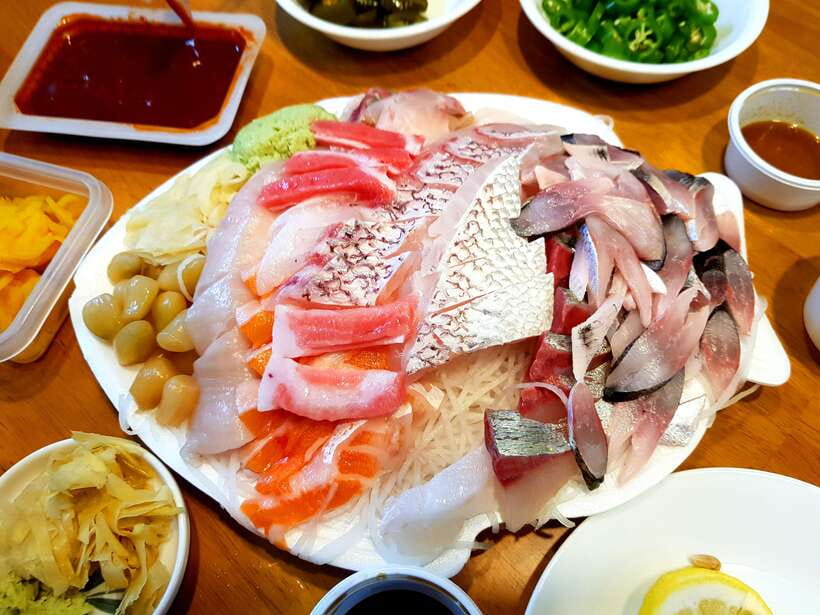
- 300 tons of seafood can pass through the market in a day, giving you a real look at Seoul’s food trade.
- Your English-speaking guide selects the seafood, then arranges for it to be cooked in a market restaurant.
- The group is limited to nine people, a useful size for asking questions and sharing dishes.
- The two-hour format focuses on one meal, rather than trying to cover all of Noryangjin.
- Seafood is seasonal, so the exact dishes depend on what is available that day.
- Crab and lobster are excluded, although one participant was able to pay extra for crab.
Why Noryangjin makes a memorable Seoul dinner
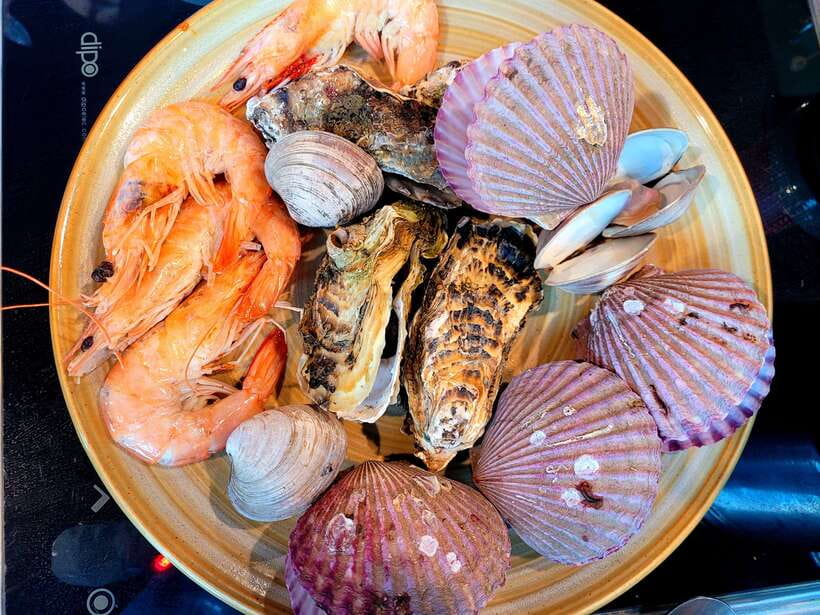
Many Seoul meals begin with a menu. This one begins with tanks, stalls, trays of fish, and the constant movement of a major seafood market. Noryangjin Fisheries Wholesale Market handles almost half of the metropolitan area’s seafood volume and trades up to 300 tons of fishery products daily.
That scale matters. You are not being taken to a restaurant designed mainly for sightseeing. You are entering a place where seafood is bought, sold, prepared, and eaten as part of ordinary Korean food culture. The setting may feel more practical than polished, but that is exactly its appeal.
I would choose this experience if you want a meal tied closely to local life. You will not simply receive a fixed plate of familiar dishes. Instead, your guide helps select seafood from the market, and the meal develops from those choices.
The market also gives the guide plenty to explain. The experience can cover Korean seafood, eating customs, local life, and even some Korean language. Lee, one of the guides connected with the experience, was praised for explaining Korean seafood and introducing aspects of Korean lifestyle and language. That cultural layer gives the dinner more purpose than simply eating a large amount of fish.
More market food walks:
- Seoul: Gyeongbok Palace, Bukchon Village, and Gwangjang Tour
★ 4.9 · 2,321 reviews - Seoul: Gyeongbok Palace, Bukchon Village, and Gwangjang Tour
★ 5.0 · 1,044 reviews - Seoul: Night Market Food Tour with Local Guide
★ 4.9 · 943 reviews
Meeting at Noryangjin Station, Line 1
The meeting point is Noryangjin Station on Line 1, Exit 7. Make sure you use the correct exit and allow enough time to find it, especially if you are still getting used to Seoul’s large subway stations.
The market is the obvious destination, but the station meeting point is useful because it gives the guide a clear place to gather the group before entering. Once everyone is together, the tour can move through the market as a group rather than leaving you to find the right stalls on your own.
The experience lasts two hours. That is enough time for a focused market visit and a meal, but not enough time for a slow, unplanned exploration of every section. I see this as a good trade for a first visit. Noryangjin is large, and a guide helps you use the time well.
The group limit of nine is another practical advantage. A smaller party makes it easier to hear explanations in a busy market and gives you a better chance to ask about unfamiliar seafood. It also helps when the group sits down to share food.
Walking through Seoul’s largest fish market
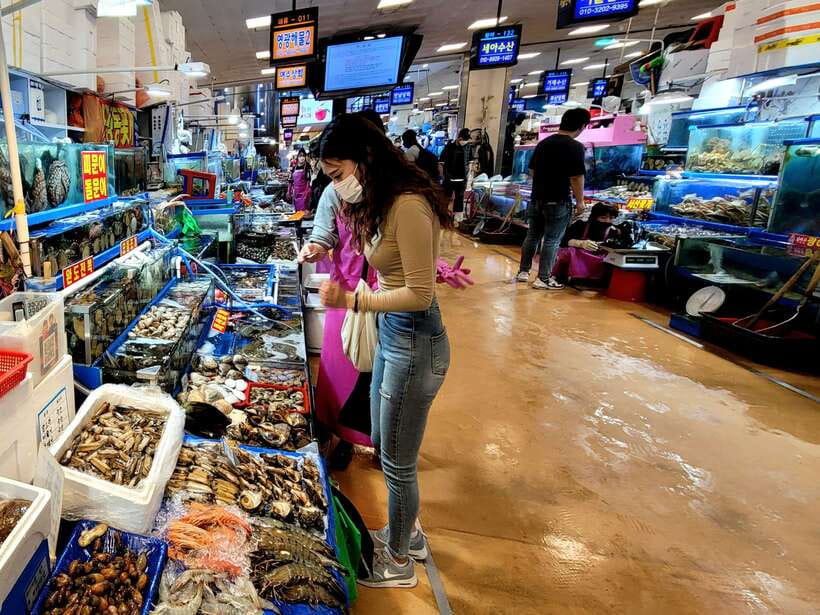
The first part of the evening is about seeing what is available. Noryangjin is known as Seoul’s largest fish market, and its daily trade gives you a broad view of Korean seafood.
You might see seasonal fishery products and unfamiliar delicacies arranged for sale. The exact selection changes, so I would not book this expecting a fixed menu. The variety is part of the point, but it also means your dinner can differ from someone else’s.
Your guide chooses the seafood. That removes one of the biggest hurdles for visitors who cannot read Korean menus or do not know which fish are best at a given time. You can still experience the choice, but you are not left to negotiate every detail by yourself.
This is especially helpful if you want to try something new. One participant described trying live octopus, despite never expecting to eat it. That detail captures the spirit of the outing: the meal may gently push you beyond the seafood you already know.
I would still keep an open mind about texture. Korean seafood can be served in ways that feel unfamiliar to many first-time visitors. Some foods may be raw, lightly prepared, or presented with their natural texture intact. The experience is designed for discovery, not for a predictable Western-style dinner.
Choosing seasonal seafood with a guide
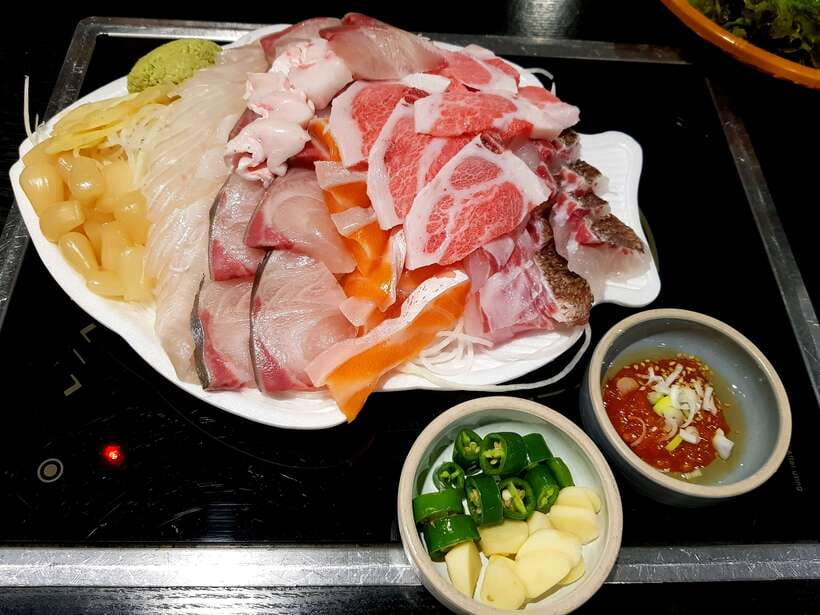
The seafood selection is the heart of the activity. Your guide chooses products from the market and brings them into the restaurant part of the experience. You get the freshness and variety of the market without having to make every decision alone.
Seasonality is important here. The catch available on your visit depends on what the market is selling that day. That gives the meal a sense of place and time, though it makes it impossible to promise a particular fish or shellfish in advance.
I like this arrangement because it combines guidance with a little surprise. You can ask questions, see the choices, and learn what Koreans eat, while the guide handles the details that might otherwise make the process stressful.
The seafood is included in the $116 cost, along with the cooking fee and guide. Crab and lobster are specifically excluded. One participant paid extra to add crab, but you should not assume that option will always be available or that it is part of the standard package.
If crab or lobster is the main reason you want to visit Noryangjin, this is not the right package as presented. If your goal is to sample a range of seafood and learn how the market works, the included selection should fit better.
A few more Seoul trips worth weighing up
- Seoul: Guided City Wall Sunset Hike with Korean Dinner
★ 4.9 · 227 reviews - Seoul: Baseball Game Ticket with Dinner/Beer with the host
★ 5.0 · 94 reviews - Full Day- Essential Seoul City Tour & Gourmet Tour(including Lunch and Dinner)
★ 5.0 · 73 reviews - Seoul Food n Night view with Local Korean BBQ dinner Hongdae st.
★ 5.0 · 30 reviews
From market stall to restaurant table
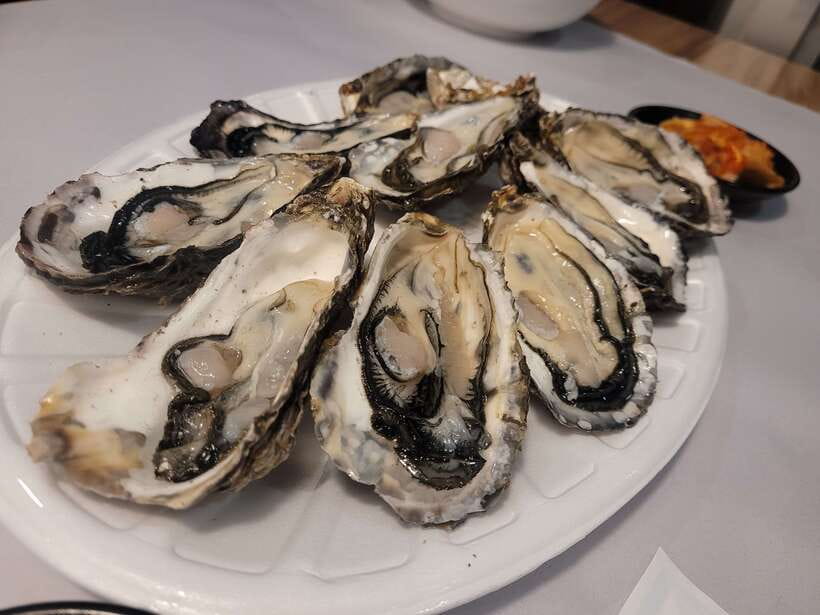
After the seafood is selected, it is prepared in a market restaurant. This is where the outing changes from market walk to shared dinner.
The cooking fee is included, so you are not paying one charge for the tour and then facing a separate cooking bill for the selected seafood. That makes the $116 price easier to assess. You are paying for the guide, the seafood, the preparation, and the work of turning a market visit into an organized meal.
The meal is intended to be enjoyed like a local dinner, with several seafood items rather than one single main course. One participant described receiving many different seafood dishes that she would not have known how to order alone. That is a strong reason to choose a guided format instead of simply visiting the market and hoping to arrange everything yourself.
You should also understand that this is not a quiet restaurant tasting with a carefully printed progression of courses. The restaurant is part of the market setting, and the focus is on the food and the experience of eating it. If you want a formal dining room or a controlled menu, this may feel too rough around the edges.
For me, that informality is part of the value. The meal connects directly to the place where the seafood was selected. You see the source, learn a little about the products, and then eat them while the experience is still fresh.
The cultural side of the dinner
The best part of this activity may be the conversation around the food. A seafood market gives a guide many natural openings to explain Korean habits, language, and daily life.
Lee was praised for being friendly and helpful while explaining Korean seafood, Korean culture, lifestyle, and language. That suggests the guide can make the evening useful even when a particular dish is outside your comfort zone.
You may learn names for seafood, how certain items are chosen, or why particular preparations are common. The information provided does not promise a set lesson or a specific list of dishes, so I would treat the cultural discussion as an important benefit of having a live English-speaking guide, not as a formal class.
The food also creates an easy way to talk with people in your group. A dish that looks strange at first becomes a shared moment once someone tries it. The small-group setting supports that kind of exchange better than a large bus tour would.
Still, I would not choose this experience if you want a broad survey of Seoul neighborhoods or major sights. The tour stays focused on Noryangjin and dinner. Its strength is depth in one place, not coverage of the whole city.
Is $116 a fair price?
At $116 per person, this is not a cheap market meal. You can eat seafood in Seoul for less, especially if you are comfortable choosing a stall, handling the ordering, and arranging cooking on your own.
The value comes from the structure. The price includes seafood, cooking, and a guide, and the guide selects the products for you. You are also paying for access to a local food setting without having to manage the language and ordering challenges alone.
For a first visit to Noryangjin, that help may be worth a premium. You can concentrate on seeing the market and tasting the food instead of worrying about whether you selected the right item or misunderstood the cooking charge.
The price makes less sense for experienced Seoul diners who already know Korean seafood and can navigate the market independently. It also may not suit anyone who wants only crab or lobster, since neither is included.
I would think of this as a guided food experience rather than a bargain dinner. If you value context, guidance, and a wide selection of seafood, the cost is easier to justify. If you are focused only on the meal itself, compare it with the price of visiting Noryangjin on your own.
Who will enjoy this most?
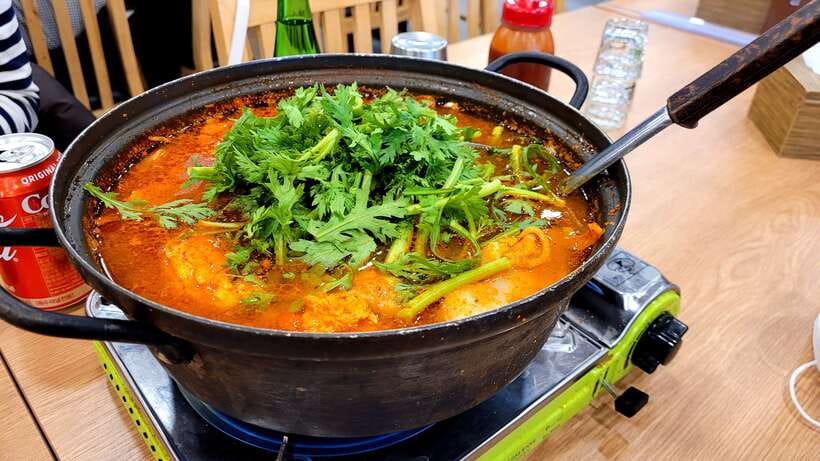
This experience suits seafood lovers who want more than a standard restaurant meal. It is also a good choice for curious eaters who want a friendly push toward unfamiliar Korean dishes.
It works well for solo visitors and couples because the small group provides company without the feel of a large organized excursion. Families with children may need to decide carefully based on the children’s comfort with seafood and the market setting.
I would recommend it to first-time visitors who want a food experience with cultural context. The guide can help explain what you are seeing and eating, and the two-hour length is manageable during a busy Seoul itinerary.
I would be cautious if you dislike fish, shellfish, raw preparations, or unusual textures. The activity is built around seafood, and there is no promise of alternative dishes. Pets are not allowed.
The standard package also does not include crab or lobster. If those are essential to your dinner, ask before booking about the possibility of paying extra, since one participant was able to add crab, but that should not be treated as guaranteed.
Practical details that shape the evening
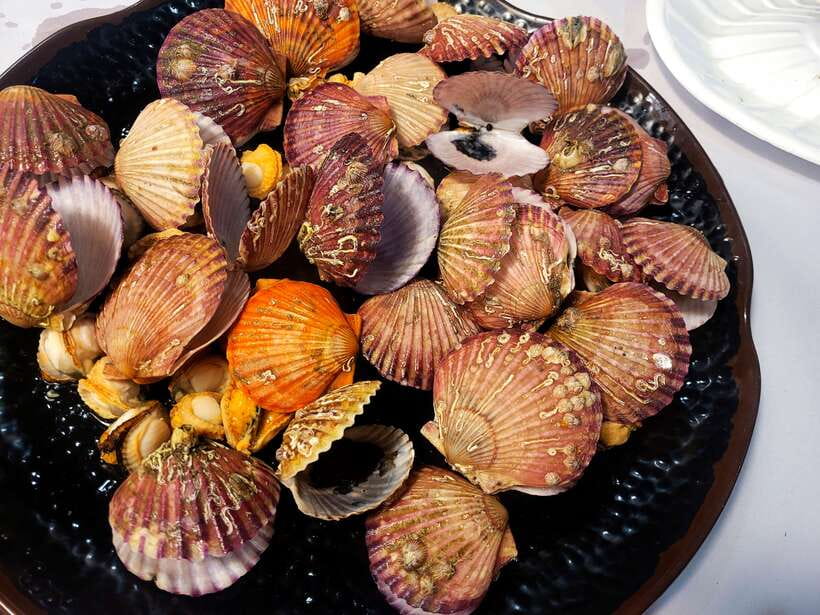
You meet at Noryangjin Station, Line 1, Exit 7. The guide speaks English, and the group is limited to nine people.
The tour takes two hours, with starting times available according to the date you select. You can reserve now and pay later, which helps if your Seoul schedule is still changing. Free cancellation is available up to 24 hours in advance for a full refund.
The operator notes that it is not responsible for loss, illness, injury, accidents, or damage to people or property. That is standard caution for a market and food activity, but it is still worth taking seriously. Watch your belongings, follow the guide’s directions, and use your own judgment with unfamiliar foods.
The activity is not presented as accessible for every need, so contact the provider if you require specific arrangements. The available language is English.
Should you book the Noryangjin seafood dinner?
Book it if you want to see a working Seoul market, eat seasonal seafood, and let an English-speaking guide manage the selection and cooking. The strongest reasons are the small group, the cultural explanation, and the chance to try foods you might not order on your own.
Skip it if you dislike seafood, want a low-cost meal, or are mainly looking for crab and lobster. At $116, the experience earns its price through guidance and context, not through a simple plate of food.
For the right eater, this is a memorable two hours: part market visit, part Korean food lesson, and part shared dinner. I would choose it as a focused evening activity when you want Seoul to feel less like a list of sights and more like a place where people buy, prepare, and enjoy food every day.
FAQ
Where does the Noryangjin Fish Market dinner meet?
Meet your English-speaking guide at Noryangjin Station on Line 1, Exit 7.
How long does the experience last?
The experience lasts two hours.
What is included in the price?
The $116 price includes seafood, the cooking fee, and the guide.
Are crab and lobster included?
No. Crab and lobster are not included in the tour. One participant paid extra for crab, but additional purchases are not stated as guaranteed.
What language does the guide speak?
The live tour guide speaks English.
How large is the group?
The activity is a small-group tour limited to nine participants.
More Markets in Seoul
- Seoul Street Food Market Tour
★ 5.0 · 1,226 reviews - Local Home Korean Cooking Class & Market Adventure in Seoul
★ 5.0 · 1,024 reviews - Downtown Seoul Guided Food & Market Tour with 8+ Local Tastings
★ 5.0 · 580 reviews - Seoul: Korean Cooking Class at a Local Home and Market Tour
★ 5.0 · 348 reviews
More Dining Experiences in Seoul
- Sunset Walking Tour in Naksan Park with Dinner
★ 4.5 · 23 reviews - Noryangjin Fish Market Dinner
★ 5.0 · 21 reviews - Private Full-Day Guided Tour in Seoul with Lunch, Tea and Dinner
★ 5.0 · 8 reviews - Seoul: Wine & Korean BBQ, Perfect Pairing Dinner in Sinchon
★ 5.0 · 6 reviews
Just added around Seoul
- Incheon Airport Private Transfer between Seoul City★ 4.0 · 4 reviews
- DMZ 2nd Tunnel and Cheorwon Peace Observatory with Admission★ 5.0 · 4 reviews
- Seoul’s Stars: Open Mic with Local & International Talent★ 4.8 · 4 reviews
- Samaksan Cable Car and Nami Island Day Escape with Railbike★ 4.0 · 4 reviews
- Nami & Maple Road & Theatre des Lumieres Day Tour from Seoul★ 4.8 · 4 reviews
- Hire Photographer, Professional Photo Shoot – Seoul★ 5.0 · 4 reviews
- [KoreaByLocal] Authentic Seoul Night Walk and Chicken & Beer★ 5.0 · 4 reviews
- Play Gayageum in Hanbok Cultural Experience in Bukchon★ 5.0 · 4 reviews
Market Food Tours, compared.
Gyeongbok Palace, Bukchon Village, and Gwangjang Tour
Read our review →Gyeongbok Palace, Bukchon Village, and Gwangjang Tour
Read our review →

Seoul Night Palace & Market Food Tour with Vehicle
Read our review →
Seoul Night Tour (Gwangjang Market, Royal Palace and Naksan Park)
Read our review →
Mangwon Market Food tour By Locals; Cheap Eats to Fancy Feast
Read our review →
Vegan & Vegetarian Korean Market Adventure Gwangjang Market
Read our review →
Browse the lists this tour appears in