
Reviewed · DMZ & JSA TOURS
Seoul: Half-Day DMZ Tour Led by a Retired Military Officer
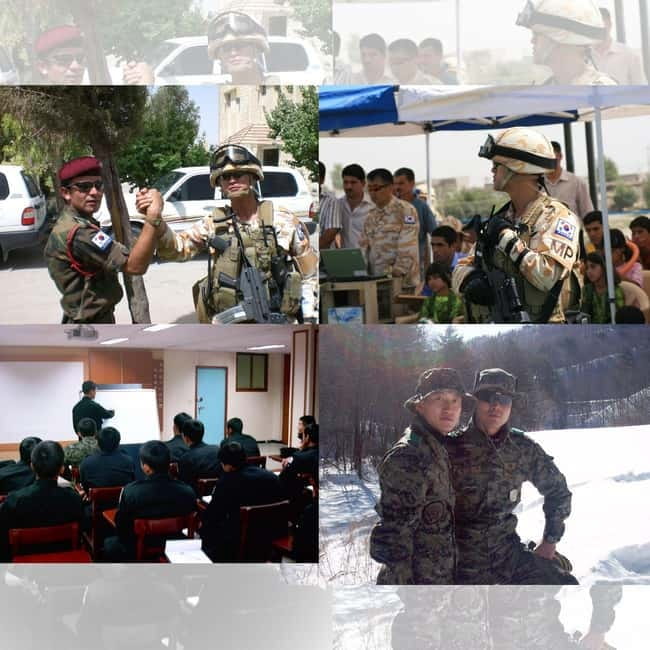
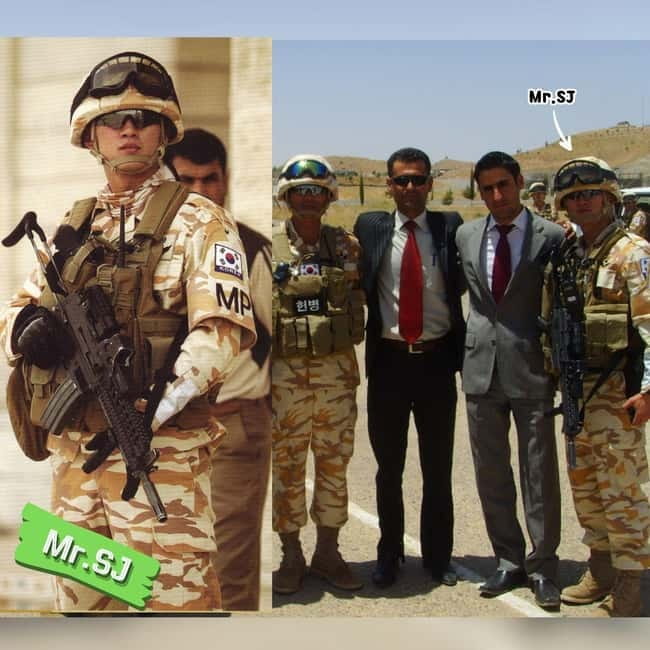
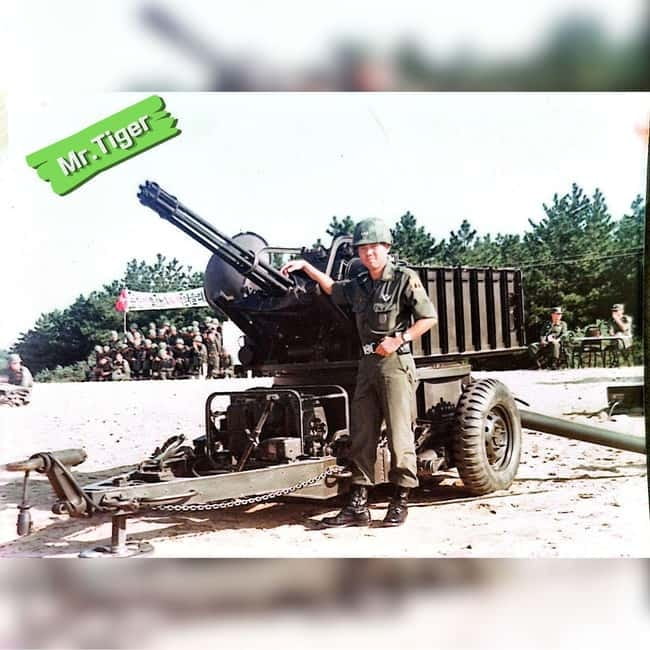
The most unusual part of this DMZ tour from Seoul is the guide. Your group may be led by SJ, a former Special Forces major and Iraq veteran, Tiger, a former artillery commander, Eddie, an infiltration-tunnel specialist, or Jason, a retired intelligence officer. They explain the Korean division as men who served near it, not as distant textbook history.
I like the way the tour combines two memorable sights: the Third Infiltration Tunnel, which requires a real uphill walk, and an observatory chosen for the clearest possible view into North Korea that day. I also like the personal stories, including Eddie’s accounts of life and tension along the border. The main drawback is that the DMZ can close without warning, and the tunnel is not suitable for anyone with limited mobility.
In This Review
- Key points at a glance
- Why a retired officer changes the DMZ experience
- The morning ride from Seoul to the border
- Choosing between Odusan and Dora Observatory
- Imjingak Park and the symbols of separation
- Walking into the Third Infiltration Tunnel
- A military area with rules and uncertainty
- What $57 includes, and what it does not
- Who will enjoy this tour most
- Simple preparation for a better morning
- Should you book it?
- FAQ
- How long is the DMZ tour?
- What price should I expect?
- What is included in the price?
- Is lunch included?
- Which observatory will the tour visit?
- Can I choose my guide?
- Do I need a passport?
- Can I bring luggage?
- Is the Third Infiltration Tunnel difficult?
- What happens if the DMZ closes?
- Is hotel pickup available?
Key points at a glance
- Real military background: Guides including SJ, Tiger, Eddie, and Jason draw on years of South Korean military service.
- One observatory chosen by conditions: The tour checks local conditions to decide between Odusan and Dora for the best available view of North Korea.
- The Third Tunnel is physical: You walk down and back up a steep route, then crouch through much of the tunnel.
- Imjingak brings the human cost into focus: See the Freedom Bridge, steam locomotive, Mangbaedan Altar, and other symbols of separation.
- A true half-day format: Morning departures generally return to Seoul around mid-afternoon, leaving time for another activity.
- Strong value at $57: Transport, guide, DMZ admission, and tunnel access are included, but lunch and insurance are not.
Why a retired officer changes the DMZ experience

The DMZ is easy to visit as a collection of viewpoints, fences, monuments, and military checkpoints. It is harder to understand without someone explaining what those places mean, how the border works, and why a quiet field can carry so much tension.
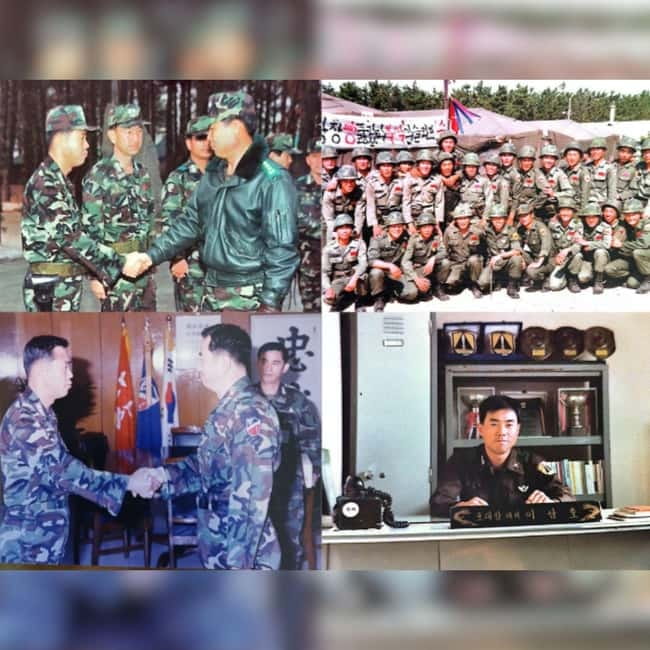
That is where this tour earns its price. The guides are not simply reciting dates. SJ served with the 707 Special Mission Battalion and later worked with the realities of military life in Korea. Tiger brings two decades of front-line service and command experience. Eddie specializes in the Third Infiltration Tunnel and has briefed senior American and Korean officials. Jason served for 31 years in South Korean intelligence before retiring as a lieutenant colonel.
The exact guide is assigned on the day, so you cannot book a specific person. Still, the range of guide backgrounds gives the experience a clear purpose. You can ask the practical questions that often get skipped on ordinary sightseeing tours: what soldiers could see across the border, how the tunnel was secured, what daily life near the DMZ felt like, and how military tension affected ordinary families.
The tone is serious but not stiff. Eddie is especially good at drawing people into the conversation and keeping the bus lively during the long ride. SJ mixes detailed explanations with humor and personal stories. Tiger is praised for his command of the broader history of South Korea, while Jason offers a calm, personal approach. The guides also leave some free time at stops instead of filling every minute with speech.
More ways to reach the DMZ:
- Best DMZ Tour Korea from Seoul (Red Suspension Bridge Optional)
★ 5.0 · 41,422 reviews - DMZ Tour: 3rd Tunnel, Option(Suspension Bridge, Boat) from Seoul
★ 5.0 · 21,373 reviews - DMZ tour south Korea from Seoul (NK experience hall, defector)
★ 5.0 · 20,599 reviews
The morning ride from Seoul to the border
The trip begins at a designated Seoul meeting point, with pickup options depending on the booking. The ride toward Gyeonggi Province takes about an hour, and the bus is used well. This is when your guide lays out the schedule, explains the rules, and gives you the background needed to understand the places ahead.
The start is early, often around 8 a.m., and the schedule can shift with traffic, weather, or military permission. That early start helps fit the main sights into a six-hour tour, but it may feel demanding after a late night in Seoul.
Transport is one of the practical strengths here. You ride a comfortable coach to the border and return to the same general pickup area. Drop-off is normally around Hongik University Station between 2 and 2:30 p.m., or Myeongdong Station between 2:30 and 3 p.m. Delays are possible, so do not schedule a tight afternoon flight or fixed appointment.
For groups of 10 or more, free hotel pickup is included in Seoul. Smaller groups should check the exact meeting point carefully, since it can vary by option.
Choosing between Odusan and Dora Observatory

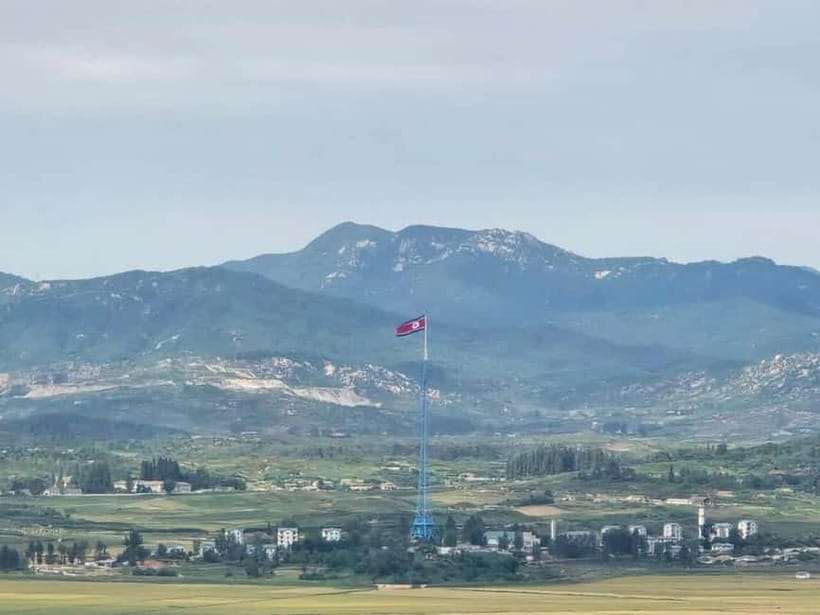
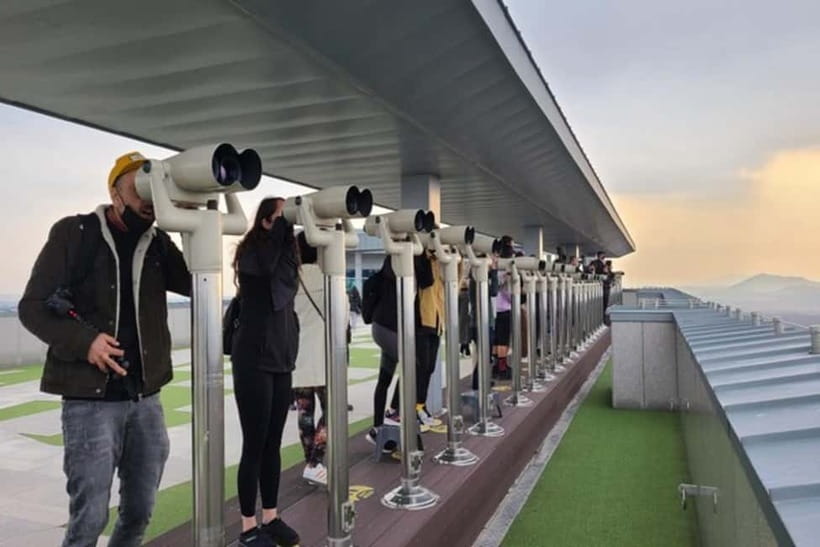
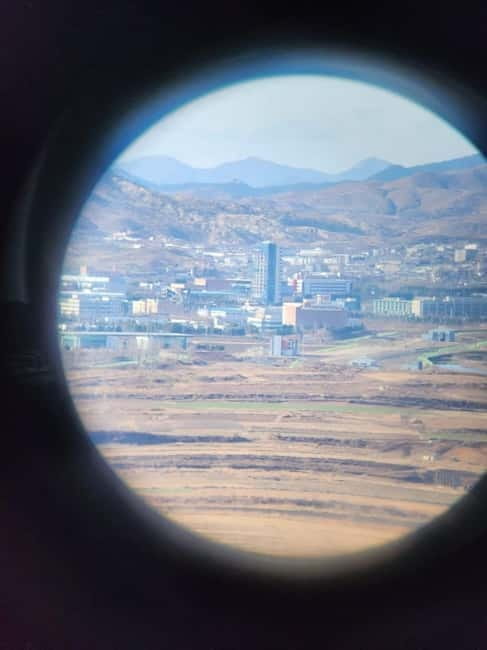
The observatory is often the emotional high point of the morning. Instead of promising one fixed viewpoint in every condition, the tour checks current conditions with security cameras and local observatory staff. The group then visits Odusan or Dora, depending on which offers the clearest possible view of North Korea.
That choice matters. Weather and haze can turn a distant view into a gray blur, while a clear day may reveal buildings, fields, roads, and the broad shape of life on the other side. Binocular viewing is part of the experience, though visibility is never guaranteed. One person on a cold-weather visit even spotted someone walking in North Korea, a small moment that made the distant country feel startlingly real.
Odusan and Dora offer different settings, but the central point is the same: you are looking across an active military boundary, not at a staged attraction. The guides explain what you are seeing and what you are not allowed to photograph. Pay attention to instructions, since this remains a controlled area.
The observatory can be cold, particularly in winter, and there may be outdoor exposure. Wear warm layers and shoes that are comfortable for standing and walking. If seeing North Korea clearly is your top priority, choose a day with the best weather you can manage, but understand that the tour cannot control the sky.
Imjingak Park and the symbols of separation
Imjingak helps shift the tour from military geography to human stories. Here you see several landmarks connected with families separated by the Korean War and the continuing division of the peninsula.
The Mangbaedan Altar is associated with people who cannot return to ancestral homes in North Korea. It is a place of remembrance, particularly during major Korean holidays, when separated families have historically gathered to honor relatives they may never see again.
The Freedom Bridge carries its own weight. It became associated with the return of prisoners of war and remains one of the best-known symbols of the hope for contact and reunification. You do not need a long lecture to understand its importance, but the guide’s explanation gives the site more meaning than a quick photograph would.
You also pass the old steam locomotive, damaged by wartime gunfire and left as a physical reminder of the conflict. Imjingak itself includes several sights, and the tour moves through them efficiently. It does not offer unlimited time for wandering, so listen closely when the guide gives meeting instructions.
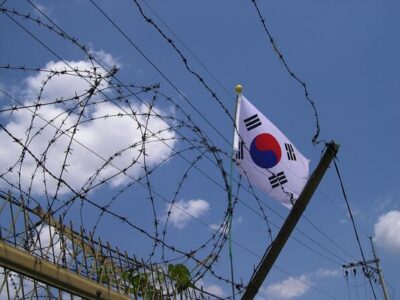
This part of the visit is valuable because it keeps the DMZ from becoming only a military spectacle. The barbed wire and observation posts explain the present. The altar, bridge, and locomotive show how the division shaped families, memory, and national identity.
A few more Seoul trips worth weighing up
- Half-Day DMZ Tour Led by a Retired Military Officer from Seoul
★ 5.0 · 1,774 reviews - Half-Day South Korea DMZ Small-Group Tour from Seoul
★ 5.0 · 43 reviews - Korean Folk Village Half-day Guided Tour from Seoul
★ 5.0 · 13 reviews
Walking into the Third Infiltration Tunnel
The Third Infiltration Tunnel is the most physical stop and, for many people, the most memorable. North Korean forces built the tunnel as part of an attempt to move troops into South Korea. It was not an escape route for civilians, as some first-time visitors assume.
You walk down a steep route toward the tunnel, then continue through a low passage where much of the walk requires you to bend or crouch. The return journey is uphill, and that climb can be tiring. Comfortable shoes are essential, and anyone who struggles with steep paths or prolonged walking should skip this part.
The tunnel is narrow, dark, and plain. That is precisely why it works. The experience gives you a physical sense of the effort involved in constructing a covert route underground, and it makes the military tension less abstract. Eddie’s background in tunnel security adds useful context to the engineering, discovery, and security measures.
There are restrictions inside the tunnel, and you must follow the group’s instructions. Large bags and luggage are not permitted on the tour, which is especially helpful at this stop. Bring only what you need, along with your passport and a small amount of water if desired.
The tunnel is not a gentle stroll. If you have knee, hip, heart, or balance concerns, think carefully before booking. The official suitability note excludes people with mobility impairments, and that warning should be taken seriously.
A military area with rules and uncertainty
The DMZ is not a normal sightseeing district. Access depends on military permission, operating conditions, weather, and maintenance. The route can change on the day, and the area can close suddenly without notice.
If access is canceled, an alternative tour is provided, but there is no refund in that situation. This is an important condition to accept before booking. You are paying for a carefully arranged opportunity to enter a restricted area, not for a guaranteed view or fixed sequence of stops.
Bring your valid passport. Every person needs it to enter the DMZ, and forgetting it can affect the whole group. Large luggage is not allowed, so leave suitcases at your hotel and carry only a small day bag if permitted.
The tour is conducted in English. The guide gives clear instructions about where to meet, when to return to the bus, and what you can photograph. Stay with the group and arrive on time. Border access runs on military schedules, not the flexible rhythm of an ordinary city tour.
What $57 includes, and what it does not
At $57 per person, this is a strong-value way to reach the DMZ from Seoul. The price includes round-trip transportation, an English-speaking guide, DMZ admission, and the walking visit to the Third Tunnel. Reaching these sites independently would be difficult, and the military access arrangements are not something you can easily reproduce on your own.
The price does not include lunch or traveler’s insurance. The six-hour schedule includes time for snacks and restrooms, but you should eat breakfast and carry what you need for the morning. There is no promise of a restaurant stop, so do not count on a full meal during the tour.
A private option is available. It costs more than the shared arrangement, but it gives your party a more personal format and can include the War Memorial of Korea in Yongsan in the afternoon. That museum visit is for the private option only.
The basic tour works best if you want the major DMZ sights without spending a full day away from Seoul. A few people may wish for more time at each stop, but the compact format is also its advantage. You return in time for a late lunch and an afternoon in the city.
Who will enjoy this tour most
I would choose this tour if you want context, not just a photograph at a border viewpoint. It suits first-time visitors to South Korea, families with older children, students of modern Asian history, and anyone curious about military life and the Korean War.
It can work well for families. Children around the early-teen years may find the tunnel and military stories especially gripping, though parents should prepare them for serious subjects involving war, separated families, and ongoing tension.
You should also enjoy asking questions. The guides are at their best when the group engages with them. The experience is not silent transport from one attraction to another. It is a moving classroom, with time for the guide to explain, joke, clarify, and connect the sites.
This is less suitable for anyone wanting a relaxed morning with no walking. The tunnel involves steep slopes and crouching, and the observatory may expose you to cold weather. The early departure is another small cost in energy.
The tour has a 4.9 out of 5 rating from 1,399 ratings, with especially strong praise for the guides’ personal service, clear explanations, organization, and ability to keep the group engaged. That matches the structure of the experience: the sights are important, but the guide determines how much you take away from them.
Simple preparation for a better morning
Wear sturdy, comfortable shoes. The tunnel is the main reason, but Imjingak and the observatory also involve walking and standing.
Bring your passport and dress for the forecast. Winter visits can be very cold, and clear weather improves your chance of seeing across the border. Keep your belongings light because luggage and large bags are not allowed.
Set aside extra time after the scheduled return. Traffic, weather, and military access can change the timetable. The usual return is mid-afternoon, but it is wise to avoid booking something that cannot be moved.
Finally, approach the DMZ with respect. This is a place shaped by war, separation, and unresolved politics. The guides add humor and warmth, but the most rewarding moments come when you slow down and consider the families and soldiers connected to the places you are seeing.
Should you book it?
Book this tour if you want an efficient six-hour visit with a serious guide and a chance to enter the Third Infiltration Tunnel. At $57, the included transport, admissions, and military access make it a sensible choice for most first-time visitors based in Seoul.
Choose the private option if the War Memorial of Korea matters to you or you want a more personal afternoon. Skip the tour if you have mobility limits, dislike early starts, or need a guaranteed itinerary, since the DMZ can close and the observatory depends on conditions.
For everyone else, this is a well-focused introduction to the border. You will see North Korea if weather permits, walk through a tunnel built for invasion, and hear how the division still affects real people. That is a lot of meaning to fit into half a day.
FAQ
How long is the DMZ tour?
The scheduled duration is six hours. Actual timing can change because of traffic, weather, and military permission to enter the DMZ.
What price should I expect?
The listed price is $57 per person.
What is included in the price?
The price includes an English-speaking guide, round-trip transfer from Seoul, DMZ admission, and the walking tour inside the Third Infiltration Tunnel.
Is lunch included?
No. Lunch is not included, so eat before departure and bring snacks if needed.
Which observatory will the tour visit?
The tour chooses between Odusan Observatory and Dora Observatory after checking current conditions and local information to determine which offers the clearest available view of North Korea.
Can I choose my guide?
No specific guide is guaranteed. Guides may include former officers such as SJ, Tiger, Eddie, or Jason.
Do I need a passport?
Yes. Every participant must bring a valid passport to access the DMZ.
Can I bring luggage?
No. Luggage and large bags are not allowed on the tour.
Is the Third Infiltration Tunnel difficult?
Yes. The route includes a steep walk down and back up, and you must crouch through much of the tunnel. Comfortable shoes are required.
What happens if the DMZ closes?
The DMZ may close suddenly because it is a military area. If access is not possible, an alternative tour is provided, but no refund is offered for that change.
Is hotel pickup available?
Pickup is optional and available in Seoul under the stated arrangements. Free hotel pickup is included for groups of 10 or more.
Just added around Seoul
- Incheon Airport Private Transfer between Seoul City★ 4.0 · 4 reviews
- Seoul’s Stars: Open Mic with Local & International Talent★ 4.8 · 4 reviews
- Samaksan Cable Car and Nami Island Day Escape with Railbike★ 4.0 · 4 reviews
- DMZ 2nd Tunnel and Cheorwon Peace Observatory with Admission★ 5.0 · 4 reviews
- Nami & Maple Road & Theatre des Lumieres Day Tour from Seoul★ 4.8 · 4 reviews
- Hire Photographer, Professional Photo Shoot – Seoul★ 5.0 · 4 reviews
- [KoreaByLocal] Authentic Seoul Night Walk and Chicken & Beer★ 5.0 · 4 reviews
- Seoul Film Camera Club★ 5.0 · 4 reviews
DMZ & JSA Tours, compared.
Best DMZ Tour Korea from Seoul (Red Suspension Bridge Optional)
Read our review →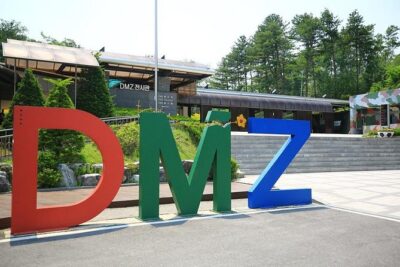
DMZ Tour: 3rd Tunnel, Option(Suspension Bridge, Boat) from Seoul
Read our review →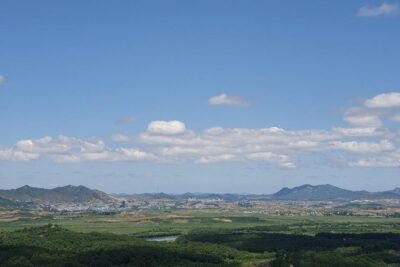
DMZ tour south Korea from Seoul (NK experience hall, defector)
Read our review →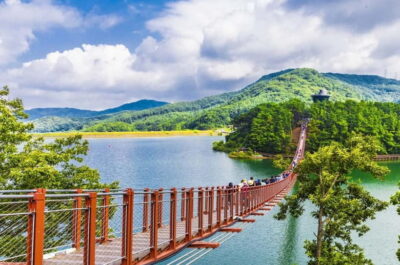
DMZ Insider Tour: 3rd Tunnel, NK Defector Meet & Red Bridge
Read our review →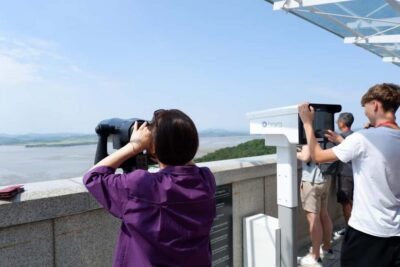
Thrilling Korean DMZ 3rd Tunnel Tour from Seoul + Red Bridge Rush
Read our review →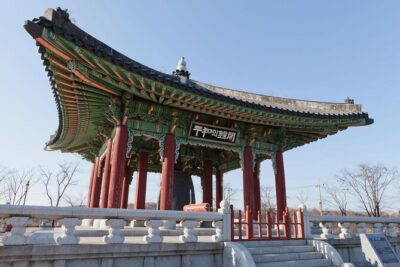
DMZ Past and Present: Korean Demilitarized Zone Tour from Seoul
Read our review →
Ultimate Korea DMZ Tour from Seoul (Gondola & Suspension Bridge)
Read our review →Browse the lists this tour appears in