
Reviewed · DMZ & JSA TOURS
Half-Day DMZ Tour Led by a Retired Military Officer from Seoul
The most unusual part of this Seoul DMZ tour is the guide. You may be led by SJ, a former Special Forces major and Iraq veteran, Eddie, a retired captain and tunnel specialist, or another former officer such as Tiger or Dylan. Their military backgrounds give the bus ride and border stops a practical edge that a standard sightseeing guide may not provide.
I like the careful choice between Dora and Odusan Observatory, since the operator checks weather, visibility, and live CCTV before deciding where you will get the clearest view. I also like the efficient six-to-seven-hour format: you get the major DMZ sights, without shopping stops or a full-day commitment. The main caution is that the schedule depends on military rules, traffic, weather, and minimum numbers, so the route can change.
In This Review
- Key points to know before booking
- Why a retired officer changes the DMZ experience
- From Seoul to the border zone
- Bridge of Freedom and the meaning of Mangbaedan
- Walking into the Third Tunnel
- Dora or Odusan: choosing the clearest view
- The locomotive at Jangdan Station
- A compact route with little wasted time
- Is $45 good value?
- Who should book this DMZ tour?
- Practical details before you go
- Should you book it?
- FAQ
- How long does the DMZ tour take?
- What is included in the price?
- Do I visit both Dora Observatory and Odusan Unification Observation Deck?
- Do I need to bring my passport?
- Is lunch included?
- Is the Third Tunnel physically demanding?
- Can I cancel for a full refund?
Key points to know before booking
- Retired military guides: SJ, Eddie, Tiger, Dylan, and other guides bring firsthand military experience and explain the Korean War and border security in clear terms.
- The observatory is chosen on the day: You visit either Dora or Odusan, depending on visibility and current conditions.
- The Third Tunnel requires a walk: The tunnel is low and narrow, with a height of about 1.95 meters and a width of about 2.1 meters.
- No shopping stops: The focus stays on the DMZ, divided families, wartime relics, and views toward North Korea.
- The price is $45 per person: That includes Seoul transportation, admission fees, a licensed guide, and one observatory.
- Bring your passport: A current valid passport is required for the military checkpoints and identity check.
Why a retired officer changes the DMZ experience
The DMZ can be reduced to a few photo stops and a handful of dates. This tour aims for something more useful: it explains how the border works, why the Korean Peninsula remains divided, and what you are seeing from the bus, tunnel, and observatory.
SJ’s background includes service in the 707 Special Mission Battalion and the Iraq War. Eddie served as an artillery commander and later briefed senior American and Korean officials about the DMZ. Tiger spent more than 20 years on the front line, while Dylan brings a military career and strong English skills, along with Japanese.
You should still expect a group excursion, not a private military briefing. But the guide can add details that are hard to get from a signboard. Eddie, for example, has shared personal memories of playing table tennis with North Koreans near a bunker. Stories like that help turn an abstract border into a place shaped by real people and long periods of tension.
The guides also receive strong praise for answering questions, remembering names, and keeping the bus ride useful. SJ is described as both funny and precise, while Eddie is known for mixing military detail with humor. Julie, another guide, is praised for helping solo participants feel included and for answering questions beyond the formal itinerary.
The tone matters here. The DMZ is not a theme park, and the best part of the tour is often the explanation of what you are seeing. You will hear about the Korean War, military terms, reunification, the distance from Seoul, and the divided families who still face north toward homes they may never see again.
More ways to reach the DMZ:
- Best DMZ Tour Korea from Seoul (Red Suspension Bridge Optional)
★ 5.0 · 41,422 reviews - DMZ Tour: 3rd Tunnel, Option(Suspension Bridge, Boat) from Seoul
★ 5.0 · 21,373 reviews - DMZ tour south Korea from Seoul (NK experience hall, defector)
★ 5.0 · 20,599 reviews
From Seoul to the border zone
The tour takes roughly six to seven hours, including the bus ride. That sounds like a half day on paper, but traffic can stretch the morning, so keep your early afternoon flexible.
Round-trip transportation from Seoul is included, as are DMZ admission fees and a licensed professional guide. The meeting arrangement is tied to the tour booking, and the experience is near public transportation. Groups of 10 or more can receive free hotel pickup, which may make the tour easier for families, school groups, or larger parties.
The route is controlled by military conditions. Training schedules, traffic, weather, and checkpoint rules can affect the order of stops or the sights available. This is normal for a restricted border area, but it means you should not treat every listed stop as guaranteed in exactly the same form.
The tour is described as a private activity for your group, while group discounts are also available. If the size and structure of your party matter, confirm the arrangement when booking. The practical point is simple: you are buying access and interpretation, but you are not buying a fully fixed sightseeing schedule.
Bridge of Freedom and the meaning of Mangbaedan
The first stop introduces the human cost of division. Near the Bridge of Freedom, you will see sites linked to the Korean War and the families separated by the border.
Mangbaedan Altar is especially important. Families with roots in North Korea face north here and pay tribute to ancestors they cannot visit. The altar is not just another monument on a bus route. It gives the tour a personal focus before you reach the military installations.
The stop is short, about 30 minutes when the initial DMZ-area visit and identity check are included. That is enough time to look around and listen to the guide, but not enough for a slow, independent museum visit. Pay attention during the briefing, since the guide’s explanation gives the site much of its meaning.
The Bridge of Freedom itself is also brief on the schedule, listed at about five minutes. That may sound rushed, but the wider value is how it fits with Mangbaedan, the railroad locomotive, and the divided families. Together, these places show that the DMZ is not only a military frontier. It is also a line running through memory, family, and unfinished history.
Walking into the Third Tunnel
The Third Invasion Tunnel is the most physical part of the tour. You walk into a tunnel excavated beneath the border, one of several passages discovered as part of North Korea’s efforts to create routes south.
The tunnel is about 1,635 meters long, with a height near 1.95 meters and a width around 2.1 meters. Those measurements matter once you are inside. The route is narrow, and you may need to watch your head and footing. A moderate level of physical fitness is required.
I consider this the strongest stop for people who want a direct sense of the DMZ. An observatory gives you distance and a broad view. The tunnel gives you walls, slope, and confined space. It makes the military story physical without needing elaborate displays.
The drawback is that the walk may be uncomfortable for anyone who dislikes tight spaces or has difficulty with inclines. The tour information does not promise an accessible route, so you should think carefully about your mobility before booking.
Allow about 40 minutes for the stop. That includes the walk and the time needed to move through the site, so do not expect a long, unhurried visit. Wear sensible shoes and avoid carrying anything bulky. Those are practical choices for a low tunnel and a tightly timed group schedule.
A few more Seoul trips worth weighing up
- Seoul: Half-Day DMZ Tour Led by a Retired Military Officer
★ 4.9 · 1,399 reviews - Half-Day South Korea DMZ Small-Group Tour from Seoul
★ 5.0 · 43 reviews - Korean Folk Village Half-day Guided Tour from Seoul
★ 5.0 · 13 reviews
Dora or Odusan: choosing the clearest view
The tour does not blindly promise one fixed observatory. Instead, the guide and operator choose between Dora Observatory and Odusan Unification Observation Deck based on the day’s weather, visibility, and live CCTV.
That is a sensible approach. A grand viewpoint is not very useful when haze or smog blocks the far side. One visitor faced heavy smog, and the guide responded by spending extra time explaining the area. You should be prepared for the possibility that North Korea is visible only faintly, or not at all, even when the military sites remain worthwhile.
Dora Observatory is described as the northernmost point of the western front. From here, you may see toward Gaeseong Industrial Complex and Songhaksan Mountain. The view can include North Korean territory, but the experience depends heavily on air quality and weather.
Odusan Unification Observation Deck is about two kilometers from North Korea and is described as the closest point to Seoul where you can clearly view North Korean territory. It gives you another chance to look across the river and border area, with the guide explaining what you can identify.
The observatory stop lasts around 40 minutes. Bring patience and realistic expectations. The point is not simply to snap a picture of North Korea. It is to understand the distance, the geography, and the fact that ordinary communities and military positions exist on the other side.
The locomotive at Jangdan Station
The steam locomotive at Jangdan Station is one of the tour’s most striking wartime objects. It was damaged by United States forces in 1950 while being used to transport United Nations supplies northward. The damage was part of an effort to stop the advance of Chinese forces during the Korean War.
The locomotive remains marked by more than 1,000 bullet and shell holes. You only have about five minutes at the stop, so the guide’s explanation is essential. Look closely at the metal and consider what the object represents: rail travel that once connected the peninsula, interrupted by war and left as a reminder of division.
This is a quick photo stop, not a full railway museum visit. Its strength is symbolic. The train connects the conflict to everyday movement, trade, and transport, while the damage shows how completely war can alter ordinary infrastructure.
A compact route with little wasted time
The operator describes the tour as no-shopping and focused on the main DMZ sights. That matters if you have limited time in Seoul or dislike commercial detours. You spend the day on history, checkpoints, memorials, the tunnel, and the observatory rather than on souvenir sales.
The pace is strict. Several stops are short, and military access can force changes. I see that as a fair trade for reaching a controlled border area in a compact format, but you should not expect long stretches of independent wandering.
The bus ride is part of the experience. Guides such as SJ, Eddie, and Dylan use the time to explain the Korean War, military positions, the border, and reunification. Dylan is also praised for connecting the scenery outside the window with its historical meaning, which helps the ride feel like part of the tour rather than dead time.
You will need to stay with the group and follow checkpoint instructions. A current passport is mandatory. Bring it on the day, not a photograph or an expired document.
Is $45 good value?
At $45 per person, the tour offers solid value if you want transportation, access, and explanation in one package. The price includes round-trip transfer from Seoul, DMZ admission fees, a licensed guide, and entry to either Dora or Odusan Observatory.
You do not pay for lunch, insurance, or items not listed. There is no lunch included, although one comment refers to excellent noodles at a buffet during a particular outing. Treat that as an occasional meal arrangement rather than a guaranteed feature, and plan for your own food costs.
The main value is not the number of stops. It is the combination of restricted access and a retired officer who can explain the military context. A cheaper self-guided outing may not offer the same access or interpretation, while a longer full-day tour may add stops you do not need.
For a short Seoul visit, the time commitment is reasonable. You leave the city for most of a morning and return around early afternoon when traffic cooperates. If your schedule is tight, remember that six to seven hours includes traffic and can shift because of conditions at the border.
Who should book this DMZ tour?
I would choose this tour if you want clear historical context, a retired military guide, and the main Paju-area sights without shopping stops. It suits first-time visitors to Seoul, history fans, military-history readers, and anyone curious about the present-day relationship between North and South Korea.
It is also a good choice for solo visitors who prefer a structured outing. Julie is praised for keeping solo participants involved, while several guides are described as welcoming and easy to question.
You may want a different experience if you need a fully fixed timetable, dislike bus rides, have trouble walking through a low tunnel, or want a long, quiet visit at each site. Visibility is never guaranteed, and access may change on short notice.
The tour also requires a minimum number of participants to operate. If the minimum is not met, the operator offers another date or experience, or a full refund.
Practical details before you go
Book at least 24 hours ahead if you want the option of a full refund. Cancellations made less than 24 hours before the start time are not refunded, and late changes are not accepted.
The experience can be canceled for poor weather or because the minimum number is not reached. In either case, you are offered another date or a full refund.
Keep your passport handy, wear shoes suitable for walking, and allow extra time around the stated six-to-seven-hour duration. Weather can affect the view, but it can also change the operating plan.
Should you book it?
Book this half-day DMZ tour from Seoul if you want the border explained by someone with military experience rather than treated as a quick photo opportunity. The Third Tunnel, Mangbaedan, the damaged locomotive, and the observatory create a strong mix of physical evidence, personal loss, and present-day tension.
The best reason to choose it is the guide quality. SJ, Eddie, Tiger, Dylan, Julie, and the other PLK Travel guides bring different personalities, but the experience is built around clear explanations and personal perspective.
Just accept the limits: the tunnel is demanding, the schedule is firm, the view may be hazy, and military conditions can alter the route. If those terms suit you, $45 is a practical price for one of Seoul’s most meaningful excursions.
FAQ
How long does the DMZ tour take?
The experience lasts approximately six to seven hours, including traffic on the bus between Seoul and the DMZ area.
What is included in the price?
The price includes a licensed professional guide, round-trip transportation from Seoul, DMZ admission fees, and admission to either Odusan or Dora Observatory.
Do I visit both Dora Observatory and Odusan Unification Observation Deck?
No. You visit one observatory. The operator chooses Dora or Odusan based on the day’s weather, visibility, and live CCTV.
Do I need to bring my passport?
Yes. A current valid passport is required on the day of the tour for the identity check and access procedures.
Is lunch included?
No. Lunch is not included in the tour price.
Is the Third Tunnel physically demanding?
The Third Tunnel involves walking through a low, narrow passage. The tour requires a moderate level of physical fitness, and the tunnel is approximately 1.95 meters high and 2.1 meters wide.
Can I cancel for a full refund?
You can cancel for a full refund up to 24 hours before the experience start time. Cancellations or changes made less than 24 hours before departure are not refunded.
Just added around Seoul
- Incheon Airport Private Transfer between Seoul City★ 4.0 · 4 reviews
- Seoul’s Stars: Open Mic with Local & International Talent★ 4.8 · 4 reviews
- Samaksan Cable Car and Nami Island Day Escape with Railbike★ 4.0 · 4 reviews
- DMZ 2nd Tunnel and Cheorwon Peace Observatory with Admission★ 5.0 · 4 reviews
- Nami & Maple Road & Theatre des Lumieres Day Tour from Seoul★ 4.8 · 4 reviews
- Hire Photographer, Professional Photo Shoot – Seoul★ 5.0 · 4 reviews
- [KoreaByLocal] Authentic Seoul Night Walk and Chicken & Beer★ 5.0 · 4 reviews
- Play Gayageum in Hanbok Cultural Experience in Bukchon★ 5.0 · 4 reviews
DMZ & JSA Tours, compared.
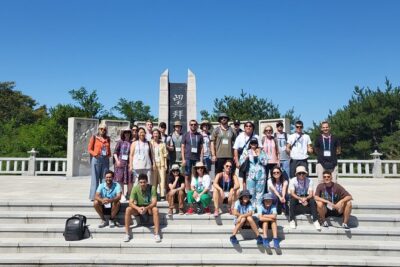
Best DMZ Tour Korea from Seoul (Red Suspension Bridge Optional)
Read our review →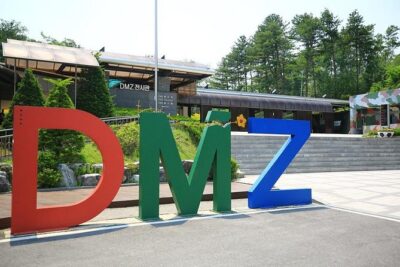
DMZ Tour: 3rd Tunnel, Option(Suspension Bridge, Boat) from Seoul
Read our review →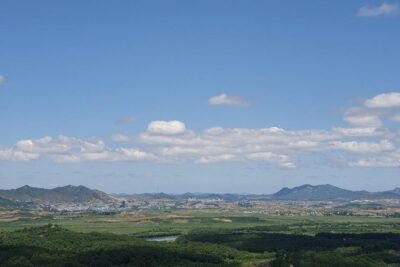
DMZ tour south Korea from Seoul (NK experience hall, defector)
Read our review →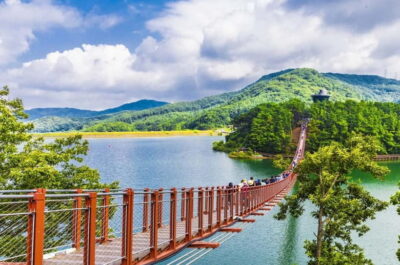
DMZ Insider Tour: 3rd Tunnel, NK Defector Meet & Red Bridge
Read our review →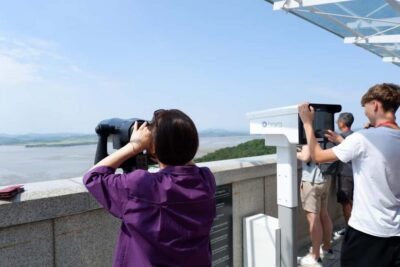
Thrilling Korean DMZ 3rd Tunnel Tour from Seoul + Red Bridge Rush
Read our review →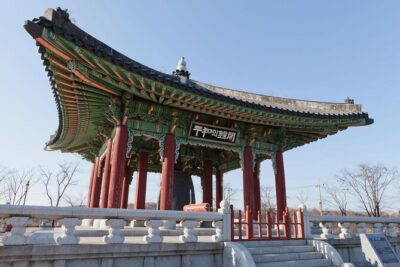
DMZ Past and Present: Korean Demilitarized Zone Tour from Seoul
Read our review →
Ultimate Korea DMZ Tour from Seoul (Gondola & Suspension Bridge)
Read our review →Browse the lists this tour appears in