
Reviewed · MAKGEOLLI & KOREAN LIQUOR
Makgeolli Brewing Class
Makgeolli brewing is not a show-and-tell activity. You wash rice, learn how fermentation works, taste several drinks, and take part in the steps that turn cooked grain into Korea’s cloudy rice wine. At The Sool Company in Seoul’s Hyehwa neighborhood, guides such as Omar and Inji keep the class practical and welcoming.
I like the hands-on instruction and the chance to taste home-brewed makgeolli before making your own. I also like the useful take-home choice: an ingredient kit if you want to continue at home, or a bottle if you prefer an easier souvenir. The main consideration is the fixed 1 p.m. start and the two-and-a-half-hour commitment, which may not fit a packed sightseeing day.
In This Review
- Key points to know before booking
- Why makgeolli makes a good Seoul class
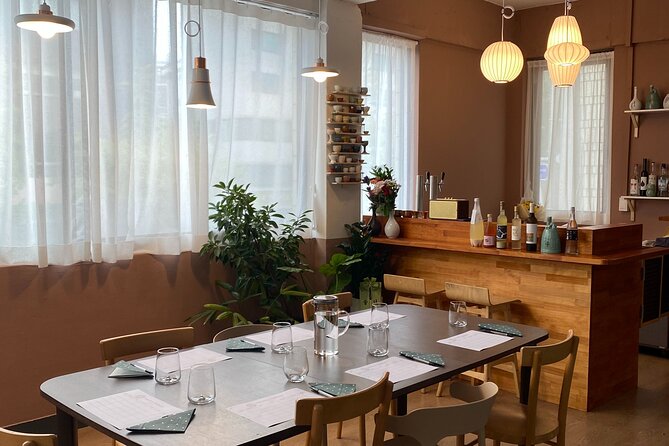
- Arriving at The Sool Company in Hyehwa
- Starting with Korean alcohol and fermentation
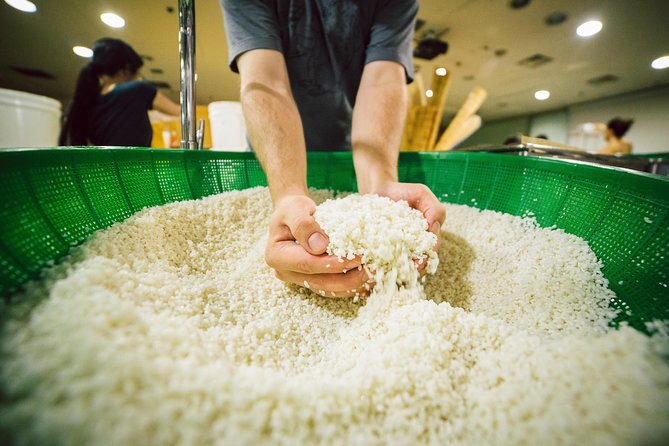
- Washing rice and learning the basic method
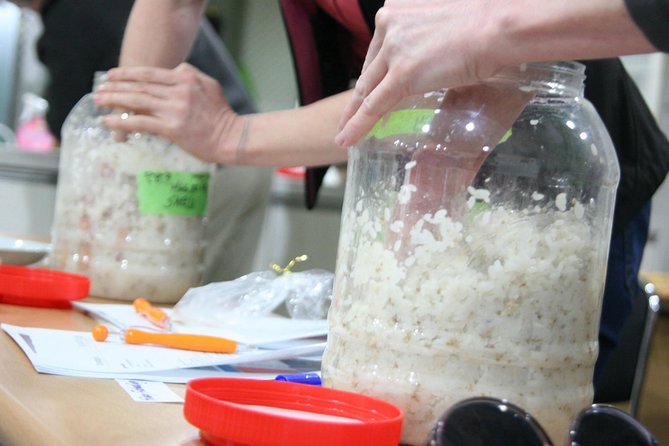
- Filtering turns the lesson into a real process
- Choosing between the ingredient kit and a bottle
- A working brewery, not just a tourist classroom
- Who will get the most from this class
- Practical value at $75 per person
- Hyehwa plans before and after the workshop
- Booking and cancellation points
- Should you book the makgeolli class?
- FAQ
- Where does the makgeolli brewing class meet?
- What time does the activity start?
- How long does the class last?
- What does the class teach?
- What can I take home?
- How many people can join the class?
- Can I cancel for a full refund?
Key points to know before booking
- You make makgeolli from the early steps: The class covers rice washing through the final filtering process.
- Omar and Inji focus on clear instruction: The guides explain Korean alcohol, answer questions, and give you time to try the process yourself.
- Tasting is part of the lesson: You sample home-brewed makgeolli and learn about different kinds of sool, the Korean word for alcohol.
- You choose your souvenir: Take home an ingredient kit for another brew or a bottle of makgeolli.
- The class meets in Hyehwa: Find The Sool Company on the second floor at 229 Changgyeonggung-ro.
- The small-group format helps: The maximum is 20 people, enough for a social class without the scale of a large bus tour.
Why makgeolli makes a good Seoul class
Makgeolli is a milky Korean rice wine with a soft, cloudy appearance. It is not simply a drink to sample at a restaurant. Its character comes from rice, water, fermentation, and the Korean brewing culture built around sool.
That makes this class more useful than a standard tasting. You do not just hear that fermentation matters. You see how the process begins, handle the ingredients, and follow the path toward filtering. For me, that connection between drink and method is the main reason to book.
The class also gives you a small window into Korean food culture without requiring a full day outside Seoul. You stay in Hyehwa, learn from people working in a functioning makgeolli brewery, and finish with something you can either drink or try to make again.
More makgeolli and Korean liquor tastings:
- Soju Tasting at Distillery – story of 3 pigs
★ 5.0 · 166 reviews - Learn and Make Your Very Own Craft Makgeolli
★ 5.0 · 94 reviews - Traditional Soju Class and Makgeolli Tasting in Seoul
★ 5.0 · 35 reviews
Arriving at The Sool Company in Hyehwa
The meeting point is on the second floor at 229 Changgyeonggung-ro in Seoul’s Jongno District. The area is near public transportation, so you can reach it without building your day around a long transfer or a distant countryside visit.
The activity begins at 1 p.m. That time is worth noting. If you plan to visit a palace, museum, or market earlier in the day, the class can fit neatly into an afternoon itinerary. You should arrive with enough time to find the building and reach the second floor, since the class has a set start rather than an open arrival window.
The activity ends back at the same meeting point. That is convenient if you want to continue exploring Hyehwa, though the supplied details do not specify an exact end time beyond the approximate two-and-a-half-hour duration. Plan for a little flexibility afterward rather than scheduling a tight dinner reservation.
The maximum group size is 20. That is not a private lesson, but it is still a manageable size for a practical workshop. Since you will be following physical steps, a smaller class is more useful than a packed room where you only watch an instructor work.
Starting with Korean alcohol and fermentation
The first portion sets the stage with an introduction to Korean alcohol and the different types of sool. This matters because makgeolli is best understood as part of a wider drinking tradition, not as an isolated novelty.
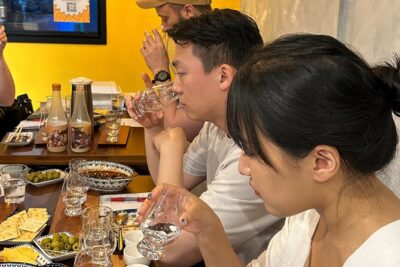
You taste before you begin the practical work. That is a smart order. Once you have sampled home-brewed makgeolli, you have a better sense of what the brewing process is trying to produce. You can pay attention to its cloudy body and fermented flavor instead of treating the class as a purely technical exercise.
The tasting also gives the instructors something concrete to discuss. You can ask questions about how fermentation affects the drink and why Korean alcohol has its own methods and character. The strongest part of the teaching, based on the class format and feedback, is the time given to explanations and questions.
Omar is praised for taking his time with questions and explaining both the drink and its place in Korean culture. Inji is singled out for detailed explanations and plenty of tasting. If your guide is one of them, expect a lesson that gives you room to ask rather than rushing from one station to the next.
Washing rice and learning the basic method
The practical section starts with washing rice. That may sound ordinary, but beginning here gives you a clear sense of how much care goes into a traditional fermented drink.
You will not be handed a finished mixture and asked to pretend you made it. The class takes you through the early stage and explains what happens next. You learn the fundamentals of brewing, including the fermentation techniques that help give Korean alcohol its distinct character.
The value is partly educational and partly realistic. Brewing at home can seem mysterious when all you see is a sealed bottle. By starting with rice and moving through the process, you leave with a better idea of what the basic ingredients are doing and why patience and proper technique matter.
The description does not promise that you will complete a full fermentation cycle during the class. That is an important distinction. The workshop teaches the method and lets you make your own preparation, but the final drink requires fermentation beyond the two-and-a-half-hour session.
A few more Seoul trips worth weighing up
- Korean Brewery
★ 5.0 · 24 reviews - Learn and Craft Makgeolli in a Traditional Brewery
★ 5.0 · 12 reviews
Filtering turns the lesson into a real process
The class continues to the final filtering process. This is one of the most interesting steps for anyone who has only encountered makgeolli in a restaurant or convenience store.
Filtering helps explain the drink’s milky appearance and texture. It also shows that makgeolli is not just rice wine in the same sense as a clear spirit or a polished bottled wine. Its look and feel are closely tied to how the fermented mixture is handled.
I like that the class does not stop at a history talk or a tasting flight. You get to see the process through to this later stage. That makes the workshop feel like a genuine introduction to brewing rather than a themed drinking session.
Still, you should keep your expectations sensible. The class equips you to continue at home, but it cannot replace repeated practice. Your first batch may not taste exactly like the sample you enjoyed, and the experience is better viewed as a starting point than as a promise of instant brewing skill.
Choosing between the ingredient kit and a bottle
At the end, you can take home an ingredient kit or a bottle of makgeolli. This is one of the best practical details of the class because it recognizes that not everyone wants the same souvenir.
Choose the ingredient kit if you want to repeat the process at home. It gives the class a second life and lets you test whether the instructions stayed clear after you left Seoul. The kit includes the basic ingredients needed to recreate your own brew, according to the activity details.
Choose the bottle if you want an immediate and uncomplicated reminder of the class. You get something ready to enjoy rather than another project in your luggage.
The take-home choice also affects the value of the $75 price. If you enjoy hands-on food and drink workshops, the instruction, tasting, brewery setting, and included takeaway make the price easier to justify. If you only want to sample makgeolli, a restaurant or bar will cost less and require less time. You are paying here for access to the method, not just for a drink.
The listing does not specify the exact size of the bottle or the full contents of the ingredient kit. If those details matter to your decision, ask the provider before booking.
A working brewery, not just a tourist classroom
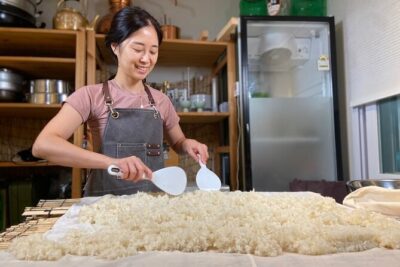
The Sool Company operates as a fully functioning makgeolli brewery. That gives the lesson a useful connection to actual production. You are learning in a place where Korean alcohol is made, rather than in a room designed only for demonstrations.
That setting should appeal to you if you like seeing how food and drink are produced. It also gives the instructors a practical base for their explanations. The class is led by local specialists with years of experience in the Korean alcohol industry, so the focus stays on real brewing steps.
The workshop is still designed for visitors. The instructions are engaging and hands-on, and the activity covers the process from beginning to end at an introductory level. You do not need to arrive as a brewer or a drinks expert.
The class has earned a five out of five rating from 21 reviews, with 100 percent recommending it. That is a strong result, though the sample is modest. The praise centers on two things I would care about most: detailed explanations and patient instruction. Omar receives special credit for answering questions, while Inji is praised for giving participants plenty of tasting and hands-on practice.
Who will get the most from this class
This is a good choice for you if you enjoy food-focused activities, Korean culture, or practical workshops. It also works well for couples, friends, and solo visitors who want a social afternoon activity that does not feel like a standard sightseeing loop.
You will get the most from it if you are willing to listen, taste, and take part. The class is not designed for someone who wants to sit back with a drink while an instructor does everything.
It may also suit repeat visitors to Seoul. If you have already seen the major palaces and neighborhoods, learning to make a Korean drink gives you a different way into the city’s culture.
Families should check the alcohol-related nature of the activity before booking. The supplied information does not state an age minimum or special arrangements for children, so you should confirm those points directly with The Sool Company.
The class is less suitable if your day is tightly scheduled. The 1 p.m. start is fixed, the activity lasts about 2 hours and 30 minutes, and the cancellation rules become strict within 24 hours of the start time.
Practical value at $75 per person
At $75 per person, this is not the cheapest way to encounter makgeolli in Seoul. A simple tasting or restaurant visit would cost less and take less time. The comparison changes if you value instruction, participation, and a take-home item.
You are paying for several parts in one visit:
- An introduction to Korean alcohol and makgeolli
- Tasting of home-brewed drinks
- Practical work with the brewing process
- Instruction from people with professional experience
- A choice between a brewing kit and a bottle
- Time in a working brewery
I would book it for the experience rather than for the amount of alcohol included. The tasting is part of the lesson, not the main product. If you are curious about how makgeolli is made, the price is reasonable for a specialized workshop in central Seoul. If you already brew at home or only want to drink, the value is weaker.
The mobile ticket is convenient for keeping the booking on your phone. Confirmation arrives at the time of booking. Since the group can reach 20 people, booking ahead is sensible if your Seoul schedule has little room for changes.
Hyehwa plans before and after the workshop
Because the class begins and ends at the same Hyehwa address, it is easy to pair with other plans in the neighborhood. The supplied details do not name specific nearby sights, so I would keep your schedule flexible rather than promise a precise before-and-after route.
The activity itself provides a natural afternoon structure. You arrive for the 1 p.m. class, learn the background, taste makgeolli, work through the brewing steps, and finish with your takeaway choice. Afterward, you can visit the shop for alcoholic drinks from different parts of South Korea.
That shop visit is a useful extra for anyone who wants to compare Korean drinks beyond makgeolli. It also lets you continue the lesson at your own pace, though the details do not state whether drinks purchased there are included in the class price. Assume they are additional unless the provider tells you otherwise.
Booking and cancellation points
You can cancel for a full refund up to 24 hours before the local start time. Inside that window, cancellations and changes are not accepted for a refund.
The experience requires a minimum number of participants. If The Sool Company cancels because that minimum is not met, you will be offered another date or experience, or a full refund.
That policy makes the class a better fit for a day you can protect. Avoid booking it immediately before a long-distance trip or a fixed evening reservation unless you have enough time to reach the next commitment.
Should you book the makgeolli class?
Book this class if you want to understand makgeolli by making it, not just ordering it. The combination of tasting, cultural background, rice washing, fermentation instruction, filtering, and a useful takeaway gives the afternoon real substance.
I would especially recommend it to curious first-time visitors who want a local food experience with clear instruction. Omar’s patient approach and Inji’s detailed teaching style are strong signs of what to expect from the guides. The only real drawbacks are the fixed afternoon start, the approximate two-and-a-half-hour length, and a price that makes sense only if you value the workshop itself.
If you want a quick drink, skip it. If you want to leave Seoul knowing how Korean rice wine begins, how it is handled, and how to try making it at home, this is a smart booking.
FAQ
Where does the makgeolli brewing class meet?
It meets on the second floor at 229 Changgyeonggung-ro in Seoul’s Jongno District, in the Hyehwa neighborhood.
What time does the activity start?
The class starts at 1 p.m.
How long does the class last?
The activity lasts approximately 2 hours and 30 minutes.
What does the class teach?
You learn about Korean alcohol and makgeolli, taste home-brewed drinks, and follow the brewing process from washing rice through filtering. Fermentation techniques are also explained.
What can I take home?
You can choose an ingredient kit for making your own brew or a bottle of makgeolli.
How many people can join the class?
The activity has a maximum of 20 participants.
Can I cancel for a full refund?
Yes. You can cancel at least 24 hours before the experience start time for a full refund. Cancellations or changes made less than 24 hours before the start time are not refunded or accepted.
More Workshops in Seoul
- Local Home Korean Cooking Class & Market Adventure in Seoul
★ 5.0 · 1,024 reviews - Seoul: Korean Cooking Class at a Local Home and Market Tour
★ 5.0 · 348 reviews - Yongpyong Ski Resort from Seoul with Optional Lesson and Packages
★ 5.0 · 217 reviews - Korean Cooking Class with Grocery Shopping at Seoul Local Market
★ 5.0 · 107 reviews
Just added around Seoul
- Incheon Airport Private Transfer between Seoul City★ 4.0 · 4 reviews
- Seoul’s Stars: Open Mic with Local & International Talent★ 4.8 · 4 reviews
- Samaksan Cable Car and Nami Island Day Escape with Railbike★ 4.0 · 4 reviews
- DMZ 2nd Tunnel and Cheorwon Peace Observatory with Admission★ 5.0 · 4 reviews
- Nami & Maple Road & Theatre des Lumieres Day Tour from Seoul★ 4.8 · 4 reviews
- Hire Photographer, Professional Photo Shoot – Seoul★ 5.0 · 4 reviews
- [KoreaByLocal] Authentic Seoul Night Walk and Chicken & Beer★ 5.0 · 4 reviews
- Play Gayageum in Hanbok Cultural Experience in Bukchon★ 5.0 · 4 reviews
Makgeolli & Korean Liquor, compared.

Traditional Soju Class and Makgeolli Tasting in Seoul
Read our review →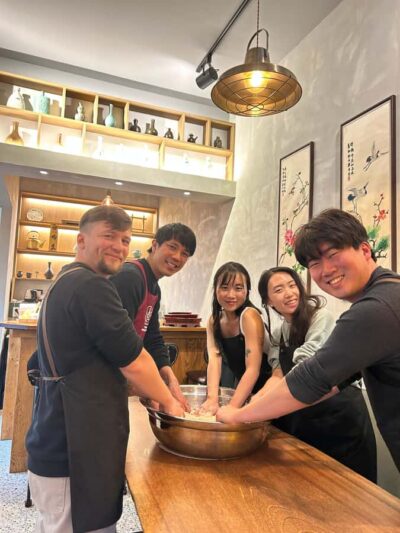
Learn and Craft Makgeolli in a Traditional Brewery
Read our review →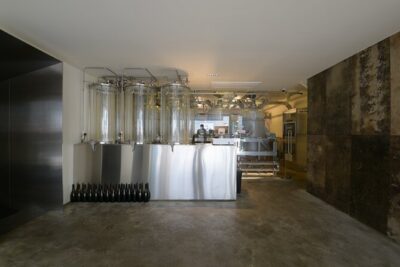
Rice Wine Tasting with Sommelier – Finest Makgeolli (& Soju)
Read our review →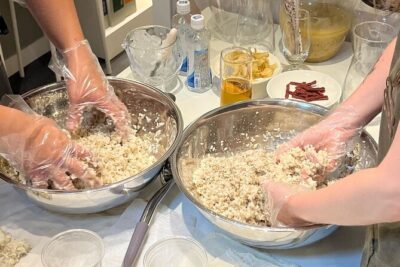
Brew&taste Korea’s traditional drink Makgeolli in Seoul forest
Read our review →Browse the lists this tour appears in