
Reviewed · MAKGEOLLI & KOREAN LIQUOR
Rice Wine Tasting with Sommelier – Finest Makgeolli (& Soju)
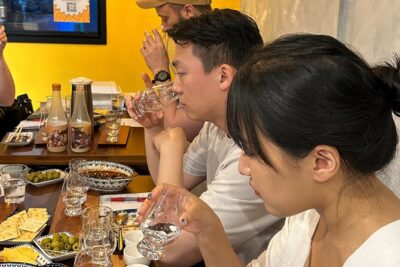
Korean rice wine is far more varied than the familiar green bottle of soju. In a small backroom at Sool Society, sommelier Jay and certified brewer Sam introduce you to makgeolli, a cloudy, fermented rice wine that can be sweet, tart, creamy, dry, or surprisingly complex.
I like two things right away: the focus on small Korean producers rarely seen outside their home regions, and the chance to learn directly from people who study and make Korean alcohol. The main consideration is that this is a compact tasting, about 80 minutes, not a full brewery tour or a large meal.
- Rare makgeolli from across Korea: Taste bottles that are not commonly found in ordinary Seoul shops.
- Two informed hosts: Jay brings sommelier experience, while Sam is a certified Korean alcohol brewer.
- Small-group setting: The tasting is limited to 10 people, making questions and conversation easier.
- Simple Hapjeong access: Sool Society is in the mall connected to Hapjeong Station.
- Cultural context: Learn how makgeolli is made and why it matters in Korean life.
- Take-home shopping: You can purchase Korean rice wine goods from the shop after the tasting.
In This Review
- Why Makgeolli Deserves More Attention
- Meeting Jay and Sam at Sool Society
- An 80-Minute Tour Built Around Tasting
- What Makes the Bottle Selection Valuable
- Makgeolli Compared With Soju
- The Small Group Makes a Difference
- Location, Timing, and Evening Plans
- Is $40.85 a Fair Price?
- Who Should Book This Tasting?
- Final Verdict on the Hapjeong Makgeolli Experience
- FAQ
- Where does the makgeolli tasting take place?
- What time does the activity start?
- How long does the experience last?
- Who leads the tasting?
- What kind of alcohol will I taste?
- Is this an English-language experience?
- How many people can join?
- Are children allowed?
- Can I cancel or change my booking?
Why Makgeolli Deserves More Attention
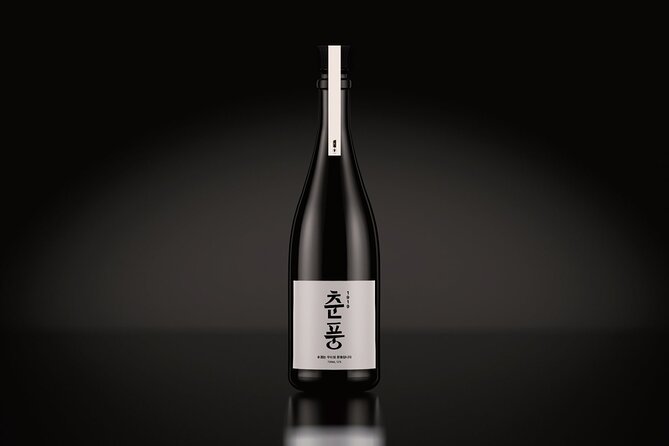
Makgeolli is often treated as the casual, inexpensive drink served in a metal bowl at a Korean restaurant. That image is not wrong, but it is only one small part of the story.
Makgeolli is fermented and unfiltered, which gives it a milky or hazy appearance. Its flavor can change greatly based on the rice, fermentation method, sweetness, acidity, alcohol level, and producer. Some bottles are gentle and easy to drink. Others are dry, tangy, earthy, or almost wine-like.
That range is the point of this tasting. Instead of handing you one standard bottle and calling it Korean rice wine, Jay and Sam present different styles and categories. You get a better sense of how broad the drink can be, and you can start to identify what you actually like.
I find this especially useful if you have already tried makgeolli in Seoul but thought it tasted fairly plain. Restaurant versions often give you only a narrow sample. This tasting is designed to show the bottles that small local brewers are making across Korea.
Meeting Jay and Sam at Sool Society
The tasting begins at 5:00 pm at Sool Society, a specialty rice wine shop in the Mecenatpolis mall, at Hapjeong Station. The address is 45 Yanghwa-ro, basement level 1, shop B139, in Mapo-gu.
The location is practical. Hapjeong is well served by public transportation, and the mall connection makes the meeting point easier to reach than a remote brewery. Still, give yourself enough time to find the correct basement shop. A large mall can be confusing if you arrive at the last minute.
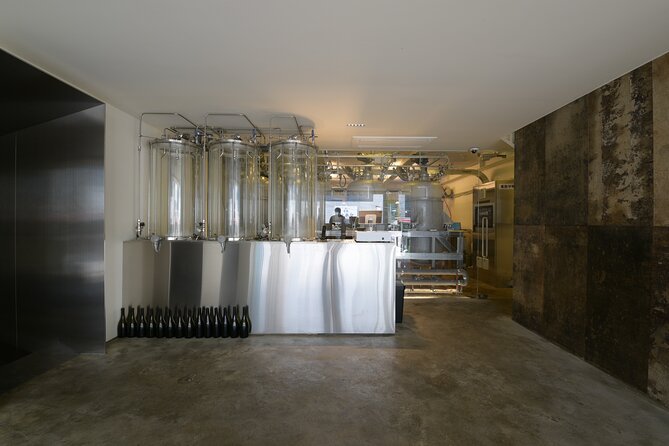
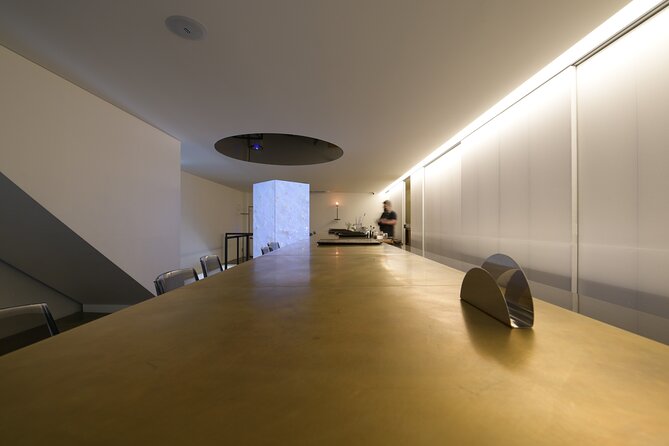
From there, you move into a small backroom within the shop. This is not a grand tasting hall, and that is part of the appeal. The setting keeps the attention on the bottles, the stories, and the people leading the session.
Jay is a Korean liquor sommelier. Sam is a certified Korean alcohol brewer. Their different backgrounds give the session a useful balance. Jay can frame the tasting from the point of view of a specialist who has compared many Korean liquors, while Sam can explain brewing in practical terms.
Both hosts speak English, and Sam has been described as speaking it perfectly. That matters here because the value of the session depends on explanation. You are not simply sampling drinks while someone reads bottle labels. You can ask about ingredients, flavor, production, and the place of makgeolli in Korean culture.
More makgeolli and Korean liquor tastings:
- Soju Tasting at Distillery – story of 3 pigs
★ 5.0 · 166 reviews - Learn and Make Your Very Own Craft Makgeolli
★ 5.0 · 94 reviews - Traditional Soju Class and Makgeolli Tasting in Seoul
★ 5.0 · 35 reviews
An 80-Minute Tour Built Around Tasting
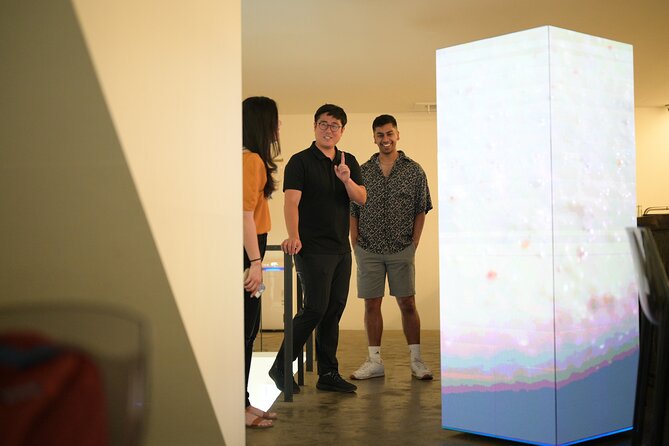
The experience lasts about 1 hour and 20 minutes. That is long enough for a focused introduction, but short enough to fit neatly into an evening in Seoul.
The tasting centers on a selection of makgeollis chosen from across Korea. Jay and Sam have explored hundreds of bottles while looking for strong examples in different categories. Their aim is to show you some of the finest and rarest options they can find, especially products from small local producers with limited distribution.
You should expect the bottles to vary. The supplied details do not list an exact number or fixed menu, so the selection may change. That is sensible for a specialty tasting. Small producers do not always have steady supply, and a shop built around unusual Korean alcohol needs some flexibility.
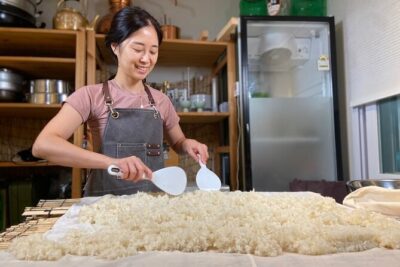
The session also covers how makgeolli is made and its place in Korean history and daily culture. This context is important. The drink is not just a novelty for visitors. It has roots in Korean farming communities, home brewing, celebrations, and shared meals.
The explanation helps you understand why the drink looks cloudy, why it may need to be handled differently from clear spirits, and why one bottle can taste quite different from another. You do not need prior knowledge. If you have only had makgeolli from a restaurant, you are exactly the sort of person who can gain the most from the comparison.
What Makes the Bottle Selection Valuable
The strongest reason to book is access to Korean rice wines you may not find during a normal Seoul stay. The hosts have searched for bottles from small towns and local brewers, many of which rarely reach a wider audience.
That gives the tasting a sense of place without sending you across the country. You can compare drinks tied to different producers and regions in one sitting. The experience does not turn each bottle into a museum piece, but it does help you see Korean alcohol as a living craft with many levels of quality.
I also like the educational angle. A tasting works best when it gives you a way to make sense of what you are drinking. Here, the hosts explain the drink instead of assuming you already know the difference between basic makgeolli and more carefully made bottles.
The reviews describe the session as varied, informative, and full of good stories. One particularly useful detail is the chance to buy products to take home from Seoul. That turns the tasting into a practical shopping guide. If you find a bottle you enjoy, you may be able to continue exploring Korean rice wine after the appointment.
Do not assume every bottle tasted will be available for purchase or easy to transport internationally. The information only confirms that goods can be purchased at the shop, not the exact products, prices, or airport rules. Ask Sam or Jay what is suitable to take home before buying.
Makgeolli Compared With Soju
The experience is presented as a makgeolli tasting, while the provider also offers a separate soju tasting at a small distillery with 400 years of family history. That separate experience should not be confused with this one.
The title includes Finest Makgeolli and Soju, but the detailed description places the emphasis on makgeolli. If your main goal is to compare several kinds of soju, check the current booking details before reserving. The separate distillery option may be the better fit.
This distinction matters because makgeolli and soju offer very different drinking experiences. Makgeolli is cloudy and fermented. Soju is usually clear and stronger, with a cleaner spirit character. A person looking for craft rice wine, fermentation, and regional variation should favor this tasting. A person mainly interested in traditional distilled soju should ask about the separate session.
A few more Seoul trips worth weighing up
- Seoul: Wine & Korean BBQ, Perfect Pairing Dinner in Sinchon
★ 5.0 · 6 reviews
The Small Group Makes a Difference
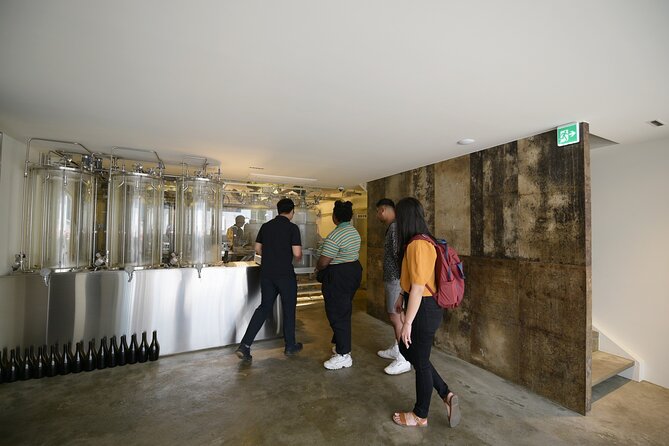
The maximum group size is 10 people. That is small enough to keep the backroom from feeling like a lecture, while still allowing for a shared social atmosphere.
A small group also improves the practical side of tasting. You can ask why one bottle is sweet, how a cloudy drink is filtered, or which bottles are easiest for a beginner. The hosts have room to respond rather than rushing through a script.
The tradeoff is that a small tasting may feel more intimate than some visitors expect. If you want a loud night out with a large crowd, this is not that sort of activity. It is better suited to people who enjoy listening, tasting, and asking questions.
The adult-only policy is firm. Only people born in 2005 or earlier were allowed in 2024. Since age rules can change with the calendar, check the current requirement when booking.
Location, Timing, and Evening Plans
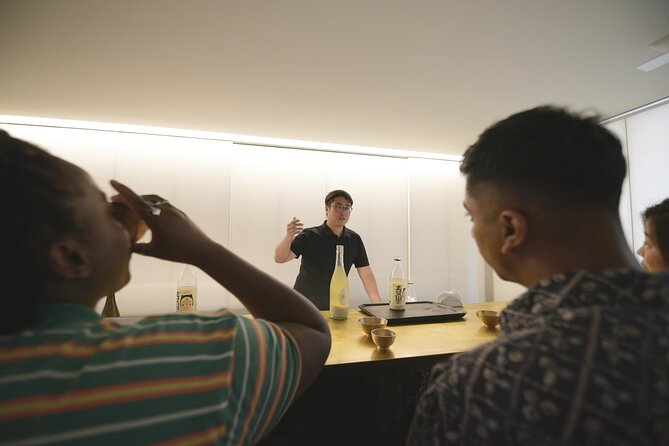
Starting at 5:00 pm makes this easy to place before dinner or as the first stop of an evening in Mapo. The activity ends back at the meeting point, so you are not left in an unfamiliar part of Seoul.
Hapjeong is a useful base for a night out, but the tour itself is not described as a food tour. Do not book it expecting a full Korean meal. You are paying for the guided tasting, instruction, and access to specialty bottles.
The mall location is convenient but not especially atmospheric. You will not be arriving at a countryside brewery or a traditional Korean house. Instead, you get a central Seoul meeting point and a private-feeling room inside a specialty shop. For most visitors, that is a fair exchange for easy transport and a focused session.
The mobile ticket also keeps the booking process simple. Confirmation is provided at the time of booking. I would still save the meeting address and shop number before leaving your hotel, since basement malls can take a few minutes to navigate.
Is $40.85 a Fair Price?
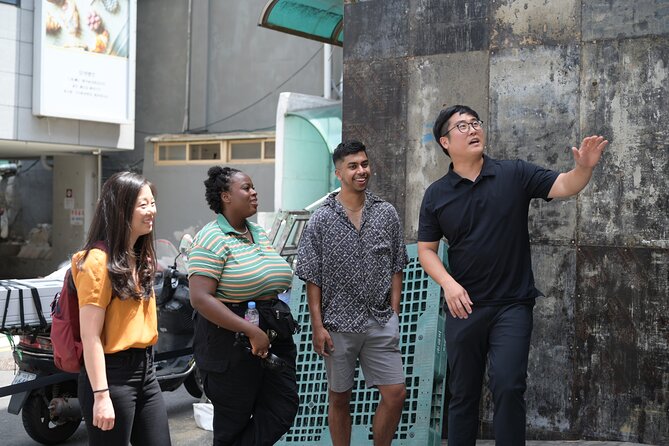
At $40.85 per person, this is not the cheapest way to drink makgeolli in Seoul. You can buy a basic bottle at a restaurant or convenience store for much less.
The comparison is not quite fair, though. The price covers a guided tasting led by a sommelier and certified brewer, access to unusual bottles, and an explanation of Korean alcohol that you would not get from a restaurant table. For someone curious about local drinks, the cost is reasonable if the selection is as varied as intended.
The value is strongest for first-time visitors who want a clear introduction without spending a day traveling to breweries. It is also useful for repeat visitors who have tried standard makgeolli and want to understand the wider range.
The value is weaker if you already know Korean rice wine well, want a full meal included, or mainly want premium soju. In those cases, compare the activity with a dedicated distillery visit or a food-and-drink tour.
Since the experience is non-refundable and cannot be changed for any reason, book only when you are confident about your schedule. If poor weather causes the provider to cancel, you are offered another date or a full refund.
Who Should Book This Tasting?
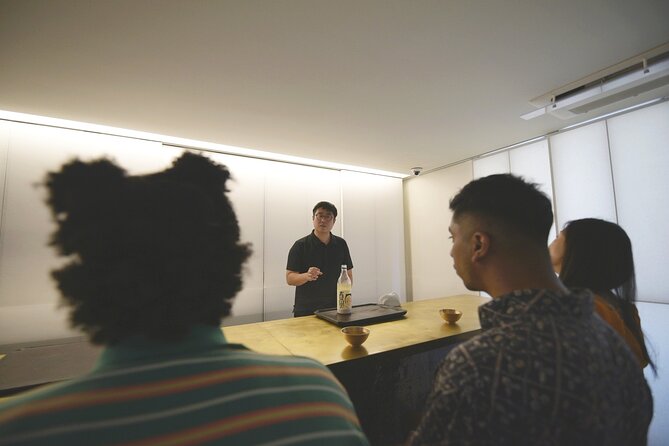
I would recommend it to several types of visitors:
- You have tried makgeolli but know little about how it is made.
- You want to taste products from small Korean producers.
- You prefer a small group and direct access to the hosts.
- You enjoy cultural background along with food and drink.
- You want ideas for Korean alcohol to buy during your stay.
- You need an evening activity near a major Seoul subway station.
It may not suit you if you dislike fermented drinks, are looking for a party atmosphere, or expect an extensive meal. It is also not the right choice if your main interest is a traditional soju distillery, since that is offered separately.
The tasting is best approached with curiosity. You do not need to be a wine expert. You only need to be willing to compare unfamiliar flavors and listen to the explanation behind them.
Final Verdict on the Hapjeong Makgeolli Experience
Book this if you want more than a quick taste of the standard restaurant makgeolli. The combination of rare bottles, regional producers, a sommelier, and a certified brewer gives the session real substance for its short length.
I especially like the chance to connect the drink with Korean culture rather than treating it as a novelty. The small group, English-speaking hosts, convenient Hapjeong location, and option to shop afterward all add practical value.
Just keep your expectations precise. This is an 80-minute tasting in a specialty shop, not a countryside brewery visit, a full dinner, or a guaranteed soju workshop. If that format matches your interests, $40.85 buys a useful and memorable introduction to one of Korea’s most misunderstood drinks.
FAQ
Where does the makgeolli tasting take place?
It takes place at Sool Society, a specialty rice wine shop in the Mecenatpolis mall connected to Hapjeong Station in Seoul. The shop is at 45 Yanghwa-ro, basement level 1, unit B139, in Mapo-gu.
What time does the activity start?
The tasting starts at 5:00 pm.
How long does the experience last?
The experience lasts approximately 1 hour and 20 minutes.
Who leads the tasting?
The tasting is hosted by Jay, a Korean liquor sommelier, and Sam, a certified Korean alcohol brewer.
What kind of alcohol will I taste?
The main focus is makgeolli, a fermented and unfiltered Korean rice wine. A separate soju tasting is also offered by the provider at a small distillery.
Is this an English-language experience?
Yes. Sam speaks English, and the tasting includes explanations and stories about makgeolli and Korean alcohol.
How many people can join?
The activity has a maximum of 10 travelers.
Are children allowed?
No. Only adults are allowed at the venue. In 2024, participants had to be born in 2005 or earlier.
Can I cancel or change my booking?
No. The experience is non-refundable and cannot be changed for any reason. If the provider cancels because of poor weather, you are offered a different date or a full refund.
More Food & Drink in Seoul
- Seoul Street Food Market Tour
★ 5.0 · 1,226 reviews - Seoul: Night Market Food Tour with Local Guide
★ 4.9 · 943 reviews - Downtown Seoul Guided Food & Market Tour with 8+ Local Tastings
★ 5.0 · 580 reviews - Small-Group Night Food Tour in Seoul with Korean BBQ
★ 5.0 · 304 reviews
Just added around Seoul
- Incheon Airport Private Transfer between Seoul City★ 4.0 · 4 reviews
- Seoul’s Stars: Open Mic with Local & International Talent★ 4.8 · 4 reviews
- Samaksan Cable Car and Nami Island Day Escape with Railbike★ 4.0 · 4 reviews
- DMZ 2nd Tunnel and Cheorwon Peace Observatory with Admission★ 5.0 · 4 reviews
- Nami & Maple Road & Theatre des Lumieres Day Tour from Seoul★ 4.8 · 4 reviews
- Hire Photographer, Professional Photo Shoot – Seoul★ 5.0 · 4 reviews
- [KoreaByLocal] Authentic Seoul Night Walk and Chicken & Beer★ 5.0 · 4 reviews
- Play Gayageum in Hanbok Cultural Experience in Bukchon★ 5.0 · 4 reviews
Makgeolli & Korean Liquor, compared.

Traditional Soju Class and Makgeolli Tasting in Seoul
Read our review →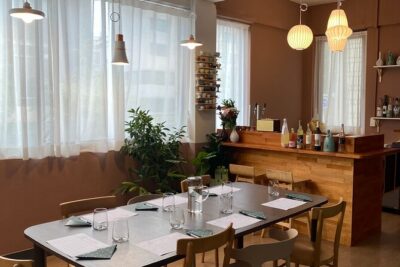
Learn and Craft Makgeolli in a Traditional Brewery
Read our review →
Brew&taste Korea’s traditional drink Makgeolli in Seoul forest
Read our review →Browse the lists this tour appears in