
Reviewed · MAKGEOLLI & KOREAN LIQUOR
Soju Tasting at Distillery – story of 3 pigs
The most useful lesson here is that traditional soju is not the same drink as Seoul’s familiar green bottle. This small-group tasting takes you inside Samhae Soju in Mapo, where you can see fermentation in progress, hear how Korean rice wines become distilled spirits, and taste bottles far stronger and more varied than the standard supermarket pour.
I like the chance to taste at least seven Korean alcohols, including premium soju at 45% alcohol or higher. I also like host Sam Lee’s relaxed, funny approach, which turns a technical subject into a social evening. The main caution is simple: these are strong drinks, the session is only about 90 minutes, and the tasting can leave you pleasantly tipsy. Eat first.
In This Review
- Key points at a glance
- Why this is not just a green-bottle soju tasting
- Entering Samhae Soju in Mapo
- The story behind Samhae soju
- Seeing fermentation before tasting
- Seven drinks, several styles, and plenty of alcohol
- Sam Lee’s role in the evening
- What the 90-minute schedule feels like
- Is $43.83 a fair price?
- Who should book, and who should skip it
- Practical details before you go
- Should you book the Samhae tasting?
- FAQ
- Where does the soju tasting take place?
- How long does the experience last?
- How many drinks are included?
- How strong is the soju?
- How many people can join the group?
- What happens if bad weather cancels the experience?
Key points at a glance
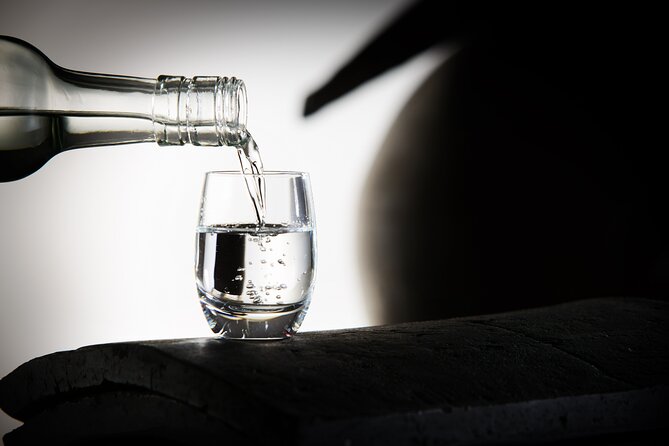
- Traditional soju at 45% or higher: This is serious spirit territory, not the mild green-bottle drink sold across Seoul.
- An actual working distillery: You visit Samhae Soju in Mapo, a place not generally open to the public.
- Seven or more Korean drinks: The tasting can include soju, takju, cheongju, and flavored or aromatic soju varieties.
- A Joseon-era connection: Samhae soju was once favored by the noble class and required so much rice that production stopped during famines.
- Small-group conversation: The group limit is 10, creating room for questions and a friendly exchange with Sam.
- Eat before you arrive: The alcohol comes in several rounds, and some pours are 90 proof or stronger.
Why this is not just a green-bottle soju tasting
Most people first meet soju in Korea as a chilled, inexpensive bottle shared over barbecue or fried chicken. That drink has its place, but it is often diluted ethanol with artificial sweetener. This experience gives you a useful correction to that first impression.
At Samhae Soju, the focus is on traditional distilled spirit. The tasting also introduces the wider Korean drinking family. Takju is unfiltered rice wine, usually cloudy. Cheongju is clear, filtered rice wine. Soju is distilled, which gives it a higher alcohol level and a different texture and finish.
That distinction matters. If you have found ordinary soju too sweet, thin, or anonymous, you may respond very differently to a carefully made traditional bottle. If you already enjoy the green bottle, this tasting explains what sits behind the word soju and gives you a broader scale for judging it.
Sam Lee also connects the drinks to Korean manners, food, history, and everyday culture. That makes the session more useful than a row of glasses with no context. You learn not only what is in each cup, but why these drinks matter in Korea.
More makgeolli and Korean liquor tastings:
- Learn and Make Your Very Own Craft Makgeolli
★ 5.0 · 94 reviews - Traditional Soju Class and Makgeolli Tasting in Seoul
★ 5.0 · 35 reviews - Makgeolli Brewing Class
★ 5.0 · 21 reviews
Entering Samhae Soju in Mapo
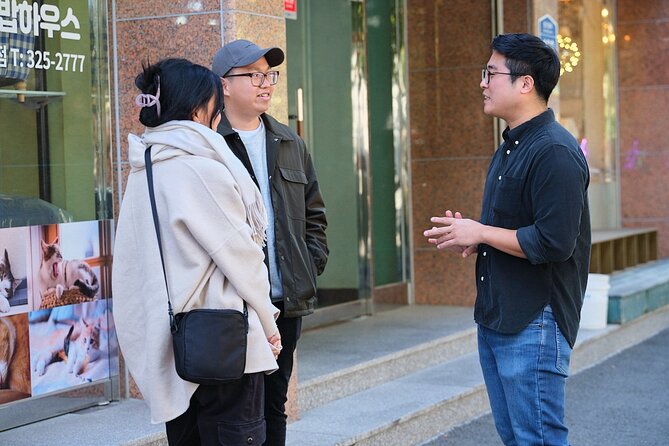
The meeting point is Samhae Soju, at World Cup buk-ro 109, basement level 1, in Mapo-gu, Seoul. The distillery is near public transportation, but you should still allow time to find the basement entrance. The activity begins and ends at the same place, so you do not need to arrange a second pickup point afterward.
The setting is part of the appeal. This is not a polished bar built for quick cocktail service. You are visiting an operating distillery that is not open to the general public. That gives the tasting a more direct connection to production, even if the room feels practical rather than fancy.
One review pointed out that the company could improve its marketing and visual presentation. I would treat that as a fair expectation setter. Come for the drink, the working setting, and the conversation, not for a glossy showroom or luxury tasting room.
The group size is capped at 10 people. Some sessions may be smaller, and one especially relaxed evening had only five people. A small group makes a real difference here because the host can answer questions, move at a comfortable pace, and let the conversation develop.
The story behind Samhae soju
The historical thread centers on Samhae soju, a spirit associated with the noble class during the Joseon dynasty, which lasted from 1392 to 1894. It was considered a luxurious drink, but its production used a large amount of rice.
That rice-heavy method made Samhae soju difficult to maintain during famine years. Production had to stop when food supplies were scarce. The story gives you a clear picture of how alcohol production once depended on agriculture, social class, and the availability of staple food, rather than simply on a factory’s ability to produce more bottles.
The current master, Hyeonjong Kim, learned and practiced the method for more than 10 years under master Taeksang Kim, who had inherited the family recipe. Taeksang Kim died in 2021, so tasting this spirit also means encountering a recipe carried through a family line and passed to its current maker.
The title associated with the experience refers to the story of three pigs, but the supplied details do not spell out the full tale. Do not book expecting a staged folklore performance. The reliable promise is a story-led tasting that connects Samhae soju with Korean history, production, and tradition.
Seeing fermentation before tasting
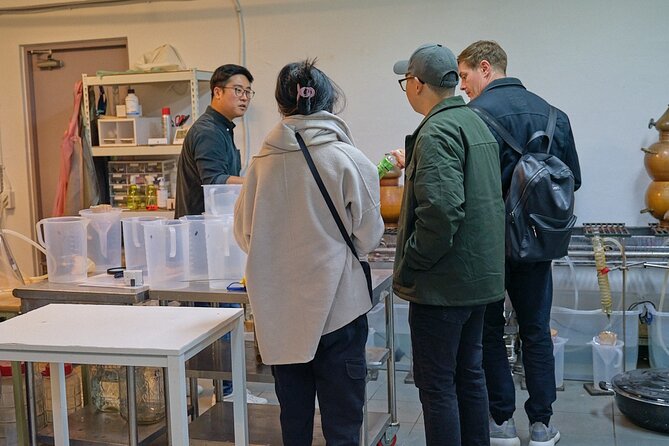
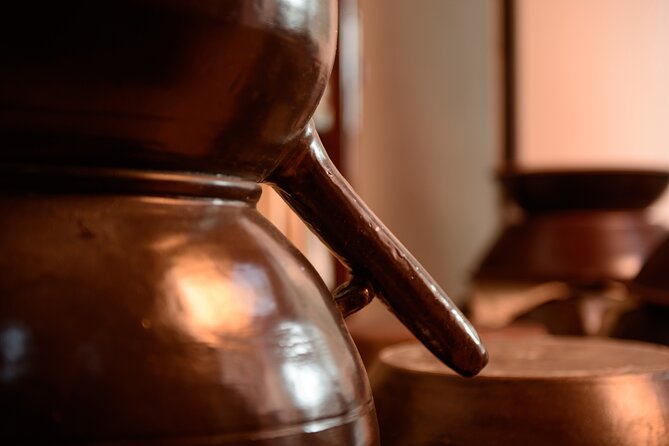
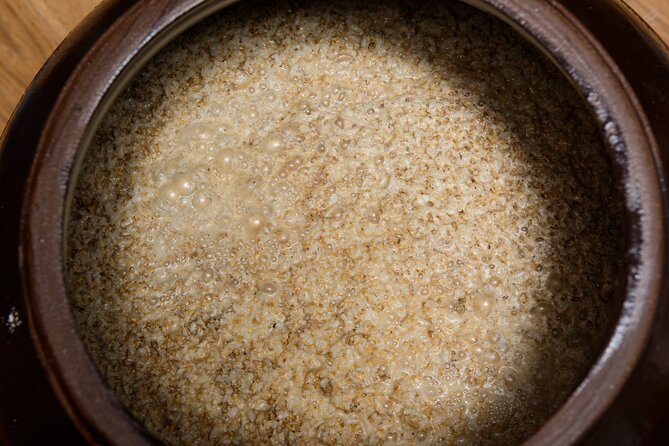
A useful part of the visit is the chance to see fermentation in progress. That helps explain the difference between a finished bottle and the stages that come before distillation.
The session covers how takju and cheongju fit into the process. Takju is unfiltered, while cheongju is filtered and clear. Soju is then made as a distilled spirit. You are not only sampling finished products, you are getting a basic map of how Korean rice alcohols relate to one another.
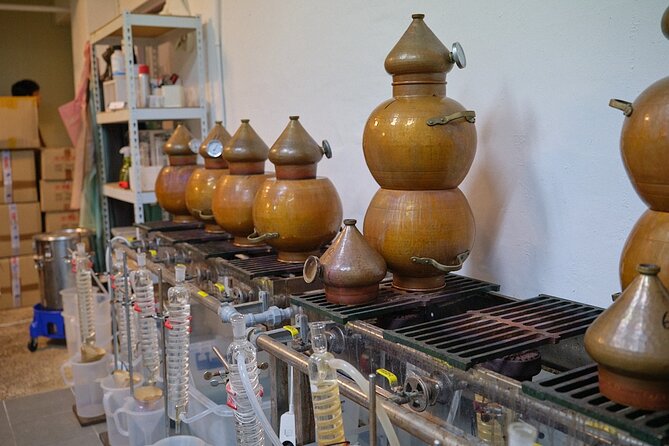
The exact production walk-through may vary with what is happening at the distillery. Still, the setting lets Sam point to real work in progress rather than relying only on a lecture. That is valuable for anyone who wants to understand why traditional soju tastes different from industrial versions.
I would pay close attention here, because the tasting makes more sense once you know what fermentation contributes and why distillation changes the drink. This is also where questions are most useful. Sam has been praised for answering questions patiently and clearly, so bring them.
A few more Seoul trips worth weighing up
- Seoul Street Food Market Tour
★ 5.0 · 1,226 reviews - Seoul: Night Market Food Tour with Local Guide
★ 4.9 · 943 reviews - Downtown Seoul Guided Food & Market Tour with 8+ Local Tastings
★ 5.0 · 580 reviews - Small-Group Night Food Tour in Seoul with Korean BBQ
★ 5.0 · 304 reviews
Seven drinks, several styles, and plenty of alcohol
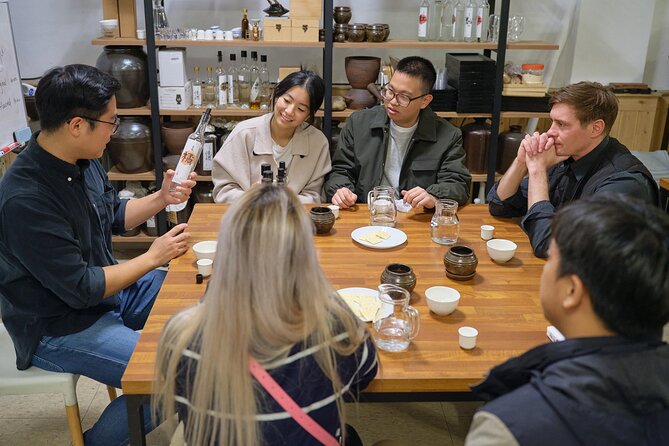
The tasting includes at least seven different Korean alcohols made by a master distiller. The selection can include different soju varieties, other Korean alcohols, and soju with added aromas or special flavors.
Expect a range rather than seven identical pours. You may compare different strengths, textures, and aromas, then notice how much more character a traditional spirit can show. The tasting has been described as including seven soju varieties with special aromas, while another session included takju and yakju as part of the wider explanation.
The headline figure is the strength. Premium soju served here is 45% alcohol or above, equal to at least 90 proof. That is more than double the alcohol of many familiar green-bottle sojus. You need to pace yourself, even if each pour looks small.
The tasting is social, but it is still a serious amount of alcohol in a short period. Eat a proper meal beforehand. Drink water if available, and do not plan to drive afterward. The experience ends at the distillery, giving you a simple place to pause before continuing your evening.
The order of tasting is not fully specified, so I would not expect a fixed menu that is identical every time. The important point is the range and the chance to compare rather than simply drink one signature bottle.
Sam Lee’s role in the evening
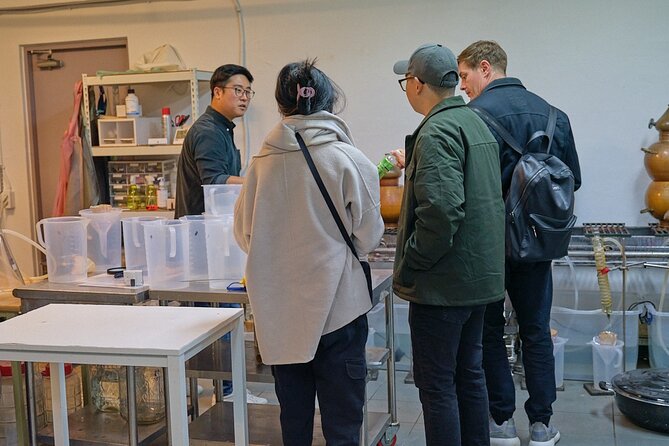
Sam Lee is the host and the person who keeps this from becoming a dry production lesson. His style is warm, talkative, and humorous. He explains the making of soju, then allows the group to ask questions and share reactions.
The strongest praise centers on Sam’s hospitality, patience, and ability to explain both the process and the cultural setting. He has also offered suggestions for restaurants, places to visit, and other Seoul plans after the tasting. Those tips can be useful, especially if you schedule this early in your stay and use the conversation to shape the rest of your trip.
The relaxed tone is a strength, but it also means the evening is not a formal sommelier class. If you want technical detail on yeast strains, precise distillation temperatures, or a printed tasting sheet, that is not promised here. You get an accessible introduction led by a host who enjoys conversation.
For solo visitors, the group format is worth considering. Most of the value comes from shared conversation, and one solo participant found the social dynamic less comfortable after feeling left out by other people in the group. That is not a flaw unique to this experience, but it is a reminder that a small tasting is still a group activity. Couples, friends, and sociable solo visitors are likely to find the format easiest.
What the 90-minute schedule feels like
The experience lasts about one hour and 30 minutes. That is enough time for an introduction, a look at the distillery, historical background, production talk, and several tasting rounds.
The pace sounds friendly rather than rushed, but seven or more drinks take time. One comment wished the session were longer, and I can understand why. Once the group gets talking, the clock moves quickly. You may leave with a good introduction rather than a complete course in Korean distilling.
A likely flow looks like this:
- You meet Sam at the Mapo distillery and settle into the small group.
- You hear the basic differences between takju, cheongju, and soju.
- You learn about Samhae soju, its Joseon-era status, and its rice-heavy production.
- You see fermentation in progress and discuss how the drinks are made.
- You taste at least seven Korean alcohols, including high-proof traditional soju.
- You finish with questions and, potentially, Seoul food and sightseeing suggestions.
The exact sequence can change, so I would focus less on checking off stops and more on comparing the drinks while the explanation is fresh.
Is $43.83 a fair price?
At $43.83 per person, this is not the cheapest drinking activity in Seoul. You can buy several bottles of ordinary soju for far less. That comparison misses the point, though.
The price covers access to a distillery not open to the public, a guided explanation of Korean alcohol, at least seven tastings, and the chance to sample premium soju at 45% alcohol or above. You are paying for access and interpretation, not just liquid in a glass.
I see good value here if you are interested in food culture, spirits, Korean history, or authentic small-group activities. The price is harder to justify if you simply want a casual night out or already know that high-proof alcohol is not for you.
The tasting also gives you a useful reference for the rest of your Seoul trip. Afterward, you will better understand the difference between traditional soju and the sweetened industrial bottle you may encounter at restaurants. That can make later meals more interesting, even if you do not buy another premium bottle.
Who should book, and who should skip it
I would recommend this to:
- Anyone curious about the real range of Korean soju.
- Spirit drinkers who enjoy comparing strength, aroma, and production style.
- Visitors interested in Joseon history and food traditions.
- Couples or small groups looking for a social evening in Seoul.
- People who prefer working local settings to polished tourist venues.
- Green-bottle soju fans who want to understand what the label can mean beyond the common brand.
I would think twice if you dislike strong spirits, cannot drink alcohol, or want a long, highly formal distillery tour. The session is short, the group is part of the experience, and the alcohol level is high.
This is also not the best choice for someone seeking a quiet tasting with no conversation. Sam’s approach is interactive, and much of the pleasure comes from the exchange between the host and the group.
Practical details before you go
Confirmation is provided when you book, and the activity uses a mobile ticket. It is near public transportation, with the meeting point and end point both at Samhae Soju in Mapo.
The maximum group size is 10 people. Private groups can request a separate reservation, and the host may be able to adjust the experience for group needs.
The booking is non-refundable and cannot be changed for any reason. If poor weather causes the operator to cancel, you are offered another date or a full refund. Since this is primarily an indoor activity, the weather rule may matter most for getting to the venue rather than for the tasting itself.
Eat before arriving. This is the most practical advice in the entire review. Seven tastings, with several high-proof pours, can catch you off guard even if you are used to soju.
Should you book the Samhae tasting?
Book it if you want to taste traditional Korean alcohol in the place where it is made, not just order another green bottle with dinner. The combination of a working distillery, seven or more drinks, Samhae soju’s Joseon-era story, and Sam Lee’s easygoing hosting offers real substance for the price.
I would schedule it when you have a free evening and no demanding plans afterward. Eat first, keep an open mind about cloudy rice wine and strong spirits, and expect a friendly conversation rather than a slick show. For curious drinkers, this is one of the more useful ways to understand Korea’s drinking culture in a single Seoul session.
FAQ
Where does the soju tasting take place?
It takes place at Samhae Soju, South Korea, Seoul, Mapo-gu, World Cup buk-ro, 109, basement level 1. The activity ends back at the same meeting point.
How long does the experience last?
The tasting lasts approximately one hour and 30 minutes.
How many drinks are included?
You can expect to taste at least seven different types of Korean alcohol made by a master distiller. The selection may include several soju varieties, as well as takju, cheongju, or other Korean alcohols.
How strong is the soju?
The premium soju served during the experience is 45% alcohol or higher, which is at least 90 proof.
How many people can join the group?
The maximum group size is 10 people. Private group reservations are also available by contacting the host.
What happens if bad weather cancels the experience?
If the experience is canceled because of poor weather, you are offered a different date or a full refund. The experience itself is non-refundable and cannot normally be changed or canceled for other reasons.
Just added around Seoul
- Incheon Airport Private Transfer between Seoul City★ 4.0 · 4 reviews
- Seoul’s Stars: Open Mic with Local & International Talent★ 4.8 · 4 reviews
- Samaksan Cable Car and Nami Island Day Escape with Railbike★ 4.0 · 4 reviews
- DMZ 2nd Tunnel and Cheorwon Peace Observatory with Admission★ 5.0 · 4 reviews
- Nami & Maple Road & Theatre des Lumieres Day Tour from Seoul★ 4.8 · 4 reviews
- Hire Photographer, Professional Photo Shoot – Seoul★ 5.0 · 4 reviews
- [KoreaByLocal] Authentic Seoul Night Walk and Chicken & Beer★ 5.0 · 4 reviews
- Play Gayageum in Hanbok Cultural Experience in Bukchon★ 5.0 · 4 reviews
Makgeolli & Korean Liquor, compared.
Traditional Soju Class and Makgeolli Tasting in Seoul
Read our review →
Learn and Craft Makgeolli in a Traditional Brewery
Read our review →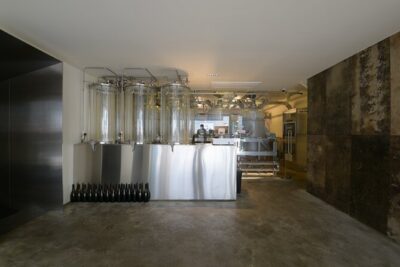
Rice Wine Tasting with Sommelier – Finest Makgeolli (& Soju)
Read our review →
Brew&taste Korea’s traditional drink Makgeolli in Seoul forest
Read our review →Browse the lists this tour appears in