
Reviewed · MAKGEOLLI & KOREAN LIQUOR
Learn and Craft Makgeolli in a Traditional Brewery
Makgeolli is more than Korea’s cloudy rice wine. In this small class at Baekusaeng Makgeolli, you taste several styles, learn how traditional brewing works, and make your own batch under the guidance of founder Joe Kim, a certified Korean alcohol sommelier and author. This is a hands-on lesson, not a brewery tour where you only watch.
I like the mix of blind tasting and practical brewing, since you learn to notice differences before making your own drink. I also like the take-home kit, which lets you continue the experience after you leave. The main drawback is the pace: two hours covers a lot, and you should be ready to sample several alcoholic drinks. It is not suitable for anyone under 21 or for pregnant women.
In This Review
- Key points
- Makgeolli from the tasting cup to the brewing vessel
- Inside Ahyeon Market in central Seoul
- The first lesson: ingredients, tools, and Korean brewing
- Comparing commercial and craft makgeolli
- Making your own makgeolli
- Why the two-hour format works, and where it feels tight
- What the $80 price includes
- Who should book this class
- Getting there and planning your day
- My booking advice
- FAQ
- Where does the makgeolli class take place?
- How do I reach the brewery by subway?
- How long does the class last?
- What languages are available?
- How many people can join the class?
- What alcoholic drinks will I taste?
- What do I take home?
- Is food included?
- Who should not join, and can I cancel?
Key points
- Taste commercial and craft makgeolli side by side to understand what changes with quality and brewing style.
- Make your own batch during class and take home enough fermenting makgeolli to yield about 1.5 liters.
- Learn from Joe Kim, the brewery founder, Korean alcohol sommelier, and English-language author on home brewing.
- Sample soju as well as rice wine, with light snacks served during the session.
- Meet inside Ahyeon Market, a more local setting than a polished tourist attraction.
- Expect a small group of up to 10 people, with instruction in English, Korean, or Spanish.
Makgeolli from the tasting cup to the brewing vessel
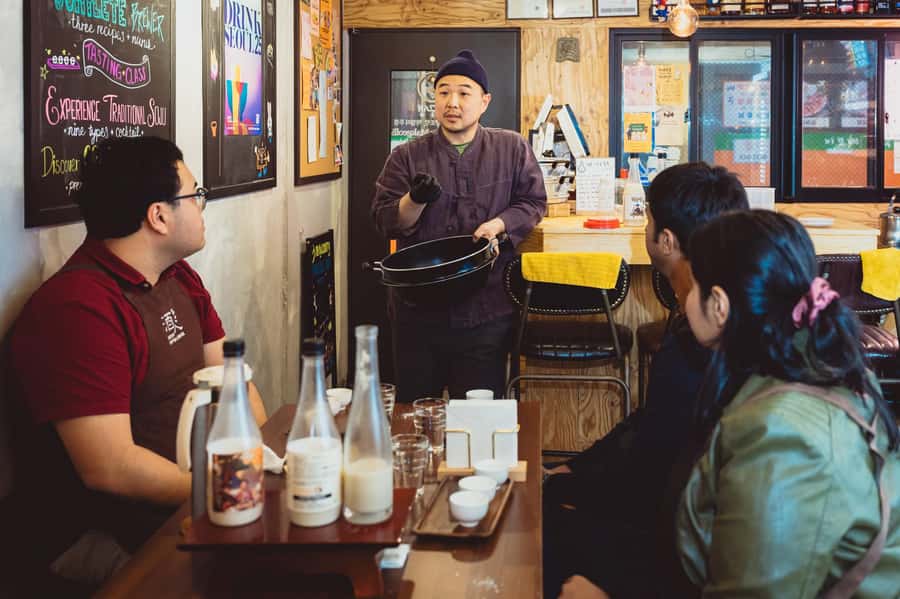
This class gives you a useful way to understand makgeolli: first through your palate, then through your hands. You do not simply hear that craft and commercial versions differ. You taste them, compare them, and then learn how ingredients and tools shape the result.
Makgeolli is a traditional Korean rice wine with a milky appearance and a gentle, often sweet and tangy taste. It is made by fermenting rice with water and nuruk, a traditional fermentation starter. The exact flavor can change with the ingredients, the brewing method, and the time allowed for fermentation.
Joe Kim leads the session and brings several roles to the table. He owns the brewery, holds certification as a traditional Korean alcohol sommelier, and wrote the first complete English guide to home brewing Korean rice wine. That background matters here because the class is aimed at explanation as well as entertainment.
The strongest feature is that you are asked to do the work yourself. If you prefer a short tasting with little instruction, this may feel too detailed. If you want to understand what is in your cup and leave with a new skill, the format makes good use of its two hours.
More makgeolli and Korean liquor tastings:
- Soju Tasting at Distillery – story of 3 pigs
★ 5.0 · 166 reviews - Learn and Make Your Very Own Craft Makgeolli
★ 5.0 · 94 reviews - Traditional Soju Class and Makgeolli Tasting in Seoul
★ 5.0 · 35 reviews
Inside Ahyeon Market in central Seoul
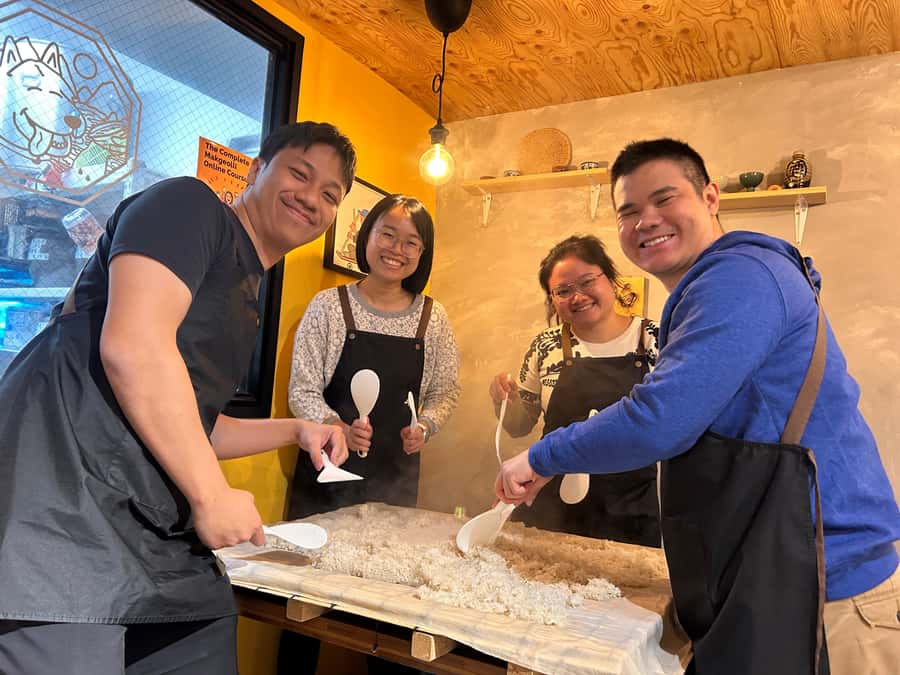
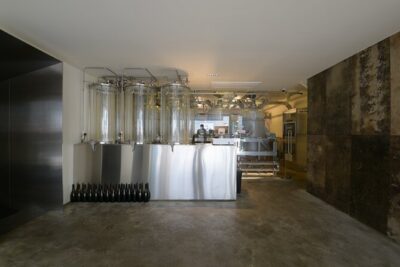
The brewery is located at Baekusaeng Makgeolli, inside Ahyeon Market in Seoul’s Mapo-gu district. The market setting gives the class a practical Korean backdrop. You are not being placed in a large visitor center or a generic cooking studio. You meet at an operating makgeolli brewery connected to a traditional market.
From Ahyeon Station on Line 2, use Exit 4. Walk straight until you reach Mega Coffee, turn left, and continue until you see the market entrance on your left. Look for the Baekusaeng Makgeolli logo inside the market.
You can also take a bus to the Wedding Town bus stop, written in Korean as 웨딩타운버스정류장. If you use a taxi, ask to be dropped at that bus stop. There is no pickup from the subway station, so allow time to find the market and brewery before the class begins.
The precise address is 346-35 Ahyeon-dong, Mapo-gu, Seoul, with the Korean meeting name 백구생, Baekusaeng Makgeolli. Since the meeting point is inside a market, having the Korean name and address ready on your phone is sensible.
The first lesson: ingredients, tools, and Korean brewing
The class begins with the building blocks of makgeolli. Joe explains how to choose the right ingredients and how those choices affect the finished drink. You also learn which tools are needed for the job, an important point for anyone who has considered making rice wine at home but did not know where to start.
This part gives you a frame for the tasting that follows. Instead of treating makgeolli as one fixed drink, you begin to see it as a category with many possible results. The class covers traditional methods and the process used to make homemade makgeolli.
The instruction is detailed for such a short session. Previous participants have described the class as packed with information, but also clear and absorbing. That combination is useful, though you should not expect a slow, relaxed afternoon. Joe moves through theory, tasting, and brewing in a limited two-hour window.
You will likely get the most from this section if you ask questions as you go. The group is limited to 10 people, which keeps the format more personal than a large demonstration. Still, the amount covered means the class rewards attention.
Comparing commercial and craft makgeolli
The tasting is not an afterthought. You sample different Korean rice wines, including both commercial and premium or craft examples. This side-by-side approach helps you notice the differences in flavor and character rather than relying on labels alone.
A blind tasting adds a playful test. You taste without being told exactly what is in front of you, then compare your impressions. This is a good teaching tool because it encourages you to focus on aroma, sweetness, texture, acidity, and finish.
The point is not to turn you into a professional taster in two hours. It is to help you recognize why one bottle may feel more refined or complex than another, and why personal taste still matters. A premium makgeolli is not automatically the right choice for every palate.
You also sample soju during the session. Soju and makgeolli are both closely linked with Korean drinking culture, but they offer a very different experience in the glass. Adding soju broadens the lesson and gives you a clearer sense of Korea’s traditional alcohol range.
Light snacks are included. They provide something to eat while you taste, though this should not be treated as a meal. Since you will sample several alcoholic drinks, eat sensibly beforehand and do not plan to drive afterward.
A few more Seoul trips worth weighing up
- Seoul: Pub Crawl
★ 4.7 · 903 reviews - The Seoul Pub Crawl Official
★ 5.0 · 838 reviews - Drinking and Eating through the Alleys of Seoul
★ 5.0 · 364 reviews - Seoul: Anthony Bourdain-Inspired BBQ and Pub Experience
★ 5.0 · 186 reviews
Making your own makgeolli
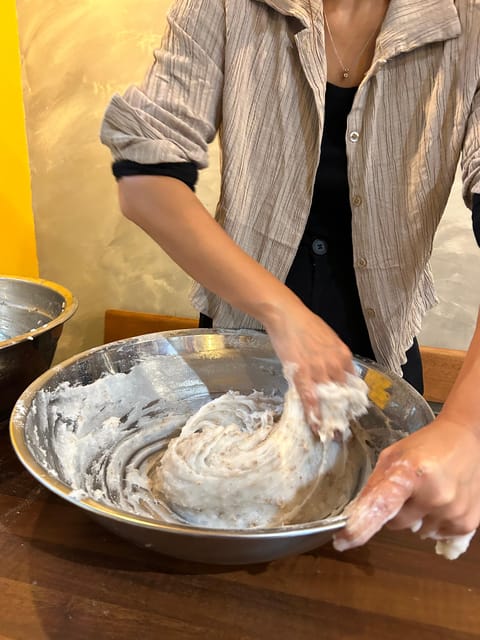
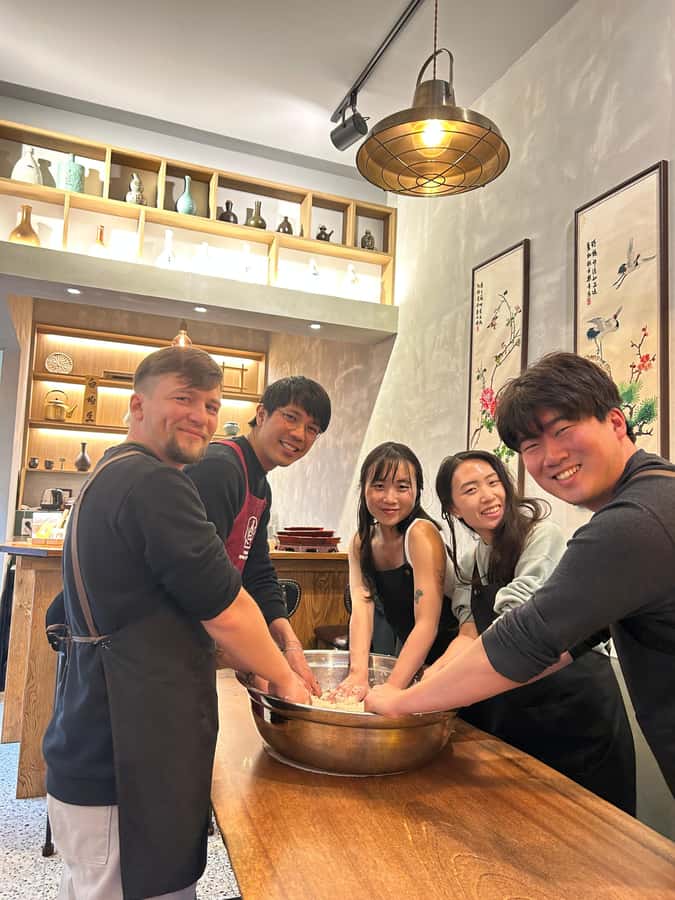
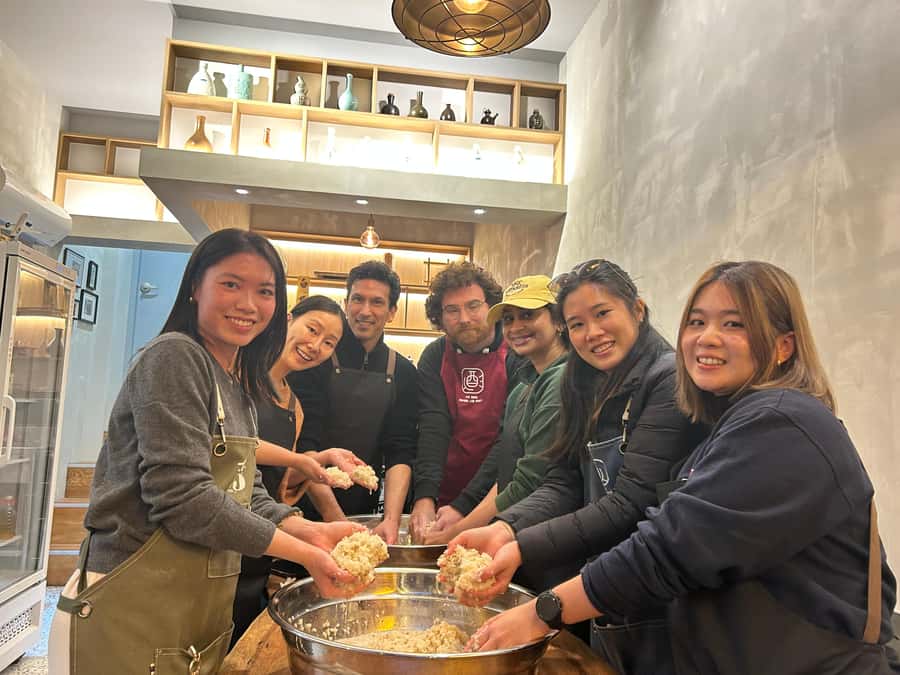
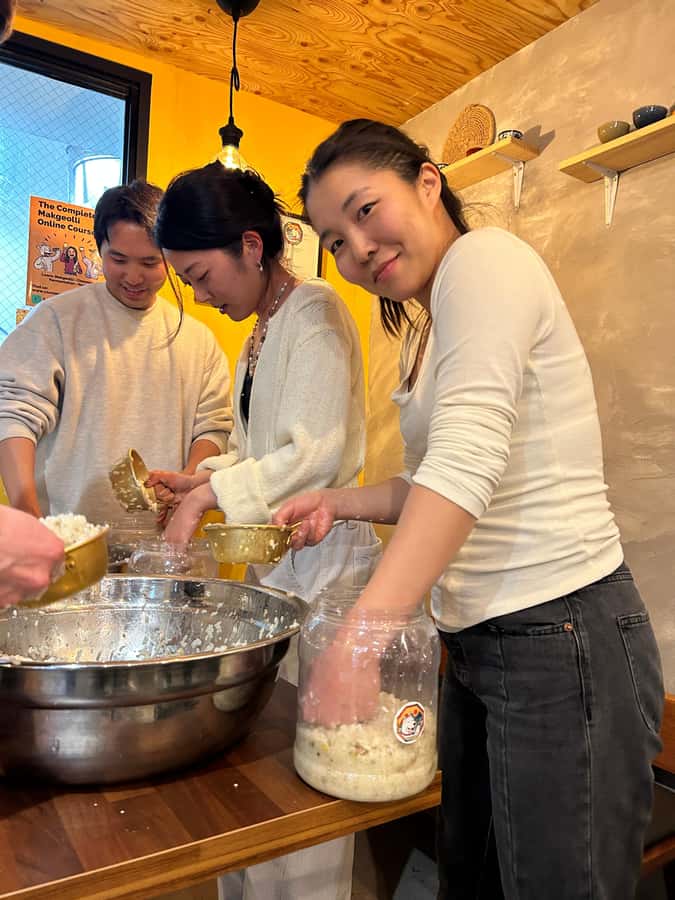
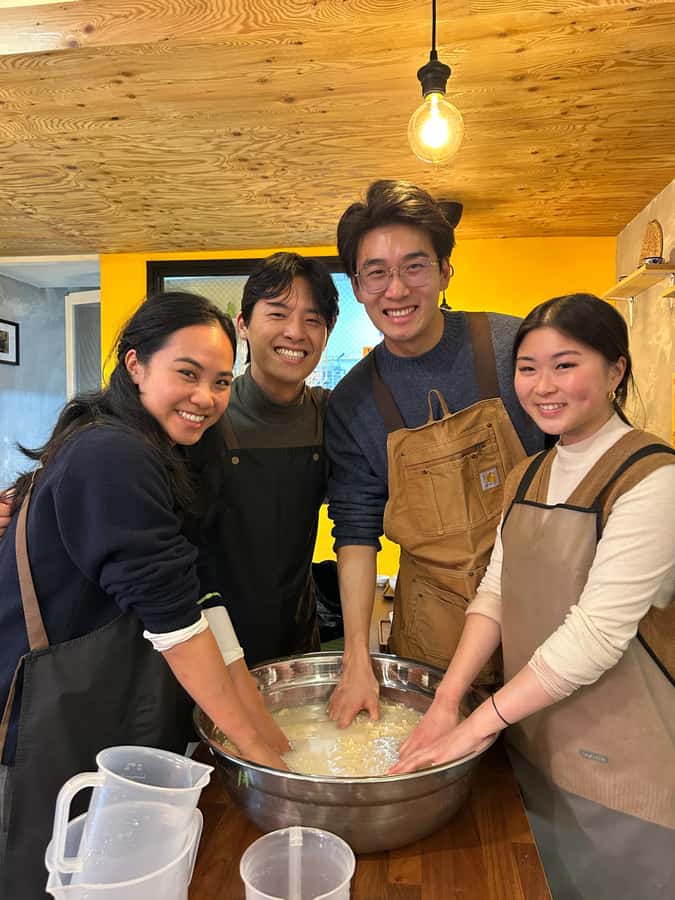
After the tasting and explanation, you craft your own homemade makgeolli. This is the point where the class changes from a talk into a workshop. You work with the ingredients and tools, following the process Joe has explained.
The practical value is clear. You are not only hearing about fermentation. You are preparing a batch that you can take home and continue fermenting. The finished yield should be about 1.5 liters, giving you enough to share or to taste at different stages.
The home-fermentation element also makes this a good choice for people who want a souvenir with a bit of life left in it. A bottle bought from a shop is ready to drink. Your own vessel requires attention and patience, which connects you more directly with the traditional process.
Bring a reusable bag. You will need it to carry your makgeolli vessel away from the brewery. If you cannot take the fermenting batch with you, the brewery can provide a finished bottle instead. That option is useful if your luggage, schedule, or accommodation makes fermentation inconvenient.
You should not expect to complete the entire fermentation process during the class. The batch you take home needs to continue fermenting. The activity teaches you how to begin and gives you the product to take with you, rather than promising a fully finished drink at the end of the two hours.
Why the two-hour format works, and where it feels tight
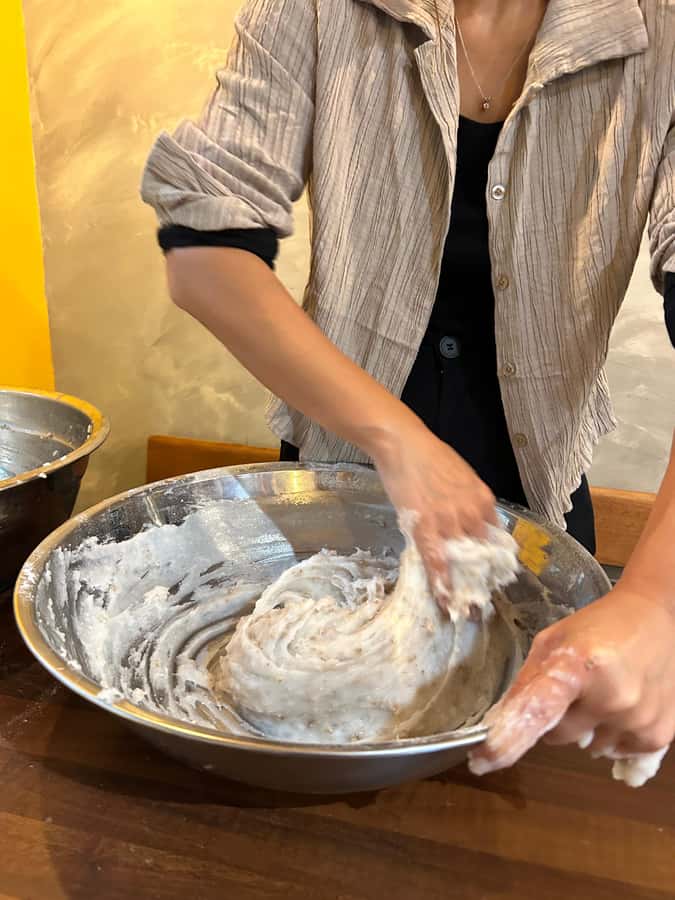
Two hours is a sensible length for a Seoul holiday schedule. You can fit the class between other plans, and the central location makes it easier to combine with time around Ahyeon Market or nearby parts of the city.
The trade-off is speed. The session includes brewing theory, ingredient selection, tools, hands-on preparation, craft tasting, commercial tasting, blind tasting, soju, and snacks. That is a lot for one sitting.
The class is best approached as a concentrated introduction. You will leave with a strong starting point, but not with every question answered about Korean alcohol. If you already brew at home or have advanced fermentation experience, some of the basic material may feel familiar.
For first-time makers, the packed schedule is more of a benefit. You get a broad view in one appointment, and Joe’s teaching keeps the lesson from becoming a simple demonstration. The hands-on work is particularly important because it gives you something concrete to remember after the tasting glasses are gone.
What the $80 price includes
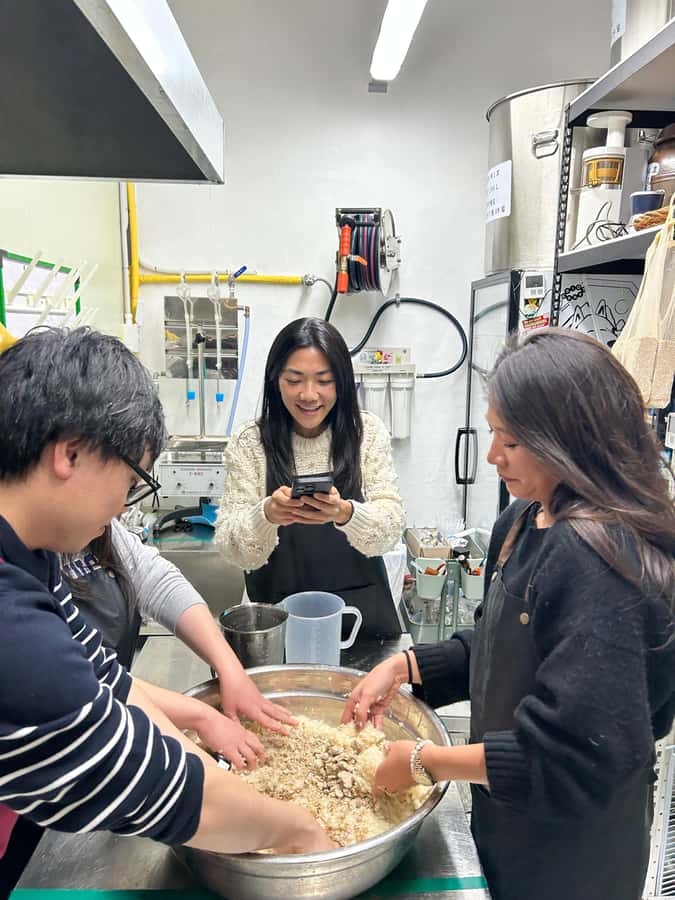
At $80 per person, this is not the cheapest way to drink makgeolli in Seoul. It is also not priced like a simple bar tasting. The fee covers instruction, multiple samples of commercial and craft rice wine, soju, light snacks, the brewing activity, and a take-home makgeolli batch or finished bottle.
The take-home yield of about 1.5 liters adds real value, especially if you are interested in home brewing. You are paying for ingredients and alcohol, but also for the chance to learn a process that is difficult to understand from a menu or a shop shelf.
I would consider the price fair for someone who wants a focused cultural activity and direct instruction from the brewery founder. It is less attractive if you only want to try makgeolli once. In that case, a traditional market or Korean restaurant may offer a cheaper introduction.
The small group also affects the value. With no more than 10 participants, the lesson has a better chance of feeling interactive. You are not paying for a large stage show. You are paying for a short workshop with tasting and personal participation.
Who should book this class
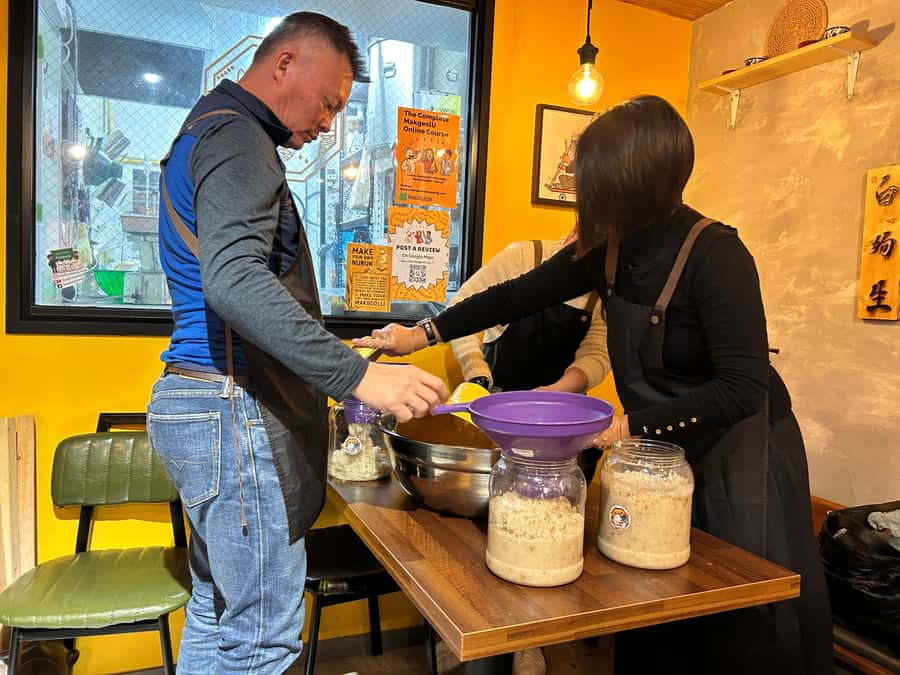
This activity suits adults who enjoy food and drink with a practical side. It is especially good for you if you want to understand a Korean specialty beyond ordering a bottle with dinner.
You will likely appreciate it if you:
- Enjoy fermentation, home cooking, or beverage tasting.
- Want a hands-on activity rather than a sightseeing stop.
- Prefer a small group with a named instructor.
- Have enough time after the class to carry a fermenting vessel.
- Can sample several alcoholic drinks without needing to drive.
The class is also a useful choice for visitors who want an activity connected to everyday Korean culture. Makgeolli is not presented as an abstract museum subject. You taste it, discuss it, and begin making it in a working brewery inside a market.
It is not suitable for people under 21 or pregnant women. Anyone who avoids alcohol should skip this activity, since tasting is a central part of the session. Smoking indoors, alcohol misuse, and drugs are not allowed.
Getting there and planning your day
Public transportation is the sensible choice. The class ends back at the meeting point, so you do not need to arrange a separate return transfer. Since the session includes makgeolli and soju, do not drive afterward.
The subway route is straightforward, but the market entrance can take a little attention. Start at Ahyeon Station, Exit 4, walk toward Mega Coffee, turn left, and look for the market entrance on the left. Once inside, find the Baekusaeng Makgeolli logo.
You should bring a reusable bag and wear clothes that are comfortable for a hands-on food activity. The provided information does not promise hotel pickup, so plan to reach the brewery independently.
Classes are offered in English, Korean, and Spanish. Check the available start times when booking, since the two-hour duration alone does not indicate the daily schedule. The small group limit is 10 people.
Free cancellation is available up to 24 hours in advance for a full refund. A reserve-now, pay-later option is also offered, which helps if your Seoul plans are still shifting.
My booking advice
Book this class if you want more than a drink and are curious about how Korean rice wine is made. The strongest reasons are the tasting comparisons, Joe Kim’s direct instruction, and the chance to take home your own batch.
Skip it if your schedule is tight, you do not drink alcohol, or you want a quiet market visit rather than a fast-moving lesson. Also think about your luggage and accommodation before choosing the fermenting option.
For most adults interested in Korean food culture, the $80 fee is justified by the amount included. You get a small-group workshop, several tastings, soju, snacks, and a 1.5-liter makgeolli project to continue at home. Just arrive ready to pay attention, taste often, and carry your vessel carefully.
FAQ
Where does the makgeolli class take place?
The class takes place at Baekusaeng Makgeolli, located inside Ahyeon Market at 346-35 Ahyeon-dong, Mapo-gu, Seoul.
How do I reach the brewery by subway?
Take Seoul Subway Line 2 to Ahyeon Station, use Exit 4, walk straight to Mega Coffee, turn left, and continue to the market entrance on the left. Find the Baekusaeng Makgeolli logo inside.
How long does the class last?
The activity lasts two hours. Starting times vary, so check availability when booking.
What languages are available?
Instruction is available in Korean, Spanish, and English.
How many people can join the class?
The group is limited to 10 participants.
What alcoholic drinks will I taste?
You will taste different commercial and craft makgeolli, premium Korean rice wines, and soju. A blind tasting is also included.
What do I take home?
You take home your own makgeolli to ferment, which should yield about 1.5 liters. If you cannot take the fermenting batch, you can receive a finished bottle instead.
Is food included?
Light snacks are included. A full meal is not listed as part of the activity.
Who should not join, and can I cancel?
The activity is not suitable for people under 21 or pregnant women. You can cancel up to 24 hours in advance for a full refund.
More Breweries in Seoul
- Korean Brewery
★ 5.0 · 24 reviews - Makgeolli Brewing Class
★ 5.0 · 21 reviews
Just added around Seoul
- Incheon Airport Private Transfer between Seoul City★ 4.0 · 4 reviews
- Seoul’s Stars: Open Mic with Local & International Talent★ 4.8 · 4 reviews
- Samaksan Cable Car and Nami Island Day Escape with Railbike★ 4.0 · 4 reviews
- DMZ 2nd Tunnel and Cheorwon Peace Observatory with Admission★ 5.0 · 4 reviews
- Nami & Maple Road & Theatre des Lumieres Day Tour from Seoul★ 4.8 · 4 reviews
- Hire Photographer, Professional Photo Shoot – Seoul★ 5.0 · 4 reviews
- [KoreaByLocal] Authentic Seoul Night Walk and Chicken & Beer★ 5.0 · 4 reviews
- Play Gayageum in Hanbok Cultural Experience in Bukchon★ 5.0 · 4 reviews
Makgeolli & Korean Liquor, compared.

Traditional Soju Class and Makgeolli Tasting in Seoul
Read our review →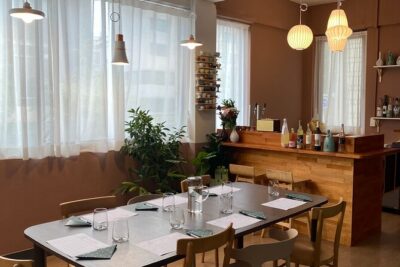
Rice Wine Tasting with Sommelier – Finest Makgeolli (& Soju)
Read our review →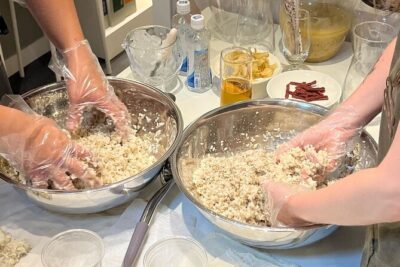
Brew&taste Korea’s traditional drink Makgeolli in Seoul forest
Read our review →Browse the lists this tour appears in