Reviewed · TOURS
7 days Flexible Tour for Major Cities(Seoul,Busan,Gyeongju etc)
Korea’s big advantage is variety, and this private tour packs a lot of it into one trip: Joseon palaces, a tense border zone, royal tombs, ocean temples, markets, museums, and K-pop landmarks. Hun and Sean guide and drive, using a flexible seven-day plan that can be changed around your interests.
I like the door-to-door transport, which saves you from sorting out long intercity connections with luggage. I also like the human touch: past clients describe Hun and Sean as warm, cheerful, and attentive, with one family saying they treated their mother like their own. The catch is the price, $2,000 per person, which excludes hotels and meals, and several days involve long drives and a full sightseeing load.
In This Review
- Key Points Before You Book
- A Private Korea Route With Room to Adjust
- Day One: Seoul’s Royal Past and Street Food
- Day Two: Seoul Views, Temples, Gangnam, and the Han River
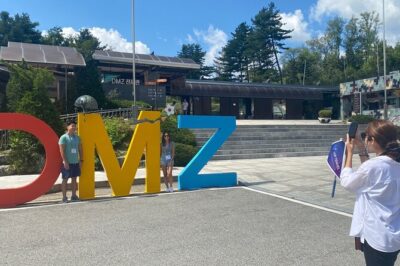
- Day Three: The DMZ and South Korea’s Recent Past
- Day Four: Suwon Fortress and Joseon-Era Traditions
- Day Five: The Long Road Toward Gyeongju
- Day Six: Gyeongju After Dark
- Day Seven: Busan’s Markets, Coast, and Hillside Neighborhoods
- What the $2,000 Price Really Covers
- Who Will Get the Most From This Trip
- Should You Book It?
- FAQ
- How long is the tour?
- What time does the tour start?
- Is this a private tour?
- Is airport transportation included?
- Are hotels and meals included?
- Are entrance tickets included?
- How far in advance can I cancel for a full refund?
Key Points Before You Book
- Seoul to Busan in one private trip: You cover Korea’s main city highlights without changing tour groups.
- DMZ access with a public bus transfer: Your private group enters the DMZ area, but private cars cannot drive inside it.
- Two especially atmospheric nights: Gyeongju’s Woljeonggyo Bridge and Donggung Palace look best after dark.
- Flexible scheduling: The seven tour days do not need to be consecutive, and extra touring days can be added.
- Airport service included: You can return to Seoul with the tour or finish in Busan.
- A packed cultural route: Expect palaces, temples, markets, military history, museums, and food stops, but bring moderate fitness and patience for driving time.
A Private Korea Route With Room to Adjust
This is not a standard coach tour with a fixed seat and a whistle at every stop. You have a private activity for your own group, an English-speaking driving guide, and a minivan for the full trip. One or two guides stay with you throughout.
That arrangement matters in Korea. Seoul’s sights are spread across a huge urban area, while Gyeongju and Busan require long transfers. A private vehicle lets you carry your luggage, pause for photos, and make small changes instead of following a large group’s timetable.
The plan begins at 10:00 a.m., but the seven days do not have to run one after another. You can take a day off, add more tours, or request different places. The operator can also help with hotel bookings, though accommodation itself is not included.
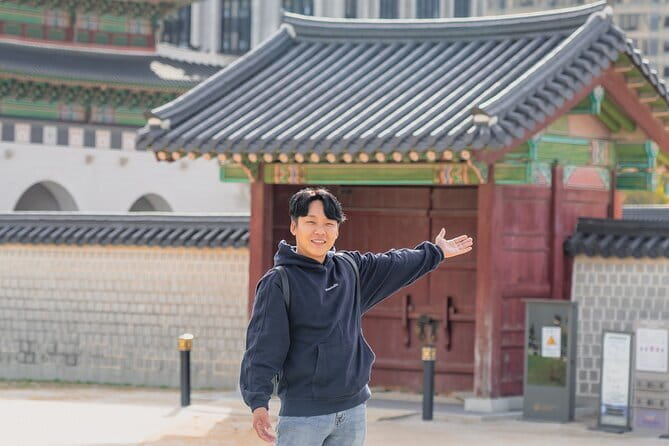
The strongest personal element comes from Hun and Sean. Their approach, as reflected in the detailed praise for the service, is friendly and involved rather than purely scripted. Hun contacted one group before arrival to ask about places and foods they wanted to include. That is useful if you have specific Korean dishes, filming locations, or family needs in mind.
A few more Seoul trips worth weighing up
- Discover Round Korea in 7days: All-Inclusive Experience
★ 5.0 · 157 reviews
Day One: Seoul’s Royal Past and Street Food
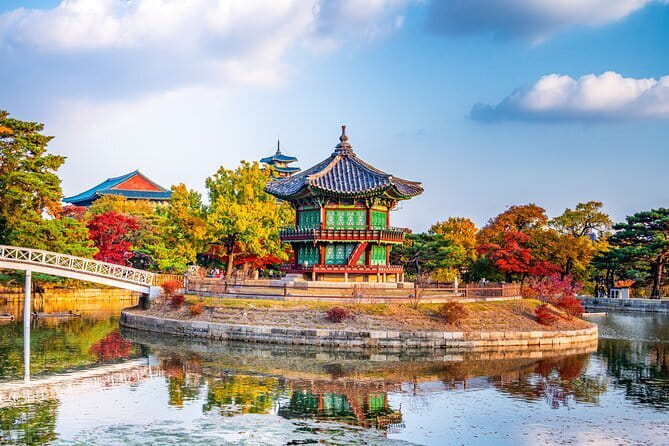
Your first day moves through old Seoul, wartime memory, and local food culture.
At Gyeongbokgung Palace, you spend about two hours with a guide at the main royal palace of the Joseon Dynasty. This is a large site, so guiding helps you understand what you are seeing instead of simply walking among grand gates and courtyards. Plan for plenty of walking and outdoor time.
The next stop is Bukchon Hanok Village, a traditional neighborhood once associated with the noble class. It adds an important layer to the palace visit. Palaces show how the royal family lived, while Bukchon helps you picture the homes of the elite. The village is also a residential area, so the visit is best approached respectfully and at a measured pace.
After lunch, Insadong gives you a slower hour. You can browse Korean pottery, artwork, antiques, and cafés before sitting down for traditional Korean tea. This is a good contrast to the palace and village, especially if you want time to look at crafts rather than race through monuments.
The War Memorial of Korea shifts the mood. Allow two hours for military displays, tanks, weapons, and memorials connected with the Korean War. The visit provides needed context for later stops at the DMZ. It is serious rather than light sightseeing, but that is precisely why it belongs on this route.
The day ends at Gwangjang Market, where your guide explains the market’s background and introduces Korean snacks. This is one of the more useful food stops because you are not left to guess what the dishes are. Meals are not included, so budget separately for lunch and market food.
Day Two: Seoul Views, Temples, Gangnam, and the Han River
Day two mixes modern Seoul with older traditions.
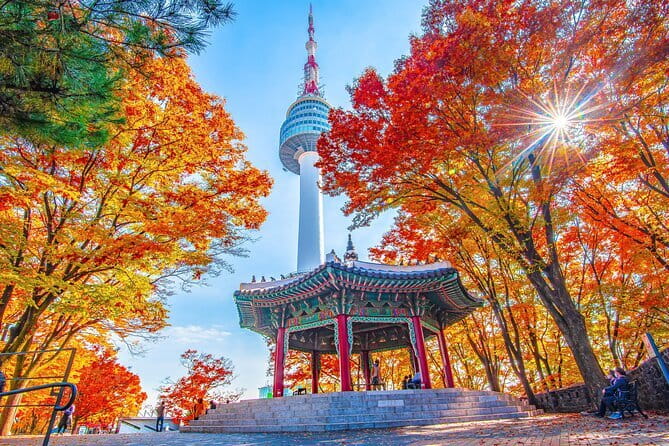
At N Seoul Tower, you go up the mountain for city views and photographs. The visit lasts about two hours. The cable car fare is not included, so keep money ready for that cost. The guide can also discuss the site and help with photos, which is handy for a group trying to get everyone in the frame.
Bongeunsa Temple offers a calm change of pace in the middle of Gangnam. Colorful lanterns and lotus flowers add visual interest, while the guide explains the temple’s background and meaning. It is a short one-hour stop, so expect an introduction rather than a long period of quiet study.
At Starfield Library, the focus turns firmly modern. The soaring shelves and more than 50,000 books make it a popular photo stop. If this feels too commercial for your taste, you can request a traditional Korean village instead. That choice shows how the tour can be adjusted to your group.
The Gangnam Style statue is a quick ten-minute stop. It is a playful piece of recent pop culture, tied to the song that brought worldwide attention to Korea. Do not expect a major attraction here. It is a brief photo opportunity that works well for fans of the song or K-pop culture.
In the evening, you take an E-Land Han River cruise. The plan includes chicken or noodles before boarding, but meals are not part of the tour price. The river, bridges, and city lights give you a relaxed end to a busy day. The cruise also appeals to people who enjoy seeing places connected with Korean television dramas.
Day Three: The DMZ and South Korea’s Recent Past
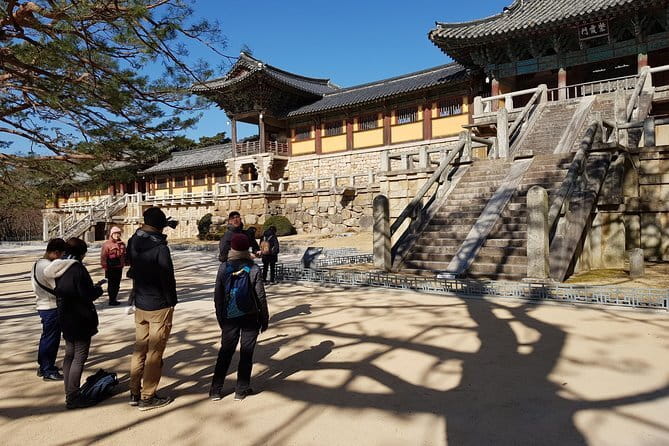
The DMZ day is one of the most distinctive parts of the route, but it requires clear expectations.
You begin at Imjingak Pyeonghoa-Nuri Park, where you can see the Bridge of Freedom, an old steam train, and memorial sites. This opening hour prepares you for the political and personal weight of the border area.
Private vehicles cannot enter the DMZ zone itself. Your group transfers to a public bus for the internal section, so this is the one part of the day that is not fully private. Your guide still accompanies the group and provides explanations during the visit.
At the Third Tunnel, you walk into a tunnel estimated to be 73 meters below ground. The round trip takes about 20 minutes, according to the supplied details, but the stop lasts about 30 minutes overall. This section calls for moderate fitness and may not suit anyone uncomfortable with steep or confined walking.
Dora Observatory gives you a view toward North Korea. The guide presents the contrast between life on the two sides, including restrictions and economic hardship. Keep in mind that visibility and what you can see from the observatory may vary, so treat it as a viewpoint and historical stop, not a guaranteed close look at daily life.
You finish at the Museum of Modern History of Korea, spending about two hours with reconstructed scenes of South Korean life from the 1950s onward. This pairs well with the DMZ visit. Instead of leaving the border as an isolated spectacle, you get a look at how the war affected ordinary life in the South.
A completely different kind of day, same trip:
- Best DMZ Tour Korea from Seoul (Red Suspension Bridge Optional)
★ 5.0 · 41,422 reviews - DMZ Tour: 3rd Tunnel, Option(Suspension Bridge, Boat) from Seoul
★ 5.0 · 21,373 reviews - DMZ tour south Korea from Seoul (NK experience hall, defector)
★ 5.0 · 20,599 reviews - DMZ Insider Tour: 3rd Tunnel, NK Defector Meet & Red Bridge
★ 4.9 · 15,214 reviews
Day Four: Suwon Fortress and Joseon-Era Traditions
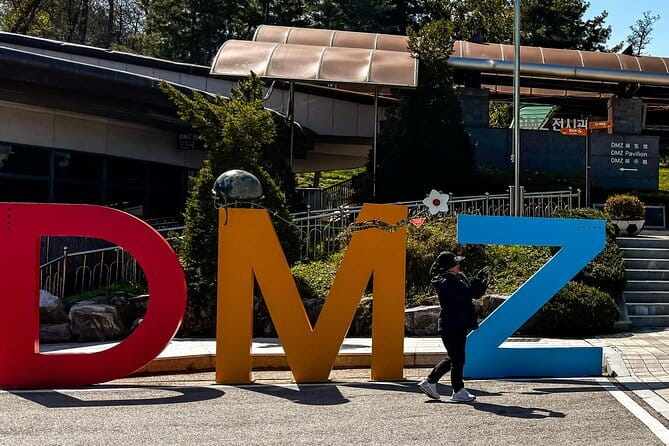
Day four heads to Suwon and the Hwaseong Fortress area, using several short stops to explain how the site worked.
At Banghwasuryujeong Pavilion, you hear about its role as a scenic place and a venue for royal gatherings connected with the 22nd Joseon king. The pavilion lasts only 30 minutes, but its position and design make it one of the more photogenic fortress stops.
Janganmun Gate carries a darker story linked with that same king, as well as visible bullet damage from the Korean War. The combination of royal politics and modern conflict gives the gate more meaning than a quick photograph would provide.
At Yeonmudae, once a command center and training ground, you can try archery. This is also described as one of the best points for fortress views. Changryongmun Gate, the eastern gate, shows how the fortress was designed as a working defensive system rather than a collection of pretty walls.
The larger stop is the Korean Folk Village, where you have about three hours. Traditional houses, agriculture, and performances help bring everyday life into the picture. The site is large, and the guide walks with you, which can make the scale easier to manage. This day still involves walking, even with assistance, so comfortable shoes matter.
Day Five: The Long Road Toward Gyeongju
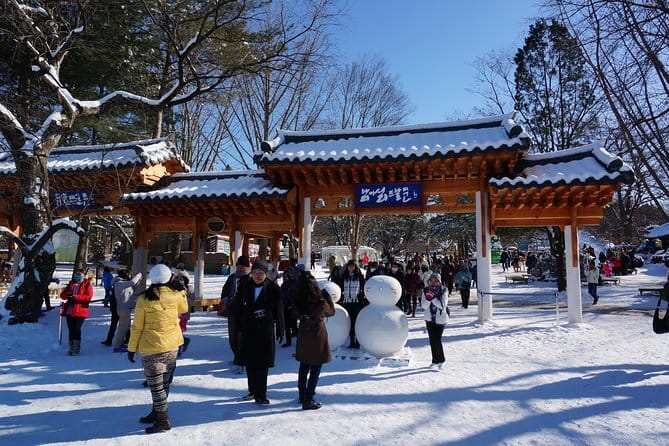
Day five is the least neatly packaged day because much of it is a transfer. The journey toward Gyeongju takes about six hours, with one or two attractions along the way and lunch in Pohang.
That driving time is the main tradeoff in a route covering so much of Korea. A private minivan is far more comfortable and flexible than managing the route alone, but you should not think of this as six hours of continuous sightseeing. If you dislike long road days, ask about adjusting the schedule or adding a rest day.
The main planned stop is Space Walk, where you can stretch your legs and enjoy wide views from a walkable structure. The guide joins you, and the stop is intended as a break after the drive. It is a practical choice, though the attraction may feel brief compared with the major historic sites coming on days six and seven.
Day Six: Gyeongju After Dark
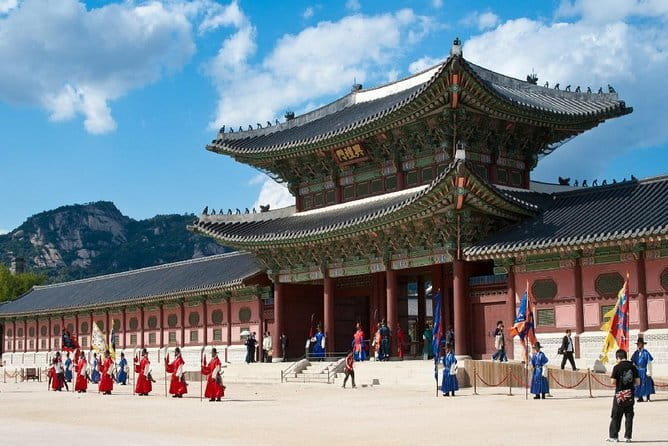
Gyeongju is the historical heart of this trip, and day six gives it room to breathe.
At the Daereungwon Tomb Complex, large grass-covered burial mounds from roughly the fourth to sixth centuries mark the Silla period. One open tomb can be entered to see artifacts and construction details. This is a good place to understand how royal burial methods protected objects for centuries.
Hwanglidangil adds a modern food-and-shopping pause. You can sample local specialties, including coin bread. The hour here breaks up the monuments and gives you an easy way to explore at street level.
The rebuilt Woljeonggyo Bridge is especially effective at night. The original bridge dates to 760 but was later destroyed, and the present structure was reconstructed from historical records and site research. The evening lighting makes this one of the most memorable photo stops.
You then visit Donggung Palace and Wolji Pond after dark. The palace was abandoned after a new dynasty took power and later rebuilt using historical records. Reflections on the pond and the illuminated structures create a quieter, more atmospheric experience than a daytime visit.
Cheomseongdae Observatory, built in 633, connects ancient science with agriculture. Constellations mattered to farming societies, and this observatory has survived intact. The stop lasts about 30 minutes, so your guide’s explanation will be important.
At the Gyeongju National Museum, you see original Silla treasures, including crowns and other artifacts. The museum is a strong finish because it gives physical form to the history you have been seeing outdoors all day.
Day Seven: Busan’s Markets, Coast, and Hillside Neighborhoods
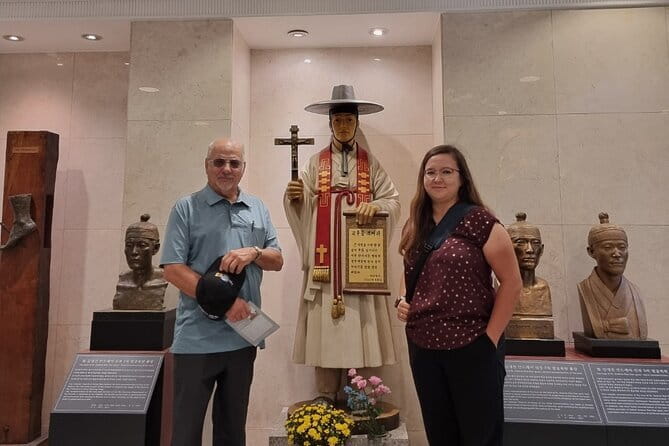
The final day brings a very different Korea.
At Gukje Market, you explore one of Busan’s large traditional markets. The market grew in importance during the Korean War era, when Busan was not occupied by North Korea. You can browse blankets, local goods, and affordable food while hearing how the city’s commercial life developed.
The Songdo Cable Car crosses above the ocean. The cable car ticket is listed as free in the supplied details, but the description also presents the Sky Capsule as an alternative for anyone uneasy with heights. The guide can join you and help connect your phone to the car’s speaker system, according to the tour information.
Haedong Yonggungsa is a coastal temple with ocean views from the grounds. It is a relatively new temple compared with Korea’s oldest religious sites, but its setting makes it a major stop. Give yourself time to handle steps and uneven walking surfaces.
At Busan Gamcheon Culture Village, the guide explains the difficult story of refugees who settled on the hillsides and built homes there. The colorful buildings are only part of the picture. Learning how the community formed keeps the visit from becoming just a photo stop.
You finish at Ahopsan Forest, a bamboo woodland where you can take a quiet walk. Bamboo carries traditional associations with straightness and nobility. After a week of city streets, museums, and long drives, this is a sensible final hour.
What the $2,000 Price Really Covers
At $2,000 per person, this is an expensive tour if you compare it with a series of ordinary group day trips. The value comes from the amount of transport and private guiding packed into seven days.
The price includes an experienced English-speaking driving guide, a minivan, entrance tickets listed on the route, airport transport, fuel, tolls, parking, and bottled water. It also covers the ability to finish in Busan or return to Seoul with the group. Those costs add up quickly on an intercity trip.
Hotels and meals are not included. You should also allow extra money for the N Seoul Tower cable car and any food you choose at lunch, markets, or the Han River evening stop. Ask for a clear accommodation plan before booking if you want the operator’s help with hotels.
The package makes the most financial sense for families or small groups that value private transport and personal attention. A solo visitor may find the per-person cost harder to justify.
Who Will Get the Most From This Trip
I would choose this for a first Korea visit when you want the major cities without planning every transfer yourself. It suits families especially well because the guides can adjust the pace, help with photos, and respond to individual needs.
The personal service is a major strength. Hun and Sean are described as cheerful, warm, and attentive, and one family felt comfortable enough to treat the guides like friends. Another group praised the way they cared for an older mother. Those details suggest a service style that goes beyond driving between stops.
You should be comfortable with moderate physical activity. The palace grounds, village streets, fortress walls, tomb complex, temples, tunnel, and forest all require walking. The schedule is also full, and day five includes a long drive.
Cancellation is generous only if you act early: cancel at least six full days before the start for a full refund. Two to six full days allows a 50 percent refund, while cancellation less than two full days before the start receives no refund.
Should You Book It?
Book this tour if you want Korea’s main historic, military, urban, and coastal sights in one private package, and if you value a guide who can adapt the plan to your group. The included vehicle, airport service, tickets, and intercity logistics make the $2,000 price easier to defend for a family or small group.
Skip it if you prefer independent rail travel, long café stops, or a slower schedule. The route is ambitious, day five is road-heavy, and hotels and meals remain your responsibility. For the right group, though, Hun and Sean’s flexible approach can turn a demanding week into a well-supported introduction to Korea.
FAQ
How long is the tour?
The experience lasts approximately seven days, but the seven tour days do not have to be consecutive. You can take days off or add more touring.
What time does the tour start?
The stated start time is 10:00 a.m.
Is this a private tour?
Yes. Only your group participates, with one or two English-speaking driving guides for the full tour.
Is airport transportation included?
Yes. Airport transport is included. You can return to Seoul with the tour or finish in Busan.
Are hotels and meals included?
No. Hotels and meals are not included. The guide can assist with hotel bookings.
Are entrance tickets included?
Yes. Entrance tickets for the attractions listed on the route are included. The N Seoul Tower cable car fare is specifically excluded.
How far in advance can I cancel for a full refund?
You must cancel at least six full days before the experience start time for a full refund. The stated cut-off times use local time.
Just added around Seoul
- Incheon Airport Private Transfer between Seoul City★ 4.0 · 4 reviews
- Seoul’s Stars: Open Mic with Local & International Talent★ 4.8 · 4 reviews
- Samaksan Cable Car and Nami Island Day Escape with Railbike★ 4.0 · 4 reviews
- DMZ 2nd Tunnel and Cheorwon Peace Observatory with Admission★ 5.0 · 4 reviews
- Nami & Maple Road & Theatre des Lumieres Day Tour from Seoul★ 4.8 · 4 reviews
- Hire Photographer, Professional Photo Shoot – Seoul★ 5.0 · 4 reviews
- [KoreaByLocal] Authentic Seoul Night Walk and Chicken & Beer★ 5.0 · 4 reviews
- Play Gayageum in Hanbok Cultural Experience in Bukchon★ 5.0 · 4 reviews
Tours, compared.
Best DMZ Tour Korea from Seoul (Red Suspension Bridge Optional)
Read our review →
DMZ Tour: 3rd Tunnel, Option(Suspension Bridge, Boat) from Seoul
Read our review →
DMZ tour south Korea from Seoul (NK experience hall, defector)
Read our review →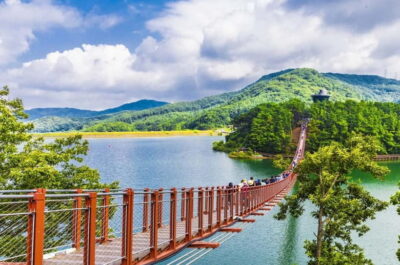
DMZ Insider Tour: 3rd Tunnel, NK Defector Meet & Red Bridge
Read our review →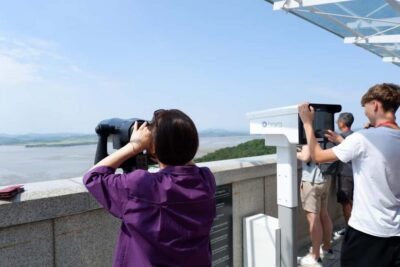
Thrilling Korean DMZ 3rd Tunnel Tour from Seoul + Red Bridge Rush
Read our review →
DMZ Past and Present: Korean Demilitarized Zone Tour from Seoul
Read our review →