
Reviewed · DMZ & JSA TOURS
7 Day Essential Korea Tour(Seoul, Nami, DMZ, Andong, Gyeongju, Busan_Meal Incl.)
Korea’s best feature is its variety, and this tour packs plenty of it into seven demanding days. You move from royal Seoul and street food to the DMZ, Confucian villages, Silla temples, and Busan’s seafood markets without arranging trains, hotels, tickets, or most meals yourself.
I like the private format, which lets your group travel with its own licensed English-speaking guide and vehicle. I also like the food plan: three breakfasts, seven lunches, and six dinners, with guide Bergen Park helping groups try different Korean dishes instead of repeating the same safe meal. The main drawback is pace. Day 1 is especially full, and long road transfers mean this is better for active sightseers than for anyone wanting a slow holiday.
In This Review
- Key points to know before booking
- Seoul’s royal palace and old neighborhoods on day one
- Insadong, tea, and Gwangjang Market
- Nami Island and the Garden of Morning Calm
- The DMZ and Seoul from Namsan
- Buseoksa and Andong’s traditional Korea
- Gyeongju’s Silla monuments on day five
- Busan’s coast, markets, and war memorial
- Gamcheon Culture Village and the final morning
- What $3,399 includes, and what it does not
- Who should book this Korea route
- Should you book the 7 Day Essential Korea Tour?
- FAQ
- How long is the tour?
- Is this a private tour?
- Which meals are included?
- Are hotels included?
- Does the tour include hotel pickup and drop-off?
- Can I cancel for a full refund?
Key points to know before booking
- Seoul starts at the royal court: Gyeongbokgung, Bukchon, Insadong, Jogyesa Temple, and Gwangjang Market make a strong first day.
- The route reaches far beyond Seoul: Andong, Gyeongju, and Busan show you Korea’s traditions, ancient sites, coast, and modern city life.
- Sixteen meals are included: This can add real value, especially when your guide introduces local food throughout the week.
- Private transport saves time: Your air-conditioned vehicle handles the transfers between cities and sightseeing stops.
- UNESCO-listed places feature heavily: Buseoksa, Hahoe Folk Village, Bulguksa, Seokguram, and other major cultural sites anchor the route.
- The price is all-inclusive in structure: At $3,399 per person, you are paying for private service, hotels, admissions, transport, guidance, and most meals, not just sightseeing.
Seoul’s royal palace and old neighborhoods on day one
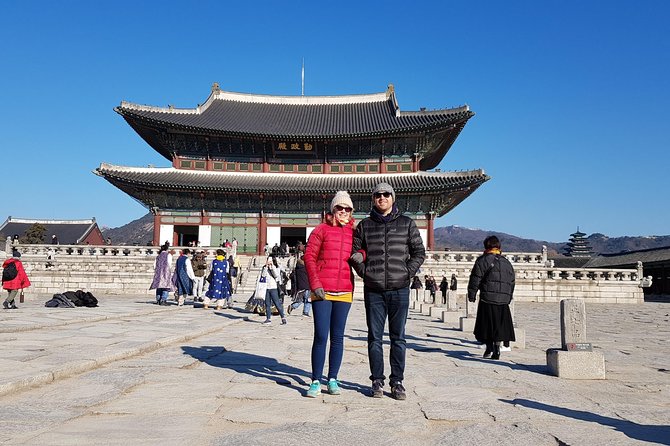
The opening day gives you a fast but useful introduction to Seoul. Begin at Gyeongbokgung Palace, the first and largest royal palace built during the Joseon Dynasty. Allow about 90 minutes here. The scale matters: this is not a quick photo stop, and the courtyards, gates, and formal buildings give you a clear sense of how Joseon Seoul was organized.
The National Folk Museum of Korea follows with a shorter 30-minute visit. It covers Korean life from prehistoric times through the end of the Joseon period. That stop helps put the palace into everyday context, though half an hour is not enough for a detailed museum visit. You will need to stay focused.
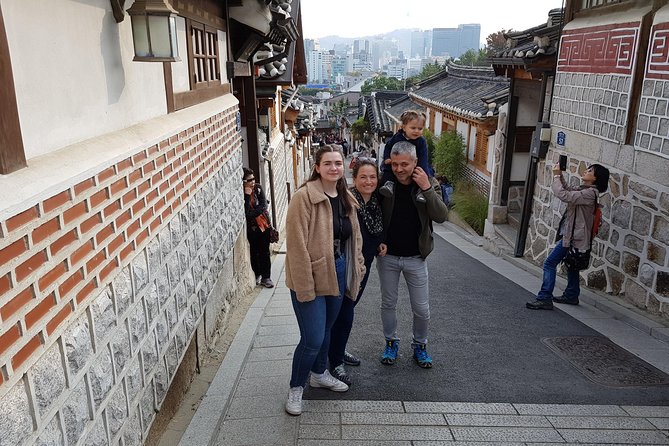
Bukchon Hanok Village brings you into a hillside district of traditional Korean homes and narrow lanes. The one-hour visit gives you time to see the preserved architecture, but remember that this is also a residential neighborhood. Keep voices low and avoid treating every doorway as a photo prop.
At Jogyesa Temple, you get a brief look at one of central Seoul’s most important Buddhist sites. The temple’s location in the middle of the city makes the contrast especially sharp: modern streets surround a place of worship with a calm, traditional character. The planned visit lasts 30 minutes.
More ways to reach the DMZ:
- Best DMZ Tour Korea from Seoul (Red Suspension Bridge Optional)
★ 5.0 · 41,422 reviews - DMZ Tour: 3rd Tunnel, Option(Suspension Bridge, Boat) from Seoul
★ 5.0 · 21,373 reviews - DMZ tour south Korea from Seoul (NK experience hall, defector)
★ 5.0 · 20,599 reviews
Insadong, tea, and Gwangjang Market
Insadong is the day’s best place for old Seoul atmosphere. Its streets hold craft shops, galleries, antique dealers, restaurants, and traditional teahouses. You have about an hour to browse. Prices and quality vary, so take your time before buying souvenirs.
A stop at the Kyung-In Museum of Fine Art includes traditional tea in a hanok-style garden. This is a welcome pause after several historic sites. The visit lasts only 30 minutes, but it gives you a chance to sit down and experience a small piece of Korean tea culture rather than simply look at buildings.
Cheonggyecheon Stream offers another change of pace. The 11-kilometre waterway was rebuilt as a public recreation area in downtown Seoul. You will see only a short section during the half-hour stop, but it is a pleasant way to view the city’s modern urban renewal.
Baek In-je’s House adds another well-preserved hanok to the day. The one-hour visit is useful because it lets you see a traditional home as a residence, not just as a palace or temple. By this point, though, you have already had a long day.
Finish at Kwangjang Market, one of South Korea’s oldest traditional markets. The 90-minute stop is well placed. You can try Korean street food, look through food stalls, and get a livelier sense of daily city life. Since 16 meals are included across the tour, ask your guide how this market visit fits into the meal plan so you do not arrive too full to sample anything.
Nami Island and the Garden of Morning Calm
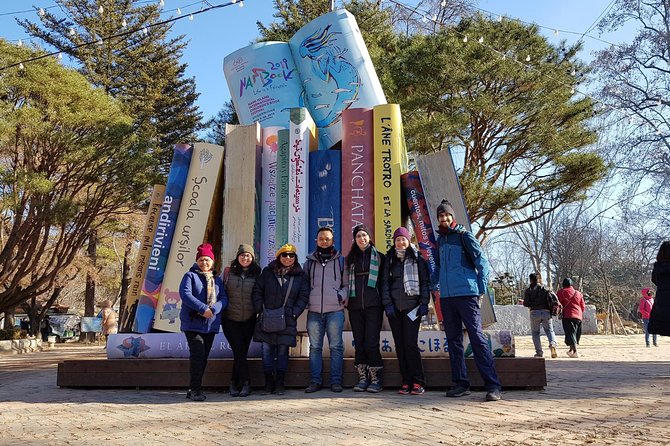
Day two leaves Seoul for three popular attractions. Nami Island gets three hours, the longest stop of the day. Its tree-lined paths, woodland areas, riverside walks, and seasonal scenery make it a pleasant outdoor break after the dense city program.
The attraction is known for picture-friendly scenery, so expect a more recreational setting than a historic one. Three hours gives you room to walk rather than rush from one viewpoint to the next. Comfortable shoes are sensible.
Petite France is a small French-themed cultural village. You have one hour for European-style displays, cultural programs, and performances. This stop is quite different from the rest of the tour. Some people will enjoy the change; others may find it more manufactured than the Korean palaces, villages, and temples.
The Garden of Morning Calm closes the day with two hours among themed gardens at the foot of Chungnyeongsan Mountain. The 82-acre grounds include more than 20 garden areas, including bonsai, herb, and Chinese-style sections. The visit works best if you enjoy walking and plants. Seasonal conditions will affect what is in bloom, but the gardens provide a calmer finish than another indoor attraction.
The DMZ and Seoul from Namsan
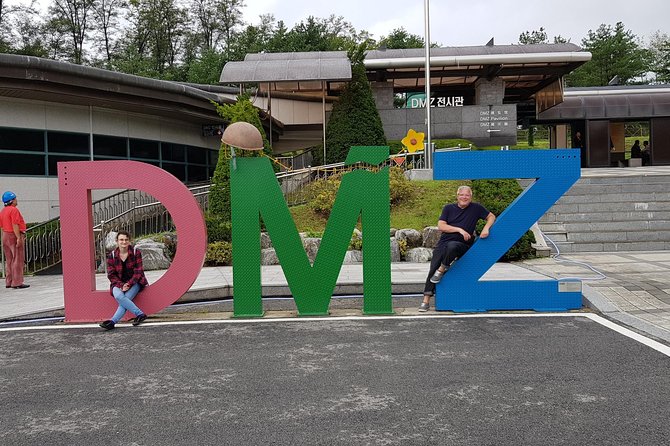
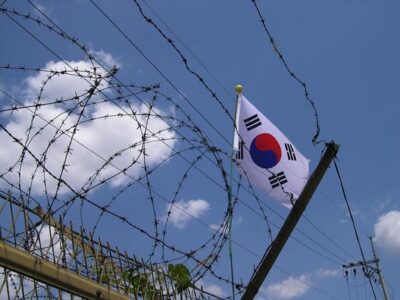
Day three begins with a three-hour DMZ visit. The Demilitarized Zone was established in 1953 after the Korean War, and the program includes key sites such as Freedom Bridge, the Third Infiltration Tunnel, Imjingak Park, and Dora Observatory.
This is an important stop, but it is also the part of the tour most affected by operating rules and access conditions. The DMZ is not simply another sightseeing district. Follow your guide’s instructions, and expect the order or availability of stops to depend on local conditions. Three hours gives you a useful introduction, not a complete study of the Korean War.
Back in Seoul, N Seoul Tower provides about two hours for panoramic city views. The tower sits on Namsan and gives you a broad look across the capital. After two days of street-level visits, this high viewpoint helps you understand Seoul’s scale.
The day is shorter than day one, but the DMZ can be emotionally and logistically heavier than a normal attraction. Keep some energy for the tower.
More Nami Island trips:
- Mt. Seorak+Nami Island+Garden of Morning Calm Day Trip from Seoul
★ 5.0 · 959 reviews - Seoul: Nami Island and Garden of Morning Calm opt Railbike
★ 4.6 · 907 reviews - From Seoul: Nami Island, K-drama Garden & Rail Bike Day Tour
★ 4.6 · 724 reviews - Seoul: Mt.Seorak, Nami Island & Korean Garden, No Shopping
★ 4.8 · 614 reviews
Buseoksa and Andong’s traditional Korea
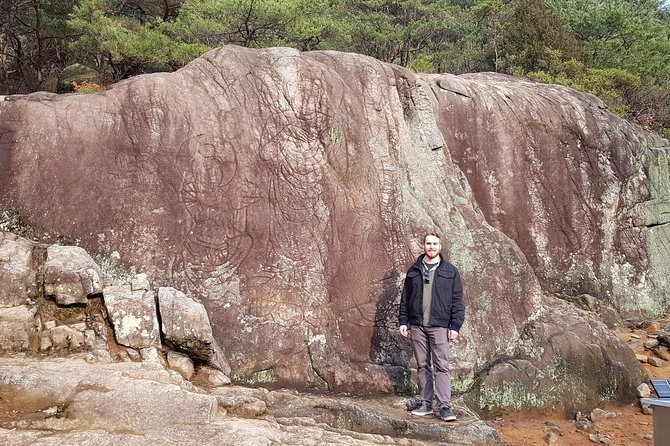
Day four begins the journey toward Korea’s central and southeastern cultural sites. Buseoksa Temple dates to 676 and is known for its setting and long wooden building. The two-hour stop allows time for the temple grounds and its national treasures.
Andong Hahoe Folk Village receives three hours, which is appropriate for one of the route’s most important cultural visits. This traditional community preserves old housing and ways of life associated with the early Joseon period. The village was established about 600 years ago, and its layout gives you something a modern museum cannot: a sense of how a community fits together.
Buyongdae is a 64-metre cliff across the river from Hahoe. The climb and viewpoint take about 30 minutes. From the top, you get the best broad view of Hahoe Village, but the stop may be less comfortable in poor weather or for anyone uneasy on steep paths.
The final visit is Byeongsan Seowon, a private Confucian school and shrine. The one-hour stop adds intellectual and political context to Andong’s traditional culture. It is a quieter place, so your guide’s explanation matters here.
Accommodation is included for three nights in Andong, Gyeongju, and Busan, using three-star or four-star hotels with two people per room. If your party has an odd number, the arrangement is listed as two people in one room and one person in a separate room. Confirm the exact room setup before paying if this matters to you.
Gyeongju’s Silla monuments on day five
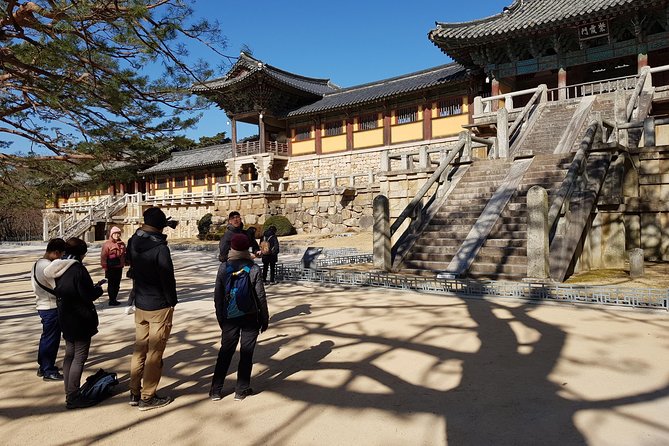
Gyeongju is the historical heart of the tour’s second half. At Bulguksa Temple, you visit one of Korea’s best-known Buddhist sites, built in 751 during the Silla Kingdom. The temple’s stone stairways, buildings, and details make it more than a quick religious stop. You have one hour, enough for the main areas but not every corner.
Seokguram, also built in 751, sits on the slope of Mount Tohamsan. Its round main hall contains a large granite Buddha statue. The visit lasts one hour. The site is important for its sculpture and construction, but access involves a mountain setting and a more limited viewing experience than a broad outdoor temple complex.
Donggung Palace and Wolji Pond is a short 30-minute stop. This former secondary palace served the crown prince and hosted important banquets. The pond is particularly attractive when reflected light changes across the water, though your time is brief.
Cheomseongdae Observatory, built around the seventh century, is another quick stop. It is a hollow cylindrical stone structure and a national treasure associated with Silla astronomy. You have 30 minutes, enough to see it and hear its basic story.
Daereungwon Tomb Complex finishes the day with an hour among the large burial mounds of Silla kings and nobles. The complex includes 26 ancient tombs, with Cheonmachong and Hwangnamdaechong among the best known. Together, these sites make Gyeongju feel like an open-air history lesson, but the schedule gives you highlights rather than long, unhurried study.
Busan’s coast, markets, and war memorial
Day six shifts from ancient Korea to coastal Busan. Haedong Yonggungsa is unusual because it sits beside the sea. Most Korean temples are inland or in mountain settings, so the shoreline location gives this visit a different feel. The planned hour allows time for the main approach and temple grounds.
Nurimaru APEC House was used for the 13th APEC summit in November 2005. The name means world summit house, and the hour-long stop combines recent political history with coastal views.
Dongbaekseom, the camellia-named island at the western end of Haeundae Beach, gets 30 minutes. The short walk adds sea air and a break from enclosed buildings. Together with the APEC House, it makes a compact coastal section.
Jagalchi Market is Busan’s best-known seafood market and the country’s largest fish market. You have one hour to see the fish stalls and understand the market’s setup, where seafood is selected and prepared for nearby restaurants. This is a good place to ask Bergen Park for help choosing food, especially if you are unfamiliar with Korean seafood customs.
The UN Memorial Cemetery in Korea honors UN soldiers from 16 countries and aid workers from five countries who died during the Korean War. The one-hour visit is quiet and reflective. It gives the war a human scale after the more strategic view offered at the DMZ.
Gamcheon Culture Village and the final morning
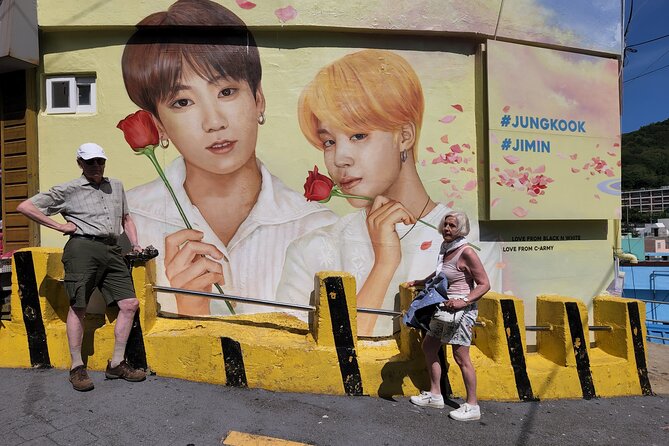
The final day visits Gamcheon Culture Village, where homes climb the foothills of a coastal mountain in staircase-like rows. Alleys cut through the community, creating one of Busan’s most recognizable city scenes.
The provided schedule does not give a visit length for Gamcheon, so confirm the timing with your guide. It is a strong final stop because it brings together Busan’s hills, dense housing, art, and narrow lanes. It is also not an effortless walk. Expect slopes and stairs, and plan your footwear accordingly.
What $3,399 includes, and what it does not
At $3,399 per person, this is expensive compared with a standard group tour or a self-planned trip using public transport. The fair comparison is not just the ticket price. You are receiving private air-conditioned transportation, a licensed English-speaking guide, admissions, three hotel nights outside Seoul, hotel pickup and drop-off in Seoul, and 16 meals.
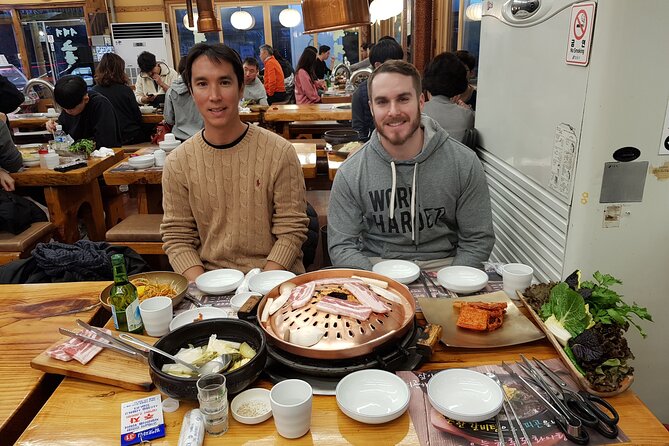
The food provision is unusually substantial: three breakfasts, seven lunches, and six dinners. Bergen Park’s guiding style, based on the information provided, includes eating lunch and dinner with the group and selecting different Korean dishes throughout the week. That can be a major saving in time and decision-making, and it gives the tour a stronger local-food focus.
The price makes less sense if you prefer choosing your own restaurants, using trains, or spending long afternoons at one site. It makes more sense for a first Korea visit when you want the major regions handled in one continuous route.
Food and drinks outside the stated meal plan are not included, and services beyond the itinerary are excluded. Confirmation is sent within 48 hours, subject to availability. Cancellation allows a full refund if you cancel at least three full days before the start time. A private tour means only your group participates, not a busload of strangers.
Who should book this Korea route
I would choose this tour if you have only one week and want Korea’s main cultural contrasts in one trip. It suits couples, families, and small private groups that value a guide, a fixed vehicle, and meals arranged in advance.
You should be comfortable with early starts, frequent hotel changes, long sightseeing days, walking, and a steady stream of historic sites. The route is not designed for travelers who want nightlife, shopping time, or a relaxed beach holiday.
The three existing ratings are all five out of five, with especially strong praise for Bergen Park’s care, luxury car, hotel choices, and local meals. One group had visited 72 countries and still valued the private setup. Another appreciated trying different Korean food for all seven days. Those points tell you where the tour’s real strength lies: personal attention and practical ease, not simply collecting attractions.
Should you book the 7 Day Essential Korea Tour?
Book it if you want a well-supported first look at Korea and accept a quick pace. The route covers far more than Seoul, and the combination of private transport, included admissions, hotels, and 16 meals gives the high price a reasonable foundation.
Skip it if you want control over every meal, dislike fixed schedules, or need generous rest time. Before booking, confirm the exact hotels, room arrangement, day seven timing, and current DMZ access. If those details suit your group, this is a strong choice for seeing Seoul, Andong, Gyeongju, and Busan without spending your limited holiday on logistics.
FAQ
How long is the tour?
The tour lasts approximately seven days and begins at 9:00 am.
Is this a private tour?
Yes. Only your group participates, with private transportation in an air-conditioned vehicle.
Which meals are included?
The tour includes 16 meals: three breakfasts, seven lunches, and six dinners, according to the planned schedule.
Are hotels included?
Yes. Three nights of accommodation are included in Andong, Gyeongju, and Busan at a listed three-star or four-star hotel standard. Rooms are arranged for two people, with a separate room for one person if the party has an odd number.
Does the tour include hotel pickup and drop-off?
Yes. Pickup and drop-off are provided at your hotel in Seoul.
Can I cancel for a full refund?
Yes, if you cancel at least three full days before the experience start time. Cancellations or changes made less than three full days before the start time are not accepted for a refund.
More 7-Day Experiences in Seoul
- Discover Round Korea in 7days: All-Inclusive Experience
★ 5.0 · 157 reviews - 7 days Flexible Tour for Major Cities(Seoul,Busan,Gyeongju etc)
★ 5.0 · 5 reviews
Just added around Seoul
- Jeonju & Yeosu: 4-Day Foodie & Artist Journey★ 5.0 · 3 reviews
- Seongsu-dong Walking Tour: K-Pop, Culture, Cheer, Friends & Relax★ 4.5 · 3 reviews
- Full Day Private Seoul Tour for foodies★ 5.0 · 3 reviews
- K-Pop Tour★ 3.5 · 3 reviews
- Imjingak DMZ Private Tour for Incheon Airport and Cruise Guests★ 5.0 · 3 reviews
- Seoul: LEGOLAND Admission with Transport (Optional Railbike)★ 5.0 · 3 reviews
- Seoul: Seorak Mountain, East DMZ, and Sokcho Tour★ 5.0 · 3 reviews
- Strawberry Picking, Winter Sled with Eobi Ice Valley from Seoul★ 4.5 · 3 reviews
DMZ & JSA Tours, compared.
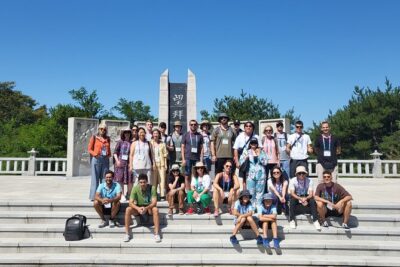
Best DMZ Tour Korea from Seoul (Red Suspension Bridge Optional)
Read our review →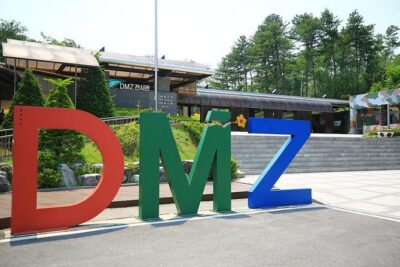
DMZ Tour: 3rd Tunnel, Option(Suspension Bridge, Boat) from Seoul
Read our review →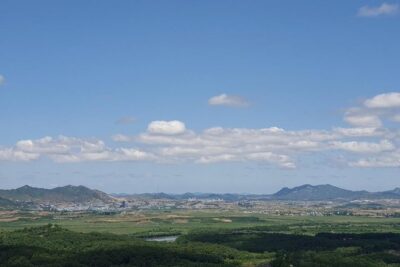
DMZ tour south Korea from Seoul (NK experience hall, defector)
Read our review →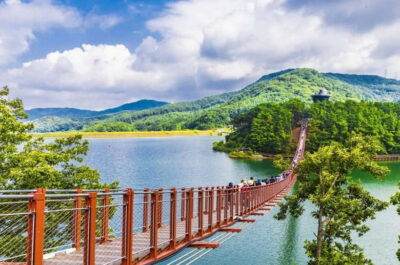
DMZ Insider Tour: 3rd Tunnel, NK Defector Meet & Red Bridge
Read our review →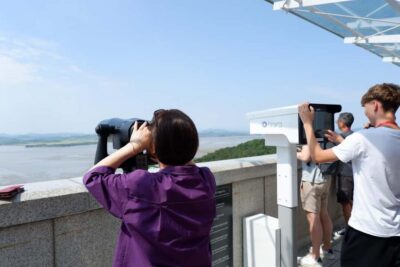
Thrilling Korean DMZ 3rd Tunnel Tour from Seoul + Red Bridge Rush
Read our review →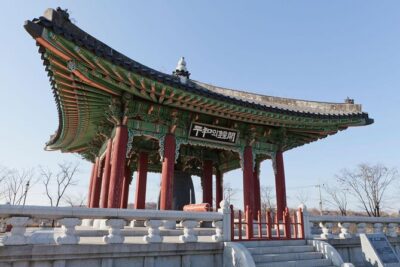
DMZ Past and Present: Korean Demilitarized Zone Tour from Seoul
Read our review →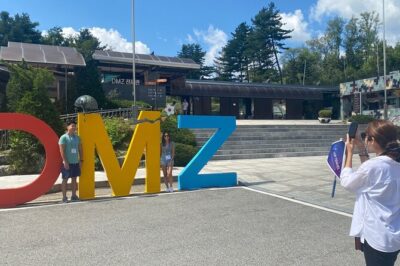
Ultimate Korea DMZ Tour from Seoul (Gondola & Suspension Bridge)
Read our review →Browse the lists this tour appears in