

Reviewed · SEOUL
Discover Round Korea in 7days: All-Inclusive Experience
Korea’s best story is spread across the country, and this seven-day circuit gathers a remarkable amount of it: royal tombs in Gongju, hanok houses in Jeonju, tea fields, Busan’s seafood market, Silla treasures in Gyeongju, Andong folk traditions, and Seoraksan’s mountain scenery. You travel by air-conditioned vehicle, with hotels, meals, entrance fees, and an English-speaking guide covered.
I especially like the no-shopping format, which protects your sightseeing time, and the food program, which gives you seven lunches plus six breakfasts and six dinners instead of leaving every meal to chance. The drawback is the pace: you cover much of Korea in one week, so long road stretches and early starts are part of the bargain.
In This Review
- Key points to know before booking
- What this seven-day Korea tour is really designed to do
- Day 1: Gongju’s fortress and the tomb of King Muryeong
- Day 2: Hanok lanes, royal portraits, and monk-led tea
- Day 3: Boseong tea rows and the wetlands of Suncheon Bay
- Day 4: Busan memorials, seafood, and a coastal cable car
- Day 5: Busan’s APEC site and the royal world of Gyeongju
- Day 6: Korean sweets and a living village in Andong
- Day 7: Seoraksan and a final mountain walk
- Meals, hotels, and what the $1,970 price covers
- Who will enjoy this route, and who may not
- Booking timing and cancellation details
- Should you book Discover Round Korea in 7days?
- FAQ
- Where does the tour start?
- Where does the tour end?
- Is hotel pickup included on the first day?
- How many nights of accommodation are included?
- Are meals included?
- Are entrance fees included?
- How large can the group be?
- What level of fitness is required?
- Is travel insurance included?
Key points to know before booking
- Gongju and Gyeongju put Korea’s royal past at the center, with tombs, temples, museums, and an ancient observatory.
- The food is built into the experience, including seven lunches, six breakfasts, six dinners, and several traditional Korean specialties.
- Hands-on activities break up the sightseeing, with hanbok in Jeonju, tea with a Buddhist monk, and traditional dessert making.
- There is no shopping stop, a useful advantage if you want culture and scenery rather than forced retail visits.
- The route is ambitious, reaching Busan, Andong, Pyeongchang, and Seoraksan after beginning in Seoul.
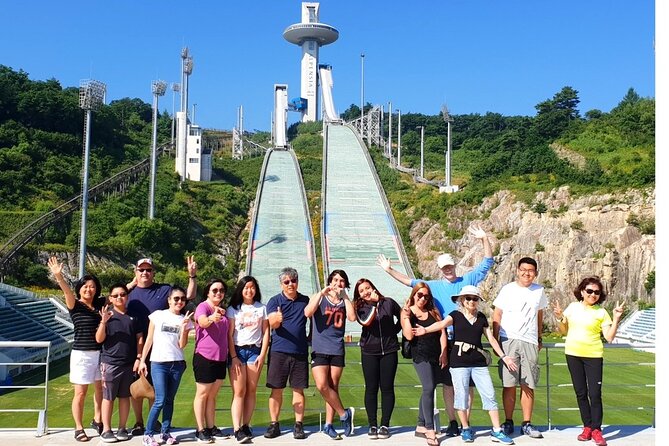
- The group can reach 35 people, though smaller departures are possible. One recent group had 16 people and guide Jay.
What this seven-day Korea tour is really designed to do
This is not a relaxed Seoul-based day-trip program. It is a full country sampler that links major cultural sites with food, nature, and local encounters. You begin in Seoul, then move south and east before returning to the capital area at the end.
That design works well if you have one week and want someone else to arrange the complicated parts. Korea’s rail and bus systems are excellent, but reaching Gongju, Boseong, Suncheon, Andong, Pyeongchang, and Seoraksan in a single trip still takes planning. Here, the vehicle, guide, hotel nights, entrance fees, and meals are organized for you.
The route also avoids a common problem with packaged tours: too many shops and too little Korea. There are no optional add-on programs and no shopping stops. Your time goes to shrines, markets, museums, villages, food, and views.
The tradeoff is that you will not have much free time for independent wandering. Most sightseeing blocks last one or two hours, and the route keeps moving. If you prefer to spend half a day sketching in one village or choosing your own restaurant, this will feel tightly scheduled.
A few more Seoul trips worth weighing up
- 7 days Flexible Tour for Major Cities(Seoul,Busan,Gyeongju etc)
★ 5.0 · 5 reviews
Day 1: Gongju’s fortress and the tomb of King Muryeong
The first day heads to Gongju, an important center of the Baekje kingdom. At Gongsanseong Fortress, you spend about an hour among the remains of a hillside defensive site, with views over the surrounding area. The fortress became a UNESCO World Heritage Site in 2015, and its elevated setting makes the past easier to picture than a museum display alone.
Expect some walking on uneven or sloping ground. The stop is not long, but it gives you a strong first look at Korea’s earlier kingdoms before the tour turns to royal burial customs.
At the Songsan-ri Tombs and Royal Tomb of King Muryeong, the focus shifts underground. King Muryeong’s tomb is known for its brick construction, an unusual detail that helps explain how royal burial practices differed from later Korean traditions. You have about an hour here.
The Gongju National Museum completes the day with roughly 10,000 cultural objects. Artifacts from King Muryeong’s tomb include gilt-bronze ornaments and other evidence of refined court craftsmanship. This museum visit matters because it gives context to the sites you have just seen. The tombs can feel abstract without objects, dates, and royal symbols to make them readable.
Day 2: Hanok lanes, royal portraits, and monk-led tea
Jeonju is one of the tour’s most appealing stops. The Jeonju Hanok Village contains more than 800 traditional houses, and the two-hour visit lets you walk through narrow lanes lined with tiled roofs and timber buildings.
The village is popular, so do not expect total solitude. Its value is the chance to see traditional architecture functioning as part of a living town rather than only as a preserved monument. You also get time at Gyeonggijeon Shrine, built in 1410 to hold a portrait of King Tae-jo, founder of the Joseon Dynasty.
The one-hour hanbok session at Hanboknam Jeonju Hanok Village adds a playful, hands-on element. Wearing traditional clothing changes the way you look at the setting, and it gives you a natural reason to slow down and notice the architecture. Clothing sizes, changing arrangements, and available designs are not specified, so anyone with particular needs should ask before booking.
Later, the tour moves to Baekyangsa Temple, where a two-hour visit includes tea conversation with a Buddhist monk. This is one of the program’s most distinctive experiences. Instead of rushing through a temple courtyard for photographs, you have a quiet cultural exchange connected to Korean Buddhist practice.
The temple changes character with the seasons, so the setting will vary depending on your departure date. This day balances the social energy of Jeonju with a calmer afternoon. It is also a good example of the tour’s approach: important sites are paired with an activity you can take part in.
Day 3: Boseong tea rows and the wetlands of Suncheon Bay
At Daehan Dawon in Boseong, you spend about two hours walking among Korea’s largest green tea fields. The terraced rows provide some of the trip’s clearest rural scenery, and the visit gives you a look at an agricultural tradition rather than another palace or museum.
The route through the tea plantation may include slopes and open paths. Bring comfortable shoes, especially if the weather is warm or wet. The tour does not list a separate tea-tasting session, so the main attraction here is the setting and the walk through the growing fields.
After lunch, you continue to Suncheon Bay Wetland Reserve for another two hours. The reserve lies where river water meets the sea and supports more than 250 species. Its broad marshes offer a change of pace after several days of buildings, artifacts, and urban streets.
This is one of the itinerary’s best nature stops because it shows Korea beyond its cities and mountains. You will want to keep your schedule flexible in your mind, though. Wetland visits depend heavily on weather, and the tour requires good conditions overall. If poor weather cancels the activity, the provider offers another date or a full refund.
A completely different kind of day, same trip:
- Best DMZ Tour Korea from Seoul (Red Suspension Bridge Optional)
★ 5.0 · 41,422 reviews - DMZ Tour: 3rd Tunnel, Option(Suspension Bridge, Boat) from Seoul
★ 5.0 · 21,373 reviews - DMZ tour south Korea from Seoul (NK experience hall, defector)
★ 5.0 · 20,599 reviews - DMZ Insider Tour: 3rd Tunnel, NK Defector Meet & Red Bridge
★ 4.9 · 15,214 reviews
Day 4: Busan memorials, seafood, and a coastal cable car
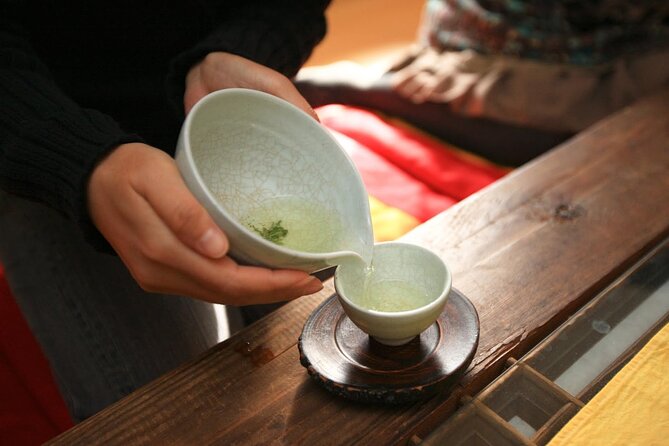
The Busan day begins at the UN Memorial Cemetery, a quiet and solemn site honoring UN soldiers who died during the Korean War. About 2,300 graves are arranged by nation. The one-hour visit provides essential modern context, and the calm grounds offer a sharp contrast to the rest of Busan’s louder, more commercial spaces.
At Jagalchi Market, you get an hour to see the city’s seafood culture up close. The market sells fresh fish and local specialties, and it is a useful place to understand Busan as a working port city. The description does not promise a specific seafood meal here, so treat this as a market visit rather than a guaranteed tasting stop.
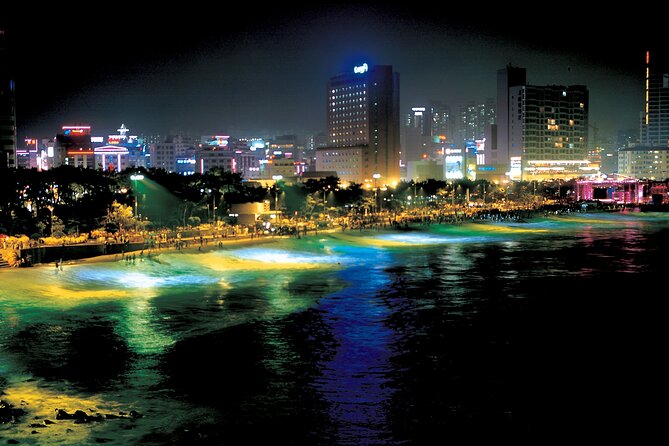
The afternoon ends with the Songdo Sea Cable Car, which crosses about 1.6 kilometers between Songdo Beach Station and Songdo Sky Park. You have around two hours for the attraction, including time for the ride and views. From above, the coastline opens up in a way that street-level sightseeing cannot match.
This day has a good emotional range: remembrance at the cemetery, daily life at the market, then a scenic ride. The main limitation is time. Busan has enough sights for several days, but this tour offers a selected introduction rather than a complete city visit.
Day 5: Busan’s APEC site and the royal world of Gyeongju
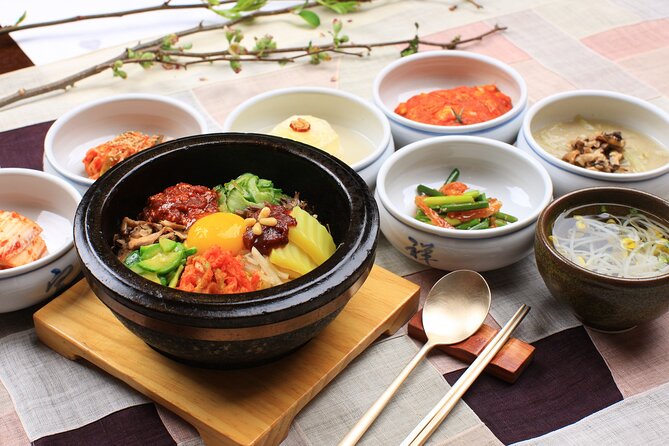
The morning begins at Nurimaru APAC House on Dongbaekseom Island. The modern glass-walled building hosted the 2005 APEC Summit. You spend about an hour here, seeing a different side of Korea’s public life and recent international role.
From Busan, the route continues to Gyeongju, Korea’s ancient capital for roughly a thousand years. At Bulguksa Temple, a UNESCO World Heritage Site, you have 90 minutes to see one of the country’s most important Buddhist monuments. The stone work, temple structures, and mountain setting make this more than a quick photo stop, but the allotted time means you should stay focused.
The Daereungwon Tomb Complex presents a striking sight: large grass-covered royal burial mounds within the city. You have an hour to walk among them and connect the outdoor setting with the gold crowns and court objects seen later at the museum.
At the Gyeongju National Museum, two hours allow a fuller look at Silla-era treasures, including golden crowns and other objects dating back about a millennium. This is a strong pairing with Daereungwon. First you see the royal tombs, then the museum shows the artistic skill and political power behind them.
The day closes at Cheomseongdae Observatory, an ancient astronomical structure and a symbol of Gyeongju. The stop lasts only about 20 minutes, so consider it a final glimpse rather than a detailed visit. Day 5 is probably the most history-heavy day of the trip, and museum fatigue is possible by the end.
Day 6: Korean sweets and a living village in Andong
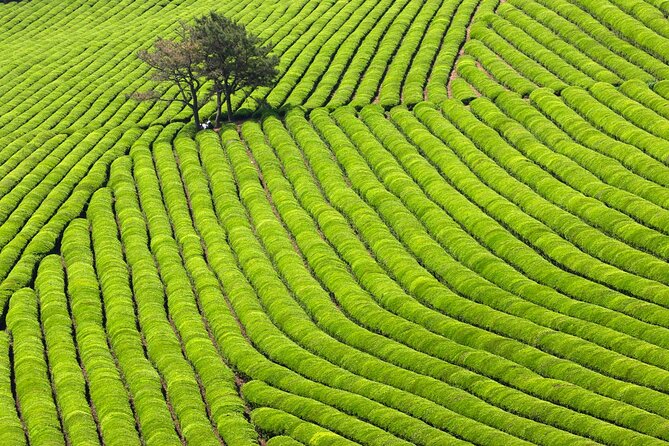
Day 6 begins with the tour’s most hands-on food activity. At Momyeongjae, located at a Korean Traditional Culture Center, instructors guide you through making Korean traditional desserts. The session lasts about 90 minutes.
This is more useful than another formal demonstration because you get to work with the food yourself. The exact dessert is not specified, so do not book expecting one particular recipe. The activity is a welcome change after several days of walking through major heritage sites.
You then visit Andong Hahoe Folk Village, a UNESCO World Heritage Site with more than 600 years of history. The village has more than 600 years of continuity and remains a living cultural setting, not simply a collection of reconstructed buildings. Allow two hours to walk through the traditional homes and village lanes.
Andong gives the tour a different kind of historical experience. Gongju and Gyeongju focus on royal power, while Hahoe shows how traditional village life was organized and maintained. The visit is most rewarding if you pay attention to the relationship between homes, lanes, and the surrounding countryside rather than treating it as a quick photo backdrop.
Day 7: Seoraksan and a final mountain walk
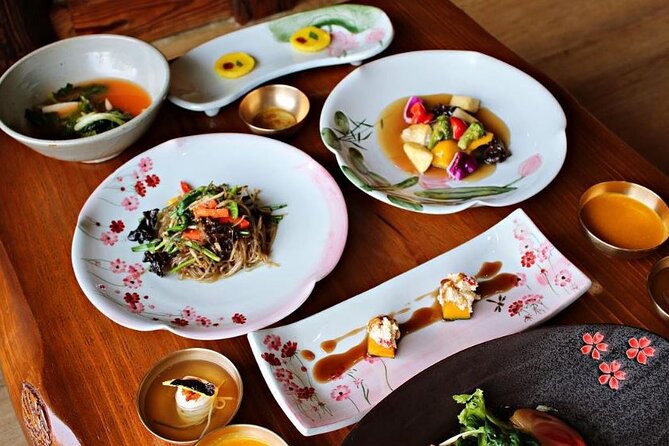
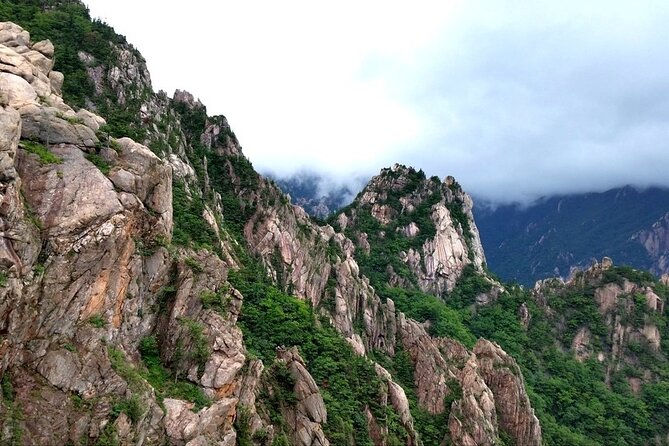
The final morning begins in Pyeongchang before the group heads to Jujeongol Valley in Seoraksan National Park. The two-hour visit brings the trip back to nature, with rock formations, high peaks, and clear streams.
This is a scenic finish, but it is also the clearest reason to take the fitness warning seriously. The tour asks for a moderate physical fitness level, and a valley walk can involve uneven paths, slopes, and changing weather. The exact trail details are not provided, so ask the operator if you need to know the walking distance or grade before booking.
Seoraksan gives the seven days a satisfying rhythm. You begin with fortified walls and royal tombs, move through food and village traditions, and finish among mountains and water. It is a broad view of Korea, even if no single destination receives enough time for deep independent exploration.
Meals, hotels, and what the $1,970 price covers
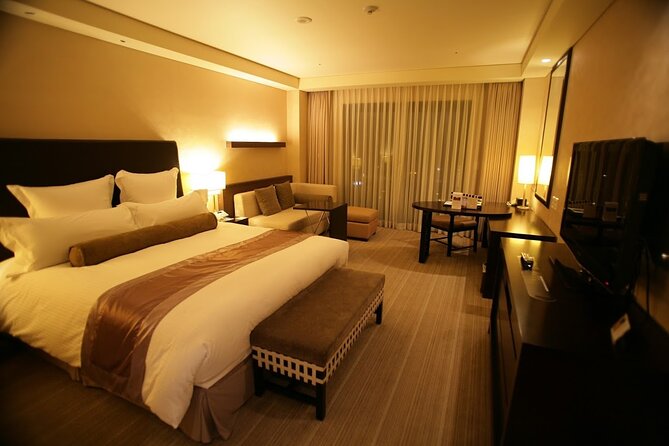
The price is $1,970 per person, based on twin or double accommodation. Six hotel nights are included, along with seven lunches, six breakfasts, and six dinners. Entrance fees, an air-conditioned vehicle, an English-speaking guide or driver-guide, and a special welcome kit are also included.
That package can offer solid value if you would otherwise pay separately for intercity transport, six hotel nights, admission to UNESCO sites and museums, and daily meals. The biggest value is convenience: the route connects places that are not all easy to combine on your own in seven days.
Still, all-inclusive does not mean every expense disappears. Insurance is not included, and you pay for laundry, telephone use, drinks, tips, and other personal costs. Hotel names and room standards are not supplied, beyond twin or double occupancy, so ask for the hotel details if accommodation quality is central to your decision.
The group limit is 35 people. That is large enough for a coach-style experience, though a departure can be smaller. One group had 16 people, and guide Jay received particular praise for being friendly, fun, kind, and attentive through the full week. Guide assignments can change, so treat Jay as a possible guide, not a guarantee.
Who will enjoy this route, and who may not
I would recommend this tour to you if you want a first broad look at South Korea without handling every hotel, meal, admission, and transfer yourself. It suits people who enjoy historical sites but also want markets, countryside, food activities, a cable car, and a national park.
It is also a good fit if you prefer clear structure and full days. A previous independent planner found the organized format surprisingly freeing because the schedule removed the need to make constant decisions. That is the core benefit here: you can watch the scenery and let the guide handle the practical work.
You may want a different style if you dislike group travel, need long breaks, or prefer to choose restaurants and hotels independently. The route is ambitious, the group may reach 35, and the daily schedule leaves limited room for detours.
The departure begins at 8:00 a.m. at Amid Hotel Seoul, 38 Insadong 5-gil, Jongno District. Hotel pickup on the first day and drop-off on the final day are not included, and the tour ends back at the meeting point. Staying at Amid Hotel Seoul is recommended for simple logistics.
Booking timing and cancellation details
The experience is booked, on average, 108 days ahead, so early planning makes sense, especially if your dates are fixed. Confirmation normally arrives at booking, except for reservations made within one day of departure, which are confirmed as soon as possible subject to availability.
You can receive a full refund if you cancel at least six full days before the start time. Cancellation two to six full days ahead brings a 50 percent refund, while cancellation less than two full days ahead brings no refund. The local cut-off time applies, and changes inside those windows are not accepted.
Should you book Discover Round Korea in 7days?
Book it if you want Korea’s major cultural regions, traditional food, and outdoor scenery in one carefully arranged week. The combination of no shopping stops, included meals, and unusual activities such as monk-led tea and dessert making gives it more substance than a simple highlights bus tour.
Before paying, confirm the hotel names, expected walking distances, and vehicle arrangements for your departure. If you are comfortable with long days and limited free time, the $1,970 package is a practical way to cover a wide stretch of the country. If you want slow mornings and independent city time, use this as a route guide and build a more leisurely trip instead.
FAQ
Where does the tour start?
The tour starts at 8:00 a.m. at Amid Hotel Seoul, 38 Insadong 5-gil, Jongno District, Seoul.
Where does the tour end?
The activity ends back at the meeting point at Amid Hotel Seoul.
Is hotel pickup included on the first day?
No. Hotel pickup on the first day is not included. Amid Hotel Seoul is the recommended place to stay for the start.
How many nights of accommodation are included?
Six nights are included in twin or double rooms.
Are meals included?
Yes. The package includes seven lunches, six breakfasts, and six dinners.
Are entrance fees included?
Yes. Entrance fees for all listed sites are included. The UN Memorial Cemetery, Jagalchi Market, Nurimaru APAC House, Cheomseongdae Observatory, and Seoraksan National Park are listed without an admission charge.
How large can the group be?
The maximum group size is 35 people.
What level of fitness is required?
A moderate physical fitness level is recommended. The route includes walking at fortresses, temples, villages, tea fields, wetlands, and Seoraksan National Park.
Is travel insurance included?
No. Traveller’s insurance is not included in the tour price.
Just added around Seoul
- Incheon Airport Private Transfer between Seoul City★ 4.0 · 4 reviews
- Seoul’s Stars: Open Mic with Local & International Talent★ 4.8 · 4 reviews
- Samaksan Cable Car and Nami Island Day Escape with Railbike★ 4.0 · 4 reviews
- DMZ 2nd Tunnel and Cheorwon Peace Observatory with Admission★ 5.0 · 4 reviews
- Nami & Maple Road & Theatre des Lumieres Day Tour from Seoul★ 4.8 · 4 reviews
- Hire Photographer, Professional Photo Shoot – Seoul★ 5.0 · 4 reviews
- [KoreaByLocal] Authentic Seoul Night Walk and Chicken & Beer★ 5.0 · 4 reviews
- Play Gayageum in Hanbok Cultural Experience in Bukchon★ 5.0 · 4 reviews