
Reviewed · SEOUL
Traditional Gourmet
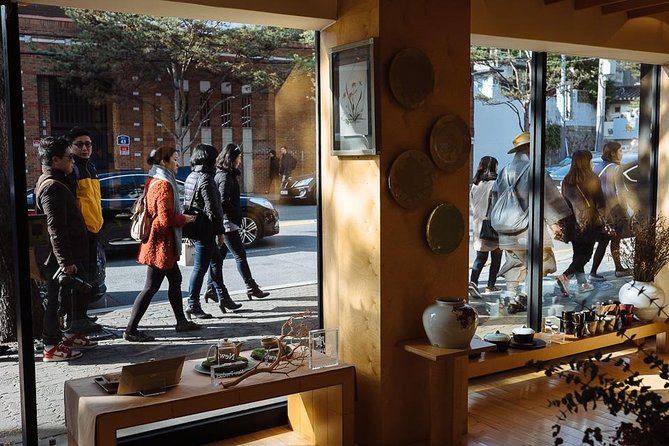
Seoul’s best food experiences are often tucked behind a language barrier, and this three-hour walk solves much of that problem over lunch. You’ll explore Bukchon Hanok Village, visit historic homes, and sit down to a traditional Korean meal in a hanok setting. I love the mix of food and old Seoul, especially because your guide can explain the customs behind each dish.
I also like the personal touch. Guides such as Veronica explain Korean eating etiquette, fermentation, tea, and food shopping in clear, practical terms. The tradeoff is simple: this is a walking tour, with about two hours spent moving through hilly historic streets, and the exact restaurant or guide may vary.
In This Review
- Key points at a glance
- Why this Seoul food walk is different
- Starting in Anguk-dong at 1 p.m.
- Walking through Bukchon Hanok Village
- House of Baek Inje and Seoul’s old homes
- The traditional Korean lunch
- Tea, fermentation, and a street-food sweet
- Is $120 a fair price?
- Who will enjoy this most
- Practical details before you book
- Should you book Traditional Gourmet?
- FAQ
- How long is the Traditional Gourmet tour?
- Where does the tour start and end?
- What time does the tour begin?
- Is lunch included?
- Is a vegetarian option available?
- How many people can join the tour?
Key points at a glance
- A meal inside a traditional hanok: Lunch features multiple Korean dishes in a traditional Korean house, with some departures taking place at a Michelin restaurant.
- Bukchon beyond the photo stop: You walk through workshops, shops, and residential lanes while learning how old homes fit into modern Seoul.
- Guide-led food advice: Veronica has shared tips on quality Korean food products, fermentation, tea, and dining customs.
- A small group of up to 12: The group size allows questions, though you should stay close so you do not miss explanations.
- Tea and a possible street dessert: The meal is followed by coffee or tea, and the experience may include a freshly made street-food sweet.
- A practical first-day introduction: The 1 p.m. start gives you a useful orientation to Jongno before more independent eating later in your trip.
Why this Seoul food walk is different
Many food tours in Seoul focus on a string of quick tastings. This one takes a slower, more cultural route. You spend time in one of the city’s best-known traditional neighborhoods, then sit down for a proper meal with several courses.
That matters because Korean food is not just a list of dishes. The meal makes more sense when someone explains how to share food, how tea fits into the day, and why fermented ingredients matter so much in Korean cooking. You get context instead of simply pointing at an unfamiliar side dish and hoping for the best.
The tour is also useful if you are new to Seoul. Your guide can help with the language barrier and offer suggestions for the rest of your stay. One particularly helpful aspect is the advice on buying quality Korean food products. If you want to take home ingredients or better understand what you are ordering later, that sort of guidance can be worth more than another generic tasting.
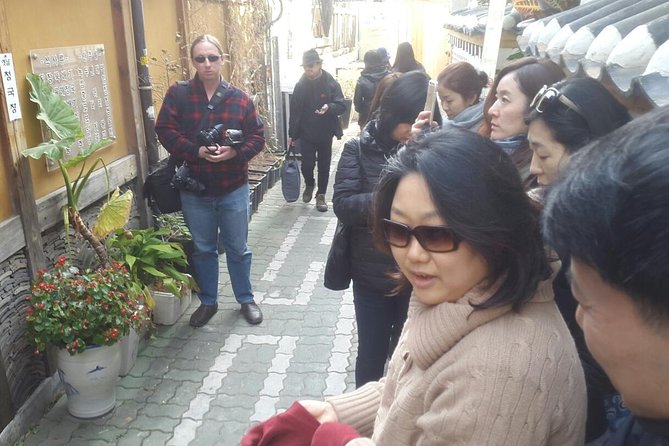
The tour is capped at 12 people. That is not a private experience, but it is far more manageable than a large coach group. You should still make an effort to remain near the guide in busy lanes. One past group found that some explanations were easier to hear when everyone stayed together.
Other Seoul trips people book alongside this one:
- Best DMZ Tour Korea from Seoul (Red Suspension Bridge Optional)
★ 5.0 · 41,422 reviews - DMZ Tour: 3rd Tunnel, Option(Suspension Bridge, Boat) from Seoul
★ 5.0 · 21,373 reviews - DMZ tour south Korea from Seoul (NK experience hall, defector)
★ 5.0 · 20,599 reviews
Starting in Anguk-dong at 1 p.m.
The meeting point is 164-6 Anguk-dong in Jongno District, near public transportation. The tour starts at 1 p.m. and ends back at the same meeting point, so you do not need to arrange a separate ride at the finish.
The timing works well with a morning visit to another part of Seoul. You could spend the morning at a palace or market, then reach Anguk-dong for lunch and the afternoon walk. Since hotel pickup is not included, leave time to find the meeting point and do not assume the guide will collect you from your hotel.
You will need comfortable walking shoes. The route includes historic lanes and a substantial amount of walking, and Bukchon is not perfectly flat. A moderate level of fitness is required. Seoul weather can change quickly, and the tour operates in rain or shine, so bring suitable clothing rather than counting on perfect conditions.
The group needs at least two people to operate. Solo visitors are asked to contact the provider individually, and there is a possibility of cancellation if minimum numbers are not met. If that happens after confirmation, you are offered an alternative or a full refund.
Walking through Bukchon Hanok Village
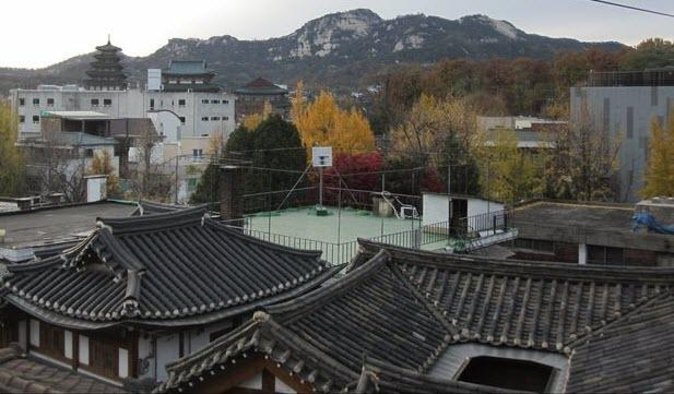
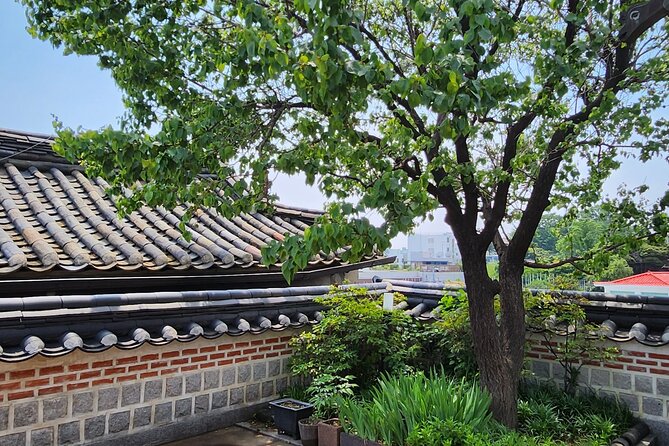
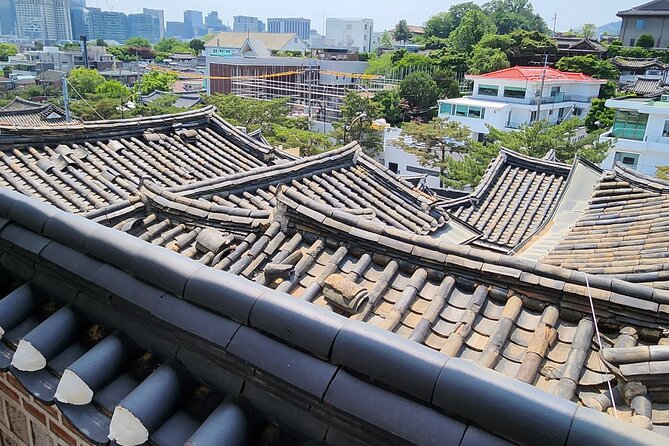
Bukchon Hanok Village is the visual heart of the tour. Its narrow streets are lined with traditional Korean houses, known as hanok, with tiled roofs, timber details, and enclosed courtyards. Some buildings now hold workshops and small shops, so you get a sense of how old architecture is being used in present-day Seoul.
The appeal is not just taking photographs. A guide helps you notice the details that a quick walk can miss and explains the character of the neighborhood. You can ask about the houses, the workshops, and the way traditional buildings sit among a modern city.
Plan on about 90 minutes here. That is enough time to look around without treating Bukchon as a rushed photo stop. It also means the tour may feel slow if you want a tightly scheduled checklist of Seoul sights. This is a neighborhood walk, not a race between attractions.
Bukchon is a residential area, so quiet behavior is important. Keep voices down near homes and follow the guide’s lead on where to stop. The experience is better when you treat the streets as a living neighborhood rather than a film set.
The walk also gives the food a sense of place. Instead of eating in an anonymous commercial district, you are introduced to traditional architecture and local customs before sitting down. That connection is one of the tour’s strongest features.
House of Baek Inje and Seoul’s old homes
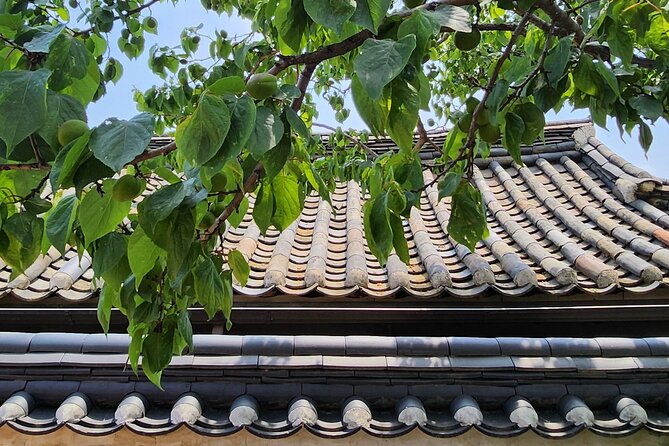
The next named stop is the House of Baek Inje, a hanok built around 1900. It was made using some of the finest building methods available at the time and was associated with a powerful family. The property is now managed by the Seoul Metropolitan Government.
You spend about 30 minutes here. That is enough for a focused look rather than a long museum visit. The house helps show how a prominent Korean family lived and how traditional architecture could be adapted for a large urban home.
Another stop is associated with Yun Bo-seon, Korea’s second president. The site is known for its unusually large and well-built hanok mansion. A granddaughter-in-law of Yun Bo-seon currently lives there, and the property is maintained as an important traditional home.
The supplied tour details do not give a precise duration for this visit, so your time may depend on the day’s access and pace. You should think of it as part of the neighborhood story, not as a guaranteed full museum tour with a long independent visit.
These homes add useful historical depth to the food portion. Korean meals are often tied to household traditions, seasonal ingredients, and ways of serving food. Seeing the type of homes where those customs developed makes the lunch feel less like a restaurant reservation and more like a cultural introduction.
A completely different kind of day, same trip:
- DMZ Insider Tour: 3rd Tunnel, NK Defector Meet & Red Bridge
★ 4.9 · 15,214 reviews - Seoul: DMZ Tour with Optional Suspension Bridge
★ 4.8 · 5,277 reviews - Signature DMZ Tour: Exclusive Defector Talk & Suspension Bridge
★ 5.0 · 4,459 reviews - Thrilling Korean DMZ 3rd Tunnel Tour from Seoul + Red Bridge Rush
★ 5.0 · 3,097 reviews
The traditional Korean lunch
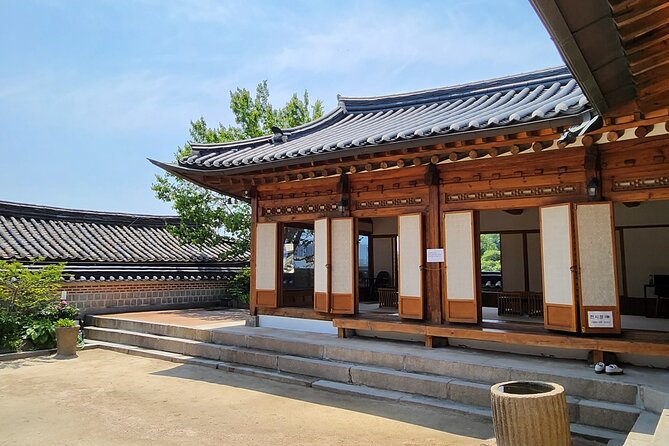
Lunch is the main event. You eat authentic Korean dishes prepared in a traditional Korean house, or hanok. The meal is described as a multi-course spread, so expect more than one large entrée. Korean dining often places several dishes on the table together, allowing you to sample different flavors and textures in one sitting.
The exact menu is not provided, which is worth noting if you have strict food preferences. Vegetarian food is available, but you must request it when booking. Extra food and drinks are not included, and alcohol can be purchased separately.
Some departures have placed the sit-down meal in a Michelin restaurant. That adds value to a $120 experience, especially when the meal is paired with a guide who can explain what you are eating. Still, you should not book this expecting a formal fine-dining tasting menu. The focus is traditional Korean food, conversation, and cultural explanation.
I like that the meal is not treated as a quick refueling stop. Your guide can discuss eating etiquette and the background of Korean food, making the dishes easier to understand. If you are unsure how to use a particular item or how to share the food, this is the right setting to ask.
The lunch is also likely to be filling. One group described the meal as an incredible array of traditional dishes, while another found the later tea stop substantial as well. Eat a light breakfast if you want room for everything, particularly if a street dessert is included after lunch.
Tea, fermentation, and a street-food sweet
After the main meal, the tour includes coffee and/or tea. The tea stop takes place in a traditional tea house, according to the tour details, and gives the afternoon a quieter rhythm after the meal and neighborhood walk.
Tea is not simply a final drink here. Your guide can explain its place in Korean food culture and connect it with local customs. This is also a good moment to ask follow-up questions about dishes you have tried or ingredients you have seen in markets.
The tour may also include a street-food dessert. A freshly prepared sweet has been part of the experience, adding a casual contrast to the sit-down lunch. Because the details do not specify the exact dessert, do not book this expecting one particular specialty. Think of it as a possible extra taste along the route.
Veronica has made a strong impression as a guide for food-focused groups. She explains Korean culture, food, history, and etiquette, and has offered to share fermentation recipes after the tour. That kind of exchange is useful if you want to keep exploring Korean cooking after you return home.
A multilingual guide may operate the tour, so the guide is not guaranteed to be Veronica. If having the tour in a particular language is important, confirm that before booking.
Is $120 a fair price?
At $120 per person, this is not Seoul’s cheapest food outing. You are paying for more than lunch. The price includes a professional guide, a three-hour walking route, the Bukchon visits, lunch, and tea.
The value depends on how much help you want. If you already speak Korean, know Jongno well, and feel comfortable choosing traditional restaurants, you could spend less by exploring independently. You would also have more control over the menu and timing.
For a first visit, the package makes more sense. You receive a meal that would be difficult to arrange with no Korean language skills, plus explanations of etiquette, traditional houses, food products, and tea. The Michelin restaurant connection on some departures makes the price more attractive, though it should not be treated as guaranteed unless confirmed for your date.
The small group also helps. A maximum of 12 keeps the tour personal enough for questions, while the included meal and guide reduce the guesswork that often comes with ordering unfamiliar food. I would call it fair value for a food-focused introduction, but less appealing if your main goal is to see as many Seoul attractions as possible.
Who will enjoy this most
I would choose this tour for a first-time Seoul visitor who wants food, history, and neighborhood walking in one afternoon. It suits people who like to ask questions and prefer a proper meal over a series of tiny samples.
It is also a good fit for food enthusiasts interested in fermentation, tea, traditional ingredients, and Korean eating customs. The advice on buying quality food products is especially useful if you plan to visit markets or shop for ingredients.
You should think twice if you dislike walking, need a fixed menu, or prefer a private tour. The route requires moderate fitness, operates in all weather, and may use a multilingual guide. A group of up to 12 is small enough to work well, but it is not the same as having a guide entirely to yourself.
Families and older participants can consider it if everyone is comfortable walking through historic streets. Comfortable shoes matter more than dressy clothes. A light jacket or rain layer is sensible because the tour runs regardless of weather.
Practical details before you book
The experience is confirmed at booking, and a mobile ticket is provided. Public transportation is nearby, but transportation to and from attractions is not included. You make your own way to Anguk-dong and return there at the end.
Vegetarians should advise the provider when booking. The tour includes lunch and tea, but not alcohol, extra dishes, or other drinks. Since the meal can be generous, you may not need to plan another large meal immediately afterward.
Free cancellation is available up to 24 hours before the 1 p.m. start time. Canceling later, or requesting changes within that period, does not qualify for a refund. The minimum group requirement also means a confirmed booking could be canceled if not enough people sign up, with an alternative or full refund offered.
Should you book Traditional Gourmet?
Book it if you want Seoul explained through its food rather than simply photographed. The combination of Bukchon’s hanok streets, historic homes, a multi-course Korean lunch, tea, and practical food advice gives you a useful base for the rest of your trip.
I would especially choose it early in a Seoul visit. You can use the guide’s recommendations when you eat on your own later, and the 1 p.m. start leaves room for a morning sight. Just come ready to walk, keep an open mind about the menu, and confirm vegetarian or language needs in advance.
If your priority is a cheap meal or a fast tour, skip it. If you want a thoughtful introduction to Korean food and culture, the $120 price is reasonable, particularly when your departure includes the Michelin restaurant meal and a guide such as Veronica.
FAQ
How long is the Traditional Gourmet tour?
The experience lasts approximately three hours.
Where does the tour start and end?
It starts at 164-6 Anguk-dong in Seoul’s Jongno District and ends back at the same meeting point.
What time does the tour begin?
The start time is 1 p.m.
Is lunch included?
Yes. Lunch featuring traditional Korean dishes prepared in a hanok is included, along with coffee and/or tea.
Is a vegetarian option available?
Yes. A vegetarian option is available, but you need to advise the provider when booking.
How many people can join the tour?
The maximum is 12 people. A minimum of two people is required, and solo participants should contact the provider individually.
Just added around Seoul
- Incheon Airport Private Transfer between Seoul City★ 4.0 · 4 reviews
- Seoul’s Stars: Open Mic with Local & International Talent★ 4.8 · 4 reviews
- Samaksan Cable Car and Nami Island Day Escape with Railbike★ 4.0 · 4 reviews
- DMZ 2nd Tunnel and Cheorwon Peace Observatory with Admission★ 5.0 · 4 reviews
- Nami & Maple Road & Theatre des Lumieres Day Tour from Seoul★ 4.8 · 4 reviews
- Hire Photographer, Professional Photo Shoot – Seoul★ 5.0 · 4 reviews
- [KoreaByLocal] Authentic Seoul Night Walk and Chicken & Beer★ 5.0 · 4 reviews
- Play Gayageum in Hanbok Cultural Experience in Bukchon★ 5.0 · 4 reviews