
Reviewed · SEOUL
Spiritual Adventure : Into Inwangsan and Korean Shamanism
Inwangsan offers something most Seoul sightseeing does not: a direct look at living Korean spirituality, not a museum display or staged folklore show. With guide Ethan, you walk a sacred mountain route, visit Guksadang, learn about deities and talismans, and may meet a real shaman for a fortune-reading session.
I like two things here. First, Ethan explains how shamanism exists alongside Confucianism, Buddhism, and modern city life, which gives the tour useful context. Second, the walk brings fine Seoul views and a little exercise into a subject that could otherwise feel abstract. The main consideration is the uphill route and the fact that the shaman portion can change if the shaman is unavailable.
In This Review
- Key points at a glance
- Why Inwangsan is the right place for this subject
- Meeting Ethan and setting the cultural frame
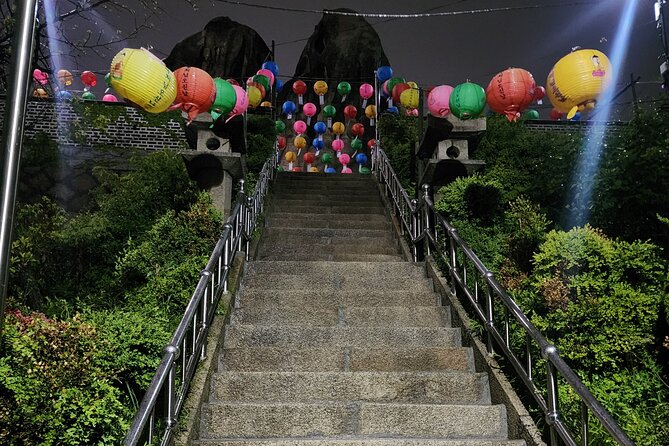
- Walking the sacred sites of Inwangsan
- Understanding candles, chants, offerings, and talismans
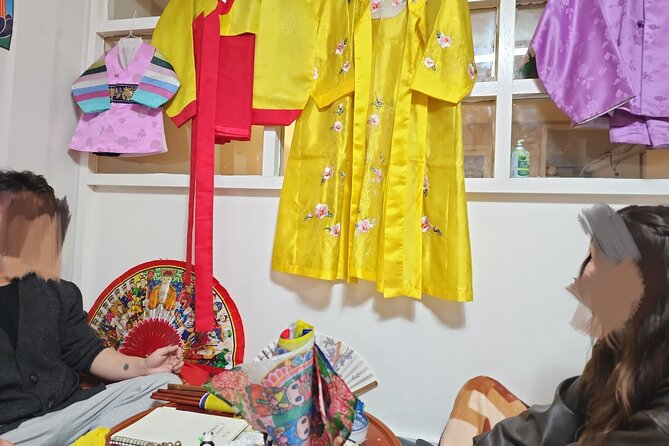
- Meeting a real shaman and the fortune-reading session
- What the two and a half hours feel like
- The views and the physical side of the outing
- Is $28.20 a fair price?
- Who should book this Inwangsan experience?
- Booking, timing, and cancellation details
- Should you book Spiritual Adventure into Inwangsan?
- FAQ
- How long does the Inwangsan shamanism tour last?
- Where does the tour begin?
- Where does the tour finish?
- Is public transportation included?
- Is bottled water provided?
- Does the tour include a meeting with a Korean shaman?
- Can I ask personal questions during the fortune reading?
- How physically demanding is the tour?
- What happens if the weather is poor?
Key points at a glance
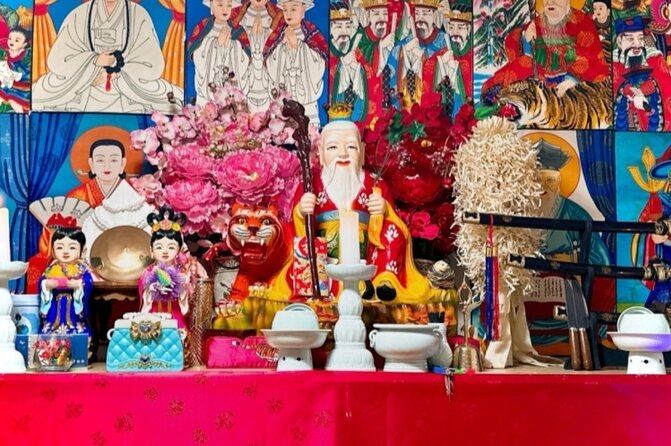
- Guksadang and sacred mountain sites: Visit one of Seoul’s important places connected with Korean shamanism.
- Ethan’s personal storytelling: Expect clear explanations, thoughtful answers, and a guide who takes care with group comfort and safety.
- A possible real fortune reading: Ask about love, health, or career, and learn how this practice fits into daily life.
- Ritual objects with meaning: See candles, chants, offerings, deities, and talismans explained in cultural context.
- Seoul from Inwangsan: The uphill walk rewards you with broad city views and a break from central Seoul’s busy streets.
- Private and compact format: Your group takes part privately, with about two and a half hours devoted to the subject.
Why Inwangsan is the right place for this subject
Korean shamanism is easiest to understand when you see where it is practiced. Inwangsan is not simply a convenient hill near Seoul. It is treated as a spiritually important place, with shrines and ritual sites tied to old beliefs, local legends, and ceremonies that continue today.
That setting changes the tone of the experience. You are not sitting in a classroom hearing a list of religious terms. You are walking through the kind of place where those beliefs have meaning. A shrine, an offering, or a talisman makes more sense when Ethan explains what it represents and why people still seek spiritual help.
The tour begins at Dongnimmun Station Exit 3. From there, you make your way toward Inwangsan and follow a route that includes an uphill section. The physical effort is moderate rather than extreme, but you should be comfortable walking uphill and over uneven ground. The experience specifically calls for a moderate level of fitness, so it is not the best choice if you want a flat, effortless city stroll.
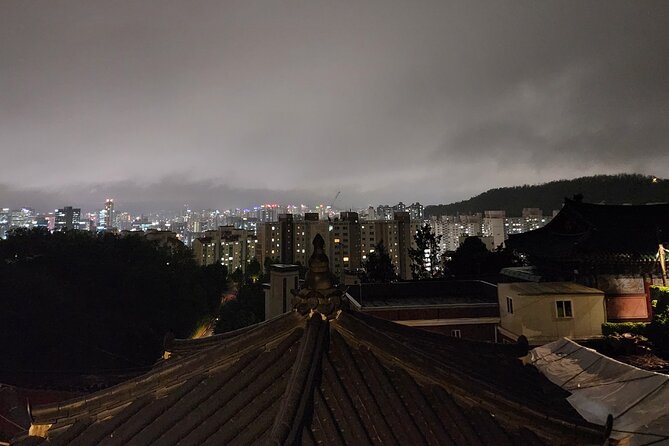
I like the contrast. Seoul can feel intensely modern, yet within a short distance of the subway you can encounter customs that have survived through major changes in Korean society. The mountain setting also gives the walk a quieter mood and opens views back across the city.
Other Seoul trips people book alongside this one:
- Best DMZ Tour Korea from Seoul (Red Suspension Bridge Optional)
★ 5.0 · 41,422 reviews - DMZ Tour: 3rd Tunnel, Option(Suspension Bridge, Boat) from Seoul
★ 5.0 · 21,373 reviews - DMZ tour south Korea from Seoul (NK experience hall, defector)
★ 5.0 · 20,599 reviews
Meeting Ethan and setting the cultural frame
Ethan is central to the experience. His role is not just to lead you from one point to another. He interprets the beliefs, explains the customs, and answers questions about how Korean shamanism is seen today.
That matters because shamanism can be easy to misunderstand. A quick internet search may reduce it to fortune telling, dramatic ceremonies, or mysterious mountain spirits. Ethan gives you a wider picture, including the place of ritual, ancestral ideas, deities, objects, and personal faith in everyday Korean life.
His explanations also place shamanism beside other traditions. Korean society has been shaped by Confucian ideas, Buddhism, and modern urban life, but these influences do not simply erase older practices. The tour helps you see how different systems can exist side by side, sometimes in tension and sometimes in ordinary coexistence.
The style appears to be conversational rather than formal. You have time for questions, and the private format means the experience is limited to your own group. That is useful for a subject that may prompt personal or sensitive questions. You can ask for clarification without feeling that you are holding up a large tour.
Walking the sacred sites of Inwangsan
The walk is one of the tour’s strengths. It gives you a reason to leave Seoul’s main shopping and palace routes and see a different side of the city.
As you go uphill, Ethan explains the sites and the beliefs connected with them. The focus includes the roots and development of Korean shamanism, the role of shamans, and the meaning of rituals. You also hear stories and legends passed down through generations.
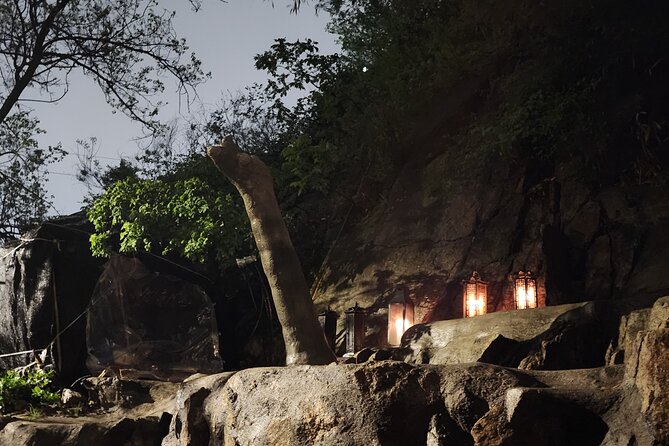
The route includes Guksadang, a major stop for anyone interested in the subject. The shrine gives the tour a physical anchor. Instead of discussing sacred places in general terms, you see one in its actual setting and learn why it matters.
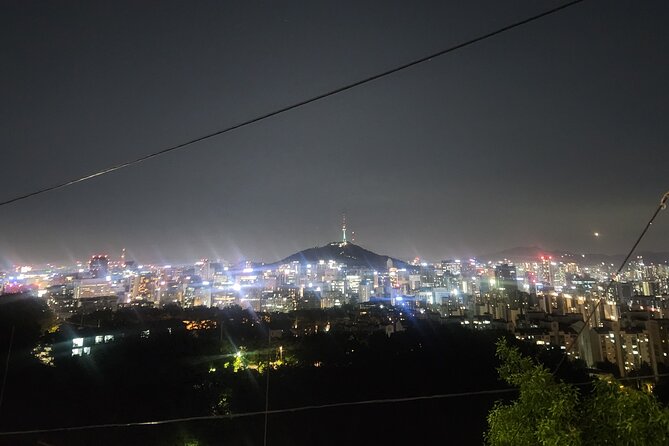
The walk also provides time to take photographs. The views from Inwangsan are repeatedly highlighted as a reward for the climb, and they help explain why this excursion feels different from a standard cultural talk. You get the city below, the mountain around you, and a sense of how close Seoul’s spiritual sites are to its urban core.
The drawback is simple: the climb is part of the experience, not an optional extra. Wear shoes suited to walking and plan for the route to feel more active than a museum visit. Since the experience relies on good weather, rain or poor conditions may lead to a different date or a full refund.
Understanding candles, chants, offerings, and talismans
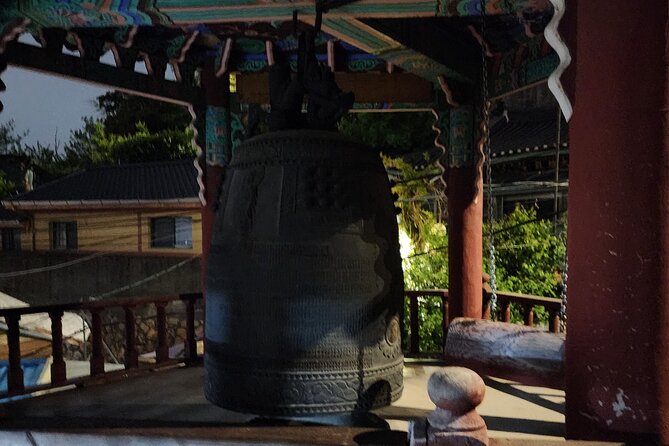
The most useful part of the tour may be the explanation of ritual objects. Candles, chants, offerings, and talismans can look strange if you encounter them without context. Ethan explains their purpose and the ideas behind them, helping you see them as part of a working tradition rather than as decoration.
Talismans are especially interesting because they connect belief with personal concerns. You may be able to request or purchase a custom talisman, depending on the circumstances of the visit. The stated topics for personal questions include love, health, and career.
You should approach this part with cultural curiosity. The value is not in treating a fortune reading as a guaranteed prediction. The value is in seeing why people consult a shaman, what kinds of questions they bring, and how spiritual advice can sit alongside ordinary modern life.
The experience is also careful to present the practice as authentic rather than theatrical. That distinction is important. You are not watching a performance designed only for an audience. You are being introduced to customs that people still use and understand as meaningful.
A completely different kind of day, same trip:
- DMZ Insider Tour: 3rd Tunnel, NK Defector Meet & Red Bridge
★ 4.9 · 15,214 reviews - Seoul: DMZ Tour with Optional Suspension Bridge
★ 4.8 · 5,277 reviews - Signature DMZ Tour: Exclusive Defector Talk & Suspension Bridge
★ 5.0 · 4,459 reviews - Thrilling Korean DMZ 3rd Tunnel Tour from Seoul + Red Bridge Rush
★ 5.0 · 3,097 reviews
Meeting a real shaman and the fortune-reading session
A meeting with a Korean shaman is the most unusual feature of the tour. You may witness or take part in a real fortune-reading session, with the chance to ask a personal question. This can make the tour feel more immediate than a general introduction to folklore.
The session is intended as cultural insight, not a stage act. Ethan helps explain what is happening, which is particularly useful if you do not know the ritual language or the conventions involved. You can ask about the role of the shaman, the meaning of the reading, and how such practices fit into Korean society.
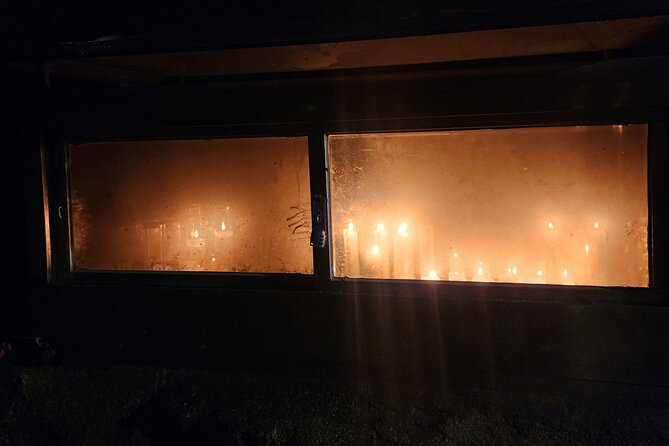
The experience may also include ritual elements such as candles, chants, and offerings. These details give you a better sense of the setting and the seriousness of the practice.
There is one important practical qualification. The shaman may not always be available. On at least one occasion, illness prevented the meeting, but Ethan continued with the cultural explanations and the walk. That means you should book this for the broader experience, not only for a guaranteed personal reading.
If you do take part, think about your question before you arrive. Love, health, and career are specifically mentioned as suitable subjects. A short, clear question will likely make better use of the limited time than a long list of concerns.
What the two and a half hours feel like
At approximately two hours and thirty minutes, the tour is compact. That is a good length for a first encounter with a complex subject. You get enough time to walk, listen, visit sacred sites, ask questions, and take photographs without turning the outing into a full-day commitment.
The pace is designed to keep you engaged without rushing you. Ethan’s role helps here because the tour combines movement with explanation. You are not expected to absorb a long lecture in one place, and you are not pushed through a series of stops without time to think.
The private format adds flexibility. Only your group participates, so the conversation can follow your interests. If you want more explanation about talismans, legends, or the relationship between shamanism and other traditions, you can ask directly.
The small scale also makes personal questions easier. Some people will be fascinated by fortune telling, while others will prefer to focus on ritual history and social context. A private tour gives you room to choose your emphasis.
The views and the physical side of the outing
The mountain walk is not merely a way to reach the shrines. It gives the experience a second appeal: a chance to see Seoul from above while learning about one of its older spiritual traditions.
You will want to leave room for the climb in your plans. The starting point is Dongnimmun Station Exit 3, and the tour finishes at Muakjae Station on Moraenae-ro in Seodaemun-gu. Since public transportation is not included, you should budget for your own subway or local transport to and from those points.
An air-conditioned vehicle is listed as an optional feature, so clarify that arrangement when booking if you need it. Do not assume private transport is automatically part of the basic price.
Bring water. Bottled water is not included, and the uphill walk can feel more demanding in warm weather. The mobile ticket is convenient, but it does not replace sensible preparation for a short mountain route.
Is $28.20 a fair price?
At $28.20 per person, this is priced below many private cultural tours in Seoul. The value comes from the combination of a guide-led mountain walk, access to sacred sites, interpretation of ritual practices, a possible shaman meeting, and time for questions.
You are not paying only for transport or admission to a single attraction. You are paying for Ethan’s interpretation and for access to a subject that is difficult to understand through independent sightseeing. Guksadang and Inwangsan can be visited in the wider Seoul area, but finding the right context and knowing how to behave around sacred practices is much harder without a guide.
The value is strongest if you have already seen Seoul’s main palaces, markets, and shopping streets and want something less familiar. It is also a good use of time for anyone studying Korean culture, religion, folklore, or family traditions.
The value is weaker if you dislike uphill walks, have no interest in spiritual customs, or want a guaranteed fortune reading. The shaman portion is an important attraction, but circumstances can affect whether it happens. Treat it as a meaningful possibility within a larger cultural visit.
The perfect rating and 100 percent recommendation rate point to a consistently strong experience, but you should still match the tour to your interests. A five-star rating does not remove the need to prepare for the climb or accept that traditional practices may not follow a fixed tourist schedule.
Who should book this Inwangsan experience?
I would choose this tour if you want to understand Korea beyond food, palaces, and K-pop. It suits people who enjoy folklore, religious customs, oral history, and conversations about how older beliefs remain part of modern society.
It is also a good choice for repeat visitors to Seoul. Inwangsan offers a different mood from the city center, and the views give the outing a clear visual reward.
The tour works well for couples, friends, or a private family group that enjoys asking questions together. The private format is particularly helpful if someone in your group has a strong interest in fortune telling or Korean spiritual traditions.
I would think twice if you need a fully accessible route, prefer flat walking, or want a tightly predictable schedule. The available information calls for moderate physical fitness and notes that weather can affect the outing. The optional vehicle arrangement should also be confirmed before you rely on it.
Booking, timing, and cancellation details
You receive confirmation when you book, and the activity is near public transportation. The meeting point is Dongnimmun Station Exit 3 in Seoul. The end point is Muakjae Station, 411 Moraenae-ro, Seodaemun-gu.
The tour lasts about two and a half hours. Public transportation and bottled water are not included. An air-conditioned vehicle may be available as an optional feature, so ask for the exact arrangement before the day of the tour.
Free cancellation is available up to 24 hours before the start time for a full refund. Cancellations or changes made within 24 hours are not accepted for a refund. If bad weather forces the operator to cancel, you are offered another date or a full refund.
Should you book Spiritual Adventure into Inwangsan?
Book it if you want a thoughtful look at a part of Korean culture that is still active, personal, and difficult to encounter by accident. The combination of Guksadang, mountain views, ritual explanations, and Ethan’s guiding gives you more than a simple walk or a standard history talk.
Go with realistic expectations. The route involves an uphill walk, transport is not included, and a meeting with the shaman can be affected by circumstances. But if you are curious about how legends, ritual, fortune telling, and modern Seoul fit together, $28.20 is a sensible price for a private and unusual afternoon or evening.
FAQ
How long does the Inwangsan shamanism tour last?
The experience lasts approximately two hours and thirty minutes.
Where does the tour begin?
The tour begins at Dongnimmun Station Exit 3 in Seoul, South Korea.
Where does the tour finish?
The tour ends at Muakjae Station, 411 Moraenae-ro, Seodaemun-gu, Seoul.
Is public transportation included?
No. Public transportation is not included in the tour price.
Is bottled water provided?
No. Bottled water is not included, so you should arrange your own.
Does the tour include a meeting with a Korean shaman?
The experience includes the opportunity to meet a real Korean shaman and receive a personal fortune-telling session. The shaman may be unavailable in some circumstances.
Can I ask personal questions during the fortune reading?
Yes. You can ask personal questions about subjects such as love, health, or career.
How physically demanding is the tour?
A moderate level of physical fitness is recommended because the route includes walking uphill on Inwangsan.
What happens if the weather is poor?
The experience requires good weather. If it is canceled because of poor weather, you are offered a different date or a full refund.
Just added around Seoul
- Incheon Airport Private Transfer between Seoul City★ 4.0 · 4 reviews
- Seoul’s Stars: Open Mic with Local & International Talent★ 4.8 · 4 reviews
- Samaksan Cable Car and Nami Island Day Escape with Railbike★ 4.0 · 4 reviews
- DMZ 2nd Tunnel and Cheorwon Peace Observatory with Admission★ 5.0 · 4 reviews
- Nami & Maple Road & Theatre des Lumieres Day Tour from Seoul★ 4.8 · 4 reviews
- Hire Photographer, Professional Photo Shoot – Seoul★ 5.0 · 4 reviews
- [KoreaByLocal] Authentic Seoul Night Walk and Chicken & Beer★ 5.0 · 4 reviews
- Play Gayageum in Hanbok Cultural Experience in Bukchon★ 5.0 · 4 reviews