
Reviewed · DMZ & JSA TOURS
South Korea Demilitarized Zone, DMZ Tour from Seoul
The most striking part of this DMZ tour from Seoul is how quickly ordinary city life gives way to a heavily guarded border. In one morning, you move from Imjingak’s memorials and reunification symbols to a tunnel built for a possible North Korean attack, then look across the valley toward North Korea from Dora Observatory.
I like the early start because it helps you avoid the afternoon rush. I also like the useful mix of places: Imjingak gives the human story, the Third Tunnel makes the conflict physical, and Dora Observatory provides the most direct view toward North Korea. The main drawback is the 6 to 7 a.m. meeting time, plus the fact that military authorities can change or cancel the route without notice.
In This Review
- Key points to know before booking
- Why the DMZ feels different from a normal day tour
- Imjingak Park and Pyeonghoa-Nuri: the human side of the border
- The passport check and the DMZ exhibition
- The Third Tunnel: the hardest and most memorable stop
- Dora Observatory and the view toward North Korea
- Dorasan Station and the idea of reunification
- Guides who make the history easier to follow
- Timing, transport, and the real cost
- What can go wrong, and how to prepare
- Who should book this DMZ tour?
- Should you book it?
- FAQ
- How long does the DMZ tour from Seoul last?
- How much does the tour cost?
- What places are included?
- Is hotel pickup included?
- Do I need my passport?
- Is lunch included?
- Does the tour visit the JSA?
- Can the route change or be canceled?
- What is the cancellation policy?
Key points to know before booking
- The Third Tunnel is the most physical stop: You walk downhill, crouch in places, then climb back up.
- Dora Observatory offers a real border view: On a clear day, you may see Gaeseong, Songaksan, the Kim Il-Sung statue, and a North Korean cooperative farm.
- Guides shape the day: Winnie, Kenny, Grace, Stella, Thomas, and Sophie are praised for clear English, humor, history talks, and steady group care.
- Early departure matters: The morning schedule helps reduce crowds at the major sites.
- Military access is never guaranteed: Bring your current passport and expect schedule changes, substitutions, or cancellation.
- The $30 price is strong value: Transport, guide service, and admission fees are included, while lunch and hotel pickup are not.
Why the DMZ feels different from a normal day tour
You are not visiting a preserved battlefield or a quiet museum district. The DMZ is an active military area shaped by government rules, troop movements, weather, and security decisions. That gives the trip an unusual edge: even a routine-looking itinerary can change on the day.
This excursion covers the major public-access sights without adding a required shopping stop. That matters because the route already takes about seven and a half hours, and the useful time is better spent at the border than in a commercial showroom.
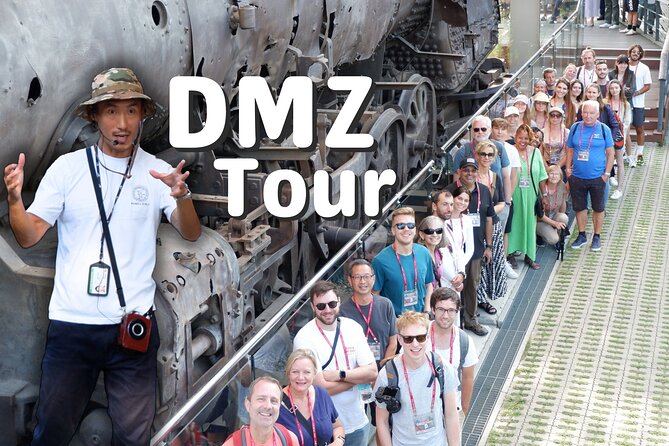
The ride from Seoul is also part of the lesson. A good guide uses the journey to explain the division of Korea, the Korean War, and the current situation. Guides such as Kenny and Winnie are especially praised for making the history easy to follow without turning the bus ride into a dry lecture. Grace is noted for using videos and facts on the bus, while Thomas and Stella are praised for keeping the information lively and clear.
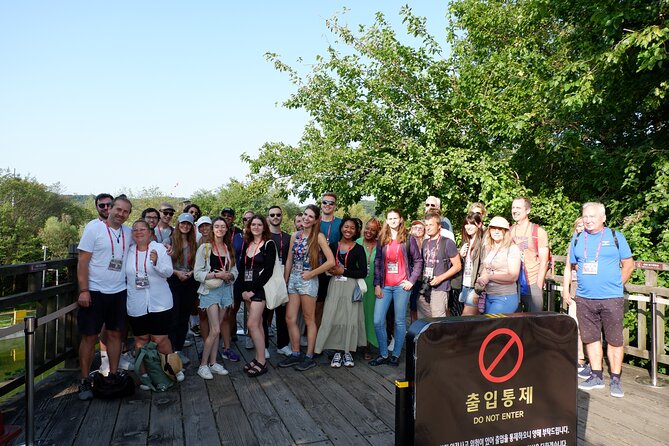
You should still expect a group outing. The maximum group size is listed as 500 people, although the actual vehicle and departure arrangement may vary. The larger the group, the more important it is to listen carefully for meeting times and stay close to your guide.
More ways to reach the DMZ:
- Best DMZ Tour Korea from Seoul (Red Suspension Bridge Optional)
★ 5.0 · 41,422 reviews - DMZ Tour: 3rd Tunnel, Option(Suspension Bridge, Boat) from Seoul
★ 5.0 · 21,373 reviews - DMZ tour south Korea from Seoul (NK experience hall, defector)
★ 5.0 · 20,599 reviews
Imjingak Park and Pyeonghoa-Nuri: the human side of the border
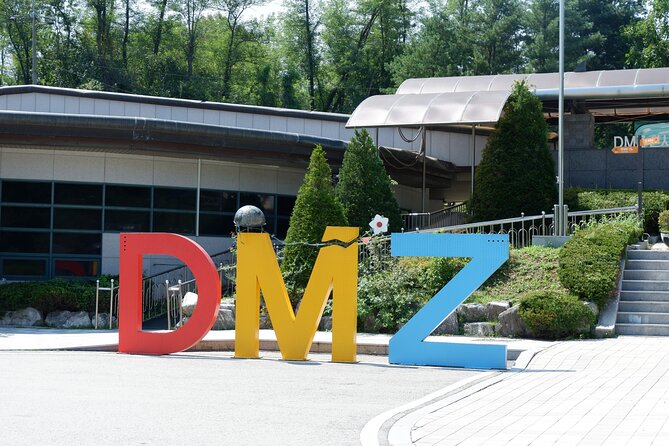
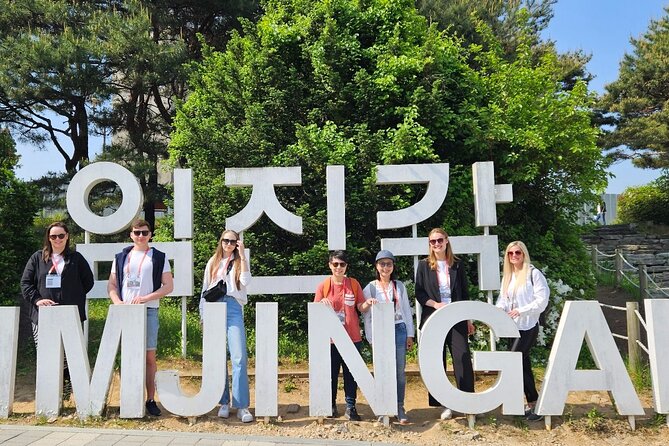
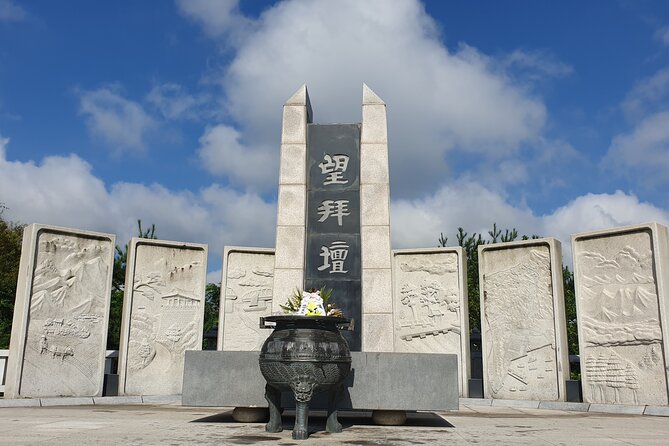
The first major stop is Imjingak Pyeonghoa-Nuri Park, about 7 kilometers from the Military Demarcation Line. Imjingak was built in 1972 with the hope that Korea could one day reunite. It now serves as one of the main public places for remembering the Korean War and the families separated by the division.
You get about an hour here, which is a useful amount of time for a first stop. The site gives you room to walk, take in the memorial setting, and begin thinking about the border as more than a line on a map. The name itself points toward peace, but the military reality nearby keeps the mood serious.
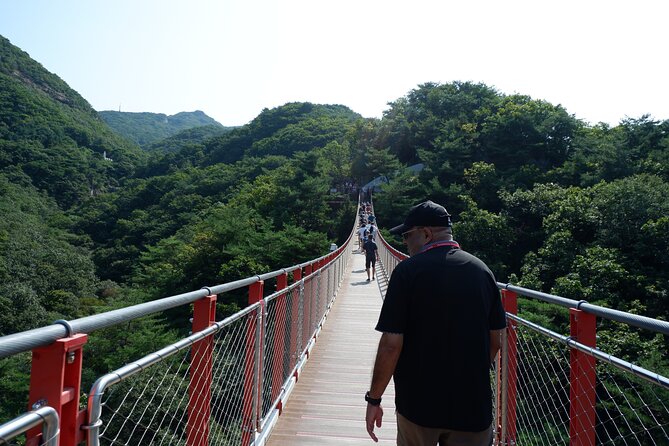
Some route versions include a suspension bridge or an optional gondola ride near the park. These additions are not guaranteed as part of every departure, so you should treat them as possible extras rather than promised stops. If a bridge visit is included, it adds a more active element to the morning. If not, Imjingak still works well as an introduction.
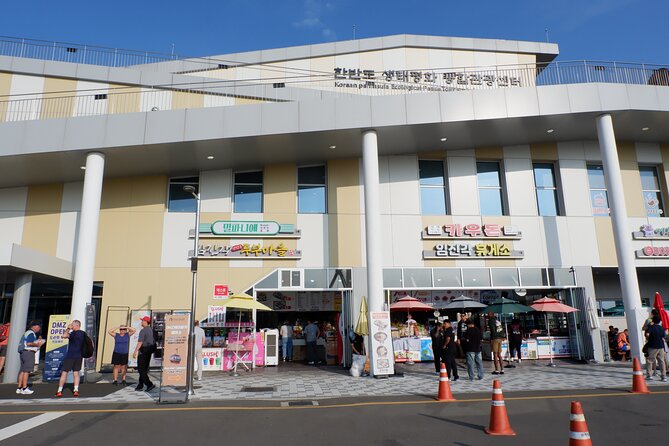
This is also a practical place to buy a drink or small snack. Still, I would bring your own water and something quick to eat. Lunch is not included, and the timetable leaves little room for a relaxed restaurant meal.
The passport check and the DMZ exhibition
After Imjingak, the group moves toward the controlled DMZ area. Soldiers may check your passport, so you must carry your current valid passport on the day. A photocopy or image on your phone should not be treated as a substitute.
The DMZ exhibition hall provides a short video and displays about the division of Korea. You have around 30 minutes here. That is not enough for a long museum visit, but it gives you the basic political and military background before the more dramatic stops.
I find this short introduction valuable because the DMZ can otherwise feel like a string of viewpoints and tunnels. The displays help connect the sights to the damage caused by the war and the continuing separation of North and South Korea.
Access here is controlled by military and government authorities. Rules can shift with little warning. During periods of military training, official visits, severe weather, heavy traffic, fog, snow, or other security concerns, parts of the route may be changed or closed.
The Third Tunnel: the hardest and most memorable stop
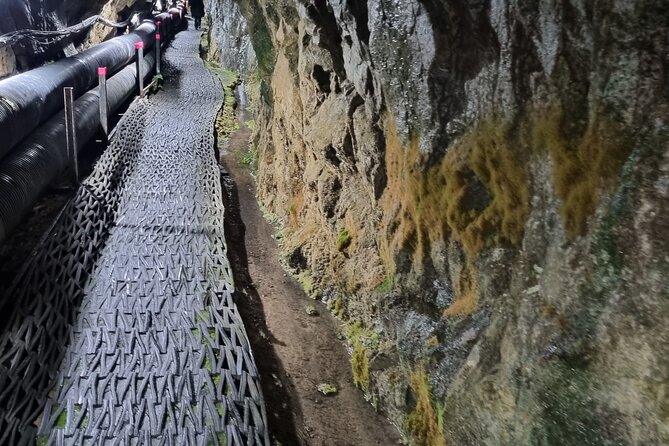
The Third Tunnel was discovered by South Korea in 1978. It measures about 1,635 meters long, 2 meters wide, and 2 meters high, and lies about 52 kilometers from Seoul. South Korean authorities estimate that roughly 30,000 soldiers could have moved through it in an hour.
This is the stop that requires the most effort. You walk downhill into the tunnel, then turn around for a fairly steep climb back out. The ceiling is low, so anyone taller than roughly 5 feet 5 inches may need to crouch for part of the route. Hard hats are provided, and you should wear them.
The tunnel is about 40 minutes in the schedule. That sounds short, but the walk can make it feel full. You need good walking shoes, and flip-flops, slippers, and high heels are poor choices. Moderate physical fitness is recommended, and this is not the place to rush.
The experience is powerful because the physical space does the explaining. You can see how narrow the passage is and imagine the purpose for which it was built. At the same time, you should not expect a long underground expedition. The visit follows a set route and military rules, and some parts are restricted.
If you have knee, balance, breathing, or mobility concerns, think carefully before booking. The tour data does not promise an accessible alternative at the tunnel. An early start may also be tiring if you have just arrived in Seoul or are adjusting to a new time zone.
A completely different kind of day, same trip:
- DMZ Insider Tour: 3rd Tunnel, NK Defector Meet & Red Bridge
★ 4.9 · 15,214 reviews - Seoul: DMZ Tour with Optional Suspension Bridge
★ 4.8 · 5,277 reviews - Signature DMZ Tour: Exclusive Defector Talk & Suspension Bridge
★ 5.0 · 4,459 reviews - Thrilling Korean DMZ 3rd Tunnel Tour from Seoul + Red Bridge Rush
★ 5.0 · 3,097 reviews
Dora Observatory and the view toward North Korea
Dora Observatory is the clearest visual connection with North Korea. From the viewing area, you may look toward Gaeseong, Songaksan, the Kim Il-Sung statue, and the Geumamgol cooperative farm. Visibility depends on weather, and fog can turn the view into a lesson in uncertainty.
You have about 30 minutes at the observatory. A short uphill walk may be required, so keep your shoes on and save some energy after the tunnel. The stop is brief, but it gives the day its most recognizable moment: you are looking across a guarded border into another country.
Photography rules can change. On some days, pictures of North Korea may be restricted even when the view is visible. Do not assume that a camera or phone is always permitted at the viewing point. Guides may help with photos of your group, and some have historical images available when current photography is limited.
The observatory can feel less dramatic in poor weather. That is not a flaw in the tour, but it is worth understanding before you book. You are seeing a real border, not a staged attraction with guaranteed clear skies.
Dorasan Station and the idea of reunification
Dorasan Station is included in the advertised route and represents the hope that rail travel could someday link the two Koreas. The station is one of the clearest places to consider the gap between aspiration and reality.
The details of the station visit can vary with military access and the operating schedule. It may be included as a regular stop, shortened, or replaced if officials restrict entry. That uncertainty is part of visiting the DMZ, but it also means you should not book this outing expecting every minute to unfold exactly as printed.
The combination of Dorasan Station and Imjingak gives the tour an important balance. Imjingak focuses on families, memory, and peace. Dorasan points toward a possible future. The Third Tunnel and Dora Observatory bring you back to the security concerns that still shape daily life along the border.
Guides who make the history easier to follow
The guide can make or break a history-focused day, especially when the schedule is tight. This tour has received strong praise for guides including Winnie, Kenny, Grace, Stella, Thomas Bae, and Sophie.
Winnie is described as organized, funny, caring, and clear in English. She has handled groups ranging from children around age eight to older adults around age 70, adjusting her approach to keep everyone involved. Kenny is praised for his humor and relaxed explanations, as well as for contacting people before pickup and helping with group arrangements.
Grace is noted for her energy, friendliness, and use of videos on the bus. Stella is praised for making alternative plans and continuing to explain the history when access limits disrupted the intended route. Thomas is described as enthusiastic, kind, and well organized, while Sophie is noted for her interaction with the group and strong command of the subject.
Those details matter because the DMZ is not self-explanatory. A guide can explain why a checkpoint exists, what the tunnel means, and how the division affects Korean families. The best guides also tell you when to look, when to listen, and when to move so the group stays on schedule.
Guide assignments are not guaranteed. You may receive one of these guides or another member of the operator’s team. The consistent theme is clear English, lively explanations, and help with the practical side of a tightly controlled tour.
Timing, transport, and the real cost
The tour lasts approximately 7 hours and 30 minutes and uses air-conditioned transportation. Pickup is arranged from your selected meeting point, not from your hotel door, so check the exact location before booking and allow time to reach it.
A start around 6 or 6:30 a.m. is demanding. You may need an early taxi or public transport connection, and you will probably want a quiet evening before the tour. The payoff is a better chance of reaching the major sights before the afternoon crowds and getting a more orderly visit.
At $30 per person, the value is very good if you want the main public DMZ sights in one day. Admission fees, transport, and a professional guide are included. You avoid the cost and hassle of arranging several connections yourself, and you get historical context during the journey.
You still need to budget for lunch, drinks, and any optional activity or souvenir purchase. Hotel pickup and drop-off are not included. Travel insurance is also excluded, and the tour does not visit the Joint Security Area, or JSA. If entering the JSA is your main goal, this is not the right product.
What can go wrong, and how to prepare
Military access is the biggest uncertainty. The operator may alter or cancel any part of the route because of training, official visits, weather, roadworks, traffic, strikes, government orders, or other security concerns. An alternative route may include Imjingak Park, Art Space BEAT 131, Odusan Unification Observatory, the War Memorial of Korea, and drop-off in the City Hall or Myeongdong area.
The stated conditions say that schedule changes caused by circumstances beyond the operator’s control may not qualify for a refund. However, the cancellation terms allow you to cancel up to 24 hours before the start time for a full refund. If poor weather or an unmet minimum number of participants causes the operator to cancel, you are offered a different date or experience, or a full refund.
Prepare for the day by bringing:
- Your current passport
- Water and a snack
- Comfortable shoes with good grip
- Clothing suitable for changing weather
- A camera, while accepting that photography rules may change
If you are visiting from the United States, take care with souvenirs made in North Korea, including currency or postage stamps. Import and sanctions rules can apply, so check current official guidance before buying or carrying such items home.
Who should book this DMZ tour?
I would choose this trip if you have limited time in Seoul and want a broad introduction to the border. It suits people who care about modern history, Korean politics, military sites, and the personal cost of national division.
It also works well for families with older children who can manage an early morning and a demanding tunnel walk. The guide reports show that the group can include a wide age range, but every participant should be ready for stairs, hills, low ceilings, and a brisk schedule.
I would hesitate if you dislike fixed itineraries, early starts, or uncertain access. The DMZ is controlled by the military, so you cannot demand a particular viewpoint or guarantee a clear view of North Korea. You should also skip this version if a JSA visit is essential.
Should you book it?
Book this tour if you want strong value and the main DMZ highlights without a shopping detour. The Third Tunnel, Dora Observatory, Imjingak Park, and Dorasan Station give you a thoughtful mix of physical evidence, memorial places, and border views.
Go in with realistic expectations. The day begins early, the tunnel takes effort, lunch is on your own, and the military can change the route. For most people who want a practical first look at the Korean DMZ from Seoul, those limits are a fair trade for the price and the amount covered.
FAQ
How long does the DMZ tour from Seoul last?
The tour lasts approximately 7 hours and 30 minutes.
How much does the tour cost?
The listed price is $30 per person.
What places are included?
The planned route includes Imjingak Pyeonghoa-Nuri Park, the DMZ exhibition area, the Third Tunnel, Dora Observatory, and Dorasan Station.
Is hotel pickup included?
No. Hotel pickup and drop-off are not included. Pickup is arranged from your selected designated meeting point.
Do I need my passport?
Yes. You must bring a current valid passport because soldiers may check it at the DMZ.
Is lunch included?
No. Lunch is not included. You should bring money for food and drinks, and carrying a snack is sensible.
Does the tour visit the JSA?
No. A visit to the Joint Security Area, or JSA, is not included.
Can the route change or be canceled?
Yes. Military orders, weather, traffic, road conditions, government decisions, training, official visits, and other unforeseen issues can change or cancel parts of the tour.
What is the cancellation policy?
You can cancel up to 24 hours before the experience start time for a full refund. Cancellations or changes made less than 24 hours before the start time are not accepted for a refund.
Just added around Seoul
- Incheon Airport Private Transfer between Seoul City★ 4.0 · 4 reviews
- Seoul’s Stars: Open Mic with Local & International Talent★ 4.8 · 4 reviews
- Samaksan Cable Car and Nami Island Day Escape with Railbike★ 4.0 · 4 reviews
- DMZ 2nd Tunnel and Cheorwon Peace Observatory with Admission★ 5.0 · 4 reviews
- [KoreaByLocal] Authentic Seoul Night Walk and Chicken & Beer★ 5.0 · 4 reviews
- Nami & Maple Road & Theatre des Lumieres Day Tour from Seoul★ 4.8 · 4 reviews
- Hire Photographer, Professional Photo Shoot – Seoul★ 5.0 · 4 reviews
- Play Gayageum in Hanbok Cultural Experience in Bukchon★ 5.0 · 4 reviews
DMZ & JSA Tours, compared.
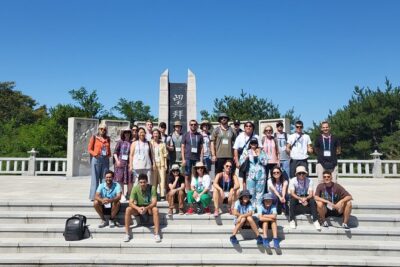
Best DMZ Tour Korea from Seoul (Red Suspension Bridge Optional)
Read our review →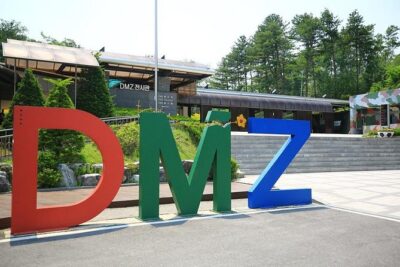
DMZ Tour: 3rd Tunnel, Option(Suspension Bridge, Boat) from Seoul
Read our review →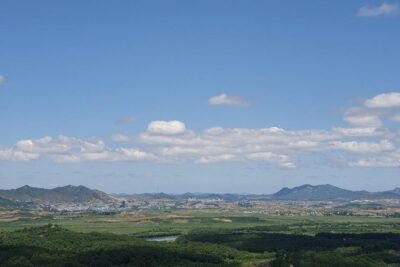
DMZ tour south Korea from Seoul (NK experience hall, defector)
Read our review →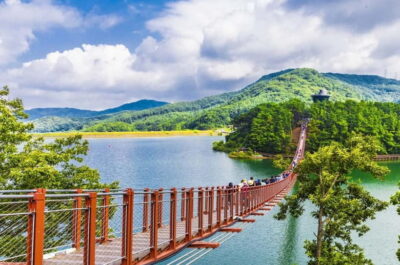
DMZ Insider Tour: 3rd Tunnel, NK Defector Meet & Red Bridge
Read our review →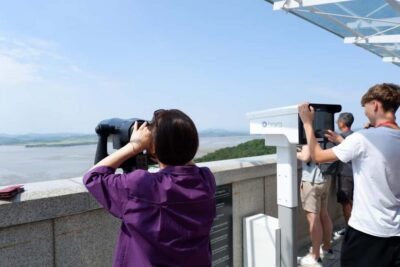
Thrilling Korean DMZ 3rd Tunnel Tour from Seoul + Red Bridge Rush
Read our review →
DMZ Past and Present: Korean Demilitarized Zone Tour from Seoul
Read our review →
Ultimate Korea DMZ Tour from Seoul (Gondola & Suspension Bridge)
Read our review →Browse the lists this tour appears in