
Reviewed · DMZ & JSA TOURS
Small Group Tour to DMZ & Suspension Bridge with Hotel Pickup
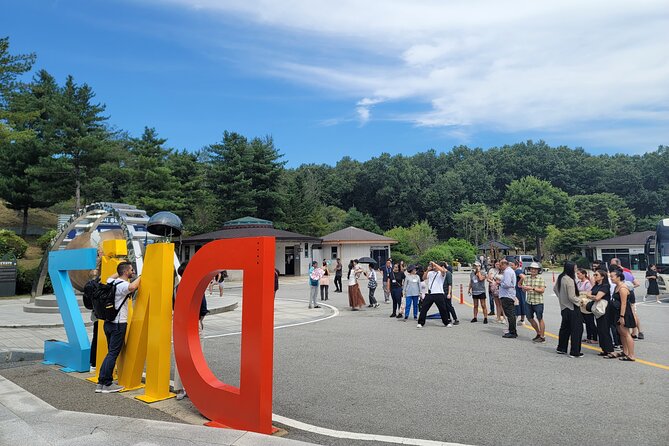
The most striking part of this day is the chance to look across one of the world’s most closely watched borders, then walk through a tunnel built for a possible North Korean attack. At Dora Observatory, binoculars may bring North Korean territory into view, while the Third Tunnel gives the Korean division a physical, unsettling presence.
I like the small group size, capped at 17, because it makes questions and moving through checkpoints easier. I also like the practical design: hotel pickup, an air-conditioned vehicle, DMZ admission, and the Gamaksan suspension bridge are all included for $65.
The main caution is physical effort. The Third Tunnel has a long, steep return walk, and the bridge requires a hill walk. Bad weather can also obscure the view toward North Korea, so this is a stronger history outing than a guaranteed photo opportunity.
In This Review
- Key points to know before booking
- Why this DMZ day trip is worth your time
- Starting at Imjingak Pyeonghoa-Nuri Park
- Crossing into the Civilian Control Zone
- The Third Infiltration Tunnel, the most demanding stop
- Mangbaedan and the human cost of division
- Seeing North Korea from Dora Observatory
- Unification Village and local products
- Gamaksan Chulleong Bridge adds fresh air and scenery
- What the $65 price really covers
- Pickup, timing, and group comfort
- Who should book this experience
- Small details that improve the day
- Should you book the DMZ and suspension bridge tour?
- FAQ
- What time does the tour start?
- Is hotel pickup included?
- What does the price include?
- Do I need to bring my passport?
- Is lunch included?
- How difficult is the walking?
Key points to know before booking
- The Third Tunnel is the day’s hardest walk: You go downhill into the tunnel, then face a steep climb back out. Rest stops help, but you need moderate fitness.
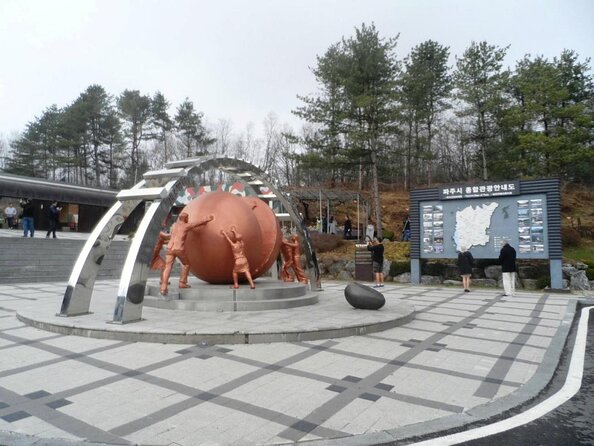
- Dora Observatory depends on weather: On a clear day, you can see toward North Korea with binoculars. Haze or cloud can erase the view.
- Joo-Ee, Jiwon, Vincent, Jones, and Joy are praised guides: The strongest part of the experience is usually the clear explanation of Korean history and the friendly way questions are handled.
- Pickup is convenient but limited: Pickup is offered from select Seoul hotels, while hotel pickup options in Myeongdong and Hongdae have specific restrictions. Confirm your exact meeting point.
- You finish with a different side of the border region: Gamaksan Chulleong Bridge adds mountain scenery and a little fresh air after the serious DMZ sites.
- Your passport is required: Every person in your group must bring one.
Why this DMZ day trip is worth your time
A visit to the Demilitarized Zone is not simply a border photo stop. It gives you a way to understand how the Korean War still shapes daily life, national identity, military policy, and family memory.
This tour works well because it combines several kinds of places. You see memorials and military viewpoints, enter a tunnel built by North Korea, visit a village near the controlled zone, and finish on a suspension bridge in the mountains. The day has more texture than a quick observatory visit.
The schedule runs about eight to ten hours, beginning at 7:30 am. That early start is part of the bargain. You need a full day, but Seoul’s morning traffic and the security procedures around the DMZ make an early departure sensible.
The tour is limited to 17 people. That is not a private outing, but it is more manageable than a large coach tour. Guides such as Joo-Ee, Jiwon, Vincent, Jones, and Joy have been singled out for clear English, warmth, humor, and useful explanations. The guide quality matters here because the meaning of each stop is easy to miss without context.
More ways to reach the DMZ:
- Best DMZ Tour Korea from Seoul (Red Suspension Bridge Optional)
★ 5.0 · 41,422 reviews - DMZ Tour: 3rd Tunnel, Option(Suspension Bridge, Boat) from Seoul
★ 5.0 · 21,373 reviews - DMZ tour south Korea from Seoul (NK experience hall, defector)
★ 5.0 · 20,599 reviews
Starting at Imjingak Pyeonghoa-Nuri Park
Your first stop is Imjingak Pyeonghoa-Nuri Park, a DMZ-themed area where the group obtains its DMZ tickets. The park is also your first introduction to the emotional weight of the border.
You can see the Freedom Bridge, associated with exchanges and repatriations, along with the Bridge of No Return and a derailed locomotive. The locomotive is an especially effective reminder that the division cut through ordinary transport and ordinary lives.
There is also a view from the top of a building, giving you a first look at the area before you proceed farther toward the controlled zone. Allow about an hour here. Since the DMZ tickets are purchased at this point and there is no reservation system, the stop is both practical and scenic.
Do not treat it as dead time. It helps you understand the symbols you will encounter later. You also have a chance to use the restroom and get oriented before the more regulated part of the day.
Crossing into the Civilian Control Zone
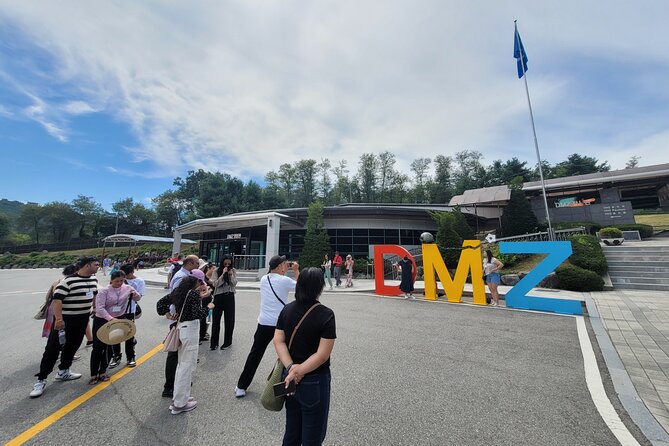
The DMZ bus continues into the Civilian Control Zone, commonly called the CCZ. The route crosses a blue line marking entry into the DMZ area, a small visual moment that makes the geography feel real.
Security rules and access can affect exactly how the day unfolds. The itinerary allows three or four stops within the DMZ area, so you should expect a structured visit rather than free wandering. Your passport is mandatory for everyone in the group.
The vehicle is air-conditioned, which matters during a long day with several stops. It also gives you a break between walks. The guide usually uses the driving time to explain the Korean War, the division of the peninsula, and the meaning of the places ahead.
One useful strength of this format is that the day does not rely only on looking across a fence. You see physical evidence, memorial spaces, and communities shaped by the border.
The Third Infiltration Tunnel, the most demanding stop
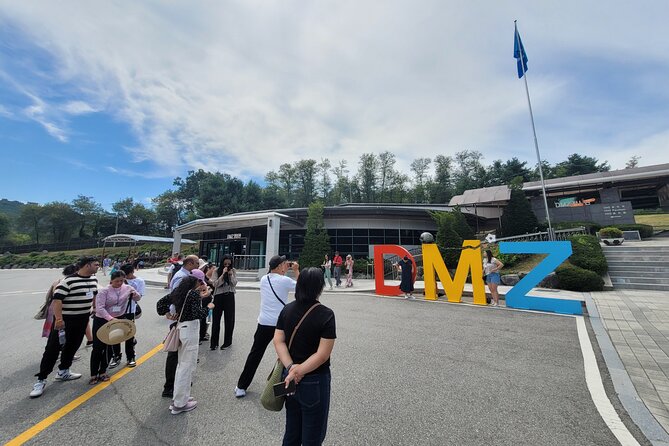
The Third Tunnel is the most memorable and physically taxing part of the outing. North Korea dug it after the Korean War, and it was later found through information from a defector. Its location, only about 52 kilometers from Seoul, makes the military threat feel uncomfortably close to the capital.
You walk down into the tunnel wearing a construction helmet. The passage becomes low in places, so you may need to bend forward for much of the route. The walk down is manageable for many people, but the long climb back up is where the effort shows.
Several people have found the return especially demanding, even with rest points along the way. I would not call this a casual stroll. Comfortable walking shoes are essential, and older people or anyone with limited stamina should think carefully before committing to the full route.
The tunnel can be challenging, but it is also the part that turns a historical explanation into something tangible. Maps and dates describe military planning. Here, you feel the narrow space and the work involved in creating it.
If you cannot manage the tunnel, ask the guide about the available alternative while the group proceeds. The supplied information identifies the tunnel walk as optional in practice, but the tour still includes the admission fee.
More suspension bridge walks:
- Seoul: DMZ Tour with Optional Suspension Bridge
★ 4.8 · 5,277 reviews - Signature DMZ Tour: Exclusive Defector Talk & Suspension Bridge
★ 5.0 · 4,459 reviews - Ultimate Korea DMZ Tour from Seoul (Gondola & Suspension Bridge)
★ 5.0 · 2,396 reviews - DMZ; NK Defector, 3rd Tunnel, Suspension Bridge,Hotel pickup
★ 4.9 · 2,055 reviews
Mangbaedan and the human cost of division
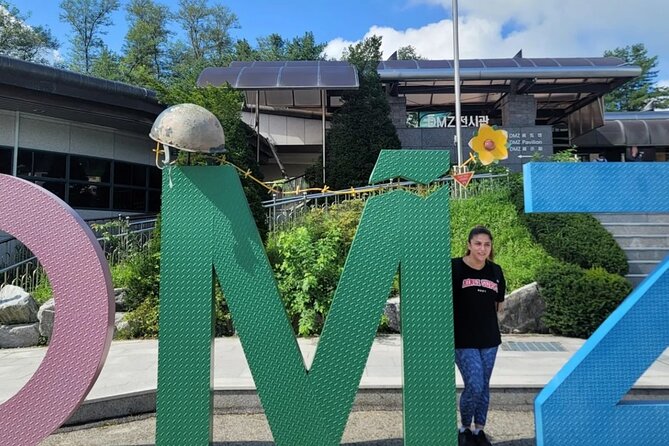
Mangbaedan is a brief stop of about five minutes, but its meaning is substantial. It is an altar where people from North Korea who now live in the South hold ancestral rites during the two largest national holidays.
They honor parents and grandparents left behind in the North. An exhibition hall adds context to the site. This is a good reminder that the Korean division is not only a military problem or a geopolitical headline. For many families, it is a permanent separation from relatives and ancestral homes.
Because the stop is short, you will not spend a long time here. Still, it gives the day a human focus before the more visual experience at Dora Observatory.
Seeing North Korea from Dora Observatory
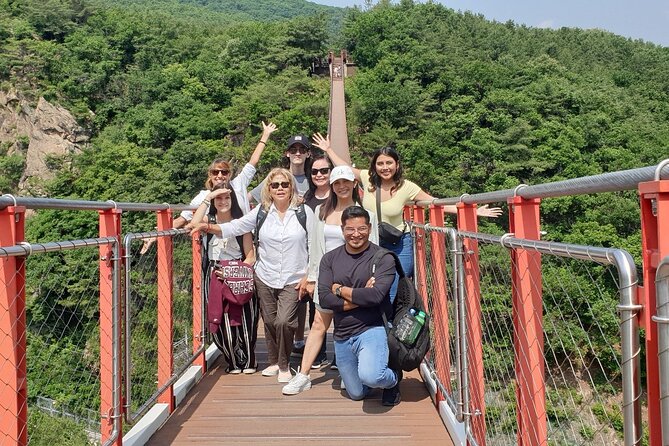
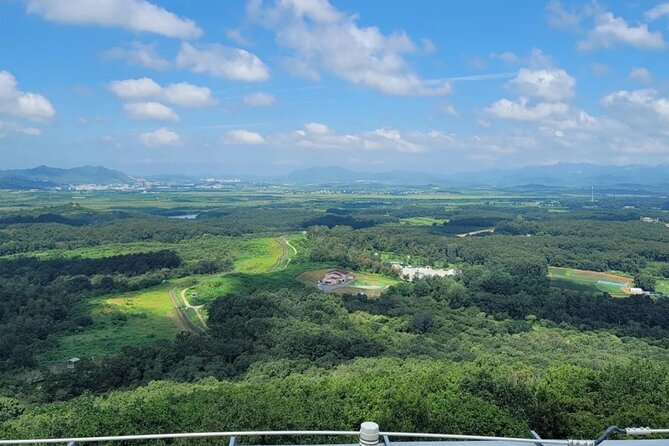
Dora Observatory is often the highlight for first-time visitors. From the viewing area, you look toward North Korea with the naked eye and binoculars. Guides may provide binoculars for closer viewing, which is useful because the distance and weather can make details difficult to pick out.
The view is not guaranteed. If the day is hazy, cloudy, or otherwise poor, you may see little across the border. This is the tour’s biggest weather-related weakness, especially if your main goal is a dramatic glimpse of North Korea.
I suggest treating the observatory as a chance to understand the border rather than a promise of a perfect photograph. The guide can point out features and explain what you are seeing, but visibility remains outside anyone’s control.
You get about 30 minutes here. That is enough time to look, listen, and take photographs if conditions cooperate. The emotional effect comes partly from the quiet contrast between the nearby capital region and the heavily controlled territory beyond it.
Unification Village and local products
Tongil Chon, or Unification Village, offers a short look at civilian life near the DMZ. The village sells local produce grown in the area and a few souvenirs.
This 15-minute stop is modest, but it breaks up the military focus. You can browse products and pick up a snack before returning to the historical sites. Do not expect a long village tour or an extended shopping session. It is a brief commercial stop with local character.
The visit also shows that the controlled border region is not only a collection of fences, observation posts, and memorials. People live and work here under unusual conditions, and agriculture remains part of the local economy.
Gamaksan Chulleong Bridge adds fresh air and scenery
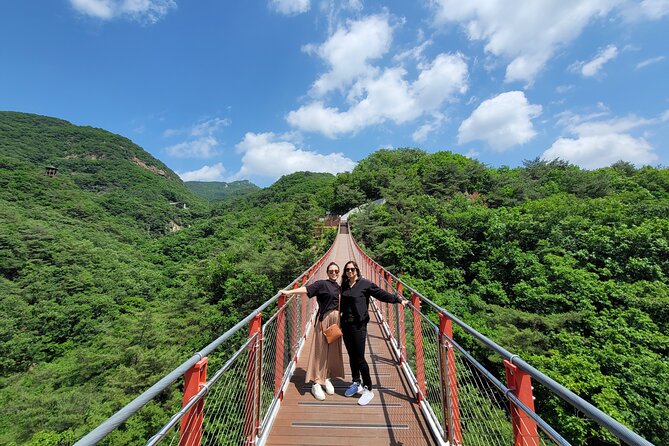
After the DMZ stops, the tour goes to Gamaksan Mountain for the Gamaksan Chulleong suspension bridge. The area was once a fierce battlefield during the Korean War. Today, it is a recreational site with mountain views and a long bridge across the valley.
This is a clever addition to the itinerary. After several serious and confined places, the bridge lets you stretch your legs in a more open setting. It also gives the day a change of pace instead of ending at a military observatory.
The walk to the bridge includes a steep hill. That effort is easy to underestimate because the attraction itself sounds relaxed. If you have already found the Third Tunnel tiring, this walk may feel like a second physical test.
Allow about an hour. You will have time to cross the bridge, enjoy the scenery, and take pictures. Some people may consider the bridge optional if they are tired or the weather is poor, but it is included in the admission package and gives the tour a memorable finish.
What the $65 price really covers
At $65 per person, this is a strong value if you want a full DMZ day without arranging transport and tickets yourself. The price includes an air-conditioned vehicle, an experienced guide, hotel pickup in Seoul, DMZ admission, and entrance to the suspension bridge.
The value is not just the entrance fees. The DMZ has controlled access, ticket procedures, and a route that is awkward to arrange independently. Having transport and a guide handle the sequence saves time and reduces the chance of missing a required step.
You still need to pay for lunch. The itinerary includes stops where you may find snacks and local products, but lunch is not included. Bring money for food and drinks, and do not assume that the short village stop is a full meal break.
Hotel drop-off is not included. At the end, you are dropped at one of several Seoul areas: Hongdae, Myeongdong, Gwangjang Food Market, or Dongdaemun. These are useful destinations if you want to continue sightseeing, shopping, or eating instead of returning directly to your hotel.
The listed drop-off choices are a real advantage for an evening in Seoul. Gwangjang Food Market, in particular, is described as one of the city’s oldest food markets, with more than 120 street-food choices. Dongdaemun offers shopping malls, the Dongdaemun Design Plaza, and jjimjilbang sauna options. The drop-off turns the end of a long day into a chance to keep exploring.
Pickup, timing, and group comfort
Pickup begins around 7:30 am, and the exact arrangement depends on your Seoul hotel. Select hotel pickup is included, but the information specifically excludes some Myeongdong pickup options and the Hongdae station pickup option. Check the booking details closely rather than assuming every central hotel qualifies.
The operator provides confirmation at booking and asks for your country code with your phone number. It is important to be on time. A DMZ tour operates around transport schedules and controlled entry, so a late arrival can affect the whole group.
The maximum group size is 17. That allows a friendlier atmosphere and makes it easier to hear the guide than on a giant bus. It does not mean the day moves at your private pace, so expect fixed timing at the observatory, tunnel, village, and bridge.
The ride is intended to be comfortable, but this is still a long day. Wear shoes with good grip, dress for outdoor conditions, and keep your passport accessible. You will alternate between sitting in the vehicle, walking through historical sites, climbing hills, and standing at viewpoints.
Who should book this experience
I would choose this tour if you want history explained in plain language and prefer a compact group over a large coach. It suits first-time visitors to Seoul, families with reasonably fit adults, and anyone curious about how the Korean War continues to shape the peninsula.
It is particularly good for people who want more than a distant border photo. The Third Tunnel, Mangbaedan, and the Freedom Bridge add meaning to the view at Dora Observatory.
I would hesitate if you have difficulty with steep climbs, low ceilings, or long walking periods. The tunnel and suspension bridge are not suitable for every level of mobility, and the day offers no promise that poor weather will provide a clear view of North Korea.
The tour also suits people who like an active schedule. You will visit many sites, but none receives unlimited time. If you prefer lingering quietly at one memorial or observatory, a private arrangement may suit you better.
Small details that improve the day
Bring your passport. This is a firm requirement for every member of the group, not just the person who made the booking.
Wear comfortable walking shoes and take the tunnel seriously. The return climb is the part most likely to test you, and the bridge route also includes a steep section.
Keep expectations realistic at Dora Observatory. The binoculars help, but clouds and haze can make the view faint or invisible.
Ask questions. Guides including Joo-Ee, Jiwon, Vincent, Jones, and Joy are praised for combining historical explanation with a light, friendly manner. The best use of the day is to connect the places you see with the stories behind them.
If plans change, free cancellation is available up to 24 hours before the start time for a full refund. Changes or cancellations inside that period are not accepted, and the experience requires a minimum number of people to operate.
Should you book the DMZ and suspension bridge tour?
Book it if you want a well-priced, full-day introduction to the DMZ with transport, admission fees, a small group, and several meaningful stops. The strongest reasons are the Third Tunnel, the personal stories connected with Mangbaedan, and the guides who bring order and context to a complicated subject.
Skip it if your fitness makes steep tunnel and hill walks uncomfortable, or if your only goal is a guaranteed clear view of North Korea. Weather can spoil the observatory portion, and the day is too active for anyone seeking a slow outing.
For most reasonably fit visitors with an interest in Korean history, the $65 cost is fair. You finish with a better sense of the border as a lived political reality, not just a line on a map, and the suspension bridge gives the long day a welcome change of mood.
FAQ
What time does the tour start?
The listed start time is 7:30 am. The experience lasts approximately eight to ten hours.
Is hotel pickup included?
Pickup is offered from select Seoul hotels. Specific Myeongdong pickup options and the Hongdae station pickup option are excluded, so confirm the available pickup point for your booking.
What does the price include?
The $65 price includes an air-conditioned vehicle, an experienced guide, DMZ admission, suspension bridge admission, and hotel pickup in Seoul.
Do I need to bring my passport?
Yes. Every person in your group must bring a passport.
Is lunch included?
No. Lunch is not included. You should bring money for food and drinks during the day.
How difficult is the walking?
You should have a moderate level of fitness and wear comfortable walking shoes. The Third Tunnel includes a steep walk down and a difficult climb back up, while the route to Gamaksan Suspension Bridge also includes a steep hill.
Just added around Seoul
- Incheon Airport Private Transfer between Seoul City★ 4.0 · 4 reviews
- Seoul’s Stars: Open Mic with Local & International Talent★ 4.8 · 4 reviews
- Samaksan Cable Car and Nami Island Day Escape with Railbike★ 4.0 · 4 reviews
- DMZ 2nd Tunnel and Cheorwon Peace Observatory with Admission★ 5.0 · 4 reviews
- Nami & Maple Road & Theatre des Lumieres Day Tour from Seoul★ 4.8 · 4 reviews
- Hire Photographer, Professional Photo Shoot – Seoul★ 5.0 · 4 reviews
- [KoreaByLocal] Authentic Seoul Night Walk and Chicken & Beer★ 5.0 · 4 reviews
- Play Gayageum in Hanbok Cultural Experience in Bukchon★ 5.0 · 4 reviews
DMZ & JSA Tours, compared.
Best DMZ Tour Korea from Seoul (Red Suspension Bridge Optional)
Read our review →
DMZ Tour: 3rd Tunnel, Option(Suspension Bridge, Boat) from Seoul
Read our review →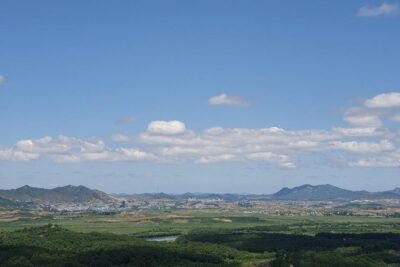
DMZ tour south Korea from Seoul (NK experience hall, defector)
Read our review →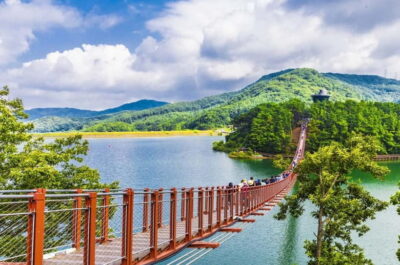
DMZ Insider Tour: 3rd Tunnel, NK Defector Meet & Red Bridge
Read our review →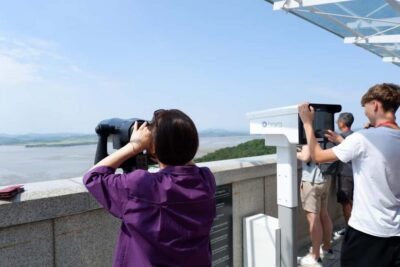
Thrilling Korean DMZ 3rd Tunnel Tour from Seoul + Red Bridge Rush
Read our review →
DMZ Past and Present: Korean Demilitarized Zone Tour from Seoul
Read our review →
Ultimate Korea DMZ Tour from Seoul (Gondola & Suspension Bridge)
Read our review →Browse the lists this tour appears in