
Reviewed · DMZ & JSA TOURS
Seoul: Small-Group DMZ Tour with North Korea Experience Hall
The most affecting part of this day is not simply looking toward North Korea. It is hearing how division shaped ordinary Korean lives, then walking through a Cold War tunnel and standing at viewpoints where the border is close enough to feel real. The North Korea Experience Hall, with its defector testimony, gives the political story a human voice.
I like the small-group format, which makes a long day easier to manage and gives you more room to hear guides such as Sookhee, Mr Young, Junie, and Brian Kim. I also like that the tour runs all year, including Mondays and public holidays, though some departures may use the Special Course instead of the Third Tunnel and Dora Observatory. The main drawback is time: with up to 10 hours on the road, this is a serious day trip, not a quick side outing.
In This Review
- Key points before you book
- Why this DMZ day feels different from a standard sightseeing trip
- Starting from Seoul and heading north
- Imjingak Park, Freedom Bridge, and Mangbaedan
- Into the DMZ zone and the Third Tunnel
- Dora Observatory and the view toward North Korea
- Gamaksan Suspension Bridge and Gloster Hill
- The North Korea Experience Hall and the human story
- What the $55 price includes
- Who should book this tour
- Choosing the right day and course
- Is this Seoul DMZ tour worth booking?
- FAQ
- How long does the DMZ tour take?
- Where can I be picked up in Seoul?
- What is included in the price?
- Is the tour available on Mondays and public holidays?
- Do I need to bring my passport?
- Is the tour suitable for wheelchair users or people with walking difficulties?
Key points before you book
- Hear a defector’s story: The North Korea Experience Hall adds personal detail to the usual dates, maps, and military facts.
- Walk through the Third Tunnel: Expect a physical visit with slopes and low sections, not just a museum stop.
- See the border from Dora Observatory: Clear weather matters, and views can be limited by rain, snow, or haze.
- Cross Gamaksan Suspension Bridge: Mountain air and a memorable walk provide a change from the heavier DMZ sites.
- Choose around the calendar: Tuesday through Sunday generally uses the Signature Course, while Mondays, public holidays, and closure days use the Special Course.
- Plan for a full day: Pickup is from selected Seoul stations and hotels, with return to City Hall or Seoul.
Why this DMZ day feels different from a standard sightseeing trip
A visit to the Korean Demilitarized Zone can easily become a parade of military names and dry dates. This tour works better when the guide connects the places to people, families, and the continuing division of the peninsula.
The North Korea Experience Hall is the key addition. You get guided interpretation and a defector’s account, which can make North Korea feel less like a distant headline and more like a place tied to real decisions, separation, and loss. The tone is educational rather than sensational, and that matters at a site where it would be easy to treat the border as a photo opportunity.
The guides are a major part of the experience. Sookhee is praised for warm, careful explanations and for adding political and cultural context. Mr Young brings humor and strong historical background. Brian Kim is especially good at keeping the day moving while answering questions and adding personal perspective. Junie is noted for her energy and thoughtful storytelling, while BK has helped keep the mood positive in poor weather.
Guide assignments can change, so you should not book expecting one specific person. Still, the repeated pattern is useful: this tour depends heavily on the person leading it, and the company has a roster of guides who explain the subject in clear English.
More ways to reach the DMZ:
- Best DMZ Tour Korea from Seoul (Red Suspension Bridge Optional)
★ 5.0 · 41,422 reviews - DMZ Tour: 3rd Tunnel, Option(Suspension Bridge, Boat) from Seoul
★ 5.0 · 21,373 reviews - DMZ tour south Korea from Seoul (NK experience hall, defector)
★ 5.0 · 20,599 reviews
Starting from Seoul and heading north
You can be collected from several central Seoul meeting points, including Gangnam Station Exit 12, Hongik University Station Exit 3, Itaewon Station Exit 1, Hamilton Hotel, Myeongdong Station Exit 10, and City Hall Station.
The precise pickup time is sent by email one day before the tour. The time shown at booking is not necessarily your actual collection time, so check your inbox and spam folder. This is a small but important detail. Seoul traffic and multiple pickup points can make the morning feel confusing if you arrive without the final instructions.
The coach ride toward Gyeonggi Province takes about an hour. Transportation and entrance fees are included, and the vehicle has been described as clean and comfortable. You will need to buy your own lunch, and the long driving time is part of the bargain. Wear comfortable shoes from the start, since the day combines sightseeing, walking, stairs, and uneven ground.
Imjingak Park, Freedom Bridge, and Mangbaedan
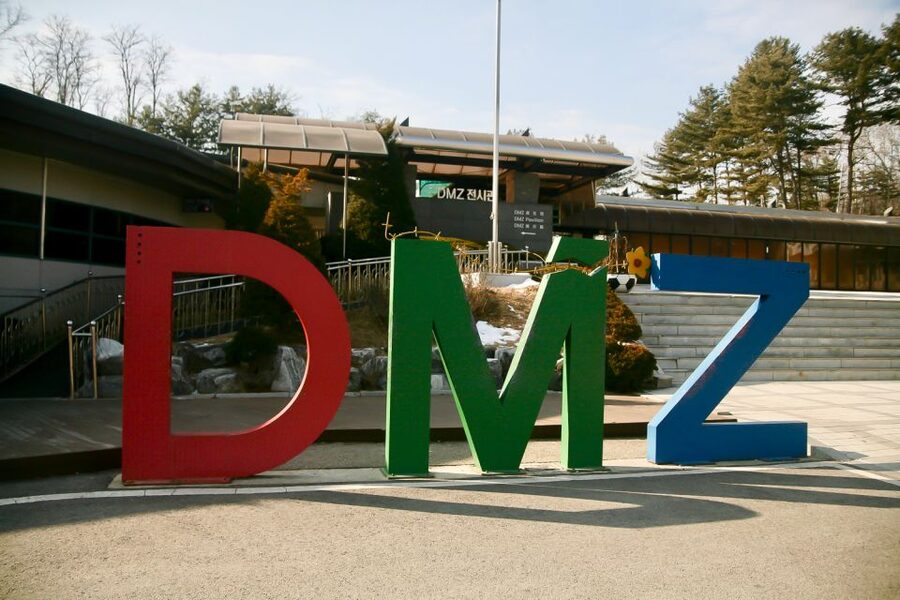
Imjingak Park is the emotional opening to the day. It introduces the division of Korea through memorials, signs, and views toward the north. You get about an hour of free time here, so you can look around at your own pace before rejoining the guide.
Freedom Bridge carries particular weight because it is linked to prisoners of war and separated families. You do not simply see a bridge; you see one of the places where the division of Korea is made visible through movement, return, and absence.
At Mangbaedan, the guide explains the traditions connected with families separated by the border. This stop helps you understand that the DMZ is not only a military buffer. It also marks a personal division that has lasted across generations.
Imjingak has a public park feel, with shops and visitor facilities, so do not expect an untouched wilderness. That mixture is part of the experience. The site is designed for remembrance, education, and tourism at the same time.
Into the DMZ zone and the Third Tunnel
After the opening stops, the tour enters the DMZ zone for roughly two hours of guided visits. Access and the order of stops can depend on operating conditions, so you need to follow the guide’s instructions closely and carry your passport.
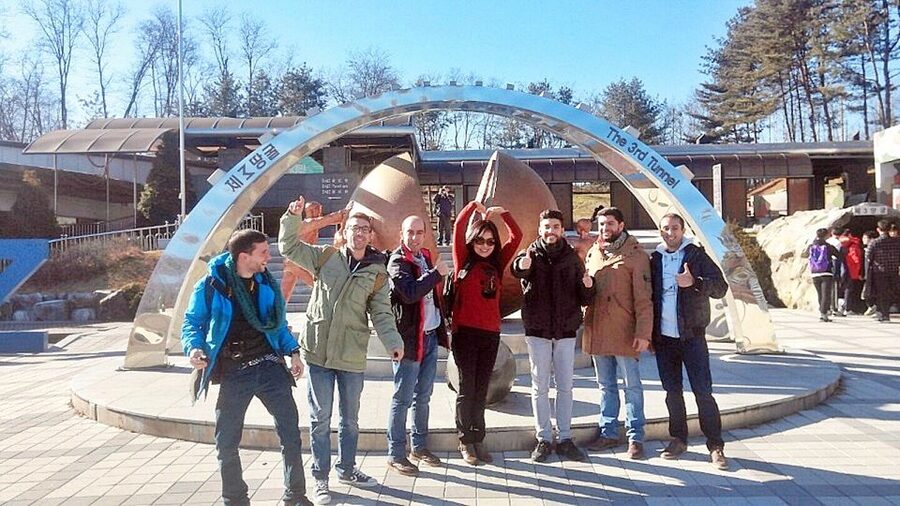
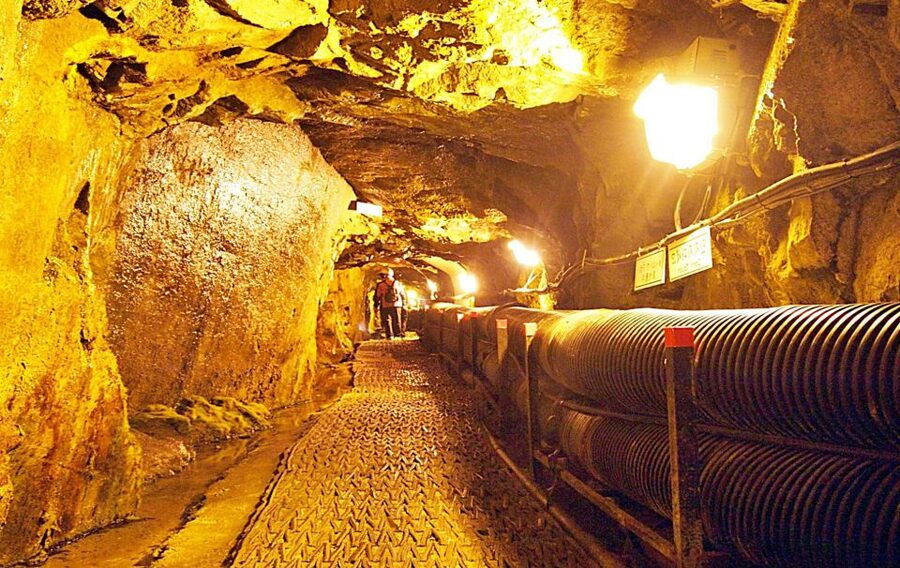
The Third Tunnel of Aggression is the most physical section of the Signature Course. You walk into a tunnel associated with North Korea’s attempts to build routes south. The passage makes the scale of the military planning easier to grasp than a display case can.
This is not a casual stroll. The tour rules call for comfortable shoes and exclude sandals, flip-flops, high heels, walking sticks, walkers, and non-folding wheelchairs. The tunnel can also be difficult for people with claustrophobia, back problems, heart conditions, respiratory issues, or high blood pressure.
You should also know that the Third Tunnel is not guaranteed on every date. It may close on Mondays, public holidays, or other operating days. When it is unavailable, the Special Course replaces it with the DMZ Peace Gondola and Gloster Hill Memorial Park.
A completely different kind of day, same trip:
- DMZ Insider Tour: 3rd Tunnel, NK Defector Meet & Red Bridge
★ 4.9 · 15,214 reviews - Seoul: DMZ Tour with Optional Suspension Bridge
★ 4.8 · 5,277 reviews - Signature DMZ Tour: Exclusive Defector Talk & Suspension Bridge
★ 5.0 · 4,459 reviews - Thrilling Korean DMZ 3rd Tunnel Tour from Seoul + Red Bridge Rush
★ 5.0 · 3,097 reviews
Dora Observatory and the view toward North Korea
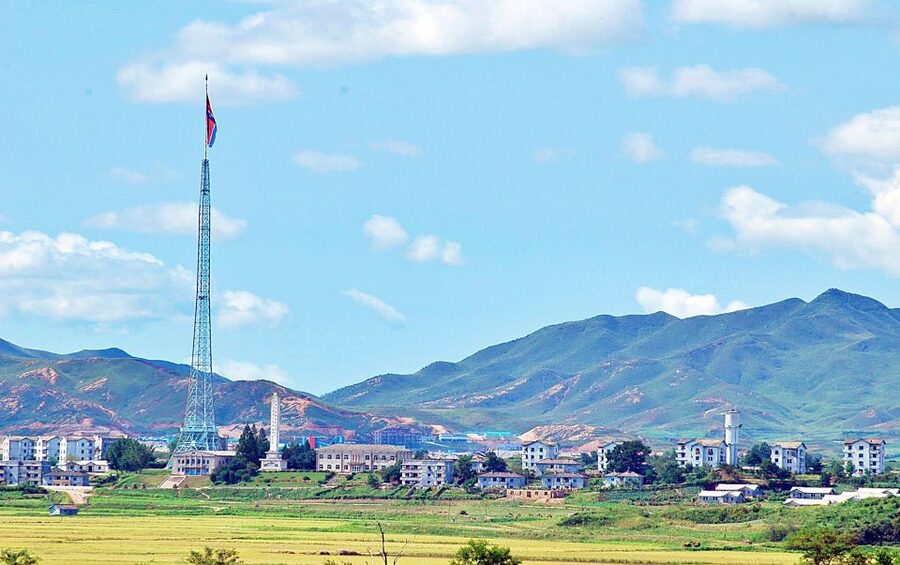
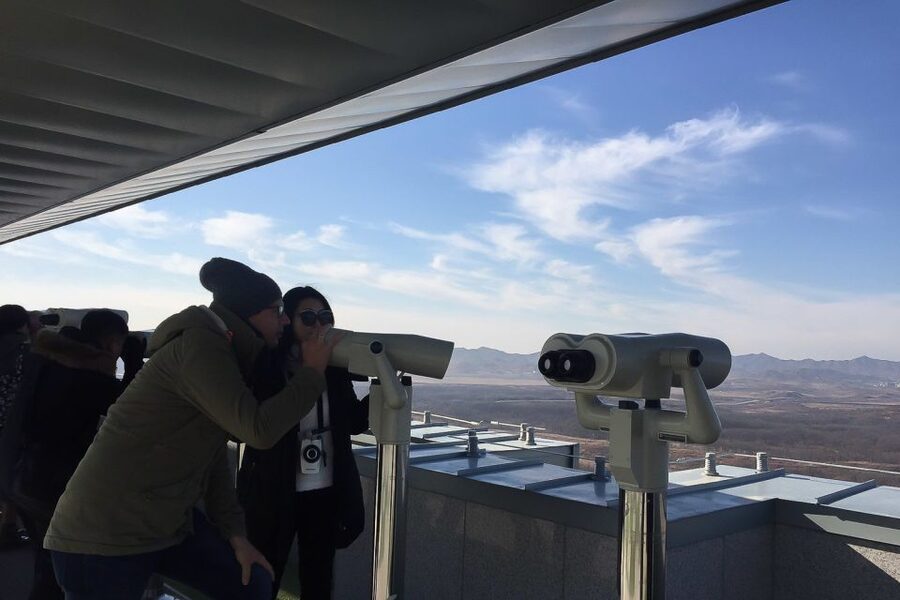
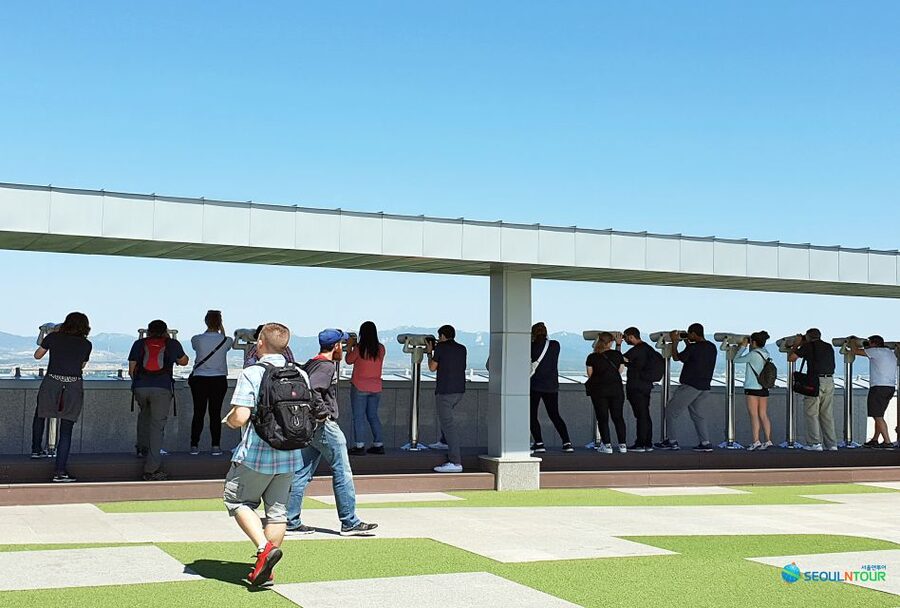
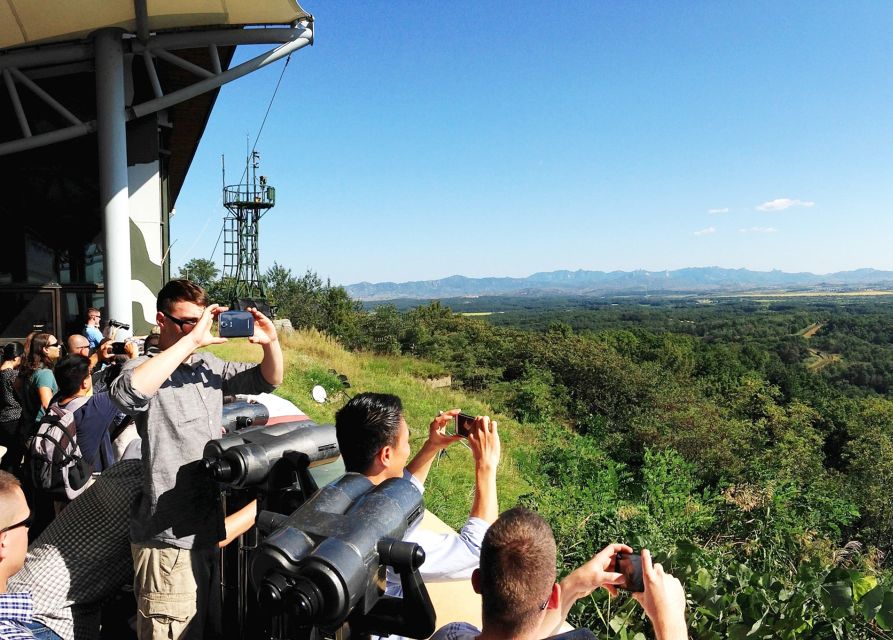
Dora Observatory gives you a chance to look across the border. On a clear day, the view can be excellent, and the setting offers a direct sense of how close North Korea is to Seoul’s wider region.
Do not build your expectations around a perfect panorama. Rain, snow, and haze can obscure the view. One guide has sent photographs to the group when weather blocked the sightline, which is a practical kindness, but it cannot replace clear conditions.
The observatory is valuable because it turns an abstract boundary into geography. You can see the direction of North Korea and consider the farms, villages, hills, and roads on both sides. At the same time, you are looking from a controlled viewpoint, not wandering freely near the border. The guide’s explanation is what gives the view meaning.
The Signature Course also includes Unification Village, where you receive a guided introduction to life near the border and the idea of eventual Korean unity. The visit lasts about 30 minutes, so expect a focused stop rather than a long village tour.
Gamaksan Suspension Bridge and Gloster Hill
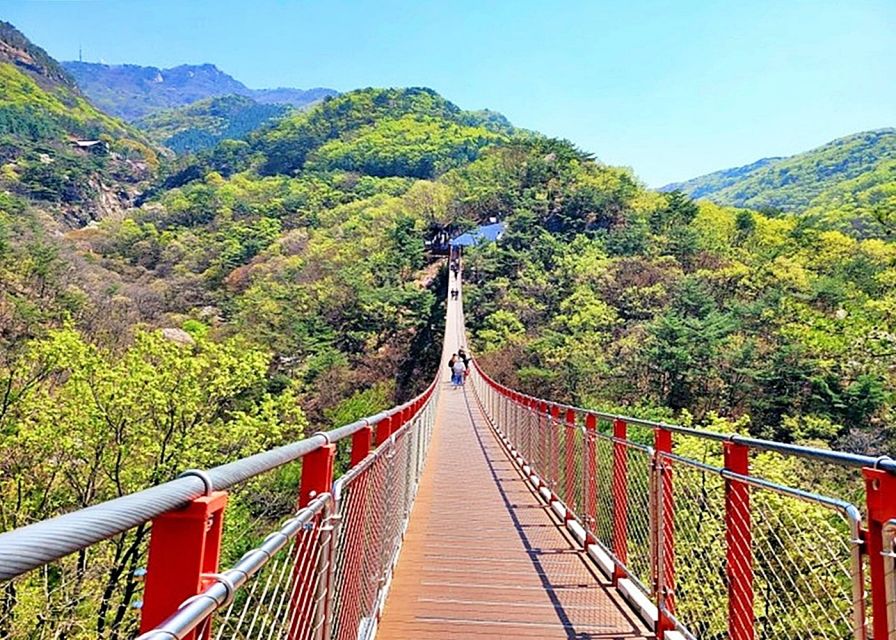
The Gamaksan Suspension Bridge changes the rhythm of the day. After memorials, security checks, and political history, you get fresh mountain air and a walk across a high bridge with broad views.
The bridge is one of the physical highlights, but it is not effortless. The approach involves walking, and wet or snowy weather can make the path and bridge slippery. A winter visit can produce beautiful photographs, though you should take extra care with your footing.
You also need to be comfortable with heights. The tour is not suitable for people afraid of heights, and the bridge is not a good place to test your limits after a tiring morning.
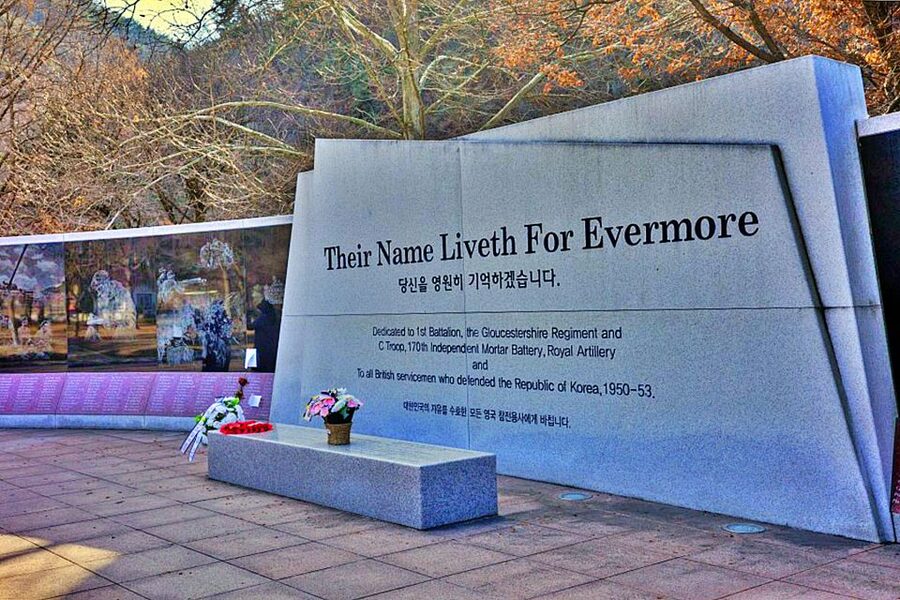
On the Special Course, Gloster Hill Memorial Park replaces the Third Tunnel and Dora Observatory. This site connects the area with British military history and remembrance. The Special Course still includes the North Korea Experience Hall, Imjingak Park, the DMZ Peace Gondola, Gloster Hill Memorial Park, and the Suspension Bridge, so Monday is not a lesser day. It is simply a different way to understand the border region.
The North Korea Experience Hall and the human story
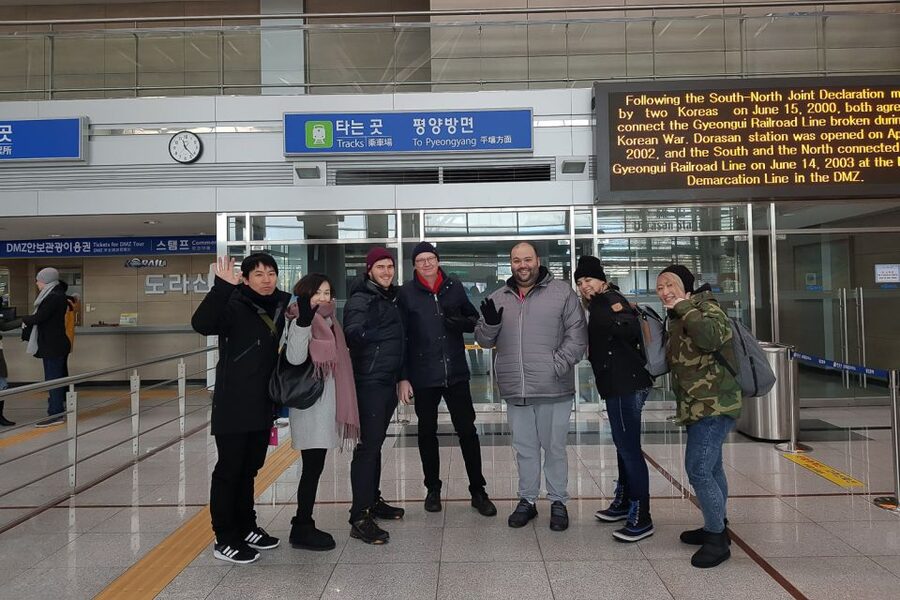
The North Korea Experience Hall gives this tour its clearest point of difference. Many DMZ outings explain the Korean War and point out the border. Here, you also get a defector’s story, presented alongside guided interpretation.
That personal account can change how you understand the subject. Statistics and political statements explain events, but a first-person story shows what those events can mean for a family or an individual. The result is more serious and, at times, more emotionally demanding than a simple sightseeing stop.
You should approach this part with respect. North Korea is not a theme-park subject, and the strongest moments come when the guide treats the testimony as lived experience rather than entertainment.
The quality of the English explanations matters here. Sookhee, Brian, Junie, Mr Young, and other guides have been praised for making difficult subjects understandable without reducing them to a list of facts. Some also explain current relations between North and South Korea, giving you a better sense of why the DMZ remains relevant today.
What the $55 price includes
At about $55 per person, this is good value for a full-day trip from Seoul. You are paying for transportation, an English-speaking guide, and entrance fees, while visiting several sites that would be difficult to arrange independently in one day.
The value is strongest if you want context. A cheaper independent visit might get you near Imjingak, but it would not provide the same guided sequence through memorial sites, the DMZ zone, the tunnel, observatory, bridge, and North Korea Experience Hall.
Lunch is not included, so budget for that separately. There is also a souvenir stop at the end of the day. Some people appreciate the chance to browse, while others may find the sales focus unnecessary. If shopping is not your priority, treat it as a short practical stop rather than one of the tour’s main attractions.
The tour does not include the Joint Security Area, or JSA. That distinction is important. If standing inside the famous blue meeting-room area is your main goal, this is not the right product. You are booking a broader DMZ day focused on history, viewpoints, the tunnel, memorials, and personal testimony.
Who should book this tour
I would choose this tour if you want a structured introduction to the Korean border and prefer having the history explained as you go. It suits first-time visitors to South Korea, people interested in the Korean War, and anyone who wants more than a quick photograph of a border fence.
The small-group option is useful for a long day. Groups can be around 10 people, which leaves more room for questions and helps the schedule move faster than a large coach outing. The tour also suits solo visitors who want an organized day without committing to a fully private vehicle.
You should think twice if you dislike long coach journeys, guided schedules, shopping stops, or walking on uneven and possibly slippery surfaces. It is not suitable for wheelchair users, people using walkers, unaccompanied minors, or those with serious medical conditions. Pregnant people, visitors over 75, and anyone with claustrophobia, heart or respiratory problems, back problems, or high blood pressure should not choose it.
Children may join with an adult, and babies can join free, but infant seats are not provided. Military-style clothing is not allowed, so dress like a visitor, not like a soldier.
Choosing the right day and course
Tuesday through Sunday is normally the Signature Course. It includes the North Korea Experience Hall, Imjingak Park, Dora Observatory, the Third Tunnel, and the Suspension Bridge.
Mondays and public holidays use the Special Course. The same alternative applies when the Third Tunnel and Dora Observatory are closed. You will visit the North Korea Experience Hall, Imjingak Park, the DMZ Peace Gondola, Gloster Hill Memorial Park, and the Suspension Bridge.
This year-round setup is one of the tour’s strongest practical features. You do not have to abandon the idea of a DMZ visit simply because your Seoul stay includes a Monday. Just check the available schedule and understand which course is operating that day.
The tour usually lasts 8 to 10 hours, with about an hour each way by coach and several guided stops in between. Return drop-offs are listed at City Hall and Seoul. Since traffic and border-area procedures can affect timing, avoid booking an evening activity that cannot tolerate a late return.
Is this Seoul DMZ tour worth booking?
Yes, for most first-time visitors who want a substantial and well-explained day near the border. The $55 cost is fair for the transport, admission, guide, and number of stops, while the North Korea Experience Hall and defector testimony give it more substance than a standard lookout-and-tunnel outing.
Book it if you value clear English explanations, a small group, and a full picture of the DMZ’s military and human sides. Pick a clear-weather day if the view from Dora Observatory matters most, and choose sturdy shoes in every season.
Skip it if you specifically want the JSA, cannot manage a long day with walking, or prefer to explore independently. For everyone else, this offers a thoughtful, practical way to understand one of the world’s most closely watched borders without leaving Seoul for several days.
FAQ
How long does the DMZ tour take?
The tour lasts approximately 8 to 10 hours, including coach travel from Seoul and the return journey.
Where can I be picked up in Seoul?
Pickup is available from selected locations including Gangnam Station Exit 12, Hongik University Station Exit 3, Itaewon Station Exit 1, Hamilton Hotel, Myeongdong Station Exit 10, and City Hall Station. The exact time and location are sent by email one day before the tour.
What is included in the price?
Transportation, an English-speaking tour guide, entrance fees, and pickup from selected subway stations and hotels are included. Lunch, hotel drop-off, and a visit to the JSA are not included.
Is the tour available on Mondays and public holidays?
Yes. Mondays and public holidays use the DMZ Special Course. This course includes the North Korea Experience Hall, Imjingak Park, the DMZ Peace Gondola, Gloster Hill Memorial Park, and the Suspension Bridge.
Do I need to bring my passport?
Yes. You must bring your passport and follow the guide’s instructions throughout the DMZ visit.
Is the tour suitable for wheelchair users or people with walking difficulties?
No. The tour is not available for wheelchair users or people using walkers. It is also not recommended for people with serious medical conditions, back problems, claustrophobia, heart or respiratory issues, high blood pressure, or a fear of heights.
Just added around Seoul
- Incheon Airport Private Transfer between Seoul City★ 4.0 · 4 reviews
- Seoul’s Stars: Open Mic with Local & International Talent★ 4.8 · 4 reviews
- Samaksan Cable Car and Nami Island Day Escape with Railbike★ 4.0 · 4 reviews
- DMZ 2nd Tunnel and Cheorwon Peace Observatory with Admission★ 5.0 · 4 reviews
- Nami & Maple Road & Theatre des Lumieres Day Tour from Seoul★ 4.8 · 4 reviews
- Hire Photographer, Professional Photo Shoot – Seoul★ 5.0 · 4 reviews
- [KoreaByLocal] Authentic Seoul Night Walk and Chicken & Beer★ 5.0 · 4 reviews
- Play Gayageum in Hanbok Cultural Experience in Bukchon★ 5.0 · 4 reviews
DMZ & JSA Tours, compared.
Best DMZ Tour Korea from Seoul (Red Suspension Bridge Optional)
Read our review →
DMZ Tour: 3rd Tunnel, Option(Suspension Bridge, Boat) from Seoul
Read our review →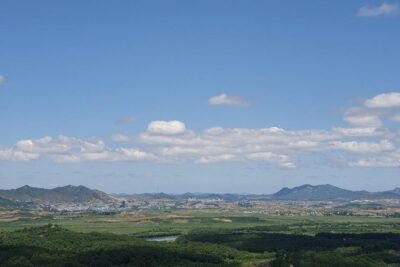
DMZ tour south Korea from Seoul (NK experience hall, defector)
Read our review →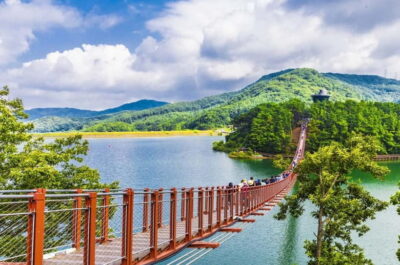
DMZ Insider Tour: 3rd Tunnel, NK Defector Meet & Red Bridge
Read our review →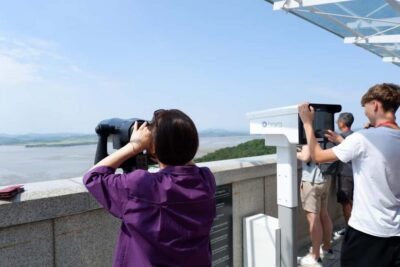
Thrilling Korean DMZ 3rd Tunnel Tour from Seoul + Red Bridge Rush
Read our review →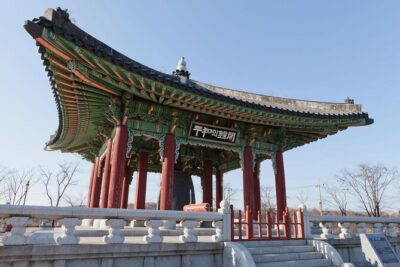
DMZ Past and Present: Korean Demilitarized Zone Tour from Seoul
Read our review →
Ultimate Korea DMZ Tour from Seoul (Gondola & Suspension Bridge)
Read our review →Browse the lists this tour appears in