
Reviewed · MUSEUMS
SEOUL: Gugak – Korean Traditional Music Museum&Concert Tour
Gugak is best understood with your ears as well as your eyes. This 140-minute outing pairs the Korean Traditional Music Museum with a live concert at the National Gugak Center, so you first learn what you are hearing and then hear it performed.
I like the clear two-part design, especially the 80-minute concert after the 40-minute museum visit. I also like the small group limit of 10, which should make it easier to follow the guide’s explanations and ask questions. The main drawback is transport: you must make your own way to the museum and return to the meeting point, and the exact starting details arrive before the tour.
In This Review
- Key points
- Why Gugak works best as a museum-and-concert experience
- At the Korean Traditional Music Museum, start with the instruments
- The National Gugak Center concert is the main event
- What the small group changes
- Is $49 a fair price?
- Planning the 140 minutes around your Seoul day
- Who will get the most from this Gugak tour?
- Small details that can improve the visit
- Should you book this Korean traditional music experience?
- FAQ
- How long does the Gugak Museum and concert experience last?
- Where does the experience take place?
- Is transportation included?
- What language is the tour conducted in?
- What is included in the $49 price?
- Can I cancel the booking?
Key points
- A museum visit followed by live music: Learn about Gugak first, then hear the instruments in performance.
- An 80-minute concert: The program can include the soft plucking of the gayageum and energetic ensemble pieces.
- A small English-speaking group: The group is limited to 10 people, with a guide explaining the instruments and traditions.
- A personal guide experience: Elisa is praised for explaining the subject clearly and warmly, though the assigned guide may vary.
- A focused 140-minute outing: This fits neatly into a Seoul sightseeing plan, provided you allow time to reach Gyeonggi Province.
- A $49 price point: The fee covers the museum, guide, and concert, but not transport, meals, or drinks.
Why Gugak works best as a museum-and-concert experience
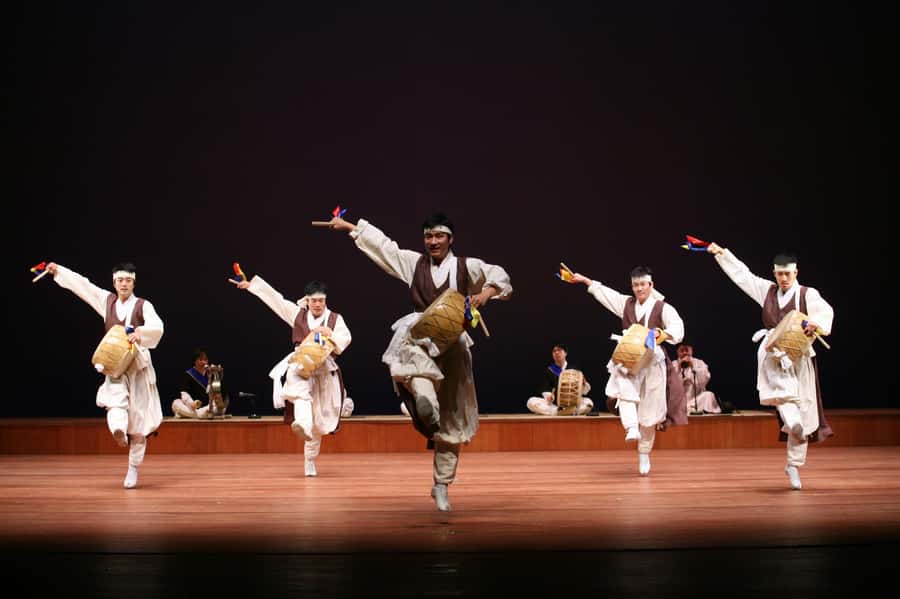
Traditional music can be hard to appreciate when you meet it only in a display case. A photograph of an instrument tells you its name, but not how it feels in a room. This experience solves that problem in a sensible way: you spend about 40 minutes learning at the museum, then move to a live performance lasting about 80 minutes.
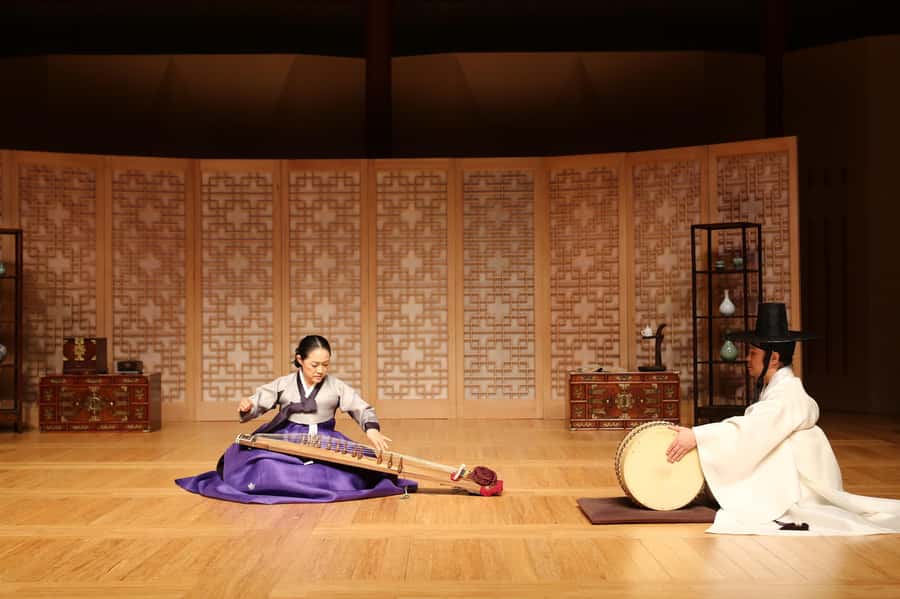
That order matters. When the gayageum appears on stage, you already have some context for what you are seeing. You can listen for the soft plucked sound, notice how it fits with the rest of the group, and connect the live music with the instruments introduced by your guide.
You should not expect a broad tour of Korean culture. This is a compact, subject-focused visit centered on Gugak, Korea’s traditional music. That focus is its strength if you want something more specific than a general city tour. It is less suitable if you are looking for palaces, food stops, or a full-day introduction to Seoul.
The experience takes place in Gyeonggi Province, not in the center of Seoul. That location is important when you plan your day. The activity itself lasts 140 minutes, but your total time commitment will be longer once you add the journey to the meeting point and the trip back afterward.
Other Seoul trips people book alongside this one:
- Best DMZ Tour Korea from Seoul (Red Suspension Bridge Optional)
★ 5.0 · 41,422 reviews - DMZ Tour: 3rd Tunnel, Option(Suspension Bridge, Boat) from Seoul
★ 5.0 · 21,373 reviews - DMZ tour south Korea from Seoul (NK experience hall, defector)
★ 5.0 · 20,599 reviews
At the Korean Traditional Music Museum, start with the instruments
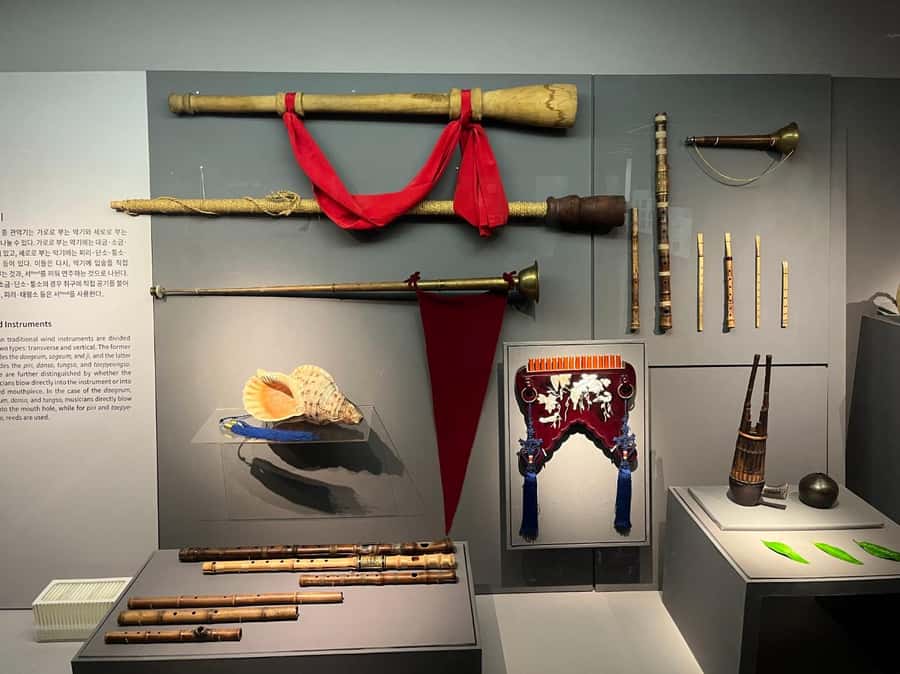
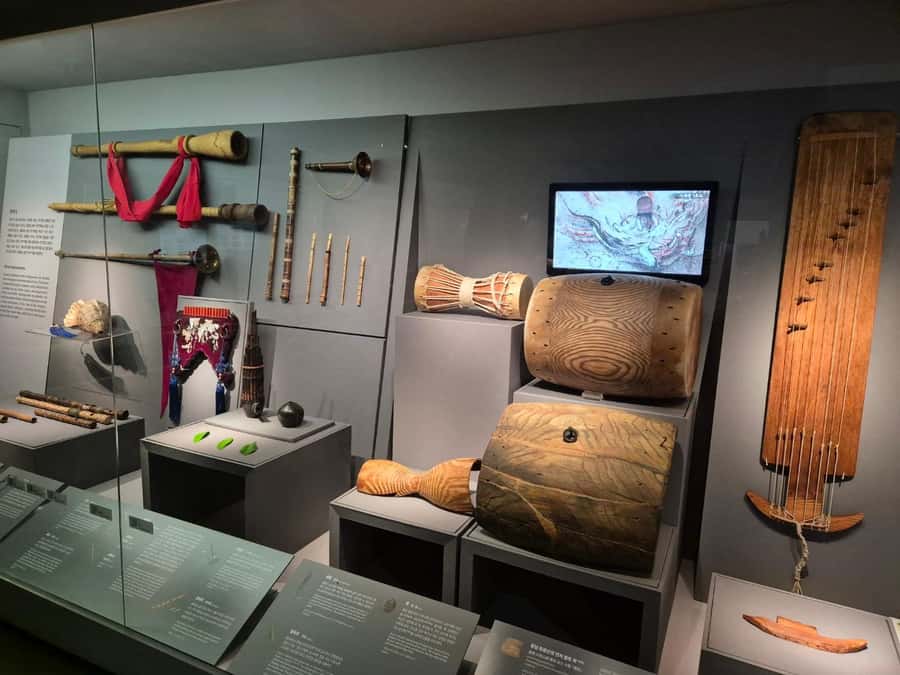
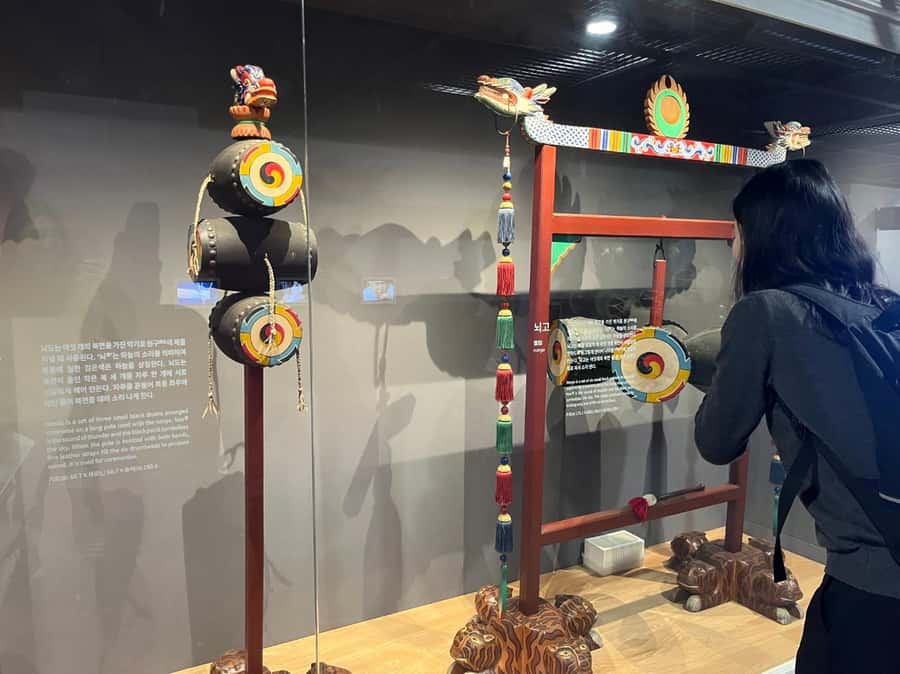
The first main stop is the Museum of Korean Traditional Music. Your English-speaking guide leads a 40-minute visit through displays about Gugak, its development, and its instruments.
Forty minutes is enough for an introduction, not a museum marathon. I see that as a benefit here. A short guided visit keeps the subject manageable and gives you a basic framework before the concert. You will have time to focus on the displays rather than rush through a large collection without knowing what to look for.
The guide is an important part of this stop. The museum can show you objects, but the guide connects them to the music. You can ask about the instruments, listen for explanations of their place in Gugak, and get help with unfamiliar Korean terms.
Elisa is specifically praised for explaining everything clearly and kindly. If she is leading your group, that warm and direct style should suit a first introduction to traditional music. The assigned guide may not always be Elisa, so treat her name as useful information rather than a guarantee.
The displays bring the story of Korean music to life, but the experience does not provide a detailed list of every gallery or exhibit. You should book this stop for the guided interpretation, not because you expect a long period of independent museum study.
The National Gugak Center concert is the main event
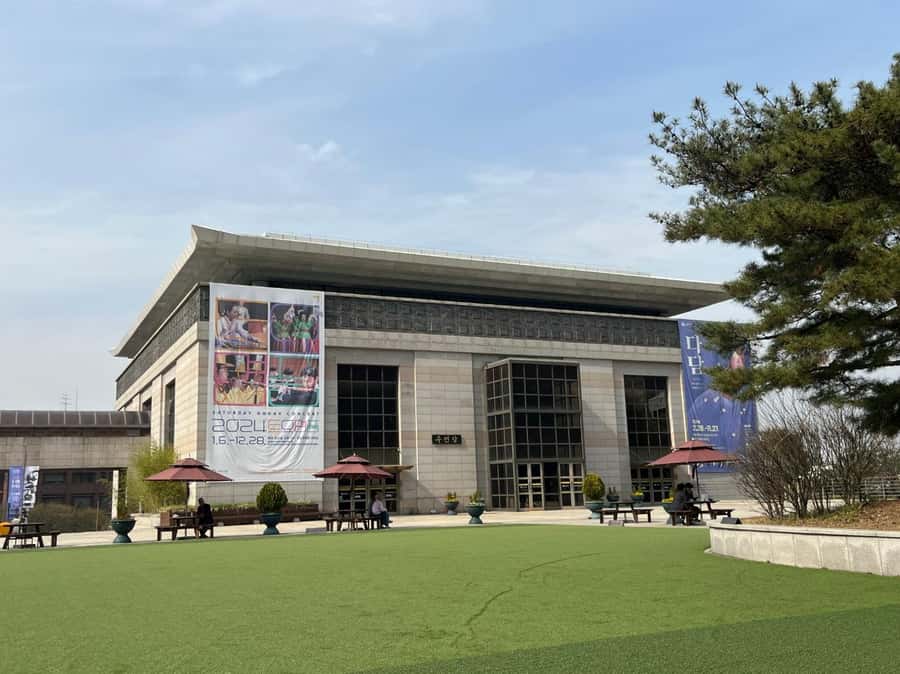
After the museum, you go to the National Gugak Center’s Performance Rehearsal Hall for an 80-minute live concert. This is where the visit shifts from explanation to experience.
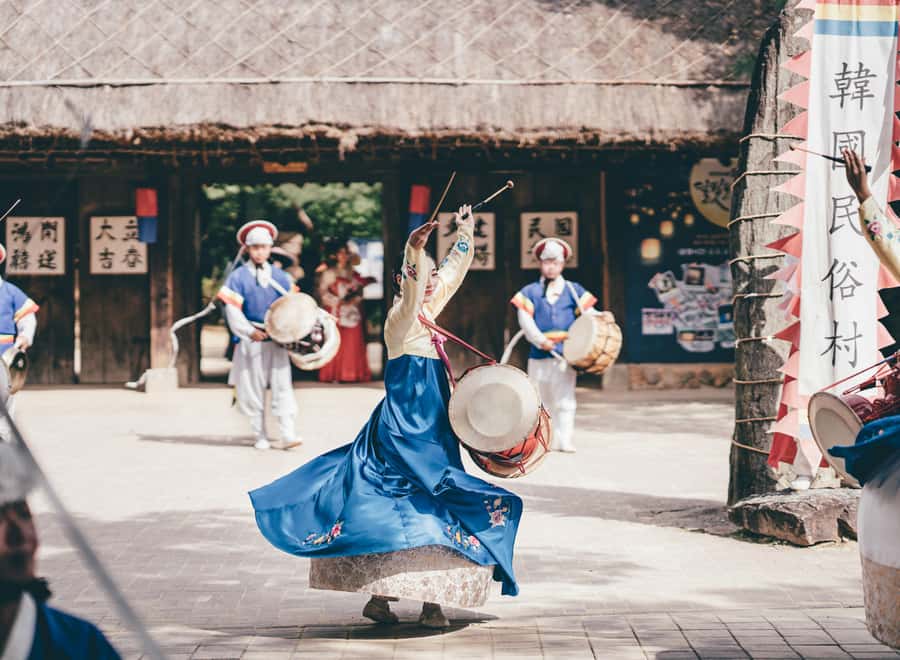
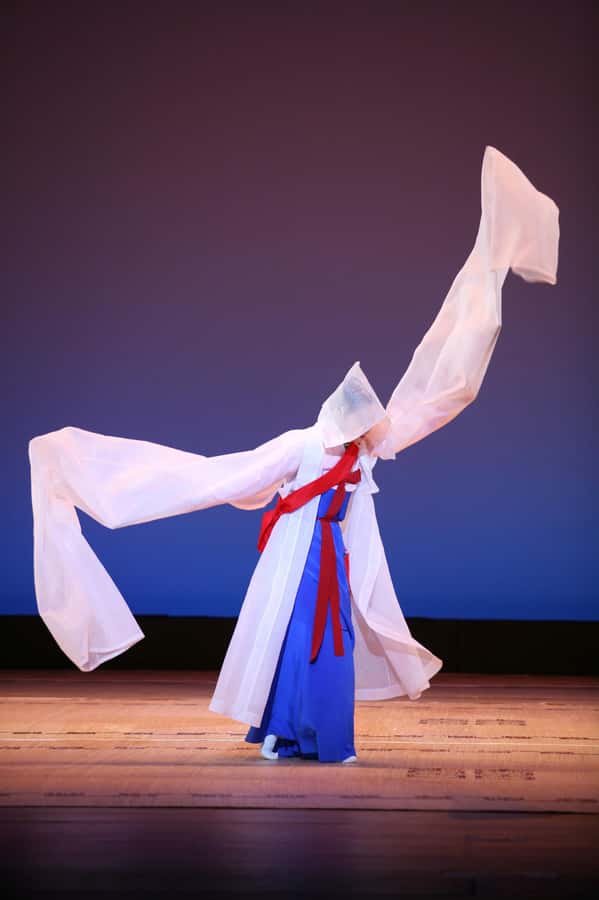
The concert lets you hear Gugak at close range in a formal performance setting. The gayageum is one featured sound, with soft plucking that can give the music a calm, delicate quality. The program can also include ensemble pieces with more force and movement, giving you a sense of the range within traditional Korean music.
I like that the concert occupies more time than the museum visit. The museum gives you the vocabulary, while the performance gives you the lasting memory. An 80-minute program is long enough to feel like a real concert rather than a brief demonstration, but still short enough to fit alongside other plans.
The music may not be familiar at first. That is normal. You do not need prior knowledge of Korean instruments to follow the experience, since the museum visit and guide provide an entry point. Listen for contrasts: quiet plucked passages, changes in pace, and the way several instruments work together in ensemble pieces.
The performance is also the least predictable part of the outing from a practical point of view. The supplied details do not name the full program, individual performers, or exact pieces. If you need a very specific concert repertoire, ask the provider before booking. If you simply want a live introduction to Gugak, the format gives you a solid chance to hear its sound in context.
What the small group changes
The group is limited to 10 participants. That matters more at the museum than at the concert. In a small group, you should have a better chance of hearing the guide and asking a short question without competing with a large crowd.
A small group also makes the visit feel more personal. Elisa’s clear explanations, noted in the supplied feedback, suggest that the guide’s manner can shape the whole outing. Traditional music has unfamiliar terms and instruments, so a patient explanation can make the difference between polite confusion and genuine interest.
The group limit does not mean the concert is private. You are joining a live performance at the Performance Rehearsal Hall, and the supplied details do not promise an exclusive show. Think of the small group as a feature of the guided portion, not a private concert arrangement.
The language offered is English. That makes this suitable for English-speaking visitors who want more than a silent museum visit. You should still expect a specialized subject, so the experience works best when you are willing to give the music your attention rather than treat the concert as background entertainment.
A few more Seoul trips worth weighing up
- Seoul: War Memorial of Korea Private Guided Museum Tour
★ 4.9 · 29 reviews - DMZ Tour + The War Memorial of Korea Museum
★ 5.0 · 28 reviews - Color Pool Museum
★ 4.0 · 22 reviews - Gyeongju UNESCO Sites Tour by KTX train; The Museum Without walls
★ 4.5 · 11 reviews
Is $49 a fair price?
At $49 per person, the cost covers three useful elements: entry to the Korean Traditional Music Museum, the live Gugak concert, and the services of an English-speaking guide. The concert is the strongest part of the value. An 80-minute live performance can be expensive or difficult to arrange independently, especially if you do not know which venue or program to choose.
The guided museum visit adds context that you would not get from attending a concert alone. You are not just handed a seat and left to work out the instruments for yourself. The guide prepares you to listen, which gives the ticket more purpose.
Still, the price is not all-inclusive. Meals and drinks are not included, and transportation to and from the museum is your responsibility. Because the activity is in Gyeonggi Province, you should calculate the extra cost and time of reaching the meeting point before deciding that $49 is the full expense.
I consider the price reasonable for someone who actively wants Korean traditional music. It is less compelling if you are only looking for a quick cultural stop and would be happy with a free performance or a short museum visit. The concert is what makes the fee worthwhile, so book it for the music rather than simply for the museum admission.
Planning the 140 minutes around your Seoul day
The scheduled activity lasts 140 minutes. About 40 minutes are devoted to the guided museum visit and about 80 minutes to the concert. The remaining time allows for movement between the stops and the basic flow of the outing.
Starting times vary, so you must check availability for the date you want. The exact meeting information is sent before the tour. Since the starting location is listed as 2364 without a fuller public description in the supplied details, read the provider’s message carefully and save it before you set out.
Transportation is not included. You can use the meeting instructions to plan your route, but do not assume that hotel pickup or a return transfer is part of the deal. The activity ends back at the meeting point, so you also need to plan your next move from there.
I would place this outing on a day with some spare room around it. The official program is 140 minutes, but a journey across the Seoul area can make a tight schedule uncomfortable. Avoid booking a major attraction, restaurant reservation, or train immediately after the concert unless you have allowed generous time.
The free cancellation window is 24 hours before the activity for a full refund. You can also reserve now and pay later, which helps if your Seoul plans are still shifting. Those policies are useful, but the more important planning issue is the location and the time needed to get there.
Who will get the most from this Gugak tour?
You should consider this experience if you want a focused cultural activity with a clear beginning, middle, and end. It suits first-time listeners who want a guide to explain the instruments before the music begins.
It is also a good choice for people who enjoy live performance. The concert takes up most of the scheduled experience, so you are getting more than a museum orientation. If you like the idea of hearing the gayageum and ensemble music in person, this format gives you a direct introduction.
Families and mixed-age groups may also appreciate the manageable length. The museum visit is short, and the live concert supplies variety. Still, the best fit depends on your group’s patience for a formal music performance. Anyone expecting an interactive workshop or a chance to play instruments should check the details first, because those features are not included.
This is not the best match for a visitor with only a few hours in central Seoul and no interest in traveling to Gyeonggi Province. It is also not ideal for someone who wants an unstructured museum visit. The guide-led format is the point, and the schedule is fixed around the concert.
Small details that can improve the visit
Read the meeting instructions as soon as they arrive. The provider gives detailed information before the tour, and you can contact the operator by WhatsApp at 82-10-6263-5744 if anything is unclear.
Keep the guide’s explanations in mind during the concert. Try to identify the gayageum when you hear its plucked sound, then compare quieter passages with the fuller ensemble sections. You do not need to know every instrument to enjoy that simple act of recognition.
Give the performance your full attention. Gugak may not follow the patterns you expect from Western concert music, and the first few minutes may require patient listening. Once you notice the difference between individual instrument sounds and group passages, the program should become easier to follow.
Do not schedule food as part of the package. Meals and drinks are excluded, so eat beforehand or plan a separate stop after the activity. The exact timing of the tour can vary by available start time, so avoid assuming that a meal will fit neatly between the museum and concert.
Should you book this Korean traditional music experience?
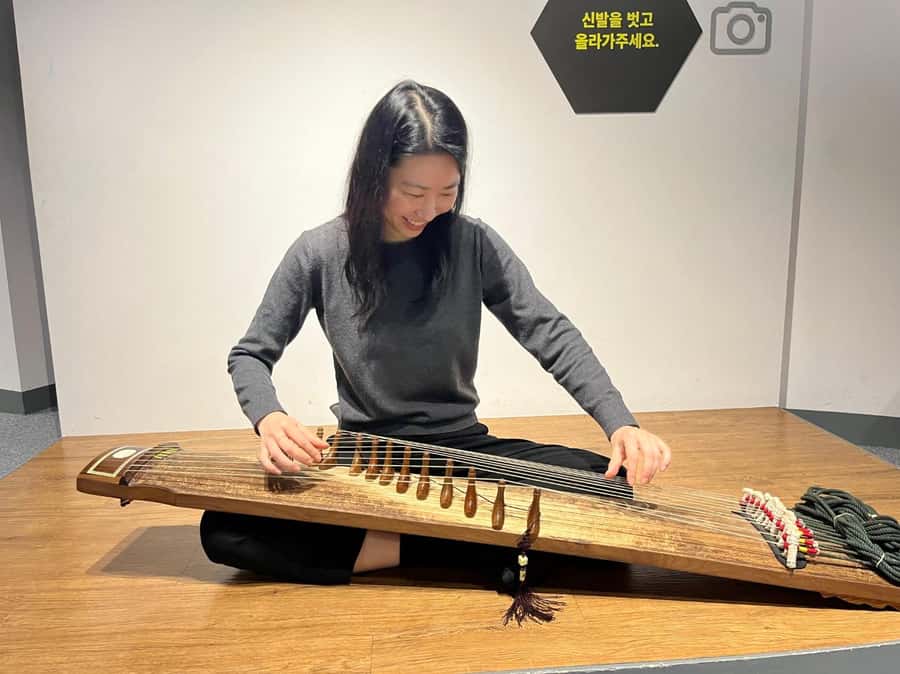
Book it if you want a well-shaped introduction to Gugak, especially if live music matters more to you than a long museum visit. The combination of a 40-minute guided museum tour and an 80-minute concert gives you both context and sound, while the group limit of 10 keeps the guided part reasonably personal.
The strongest reasons to go are the concert, the clear English guidance, and the chance to hear the gayageum and ensemble music after learning what you are listening for. Elisa’s praised teaching style is another encouraging sign, though your guide may be someone else.
Skip it if transport to Gyeonggi Province is awkward, your schedule is packed, or you want a broad tour of Seoul’s main sights. At $49, it is good value for a visitor who specifically wants Korean traditional music, but the cost of reaching the meeting point and the lack of included food or transport should be part of your decision.
FAQ
How long does the Gugak Museum and concert experience last?
The activity lasts 140 minutes. The guided museum visit is scheduled for 40 minutes, followed by an 80-minute concert, with the remaining time used for the movement between stops and the tour’s normal flow.
Where does the experience take place?
The activity takes place in Gyeonggi Province, South Korea. It includes the Museum of Korean Traditional Music and the National Gugak Center’s Performance Rehearsal Hall.
Is transportation included?
No. Transportation to and from the museum is not included. The activity ends back at the meeting point.
What language is the tour conducted in?
The live tour guide speaks English. The group is limited to 10 participants.
What is included in the $49 price?
The price includes a visit to the Korean Traditional Music Museum, a live Gugak concert, and a guide. Meals, drinks, and transportation are not included.
Can I cancel the booking?
Yes. You can cancel up to 24 hours in advance for a full refund. The activity also offers a reserve-now, pay-later option.
Just added around Seoul
- Incheon Airport Private Transfer between Seoul City★ 4.0 · 4 reviews
- Seoul’s Stars: Open Mic with Local & International Talent★ 4.8 · 4 reviews
- Samaksan Cable Car and Nami Island Day Escape with Railbike★ 4.0 · 4 reviews
- DMZ 2nd Tunnel and Cheorwon Peace Observatory with Admission★ 5.0 · 4 reviews
- Nami & Maple Road & Theatre des Lumieres Day Tour from Seoul★ 4.8 · 4 reviews
- Hire Photographer, Professional Photo Shoot – Seoul★ 5.0 · 4 reviews
- [KoreaByLocal] Authentic Seoul Night Walk and Chicken & Beer★ 5.0 · 4 reviews
- Play Gayageum in Hanbok Cultural Experience in Bukchon★ 5.0 · 4 reviews
Museums, compared.


Gyeongju UNESCO Sites Tour by KTX train; The Museum Without walls
Read our review →
Time Travel in Seoul: Gyeongbokgung Palace, Folk Museum & Bukchon
Read our review →
National Art Gallery Tour and Taste of Korean Cuisine in Seoul
Read our review →Browse the lists this tour appears in