
Reviewed · SEOUL
Seoul Film Camera Club
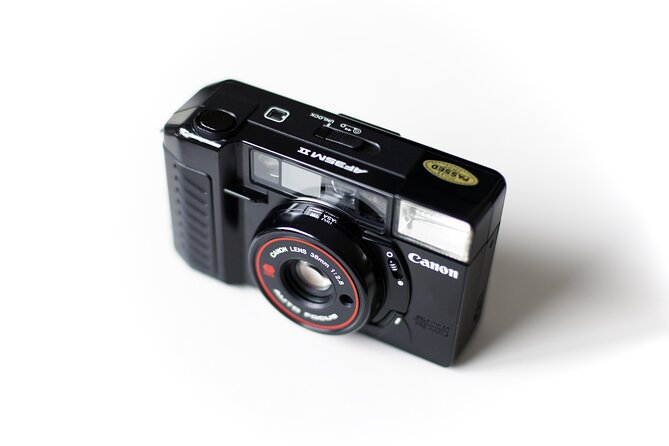
Hongdae looks different through a film camera. Instead of firing off dozens of phone pictures, you get 36 shots and a reason to slow down. Kinam leads you through Hongdae and Yeonnam-dong, explaining the area while helping you use an automatic Canon camera.
I like two things right away: the walk combines local stories with hands-on photography, and the finished film becomes a useful souvenir rather than another file lost in your phone. The small group, limited to four people, should also make it easier to ask questions.
The main consideration is the fixed roll of film. Thirty-six exposures can feel restrictive if you like photographing everything, and the final images depend on light, timing, and your comfort with a camera. You also need to wait for development and scanning after the walk.
In This Review
- Key points to know before you book
- Why film changes a walk through Hongdae
- Meeting Kinam at Hongik University Station
- Learning the Canon camera before your first frame
- Hongdae Street, where Seoul keeps moving
- Maze Road and Yeonnam-dong at a gentler pace
- What 36 shots really means
- Developing, scanning, and the souvenir you take home
- Is $55 a fair price for three hours?
- Who will enjoy this film walk most?
- Practical details that shape the day
- Should you book the Seoul Film Camera Club?
- FAQ
- Where does the activity meet?
- How long does the experience last?
- What camera and film are included?
- Is film development included?
- Is the experience suitable for beginners?
- How large is the group?
Key points to know before you book
- You get an automatic Canon film camera and one 36-shot Kodak roll, so the equipment is supplied and beginner-friendly.
- Kinam teaches the camera basics in plain English, with extra patience for first-time film photographers.
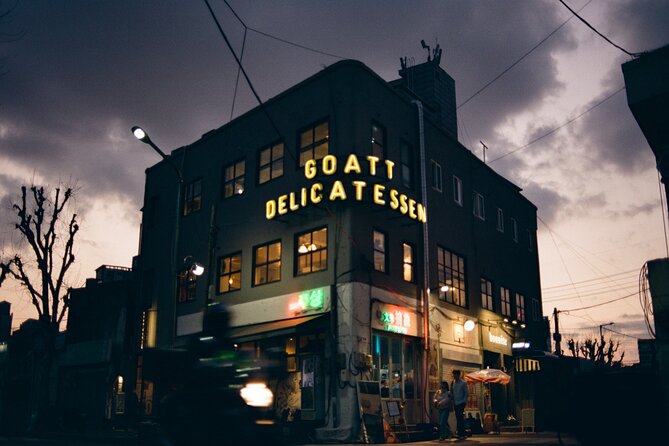
- The route covers Hongdae Street and Maze Road in Yeonnam-dong, mixing famous streets with narrow lanes, cafes, and Korean-style houses.
- Your film is developed and scanned for you, with a download link sent after the activity.
- The group has a maximum of four people, which suits anyone who wants help without joining a large walking tour.
- The $55 price includes the camera, film, processing, scanning, and guide, but not food or drinks.
Why film changes a walk through Hongdae
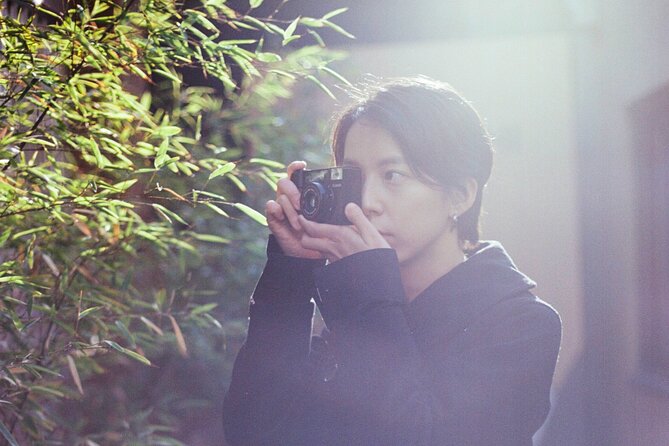
Hongdae is one of Seoul’s best areas for a casual wander. It is associated with music, youth culture, cafes, shops, street life, and the creative energy around Hongik University. A normal stroll can become a blur of signs and faces. Film gives you a more deliberate way to see it.
You do not need to know photography before arriving. The Canon camera is automatic, and Kinam first explains how it works. That matters because film cameras offer no instant preview. You press the button, trust your choice, and move on.
That small pause is part of the appeal. You start noticing color, framing, light, and the shape of a street before taking the picture. You may also think twice before photographing a scene that is merely busy. With only 36 frames, each shot has a little weight.
This is not a technical photography workshop built around complicated settings. It is a guided neighborhood walk with a simple creative task. If you have never used film, you can learn the basic controls without feeling lost. If you already take photos, the activity gives you a fresh limitation and a local route to work with.
Other Seoul trips people book alongside this one:
- Best DMZ Tour Korea from Seoul (Red Suspension Bridge Optional)
★ 5.0 · 41,422 reviews - DMZ Tour: 3rd Tunnel, Option(Suspension Bridge, Boat) from Seoul
★ 5.0 · 21,373 reviews - DMZ tour south Korea from Seoul (NK experience hall, defector)
★ 5.0 · 20,599 reviews
Meeting Kinam at Hongik University Station
The meeting point is Exit 3 of Hongik University subway station. That is a practical place to begin because Hongdae is easy to reach by Seoul’s subway, and the station puts you close to the district’s main streets.
Look for the guide at the agreed meeting point and allow a little time to get oriented. The activity returns to the starting area after about three hours, so you can plan a meal, shopping, or another Seoul outing afterward.
The group is capped at four participants. I consider that one of the strongest parts of the setup. A guide can check your camera, answer a beginner’s question, and give you a moment to frame a picture without holding up a large crowd.
Kinam’s role is not limited to explaining buttons. He knows the Hongik University area well and brings in local background as you walk. That turns the route into more than a photo assignment. You get a sense of how the area fits together while looking for pictures.
The tour is conducted in English. That makes the camera lesson and neighborhood explanations accessible to English-speaking visitors, though the experience is still centered on walking and taking photos rather than a long formal lecture.
Learning the Canon camera before your first frame
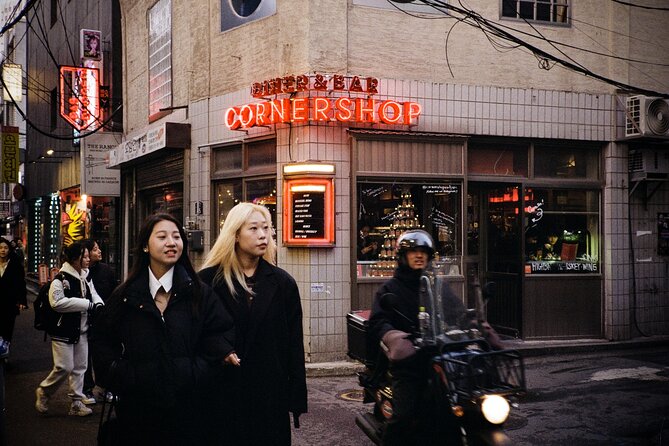
The first part of the experience gives you a basic introduction to the automatic Canon film camera. You learn enough to start taking pictures with confidence, even if you have no previous film experience.
A simple camera is a good choice here. You are not spending the afternoon adjusting every setting or carrying a complicated piece of equipment. The camera lets you focus on what is in front of you, while Kinam helps you understand the practical side of shooting on film.
The key difference from a phone is that you cannot check the result at once. You will not know if a picture worked until the film is developed and scanned. That can make a missed frame frustrating, but it also makes the process more memorable.
Kinam has been especially patient with beginners. He explains how the camera works in an easy-to-follow way and starts with photography basics before moving into the streets. That structure is useful because you learn the tool before the route becomes visually distracting.
You should arrive ready to listen, ask questions, and accept a few imperfect frames. Film is not the right format if you need instant results. It is a good fit if you like the idea of making a small set of considered pictures and seeing what they look like later.
Hongdae Street, where Seoul keeps moving
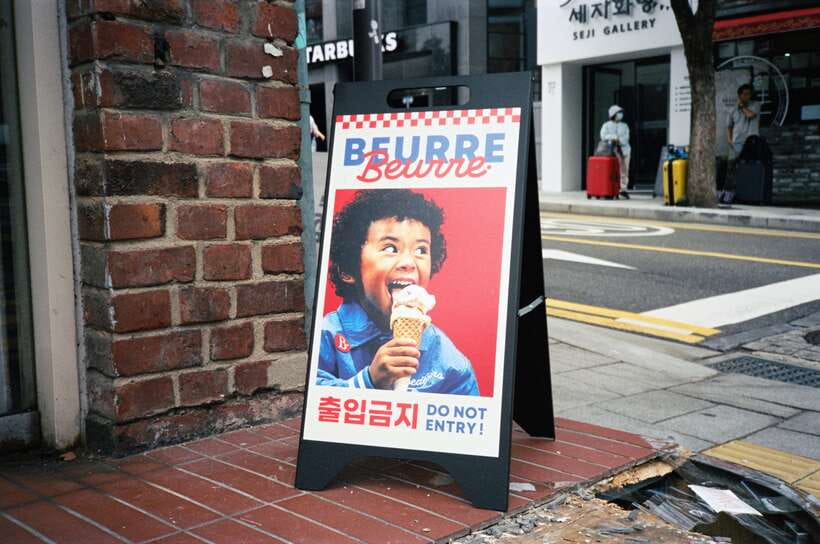
Hongdae Street gives you the broadest view of the neighborhood. It is the active core of the walk, with plenty of movement and visual detail. The exact scenes will depend on the time of day, but the area is known for its youthful, creative character and its connection to Hongik University.
This section helps you understand why Hongdae is such a popular part of Seoul. You are not simply checking off a landmark. You are walking through a district where shops, food stops, music, and street activity sit close together.
For photography, the challenge is choosing what to leave out. A busy street offers many possible subjects, but a 36-shot roll encourages you to wait for a cleaner frame. Kinam can help you think about the picture while also pointing out local details and places to eat.
The route is not all about taking photographs. You hear explanations about the neighborhood as you walk, which gives the images a little more meaning. A cafe, lane, or storefront becomes part of your understanding of Hongdae rather than a random backdrop.
This is also where the small group matters. Hongdae can be energetic, and a large tour group would make frequent photo stops awkward. With no more than four people, the pace can remain personal and flexible within the three-hour schedule.
A completely different kind of day, same trip:
- DMZ Insider Tour: 3rd Tunnel, NK Defector Meet & Red Bridge
★ 4.9 · 15,214 reviews - Seoul: DMZ Tour with Optional Suspension Bridge
★ 4.8 · 5,277 reviews - Signature DMZ Tour: Exclusive Defector Talk & Suspension Bridge
★ 5.0 · 4,459 reviews - Thrilling Korean DMZ 3rd Tunnel Tour from Seoul + Red Bridge Rush
★ 5.0 · 3,097 reviews
Maze Road and Yeonnam-dong at a gentler pace
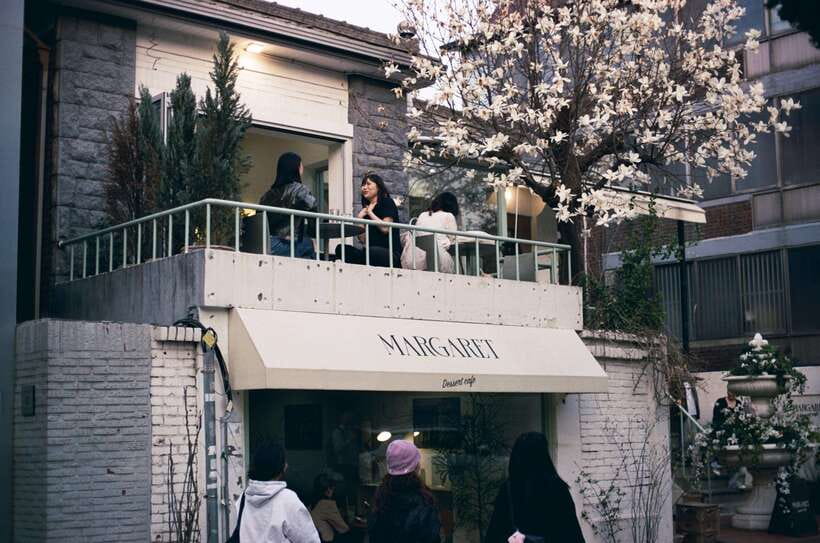
The walk continues toward the famous Maze Road in Yeonnam-dong. This section provides a contrast to the main Hongdae streets. Instead of only looking at the district’s loudest and busiest side, you get narrow lanes and a more local neighborhood feel.
The route includes the kinds of scenes that work well on film: narrow alleys, distinctive cafes, and Korean-style houses. These details give your roll variety. You can photograph the broad energy of Hongdae, then switch to doorways, textures, street corners, and smaller scenes in Yeonnam-dong.
I like this change of pace because it keeps the outing from becoming a simple tour of commercial streets. You see how nearby areas can feel different even though they are connected by the same subway station and neighborhood name.
Kinam also brings in local background as you go. The history is not treated as a separate classroom talk. It is connected to the streets you are standing on, which makes the information easier to remember.
You should expect to walk for the full three hours. Comfortable shoes are sensible, and you may want to leave extra space in your schedule rather than rushing to another reservation. Meals and drinks are not included, but the route gives you useful ideas for where to eat afterward.
What 36 shots really means
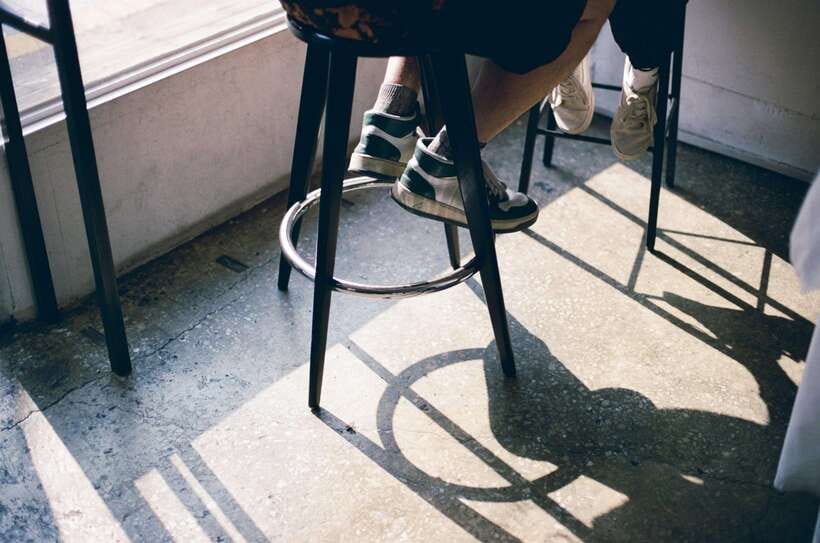
One roll of Kodak film gives you 36 exposures. That number is generous enough for a three-hour walk, but not so large that you can photograph every passing scene. The limit is worth considering before you book.
If you normally use a phone, 36 shots may feel surprisingly small. You might spend the first part of the walk taking too many pictures, then find yourself counting frames near the end. Listen to the guide’s advice and take a moment before pressing the shutter.
The benefit is that you return with a focused set of images. A roll can include the main street, a favorite alley, a cafe front, a Korean-style house, and a few unplanned moments. You may not love every frame, but the successful ones tend to feel more personal because you made a choice without seeing the result.
Kodak film also gives the photographs a look that differs from phone images. The exact result will depend on the light and the way each frame is exposed, so do not book this expecting every picture to be perfect. Book it for the process and for the chance to create a physical reminder of your time in Seoul.
Developing, scanning, and the souvenir you take home
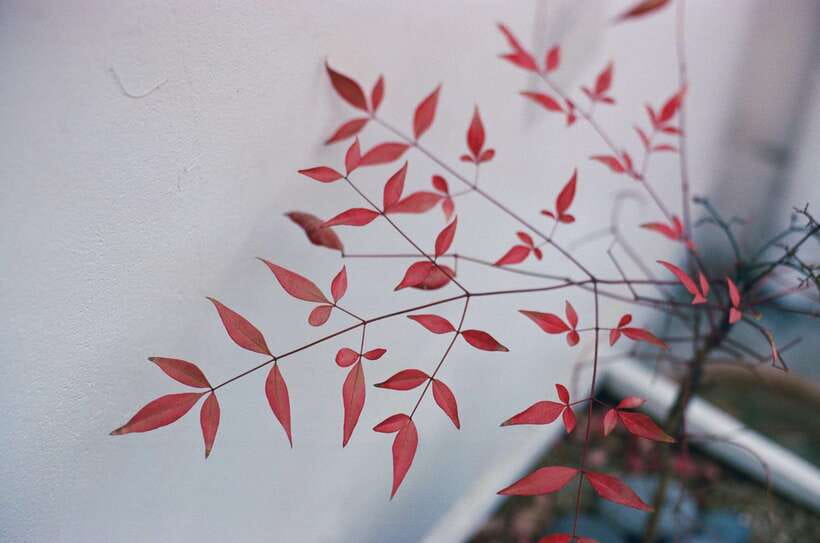
At the end of the activity, the film is developed and scanned. You then receive a download link for the digital images. This is convenient because you do not need to find a photo lab in Seoul or work out how to process a roll in an unfamiliar city.
The experience is described as you press the button, we do the rest. That is accurate in practical terms. You handle the creative decisions during the walk, while the technical processing is taken care of afterward.
The timing of the download is not specified, so do not assume you will have the scans before the next morning or before leaving Seoul. If the images matter for a particular deadline, ask the provider when booking.
The scans make the experience easier to use. You can save them, share them, or print them later. They also let you keep the images even if you are traveling with limited luggage and do not want to carry a physical roll of film.
There is a pleasant surprise built into the format. You leave the walk not only with memories of Hongdae, but also with a set of images made by you. For many people, that is more personal than buying a standard souvenir.
Is $55 a fair price for three hours?
The cost is $55 per person. That is not the lowest-priced way to see Hongdae, especially since you still need to pay for your own food and drinks. You could walk the neighborhood alone for free and take pictures on your phone.
The value comes from the package. The price includes an automatic Canon film camera, one roll of 36-shot Kodak film, film development, scanning, and an English-speaking guide for three hours. You are paying for equipment, processing, instruction, and a planned route rather than transport or a meal.
That makes the price easier to justify if you are curious about film but do not own a camera. Buying or renting a camera, finding film, and arranging processing on your own would take extra time. The guide also removes the trial-and-error that can make a first film outing confusing.
The small group improves the value. A limit of four means the fee supports a personal activity rather than a standard group walk where the guide has little time for individual help.
I would not choose this experience solely as a cheap sightseeing tour. Hongdae is easy to explore independently. I would choose it because you want a structured way to see the area, learn a simple camera, and leave with processed images.
Who will enjoy this film walk most?

This activity suits beginners especially well. You do not need to know aperture, shutter speed, or film terminology. Kinam begins with the basics and helps you get comfortable before you start photographing the neighborhood.
It is also a good choice for anyone who has taken plenty of digital photos and wants a different challenge. The fixed number of frames changes your habits. You will likely pay closer attention to small details and stop taking automatic snapshots.
Couples, friends, and solo visitors can all fit the format, though the group size is limited to four participants total. Solo visitors may appreciate the guide’s company and the chance to explore with a local rather than spending the whole afternoon alone.
Food-focused visitors may get extra value from the neighborhood advice. Kinam points out restaurant ideas during the walk, although meals and drinks are not part of the price.
You should think twice if you dislike walking, want a highly technical photography course, or need instant images. The experience is relaxed and practical, not a professional studio lesson. The final scans also arrive after processing, not directly from the camera.
Practical details that shape the day
Plan on three hours from the subway meeting point and back. The activity starts and ends around the Hongik University station area, making it easy to combine with other plans in Hongdae.
The guide speaks English, and the group is limited to four. The camera and film are included, so you do not need to bring photography equipment. You may still want your phone for maps, restaurant notes, or extra digital pictures after your 36 film frames are used.
Food and drinks are not included. That is no problem in a district with plenty of places to eat, but remember to budget for them separately. The guide’s restaurant suggestions can help you decide where to go after the walk.
You can cancel up to 24 hours before the activity for a full refund. You can also reserve now and pay later, which gives you some flexibility when planning a Seoul itinerary. Starting times vary, so check availability for the date you want.
The experience has a five-out-of-five rating from five reviews, with the strongest praise focused on Kinam’s patience, friendliness, local knowledge, and ability to make first-time photographers comfortable. Those qualities matter here because the camera is only half the experience. The guide shapes how you see the neighborhood.
Should you book the Seoul Film Camera Club?
Book it if you want to see Hongdae at walking speed and create a souvenir with your own hands. The combination of a small group, an automatic Canon camera, Kodak film, and Kinam’s local guidance makes this more personal than a standard neighborhood stroll.
It is particularly good for a first film photography experience. You get an easy introduction, a manageable 36-shot limit, a route through Hongdae and Yeonnam-dong, and processing arranged for you.
Skip it if you want a quick photo stop, a meal included, or instant digital results. You can explore Hongdae cheaply on your own, and a phone will give you more pictures with less risk.
For $55, I see this as a fair creative experience rather than a bargain sightseeing tour. If the idea of waiting to see your pictures sounds exciting, reserve it. If it sounds stressful, spend the afternoon walking Hongdae with your phone instead.
FAQ
Where does the activity meet?
The meeting point is Exit 3 of Hongik University subway station in Seoul.
How long does the experience last?
The activity lasts three hours, including the guided walk through Hongdae and Yeonnam-dong.
What camera and film are included?
You receive an automatic Canon film camera and one roll of Kodak film with 36 shots.
Is film development included?
Yes. Film development and scanning are included, and a download link is sent to you afterward.
Is the experience suitable for beginners?
Yes. The English-speaking guide explains the basics of using the film camera, and the activity is designed to be accessible to people new to film photography.
How large is the group?
The experience is limited to four participants.
Just added around Seoul
- Incheon Airport Private Transfer between Seoul City★ 4.0 · 4 reviews
- Seoul’s Stars: Open Mic with Local & International Talent★ 4.8 · 4 reviews
- Samaksan Cable Car and Nami Island Day Escape with Railbike★ 4.0 · 4 reviews
- DMZ 2nd Tunnel and Cheorwon Peace Observatory with Admission★ 5.0 · 4 reviews
- Nami & Maple Road & Theatre des Lumieres Day Tour from Seoul★ 4.8 · 4 reviews
- Hire Photographer, Professional Photo Shoot – Seoul★ 5.0 · 4 reviews
- [KoreaByLocal] Authentic Seoul Night Walk and Chicken & Beer★ 5.0 · 4 reviews
- Play Gayageum in Hanbok Cultural Experience in Bukchon★ 5.0 · 4 reviews