
Reviewed · DMZ & JSA TOURS
Seoul: DMZ & Live Talk with North Korean Defector
The most affecting part of this DMZ tour from Seoul is not the border fence or the lookout point. It is the live meeting with a North Korean defector, paired with a short film at the North Korea Experience Hall. That conversation gives the military zone a human face, though the quality of the discussion can depend on the questions and the speaker.
I like two things here: the tour packs the key DMZ sights into one organized seven-hour outing, and the guides keep a serious subject approachable. AJ, Katie, Lily, Miel, Yoon, and others are praised for clear English, warm energy, and careful timing. The main drawback is practical: lunch is not provided, and a military closure may replace the planned route without a refund.
In This Review
- Key points at a glance
- Why the defector meeting changes the DMZ visit
- Imjingak Peace Park and the first look at division
- Walking into the Third Infiltration Tunnel
- Dora Observatory and the view toward North Korea
- Unification Village and the commercial side of the route
- How the seven-hour schedule feels
- What the $50 price really buys
- Who will get the most from this experience
- Practical advice before you reserve
- Should you book the Seoul DMZ and defector experience?
- FAQ
- How long does the DMZ tour last?
- Where does the tour start?
- Where does the tour finish?
- Is the tour conducted in English?
- Do I need to bring my passport?
- Is lunch included?
- What happens if the DMZ route closes?
Key points at a glance
- A live defector Q&A adds a personal view that a standard border sightseeing trip may not provide.
- The Third Infiltration Tunnel requires walking underground, with about an hour planned for the stop.
- Dora Observatory gives you a direct view toward North Korea, but photography is restricted in some areas.
- Imjingak includes Mangbaedan and Freedom Bridge, giving the tour a strong historical and emotional opening.
- The $50 price covers transport, a guide, and DMZ admission, making this a useful one-day value from Seoul.
- You must bring your passport, or an accepted military ID or ARC, because this is a controlled military area.
Why the defector meeting changes the DMZ visit
Many DMZ outings focus on what you can see: watchtowers, barbed wire, distant hills, and military checkpoints. This experience adds what you cannot see from an observation platform: an account of life inside North Korea and the difficult process of leaving.
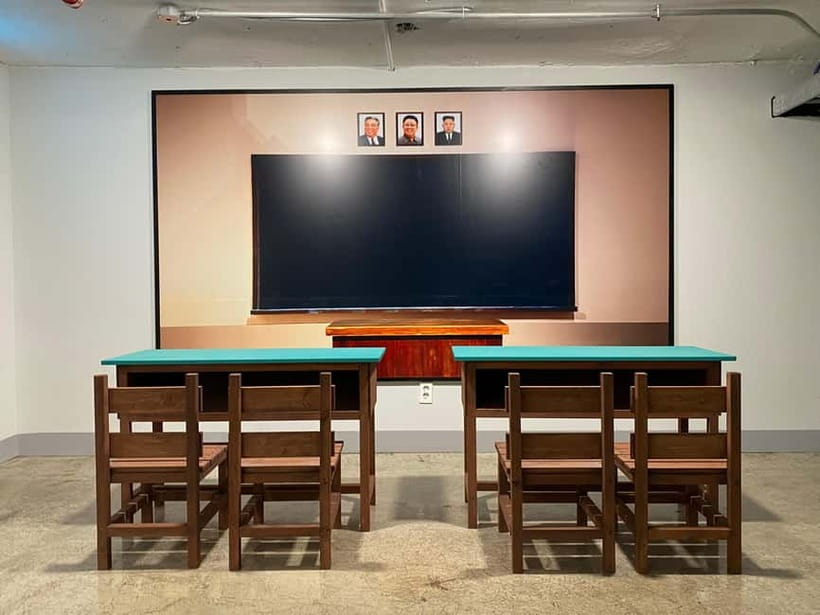
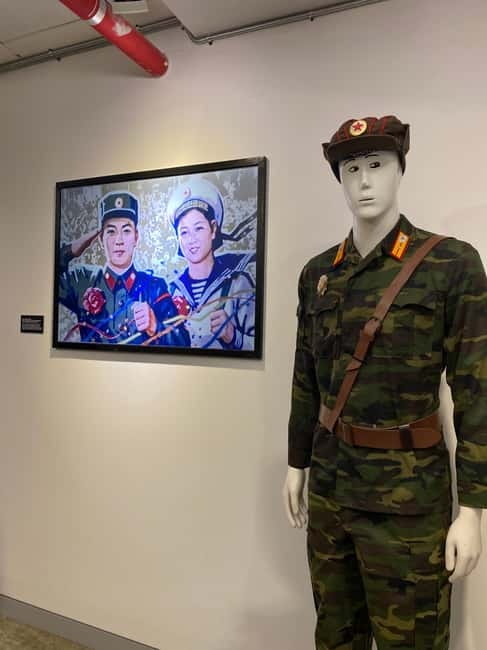
The session takes place through the North Korea Experience Hall. You first watch a film of about 10 minutes about defectors, then take part in an interview and question-and-answer session with a North Korean defector. The format matters. You are not simply reading museum text. You can listen to a personal account and ask questions.
Keep your expectations measured. One person found the discussion moving, especially after hearing how a woman escaped and later brought her children out through China. Another felt the session lacked a basic introduction and gave only brief answers to scattered questions. I would treat this as a valuable opportunity, not a scripted performance with a guaranteed format.
The best approach is to arrive with thoughtful questions about daily life, family separation, education, work, travel, or the decision to leave. A respectful question can lead to a memorable answer. The experience is less useful if you expect a long lecture or an exhaustive account of North Korean society.
More ways to reach the DMZ:
- Best DMZ Tour Korea from Seoul (Red Suspension Bridge Optional)
★ 5.0 · 41,422 reviews - DMZ Tour: 3rd Tunnel, Option(Suspension Bridge, Boat) from Seoul
★ 5.0 · 21,373 reviews - DMZ tour south Korea from Seoul (NK experience hall, defector)
★ 5.0 · 20,599 reviews
Imjingak Peace Park and the first look at division
After roughly an hour by air-conditioned coach from Seoul, the tour reaches the DMZ area and begins at Imjingak Peace Park. This is a good starting point because it introduces the human cost of Korea’s division before you move toward the military zone itself.
The park includes Mangbaedan, a memorial site associated with families separated by the Korean War. It also includes Freedom Bridge, a symbolic crossing connected with the exchange and return of prisoners of war. Your guide explains the sites during a planned visit of about an hour.
I like this opening because it stops the DMZ from becoming a collection of photo opportunities. The memorials remind you that the border is tied to families who could not return home or see relatives again. The mood is more reflective than entertaining, and that is exactly right for the subject.
Imjingak also gives you a little breathing room before the stricter parts of the route. You have time to listen, look around, and ask questions. The full day does include commercial elements at some stops, and one person found the farmers market too focused on tourist sales. Plan to spend your attention on the memorial sites first.
Walking into the Third Infiltration Tunnel
The Third Infiltration Tunnel of Aggression is the most physical stop. North Korea dug the tunnel into the South, and you enter part of it with your guide. About an hour is scheduled here, which gives you time to walk below ground and hear how the tunnel was discovered and understood.
This stop brings the military tension close. From an overlook or museum display, the border can feel distant. Inside the tunnel, the idea of a secret route beneath the division line becomes much more immediate.
The supplied information does not give a detailed description of the tunnel’s walking conditions, so you should expect an underground visit without assuming anything about ease or accessibility. Wear practical shoes and be ready for a more active stop than the observatory or memorial park.
Photography rules matter throughout the DMZ. You may not be allowed to photograph certain military locations, and the guide will tell you where restrictions apply. Follow those instructions closely. A picture is not worth creating a problem in a controlled security area.
Dora Observatory and the view toward North Korea
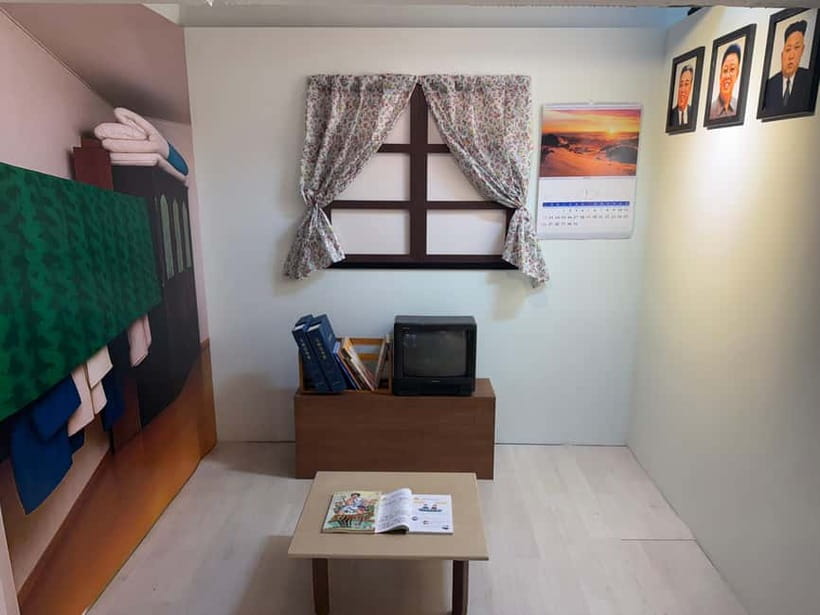
At Dora Observatory, you look across the border toward North Korea. The visit lasts about 50 minutes, giving you time to hear the guide’s explanation and use the viewing area.
Weather and visibility will shape what you see. The point is not a guaranteed dramatic panorama every time, but the chance to look across one of the world’s most closely watched borders. Your guide helps identify what is visible and explains the terrain and nearby area.
Guide quality is especially important here. One guide took extra time with shorter members of the group who could not hear well, then explained the view again and drew a simple picture of the terrain. That is the sort of practical help that turns a distant view into something you can understand.
Do not expect complete freedom with your camera. Military rules limit photographs at various points. The observatory is best treated as a listening and viewing stop, not simply a place to collect images.
A completely different kind of day, same trip:
- DMZ Insider Tour: 3rd Tunnel, NK Defector Meet & Red Bridge
★ 4.9 · 15,214 reviews - Seoul: DMZ Tour with Optional Suspension Bridge
★ 4.8 · 5,277 reviews - Signature DMZ Tour: Exclusive Defector Talk & Suspension Bridge
★ 5.0 · 4,459 reviews - Thrilling Korean DMZ 3rd Tunnel Tour from Seoul + Red Bridge Rush
★ 5.0 · 3,097 reviews
Unification Village and the commercial side of the route
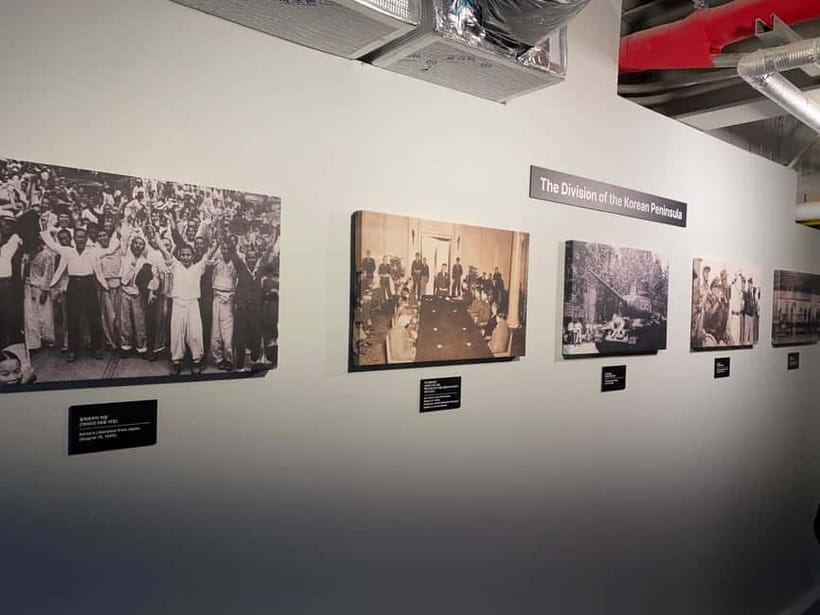
The final stop in the DMZ area is Unification Village, scheduled for about 15 minutes. It offers a brief look at life in a community close to the border and gives the tour one more reminder that people live and work in this sensitive region.
Fifteen minutes is enough for an introduction, but not a long exploration. You may also encounter shops or market-style stops connected with the visit. One person enjoyed nearly every location but felt the farmers market seemed aimed mainly at tourists. I would see this as a minor part of the day rather than a central reason to book.
The value of Unification Village is context. After the tunnel and observatory, it brings the tour back to ordinary people and daily life. The stop is short, so keep your expectations modest.
How the seven-hour schedule feels
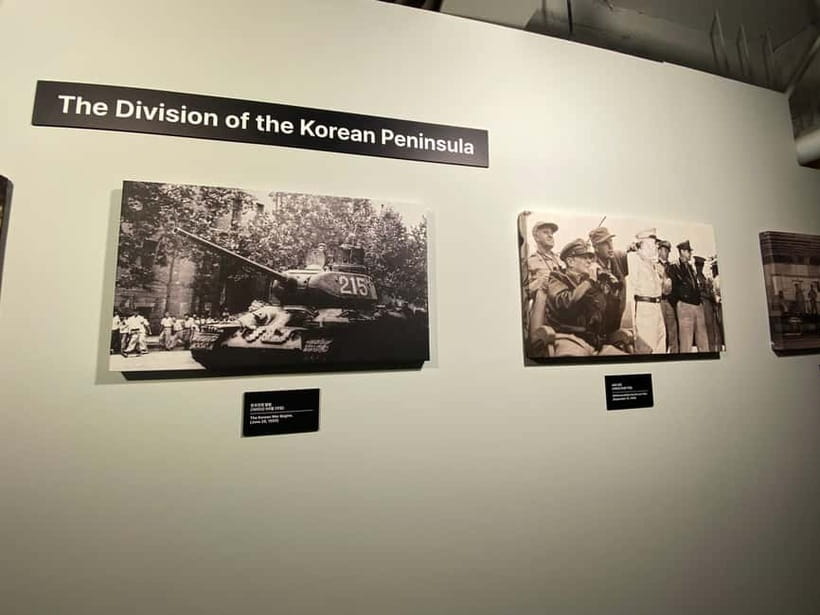
The advertised duration is seven hours, including roughly one hour each way between Seoul and the DMZ area. The route includes several stops, so the schedule needs to run carefully. The strongest comments about guides repeatedly focus on organization, punctuality, and keeping the group moving without making the day feel rushed.
Your listed starting options are:
- Hotel Skypark Myeongdong 3
- Hongik University Station Exit 3
- The Plaza Seoul, Autograph Collection
The exact meeting point depends on the option you book. The tour finishes at Seoul City Hall, and hotel drop-off is not included. Private pickup is available only if you select the private option.
Because the route is inside a controlled military zone, the schedule is not fully in the operator’s hands. If military conditions or an unexpected issue closes the planned route, an alternative DMZ-related course may be provided instead. The stated policy says there is no refund in that situation, so read that condition before booking.
The tour is conducted in English. Names praised for clear explanations and friendly energy include AJ, Katie, Lily, Miel, Yoon, Sadie, Erica, Grace, Chloe, Lisa, Dora, and Yeoni. The particular guide assigned to your departure can vary, but the pattern is clear: the guide has a major effect on how much you learn and how comfortable the day feels.
What the $50 price really buys
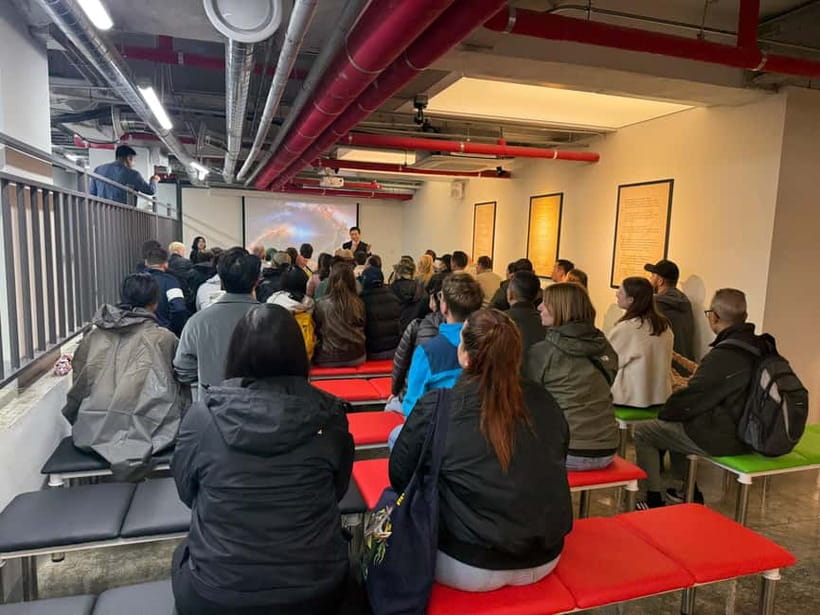
At $50 per person, this is good value if you want the main DMZ sights without arranging transport, admissions, and military-area access yourself. The fee includes air-conditioned transportation, an English-speaking guide, and DMZ admission fees.
The defector meeting and North Korea Experience Hall are the features that make this more than a basic bus ride to an observation point. You are paying for a connected program: memorials, a tunnel, a border view, a village, and a personal account.
Food and drinks are not included. You need to bring your own food or buy something at one of two stops. Cafes and shops are available, but you will need to eat during your free time rather than during a dedicated lunch stop. This is easy to overlook, so plan ahead.
Travel insurance is also not included. The tour offers free cancellation up to 24 hours before departure and a reserve-now, pay-later option, which can help if your Seoul schedule is still changing. Those policies do not remove the need to check the military-closure condition.
Who will get the most from this experience
I would choose this tour if you want an efficient introduction to the Korean border and prefer having the political background explained as you go. It suits first-time visitors to the DMZ, people interested in modern Korean history, and anyone who wants a personal account alongside the usual military sights.
It also suits you if you value a lively guide. The subject can become heavy, but guides such as Katie, AJ, Miel, Erica, and Yoon are praised for balancing seriousness with humor and warmth. That balance helps during a long day with several stops.
You may want a different format if you dislike fixed schedules, commercial stops, or bus-based day trips. The tour has to follow military rules and a set route. You also should not book it expecting a relaxed lunch or unlimited photography.
The defector session deserves special consideration. It can be the emotional center of the day, but the format is an interview and Q&A, not a guaranteed full presentation. Your own questions will help shape the experience.
Practical advice before you reserve
Bring your passport. The tour states that every participant must carry a passport, though a military ID or ARC is accepted. Do not assume a photograph or photocopy will be enough.
Wear shoes suitable for the Third Infiltration Tunnel. The supplied details do not specify the exact walking conditions, but this is the one stop that clearly involves going underground on foot.
Keep your camera ready but listen for restrictions. Many military sites do not allow photography, and the guide will identify the areas where you must put the camera away.
Plan your food before boarding the coach. You can bring something or buy food at one of the available stops, but there is no included lunch stop. Eating during free time is part of the practical rhythm of the day.
If you want to add a suspension bridge, check the departure time carefully. The optional bridge is available only with the earlier tour, and it adds about 90 minutes. One person felt the bridge had little connection to the DMZ, so I would add it only if you specifically want that extra sight.
Should you book the Seoul DMZ and defector experience?
Yes, if you want the major DMZ sights plus a human story and clear English guidance. For $50, the included transport, admissions, tunnel visit, observatory, and defector Q&A give you a strong amount of content in one day.
Book it with realistic expectations. The border can be strict, photographs may be limited, lunch is your responsibility, and military changes can alter the plan. The defector discussion may be powerful or fairly brief, depending on the format and your questions.
I would especially recommend it to a first-time Seoul visitor who wants structure and context. If you prefer to explore slowly or avoid a fixed coach itinerary, choose another style of day. For most people seeking a practical, focused introduction to the DMZ, this is a worthwhile use of seven hours.
FAQ
How long does the DMZ tour last?
The tour lasts seven hours, including approximately one hour of travel from Seoul to the DMZ area and about one hour for the return journey.
Where does the tour start?
Starting locations include Hotel Skypark Myeongdong 3, Hongik University Station Exit 3, and The Plaza Seoul, Autograph Collection. Your meeting point depends on the option booked.
Where does the tour finish?
The tour finishes at Seoul City Hall. Hotel drop-off is not included.
Is the tour conducted in English?
Yes. The tour includes a live English-speaking guide.
Do I need to bring my passport?
Yes. Every participant must bring a passport. A military ID or ARC is also accepted.
Is lunch included?
No. Food and drinks are not included. You can bring food or buy something at one of the available stops, then eat during free time.
What happens if the DMZ route closes?
If military conditions or an unexpected issue prevents the planned route, an alternative DMZ-related course will be provided. The stated policy says there is no refund in that situation.
Just added around Seoul
- Incheon Airport Private Transfer between Seoul City★ 4.0 · 4 reviews
- Seoul’s Stars: Open Mic with Local & International Talent★ 4.8 · 4 reviews
- Samaksan Cable Car and Nami Island Day Escape with Railbike★ 4.0 · 4 reviews
- DMZ 2nd Tunnel and Cheorwon Peace Observatory with Admission★ 5.0 · 4 reviews
- Hire Photographer, Professional Photo Shoot – Seoul★ 5.0 · 4 reviews
- [KoreaByLocal] Authentic Seoul Night Walk and Chicken & Beer★ 5.0 · 4 reviews
- Nami & Maple Road & Theatre des Lumieres Day Tour from Seoul★ 4.8 · 4 reviews
- Play Gayageum in Hanbok Cultural Experience in Bukchon★ 5.0 · 4 reviews
DMZ & JSA Tours, compared.
Best DMZ Tour Korea from Seoul (Red Suspension Bridge Optional)
Read our review →
DMZ Tour: 3rd Tunnel, Option(Suspension Bridge, Boat) from Seoul
Read our review →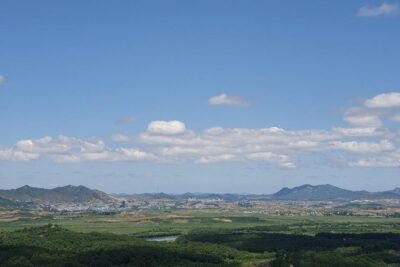
DMZ tour south Korea from Seoul (NK experience hall, defector)
Read our review →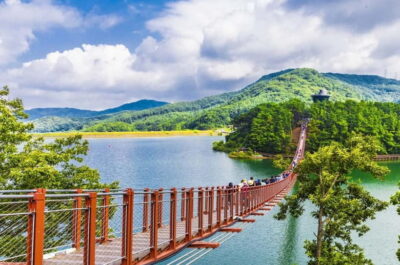
DMZ Insider Tour: 3rd Tunnel, NK Defector Meet & Red Bridge
Read our review →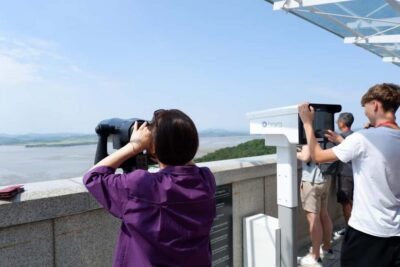
Thrilling Korean DMZ 3rd Tunnel Tour from Seoul + Red Bridge Rush
Read our review →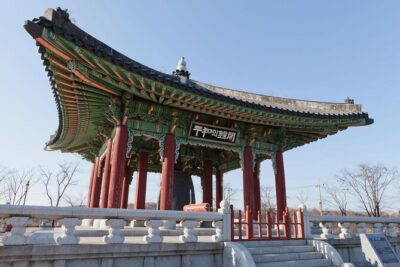
DMZ Past and Present: Korean Demilitarized Zone Tour from Seoul
Read our review →
Ultimate Korea DMZ Tour from Seoul (Gondola & Suspension Bridge)
Read our review →Browse the lists this tour appears in