
Reviewed · CITY TOURS
Seoul City Walking Private Tour (3hours)
Seoul’s best introduction may be a walk through four very different corners of Jongno: a Buddhist temple, the city’s grand Joseon palace, a hillside neighborhood of old Korean houses, and an arts-and-food street. In three hours, this small-group tour of up to 15 people gives you a clear first look at the city’s traditional center.
I like the sensible route and the human touch. You begin at Jogyesa Temple, where Guide Park or Frank can help connect the sights with practical tips for the rest of your stay. I also like that the tour ends in Insadong, a useful place to continue on your own for tea, food, galleries, and shops.
The main limitation is time. One hour at Gyeongbokgung and one hour in Bukchon leave little room for lingering, and the tour ends at lunchtime without lunch included. Tuesday departures also need care, since Gyeongbokgung is closed that day and the palace stop is replaced by the Chancellor’s Palace.
In This Review
- Key points to know before booking
- Why this three-hour Seoul walk works
- Beginning at Jogyesa Temple
- Gyeongbokgung and the royal center
- Bukchon’s old homes and steep streets
- Finishing with food and art in Insadong
- The guide can make the difference
- Timing, group size, and what the price covers
- Who should choose this tour
- Should you book the Seoul City Walking Private Tour?
- FAQ
- How long does the Seoul City Walking Private Tour last?
- Where does the tour start and end?
- What sights are included?
- Is admission included?
- What happens if I book on a Tuesday?
- What is the maximum group size?
Key points to know before booking
- Four classic Seoul stops: Jogyesa Temple, Gyeongbokgung Palace, Bukchon Hanok Village, and Insadong fit into one compact route.
- A guide-led introduction: Park and Frank are named guides associated with the tour, with a friendly style and practical Seoul advice.
- A no-shopping format: Your time is focused on temples, palace grounds, old homes, art, tea, and food culture rather than forced retail stops.
- Hanbok adds a visual touch: The experience includes entering Gyeongbokgung in traditional Korean dress, so check the exact arrangements when booking.
- Tuesday changes the palace visit: Gyeongbokgung is closed on Tuesdays, when the palace stop is replaced by the Chancellor’s Palace.
- Good value at $49: Admission is included, the route uses central sights, and the tour ends in an area where you can easily continue exploring.
Why this three-hour Seoul walk works
I like this tour because it gives you a useful framework instead of scattering you across the city. Seoul is huge, but the historic core around Jongno puts several important sights within a walkable area.
The route also has a good rhythm. Jogyesa begins with living Buddhist practice. Gyeongbokgung shifts to royal architecture and Joseon-era government. Bukchon brings you into residential streets lined with traditional homes. Insadong finishes with arts, tea, food, and modern city life built around older customs.
At $49 per person, the value depends partly on what you want from a guide. If you only need directions, you can visit these areas independently. If you want someone to explain the cultural setting, point out what matters, and help you make sense of Seoul during your first morning, the fee is easier to justify.
The tour is listed as private, but the maximum group size is 15 people, so you should not assume a one-party private guide unless your booking confirmation says so. That group limit is still modest enough for questions and conversation, though the pace may feel less flexible than a truly private walk.
The start is at 9 a.m. at Jogyesa Temple. The morning timing is useful: you get an early start in the historic center and finish around noon in Insadong. Lunch is not included, but ending there gives you plenty of options for your next meal.
A few more Seoul trips worth weighing up
- Seoul moonlight walking tour with local historian
★ 5.0 · 940 reviews - Seoul: Nighttime Hidden Gems Walking Tour
★ 5.0 · 775 reviews - Seoul: Evening Dark History, Folklore & Ghost Story Walking Tour
★ 5.0 · 593 reviews
Beginning at Jogyesa Temple
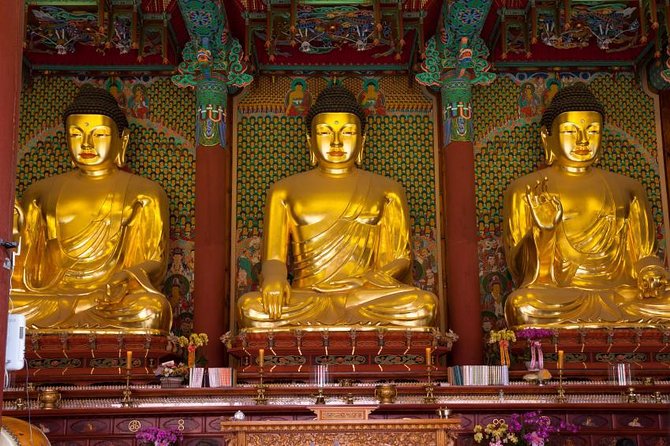
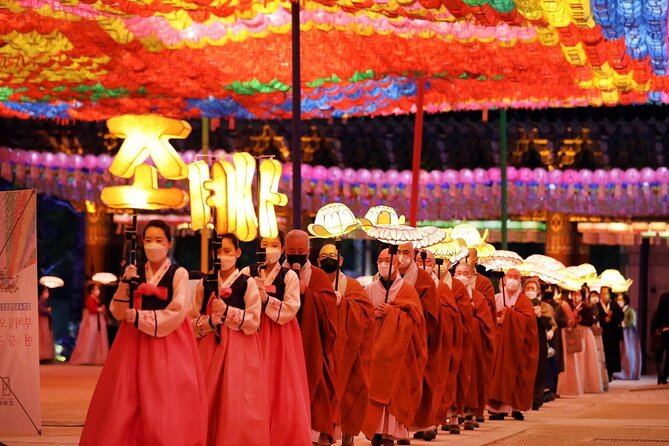
Jogyesa Temple is a fitting starting point because it introduces you to Korean Buddhism before the tour moves into royal and residential Seoul. The temple is described as the center of Buddhism in Seoul, and the visit lasts about 30 minutes.
That short stop is best treated as an orientation rather than a full temple study. You can expect your guide to explain the temple’s role and help you notice how a functioning place of worship differs from a palace or museum.
I like the contrast here. The tour does not open with only grand buildings and photo stops. It starts with a religious site that remains part of Seoul’s daily cultural life, then builds outward toward the city’s political and artistic traditions.
Admission to Jogyesa is free. Since the meeting point is also the starting point, you avoid spending the first part of the morning finding a separate attraction. The tour is near public transportation, which helps if you are making your way across Seoul by subway or bus.
Thirty minutes will not cover every detail. Still, it is enough to set the tone and give you context for the rest of the walk. If your main interest is Buddhism, you will want extra time here after the tour.
Gyeongbokgung and the royal center
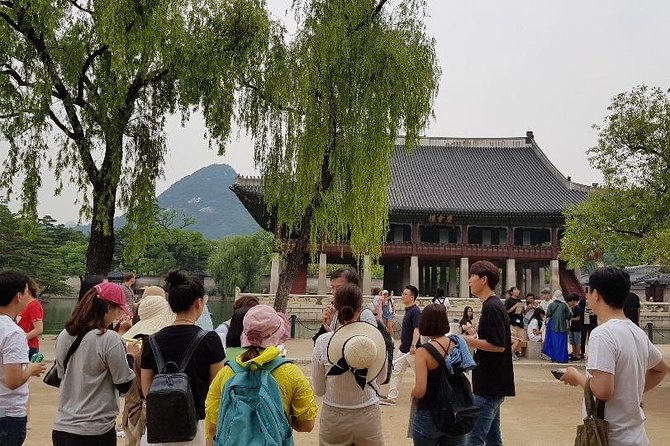
The next major stop is Gyeongbokgung Palace, with about one hour inside. This is the tour’s biggest architectural set piece and the main place to see Seoul’s Joseon-era royal tradition.
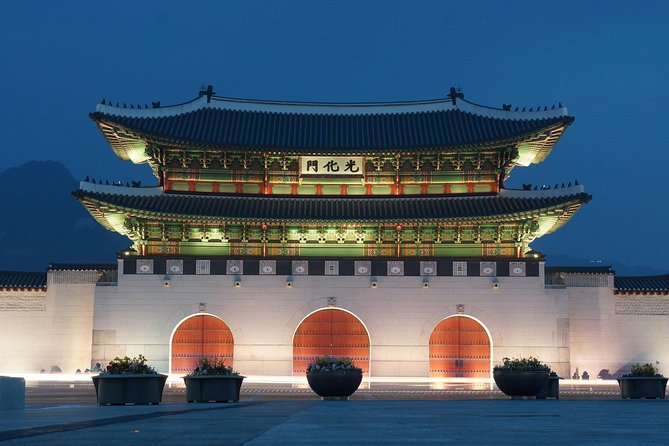
The palace’s principal gate is described as a landmark and symbol of Seoul’s long role as the capital during the Joseon Dynasty. That makes the approach important, not just the palace interiors or courtyards. Your guide can help turn the gates, halls, and open spaces into a story about the city’s former royal center.
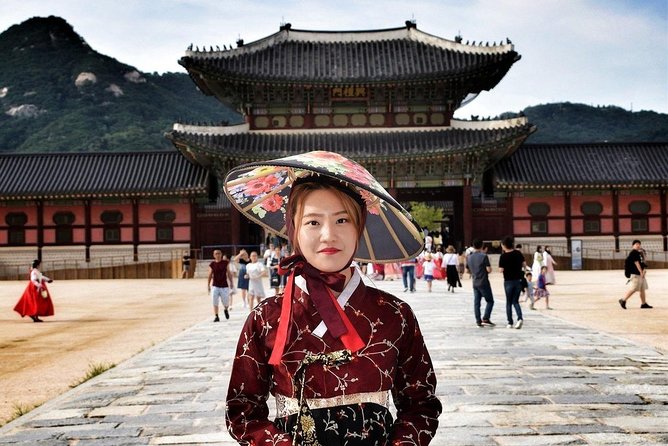
The itinerary specifies entering in Hanbok, Korea’s traditional costume. This is one of the more distinctive aspects of the experience, since traditional dress changes the feel of a palace visit and makes for memorable photographs. The supplied details do not explain whether Hanbok rental is included, so confirm that point before you pay or arrive.
The palace admission fee is included, which strengthens the $49 value. Independent entry would still leave you without a guide, and the palace is large enough that a short visit benefits from direction. With only an hour, you will want to stay close to the planned route rather than wander without a plan.
There is one important calendar issue. Gyeongbokgung is closed on Tuesdays. On that day, the palace portion is replaced by the Chancellor’s Palace, so Tuesday is not a reason to dismiss the tour, but it is a reason to check which palace you will see. If Gyeongbokgung is a priority, choose another day.
Bukchon’s old homes and steep streets
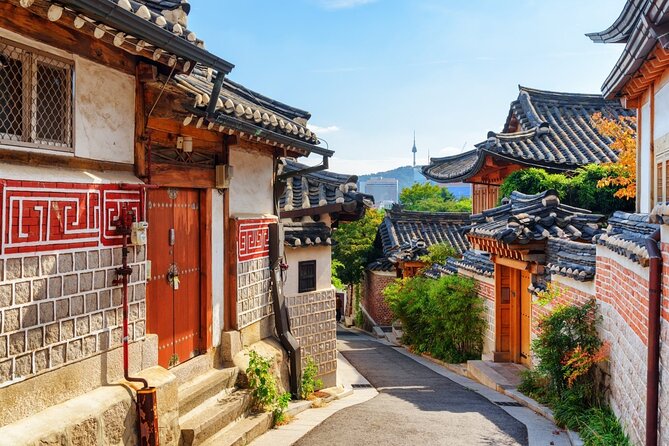
Bukchon Hanok Village receives about one hour, making it nearly as important as the palace. The area lies between Gyeongbokgung Palace and Changdeokgung Palace and contains about 900 traditional Korean houses.
A hanok is a traditional Korean house, and Bukchon gives you a chance to see these buildings in a neighborhood setting rather than behind palace walls. That difference matters. The palace shows official royal design. Bukchon shows how traditional forms shaped an urban residential district.
This is likely to be the most photograph-friendly part of the route. The narrow streets and old houses provide a strong visual change from the palace grounds, and wearing Hanbok can make the setting feel especially connected to Korean tradition.
The drawback is that Bukchon is a real neighborhood, not a theme park. The source information does not spell out the walking difficulty, but the tour is a walking experience through village streets, so comfortable shoes are sensible. You should also expect the guide to keep the group moving, since one hour goes quickly.
I like that Bukchon comes after Gyeongbokgung. You first see traditional architecture in a formal royal setting, then encounter it in a lived-in district. That sequence gives the morning more meaning than visiting four unrelated attractions.
A completely different kind of day, same trip:
- Best DMZ Tour Korea from Seoul (Red Suspension Bridge Optional)
★ 5.0 · 41,422 reviews - DMZ Tour: 3rd Tunnel, Option(Suspension Bridge, Boat) from Seoul
★ 5.0 · 21,373 reviews - DMZ tour south Korea from Seoul (NK experience hall, defector)
★ 5.0 · 20,599 reviews - DMZ Insider Tour: 3rd Tunnel, NK Defector Meet & Red Bridge
★ 4.9 · 15,214 reviews
Finishing with food and art in Insadong
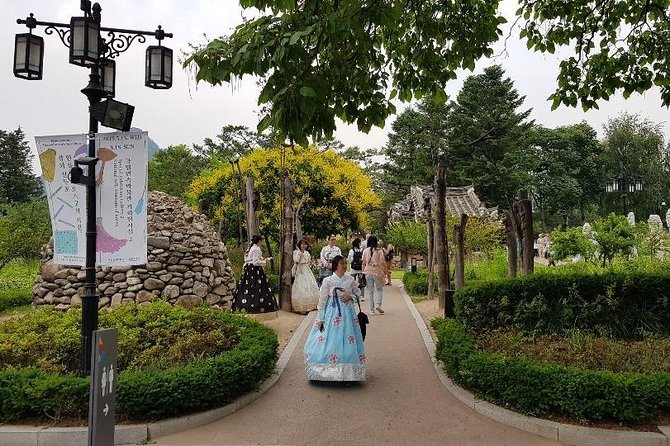
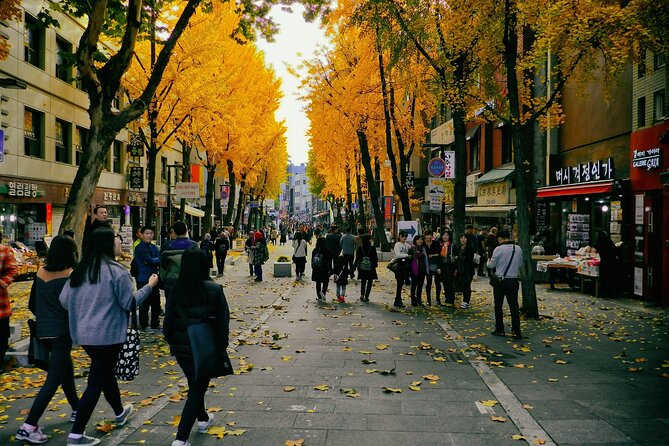
The final stop is Insadong, with about 30 minutes before the morning course ends. This traditional street is known for art galleries, tea houses, hanji shops, and many kinds of food.
Insadong is a smart finishing point because it gives you a choice. You can stop for lunch, continue browsing, or use the neighborhood as a base for more independent sightseeing. The tour ends in Insa-dong in Jongno District, so you are not left at a distant palace or transit stop.
Thirty minutes is enough for a quick introduction, but not enough to explore the area in detail. I would treat the guide’s visit as a preview and plan to return if you want tea, Korean food, galleries, or hanji goods. Since lunch is not included, this is also the natural place to eat after the tour.
The stop adds an everyday cultural note to a morning that could otherwise feel focused only on monuments. Seoul’s traditional culture is not confined to palace grounds. In Insadong, it appears through food, crafts, tea, and art businesses woven into a modern district.
The guide can make the difference
The strongest personal element of this experience is the guide. Park is described as kind and gentle, with a style that includes useful tips for visiting Seoul beyond the sights on the route. Frank is described as deeply engaged with the city and able to make the tour interesting and exciting.
Those details matter because the itinerary itself is compact and familiar. Many companies can take you to Gyeongbokgung and Bukchon. A good guide earns the fee by explaining what you are seeing, answering questions, and helping you plan the rest of your time.
I would use the morning to ask practical questions. Find out how to reach your next stop, what neighborhoods suit your interests, and where to continue after Insadong. The guide’s Seoul tips may be just as useful as the formal explanations, especially if this is your first visit.
The current score is 5 out of 5 from four ratings. That is encouraging, and the praise centers on the guides’ warmth and ability to make the city engaging. It is also a small sample, so I would treat it as a positive signal rather than a guarantee that every departure will feel identical.
Timing, group size, and what the price covers
The tour lasts about three hours and begins at 9 a.m. That schedule suits you if you want a structured first morning and still want most of the afternoon free.
The route includes admission fees, but not lunch or travel insurance. At $49 per person, you are paying for the guide, the organized route, and the included entry rather than a full-day package. Group discounts may be available, which could improve the price for a larger booking.
The maximum group size is 15. That is worth checking against your preferences. A group of this size can keep the cost down and still remain manageable, but you may not receive the same amount of personal attention as you would on a one-to-one walk.
The tour requires good weather. If poor weather causes cancellation, you are offered another date or a full refund. The minimum number of participants also matters, since a cancellation for that reason brings the choice of another date or experience, or a full refund.
Your own cancellation terms are less forgiving. The experience is non-refundable and cannot be changed for any reason once booked. I would avoid booking far ahead unless your plans are firm, even though the average booking time is about 16 days in advance.
Who should choose this tour
I would recommend this experience to a first-time Seoul visitor who wants a clear introduction to traditional culture without spending a full day on a bus. It also suits anyone who likes a guide to explain the connection between religious, royal, residential, and artistic sites.
It is a good choice if you want:
- A short morning activity with a noon finish
- Several central Seoul highlights in one route
- A no-shopping format
- Palace admission included
- Help from a local guide with the rest of your Seoul plans
- A group experience capped at 15 people
I would think twice if you want long, unhurried visits. One hour at the palace and one hour in Bukchon is a useful sampler, but not enough for close study or extensive photography.
I would also check the Hanbok arrangements, Tuesday replacement, and group setup before booking. Those three details can change how well the experience fits your plans.
Should you book the Seoul City Walking Private Tour?
Book it if you want a friendly, efficient first look at Seoul’s historic center and value explanations over wandering alone. The route is well chosen, the palace admission is included, and the ending in Insadong makes the rest of your day easy to plan.
Skip it if you already know Jongno well or want to spend a whole morning at one palace or temple. For everyone else, $49 is a fair price for a guided three-hour introduction, especially with a guide such as Park or Frank and the chance to collect practical Seoul tips along the way.
FAQ
How long does the Seoul City Walking Private Tour last?
The tour lasts approximately three hours and begins at 9 a.m. The morning course finishes in Insadong around lunchtime.
Where does the tour start and end?
The tour starts at Jogyesa Temple in Seoul. It ends in Insa-dong, Jongno District, Seoul.
What sights are included?
The route includes Jogyesa Temple, Gyeongbokgung Palace, Bukchon Hanok Village, and Insadong.
Is admission included?
Yes. The tour includes the admission fee. Lunch and travel insurance are not included.
What happens if I book on a Tuesday?
Gyeongbokgung Palace is closed on Tuesdays. The palace stop is replaced by the Chancellor’s Palace.
What is the maximum group size?
The activity has a maximum of 15 participants. Group discounts may be available.
Just added around Seoul
- Incheon Airport Private Transfer between Seoul City★ 4.0 · 4 reviews
- Seoul’s Stars: Open Mic with Local & International Talent★ 4.8 · 4 reviews
- Samaksan Cable Car and Nami Island Day Escape with Railbike★ 4.0 · 4 reviews
- DMZ 2nd Tunnel and Cheorwon Peace Observatory with Admission★ 5.0 · 4 reviews
- Nami & Maple Road & Theatre des Lumieres Day Tour from Seoul★ 4.8 · 4 reviews
- Hire Photographer, Professional Photo Shoot – Seoul★ 5.0 · 4 reviews
- [KoreaByLocal] Authentic Seoul Night Walk and Chicken & Beer★ 5.0 · 4 reviews
- Play Gayageum in Hanbok Cultural Experience in Bukchon★ 5.0 · 4 reviews
City Tours, compared.
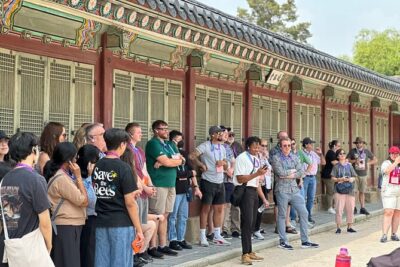
Best Seoul City Tour (Gyeongbokgung Palace,Insadong,Namsan Tower)
Read our review →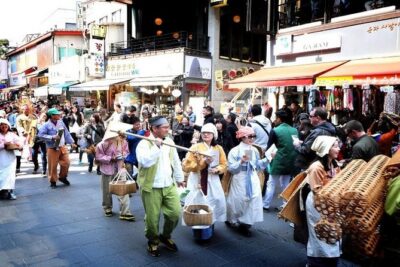
Small-Group Royal Palace and Seoul City Tour (hotel pick-up)
Read our review →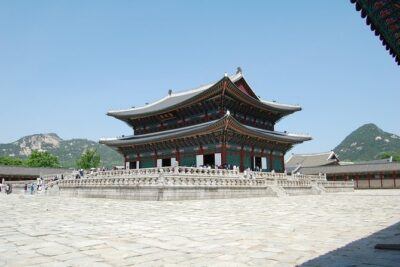
Seoul City Sightseeing Tour Including Gyeongbokgung Palace, N Seoul Tower, and Namsangol Hanok Village
Read our review →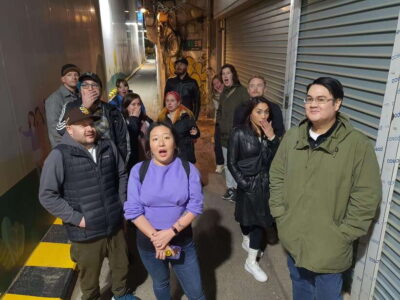
Dark Side of the City and Ghost Stories Walking Tour
Read our review →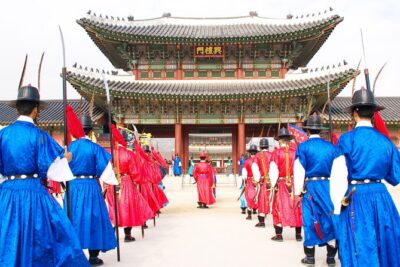
Seoul City Private Full-Day Tour Including Lunch
Read our review →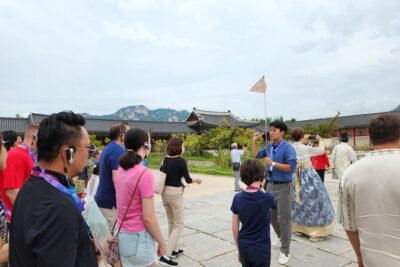
Seoul City Half Day Tour-Gyeongbok Palace Guard Changing Ceremony
Read our review →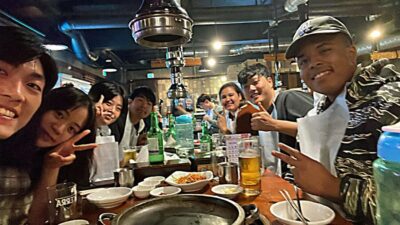
Guided City Wall Sunset Hike with Korean Dinner
Read our review →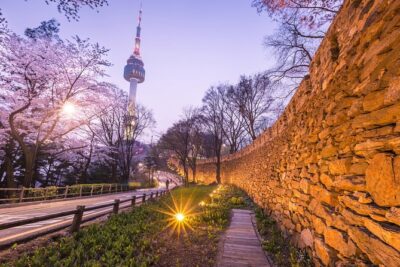
Browse the lists this tour appears in