
Reviewed · DMZ & JSA TOURS
Private DMZ Tour
The most striking part of this six-hour outing is the moment Korea’s division stops being a line on a map. At Dora Observatory, you can look toward North Korea through binoculars, then walk through a steep, narrow tunnel built for a military attack that never came.
I like the easy hotel pickup and the steady historical explanation from guides such as AJ, BK, Jun, Lizzy, and Miel. I also like the private attention before and during the visit, especially for families or anyone who wants to ask questions. The main catch is important: your ride from Seoul may be private, but military authorities can require the actual DMZ section to be shared with a larger bus group.
In This Review
- Key points to know before booking
- Why the DMZ matters beyond the photo stop
- Imjingak Park and the road to Freedom Bridge
- The 3rd Infiltration Tunnel is the day’s physical challenge
- Dora Observatory and the controlled view of North Korea
- The DMZ Exhibition Hall and the details between major stops
- What private really means on this tour
- Guides make the biggest difference
- Is $240 per person good value?
- Timing, clothing, passports, and other practical details
- Who should book this private DMZ tour?
- Should you book it?
- FAQ
- How long does the private DMZ tour from Seoul last?
- Does the tour include hotel pickup and drop-off?
- Is the whole DMZ tour private?
- Do I need my passport?
- Is lunch included?
- Can the itinerary change because of weather or military conditions?
Key points to know before booking
- Freedom Bridge brings the war’s human cost close: Nearly 13,000 Korean prisoners of war crossed here on their return to South Korea.
- The 3rd Infiltration Tunnel requires effort: Expect a steep walk, a narrow passage, and some crouching if you are tall.
- Dora Observatory gives you a controlled view north: Binoculars help, but photography rules are strict.
- Your private experience may change inside the DMZ: A private van and guide can connect with a larger official bus.
- Guide quality is a major strength: AJ, BK, Jun, Lizzy, Miel, Felicity, and others are praised for clear explanations and personal care.
- Weather and military orders can alter the day: Heavy rain has caused closures, and canceled sections may not be refunded.
A visit to the Korean Demilitarized Zone is not a normal sightseeing trip. You are not simply checking off monuments. You are visiting a live border area shaped by the Korean War, military rules, family separation, and a conflict that technically has never ended with a peace treaty.
This private DMZ tour from Seoul lasts about six hours and includes hotel pickup, transportation in an air-conditioned vehicle, an expert guide, and admission fees. The price is $240 per person, with group discounts offered. That is a serious cost, but the price makes more sense if you value a personal guide and private transport rather than a basic coach excursion.
The day works best when you arrive ready for a lesson as well as a sightseeing trip. Your guide may explain the Korean War during the drive, point out landmarks along the route, and use maps or photographs to show places that weather or military closures make impossible to see. The strongest guides, including AJ, BK, Jun, Lizzy, and Miel, are praised for making the subject clear without turning the day into a dry lecture.
Why the DMZ matters beyond the photo stop
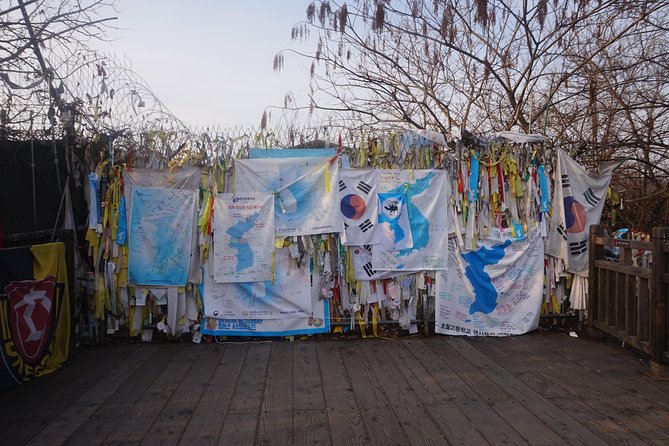
The border between North and South Korea is often presented as a dramatic tourist attraction, but the real story is more serious. The DMZ reflects the aftermath of war, the division of one people into two states, and the continuing security restrictions around the border.
Your guide’s explanations matter here because the physical sights can be easy to misunderstand. A bridge, an observation post, or a tunnel does not explain itself. A good guide connects each place to the conflict and to the people affected by it.
The drive from Seoul gives your guide time to set the scene. Several guides have been praised for explaining Korean history and culture before arrival, which helps you understand the stops instead of rushing from one military site to another. If you enjoy asking questions, a private format gives you more room to do so than a coach group of 20 or 30 people.
That personal contact is one of the clearest reasons to consider this tour. AJ is described as engaging and helpful, while BK is praised for his historical explanations and care with practical details. Jun has been singled out for making the day memorable, and Lizzy has handled difficult weather changes with patience and good organization.
More ways to reach the DMZ:
- Best DMZ Tour Korea from Seoul (Red Suspension Bridge Optional)
★ 5.0 · 41,422 reviews - DMZ Tour: 3rd Tunnel, Option(Suspension Bridge, Boat) from Seoul
★ 5.0 · 21,373 reviews - DMZ tour south Korea from Seoul (NK experience hall, defector)
★ 5.0 · 20,599 reviews
Imjingak Park and the road to Freedom Bridge
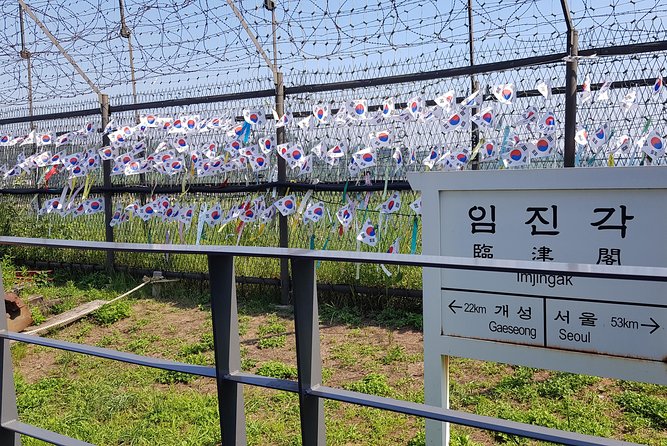
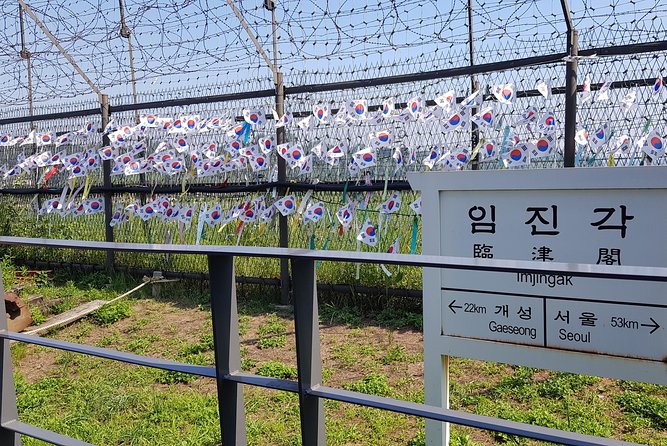
The first major stop is Imjingak Park, beside the Imjin River. Here, you can see artillery and other war-related objects connected with the Korean conflict. The setting is both scenic and sobering, with the river and border country nearby.
Imjingak is a useful introduction because it places the division in a public setting. You can take in the scale of the area before moving into more restricted military territory. The park also helps show how the border is remembered in South Korea, not just how it is guarded.
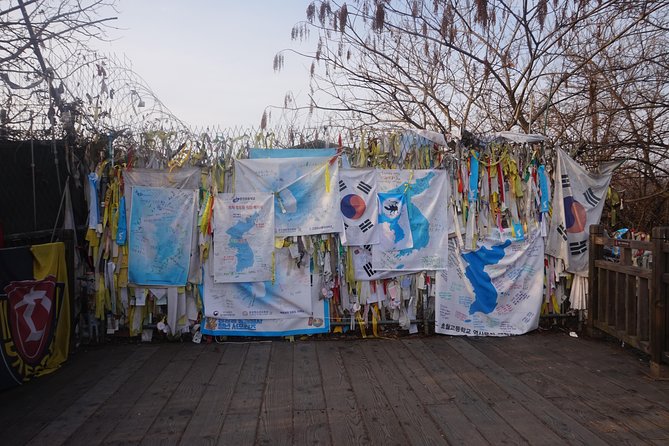
Freedom Bridge is the emotional center of this early section. Nearly 13,000 Korean prisoners of war crossed the bridge when they returned to South Korea. That number gives the structure a human meaning that a quick photograph cannot capture.
I recommend slowing down here. Look beyond the standard photo opportunity and listen to the explanation of who crossed, why they crossed, and what the bridge represents. The tour’s strongest historical value comes from this kind of context.
Photography is not unrestricted throughout the day, so follow your guide’s instructions. Military areas are controlled, and taking a picture simply because a view looks interesting may not be allowed. Your guide can also help with photographs at permitted locations, as Miel did for one couple, including suggestions for good photo positions.
The 3rd Infiltration Tunnel is the day’s physical challenge
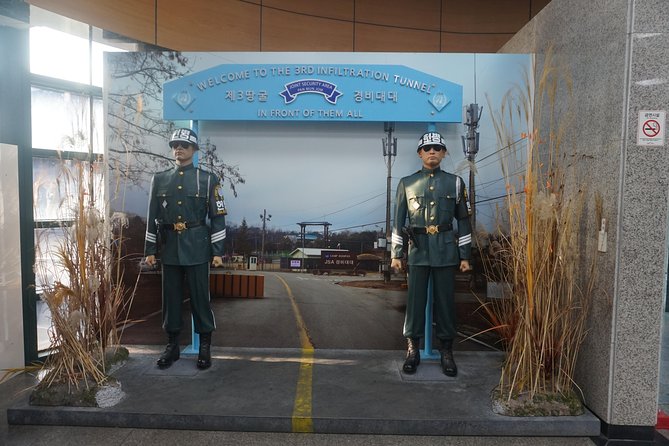
The 3rd Infiltration Tunnel was discovered beneath the border area and is presented as a route intended for a North Korean military incursion. South Korea blocked the Military Demarcation Line inside the tunnel, creating a physical barrier between the two sides.
This stop is more demanding than the other sights. The walk includes a steep ramp and a narrow passage. You may need to crouch, especially if you are tall, and the return walk can feel harder than the descent.
Wear comfortable shoes and clothes that allow you to move easily. This is not a place for delicate footwear or a relaxed stroll. The tour information describes a moderate amount of walking, but the tunnel’s slope can still test your stamina.
Photography is not allowed inside the tunnel. That rule is easy to accept once you are there. The tunnel is cramped, and the experience works better when you pay attention to its shape, the low ceiling, and the sense of how difficult it would have been to move equipment through it.
If you have limited stamina, ask your guide what to expect before entering. Most people can participate, but the steep and narrow route is the one part of the day that requires a clear physical warning.
Dora Observatory and the controlled view of North Korea
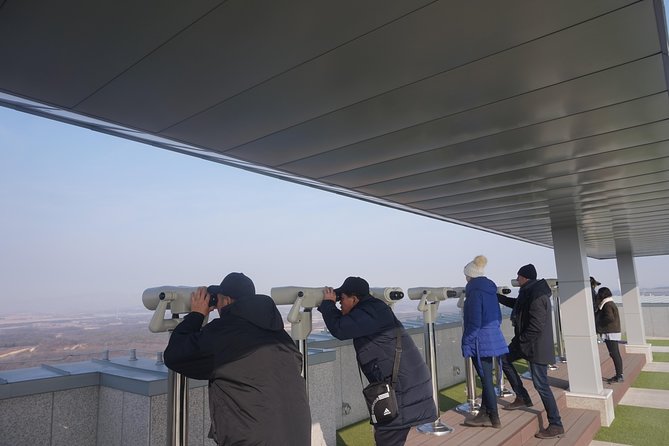
Dora Observatory is the place most people picture when they imagine a DMZ visit. From the viewing area, you can look toward North Korea with binoculars. On a clear day, the sightline offers a direct sense of how close the two countries are.
Do not expect a free-for-all with cameras. Photography is restricted in some areas, and the guide will tell you when and where pictures are allowed. At the observatory, photographs may not be permitted, so be ready to put the camera away and use the binoculars instead.
Weather makes a real difference here. Rain, haze, or poor visibility can turn a dramatic view into a vague one. One guide prepared printed images for sights hidden by gloomy weather, a smart way to give the day some meaning when nature refuses to cooperate.
That is also why you should keep your expectations flexible. The point is not guaranteed postcard scenery. The point is standing at a controlled viewpoint and understanding the distance, security, and political weight of the border.
The observatory can be especially meaningful when your guide explains what you are seeing and what you are not allowed to see. Without that help, the view may seem ordinary. With a map, photographs, and a clear explanation, it becomes a lesson in geography and modern politics.
A few more Seoul trips worth weighing up
- Private DMZ Tour (No Shopping): 3rd Tunnel & Suspension Bridge
★ 5.0 · 607 reviews - Seoul City Private Full-Day Tour Including Lunch
★ 5.0 · 469 reviews - Private DMZ the 3rd Tunnel Tour from Seoul (optional Red Bridge)
★ 5.0 · 429 reviews - Seoul Highlights & Hidden Gems Tours by Locals: Private + Custom
★ 5.0 · 359 reviews
The DMZ Exhibition Hall and the details between major stops
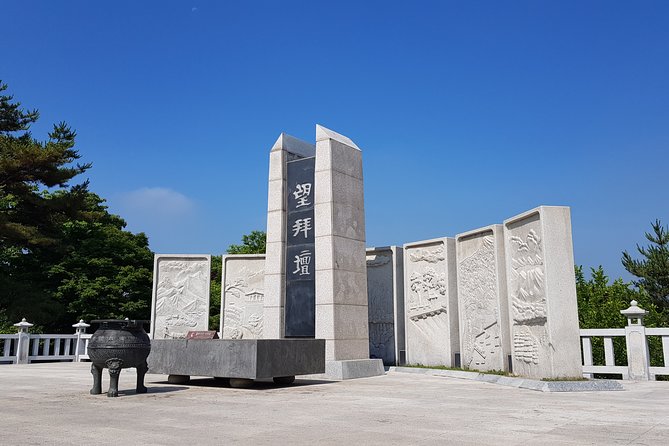
The tour also includes the DMZ Exhibition Hall, which adds background to the major outdoor sights. Exhibition spaces can seem less dramatic than a tunnel or observatory, but they give you facts and visual material that help connect the day.
Your guide is valuable here because you can ask for clarification rather than simply walk past displays. A private tour can be adjusted around your interests, at least where military schedules and group procedures allow. If you want more historical context, say so early.
The day may include additional border-related stops depending on current conditions. Military controls, local circumstances, weather, and flooding can force changes. Heavy rain has previously prevented entry into the zone, with the guide switching to the portions that remained open.
This is one of the tour’s honest limitations. The operator states that a canceled itinerary section caused by unexpected military conditions or local circumstances does not qualify for a refund. You are paying for access to a restricted area, but access is never entirely within the operator’s control.
What private really means on this tour
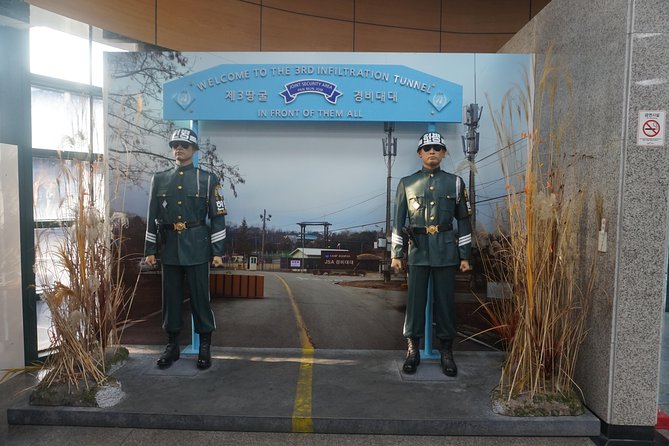
The word private needs careful reading. Your group gets hotel pickup and a private vehicle, and your guide can focus on your party during the Seoul transfer and at many points of the visit. That is a real advantage over a standard large coach tour.
Inside the DMZ, however, military rules may require private groups to board a larger official bus. One couple reported that a clean van collected them from their hotel, then took them to a meeting point where they joined a larger bus for the restricted section.
This arrangement does not make the whole tour a private one in the usual one-group-only sense. It does give you private service at the beginning and end, plus a guide who can stay with you and help you through the process. BK, for example, traveled with a private party and continued assisting them even after they joined the larger bus.
If you are buying this tour mainly to avoid all other people, ask the operator to explain the current arrangement before booking. If you are buying it for a private ride, individual attention, and easier communication, the format may suit you well.
The private setup is particularly useful for families, couples, and small groups with different interests. A guide can slow down for questions, help an older parent manage the route, or keep children engaged with stories and maps. Felicity was praised for caring for a family member’s comfort, while Lizzy handled a difficult day with two young children.
Guides make the biggest difference
The tour company assigns guides, so you may not be able to select a particular person. Still, several guide names appear repeatedly in the strongest accounts of the experience.
AJ is praised for making history lively, bringing umbrellas in wet weather, and using photographs when views were blocked. BK is described as warm, organized, and strong on the history of both North and South Korea. Jun is noted for his friendly manner and close attention to the group.
Miel added maps and photographs before each stop, pointed out details that were easy to miss, and helped with permitted photographs. Lizzy was especially good at changing the plan when rain closed parts of the route. Felicity received praise not only for her tour skills but also for responding quickly during a medical emergency at the observatory.
These details tell you what to look for in a guide. You want clear English, good timing, a calm manner at security checkpoints, and enough historical background to explain why each place matters. You also want someone who can adapt when a military instruction or rainstorm changes the schedule.
The guide’s role is more than translation. They help you understand when to take pictures, where to walk, how much time you have, and what restrictions apply. That practical help can prevent a tense day from becoming confusing.
Is $240 per person good value?
At $240 per person, this is not the cheapest way to visit the DMZ. A large group coach tour usually costs less, though the exact comparison depends on the operator and inclusions.
Here, the price covers a six-hour experience, an expert guide, air-conditioned transport, hotel pickup and drop-off, and admission fees. It does not cover the tram or lunch. If the private vehicle and guide are important to you, the extra cost can be reasonable, especially for a family or small group splitting the private service.
The value is strongest when you care about comfort and explanation. You do not need to find your own way from Seoul, negotiate the route, or work out how to handle the checkpoints. Your guide can also answer questions throughout the ride and help you make sense of a complicated subject.
The value is weaker if you expect a fully private day inside the restricted zone or guaranteed access to every stop. Military control and weather can change the schedule, and the larger bus requirement may apply.
Group discounts may improve the price for a party of several people. Compare the total cost for your group rather than judging the per-person rate alone. For a couple, it is a premium purchase. For a family that would otherwise need several seats on a regular coach and wants personal help, it may feel more worthwhile.
Timing, clothing, passports, and other practical details
The stated start time is 8:00 a.m., though the exact pickup time should be confirmed with the local operator. Hotel pickup and drop-off are included, which makes the early start easier than arranging separate transportation.
Bring your current valid passport. You do not need to send a copy before the tour, but you must have the passport with you on the day. This is essential for a visit involving military checkpoints.
Wear comfortable clothes and sturdy shoes. The tunnel is steep and narrow, and the return route can require effort. Keep your schedule flexible after the tour as well, since exact timing can shift with traffic, security procedures, or changing local conditions.
Lunch is not included, so plan accordingly. The tram is also not included. If the tram is part of the route on your departure, ask whether it is optional and what the current cost is.
You can reach the area by public transportation, but this tour removes the need to manage that journey yourself. Most people can take part, although the tunnel’s physical demands deserve attention from anyone with mobility or stamina concerns.
Free cancellation is available up to 24 hours before the local start time for a full refund. Cancellations or changes made inside that 24-hour window are not accepted for a refund.
Who should book this private DMZ tour?
I would choose this tour if you want the DMZ explained rather than simply photographed. It is a good match for history fans, first-time visitors to Seoul, families, and small groups who prefer a guide focused on their questions.
It also suits you if hotel pickup matters. Seoul is a large city, and an organized ride can save time and reduce worry on a day that already involves checkpoints and strict rules.
I would think twice if your main goal is complete privacy from start to finish. The private van and personal guide are useful, but the DMZ portion may still involve a larger official bus. I would also reconsider if a steep tunnel walk is not suitable for you, or if you need a guaranteed itinerary with no changes.
Weather-sensitive visitors should keep expectations realistic. The tour can continue in rain, but flooding or military closures may remove key stops. A flexible guide can preserve the historical value, but no guide can guarantee the view from Dora Observatory.
Should you book it?
Book this private DMZ tour if you want a well-supported introduction to Korea’s divided history and value a guide who stays involved from hotel pickup through the border sites. The personal service, comfortable transport, and strong guide roster make it more appealing than a basic bus outing.
Just understand the deal before you pay: $240 per person buys convenience and attention, not total control over a military zone. You may share the official bus, you may lose a stop to weather or security orders, and you will need to bring your passport and handle the tunnel’s steep walk.
For a small group that wants history, clear explanations, and less logistical fuss, I think the cost can be justified. For the lowest possible price, choose a standard group tour instead.
FAQ
How long does the private DMZ tour from Seoul last?
The tour lasts approximately six hours, with an 8:00 a.m. stated start time. Confirm your exact pickup time with the local operator.
Does the tour include hotel pickup and drop-off?
Yes. Round-trip hotel pickup and drop-off from Seoul are included, along with transportation in a comfortable, air-conditioned vehicle.
Is the whole DMZ tour private?
Your group receives private transportation and a private guide, but military rules may require you to join a larger bus for the restricted DMZ section. Confirm the current arrangement before booking if this distinction is important to you.
Do I need my passport?
Yes. You must bring a current valid passport on the day of travel. You do not need to send a copy of it in advance.
Is lunch included?
No. Lunch is not included in the tour price. The tram is also not included.
Can the itinerary change because of weather or military conditions?
Yes. Unexpected military conditions, local circumstances, heavy rain, or flooding can cause part of the itinerary to be canceled or modified. The operator states that canceled sections caused by these conditions are not refundable.
Just added around Seoul
- Incheon Airport Private Transfer between Seoul City★ 4.0 · 4 reviews
- Seoul’s Stars: Open Mic with Local & International Talent★ 4.8 · 4 reviews
- Samaksan Cable Car and Nami Island Day Escape with Railbike★ 4.0 · 4 reviews
- DMZ 2nd Tunnel and Cheorwon Peace Observatory with Admission★ 5.0 · 4 reviews
- Nami & Maple Road & Theatre des Lumieres Day Tour from Seoul★ 4.8 · 4 reviews
- Hire Photographer, Professional Photo Shoot – Seoul★ 5.0 · 4 reviews
- [KoreaByLocal] Authentic Seoul Night Walk and Chicken & Beer★ 5.0 · 4 reviews
- Play Gayageum in Hanbok Cultural Experience in Bukchon★ 5.0 · 4 reviews
DMZ & JSA Tours, compared.
Best DMZ Tour Korea from Seoul (Red Suspension Bridge Optional)
Read our review →
DMZ Tour: 3rd Tunnel, Option(Suspension Bridge, Boat) from Seoul
Read our review →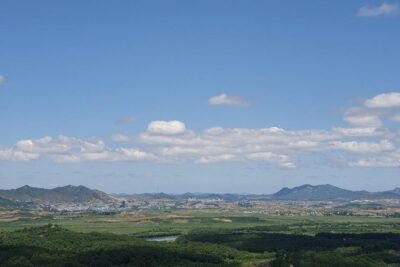
DMZ tour south Korea from Seoul (NK experience hall, defector)
Read our review →
DMZ Insider Tour: 3rd Tunnel, NK Defector Meet & Red Bridge
Read our review →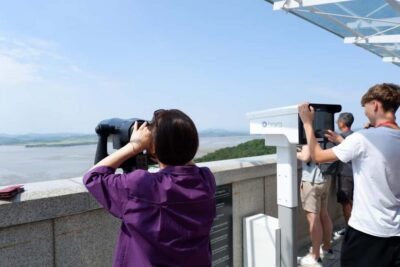
Thrilling Korean DMZ 3rd Tunnel Tour from Seoul + Red Bridge Rush
Read our review →
DMZ Past and Present: Korean Demilitarized Zone Tour from Seoul
Read our review →
Ultimate Korea DMZ Tour from Seoul (Gondola & Suspension Bridge)
Read our review →Browse the lists this tour appears in