
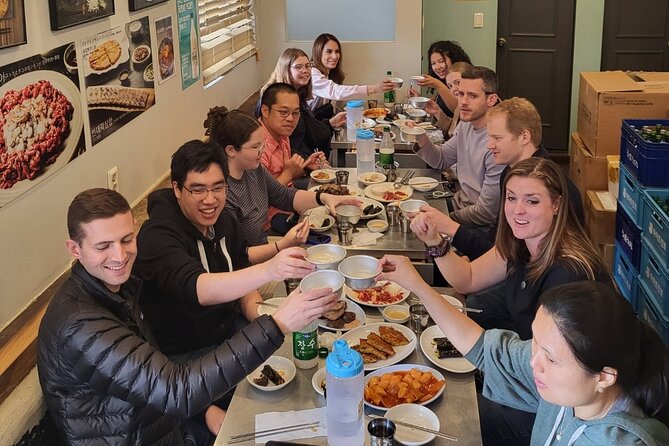
Reviewed · INSADONG TOURS
Gwangjang market Netflix Food Walking Tour with Insadong
Seoul’s best introduction to Korean food may begin away from the food stalls. This three-hour walk links Insadong’s traditional arts streets, the hanok lanes of Ikseon-dong, and Gwangjang Market, where the tasting finally takes center stage. You get local history along with snacks, not just a quick list of dishes.
I like the small maximum of 10 people, which gives you room to ask questions and stay together in narrow lanes. I also like that the food tastings are included, including mung-bean pancake, fish cake, honey dessert, and Korean rice wine. The main drawback is the fixed 3 p.m. start and the open-air format, since heavy rain or intense heat can make the walk less comfortable.
In This Review
- Key points at a glance
- Why this Seoul food walk works
- Starting at Anguk Station and entering Insadong
- Ikseon-dong, where hanok houses meet cafes
- Gwangjang Market after 1905
- What you taste at the market
- The guide can make or break the afternoon
- Timing, meeting point, and group size
- Who will get the most from this experience
- Is $48.60 good value?
- My call: book it if you want context with your snacks
- FAQ
- Where does the tour begin?
- Where does the tour end?
- What time does the tour start?
- How long does the experience last?
- What food is included?
- Is a guide included?
- How many people can join the tour?
Key points at a glance
- Three neighborhoods in three hours: Begin at Anguk Station, cross Insadong and Ikseon-dong, then finish inside Gwangjang Market.
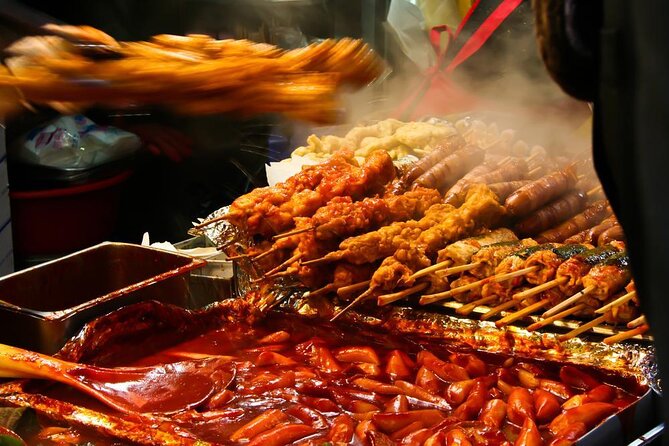
- Food is included: Expect 3 to 5 street-food tastings, with mung-bean pancake, fish cake, honey dessert, and Korean rice wine specifically listed.
- A small group format: The tour accepts no more than 10 people, useful in crowded market aisles and tight alleyways.
- History with the snacks: You hear about Insadong’s role in Korean culture, Ikseon-dong’s change into a fashionable district, and Gwangjang Market’s local life in the 1990s.
- An English-speaking guide leads the way: Alan Han is one named guide associated with the experience, and the guide is there to explain dishes, neighborhoods, and your questions.
- A practical Seoul afternoon: The route starts near public transportation and ends at Gwangjang Market, giving you an easy point from which to continue exploring.
Why this Seoul food walk works
Many food tours rush straight to a market. This one takes a longer route through central Seoul, so you first get a sense of the neighborhoods that frame the meal. That matters because Korean food is tied closely to place, age, family habits, and city life.
The walk lasts about three hours, split roughly between Insadong and Gwangjang Market. The first half is less about eating and more about seeing how traditional arts, old houses, small shops, and modern cafes share the same part of the city. The second half is more focused on food and market life.
At $48.60 per person, the price is reasonable if you want a guide and several tastings rather than simply wandering through the market on your own. You are paying for the explanations, route planning, and included food. It is less compelling if you already know Seoul’s central neighborhoods and prefer to choose every dish yourself.
The small group is a real benefit. A group capped at 10 is large enough to have a social feel, but far easier to manage than a big coach group. In a crowded market, that can mean hearing the guide clearly and getting a chance to ask about unfamiliar food.
More Insadong walks:
- Best Seoul City Tour (Gyeongbokgung Palace,Insadong,Namsan Tower)
★ 5.0 · 1,647 reviews - Seoul Highlights: Gyeongbok Palace, Insadong & N Seoul Tower
★ 4.7 · 726 reviews - Korean Palace and Market Tour in Seoul Including Insadong and Gyeongbokgung Palace
★ 4.0 · 174 reviews
Starting at Anguk Station and entering Insadong
The meeting point is Anguk Station, in Seoul’s Jongno District. The tour begins at 3 p.m., a useful time for combining sightseeing with an early evening meal. From the station, you move into Insadong, a district associated with Korean art, crafts, tea houses, traditional architecture, and restaurants.
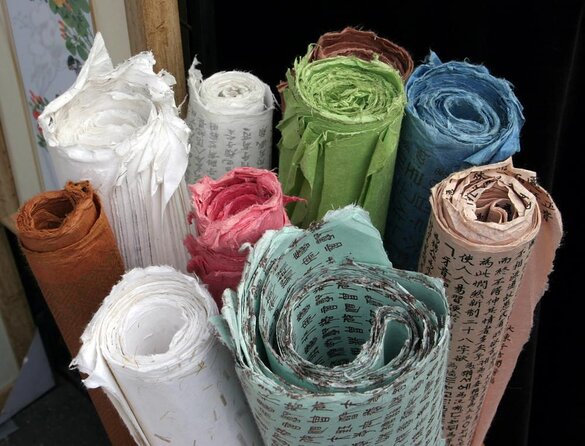
Insadong is not simply an old quarter preserved for photographs. It is also a working shopping and arts area, with galleries, studios, antique shops, and stores selling handmade goods. You might see pottery, calligraphy brushes, and traditional Korean paper among the items for sale.
I like this opening because it gives you cultural context before the food appears. A guide can explain why Insadong matters as a center for Korean culture, while you see the blend of traditional and contemporary Korean art around you. That makes the later market visit feel connected to everyday life rather than separated into a sightseeing stop and a food stop.
The description allows about 90 minutes for Insadong and the surrounding streets. That is enough time for a measured walk, though it is not a dedicated shopping trip. If you want to inspect every gallery or buy crafts, you will need to return on your own.
The area is popular with both local people and visitors, so do not expect an untouched village atmosphere. The value here lies in the mix: traditional goods beside current art, old-looking buildings beside modern retail, and tea houses near busy city streets.
Ikseon-dong, where hanok houses meet cafes
The route also includes Ikseon-dong Alley, a district of narrow lanes and traditional hanok houses. Its appeal comes from the meeting of old structures and newer cafes, shops, and cultural businesses.
The guide explains the area’s past and its renewal as a fashionable cultural destination. That story is useful because Ikseon-dong can look charming at first glance, yet its appeal is easier to understand when you know how the neighborhood changed over time.
You should expect tight lanes rather than broad avenues. Keep your group close and wear shoes suited to walking. The tour does not list a separate food stop here, so think of Ikseon-dong as a visual and historical part of the route, not another meal.
This section will suit you if you enjoy seeing how Seoul reuses older neighborhoods. It may feel less rewarding if your only goal is maximum eating time. The route gives you more than a market crawl, but that also means some of your three hours go to walking and explanation.
Gwangjang Market after 1905
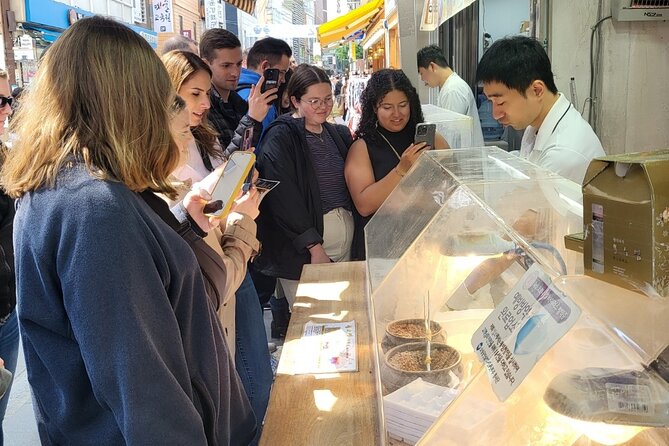
The food portion takes place at Gwangjang Market, an established traditional market in Jongno District that has operated since 1905. The market is known for Korean foods, textiles, and handmade goods, and the tour finishes at 88 Changgyeonggung-ro.
Here, the setting changes. You move from galleries and hanok lanes into food stalls and market counters. The market is a practical place to see how shopping, eating, and social life overlap in Seoul.
The tour places special attention on local life and history in the 1990s. That detail gives the market section a different angle from a simple list of famous dishes. You are not only sampling food. You are hearing how the market fits into the city’s recent past.
Expect a busy environment and plenty of sensory distraction. You may find it hard to focus on every explanation while people are ordering and moving around. That is one reason the group limit matters. A guide who knows the route can help keep the tasting organized.
The tour ends here rather than returning you to Anguk Station. I see that as useful. You can remain at Gwangjang Market for more food, continue sightseeing in Jongno, or make your own way elsewhere in Seoul. Just remember that the experience is a walking route with a one-way finish.
More market food walks:
- Seoul: Gyeongbok Palace, Bukchon Village, and Gwangjang Tour
★ 4.9 · 2,321 reviews - Seoul: Gyeongbok Palace, Bukchon Village, and Gwangjang Tour
★ 5.0 · 1,044 reviews - Seoul: Night Market Food Tour with Local Guide
★ 4.9 · 943 reviews - Seoul Night Palace & Market Food Tour with Vehicle
★ 5.0 · 275 reviews
What you taste at the market
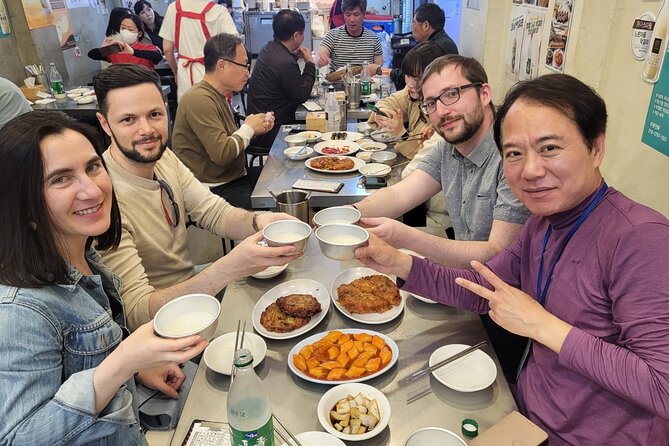
The included tasting covers 3 to 5 kinds of street food. The specific inclusions are:
- Mung-bean pancake
- Fish cake
- Honey dessert
- Korean rice wine
The food is included in the $48.60 price, while other personal consumption is not. That distinction is important. You get a guided introduction and the listed tastings, but extra portions, additional dishes, or separate drinks may cost more.
Mung-bean pancake, known as bindaetteok, is one of Gwangjang Market’s best-known foods. Its place on the tour makes sense because it gives you a substantial Korean market dish rather than only small sweets or snacks. Fish cake provides another familiar street-food taste, while the honey dessert adds a sweet finish.
Korean rice wine is also included. Since the tour begins at 3 p.m., the timing may work well for a light early evening tasting. Still, you should be prepared for a food walk rather than a full sit-down dinner. The number of tastings can vary between 3 and 5, so the exact amount of food is not fixed.
Food preferences and allergies are not addressed in the supplied details. If you have restrictions, ask the provider before booking or at the start of the tour. Do not assume that every listed tasting can be replaced.
The guide can make or break the afternoon
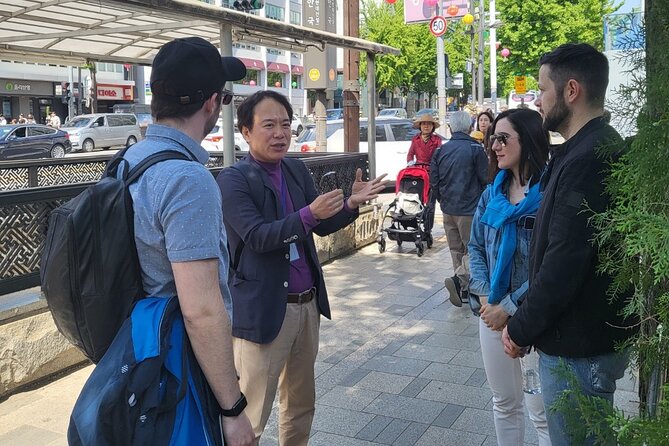
The guide is a professional English speaker, and Alan Han is one named guide for this experience. A good guide matters here because the route includes three different kinds of place: an arts district, a redeveloped hanok area, and a working market.
You should expect explanations of Insadong’s cultural role, Ikseon-dong’s past and change, and Gwangjang Market’s local history. You also have a chance to ask questions as you walk and eat. Alan Han is specifically associated with a patient approach, taking time for questions and explaining the neighborhoods along the way.
That personal attention is easier with 10 people or fewer. You can ask what a dish is, how it is normally eaten, or why a neighborhood looks different from the one you just left. The tour is a better fit for curious eaters than for people who want to move quickly from stall to stall.
Weather is worth taking seriously. The experience requires good weather, and one rainy outing remained enjoyable but soggy. A hot day can also be tiring, especially during the Insadong and alley portions. Seoul summers can be intense, so bring water and dress for walking. If poor weather cancels the tour, you are offered another date or a full refund.
Timing, meeting point, and group size
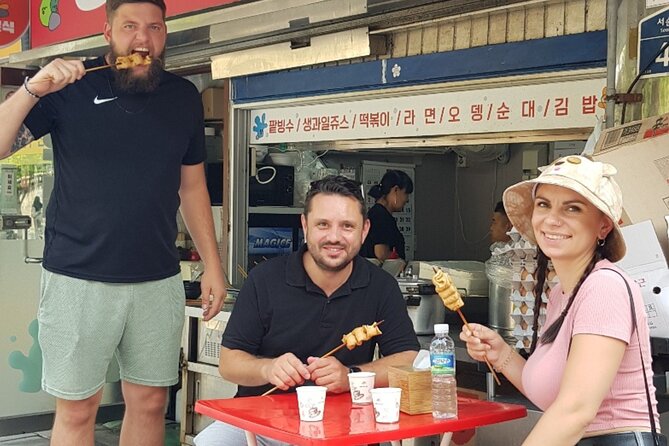
The tour starts at 3 p.m. at Anguk Station and lasts about three hours. It ends at Gwangjang Market, not at the original meeting point. Since both the start and finish are near public transportation, the route is practical for building into a day of central Seoul sightseeing.
A mobile ticket is provided, which keeps the booking simple. Confirmation is sent within 48 hours, subject to availability. The tour requires a minimum number of people, so a cancellation is possible if that number is not met. In that case, you are offered another date or experience, or a full refund.
Most people can participate, according to the activity information. No special accessibility details are provided, so ask ahead if you need specific assistance with walking, narrow lanes, or market conditions.
The cancellation policy is flexible if your plans change. You can cancel at least 24 hours before the local start time for a full refund. Changes or cancellations inside that window are not accepted for a refund.
Who will get the most from this experience
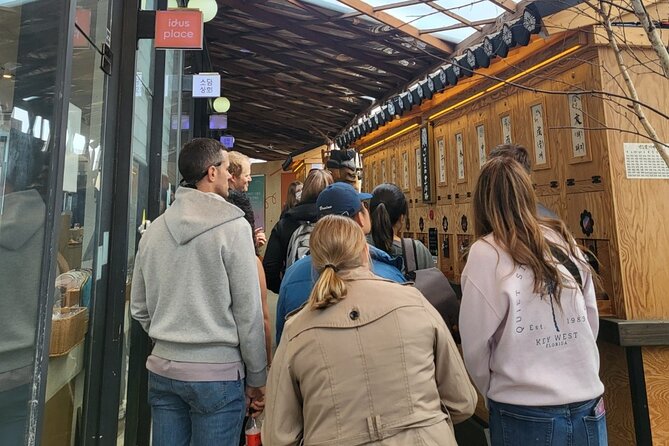
I would recommend this walk to a first-time Seoul visitor who wants a clear introduction to central neighborhoods and Korean street food. It is also useful for anyone who feels unsure about ordering at a traditional market.
The tour fits you especially well if you:
- Want food included rather than choosing every dish alone
- Prefer a small group over a large organized tour
- Like hearing neighborhood stories while walking
- Want to see Insadong and Ikseon-dong before eating at Gwangjang Market
- Have about three hours free in the afternoon
- Enjoy trying familiar and unfamiliar Korean snacks in a market setting
You may want a different experience if you need a full meal, have strict dietary requirements, dislike crowded markets, or want a private guide. You may also find the route too slow if you have already explored Insadong and Gwangjang Market and only want food.
Is $48.60 good value?
The answer depends on what you would otherwise do. Gwangjang Market is easy to visit independently, and you can buy food directly from the stalls. An independent visit costs less and gives you complete control over what you eat.
The tour earns its price through the added structure. You get an English-speaking guide, a planned route through Insadong and Ikseon-dong, historical background, and 3 to 5 included tastings. You also avoid spending your first visit guessing what to order or missing the reason certain neighborhoods matter.
I consider the price fair for a visitor who wants orientation and conversation. The value is strongest when you treat it as a cultural walk with food, not as a cheap way to buy dinner. If food quantity is your main concern, the included tastings may not replace a full meal, and you should budget for anything extra at the market.
My call: book it if you want context with your snacks
Book this tour if you want Seoul explained through its streets, shops, old houses, and food stalls. The route gives you a useful progression from Insadong’s arts and crafts to Ikseon-dong’s old-meets-new lanes, then to the food counters of Gwangjang Market.
The strongest reasons to book are the 10-person limit, included tastings, and the chance to ask an English-speaking guide questions along the way. Alan Han is a named guide associated with the experience, and the guide’s role is especially valuable in the market.
Skip it if you want a private food crawl, a guaranteed full dinner, or complete freedom to choose your own dishes. Also check the weather before you go. For a first taste of Seoul’s central neighborhoods with a few well-chosen foods along the way, this is a practical and fairly priced afternoon.
FAQ
Where does the tour begin?
The tour begins at Anguk Station in Seoul, South Korea.
Where does the tour end?
The tour ends at Gwangjang Market, at 88 Changgyeonggung-ro in Seoul’s Jongno District.
What time does the tour start?
The scheduled start time is 3 p.m.
How long does the experience last?
The tour lasts approximately three hours.
What food is included?
The experience includes 3 to 5 kinds of street food, with honey dessert, fish cake, mung-bean pancake, and Korean rice wine specifically listed.
Is a guide included?
Yes. A professional English-speaking guide is included. Alan Han is one of the named guides associated with the experience.
How many people can join the tour?
The maximum group size is 10 people.
More Food in Seoul
- The Award-Winning PRIVATE Food Tour of Seoul: The 10 Tastings
★ 4.5 · 128 reviews - Afternoon E-bike tour and “Happy Hour” food and drinks
★ 5.0 · 46 reviews - Mangwon Market Food tour By Locals; Cheap Eats to Fancy Feast
★ 5.0 · 38 reviews - Vegan & Vegetarian Korean Market Adventure Gwangjang Market
★ 5.0 · 34 reviews
More Food & Drink in Seoul
- Seoul Street Food Market Tour
★ 5.0 · 1,226 reviews - Downtown Seoul Guided Food & Market Tour with 8+ Local Tastings
★ 5.0 · 580 reviews - Small-Group Night Food Tour in Seoul with Korean BBQ
★ 5.0 · 304 reviews - Seoul Fun Food Tour: 12 different food tastings
★ 5.0 · 266 reviews
Just added around Seoul
- Incheon Airport Private Transfer between Seoul City★ 4.0 · 4 reviews
- Seoul’s Stars: Open Mic with Local & International Talent★ 4.8 · 4 reviews
- Samaksan Cable Car and Nami Island Day Escape with Railbike★ 4.0 · 4 reviews
- DMZ 2nd Tunnel and Cheorwon Peace Observatory with Admission★ 5.0 · 4 reviews
- Nami & Maple Road & Theatre des Lumieres Day Tour from Seoul★ 4.8 · 4 reviews
- Hire Photographer, Professional Photo Shoot – Seoul★ 5.0 · 4 reviews
- [KoreaByLocal] Authentic Seoul Night Walk and Chicken & Beer★ 5.0 · 4 reviews
- Play Gayageum in Hanbok Cultural Experience in Bukchon★ 5.0 · 4 reviews
Insadong Tours, compared.
Best Seoul City Tour (Gyeongbokgung Palace,Insadong,Namsan Tower)
Read our review →
Seoul Highlights: Gyeongbok Palace, Insadong & N Seoul Tower
Read our review →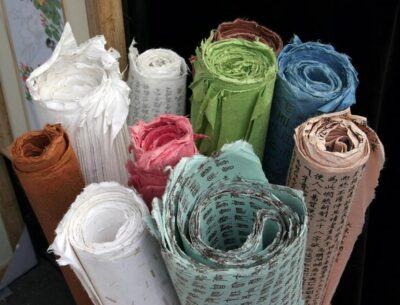
Korean Palace and Market Tour in Seoul Including Insadong and Gyeongbokgung Palace
Read our review →
Carve Your Personal Korean Stone Seal with Jeongju in Insadong
Read our review →
Write a Meaningful Korean Calligraphy Scroll in Insadong
Read our review →
Create a Handmade Traditional Korean Notebook in Insadong
Read our review →
Walking Tour with Gyeongbokgung Palace, Bukchon, Insadong
Read our review →Browse the lists this tour appears in