

Reviewed · DMZ & JSA TOURS
From Seoul: Aegibong Starbucks Observatory & DMZ View
Seeing North Korea from a Starbucks window sounds unusual, but that is exactly the hook here. From Aegibong Peace Park, the Jogang River separates you from North Korean villages only 1.4 kilometers away, and the top-floor cafe gives you a comfortable place to take it in. I like the short five-hour schedule and the quiet, thoughtful setting, which feels less hurried than a full-day border excursion. The catch is simple: your view depends heavily on weather.
I also like that the visit is not only about looking across the border. You’ll walk through an exhibition hall, hear the story of the Jogang River and the Korean War, and cross a 112-meter suspension bridge between themed gardens. Guides such as Eva, Hana, Crystal, Gogo, and Yuna have been praised for clear English and engaging historical explanations, though the quality of your day will still depend on who leads your group.
In This Review
- Key points at a glance
- Why this border trip feels different from a standard DMZ visit
- Leaving Seoul from a central meeting point
- Aegibong Peace Park and its layered past
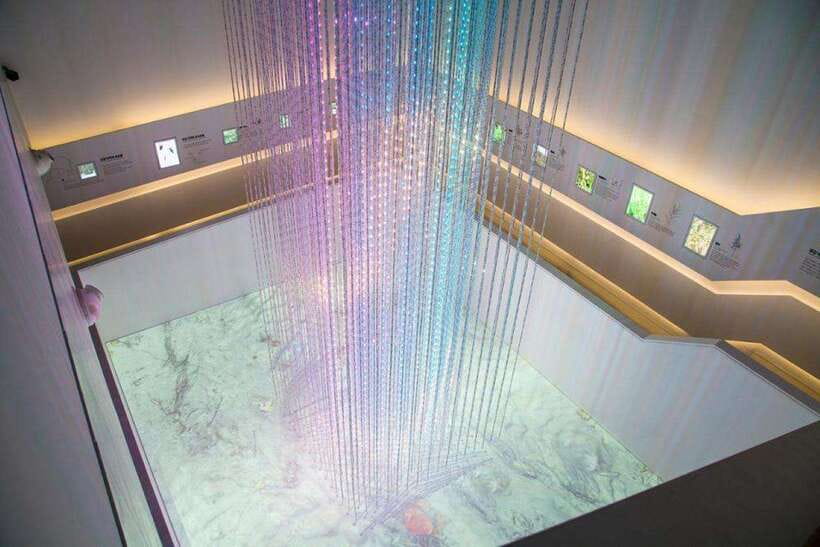
- The exhibition hall puts the Jogang River in context
- Crossing the 112-meter suspension bridge
- Jogang Observatory brings North Korea into focus
- The Starbucks stop is useful, not the whole point
- What $45 buys you
- The guide can shape the whole experience
- Who should book this five-hour visit
- Should you book the Aegibong Starbucks Observatory tour?
- FAQ
- How long does the Aegibong Starbucks Observatory tour last?
- Where can I meet the tour?
- Where does the tour finish?
- Is transportation included?
- Do I need to bring my passport?
- Are food and drinks included?
Key points at a glance
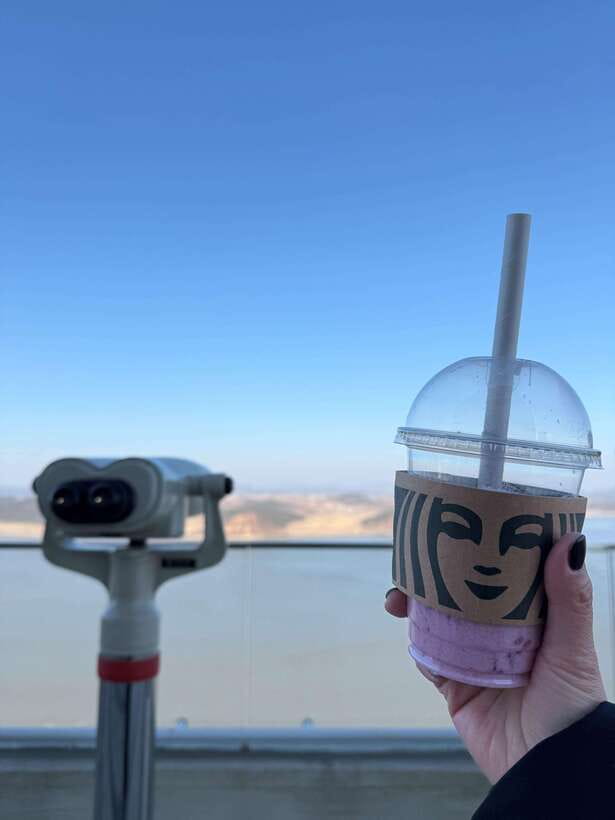
- North Korea at close range: Jogang Observatory looks toward Gaepung-gun from about 1.4 kilometers away.
- A Starbucks with a border view: The cafe sits on the top floor of Aegibong Peace Park’s exhibition hall.
- A 112-meter suspension bridge: Walk between the Themed Gardens and Sky Forest Garden in a peaceful but slightly thrilling setting.
- Useful historical context: Your English-speaking guide explains the Korean War, the river basin, and the divided peninsula.
- A compact Seoul outing: The five-hour trip usually leaves you time for other plans in the afternoon.
- Good transport value: Round-trip travel, the guide, and entrance fees are included in the $45 price.
Why this border trip feels different from a standard DMZ visit
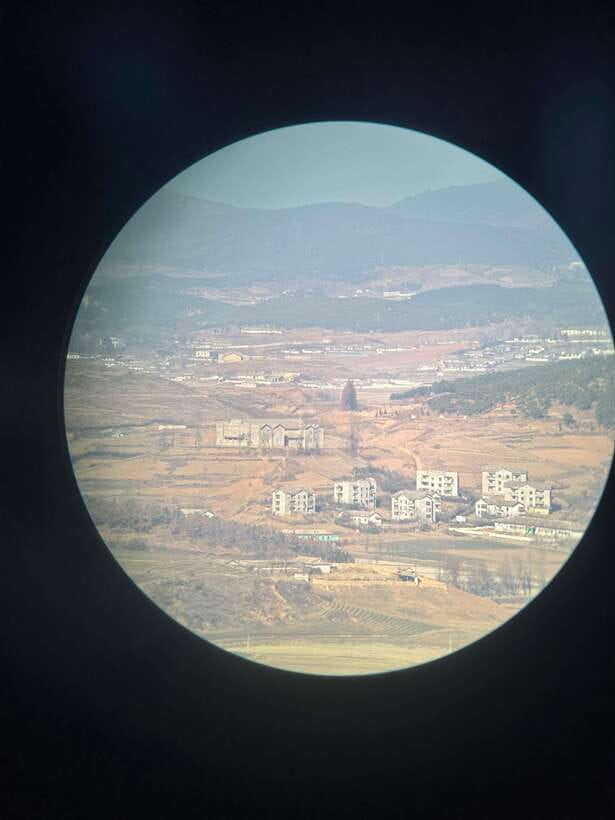
Aegibong Peace Park offers a quieter kind of border experience. You are not visiting a military tunnel or stepping into the Joint Security Area. Instead, you reach a hilltop park in Gimpo, Gyeonggi Province, and look across the Jogang River toward North Korea.
That distinction matters. This is a viewpoint and cultural visit, not a hard-edged military tour. You’ll have time to look, walk, ask questions, and understand how an ordinary river basin became part of one of the world’s most closely watched borders.
The unusual setting helps. You can order a drink at the Starbucks on the exhibition hall’s top floor, then look through the large front window toward the river. It is a modern, familiar cafe experience placed beside a serious historical divide. I find that contrast useful rather than gimmicky, as long as you give the history as much attention as the photo opportunity.
The best part is the scale. North Korea is not a vague line on a distant ridge. At Jogang Observatory, villages and people may be visible across the water when conditions are good. Telescopes are available, so you can inspect the far shore more closely. Cloud, fog, and haze can soften the view, but the site still explains why this river is important.
More ways to reach the DMZ:
- Best DMZ Tour Korea from Seoul (Red Suspension Bridge Optional)
★ 5.0 · 41,422 reviews - DMZ Tour: 3rd Tunnel, Option(Suspension Bridge, Boat) from Seoul
★ 5.0 · 21,373 reviews - DMZ tour south Korea from Seoul (NK experience hall, defector)
★ 5.0 · 20,599 reviews
Leaving Seoul from a central meeting point
You can choose among three starting locations when booking: Myeong-dong, Hongik Univ. Station Exit 3, and The Plaza Seoul, Autograph Collection. The tour finishes at Hongik University Station Exit 4, so check your selected meeting point carefully before you set out.
The pickup details matter more than usual because this is a half-day trip with a fixed schedule. A message the day before has helped some visitors confirm the meeting point and receive reminders. I would still arrive early, especially if you choose a busy central Seoul location.
Round-trip transport is included, along with your guide and all entrance fees. Food and drinks are not included, so Starbucks purchases are extra. Several guides have been praised for arranging a smooth departure, and the vehicle has been described as a comfortable air-conditioned minibus or Mercedes bus. That makes a real difference on the drive out of Seoul and back.
The trip takes five hours in total. That is long enough to reach the park without making the border visit consume your entire day. One of the strongest practical advantages is the chance to return around early afternoon, leaving room for a museum, shopping, or dinner plans later.
Aegibong Peace Park and its layered past
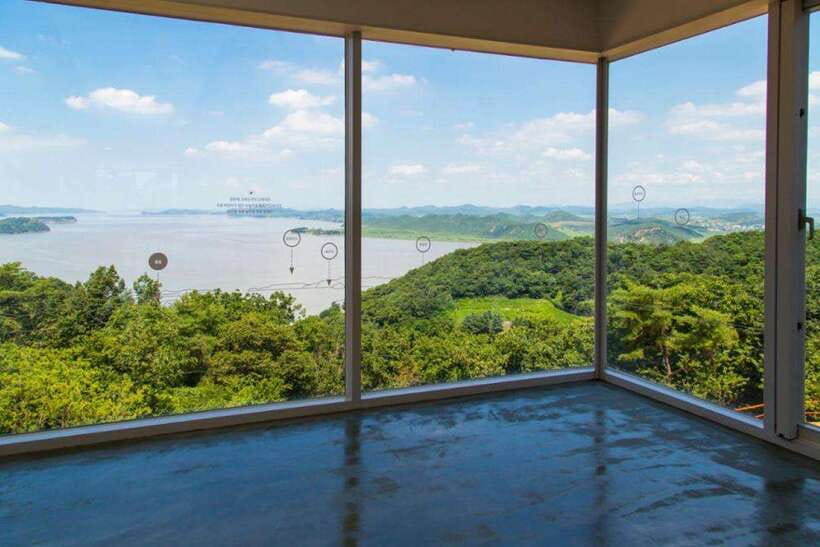
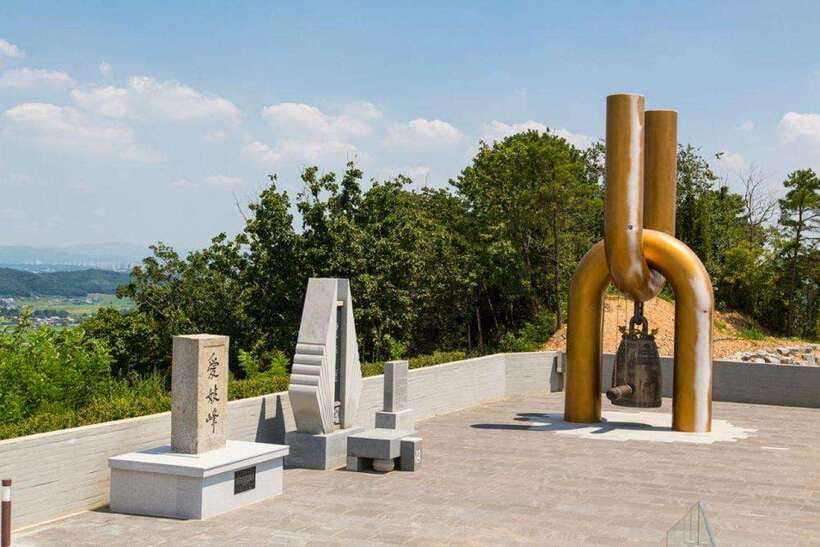
Aegibong Peace Park sits on Hill 154 near the boundary of Gageum-ri and Jogang-ri in Gimpo. The hill was once called Ssukgatmeori Mountain because its shape resembles a daisy crown. Its present name carries a much sadder story, tied to the tale of a governor of Pyeongan Province and a girl named Aegi during the Qing invasion of Joseon.
The park also held military importance during the Korean War. That combination of local legend, wartime memory, and present-day border geography gives the visit more depth than a simple scenic stop.
Your time here is listed at about 1.5 hours. That should give you room for a guided introduction, the exhibition spaces, a walk through the gardens, the suspension bridge, and a drink or snack if you choose to buy one. You are not simply taken to a railing, shown a direction, and rushed back to the bus.
The park mixes art, traditional references, and open views. The design encourages you to move between indoor displays and outdoor areas. I like this arrangement because the river and the distant shore can otherwise feel abstract. A display, a story, or a garden path gives you a way to connect the view with Korean history and culture.
The exhibition hall puts the Jogang River in context
The exhibition hall is an important stop, particularly on a cloudy day. From the large front window, you can look toward the Jogang River area without standing outdoors the whole time. Videos related to the river help explain the area and give you something useful to see when haze limits the distant view.
The Jogang River lies downstream of the Han River, where the Imjin, Han, and Yeseonggang Rivers meet before flowing into the West Sea. Its name refers to a great or grandfather river because the water appears as broad as the sea.
Before the Korean War, roughly 100 households lived in the area. After the 1953 ceasefire agreement designated the estuary as Neutral Waters, those residents lost their homes and were scattered. The river basin then became a place few people visited for decades. That lack of access allowed a varied ecosystem to develop, including endangered and protected species.
This is a useful reminder that the border is not only a political line. It is also a river system, a former home, a wildlife area, and a place shaped by displacement. A good guide can help you connect those pieces. Guides including Gogo, Eva, Alice, Lina, and Diana have been praised for explaining the Korean War and present-day conditions in plain, understandable English.
A completely different kind of day, same trip:
- DMZ Insider Tour: 3rd Tunnel, NK Defector Meet & Red Bridge
★ 4.9 · 15,214 reviews - Seoul: DMZ Tour with Optional Suspension Bridge
★ 4.8 · 5,277 reviews - Signature DMZ Tour: Exclusive Defector Talk & Suspension Bridge
★ 5.0 · 4,459 reviews - Thrilling Korean DMZ 3rd Tunnel Tour from Seoul + Red Bridge Rush
★ 5.0 · 3,097 reviews
Crossing the 112-meter suspension bridge
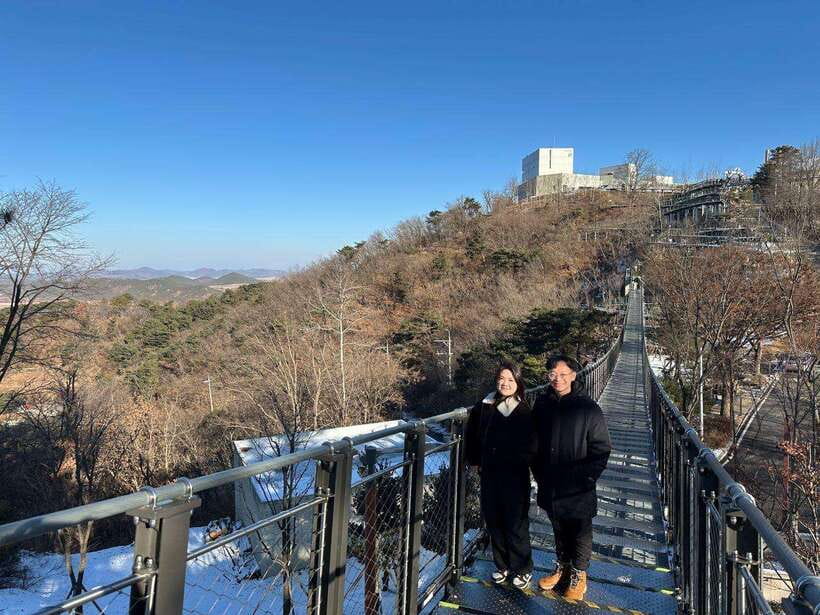
The suspension bridge links the Themed Gardens with the Sky Forest Garden. At 112 meters, it is long enough to add a little excitement without taking over the visit.
The bridge is one of the tour’s more active moments. You’ll feel movement underfoot, enjoy open views, and get a different angle on the park. It is a pleasant contrast to the indoor exhibition hall and observation windows. If you dislike bridges or heights, this may be the part you approach most cautiously.
The setting is deliberately peaceful. That calm can feel striking beside the military history of Aegibong. The bridge does not offer the main North Korea view, but it gives the outing a sense of place and keeps the experience from becoming a series of indoor explanations.
Wear shoes suited to walking. The tour includes the park, gardens, bridge, and observatory, so you should expect to be on your feet for part of the 1.5-hour visit. The provided information does not describe a detailed accessibility plan, so anyone with mobility concerns should confirm conditions before booking.
Jogang Observatory brings North Korea into focus
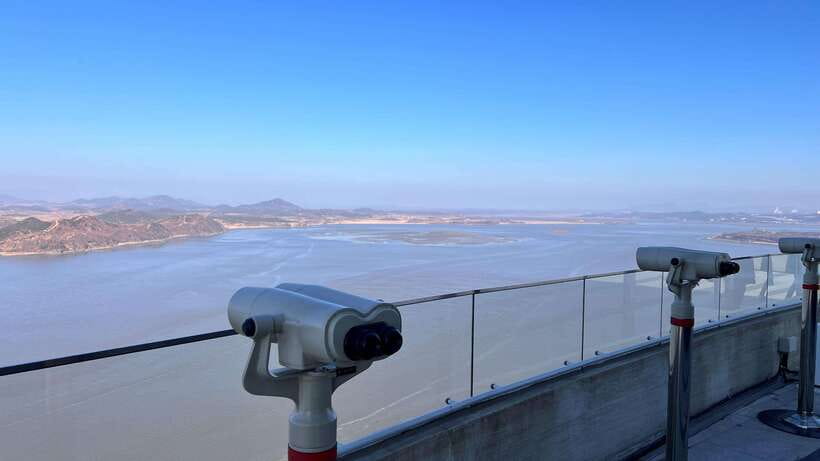
Jogang Observatory is the emotional center of the trip. It is an outdoor viewing area described as the closest observatory to the North Korean side, with Gaepung-gun about 1.4 kilometers away.
On a clear day, telescopes can help you pick out villages and movement across the river. Some visitors have been able to see people walking on the North Korean side. That kind of detail can make the political divide feel immediate, though you should not expect a guaranteed clear view on every departure.
Weather is the main variable. Cloud and fog may obscure the far shore, and even a bright day can produce haze. Several accounts still describe the site as worthwhile in poor conditions because the location and the explanations retain their value. I would book this for the history and setting first, with the sharp North Korea view as a bonus.
Your visit to the observatory lasts about 1.5 hours as part of the Aegibong stop. That is generous for a viewpoint. You should have time for a quick guided explanation, independent looking, photographs, and the cafe. The schedule does not force you to choose between understanding the site and taking pictures.
Bring your passport. It is specifically required for this activity, and you should not treat it as optional simply because you are visiting a park rather than crossing a border.
The Starbucks stop is useful, not the whole point
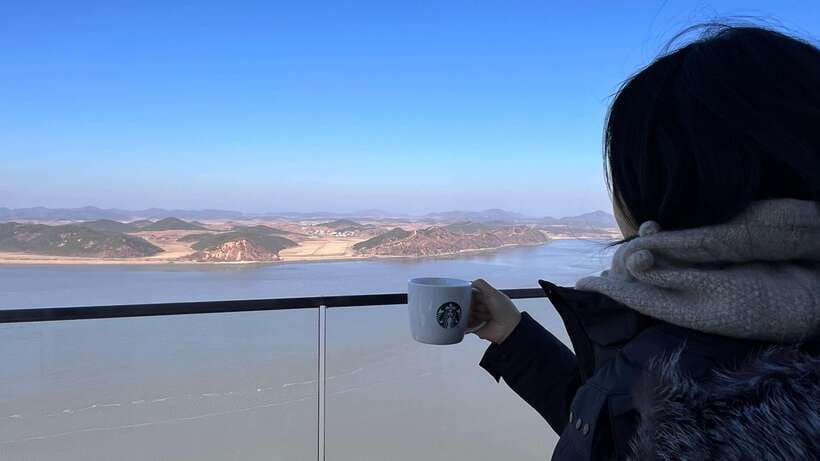
The Starbucks cafe on the top floor is the feature that will attract many people to this tour. It is the closest Starbucks to the DMZ area with a view toward North Korea, and the large window makes it easy to combine a coffee break with sightseeing.
You pay separately for food and drinks. That is worth remembering when comparing the $45 tour price. Still, the cafe adds practical comfort, especially if you want a warm drink or a quick bite during the visit. It also gives you an indoor viewing option when the weather turns cold or wet.
I would not book this experience solely for a coffee photograph. The cafe is memorable because of its location, but the exhibition hall, river story, observatory, and guide’s explanation give the place meaning. The strongest day combines all of those elements.
What $45 buys you
At $45 per person, the price is reasonable for a five-hour organized trip from Seoul. You are paying for round-trip transport, a live English-speaking guide, and every entrance fee. You also avoid arranging separate transport to a border-area park, which can be awkward for a short half-day visit.
The value is especially good if you want a focused introduction rather than a full-day DMZ program. A full-day tour may include more military-related sites, but it also takes more time and can feel more structured. Aegibong is a sensible alternative if you have already visited the better-known DMZ area near Paju or want a shorter first visit.
Food and drinks are extra, and the tour does not promise a meal. Plan to eat before departure or use the cafe during your free time. If you are expecting a military briefing, tunnels, or access to the Joint Security Area, this is not the right product.
The transport has received particularly strong praise. Comfortable vehicles, air conditioning, on-time departures, and helpful drivers such as Mike, Tom, and Charlie have all contributed to a low-stress day. A family with children also found the driver helpful with a baby car seat and stroller, though that does not replace checking your own transport needs in advance.
The guide can shape the whole experience
The historical explanation is one of the main reasons to choose an organized tour. The views are available once you reach the park, but a guide can explain why the Jogang River matters, how the Korean War changed the area, and what you are seeing across the water.
The guide names most often praised include Eva, Hana, Crystal, Gogo, Yuna, Alice, Lina, Diana, and Juno. Their strengths are consistent: clear English, useful facts, friendly conversation, help with photographs, and practical suggestions for places to eat or visit in Seoul.
Some guides have used stories about education in North Korea, divided families, wartime events, and the present border situation to make the setting easier to understand. The best explanations give you enough context without turning a five-hour outing into a lecture.
The operator is VIP Travel, and the activity is conducted in English. If you have questions about the Korean War or current border conditions, this is a good setting to ask them. Keep in mind that the exact guide and vehicle are not guaranteed in advance.
Who should book this five-hour visit
I would recommend this tour to you if you want:
- A close view toward North Korea without giving up a full day in Seoul
- A calm mix of history, scenery, and light walking
- A comfortable bus ride with entrance fees handled for you
- A cafe stop with an unusual view
- A second border-area visit after seeing the more familiar Paju DMZ sites
- A guided explanation in English rather than a self-guided lookout
Families can find the shorter schedule manageable, especially with the bridge, gardens, and cafe adding variety. Couples and solo visitors who enjoy unusual viewpoints should also find enough free time for photographs and quiet observation.
I would hesitate if your main goal is a highly restricted military-zone experience. Aegibong Peace Park is close to North Korea, but the emphasis is on observation, ecology, culture, and history. Also think twice if you need a guaranteed panoramic view. No tour can control fog and cloud.
Free cancellation up to 24 hours before departure and reserve-now, pay-later booking make the plan easier to fit around changing Seoul schedules. Check the starting time and meeting point when you book, and keep your passport with you.
Should you book the Aegibong Starbucks Observatory tour?
Book it if you want a compact and well-supported border experience with a strong view, an unusual cafe stop, and enough historical context to understand what you are seeing. The $45 cost makes sense because transport, guiding, and entry are included, and the five-hour format protects the rest of your day.
Do not book it expecting a military tour or a guaranteed clear look at North Korea. The real appeal is the combination: a river shaped by war, a peaceful park, a 112-meter bridge, an observatory just 1.4 kilometers from the North Korean side, and a Starbucks window where modern Seoul meets a divided peninsula. For many visitors, that contrast is exactly what makes Aegibong worth the trip.
FAQ
How long does the Aegibong Starbucks Observatory tour last?
The activity lasts five hours, including round-trip transportation from Seoul and the visit to Aegibong Peace Park and Jogang Observatory.
Where can I meet the tour?
The available starting locations are Myeong-dong, Hongik Univ. Station Exit 3, and The Plaza Seoul, Autograph Collection. Your exact meeting point depends on the option you book.
Where does the tour finish?
The tour finishes at Hongik University Station Exit 4.
Is transportation included?
Yes. Round-trip transportation, a live English-speaking guide, and all entrance fees are included.
Do I need to bring my passport?
Yes. A passport is listed as required for this activity, so bring it with you.
Are food and drinks included?
No. Food and drinks are not included. You can purchase items separately at the Starbucks cafe at Aegibong Peace Park.
Just added around Seoul
- Incheon Airport Private Transfer between Seoul City★ 4.0 · 4 reviews
- Seoul’s Stars: Open Mic with Local & International Talent★ 4.8 · 4 reviews
- Samaksan Cable Car and Nami Island Day Escape with Railbike★ 4.0 · 4 reviews
- DMZ 2nd Tunnel and Cheorwon Peace Observatory with Admission★ 5.0 · 4 reviews
- Nami & Maple Road & Theatre des Lumieres Day Tour from Seoul★ 4.8 · 4 reviews
- Hire Photographer, Professional Photo Shoot – Seoul★ 5.0 · 4 reviews
- [KoreaByLocal] Authentic Seoul Night Walk and Chicken & Beer★ 5.0 · 4 reviews
- Play Gayageum in Hanbok Cultural Experience in Bukchon★ 5.0 · 4 reviews
DMZ & JSA Tours, compared.
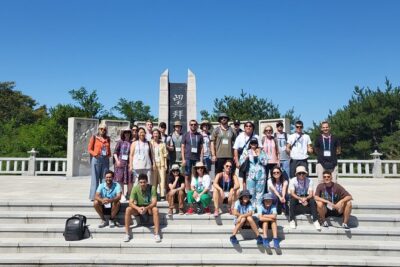
Best DMZ Tour Korea from Seoul (Red Suspension Bridge Optional)
Read our review →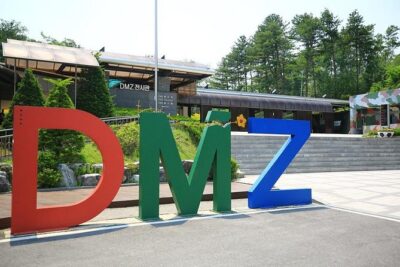
DMZ Tour: 3rd Tunnel, Option(Suspension Bridge, Boat) from Seoul
Read our review →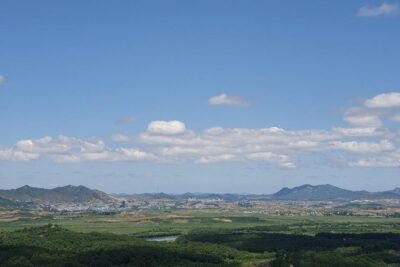
DMZ tour south Korea from Seoul (NK experience hall, defector)
Read our review →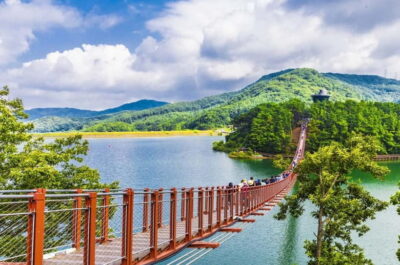
DMZ Insider Tour: 3rd Tunnel, NK Defector Meet & Red Bridge
Read our review →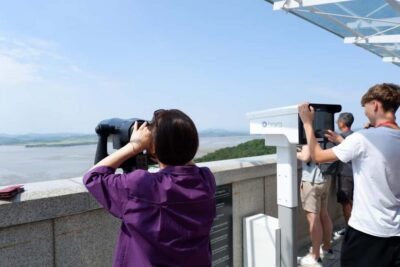
Thrilling Korean DMZ 3rd Tunnel Tour from Seoul + Red Bridge Rush
Read our review →
DMZ Past and Present: Korean Demilitarized Zone Tour from Seoul
Read our review →
Ultimate Korea DMZ Tour from Seoul (Gondola & Suspension Bridge)
Read our review →Browse the lists this tour appears in