
Reviewed · DMZ & JSA TOURS
DMZ Tour Seoul to North Korea’s 3rd Tunnel & Majang Lake Crossing
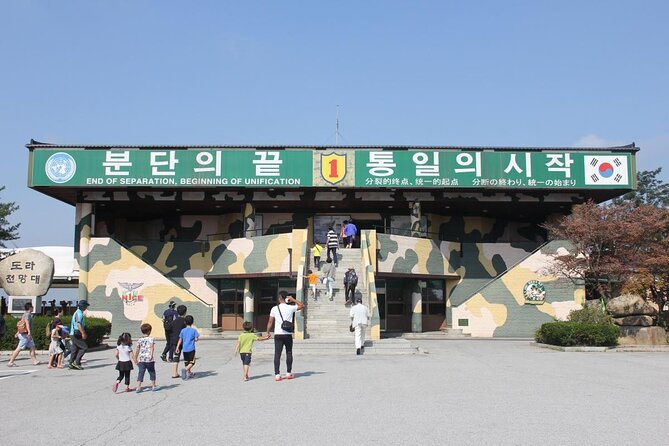
The most striking part of this day is the sudden change from Seoul’s busy streets to a tightly controlled border zone where the Korean War is still an unfinished story. You’ll walk through the Third Tunnel, look toward North Korea from Dora Observatory, and visit memorials built by families separated from their northern homes.
I like the way the tour mixes serious history with real places: the scarred steam locomotive, the Bridge of Freedom, and Mangbaedan’s memorial altar give the subject a human face. I also like the guide-led pacing, with guides such as Nancy, Alex, Kelly, Crystal, Moon, and Hana adding personal stories and practical help. The main drawback is the size of the operation, with groups of up to 150 people and a full schedule that can feel rushed when military activity changes access.
In This Review
- Key points before you book
- Why this Seoul DMZ tour matters
- Meeting your bus in Seoul
- Imjingak Park and the Bridge of Freedom
- Military checkpoints and the Imjin River
- Walking into the Third Tunnel
- Dora Observatory and the view into North Korea
- Tongilchon and the everyday side of the border
- The optional Majang Lake crossing
- What the guides add to the day
- Pace, stamina, and changing access
- Is this DMZ tour good value?
- Should you book this Seoul DMZ day trip?
- FAQ
- How long does the tour last?
- What languages are available?
- Where can I meet the tour bus in Seoul?
- Is hotel pickup included?
- Do I need to bring my passport?
- Is Majang Lake included in the $35 price?
- Is lunch included?
Key points before you book
- The Third Tunnel is the physical highlight: Expect a long, sloping walk underground, low ceilings, and plenty of stairs.
- Dora Observatory offers a direct view north: Telescopes let you look across the border toward North Korea when weather and access allow.
- Imjingak Park gives the tour its human meaning: Memorials here honor families separated by the Korean War.
- Majang Lake is optional: The 262-meter suspension bridge is not part of the basic DMZ-only package unless selected at checkout.
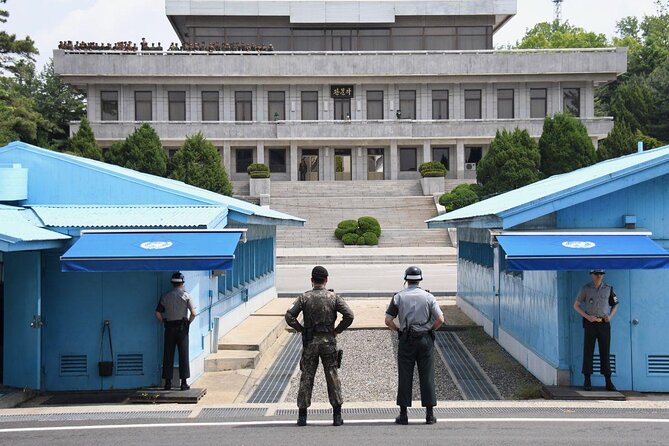
- Your passport matters: Soldiers inspect identification at Unification Bridge, so bring your passport or another accepted ID.
- The guides make a difference: Nancy, Alex, Kelly, Crystal, Moon, and Hana are among the guides praised for clear explanations, energy, and personal stories.
Why this Seoul DMZ tour matters
The Korean Demilitarized Zone is not simply a photo stop at a national border. It is a 4-kilometer-wide buffer created by the 1953 armistice that ended active fighting in the Korean War, though it did not create a formal peace treaty. The zone cuts across the peninsula, separating families, villages, rail lines, and memories.
This tour helps you grasp that division through several different lenses. At Imjingak, you see public memorials and symbols of reunification. At the tunnel, you confront the military danger beneath the ground. At Dora Observatory, the story becomes visual as you peer across fields and hills toward North Korea.
That range is the tour’s real strength. You are not left with only a museum lecture or a quick border photograph. The day gives you places to walk, objects to see, and time to ask questions.
The price is listed at $35 per person, which is low for an eight-hour excursion that includes transport from Seoul, a professional English or Chinese guide, and entry to the main DMZ sites. Optional attractions cost extra when selected. Lunch is not included, and you pay separately for food and purchases at stops such as Tongilchon.
More ways to reach the DMZ:
- Best DMZ Tour Korea from Seoul (Red Suspension Bridge Optional)
★ 5.0 · 41,422 reviews - DMZ Tour: 3rd Tunnel, Option(Suspension Bridge, Boat) from Seoul
★ 5.0 · 21,373 reviews - DMZ tour south Korea from Seoul (NK experience hall, defector)
★ 5.0 · 20,599 reviews
Meeting your bus in Seoul
The tour uses several central meeting points: Myeongdong Subway Station Exit 9, Seoul City Hall Subway Station Exit 6, and Hongdae Subway Station Exit 3. You should arrive 10 to 15 minutes early, especially at the first or final meeting stop.
The pickup plan is useful if your hotel is near a main subway station or in central Seoul. The operator also describes complimentary hotel pickup from a main subway station near your hotel or from the downtown area. Drop-off is different: hotel return is not included, and you get off at Myeongdong, Hongik University Station, or City Hall.
The morning can involve several short pickup stops before the bus heads north. That is normal for a citywide group tour, but it means you should not treat the advertised eight hours as eight uninterrupted hours at the DMZ.
A comfortable coach is provided, and the tour is conducted in English or Chinese. The group limit can reach 150 people, so this is not a quiet private outing. It is best suited to you if you value convenience and a guide’s running explanation more than a small-group feel.
Imjingak Park and the Bridge of Freedom
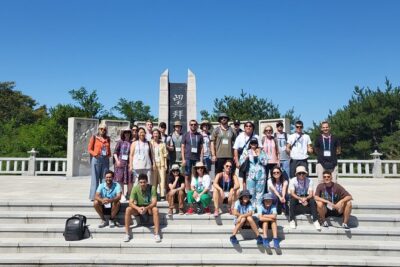
The first major stop is Imjingak Resort, usually called Imjingak Park. Established in 1972, it honors people separated from relatives in North Korea. The park is filled with reminders that the division is not just a line on a map.
You may see the Bell Tower, the 21-ton Peace Bell, and the Mangbaedan Memorial Altar. Mangbaedan was built in 1987 for families who cannot visit ancestral graves or relatives north of the border. During traditional holidays, people gather there to honor family members they may never see again.
The Bridge of Freedom brings the history closer to eye level. This wooden crossing replaced a destroyed railroad bridge and became the route used by 12,773 prisoners of war returning to South Korea in 1953. Its name sounds grand, but the bridge itself is humble. That contrast makes it memorable.
Allow yourself time to look beyond the standard photographs. The memorials, flags, and messages at Imjingak can feel symbolic and heavily arranged, yet the family separation behind them is painfully concrete. Your guide can help connect the displays to the wider Korean War story.
There is also an optional Paju Imjingak Peace Gondola. It crosses above the Imjin River and gives you a broad view of the edge of the restricted zone. The ride lasts about an hour, and it may appeal to you if you want scenery and a less strenuous break. If you skip it, Imjingak Park still has enough memorials and historic objects to fill your free time.
Military checkpoints and the Imjin River
The bus makes a short stop at the Imjingak Tourist Information Center while the guide collects entrance clearance and tickets for the civilian-controlled area. This process explains why the DMZ is different from an ordinary sightseeing district. Access depends on military rules, and the schedule can change.
At Unification Bridge, soldiers inspect the bus and check identification before allowing it farther into the controlled area. Bring your passport, Military ID Card, or a South Korea-issued identification document as required by the tour. Without the correct document, you risk wasting time or being unable to continue.
The bus also crosses the Imjin River. Look out the window here. The river corridor has had less human disturbance since the armistice, so birds and other wildlife can flourish in areas that are otherwise heavily guarded.
This is one reason the DMZ can feel strangely quiet. Military tension and protected nature exist side by side. The tour does not turn the zone into a wildlife trip, but the river crossing adds another layer to the day.
More suspension bridge walks:
- Seoul: DMZ Tour with Optional Suspension Bridge
★ 4.8 · 5,277 reviews - Signature DMZ Tour: Exclusive Defector Talk & Suspension Bridge
★ 5.0 · 4,459 reviews - Ultimate Korea DMZ Tour from Seoul (Gondola & Suspension Bridge)
★ 5.0 · 2,396 reviews - DMZ; NK Defector, 3rd Tunnel, Suspension Bridge,Hotel pickup
★ 4.9 · 2,055 reviews
Walking into the Third Tunnel
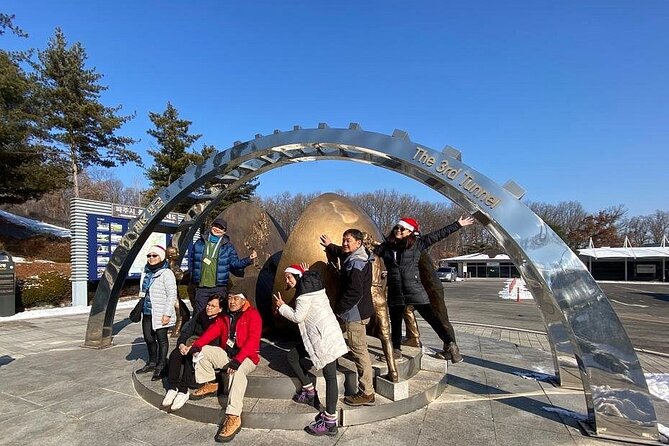
The Third Tunnel of Aggression is the day’s most physical stop. Discovered in 1978, it is one of four tunnels found beneath the border. It runs for 1,635 meters and sits about 52 kilometers from Seoul, according to the tour information.
You walk down into the tunnel and then back up again. The passage is low, sloped, and demanding enough that you should take the footwear warning seriously. A hard hat is provided, and you should fasten it securely. Anyone taller than about six feet may find the ceiling an ongoing nuisance.
The tunnel’s physical design helps explain its military purpose. It was built in secret and aimed toward South Korea, though the exact history and claims surrounding the tunnels are presented through the South Korean security perspective. A good guide should give you that context without reducing the stop to a simple good-versus-evil story.
The visit is scheduled for about an hour, but that includes orientation and movement, not an hour of easy walking underground. The low ceiling can make the return climb tiring, particularly on a hot or humid day. Reviews of the tour repeatedly point to the need for comfortable clothing, a jacket in cooler weather, and reasonable stamina.
You should also know that photography rules can apply in military areas. Follow your guide’s instructions rather than treating every section as an ordinary attraction.
Dora Observatory and the view into North Korea
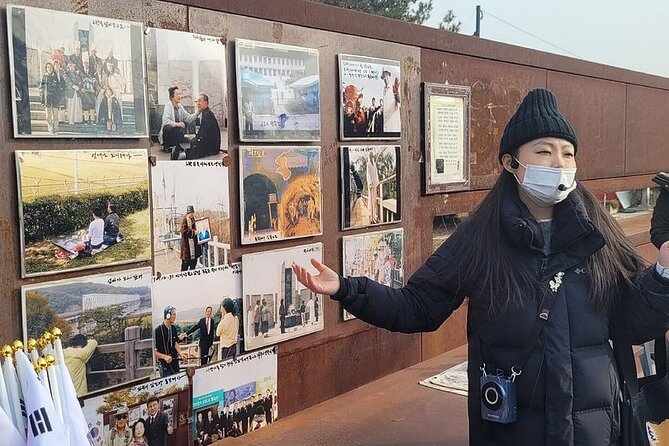
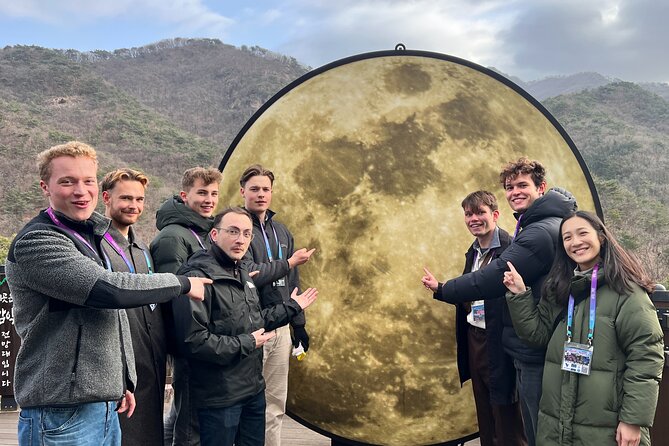
Dora Observatory is the emotional high point for many people. From this elevated position on Dorasan, you can use telescopes to look toward North Korea. On a clear day, you may see fields, hills, and parts of the northern side of the border.
Do not expect a dramatic wall or a city skyline. The view is often subtle. The power of the place comes from knowing that the seemingly ordinary countryside ahead belongs to a country you cannot enter from here.
The observatory was established in 1986 and renovated in 2018. Your guide explains what you are seeing and helps you orient yourself. The amount of time is about 40 minutes, enough for the telescope, photographs, and a short explanation, but not enough for long, quiet contemplation if the group is large.
Weather matters. Fog can hide the view entirely. The tour may reverse the order of stops when conditions are poor, allowing the observatory visit to happen after the air clears. That flexibility is useful, though it also means your exact sequence may differ from the advertised plan.
There is a small opportunity to buy North Korean products at the observatory area. Treat this as a curiosity rather than a central reason to come. The main value is the viewpoint and the guide’s explanation of the border.
Tongilchon and the everyday side of the border
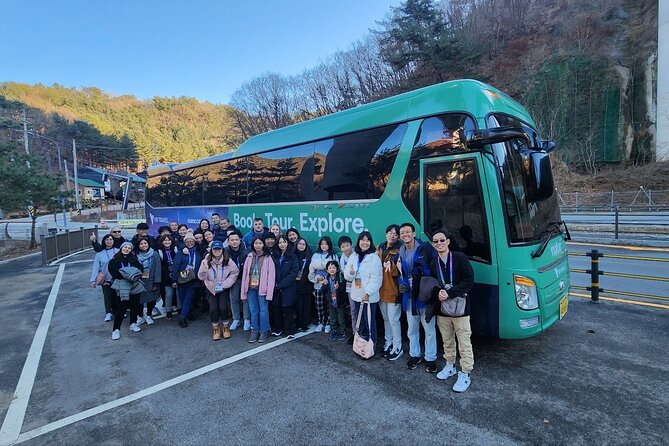
Tongilchon-gil takes you to Tongilchon Jangdankong Maeul, a village near the Civilian Control Line. The village is associated with Jangdan soybeans grown in soil near the DMZ. You may find soybean products and local food here, giving the day a modest connection to present-day rural life.
This stop can feel less dramatic than the tunnel or observatory, but it keeps the tour from becoming a string of military monuments. You see how nearby communities use the region’s identity in ordinary ways.
Lunch is not included in the $35 price. One tour version may include time for food in Freedom Village, but you should confirm the package you select and budget separately. The schedule may leave only a short period for lunch, facilities, the shop, and the village grounds, so do not count on a leisurely meal.
The optional Majang Lake crossing
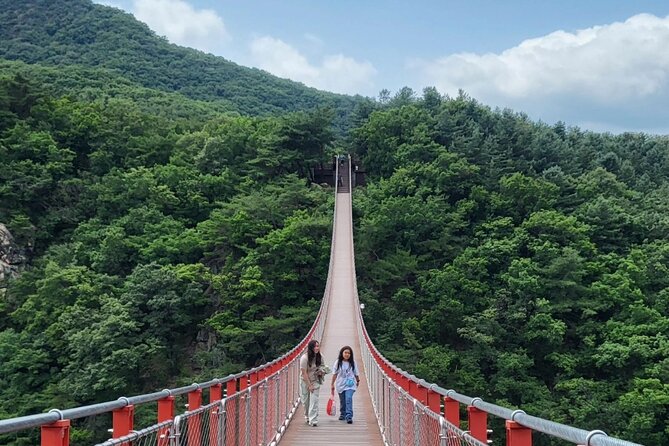
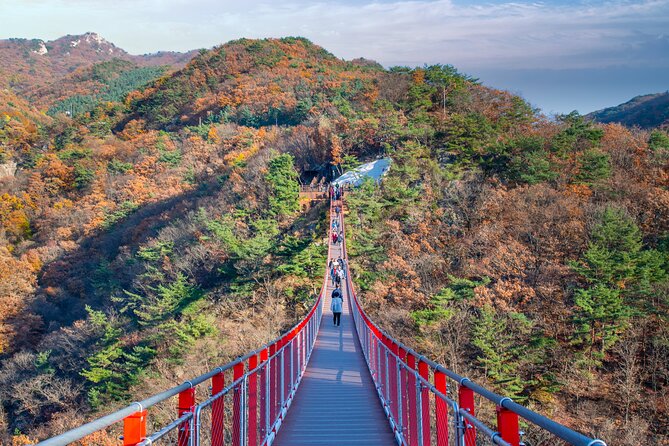
The tour title highlights Majang Lake, but this is an optional add-on. Select it during checkout if you want to include the 262-meter Majang Reservoir Suspension Bridge, which opened in 2020 and hangs about 25 meters above the water.
After several hours of war history, checkpoints, and underground walking, the bridge offers a lighter finish. You get open views over the reservoir and a chance to stretch your legs in a more recreational setting.
The crossing is not the same experience as the DMZ itself. If your main reason for booking is North Korean history, you can skip it and keep more energy for Imjingak, the tunnel, and Dora Observatory. If you enjoy scenic walks and want a change of mood at the end, it adds good variety.
There is also an optional Gamaksan Red Suspension Bridge, and strawberry picking may be offered as another selected option. These extras are not included in the basic DMZ-only package. Check the option at checkout rather than assuming the title includes every attraction.
What the guides add to the day
The tour’s strongest human element is its guiding. Nancy is repeatedly singled out for her energy, organization, clear directions, and ability to keep the day cheerful without making the subject feel trivial. Alex is praised for personal stories about his connection to Korean history, along with clear explanations and help taking photographs.
Kelly is described as personable and good at maintaining a steady pace. Crystal receives praise for detailed Korean history explanations, while Moon is noted for warmth, patience, and willingness to answer questions. Hana, Lina, Emily, K, Ray, Gogo, and others are also named as guides who bring different styles to the day.
Your actual guide depends on the departure. That means you should not book expecting one particular person unless the operator confirms it. Still, the pattern is clear: the guide is important here because military access, changing conditions, and a packed schedule require firm instructions.
The best guides do more than recite dates. They explain how the Korean War shaped families, villages, and modern politics. They also tell you where to meet the bus, how to use your free time, and what to expect at the next checkpoint. That practical guidance matters when the group is large.
Pace, stamina, and changing access
This is an action-packed day, not a relaxed country outing. You will walk through the Third Tunnel, manage inclines and stairs, move between bus and checkpoint areas, and spend much of the day on a fixed schedule.
Most people who can manage ordinary walking can participate, but the tunnel requires extra effort. Wear comfortable shoes and bring a jacket, since temperatures underground and at exposed viewpoints may differ. Hot, humid weather can make the physical parts harder.
Military exercises or early closures can shorten time inside the DMZ. The operator may reverse the order or adjust the schedule so the group can still visit the main sites. That is a sensible response, but it means you need to accept some uncertainty.
A large group also brings practical limits. You may wait for people to gather, and free time at a stop can disappear quickly if the bus is ready to move. Stay close to your guide and listen carefully to meeting instructions.
Is this DMZ tour good value?
At $35, the basic tour is strong value if you want transport, access arrangements, a guide, and the major DMZ sights in one day. Booking the sites independently would be less straightforward because of the civilian control line and identification checks.
The low price comes with trade-offs. You share the coach with a potentially large group, lunch is extra, hotel drop-off is not provided, and optional bridges or strawberry picking cost more. The schedule also favors coverage over lingering.
I would compare the options based on your priorities:
- Choose the basic package if the Third Tunnel, Imjingak, and Dora Observatory are your main goals.
- Add Majang Lake if you want a scenic bridge and a softer ending.
- Add Gamaksan Red Suspension Bridge if that specific attraction matters to you.
- Keep extra money for lunch and any local products at Tongilchon or the observatory.
Free cancellation is available up to 24 hours before the start time. Changes or cancellations inside that window are not accepted for a refund.
Should you book this Seoul DMZ day trip?
Book it if you want the major DMZ sights without arranging transport and military access yourself. It suits first-time visitors to Seoul, history-minded people, and anyone who wants a guide to explain the meaning behind the monuments rather than simply point at them.
It is especially useful if you value a full day with several different stops. The Bridge of Freedom gives you wartime context, the Third Tunnel adds physical drama, Dora Observatory provides the direct view north, and Imjingak connects the story to separated families.
Think twice if you dislike large groups, strict schedules, long coach transfers, or walking underground. Also check the package carefully if Majang Lake is essential, since the bridge is optional and not part of the basic DMZ-only fare.
For most visitors with a free day in Seoul, I would book the basic DMZ tour and add Majang Lake only if you want the extra walk. Bring your passport, wear sturdy shoes, arrive early, and leave room for the border to set the pace.
FAQ
How long does the tour last?
The tour lasts approximately eight hours, including the Seoul meeting points, transport, DMZ visits, and return drop-off.
What languages are available?
The tour provides a professional English or Chinese-speaking guide.
Where can I meet the tour bus in Seoul?
Meeting points include Myeongdong Subway Station Exit 9, Seoul City Hall Subway Station Exit 6, and Hongdae Subway Station Exit 3.
Is hotel pickup included?
Complimentary pickup is available from a main subway station near your hotel or from the downtown area. Hotel drop-off is not included. Return drop-off is provided at Myeongdong, Hongik University Station, or City Hall.
Do I need to bring my passport?
Yes. At Unification Bridge, soldiers inspect identification. Bring your passport, Military ID Card, or South Korea-issued identification as accepted by the tour.
Is Majang Lake included in the $35 price?
Majang Lake Bridge is optional and must be selected during checkout. The basic DMZ-only package does not include Majang Lake Bridge, Gamaksan Red Suspension Bridge, or strawberry picking.
Is lunch included?
No. Lunch is not included in the tour price. You should budget separately for food and any purchases at the stops.
Just added around Seoul
- Incheon Airport Private Transfer between Seoul City★ 4.0 · 4 reviews
- Seoul’s Stars: Open Mic with Local & International Talent★ 4.8 · 4 reviews
- Samaksan Cable Car and Nami Island Day Escape with Railbike★ 4.0 · 4 reviews
- DMZ 2nd Tunnel and Cheorwon Peace Observatory with Admission★ 5.0 · 4 reviews
- Nami & Maple Road & Theatre des Lumieres Day Tour from Seoul★ 4.8 · 4 reviews
- Hire Photographer, Professional Photo Shoot – Seoul★ 5.0 · 4 reviews
- [KoreaByLocal] Authentic Seoul Night Walk and Chicken & Beer★ 5.0 · 4 reviews
- Play Gayageum in Hanbok Cultural Experience in Bukchon★ 5.0 · 4 reviews
DMZ & JSA Tours, compared.
Best DMZ Tour Korea from Seoul (Red Suspension Bridge Optional)
Read our review →
DMZ Tour: 3rd Tunnel, Option(Suspension Bridge, Boat) from Seoul
Read our review →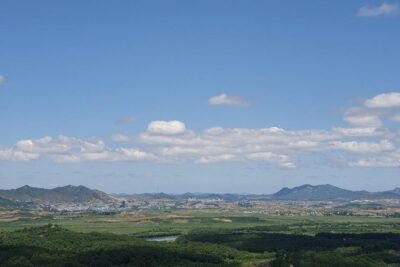
DMZ tour south Korea from Seoul (NK experience hall, defector)
Read our review →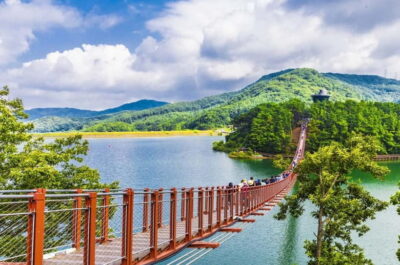
DMZ Insider Tour: 3rd Tunnel, NK Defector Meet & Red Bridge
Read our review →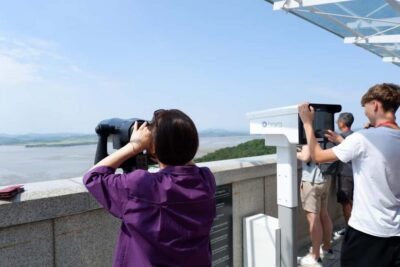
Thrilling Korean DMZ 3rd Tunnel Tour from Seoul + Red Bridge Rush
Read our review →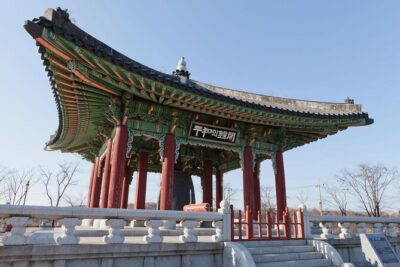
DMZ Past and Present: Korean Demilitarized Zone Tour from Seoul
Read our review →
Ultimate Korea DMZ Tour from Seoul (Gondola & Suspension Bridge)
Read our review →Browse the lists this tour appears in