
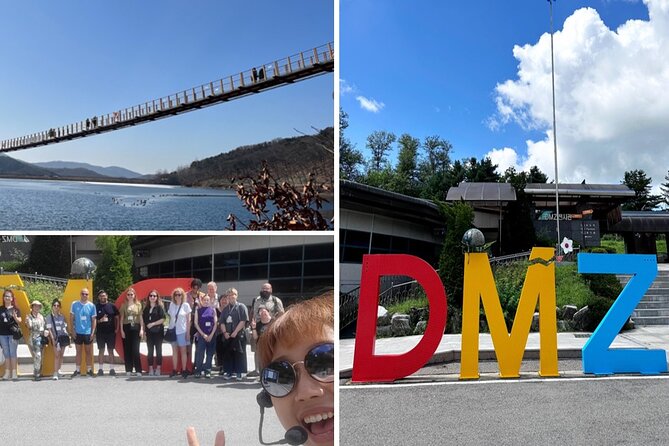
Reviewed · DMZ & JSA TOURS
DMZ Tour (Exclusive offer: NK Defector meet up & Experience Hall)
The most striking part of this day is the Third Infiltration Tunnel, where you walk beneath the border through a steep, narrow passage built by North Korea. The tour also adds a human voice to the political story through its North Korean defector meeting, a valuable feature for anyone who wants more than photographs from an observation post.
I like the no compulsory shopping stop, which leaves more time for the actual subject of the trip. I also like the mix of sites: Freedom Bridge and Imjingak give the conflict a human face, while Dora Observatory and Dorasan Station show how the division still shapes daily life. The main drawback is the fixed military schedule. A stop can be canceled because of military conditions, and there is no refund for that change.
In This Review
- Key points to know before booking
- Why this DMZ day is worth your time
- Imjingak Park and the first look at division
- Freedom Bridge and the story of returning prisoners
- The Third Infiltration Tunnel requires real effort
- Dora Observatory gives you a controlled view north
- Dorasan Station shows the hope of future connection
- The Experience Hall and meeting a North Korean defector
- Guides who keep a complicated day manageable
- Transport, meals, and the true cost
- What can change on the day
- Who should book this DMZ experience?
- Should you book it?
- FAQ
- How long does the DMZ tour last?
- Where does the tour start and finish?
- Is a passport required?
- Is lunch included?
- Is the tunnel tram included?
- Can the itinerary change?
Key points to know before booking
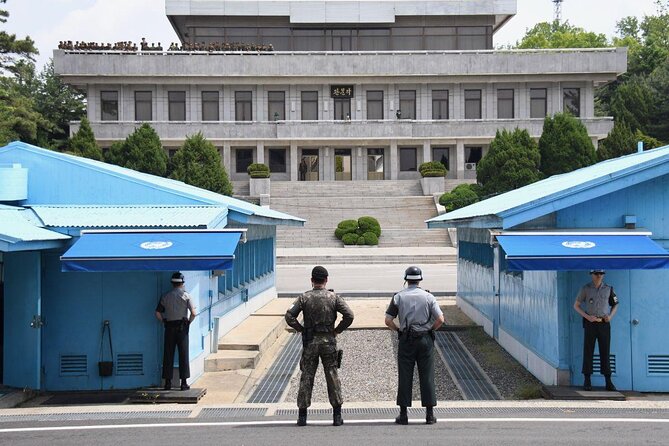
- The tunnel is physically demanding: Expect a steep walk down and back up through a narrow passage. Comfortable shoes are essential.
- The North Korean defector meeting adds personal context: You can hear directly from someone who left North Korea and ask questions.
- The day covers several major DMZ sites: Imjingak Park, Freedom Bridge, the Third Infiltration Tunnel, Dora Observatory, Dorasan Station, and the Experience Hall are included in the planned route.
- Guides are a major part of the experience: Felicity, Katie, Miel, Yeoni, Grace, Laura, and others are praised for clear explanations, friendly energy, patience, and careful timekeeping.
- You meet at City Hall Station: Hotel pickup and drop-off are not included, so allow time to reach the starting point.
- The $35 price is strong value: Transport, admission, and a guide are included, but lunch and the tunnel tram cost extra.
Why this DMZ day is worth your time
The DMZ is not a normal sightseeing stop. It is a heavily controlled border zone shaped by war, military tension, separated families, and decades of uneasy peace. A guided day makes sense here because you cannot simply wander from one site to the next, and the meaning of each stop is easy to miss without context.
This tour gives you about seven hours away from Seoul. That sounds long, but the day is divided into several short visits, coach rides, and explanations from the guide. The pace is active, yet the schedule is designed to cover the main sights without turning the day into one long lecture.
I especially value the balance between official sites and personal testimony. At the observatory, you look toward North Korea through binoculars. At the defector session, you hear about life from someone who experienced it directly. Those are very different forms of learning, and together they make the subject easier to understand.
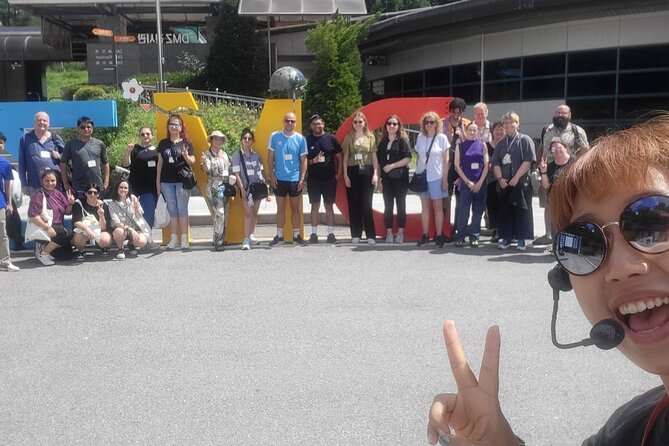
The group can include up to 40 people. That keeps the $35 cost low, though it also means you need to stay alert for meeting times and follow instructions closely. Guides such as Miel, Katie, Felicity, and Yeoni are noted for keeping groups on schedule while still answering questions and allowing people to move at a comfortable pace.
More ways to reach the DMZ:
- Best DMZ Tour Korea from Seoul (Red Suspension Bridge Optional)
★ 5.0 · 41,422 reviews - DMZ Tour: 3rd Tunnel, Option(Suspension Bridge, Boat) from Seoul
★ 5.0 · 21,373 reviews - DMZ tour south Korea from Seoul (NK experience hall, defector)
★ 5.0 · 20,599 reviews
Imjingak Park and the first look at division
The first major stop is Imjingak Park, beside the Imjin River. This is where the tour begins to move from classroom history to physical reminders of the Korean conflict.
You can see artillery and other war artifacts connected with the conflict. The park also carries the emotional weight of families separated by the division of Korea. Even without a long stop, the setting helps explain why the DMZ is not only a military boundary. It is also tied to memory, loss, and hopes for reunification.
Your guide provides the background on the dividing line between North and South Korea during the journey from Seoul. This is useful because the DMZ is often described in simple terms, as if it were just a strip of land between two countries. The commentary helps explain how the border came to exist and why access is controlled.
Imjingak is also a practical first stop. You can stretch your legs after the coach ride, see physical objects from the war, and begin taking in the scale of the area before entering more restricted sites.
Freedom Bridge and the story of returning prisoners
From Imjingak, you continue to Freedom Bridge. Nearly 13,000 Korean prisoners of war crossed here when returning to South Korea after the conflict.
That number gives the bridge its importance, but the place works best when you think about the individual people behind it. A bridge used for returning prisoners becomes a reminder that the division separated ordinary families, not just political systems.
This is one of the stops where a good guide makes a real difference. Guides including Grace, Charles Park, and Sadie are praised for explaining the history clearly and sharing the human side of the story. You are not simply shown a bridge and sent back to the bus. The guide connects it to the wider story of the Korean Peninsula.
Photo rules matter throughout the day. You need to follow the guide’s instructions about where and when photography is allowed. The DMZ is a military zone, so it is wise to treat every sign and direction seriously rather than assuming that a good view is automatically available for pictures.
The Third Infiltration Tunnel requires real effort
The Third Infiltration Tunnel is likely to be the most physically demanding stop. It runs beneath the border area and was built as part of an attempt to move from North Korea toward South Korea. South Korean authorities blocked the actual Military Demarcation Line inside the tunnel.
The route is steep and narrow. You walk down into the tunnel, then make the same climb back up. Several people found the return journey harder than expected, so do not treat this as a casual stroll. The tour information calls for a moderate amount of walking through a steep and narrow passage, and that warning should be taken seriously.
Wear comfortable clothes and sturdy shoes. If you have concerns about steep paths or confined spaces, consider this carefully before booking. The tunnel is included in admission, but a tram is not included. That means you may have to walk the route unless you choose the available tram option and pay separately.
The tunnel is valuable because it makes the military story physical. Maps and dates can feel abstract. A low passage under the ground gives you a direct sense of how unusual and tense the border situation has been.
At the same time, this is not the place to linger at your own pace. The tour has a schedule, and the group must move together. Listen for instructions, keep track of your guide, and leave enough energy for the uphill walk.
A completely different kind of day, same trip:
- DMZ Insider Tour: 3rd Tunnel, NK Defector Meet & Red Bridge
★ 4.9 · 15,214 reviews - Seoul: DMZ Tour with Optional Suspension Bridge
★ 4.8 · 5,277 reviews - Signature DMZ Tour: Exclusive Defector Talk & Suspension Bridge
★ 5.0 · 4,459 reviews - Thrilling Korean DMZ 3rd Tunnel Tour from Seoul + Red Bridge Rush
★ 5.0 · 3,097 reviews
Dora Observatory gives you a controlled view north
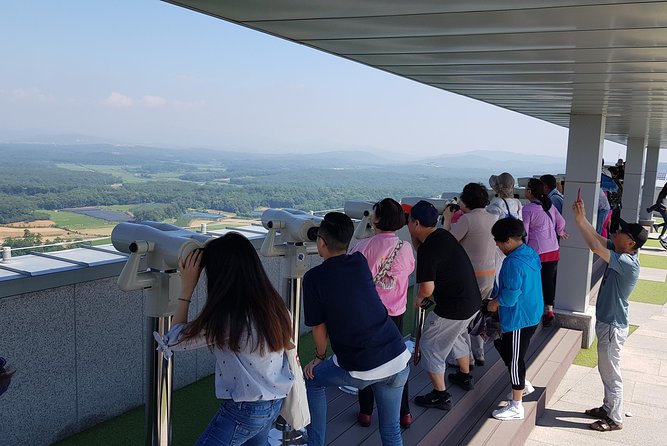
Dora Observatory is the tour’s best chance to look toward North Korea. From here, you use binoculars to examine the view across the border.
The experience is fascinating partly because it is limited. You are not visiting North Korea, and you do not get an unrestricted view. The observation point gives you a carefully controlled look into a country that is physically close yet politically distant.
Weather and visibility will affect what you can see. The stop is still worthwhile because the act of looking across the border makes the division feel immediate. Your guide explains what you are seeing and places the view within the wider story of the two Koreas.
Bring patience to this stop. Groups can be busy, and you may need to wait for a turn with the binoculars. The guide may also give strict instructions about photography. I would focus less on getting the perfect image and more on understanding the unusual setting.
Dorasan Station shows the hope of future connection
Dorasan Station is one of the most symbolic stops on the route. It represents the idea that rail travel could one day connect the two Koreas, even though the political reality remains divided.
The station gives you a different perspective from the tunnel and observatory. Those stops focus on military separation and surveillance. Dorasan points toward transportation, trade, families, and the possibility of connection.
That contrast is important. A DMZ tour can easily become a series of war-related displays. Dorasan Station adds the idea that the border is not only a barrier. It is also a place where people have imagined a different future.
Your guide’s explanation is especially useful here. The site can seem quiet and symbolic without much context. With background, you can see why a railway station in a restricted border area carries such meaning.
The Experience Hall and meeting a North Korean defector
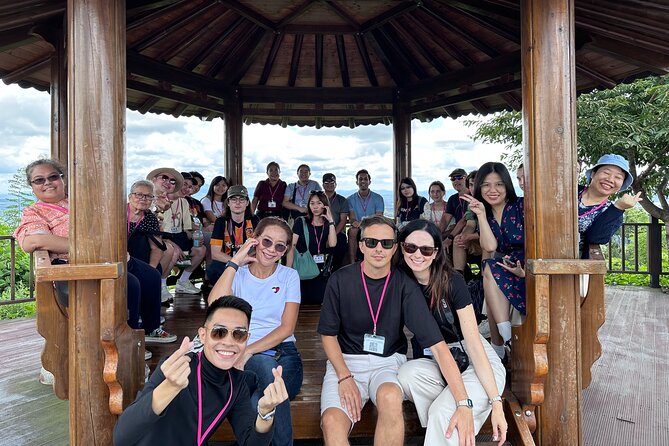
The advertised special feature is the North Korean defector meeting, paired with an Experience Hall. This is the part that gives the day a personal dimension.
You hear directly from a person who left North Korea and have an opportunity to ask questions. That can change the way you understand the country. Statistics and political headlines offer one kind of information. A personal account brings attention to ordinary life, choices, fear, family, and the difficult process of starting again.
Approach the session with respect. It is not a staged comedy or a quick photo opportunity. Listen carefully, ask thoughtful questions, and remember that one person’s experience cannot represent every person in North Korea.
The Experience Hall helps frame the meeting and the wider subject. The precise order of these activities can depend on the day’s schedule, so pay attention to your guide’s instructions.
One practical point matters here: some bookings described by visitors did not include the defector meeting or included a different combination of activities. Since this particular experience is promoted with the defector meet-up, check the exact option you select before paying. The wording of the booking matters, especially if this is the feature you care about most.
Guides who keep a complicated day manageable
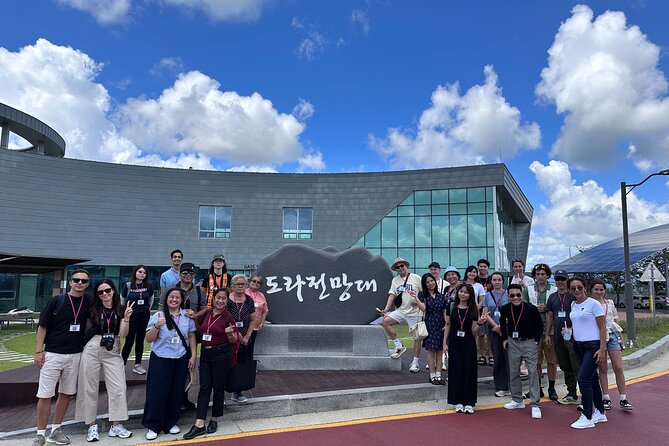
The guide can make or break a DMZ visit. You are moving through military-controlled areas, keeping to a firm schedule, and absorbing difficult historical information. A guide who is clear, organized, and approachable is more useful than one who simply talks nonstop.
The strongest pattern among the named guides is practical care. Felicity is praised for giving clear explanations and setting a comfortable pace. Katie is noted for keeping children engaged, managing the group well, and helping with photographs. Miel receives particular praise for her energy, history explanations, patience, and timekeeping.
Yeoni, Grace, Laura, AJ, Charles Park, Erica, Chloe, Sadie, and Lloyd Shim are also singled out for friendly delivery, clear English, good organization, or strong subject knowledge. That is a wide range of guides, so your exact experience will depend on who leads your departure.
I like that the best guide feedback is not only about historical facts. It also covers small but important details: keeping people informed about pickup, giving instructions clearly, allowing different walking speeds, and avoiding a scolding tone when the group is late or distracted. Those habits matter on a seven-hour trip.
Transport, meals, and the true cost
At $35 per person, this is a good-value way to reach the DMZ from Seoul. The price includes an expert guide, air-conditioned coach transport, and admission fees. For a full day with several controlled-access sites, that removes much of the planning burden.
The price does not include lunch. You should plan for that expense and follow the guide’s instructions about when food can be purchased. The tunnel tram is also extra, and hotel pickup and drop-off are not included.
You meet and return at City Hall Station in Seoul. The location is near public transportation, but you still need to build in enough time to arrive. Missing the bus because of a confusing tour date or arriving late means no refund, so double-check the departure details before the morning of the tour.
A group of up to 40 people keeps the price accessible. If you prefer a private vehicle, a slower pace, or complete control over stops, this is not that kind of outing. If you want an efficient introduction to the DMZ without arranging military-zone transport yourself, the format makes sense.
What can change on the day
The DMZ is not an ordinary attraction, and the schedule is not fully under the tour company’s control. Military conditions or local circumstances can force part of the route to be canceled. In that case, there is no refund.
This is the main uncertainty to accept. A site may close, access may change, or instructions may be stricter than expected. One reported day also found the Joint Security Area closed, which shows why you should not assume every DMZ-related stop will operate on every date.
A current valid passport is required on the day of travel. You do not need to send a copy ahead of time, but you must bring the original document. Follow all photo instructions, stay with the group, and expect changes if security conditions require them.
Free cancellation is available up to 24 hours before the start time. Cancellations or changes made less than 24 hours ahead are not accepted for a refund.
Who should book this DMZ experience?
I would recommend it to first-time visitors who want the main DMZ sights in one day and prefer having the history explained as they go. It also suits families, since guides such as Katie have shown they can keep children involved, though the tunnel may be tiring for younger children.
It is a good choice for history-minded visitors, people curious about the relationship between North and South Korea, and anyone who values a personal conversation with a North Korean defector. The no-shopping-stop policy is another plus if you want the day to stay focused.
I would think twice if you dislike firm schedules, steep walking, narrow spaces, or the possibility of a military-related cancellation. You should also be comfortable carrying your passport and following photography rules without negotiation.
Should you book it?
At $35, this tour offers a lot for the money: round-trip coach transport, admission, several major DMZ sites, a guide, and the chance to hear from a North Korean defector on the advertised option. The strongest part is the combination of historical places and personal testimony, not any single viewpoint.
Book it if you want a practical first visit and can accept a group schedule. Choose another format if you need private touring, guaranteed access to every stop, or a relaxed day with no steep walking. For most visitors with limited time in Seoul, this is a worthwhile and memorable way to understand one of the world’s most closely watched borders.
FAQ
How long does the DMZ tour last?
The tour lasts about seven hours, including transportation from the City Hall Station meeting point and the return journey.
Where does the tour start and finish?
The tour starts and ends at City Hall Station in Seoul, South Korea. Hotel pickup and drop-off are not included.
Is a passport required?
Yes. You must bring a current valid passport on the day of the tour. You do not need to send a copy in advance.
Is lunch included?
No. Lunch is not included in the tour price.
Is the tunnel tram included?
No. The tram is not included. The Third Infiltration Tunnel involves a steep and narrow walk, so comfortable clothes and shoes are recommended.
Can the itinerary change?
Yes. Part of the itinerary may be canceled because of unexpected military conditions or local circumstances. No refund is provided if this happens.
Just added around Seoul
- Incheon Airport Private Transfer between Seoul City★ 4.0 · 4 reviews
- Seoul’s Stars: Open Mic with Local & International Talent★ 4.8 · 4 reviews
- Samaksan Cable Car and Nami Island Day Escape with Railbike★ 4.0 · 4 reviews
- DMZ 2nd Tunnel and Cheorwon Peace Observatory with Admission★ 5.0 · 4 reviews
- Nami & Maple Road & Theatre des Lumieres Day Tour from Seoul★ 4.8 · 4 reviews
- Hire Photographer, Professional Photo Shoot – Seoul★ 5.0 · 4 reviews
- [KoreaByLocal] Authentic Seoul Night Walk and Chicken & Beer★ 5.0 · 4 reviews
- Play Gayageum in Hanbok Cultural Experience in Bukchon★ 5.0 · 4 reviews
DMZ & JSA Tours, compared.
Best DMZ Tour Korea from Seoul (Red Suspension Bridge Optional)
Read our review →
DMZ Tour: 3rd Tunnel, Option(Suspension Bridge, Boat) from Seoul
Read our review →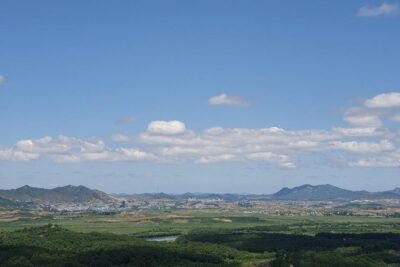
DMZ tour south Korea from Seoul (NK experience hall, defector)
Read our review →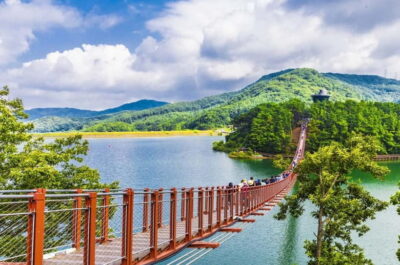
DMZ Insider Tour: 3rd Tunnel, NK Defector Meet & Red Bridge
Read our review →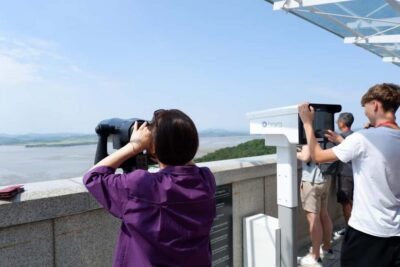
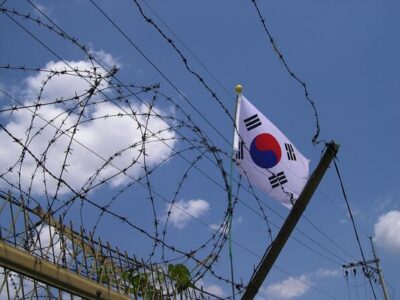
Thrilling Korean DMZ 3rd Tunnel Tour from Seoul + Red Bridge Rush
Read our review →
DMZ Past and Present: Korean Demilitarized Zone Tour from Seoul
Read our review →
Ultimate Korea DMZ Tour from Seoul (Gondola & Suspension Bridge)
Read our review →Browse the lists this tour appears in