
Reviewed · DMZ & JSA TOURS
DMZ, Eunpyeong village and Jinkwansa Temple Private Tour
The most striking part of this day is the change in mood. You begin at the Korean DMZ, where the division between North and South Korea feels like a present-day reality, then finish among old wooden houses and quiet Buddhist buildings near the mountains. The route links modern Korean history with slower, more reflective places.
I like the privacy of the car and the chance to ask questions without a large group setting. I also like the guide-led approach, especially since Daniel and Gina are praised for clear explanations and a kind manner. The main drawback is the long DMZ portion, about seven hours, which leaves only around two hours for Eunpyeong Hanok Village and Jingwansa Temple.
In This Review
- Key points to know before booking
- Why this DMZ day feels different from a normal Seoul tour
- The Paju DMZ and the reality of a divided peninsula
- The Third Infiltration Tunnel adds a physical sense of history
- Eunpyeong Hanok Village changes the pace
- Jingwansa Temple brings the day to a quiet close
- What private transportation changes
- Is $202.41 per person fair value?
- Who will get the most from this experience?
- Practical advice for making the day work
- Should you book this DMZ, hanok, and temple tour?
- FAQ
- How long does the tour last?
- What time does the tour start?
- Is transportation included?
- Is pickup available?
- Is this a private tour?
- What is included in the price?
- Are meals included?
- Is the Third Infiltration Tunnel part of the tour?
- How much time is spent at Eunpyeong Hanok Village?
- How much time is spent at Jingwansa Temple?
- Is cancellation available?
Key points to know before booking
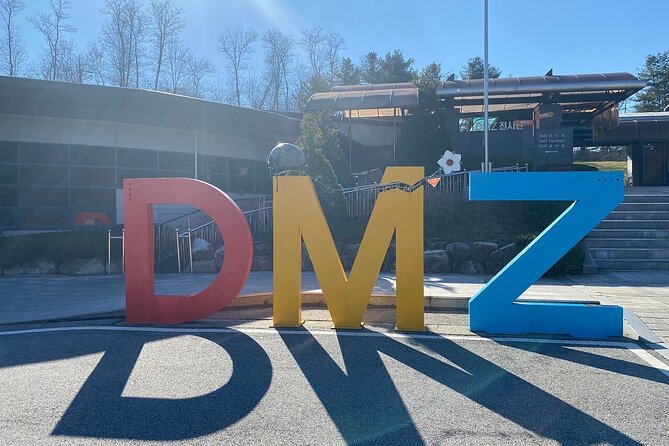
- The DMZ takes most of the day: About seven of the nine hours are devoted to the border area and the Third Infiltration Tunnel.
- You travel privately: Only your own group participates, with an air-conditioned car and private transportation.
- The route adds two quieter Seoul-area stops: Eunpyeong Hanok Village and Jingwansa Temple provide a sharp contrast to the military history.
- Guiding is a major part of the experience: English-speaking guides, including Daniel and Gina, provide historical context and stay with you through the stops.
- The price covers several practical costs: Admission, fuel surcharge, parking, transportation, and the professional guide are included.
- Plan for an early start: The listed start time is 8:00 am, and the full outing lasts about nine hours.
Why this DMZ day feels different from a normal Seoul tour
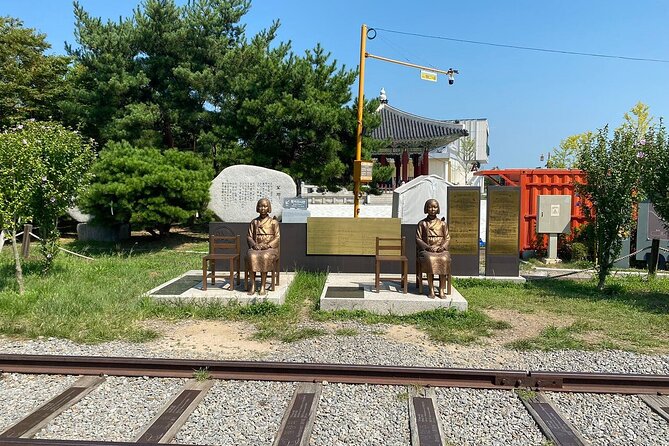
Many Seoul sightseeing days revolve around palaces, markets, shopping streets, and food. This one asks you to look at a harder part of Korea’s story. The DMZ is not simply a photo stop. It is a buffer zone created after the Korean War, and the visit helps you understand how the division between North and South still shapes the peninsula.
The value here comes from having a guide explain what you are seeing. Border history can feel confusing when reduced to dates and place names. With an English-speaking guide beside you, you can ask about the war, the division, and the purpose of the DMZ as the visit unfolds.
The private format matters. You are not waiting for a large bus group to gather, and you can ask for clarification when a subject is unfamiliar. That is especially useful at a serious site where a short explanation can make a major difference.
Still, this is not a light sightseeing outing. The DMZ portion lasts about seven hours, so you should expect the border visit to be the central subject of the day. Eunpyeong and Jingwansa are valuable additions, but they are not equal in time to the DMZ.
More ways to reach the DMZ:
- Best DMZ Tour Korea from Seoul (Red Suspension Bridge Optional)
★ 5.0 · 41,422 reviews - DMZ Tour: 3rd Tunnel, Option(Suspension Bridge, Boat) from Seoul
★ 5.0 · 21,373 reviews - DMZ tour south Korea from Seoul (NK experience hall, defector)
★ 5.0 · 20,599 reviews
The Paju DMZ and the reality of a divided peninsula
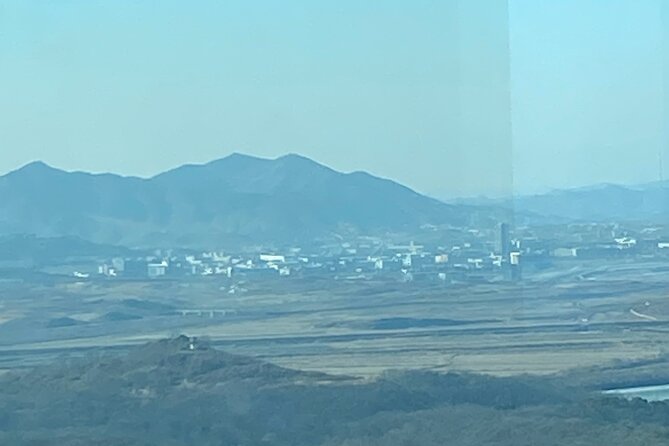
The first stop places you in the Paju DMZ, the buffer zone separating North and South Korea since the Korean War. The setting carries a different weight from most city attractions. You are looking at a place shaped by war, military caution, and an unresolved national division.
A good guide can help you approach this subject without turning it into a collection of dramatic sound bites. The strongest part of this tour appears to be the storytelling. Gina is praised for being both warm and well-informed, while Daniel is described as friendly and clear in his explanations. That combination matters when the topic includes conflict, fear, and political tension.
You should allow yourself time to take in the seriousness of the place. The DMZ is not only about seeing a boundary. It also gives you a way to think about how history remains part of daily life in Korea.
The exact flow inside the DMZ can depend on the conditions of the area, but the experience is organized around the border visit and the Third Infiltration Tunnel. Admission is included, so you are not paying separate entry fees as you move through the scheduled stops.
The Third Infiltration Tunnel adds a physical sense of history
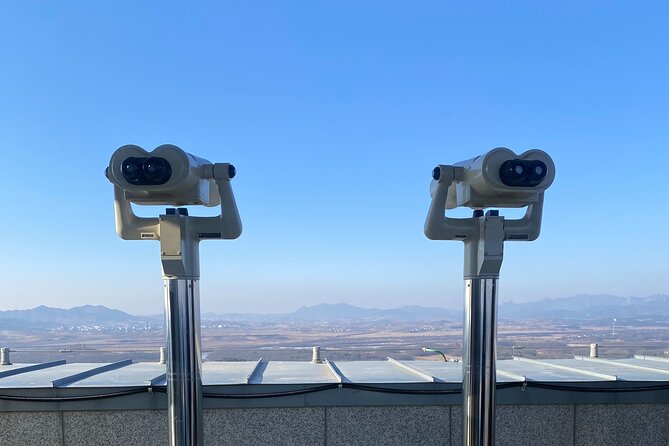
The Third Infiltration Tunnel is one of the most distinctive parts of the route. It was a secret tunnel connected to attempts to move beneath the border, and visiting it gives the history a physical setting rather than leaving it as an abstract lesson.
This is where the tour can feel especially eye-opening. A guide can explain why the tunnel mattered and place it within the wider story of the Korean Peninsula. You get more than a quick look at a military site. You gain a stronger sense of the planning, danger, and suspicion that shaped the border area.
The tunnel portion may not suit everyone equally. Anyone uncomfortable with enclosed or physically demanding places should ask the guide about the conditions before committing to this part. The provided details do not specify the exact walking requirements, so it is sensible to treat this as a site where you may need to move on foot.
The seven-hour DMZ block also means you should not book this expecting a quick morning excursion. You are giving most of the day to a single subject, with the tunnel as one of its main points.
Eunpyeong Hanok Village changes the pace
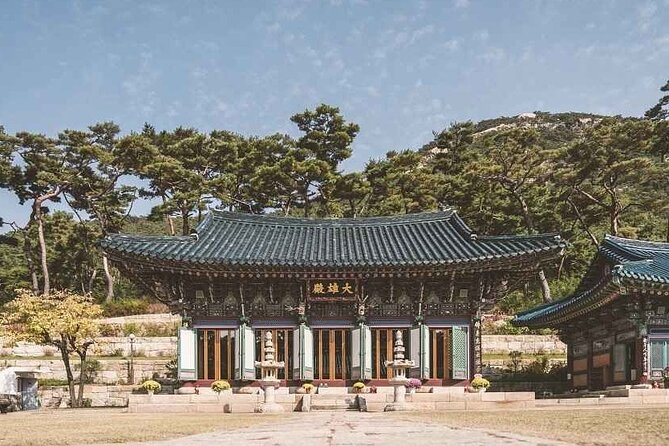
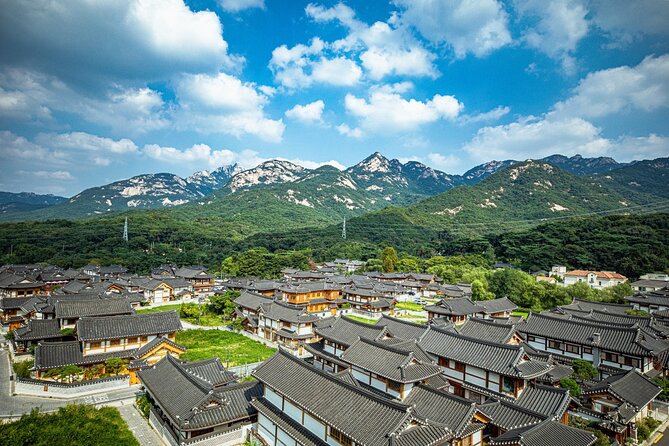
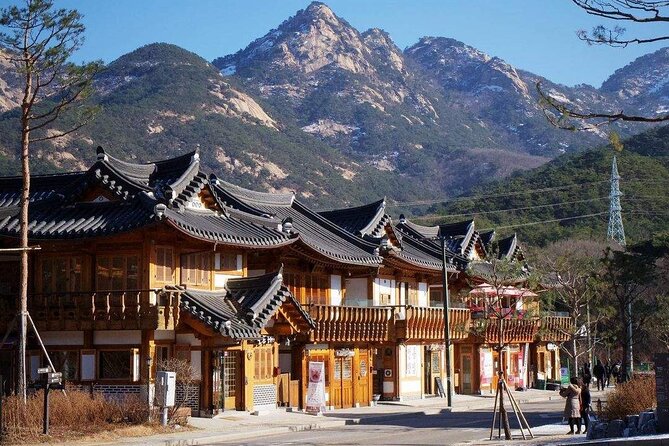
After the DMZ, the mood shifts at Eunpyeong Hanok Village. Here, traditional Korean houses sit near mountain scenery, creating a quieter setting for a walk and photographs.
I like this addition because it keeps the day from becoming a single-note military history tour. The hanok buildings offer a look at Korean architectural tradition, while the surrounding hills provide a calmer visual setting. After several hours focused on division and security, a slower village walk can feel welcome.
Do not expect a large historic district packed with sights. The description presents Eunpyeong as a peaceful neighborhood and cultural stop, not as a major palace complex or busy commercial center. Its appeal is the combination of traditional houses, nature, and a less hurried atmosphere.
You have about one hour here. That is enough for a focused walk and scenic photographs, but not enough for a long, unplanned exploration. If you enjoy taking your time in one neighborhood, the schedule may feel tight. If you want a compact change of scenery before the final temple visit, the timing works well.
More temple visits:
- Seoul: Mt Seorak + Naksansa Temple or Nami Island Group Tour
★ 4.7 · 422 reviews - Best Things to Do – Half Day Seoul Trip (Seoul Palace & Temple)
★ 5.0 · 190 reviews - Mount Seorak and Naksansa Temple One Day Tour from Seoul
★ 4.5 · 167 reviews - Day Tour of Suwon Hwaseong Fortress Starfield Waujeongsa Temple
★ 5.0 · 61 reviews
Jingwansa Temple brings the day to a quiet close
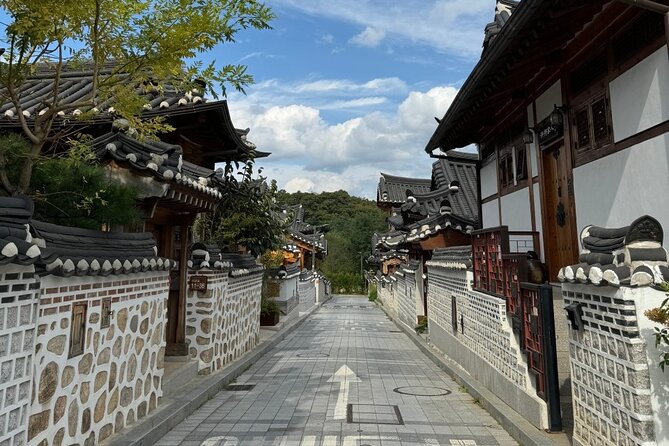
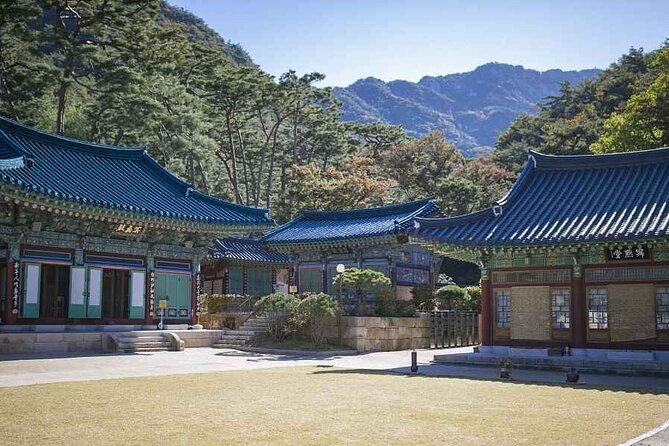
Jingwansa Temple is described as a thousand-year-old Buddhist temple in the forest. The stop offers a look at Korea’s Buddhist tradition and monastic life, with a peaceful setting that contrasts sharply with the DMZ.
The temple is not included simply as another sightseeing checkbox. Its value comes from the change in tone. You move from a place defined by military separation to a religious site shaped by meditation, ritual, and long continuity. That contrast gives the full day a clear arc.
You have about one hour at Jingwansa. Use it for a calm walk, close attention to the temple buildings, and a little quiet observation. The information provided does not promise a temple-stay program, a meal, or a formal religious activity, so you should think of this as a guided visit rather than a hands-on temple retreat.
The stop is also useful for people who want more than war history from a DMZ day. Eunpyeong shows traditional homes, while Jingwansa adds spiritual and cultural context. Together, they make the return to Seoul feel less abrupt.
What private transportation changes
The tour includes private transportation in an air-conditioned car. For a nine-hour day, that is a meaningful benefit. You are not managing several public transport connections between distant stops, and you have a private space during the transfers.
The private format also limits the social friction that comes with a large group. One person described choosing this option specifically because a big group was not appealing. That is a good reason to consider it if you prefer a quieter day or want to keep your questions focused on your own interests.
Pickup is offered, but the supplied details do not state the exact pickup area or hotel conditions. Confirm that point when booking. The listed start time is 8:00 am, so plan for a prompt beginning and avoid scheduling another fixed activity immediately after the tour.
Parking fees and the fuel surcharge are included. Those details may seem small, but they make the final cost easier to understand. You are not likely to face a string of standard vehicle expenses during the day.
Is $202.41 per person fair value?
At $202.41 per person, this is not the cheapest way to see the DMZ. You are paying for a private car, a professional English guide, admission fees, fuel, parking, and a full day of service. The price becomes easier to justify when you value comfort, privacy, and explanations over the lowest possible fare.
The strongest value is for a small group that would otherwise need to arrange transportation and entry details independently. The private car removes much of the planning burden, while the guide gives the DMZ visit structure and context.
The value is weaker if you want only a short border visit or are mainly interested in Eunpyeong Hanok Village and Jingwansa Temple. The DMZ occupies roughly seven hours, so you should book this for the border history first, with the village and temple as worthwhile additions.
Group discounts are offered, though the available details do not state the discount amount or the number of people required. Ask for the exact group rate before booking if you are traveling with several people.
Who will get the most from this experience?
I would recommend this tour to you if you want a serious introduction to the Korean War and the continuing division of the peninsula, but also want two cultural stops to soften the pace. It suits people who prefer a private guide over a large coach group.
It is also a good match for families or small groups who want a flexible conversation. One account specifically describes Gina as patient and approachable with a son who felt anxious around new people. That does not guarantee the same experience for every child, but it suggests that the guide’s personal manner can be an important part of the day.
History-minded visitors will get the most from the DMZ and tunnel. Architecture and culture fans will value the hanok village and Buddhist temple, though each receives only about an hour.
You may want another option if your main goal is a relaxed Seoul day. The early start, long DMZ section, and serious subject matter make this a focused excursion rather than an easygoing neighborhood tour.
Practical advice for making the day work
Eat before setting out or bring a plan for food. Meals are not included, and the supplied details do not specify a scheduled lunch stop. Personal expenses and tips are also separate.
Wear clothing and shoes suitable for a full day of sightseeing. The exact physical demands at the tunnel are not stated, but the route includes several stops and may involve walking. Keep your schedule open for the entire nine-hour period.
Use the private setting to ask questions. The best reason to pay for a guide is not only transport. It is the chance to connect the tunnel, the border, the war, and modern Korea in a way that a self-guided visit may not provide.
The tour is available by mobile ticket, and confirmation is received at booking. Free cancellation is available if you cancel at least 24 hours before the 8:00 am start time. Changes or cancellations made less than 24 hours ahead are not accepted for a refund.
Should you book this DMZ, hanok, and temple tour?
Book it if the DMZ is your main reason for visiting Seoul and you want private transport plus an English-speaking guide. The Third Infiltration Tunnel gives the border visit a memorable physical focus, while Eunpyeong and Jingwansa add architecture, nature, and Buddhist culture.
I would be cautious if you dislike early starts, long excursions, or serious historical subjects. The final two stops are appealing, but they do not turn this into an evenly divided three-attraction day. At $202.41 per person, the tour earns its price through privacy, included transport costs, and strong guide support. For a small group that wants a thoughtful and comfortable DMZ day, it is a sensible choice.
FAQ
How long does the tour last?
The tour lasts approximately nine hours.
What time does the tour start?
The listed start time is 8:00 am.
Is transportation included?
Yes. Private transportation in an air-conditioned car is included.
Is pickup available?
Yes. Pickup is offered, though the supplied details do not specify the exact pickup locations.
Is this a private tour?
Yes. Only your group participates in the activity.
What is included in the price?
The price includes private transportation, admission fees, fuel surcharge, parking fees, and a professional English-speaking guide.
Are meals included?
No. Meals are not included.
Is the Third Infiltration Tunnel part of the tour?
Yes. The Third Infiltration Tunnel is included within the DMZ portion of the experience.
How much time is spent at Eunpyeong Hanok Village?
The listed time at Eunpyeong Hanok Village is about one hour.
How much time is spent at Jingwansa Temple?
The listed time at Jingwansa Temple is about one hour.
Is cancellation available?
Yes. You can cancel at least 24 hours before the experience start time for a full refund. Cancellations or changes made less than 24 hours before the start are not refunded or accepted.
Just added around Seoul
- Jeonju & Yeosu: 4-Day Foodie & Artist Journey★ 5.0 · 3 reviews
- Seongsu-dong Walking Tour: K-Pop, Culture, Cheer, Friends & Relax★ 4.5 · 3 reviews
- Full Day Private Seoul Tour for foodies★ 5.0 · 3 reviews
- K-Pop Tour★ 3.5 · 3 reviews
- Imjingak DMZ Private Tour for Incheon Airport and Cruise Guests★ 5.0 · 3 reviews
- Seoul: LEGOLAND Admission with Transport (Optional Railbike)★ 5.0 · 3 reviews
- Seoul: Seorak Mountain, East DMZ, and Sokcho Tour★ 5.0 · 3 reviews
- Strawberry Picking, Winter Sled with Eobi Ice Valley from Seoul★ 4.5 · 3 reviews
DMZ & JSA Tours, compared.
Best DMZ Tour Korea from Seoul (Red Suspension Bridge Optional)
Read our review →
DMZ Tour: 3rd Tunnel, Option(Suspension Bridge, Boat) from Seoul
Read our review →
DMZ tour south Korea from Seoul (NK experience hall, defector)
Read our review →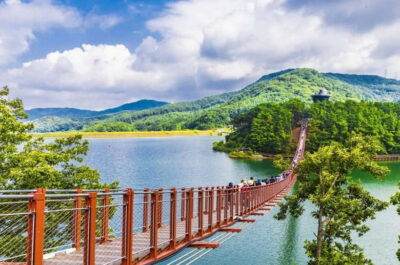
DMZ Insider Tour: 3rd Tunnel, NK Defector Meet & Red Bridge
Read our review →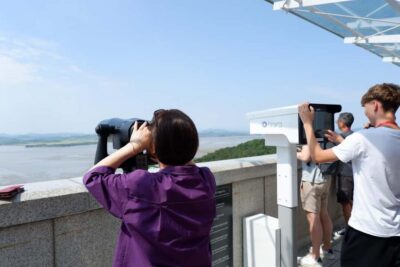
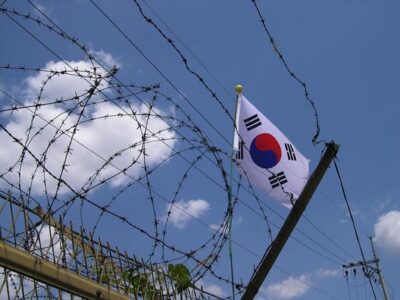
Thrilling Korean DMZ 3rd Tunnel Tour from Seoul + Red Bridge Rush
Read our review →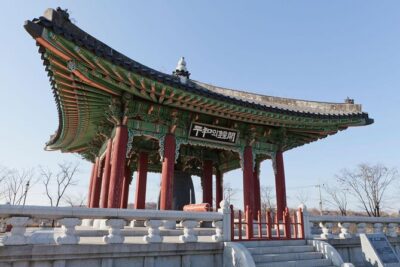
DMZ Past and Present: Korean Demilitarized Zone Tour from Seoul
Read our review →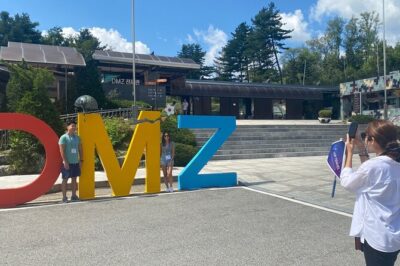
Ultimate Korea DMZ Tour from Seoul (Gondola & Suspension Bridge)
Read our review →Browse the lists this tour appears in