
Reviewed · DMZ & JSA TOURS
Closest Observatory to DMZ & Suspension Bridge Tour from Seoul
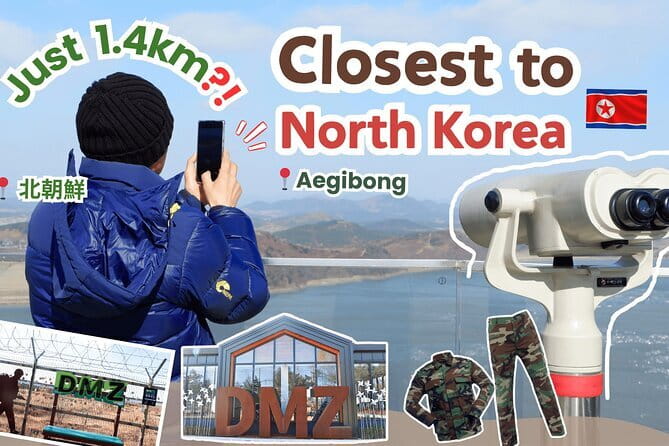
A Starbucks overlooking North Korea is the unusual headline here, but the real reason to come is Jogang Observatory, only 1.4 kilometers from the northern side of the border. From Aegibong Peace Ecopark, you look across the mouth of the Hangang River toward North Korea from one of the closest public viewpoints available.
I like two things about this half-day trip. First, it gives you a border experience without committing a full day to a conventional DMZ tour. Second, the site carries a human story: displaced Koreans once came here hoping to see their former hometowns. The main consideration is that the tour requires a passport, good weather, at least two participants, and a moderate level of physical fitness.
In This Review
- Key points to know before booking
- Why Aegibong is different from a standard DMZ visit
- Seeing North Korea from Jogang Observatory
- The Starbucks with a view
- A Christmas tree that became a peace symbol
- What the four-hour-45-minute schedule means
- What is included, and what you still pay for
- Who will enjoy this tour most
- Practical advice for a smoother visit
- Is the $48 Aegibong trip worth booking?
- FAQ
- How close is Jogang Observatory to North Korea?
- Is a passport required for the tour?
- Where does the tour start and finish?
- Is Starbucks coffee included in the price?
- Does the tour include hotel pickup and lunch?
- What happens if the weather is poor or too few people book?
Key points to know before booking
- North Korea is only 1.4 km from Jogang Observatory, making this one of the closest public viewing points near the border.
- Aegibong Peace Ecopark includes a Starbucks, but your coffee and other food are not included in the tour price.
- Thomas, Sunny, and Shin have served as guides, with clear explanations of the Korean conflict praised in the supplied feedback.
- The tour lasts about 4 hours 45 minutes, beginning and ending around Myeongdong Station.
- The experience includes transportation and admission, while lunch, snacks, drinks, insurance, and hotel transfers cost extra or are not provided.
- A passport is mandatory, and poor weather or failure to reach the minimum group size can lead to a rescheduled tour or refund.
Why Aegibong is different from a standard DMZ visit
Many border excursions focus on military installations, tunnels, lookout posts, or the famous Joint Security Area. Aegibong offers a quieter and more personal view of the division between North and South Korea.
The park occupies what was once known as Hill 154, a position where South and North Korean forces fought fiercely during the Korean War. Its location at the meeting area of the Hangang and Jogang Rivers made it important in wartime, but today the site is presented as a place for peace and reconciliation.
That message is not just a slogan. After the war, many displaced Koreans came to Aegibong because it was close enough to their former homes for them to look north. They could not return, but they could at least face in the direction of family and villages left behind.
I find that context gives the viewpoint more weight. You are not simply checking North Korea off a sightseeing list. You are standing at a place shaped by separation, memory, and a conflict that technically has not ended with a peace treaty.
More ways to reach the DMZ:
- Best DMZ Tour Korea from Seoul (Red Suspension Bridge Optional)
★ 5.0 · 41,422 reviews - DMZ Tour: 3rd Tunnel, Option(Suspension Bridge, Boat) from Seoul
★ 5.0 · 21,373 reviews - DMZ tour south Korea from Seoul (NK experience hall, defector)
★ 5.0 · 20,599 reviews
Seeing North Korea from Jogang Observatory
The central stop is Jogang Observatory, the renewed viewing facility at Aegibong Peace Ecopark. The former observatory opened in 1978 but was later demolished and replaced. The newer building gives you a modern place to look across the border and learn about the area.
The key fact is the distance: North Korea is about 1.4 kilometers away at the closest point visible from the observatory. That is far closer than many people expect. On a clear day, you can look across the river and see the northern side directly, though the quality of the view depends heavily on weather and visibility.
Keep your expectations sensible. This is not a guarantee of dramatic military activity or a close-up view of daily life. The experience is mainly about geography and perspective. You can see the northern land from very near the border, and a guide can help explain what you are looking at.
The site is inside a Civilian Control Zone. That location matters because it helps explain why the visit feels more controlled than an ordinary city attraction. Bring your passport, as it is explicitly required. You should also expect to follow the instructions given at the site.
Guides are an important part of the visit. Thomas has been praised for explaining the South Korea and North Korea conflict in a clear, engaging way. Sunny has also been singled out for friendly communication and careful explanations, while Shin has been described as especially strong at making the tour informative. You may not receive one of these guides on your departure, but those names indicate the sort of guide experience the operator has provided.
The Starbucks with a view
The Starbucks at Aegibong Peace Ecopark is one of the tour’s most memorable details. It is not just a cafe stop in a shopping district. This branch sits at the observatory, giving you the chance to buy a drink in a place where North Korea is visible across the water.
That contrast is what makes the cafe interesting. You can order a familiar coffee brand while looking toward one of the world’s most tightly controlled borders. It is a modern, ordinary habit placed in an extraordinary setting.
Coffee is not included in the $48 price, and no snacks or other drinks are included either. You should budget separately if you want to use the Starbucks during your visit. The cafe may appeal most to people who like unusual travel settings, but it should not replace the observatory itself as the main reason for booking.
The coffee shop also gives you a practical pause during the visit. Border sites can feel solemn and information-heavy. A short cafe break lets you take in the setting at your own pace, though the available time will depend on the group schedule and guide.
A Christmas tree that became a peace symbol

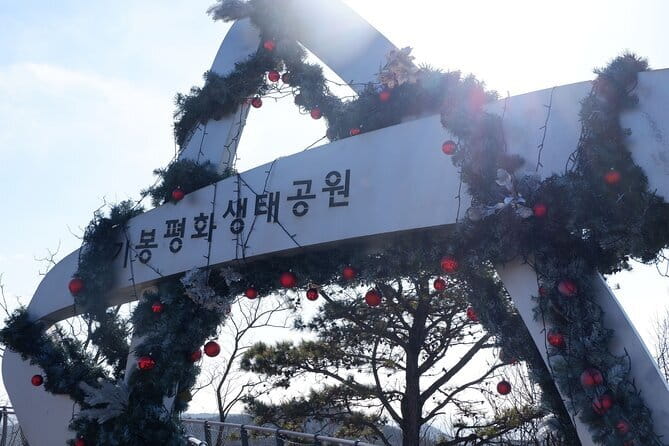
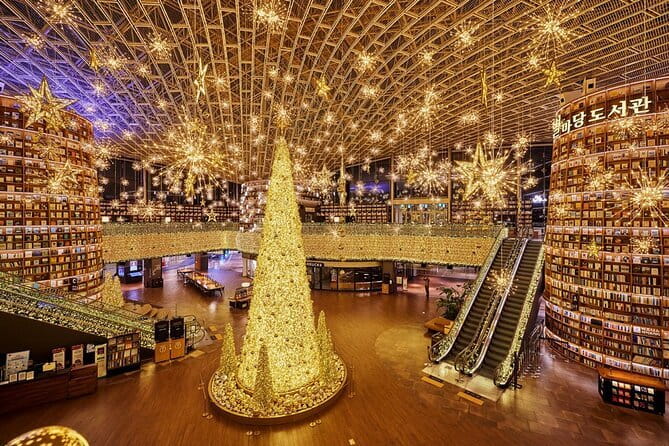
Aegibong was once known for a huge Christmas tree decorated with bright lights. The lights were visible from North Korea, where electricity was scarce, and the display became a source of political conflict. The tree was eventually removed.
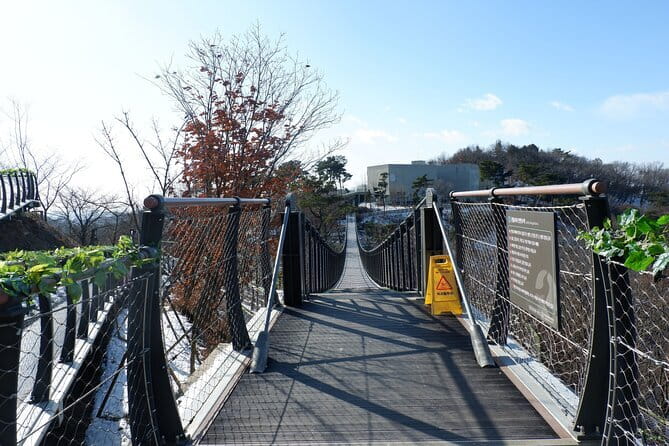
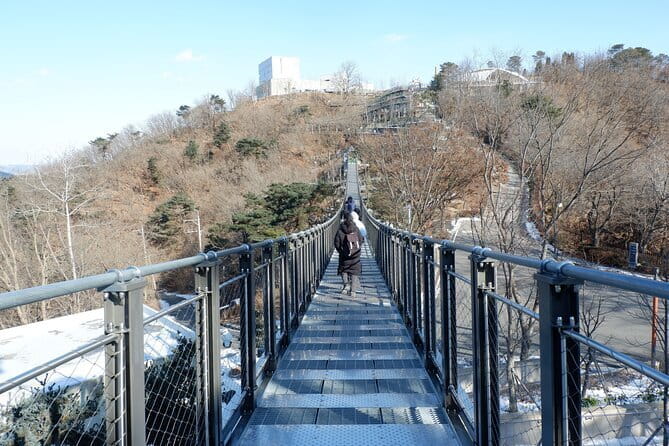
The park’s workers later built bridges shaped like the tree. It is a small but telling detail. Something once used as a bright symbol of the South’s prosperity became part of a site now presented around peace and harmony.
I like this story because it shows that the border is not only about fences and soldiers. Even a seasonal light display could carry political meaning. At Aegibong, small objects and design choices often point back to the larger divide between the two Koreas.
You will not need a long lecture to understand the basic point. A good guide can connect the Christmas tree, the displaced families, the old observatory, and the modern park in a way that makes the stop feel more coherent.
More suspension bridge walks:
- Seoul: DMZ Tour with Optional Suspension Bridge
★ 4.8 · 5,277 reviews - Signature DMZ Tour: Exclusive Defector Talk & Suspension Bridge
★ 5.0 · 4,459 reviews - Ultimate Korea DMZ Tour from Seoul (Gondola & Suspension Bridge)
★ 5.0 · 2,396 reviews - DMZ; NK Defector, 3rd Tunnel, Suspension Bridge,Hotel pickup
★ 4.9 · 2,055 reviews
What the four-hour-45-minute schedule means
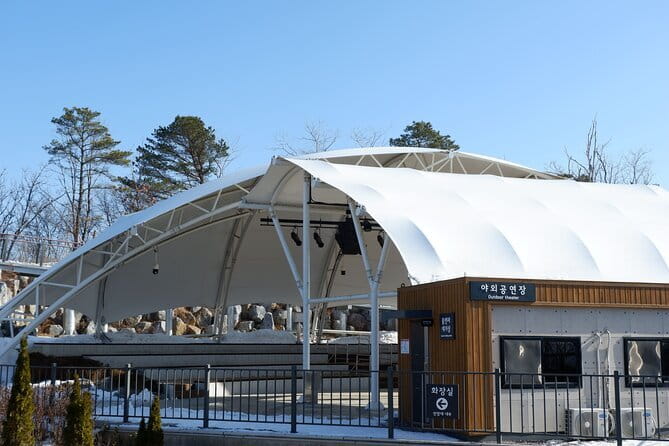
The full experience lasts about 4 hours and 45 minutes, with departure and return in the Myeongdong area. The listed park visit is about 1 hour and 30 minutes, including admission.
That leaves much of the total time for transportation between central Seoul and the park. This is normal for a border excursion. Aegibong is outside the city center, and the value of the trip depends partly on how much you want to see a less common border site rather than spend the entire day visiting several attractions.
The tour uses an air-conditioned vehicle. Hotel pickup and drop-off are not included, so you need to reach the stated meeting point in Myeongdong. The tour ends at Myeongdong Station, which is useful if you are staying or sightseeing in central Seoul.
Because the group can reach a maximum of 120 people, the exact feel of the trip may vary. A large departure can mean less personal attention, although a strong guide can still make the history easy to follow. If you prefer a private or very small-group experience, you should confirm the available option before paying.
The tour requires at least two participants to operate. That rule matters for solo visitors, especially during quieter travel periods. The operator can offer another date or a refund if the minimum is not reached.
What is included, and what you still pay for
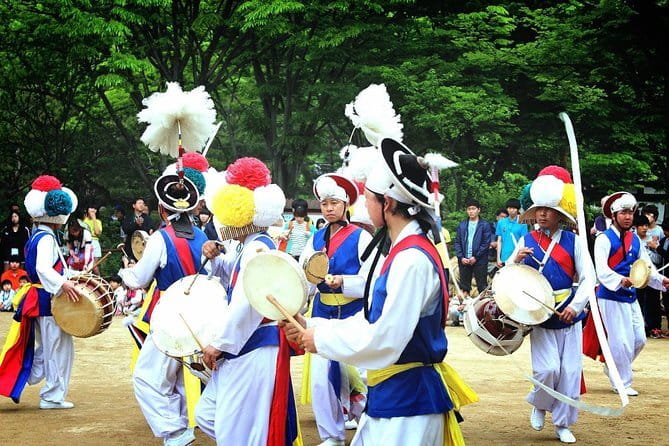
At $48 per person, this tour offers reasonable value for a short border excursion. The price includes the air-conditioned vehicle and admission to Aegibong Peace Ecopark. If you choose the guide option, professional guiding is included as well.
The price does not include:
- Coffee or tea at Starbucks
- Snacks and other drinks
- Lunch
- Hotel pickup or hotel drop-off
- Travel insurance
The value is strongest if you want a focused half-day trip with transportation arranged for you. Admission and the ride are already handled, and you avoid planning your own route to a restricted border area.
The value is less clear if you expect a full-day DMZ program with several military-related sights, a tunnel, or the JSA. This experience focuses on one park and one especially close observatory. It is a targeted visit, not a greatest-hits tour of every border attraction.
I would compare the price with your schedule rather than judging it alone. If you have only half a day and want a direct view toward North Korea, $48 is a fair starting point. If you already have a longer DMZ trip booked, this may feel repetitive unless Aegibong’s history and the observatory’s 1.4-kilometer distance appeal to you.
Who will enjoy this tour most
This outing suits you if you want a border experience with historical and human context. It is especially useful for first-time visitors to Seoul who want to understand the division of Korea without spending a full day away from the city.
You will likely enjoy it if you are interested in:
- Korean War history
- The experience of displaced Korean families
- The geography of the Hangang and Jogang Rivers
- Unusual viewpoints toward North Korea
- Small symbolic details, such as the former Christmas tree and its replacement bridges
- Guided explanations rather than a self-guided visit
The trip may also work well when a conventional JSA visit is unavailable. One supplied comment specifically recommended Aegibong while the JSA was closed, which makes this a useful alternative for people hoping to see a border site during a changing security schedule.
I would think twice if you want a relaxed cafe outing with no restrictions. The site is in a controlled zone, passports are required, and the tour depends on weather. The atmosphere is also more reflective than entertaining. That is a strength for some people and a limitation for others.
The moderate physical fitness requirement is worth noting. The supplied details do not describe specific stairs, walking distances, or accessibility features, so you should ask the operator if mobility is a concern.
Practical advice for a smoother visit
Bring your passport. This is not optional, and a photo or other identification should not be treated as a substitute unless the operator confirms it.
Wear comfortable shoes and allow enough time to reach the Myeongdong meeting point. Since hotel transfers are not included, you are responsible for getting to the start and arranging your own return from Myeongdong Station after the tour.
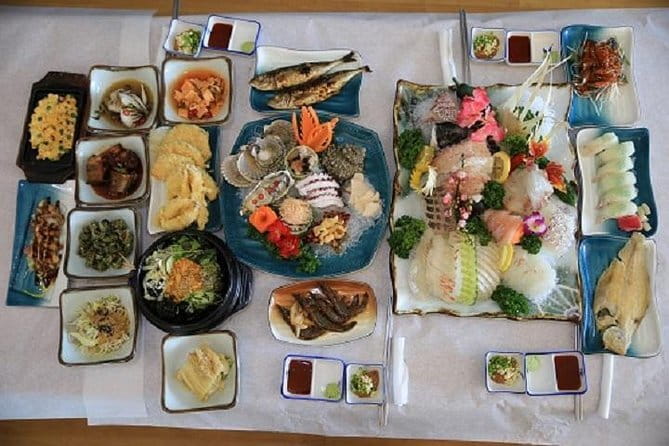
Plan to buy food before or after the experience if you need a proper meal. Lunch is not provided, and the Starbucks coffee shop is an optional purchase rather than part of the package.
Weather can shape the whole outing. The observatory’s value depends on visibility, so fog, rain, or poor conditions may reduce what you can see. If the operator cancels because of bad weather, you can accept another date or receive a full refund.
The cancellation terms are simple but strict near departure. You can cancel at least 24 hours before the start time for a full refund. Changes or cancellations made less than 24 hours ahead are not accepted and are not refunded.
Is the $48 Aegibong trip worth booking?
I would book this tour if you want the closest, most direct view of North Korea offered here, and you prefer a shorter trip from Seoul over a full-day DMZ circuit. The 1.4-kilometer distance, the renewed Jogang Observatory, and the stories of displaced families give the visit a clear purpose.
I would choose something else if your main goal is military infrastructure, multiple DMZ stops, or an extended private tour. Aegibong is a single-site experience, and much of the day is spent reaching the park and returning to Seoul.
For the right traveler, this is a thoughtful and efficient choice. You get transportation, admission, a guide option, and a place where history feels close rather than abstract. Just bring your passport, check the weather, budget for your own coffee and meals, and understand that the trip is about perspective as much as sightseeing.
FAQ
How close is Jogang Observatory to North Korea?
Jogang Observatory is approximately 1.4 kilometers from North Korea at its closest point.
Is a passport required for the tour?
Yes. Passports are mandatory for this experience.
Where does the tour start and finish?
The tour starts in the Myeongdong area of Jung District in Seoul and ends at Myeongdong Station.
Is Starbucks coffee included in the price?
No. Coffee, tea, snacks, and other drinks are not included. You pay separately for anything you buy at Starbucks.
Does the tour include hotel pickup and lunch?
No. Hotel pickup and drop-off are not included, and lunch is not provided.
What happens if the weather is poor or too few people book?
If bad weather causes a cancellation, you can choose another date or receive a full refund. The tour also requires at least two participants. If that minimum is not met, you will be offered another date or experience, or a full refund.
Just added around Seoul
- Incheon Airport Private Transfer between Seoul City★ 4.0 · 4 reviews
- Seoul’s Stars: Open Mic with Local & International Talent★ 4.8 · 4 reviews
- Samaksan Cable Car and Nami Island Day Escape with Railbike★ 4.0 · 4 reviews
- DMZ 2nd Tunnel and Cheorwon Peace Observatory with Admission★ 5.0 · 4 reviews
- Nami & Maple Road & Theatre des Lumieres Day Tour from Seoul★ 4.8 · 4 reviews
- Hire Photographer, Professional Photo Shoot – Seoul★ 5.0 · 4 reviews
- [KoreaByLocal] Authentic Seoul Night Walk and Chicken & Beer★ 5.0 · 4 reviews
- Seoul Film Camera Club★ 5.0 · 4 reviews
DMZ & JSA Tours, compared.
Best DMZ Tour Korea from Seoul (Red Suspension Bridge Optional)
Read our review →
DMZ Tour: 3rd Tunnel, Option(Suspension Bridge, Boat) from Seoul
Read our review →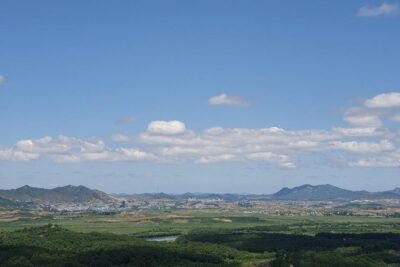
DMZ tour south Korea from Seoul (NK experience hall, defector)
Read our review →
DMZ Insider Tour: 3rd Tunnel, NK Defector Meet & Red Bridge
Read our review →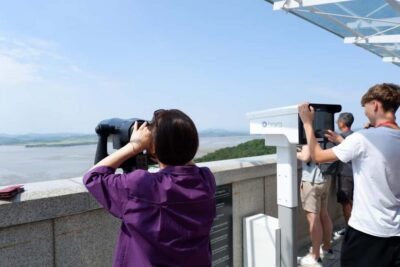
Thrilling Korean DMZ 3rd Tunnel Tour from Seoul + Red Bridge Rush
Read our review →
DMZ Past and Present: Korean Demilitarized Zone Tour from Seoul
Read our review →
Ultimate Korea DMZ Tour from Seoul (Gondola & Suspension Bridge)
Read our review →Browse the lists this tour appears in