
Reviewed · DMZ & JSA TOURS
Best North Korea View & Closest Starbucks to DMZ tour from Seoul
North Korea is only about 1.4 kilometers away at Aegibong’s observatory, close enough for binoculars to pick out villages across the border. This five-hour trip from Seoul also takes you to the Jogang River edge, a 150-meter suspension bridge, and the Starbucks branch closest to North Korea.
I like the clear focus on views and the amount of history packed into a half-day. I also like the guides, with Gogo, Judy, Hana, Alex, Crystal, Alice, and Juno singled out for clear explanations, patience, humor, and personal stories. The main caution is simple: this tour does not enter the DMZ, and one hour is set aside for Starbucks, so anyone wanting a military-zone tour may find it too gentle.
In This Review
- Key points at a glance
- Why Aegibong gives you a different DMZ view
- The five-hour route from Seoul
- The passport checkpoint and Marine Corps Memorial
- Aegibong Peace Eco Park and its North Korean views
- The 150-meter bridge and outdoor performance stage
- The peace bell and altar
- Starbucks with North Korea across the river
- The Jogang Observatory delivers the clearest view
- What the $49 price really covers
- Which guide style suits you best
- Who should book this Aegibong trip
- FAQ
- Does this tour enter the DMZ?
- How close is North Korea?
- Is a passport required?
- Is coffee included at Starbucks?
- Where does the tour begin and end?
- What languages are available?
- Should you book it?
Key points at a glance
- North Korea from 1.4 kilometers away: The Jogang Observatory offers the tour’s most direct view, with binoculars helping you pick out nearby villages.
- Aegibong Peace Eco Park: Walk through gardens, trails, war memorials, and a sky forest with North Korea across the river.
- Starbucks beside a tense border: Your coffee stop comes with a wide view toward North Korea, but coffee is not included in the price.
- A 150-meter suspension bridge: The bridge adds a little fun and gives you another angle on the river and border.
- Passport required: You cannot pass the security checkpoint without your passport.
- Good half-day value: At $49 per person, transport, guide service, and entrance fees are covered, though food and drinks are extra.
Why Aegibong gives you a different DMZ view
Most people picture the DMZ as fences, guard posts, and tightly controlled military sites. Aegibong offers something more visual and, in some ways, more approachable. You are not entering the formal Korean Demilitarized Zone, but you travel right to its edge along the Jogang River, which forms part of the border area near Aegibong.
That distinction matters. If you want access to a formal DMZ tunnel, the Joint Security Area, or a military briefing inside the zone, this is not that trip. If you want to look across the river into North Korea without giving up an entire day, Aegibong makes a strong case.
The setting also gives the experience a quieter feel. Instead of spending the whole visit in a bus or at one fenced lookout, you move through a peace park with trails, gardens, memorials, and several viewing points. The river and open countryside help you understand why this border is both scenic and heavily guarded.
I especially like the combination of ordinary and extraordinary. You can walk through a landscaped park, ring a peace bell, and then sit with a latte while looking toward one of the world’s most closed countries. That contrast is the point.
More ways to reach the DMZ:
- Best DMZ Tour Korea from Seoul (Red Suspension Bridge Optional)
★ 5.0 · 41,422 reviews - DMZ Tour: 3rd Tunnel, Option(Suspension Bridge, Boat) from Seoul
★ 5.0 · 21,373 reviews - DMZ tour south Korea from Seoul (NK experience hall, defector)
★ 5.0 · 20,599 reviews
The five-hour route from Seoul
The advertised duration is about five hours, with a 9 a.m. start. Pickup information lists Hongik University Station Exit 3 as the start and end point, while Myeongdong Subway Station Exit 9 and Seoul City Hall Subway Station Exit 6 are also listed as pickup locations. Check the exact pickup instruction on your booking so you do not wait at the wrong stop.
Round-trip bus transportation is included. One passenger specifically noted waiting about 30 minutes at a second departure point, so allow a little patience during the morning collection. The group can reach as many as 100 people, which means this is a shared coach outing rather than a small private excursion.
The ride gives your guide time to explain how Korea became divided and why the border remains so sensitive. Alex was praised for making the history relatable through personal experiences, while Judy was noted for detailed explanations during the journey and at the sites. The best guides on this route do more than point toward North Korea. They help you understand what you are seeing.
The tour ends in Hongdae, a useful place to continue your day. You are near subway connections, restaurants, shops, and Seoul nightlife, so the drop-off works well if you do not need to return to your hotel immediately.
The passport checkpoint and Marine Corps Memorial
The first stop is the Aegibong ticket office, a short ten-minute visit where your guide collects entrance tickets. It is also the point where you show your passport before entering the security area.
Do not leave your passport at your hotel. A photo or other identification is not listed as an alternative, and the tour information is clear that you cannot enter without the original passport. This is not a casual museum visit, so security procedures can affect the pace.
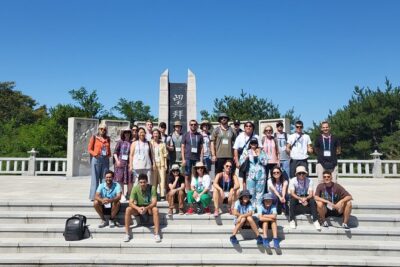
Next comes the Marine Corps Memorial, where you have about 20 minutes. The memorial honors the 15,000 Marines who fought in the Korean War. It is a brief stop, but it gives the later views a human frame. The border is not just a strange line on a map. It grew from a war that divided families and reshaped the peninsula.
You will not spend long here, so listen closely to the guide. A good explanation makes this stop more meaningful than a quick photograph and a return to the coach.
Aegibong Peace Eco Park and its North Korean views
The main visit is Aegibong Peace Eco Park. The park blends outdoor paths, themed gardens, war relics, and views toward North Korea. Your time is split across several parts of the grounds, with about an hour for the main park visit and another 30 minutes for additional gardens and the sky forest area.
The park’s appeal is variety. You can walk rather than simply stand at a lookout, and the different points give you changing views of the river and opposite shore. The grounds are also described as a home for more than 80 rare bird species, though bird sightings are not guaranteed. The park is a place for scenery as much as for military history.
Some visitors will find the park more pleasant than expected. It does not feel like a stark checkpoint from start to finish. At the same time, remember that the setting remains a sensitive border area. You are there for a controlled visit, not a free afternoon in a public garden.
The first hour can pass quickly because there is plenty to see. I would keep your camera ready but avoid rushing from one photo point to the next. The value comes from taking in the river, the empty-looking fields, and the unusual fact that ordinary park paths lead to a view of North Korea.
A completely different kind of day, same trip:
- DMZ Insider Tour: 3rd Tunnel, NK Defector Meet & Red Bridge
★ 4.9 · 15,214 reviews - Seoul: DMZ Tour with Optional Suspension Bridge
★ 4.8 · 5,277 reviews - Signature DMZ Tour: Exclusive Defector Talk & Suspension Bridge
★ 5.0 · 4,459 reviews - Thrilling Korean DMZ 3rd Tunnel Tour from Seoul + Red Bridge Rush
★ 5.0 · 3,097 reviews
The 150-meter bridge and outdoor performance stage
The park’s suspension bridge stretches 150 meters and adds a welcome change of pace. It is a thrill ride in the mildest sense, with the best reward being another angle toward the border. If you like height, open views, and a little movement underfoot, this may be your favorite part of the park.
Weather can affect the experience. Alex’s tour advice noted that if the bridge is closed, reaching the upper area may require a much steeper walk up the hill. That is an important practical point. A closure does not remove the view, but it can make the route more tiring and less convenient.
After the bridge, you get about 20 minutes at the outdoor performance stage. There are seats where you can rest, and modern or traditional performances may take place if the timing works out. Since performances are not promised, treat them as a possible bonus rather than a main reason to book.
The stage area also looks over the Jogang River and the border scenery. It is a useful pause in the schedule, especially after walking through the park and crossing the bridge.
The peace bell and altar
The tour then moves through two quieter symbolic stops. At the Aegibong Peace Bell, you can ring a bell cast in 2000, a gesture linked with hopes for peace and reunification. You have about 15 minutes here.
The next stop is an altar built in 2018, with roughly ten minutes for reflection. These sites can feel ceremonial, but they add emotional weight to what might otherwise become a lookout-and-coffee outing. The message is not only about seeing North Korea. It is also about remembering the people affected by division and holding on to the idea of unity.
I would not expect a long religious or political presentation at either site. Their value comes from the setting and the guide’s context. With North Korea visible beyond the park, even a short pause can feel more serious than the schedule suggests.
Starbucks with North Korea across the river
The Starbucks stop lasts about one hour and is the tour’s most unusual selling point. It is described as the closest Starbucks to North Korea, and the cafe has become a striking symbol of everyday commerce beside a heavily guarded border.
The practical detail is easy to miss: coffee or tea is not included. You pay for your own drink, and meals are also excluded. Bring some extra Korean won or a payment method accepted by the cafe.
This stop will appeal to anyone who enjoys odd travel juxtapositions. You can order a familiar chain coffee while looking toward a country that feels very far removed from ordinary global consumer life. The cafe’s location gives the moment its meaning, not the coffee itself.
Still, the hour is a significant part of a five-hour outing. One unhappy customer felt the trip spent too much time at Starbucks and watching the border. I think that criticism is fair for some people. If you would rather spend every available minute at memorials and observatories, the cafe may feel padded. If you enjoy taking a break, using a restroom, and absorbing the view at an unhurried pace, the hour is useful.
The best approach is to see Starbucks as a scheduled rest stop with a remarkable window, not as the central historical attraction.
The Jogang Observatory delivers the clearest view
The final major stop is Jogang Observatory, described as the closest observatory to the DMZ on this route. You get about 30 minutes there, with binoculars helping you see villages roughly 1.4 kilometers away.
This is the place to pay attention to the guide’s directions. North Korea may first appear as a broad rural view, but binoculars can bring details into focus. You might spot buildings, fields, or people moving around, depending on visibility. The tour information specifically notes that you may see North Koreans walking around, though conditions and distance naturally affect what is visible.
The word unobstructed is important here. The attraction is the open line of sight across the river, not a close-up view of a city or dramatic military confrontation. On a clear day, the view can be startling precisely because it looks so ordinary.
Thirty minutes is enough for photos and a look through the binoculars, but it is not a long observation session. If this is your main reason for booking, stay focused and use the time well. Ask your guide questions while you are looking, since the geography can be hard to read without context.
What the $49 price really covers
At $49 per person, the tour is reasonably priced for a guided half-day trip outside Seoul. Your fee covers the coach, guide service in English or Chinese, and entrance fees to the listed sites. That saves you the trouble of arranging transport to a controlled border area and handling the park admission yourself.
The price is strongest for people who value convenience. A private taxi or self-planned route could give you more control over timing, but it would not provide the same built-in history commentary or group access arrangement. The guide also helps with the passport checkpoint and the sequence of stops.
The value is less clear if you dislike group tours or have little interest in the Starbucks stop. With up to 100 people, the bus may feel large, and you will follow a fixed schedule. Coffee, tea, meals, and personal purchases are extra, so the advertised price is not your full spending total.
I see this as a good deal for a first visit to Seoul when you want a border experience without committing a whole day. It is also a practical backup if a standard DMZ outing is canceled. One booking was made after a regular DMZ tour was called off because the government closed the area for a marathon, and Aegibong provided a worthwhile alternative.
Which guide style suits you best
The quality of the guide matters on a history-focused outing. Gogo received praise for mixing Korean history with humor. Judy was described as personable and clear during the route. Hana was singled out as a bilingual guide who made a first DMZ visit comfortable, while Alex used personal experience to explain the division of Korea.
Crystal was praised for speaking clearly and patiently answering questions. Alice was noted for explaining the history and responding to questions, and Juno was described as friendly, attentive, and well informed about the route.
Guide assignments can change, so you cannot book a particular person based on these names. You can, however, expect the guide to be a major part of the experience. This is not a silent transfer to a viewpoint. The bus ride and stops make more sense when someone explains the war, the division, and the border geography.
Who should book this Aegibong trip
I would choose this tour if you want:
- A half-day outing rather than a full-day border excursion
- A direct view of North Korea from South Korea
- A guide to explain the Korean War and the division of the peninsula
- A mix of viewpoints, walking, memorials, and a cafe stop
- Round-trip transport from central Seoul
- A relatively low-cost way to visit Aegibong
I would hesitate if you want to enter the formal DMZ or visit military facilities inside it. I would also think twice if you dislike fixed schedules, large coaches, or spending an hour at a coffee shop.
Most travelers can participate, and the tour operates near public transportation. The bridge and park involve walking, and conditions can change if weather closes the bridge. Free cancellation is available up to 24 hours before the start time, but late cancellations and late changes are not accepted.
FAQ
Does this tour enter the DMZ?
No. It does not technically enter the Korean Demilitarized Zone. It travels to the edge of the DMZ along the Jogang River near Aegibong.
How close is North Korea?
The Jogang Observatory offers a view of North Korea from about 1.4 kilometers away. Binoculars are available at the observatory for viewing nearby villages.
Is a passport required?
Yes. You must bring your passport to pass through the security checkpoint, and you cannot enter without it.
Is coffee included at Starbucks?
No. Coffee and tea are not included. Meals are also excluded from the tour price.
Where does the tour begin and end?
The listed meeting point is Hongik University Station Exit 3. Pickup locations also include Myeongdong Subway Station Exit 9 and Seoul City Hall Subway Station Exit 6. The bus returns to Hongdae.
What languages are available?
The tour includes an English or Chinese-speaking guide.
Should you book it?
Book this Aegibong tour if you want close North Korean views, useful historical context, and a manageable half-day schedule. The observatory, river edge, and bridge give you more than one photo stop, while the park and memorials keep the visit from feeling like a quick border gimmick.
Skip it if your idea of a DMZ visit requires entering the formal zone or seeing military sites. Also skip it if an hour at Starbucks sounds like wasted time. For everyone else, $49 buys an efficient and unusual Seoul side trip, with the passport checkpoint, open countryside, and distant villages providing the moments you will remember long after the latte is gone.
Just added around Seoul
- Incheon Airport Private Transfer between Seoul City★ 4.0 · 4 reviews
- Seoul’s Stars: Open Mic with Local & International Talent★ 4.8 · 4 reviews
- Samaksan Cable Car and Nami Island Day Escape with Railbike★ 4.0 · 4 reviews
- DMZ 2nd Tunnel and Cheorwon Peace Observatory with Admission★ 5.0 · 4 reviews
- Nami & Maple Road & Theatre des Lumieres Day Tour from Seoul★ 4.8 · 4 reviews
- Hire Photographer, Professional Photo Shoot – Seoul★ 5.0 · 4 reviews
- [KoreaByLocal] Authentic Seoul Night Walk and Chicken & Beer★ 5.0 · 4 reviews
- Play Gayageum in Hanbok Cultural Experience in Bukchon★ 5.0 · 4 reviews
DMZ & JSA Tours, compared.
Best DMZ Tour Korea from Seoul (Red Suspension Bridge Optional)
Read our review →
DMZ Tour: 3rd Tunnel, Option(Suspension Bridge, Boat) from Seoul
Read our review →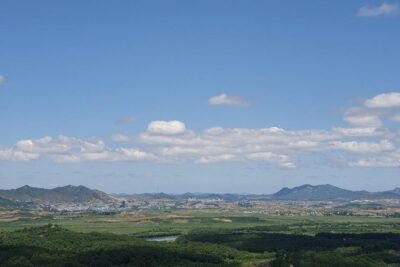
DMZ tour south Korea from Seoul (NK experience hall, defector)
Read our review →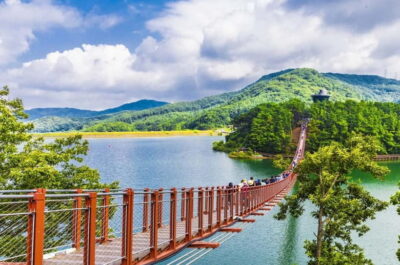
DMZ Insider Tour: 3rd Tunnel, NK Defector Meet & Red Bridge
Read our review →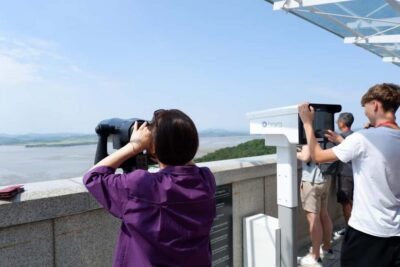
Thrilling Korean DMZ 3rd Tunnel Tour from Seoul + Red Bridge Rush
Read our review →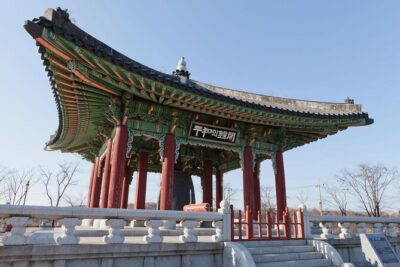
DMZ Past and Present: Korean Demilitarized Zone Tour from Seoul
Read our review →
Ultimate Korea DMZ Tour from Seoul (Gondola & Suspension Bridge)
Read our review →Browse the lists this tour appears in