
Reviewed · DMZ & JSA TOURS
365-day DMZ Special Tour including Monday & Public Holiday
The Korean DMZ is close to Seoul in miles, but it feels far removed from the city’s cafés, towers, and subway crowds. This full-day tour takes you into a heavily controlled border area where war memorials, lookout points, and a tunnel built for invasion make Korea’s division feel immediate rather than abstract. Freedom Bridge and the Third Tunnel are especially striking stops.
I like the choice of pickup points at Seoul subway stations, since you do not need to arrange a costly private transfer. I also like the alternate Monday and public holiday route, which replaces closed DMZ sites with the Peace Gondola, Gloster Hill, and Heroes Suspension Bridge. The main drawback is that the route changes by day, and the 3rd Tunnel and Dora Observatory are not available on Mondays or national holidays.
In This Review
- Key points to know before booking
- Why this DMZ tour is worth your day
- Early pickup from Seoul subway stations
- Imjingak Peace Nuri Park and Freedom Bridge
- The Third Tunnel, a physical reminder of invasion
- Dorasan Peace Park, film, and exhibition hall
- Dora Observatory and the view toward North Korea
- Unification Village and the Civilian Control Zone
- The Monday and public holiday route
- Gloster Hill and Heroes Suspension Bridge
- Food, timing, and what to bring
- Who should book this DMZ experience?
- Should you book the 365-day DMZ Special Tour?
- FAQ
- How long does the DMZ tour last?
- Where does the tour begin?
- What is included in the price?
- Is lunch included?
- Can I visit the Third Tunnel on a Monday?
- Is the tour physically demanding?
- Can the itinerary change or be canceled?
Key points to know before booking
- Two different tours in one: Tuesday through Sunday includes the Third Tunnel, Dora Observatory, and Unification Village. Monday and public holiday departures follow a different route.
- A full nine-hour outing: You leave Seoul early, spend the morning and early afternoon near the border, and return around 3:30pm.
- Strong guide-led storytelling: Guides including Sookhee, Young, Roy, and Chloe are noted for clear explanations, warm personalities, and good crowd management.
- Some walking is demanding: The Third Tunnel and Heroes Suspension Bridge require a moderate level of fitness.
- Meals are not included: Bring food or snacks, especially on the Monday route, when dining choices may be limited.
- Border access can change suddenly: Weather, inspections, military schedules, and security rules can alter the route without a refund.
Why this DMZ tour is worth your day
At $59 per person, this is a practical way to reach the DMZ without renting a car or sorting out transport through a military-controlled zone. The price includes an English-speaking guide, transportation from designated Seoul pickup points, and admission to the Third Tunnel when that site is open.
You are paying as much for access and explanation as for the ride. The DMZ is not a place where you simply wander from sign to sign. Some locations sit inside the Civilian Control Zone, and the day depends on military schedules and security decisions. A guide helps you understand what you are seeing and keeps the group moving when time at each stop is short.
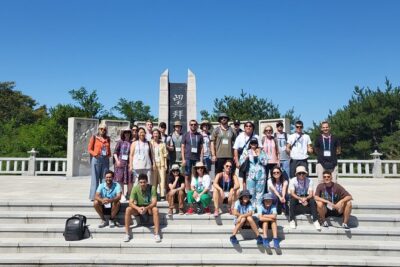
The tour receives a top overall rating, and the most consistent praise is directed at the guides. Sookhee is described as warm, organized, attentive, and good at handling crowds. Young is praised for his friendly explanations, while Roy is remembered for mixing useful information with humor. Chloe is also noted for her upbeat approach.
That personal touch matters here. The subject is serious, and the stops can feel scattered without context. A good guide connects the Korean War, the armistice, the continuing division, and the hope of reunification without turning the day into a dry lecture.
More ways to reach the DMZ:
- Best DMZ Tour Korea from Seoul (Red Suspension Bridge Optional)
★ 5.0 · 41,422 reviews - DMZ Tour: 3rd Tunnel, Option(Suspension Bridge, Boat) from Seoul
★ 5.0 · 21,373 reviews - DMZ tour south Korea from Seoul (NK experience hall, defector)
★ 5.0 · 20,599 reviews
Early pickup from Seoul subway stations
The morning begins with pickup from selected subway stations, with meeting points and times varying by season. In the busier season, roughly early March through late June and early September through early January, pickup runs between about 6:00am and 6:50am. In the low season, pickup runs between about 7:00am and 7:50am.
You need to arrive at your assigned point at least 10 minutes early. The coach leaves on time at each stop, and a late arrival can mean missing the departure. Individual hotel pickup and drop-off are not included, so check the exact meeting point before booking and allow extra time to reach it by subway.
The group can include up to 40 people. That is not a private tour, despite the use of a group guide, so expect a shared coach and a set schedule. The benefit is a lower price and a guide who handles the complicated border access. The tradeoff is less freedom to linger at a memorial or viewpoint.
The ride to the border takes about an hour, though traffic can affect the schedule. The full outing lasts roughly nine hours and normally ends at City Hall Station around 3:30pm. If traffic or major events make City Hall difficult to reach, the final drop-off may move to Hongik University Station in Hongdae.
Imjingak Peace Nuri Park and Freedom Bridge
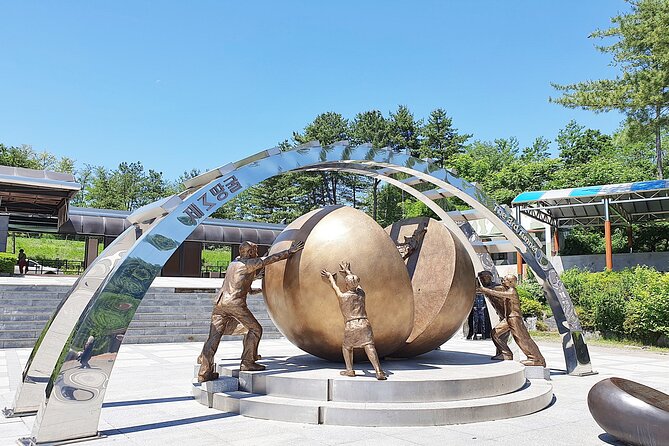
Imjingak Peace Nuri Park is the emotional opening to the day. It was created as a place of comfort for people who fled North Korea during the Korean War, and its monuments give the conflict a human scale.
You can see Freedom Bridge, the Soldiers’ Memorial, and other reminders of families separated by the border. The bridge carries strong symbolism because it was used by prisoners of war and returnees after the conflict. It is not simply a scenic stop. It shows how a piece of infrastructure can become part of a nation’s memory.
Allow yourself time to look carefully rather than rushing straight for photographs. The park includes open areas and memorial features, but the schedule gives you limited time. Your guide will explain the meaning of the monuments and point out details you might otherwise miss.
The nearby North Korea Experience Hall adds another educational stop. It is designed to give you more background on life and conditions in North Korea. This section is useful if you want more than border photographs, though the short visit means you will need to keep moving.
The Third Tunnel, a physical reminder of invasion
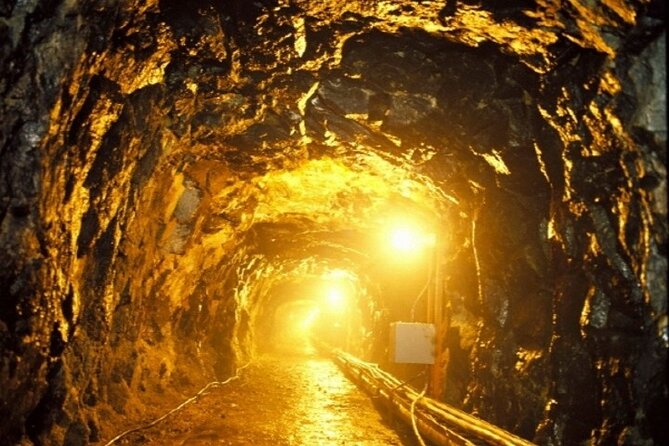
From Tuesday through Sunday, the tour continues to the Third Infiltration Tunnel. Found in 1978, the tunnel was built to support an invasion of South Korea. It runs for 1,635 meters and lies about 52 kilometers from Seoul in a straight line.
This is one of the day’s most memorable stops because you do not only hear about military planning. You walk into the ground and experience the narrow, sloping passage yourself. The tunnel section is physically demanding, and you should be prepared for walking rather than a quick photo stop.
The visit is limited to about 30 minutes. That makes comfortable shoes and a steady pace important. The tour specifically advises against this activity for people with heart conditions, serious medical issues, or pregnancy.
The tunnel can feel crowded and the time can seem tight. One person described the whole day as interesting but noted the limited time at each stop and the need to move quickly. That is fair. This is a structured visit, not a slow archaeological walk.
A completely different kind of day, same trip:
- DMZ Insider Tour: 3rd Tunnel, NK Defector Meet & Red Bridge
★ 4.9 · 15,214 reviews - Seoul: DMZ Tour with Optional Suspension Bridge
★ 4.8 · 5,277 reviews - Signature DMZ Tour: Exclusive Defector Talk & Suspension Bridge
★ 5.0 · 4,459 reviews - Thrilling Korean DMZ 3rd Tunnel Tour from Seoul + Red Bridge Rush
★ 5.0 · 3,097 reviews
Dorasan Peace Park, film, and exhibition hall
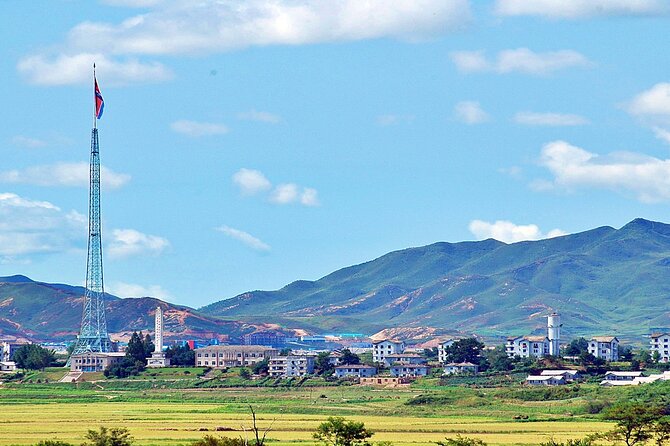
Dorasan Peace Park continues the story with a theater and exhibition hall. An eight-minute film presents South Korea’s view of the Korean conflict and its continuing effects. The short film helps organize the facts you have heard earlier in the day.
You may find this stop more useful as a place for explanation than as a major sightseeing highlight. It gives the tour a pause between the tunnel and the outdoor viewpoints, but the visit lasts about 30 minutes. If you want to read every display in detail, you may feel pressed for time.
The value here is the connection between past events and present policy. The DMZ is not a frozen battlefield preserved in isolation. It remains part of daily Korean politics, security planning, and hopes for reunification. The theater and exhibition material give you a framework for the views that follow.
Dora Observatory and the view toward North Korea
Dora Observatory sits on Dorasan Mountain and offers a view across the border. On clear days, you may see parts of North Korea, military installations, and the surrounding border area. The viewpoint is a reminder that this is an active military zone, not simply a historical park.
Weather makes a big difference. Fog can hide much of the view, but the tour still provides films and visual material at some stops when visibility is poor. Do not book this expecting a guaranteed clear look across the border.
The observatory visit lasts about 30 minutes. Your guide will help you understand what you are looking toward, which makes the stop more meaningful than simply scanning the horizon. You should also expect rules and controlled movement in the area, since access can be restricted without warning.
Unification Village and the Civilian Control Zone
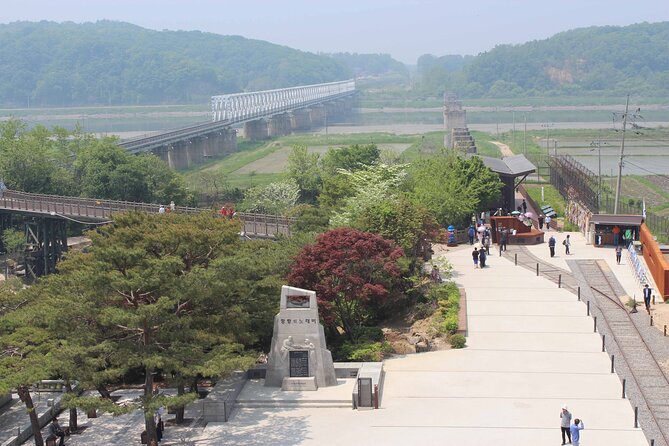
Tongilchon Village, also called Unification Village, sits inside the Civilian Control Zone and is not shown on many ordinary maps. The settlement gives you a glimpse of a community operating close to one of the world’s most heavily guarded borders.
The stop lasts about 20 minutes and includes information about Jangdan soybeans grown in the area. It is brief, but it adds an important civilian perspective. The DMZ story is not only about soldiers, tunnels, and lookout posts. It also affects farming, movement, and everyday life near the border.
You should not expect a long village visit or an independent walk through the community. This is a controlled tour stop with a tight schedule. Its value comes from seeing how normal life exists within unusual restrictions.
The Monday and public holiday route
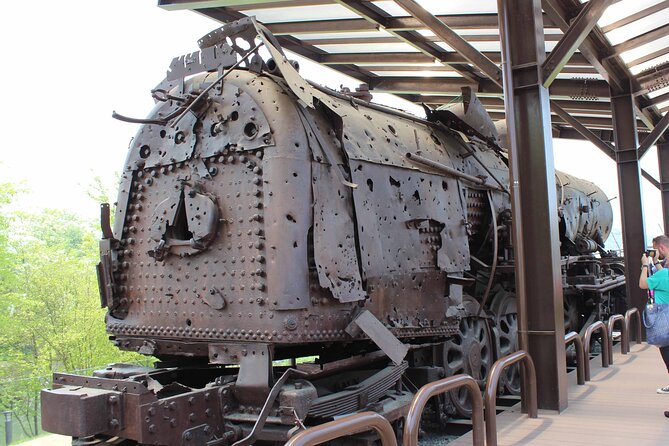
The special feature of this tour is its operation on Mondays and national holidays. Many core DMZ attractions close on those days, including the Third Tunnel and Dora Observatory, so the itinerary changes rather than pretending to offer the same experience.
The Monday route usually includes:
- Imjingak Peace Nuri Park
- DMZ Peace Gondola
- Jangsan Natural Observatory or Odusan Unification Observatory
- Gloster Hill Memorial Park
- Heroes Suspension Bridge
- Return to City Hall Station
The Peace Gondola crosses the Imjin River and offers views connected to the division of Korea and the hope of reunification. The river itself carries strong meaning in the area, and the gondola adds a different way to see the border region.
Jangsan Natural Observatory or Odusan Unification Observatory provides another viewpoint, depending on the day’s operating conditions. If you book on Monday, understand that this is not a weaker version of the regular itinerary. It is a different experience, with more emphasis on scenery, memorials, and the Korean War’s battle sites.
Gloster Hill and Heroes Suspension Bridge
Gloster Hill Memorial Park honors the British Army Gloucester Regiment and the battle fought at Seolmari. The memorial gives the day an international dimension. The Korean War involved forces from many countries, and this stop helps show that the conflict was not only a local event.
Several people who took the Monday route especially valued the Gloster Memorial visit. I can see why. Compared with a lookout point, a battle memorial asks you to stop and consider the people who fought and died in a particular place.
The Heroes Suspension Bridge was once Korea’s longest suspension bridge and was also the site of fierce fighting during the Korean War. Crossing it adds a physical challenge and a scenic change after the memorial stops.
The bridge and tunnel are the most demanding parts of the tour. The tour requires moderate physical fitness, and you should not choose this route if steep walking or extended time on your feet is a serious concern. Heavy rain, snow, or security restrictions can close Gloster Hill or the bridge. In that case, the replacement may be Odusan Unification Observatory or the War Memorial of Korea.
Food, timing, and what to bring
Lunch and drinks are not included. This matters more on the Monday route, when food choices can be limited. One useful tip is to bring snacks or a packed lunch, since the only open option on one Monday outing was a Dunkin’ Donuts.
The day moves quickly. You may have around 20 to 30 minutes at several sites, with about an hour at Imjingak Peace Nuri Park and the initial Seoul pickup period. Wear walking shoes, carry water, and keep your phone charged for the mobile ticket and photographs.
The early start is a fair price for returning to Seoul around mid-afternoon. You will still have time for Seoul plans later in the day, although traffic or a changed drop-off point can affect your schedule.
Who should book this DMZ experience?
I would choose this tour if you want a structured introduction to the border, prefer having the history explained in English, and do not want to manage transport on your own. It suits first-time visitors who want both the famous sites and a clearer understanding of why the DMZ still matters.
It is also one of the better options for a Monday visit. The alternate route includes places that many standard weekday tours cannot offer, especially Gloster Hill and the Heroes Suspension Bridge.
I would think twice if you need a relaxed pace, dislike early starts, or want guaranteed access to the Third Tunnel and Dora Observatory. For those sites, book Tuesday through Sunday and accept that the military can still alter the schedule.
At $59, the tour offers good value for a long day with transport, a guide, and access to a difficult-to-reach region. The price does not include meals or hotel transfers, but it covers the practical part that is hardest to arrange yourself.
Should you book the 365-day DMZ Special Tour?
Book it if you want an informative, active day with strong historical context and you can accept a fixed schedule. Sookhee, Young, Roy, and Chloe are all associated with warm, clear guiding, and that matters when the subject is complex and the border rules can change.
Choose Tuesday through Sunday for the Third Tunnel, Dora Observatory, and Unification Village. Choose Monday or a public holiday for the Peace Gondola, Gloster Hill, and Heroes Suspension Bridge. Bring snacks, arrive early, and treat the itinerary as flexible because the DMZ can close without notice.
FAQ
How long does the DMZ tour last?
The experience lasts about nine hours and usually ends around 3:30pm at City Hall Station.
Where does the tour begin?
The listed starting point is City Hall Station in Seoul, with pickup locations varying by the selected option. Pickup is available at designated Seoul subway stations.
What is included in the price?
The price includes a professional English-speaking guide and pickup from the listed meeting points. Admission to the Third Tunnel is included when that site is part of the route.
Is lunch included?
No. Lunch, food, and drinks are not included. Bringing snacks is especially useful on the Monday route, when dining choices may be limited.
Can I visit the Third Tunnel on a Monday?
No. The Third Tunnel is visited Tuesday through Sunday. Monday and national holiday departures follow an alternate route.
Is the tour physically demanding?
You need moderate physical fitness. The Third Tunnel and Heroes Suspension Bridge can be demanding, and the tour is not recommended for people with heart conditions, serious medical issues, or pregnancy.
Can the itinerary change or be canceled?
Yes. Weather, military schedules, security restrictions, inspections, traffic, or sudden DMZ closures can change the route. If poor weather cancels the experience, you may be offered another date or a full refund. You can also cancel for a full refund up to 24 hours before the start time.
Just added around Seoul
- Incheon Airport Private Transfer between Seoul City★ 4.0 · 4 reviews
- Seoul’s Stars: Open Mic with Local & International Talent★ 4.8 · 4 reviews
- Samaksan Cable Car and Nami Island Day Escape with Railbike★ 4.0 · 4 reviews
- DMZ 2nd Tunnel and Cheorwon Peace Observatory with Admission★ 5.0 · 4 reviews
- Nami & Maple Road & Theatre des Lumieres Day Tour from Seoul★ 4.8 · 4 reviews
- Hire Photographer, Professional Photo Shoot – Seoul★ 5.0 · 4 reviews
- [KoreaByLocal] Authentic Seoul Night Walk and Chicken & Beer★ 5.0 · 4 reviews
- Play Gayageum in Hanbok Cultural Experience in Bukchon★ 5.0 · 4 reviews
DMZ & JSA Tours, compared.
Best DMZ Tour Korea from Seoul (Red Suspension Bridge Optional)
Read our review →
DMZ Tour: 3rd Tunnel, Option(Suspension Bridge, Boat) from Seoul
Read our review →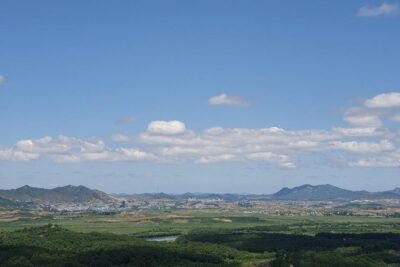
DMZ tour south Korea from Seoul (NK experience hall, defector)
Read our review →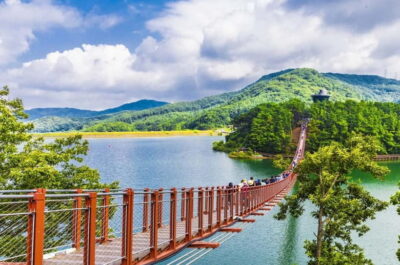
DMZ Insider Tour: 3rd Tunnel, NK Defector Meet & Red Bridge
Read our review →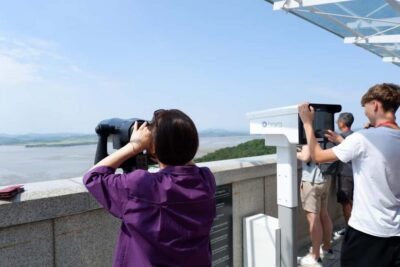
Thrilling Korean DMZ 3rd Tunnel Tour from Seoul + Red Bridge Rush
Read our review →
DMZ Past and Present: Korean Demilitarized Zone Tour from Seoul
Read our review →
Ultimate Korea DMZ Tour from Seoul (Gondola & Suspension Bridge)
Read our review →Browse the lists this tour appears in