
Reviewed · HISTORICAL TOURS
Seoul’s Hidden Dark History Guided Tour of Seodaemun Prison
Seodaemun Prison is not a light sightseeing stop. Its cells, interrogation rooms, and execution grounds bring Korea’s struggle under Japanese colonial rule close enough to feel. I like that this tour tackles the hard parts of Seoul’s past instead of sticking to palaces and shopping, and that a guide with more than 10 years of experience puts the prison’s details into a clear historical story.
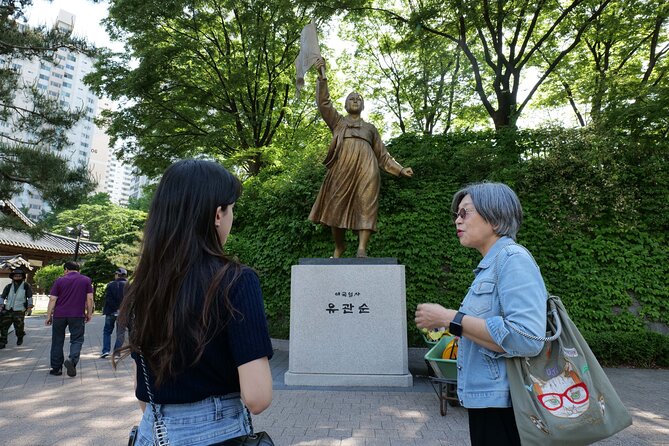
I also like the small-group limit of 10 people and the careful focus on Korea’s independence movement, including the story of Yu Gwan-sun, who was only 17 during the March 1st Movement. The main consideration is emotional weight: this is a serious visit, and the two-hour walk may feel demanding if you prefer lighter sightseeing or have limited mobility.
In This Review
- Key points at a glance
- Why Seodaemun Prison belongs on a Seoul itinerary
- Starting at Dongnimmun Gate
- Entering Seodaemun Prison History Hall
- The cells and interrogation rooms
- The execution grounds and the cost of resistance
- Yu Gwan-sun and the March 1st Movement
- What the professional guide adds
- Is $31.54 good value?
- Timing, meeting point, and practical planning
- Who should take this tour?
- Should you book the Seodaemun Prison tour?
- FAQ
- How long does the Seodaemun Prison guided tour last?
- What time does the tour begin?
- Where does the tour meet and finish?
- Is admission to Seodaemun Prison History Hall included?
- How many people can join the tour?
- Can I cancel for a full refund?
Key points at a glance
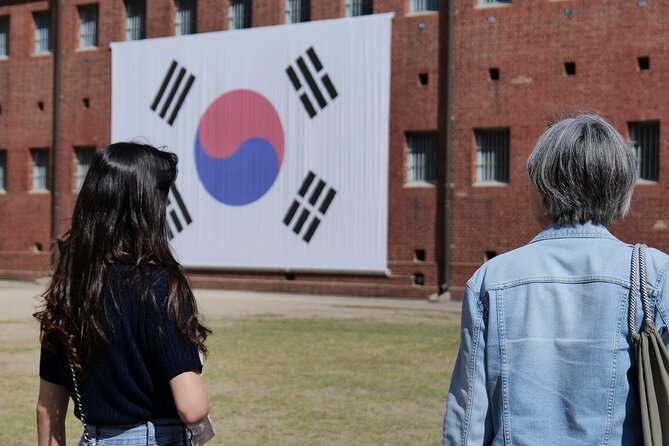
- Original prison spaces: Enter solitary cells, interrogation rooms, and the execution grounds at Seodaemun Prison History Hall.
- A strong independence story: Learn how Yu Gwan-sun became a national symbol of courage at just 17 years old.
- Two connected historic sites: Begin at Dongnimmun Gate, built by Korea in 1890, then continue to the prison.
- Small group format: The experience is limited to a maximum of 10 people, allowing a more focused walk.
- Useful afternoon timing: Meet at 2:00 pm for an experience lasting about two hours.
- Straightforward value: At $31.54 per person, the fee includes admission to Seodaemun Prison History Hall and a professional history guide.
Why Seodaemun Prison belongs on a Seoul itinerary
Seoul gives you grand palaces, sleek towers, shopping streets, and polished museums. Seodaemun Prison offers something different: a place where the city’s modern history feels physical and unsettling.
The prison was built in 1908 during Japanese colonial rule. It was used to detain and execute people involved in Korea’s independence movement. Today, the surviving buildings and memorial displays explain what happened, but the setting does much of the work. Walking through a cell or an interrogation room is more direct than reading a paragraph in a guidebook.
I find this especially valuable if you already know the basic outline of Korea’s 20th-century history but want to understand its human cost. The tour is not simply a march from building to building. The guide connects the rooms with the wider independence movement and explains why the prison remains such an important place in Seoul.
This is also a useful choice for anyone who has already seen the city’s most famous royal sites. You will not get another palace tour in different clothes. Instead, you will see a part of Seoul that explains the courage and sacrifice behind modern Korea.
A few more Seoul trips worth weighing up
- Seoul: Evening Dark History, Folklore & Ghost Story Walking Tour
★ 5.0 · 593 reviews - Hanbok Photoshoot and History Tour at Gyeongbokgung Palace
★ 5.0 · 276 reviews - From Seoul: Dae Jang Geum Park Historic K-Drama Set Tour
★ 4.9 · 143 reviews
Starting at Dongnimmun Gate
The walk begins at 102-6 Hyeonjeo-dong in Seodaemun-gu at 2:00 pm. The first stop is Dongnimmun Gate, where you spend about 20 minutes learning about the gate built by Korea in 1890.
Dongnimmun is a fitting starting point because its purpose and symbolism connect with the broader theme of independence. Beginning here gives you a little historical grounding before you enter the prison grounds. Rather than treating Seodaemun Prison as an isolated attraction, the tour links it with the city’s effort to assert its own identity.
The opening stop is brief, which I consider a strength. You get context without spending half the afternoon outside the main site. Still, you should pay attention here. If you arrive expecting the prison immediately, the gate may seem like a quick introduction, but it helps frame the political story that follows.
The meeting point and the final entrance are both in Seodaemun-gu, so the route is easy to understand. The experience finishes at Seodaemun Prison History Hall, 251 Tongil-ro, rather than returning you to the first meeting point. Plan your next activity from the prison area.
Entering Seodaemun Prison History Hall
The main portion lasts about 1 hour and 40 minutes. Admission to Seodaemun Prison History Hall is included, so you do not need to treat the entrance fee as an extra cost when judging the price.
The prison was constructed in 1908 during Japanese colonial rule. Its original function gives the visit a difficult edge. This is not a recreated historical attraction designed to entertain you. The cells and other spaces are tied to imprisonment, interrogation, and execution.
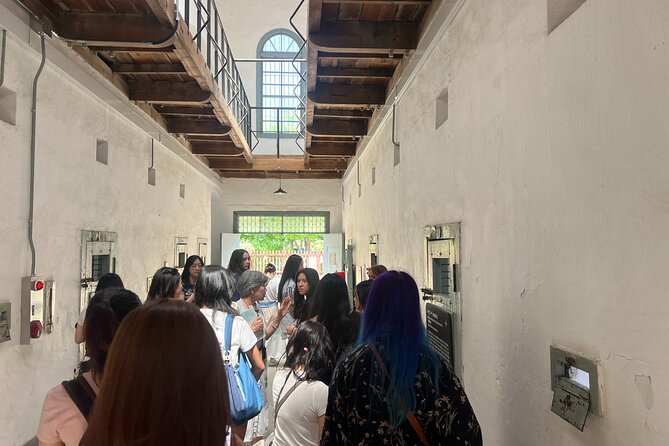
You can expect to walk through solitary cells, interrogation chambers, and the execution yard. These spaces matter because they make the story specific. You are not only hearing that independence activists were detained. You are seeing the kinds of places where that detention occurred.
The guide’s role is important here. A professional guide with more than 10 years of experience in Korean history leads the walk and explains how the prison was used. The available information does not name the guide, so you should not book expecting a particular person. What is clear is that the tour is built around historical explanation, not just a silent visit to the buildings.
The prison can be a quiet place, but the subject is not easy. You may want to allow yourself time after the tour to think about what you have seen rather than rushing straight into another crowded attraction.
The cells and interrogation rooms
The cells are among the most important parts of the visit. Their value comes from their plainness. A narrow room, a heavy door, or a confined interior can communicate the loss of freedom without much decoration.
The guide explains the prison’s use as a place to hold independence activists. That context helps you understand why the building is preserved as a memorial site. The purpose is not to make suffering into a spectacle. It is to remember the people who were held there and the movement they represented.
The interrogation rooms carry a different kind of tension. They point to the pressure placed on prisoners before you reach the execution grounds. I appreciate that the tour includes these less familiar spaces, since many short city visits focus only on public monuments and leave out the machinery used to suppress dissent.
You should expect an educational visit rather than a casual photo stop. Some people may find the subject matter heavy, especially when the guide describes imprisonment and execution. That is not a flaw in the experience, but it is a reason to choose this tour only if you are ready for a serious historical visit.
A completely different kind of day, same trip:
- Best DMZ Tour Korea from Seoul (Red Suspension Bridge Optional)
★ 5.0 · 41,422 reviews - DMZ Tour: 3rd Tunnel, Option(Suspension Bridge, Boat) from Seoul
★ 5.0 · 21,373 reviews - DMZ tour south Korea from Seoul (NK experience hall, defector)
★ 5.0 · 20,599 reviews - DMZ Insider Tour: 3rd Tunnel, NK Defector Meet & Red Bridge
★ 4.9 · 15,214 reviews
The execution grounds and the cost of resistance
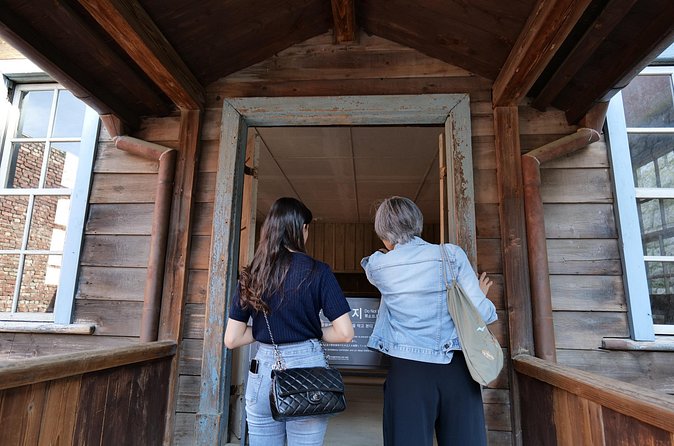
The execution grounds are likely to be the most difficult stop. Here, the story moves from detention to the final punishment faced by some independence activists.
The guide explains the sacrifices made by people who resisted colonial rule. That word, sacrifice, can sound abstract in a textbook. The physical setting gives it a sharper meaning. You are asked to consider real people, real choices, and the price paid for opposing an occupying power.
This part of the visit may not suit young children or anyone looking for a relaxed afternoon. The tour information calls for a moderate level of physical fitness, but the emotional fitness required is worth considering too. You are not required to be an expert in Korean history, but you should be prepared to listen carefully and respectfully.
I would avoid scheduling a rushed meal, a lively shopping trip, or another major attraction immediately afterward. The tour lasts only about two hours, yet the subject may stay with you longer.
Yu Gwan-sun and the March 1st Movement
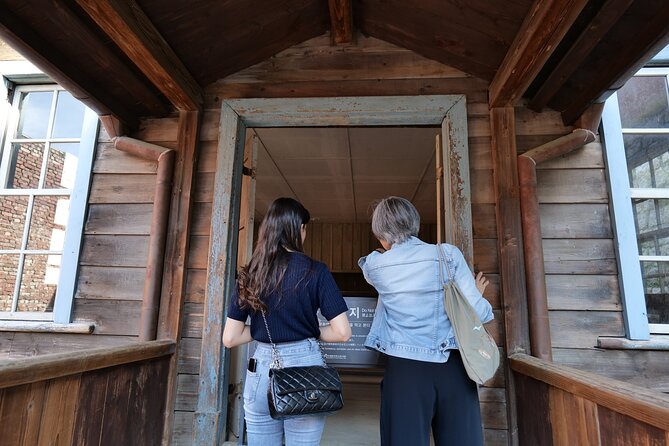
The story of Yu Gwan-sun gives the tour a clear human focus. She was a 17-year-old student whose courage during the March 1st Movement made her a national symbol.
Her age is important. It prevents the independence movement from becoming a distant story about famous political figures. Yu Gwan-sun was a young student, and her courage helps you understand that the movement involved ordinary people as well as leaders.
The guide places her story within the wider independence struggle. This is one of the tour’s strongest features because it combines a personal account with the history of a national movement. You learn about the events, but you also have a person to remember when you walk through the prison’s rooms.
If you know little about the March 1st Movement, this section should help you follow the basic ideas without requiring advance study. If you already know the story, the prison setting gives familiar facts a more immediate setting.
What the professional guide adds
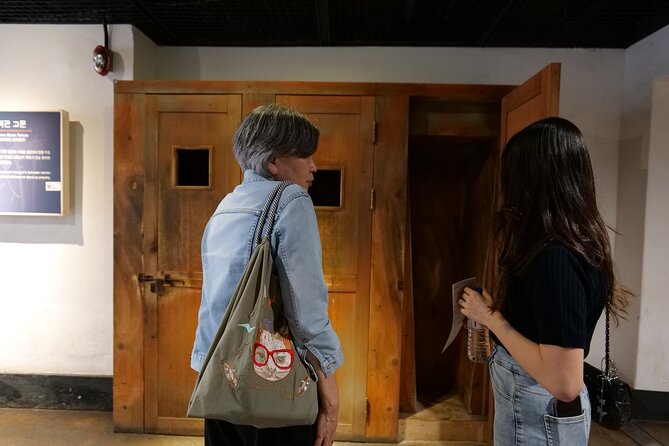
A self-guided visit can show you the buildings, but it may leave you to work out how the different parts fit together. This walking tour gives you a historical thread from Dongnimmun Gate to the prison’s cells, interrogation rooms, and execution grounds.
The guide has more than 10 years of experience in Korean history. That background matters because Seodaemun Prison is not a site you should approach as a collection of disconnected rooms. The guide explains the prison’s role and the independence movement’s wider meaning.
One past assessment described the experience as a detailed walk through the Korean independence movement and a clear explanation of how the prison was used. That praise points to the tour’s main strength: it combines the national story with the physical workings of the site.
The group limit is 10 people. That is small enough to keep the tour focused and should make it easier to follow the explanation than in a large coach group. The supplied information does not promise a private tour, so expect a shared experience, but not a crowd of dozens.
Is $31.54 good value?
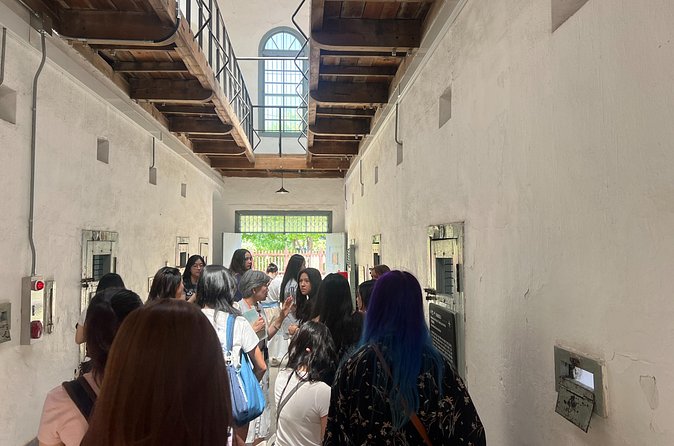
At $31.54 per person, the tour is reasonably priced if you want both the prison admission and a guide who explains the history. You are paying for a two-hour experience, including entry to Seodaemun Prison History Hall, rather than only buying access to a memorial site.
The value depends on how you like to visit museums. If you enjoy reading every display at your own pace, you may prefer to visit independently. If you want a clear explanation of the independence movement and the prison’s purpose, the guide adds useful structure.
The small group also helps justify the fee. A maximum of 10 people is a better fit for a serious site than a large group that moves quickly from room to room. The tour does not list extras such as meals, transport, or additional attractions, so judge it as a focused history walk rather than a full-day sightseeing package.
The fact that it is often booked about 31 days ahead is worth noting. That does not guarantee that every date will sell out, but it suggests that you should reserve early if your Seoul schedule is fixed.
Timing, meeting point, and practical planning
The start time is 2:00 pm, and the full experience lasts about two hours. This makes it easy to pair with a morning activity, provided you leave enough time to reach Seodaemun-gu without rushing.
The tour begins at 102-6 Hyeonjeo-dong and ends at Seodaemun Prison History Hall on Tongil-ro. Since the tour does not finish at the original meeting point, check your onward plans before booking. The area is near public transportation, which makes the start and finish more manageable.
You should wear comfortable shoes and be ready for a walking tour through historic buildings and grounds. The stated requirement is a moderate physical fitness level. No detailed accessibility information is provided, so contact the provider before booking if stairs, uneven surfaces, or extended walking could be a problem.
Confirmation arrives at the time of booking. You can cancel for a full refund up to 24 hours before the start time. Changes or cancellations made less than 24 hours ahead are not accepted for a refund, and the cut-off uses Seoul local time.
Who should take this tour?
I would recommend this experience to you if you want to understand Seoul beyond its royal palaces and modern shopping districts. It suits history-minded visitors, first-time visitors who want one serious cultural stop, and anyone interested in Korea’s independence movement.
It is also a good fit if you prefer a guide who explains the meaning of a place as you move through it. The group limit of 10 gives the experience a more personal scale, while the two-hour duration keeps it from taking over your entire day.
I would think twice if you are looking for a cheerful, low-pressure activity. The prison’s purpose, the execution grounds, and the stories of imprisoned activists make this a sober visit. The moderate physical requirement may also matter if you are not comfortable with a walking tour.
Families should make the decision based on the age and sensitivity of their children. The information provided does not set a minimum age, but the subject is serious and includes imprisonment and execution.
Should you book the Seodaemun Prison tour?
Book it if you want a direct, carefully explained look at the events that shaped modern Korea. The strongest reasons are the original prison spaces, the story of Yu Gwan-sun, the experienced history guide, and the small group size.
Skip it if your Seoul plans are built entirely around food, shopping, and light sightseeing, or if you prefer to explore museums without a scheduled guide. Seodaemun Prison asks for attention and respect, but at $31.54, it offers a focused way to understand a difficult part of Korea’s past without giving up an entire day.
FAQ
How long does the Seodaemun Prison guided tour last?
The experience lasts approximately two hours. About 20 minutes is spent at Dongnimmun Gate, followed by about 1 hour and 40 minutes inside Seodaemun Prison History Hall.
What time does the tour begin?
The tour starts at 2:00 pm.
Where does the tour meet and finish?
The meeting point is 102-6 Hyeonjeo-dong, Seodaemun-gu, Seoul. The tour ends at Seodaemun Prison History Hall, 251 Tongil-ro, Seodaemun-gu, Seoul.
Is admission to Seodaemun Prison History Hall included?
Yes. Admission to Seodaemun Prison History Hall is included in the tour.
How many people can join the tour?
The activity has a maximum group size of 10 people.
Can I cancel for a full refund?
Yes. You can cancel at least 24 hours before the experience start time for a full refund. Cancellations or changes made less than 24 hours before the start time are not accepted for a refund.
Just added around Seoul
- Jeonju & Yeosu: 4-Day Foodie & Artist Journey★ 5.0 · 3 reviews
- Seongsu-dong Walking Tour: K-Pop, Culture, Cheer, Friends & Relax★ 4.5 · 3 reviews
- Full Day Private Seoul Tour for foodies★ 5.0 · 3 reviews
- Imjingak DMZ Private Tour for Incheon Airport and Cruise Guests★ 5.0 · 3 reviews
- K-Pop Tour★ 3.5 · 3 reviews
- Seoul: LEGOLAND Admission with Transport (Optional Railbike)★ 5.0 · 3 reviews
- Seoul: Seorak Mountain, East DMZ, and Sokcho Tour★ 5.0 · 3 reviews
- Strawberry Picking, Winter Sled with Eobi Ice Valley from Seoul★ 4.5 · 3 reviews
Historical Tours, compared.
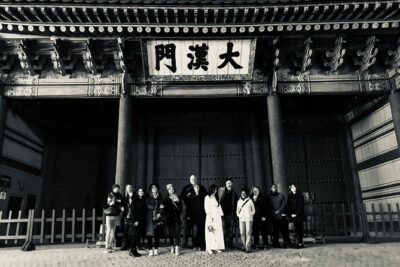
Evening Dark History, Folklore & Ghost Story Walking Tour
Read our review →
Hanbok Photoshoot and History Tour at Gyeongbokgung Palace
Read our review →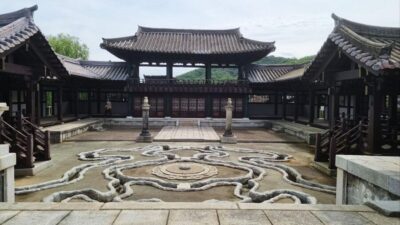
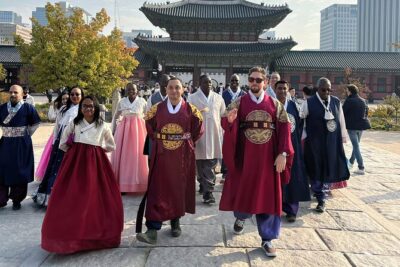
City Highlights and Historical Experience No Shopping
Read our review →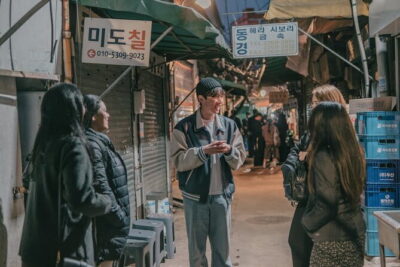
Street photoshoot and Seoul Hidden gem History Walking Tour
Read our review →
Namhansanseong UNESCO Historical Sites and Korean Folk Village-Private Tour
Read our review →Browse the lists this tour appears in