
Reviewed · HONGDAE & GANGNAM NIGHTLIFE
Seoul: Gangnam Tour on Youth and Society in South Korea
Gangnam is more than designer shops, glossy towers, and the pop song that made the district famous. This 150-minute walking tour uses its streets, advertisements, clinics, and high-rise offices to explain the pressures shaping modern South Korea. You’ll look at the polished surface, then ask what it costs to maintain it.
I like the tour’s clear link between ordinary city sights and social issues, and I like that guides such as Jessica and June bring personal experience and humor to subjects that could otherwise feel heavy. The main consideration is the topic itself: suicide, beauty pressure, low birth rates, and academic stress are handled frankly, so this is not a light sightseeing stroll.
In This Review
- Key points to know before you book
- Why Gangnam is the right place for this subject
- From Korea’s rapid growth to today’s social rules
- Beauty clinics and the pressure to look right
- Education, parents, and the race for a secure future
- Housing, work, dating, and the shape of adulthood
- The walk toward the Han River
- What the guides add to the experience
- Is $33 a fair price?
- Weather, walking, and practical limits
- Who will get the most from this Gangnam walk?
- Should you book the Gangnam youth and society tour?
- FAQ
- Where does the Gangnam society tour meet?
- How long does the tour last?
- What language is the tour in?
- What subjects does the tour cover?
- Is transportation included?
- Is Korean food included?
- Is the tour suitable for people with mobility limitations?
Key points to know before you book
- Gangnam becomes a classroom: Beauty clinics, luxury advertising, offices, and apartment culture help explain how status works in South Korea.
- The focus is modern life: Expect discussion of education, jobs, housing, dating, marriage, family, appearance, and mental health.
- Jessica and June bring different personal angles: Both are praised for clear English, humor, storytelling, and thoughtful answers.
- The walk ends toward the Han River: You get a changing view of Gangnam rather than remaining inside one shopping street.
- The tour is easy but not entirely passive: There is walking, subway use, and possibly a seated discussion lasting about 30 minutes.
- At $33, the value is strongest for curious first-time visitors: You are paying for context and conversation, not major admissions or food.
Why Gangnam is the right place for this subject
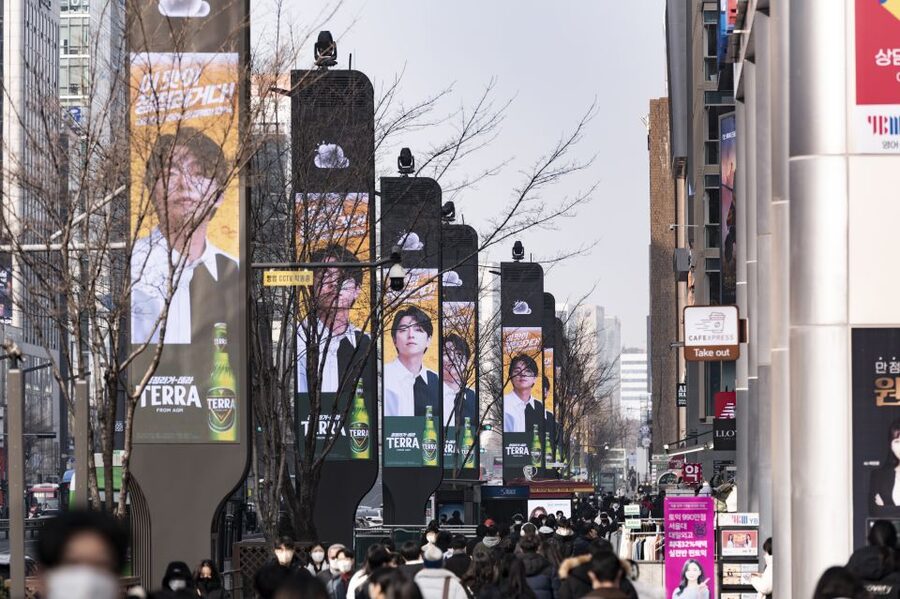
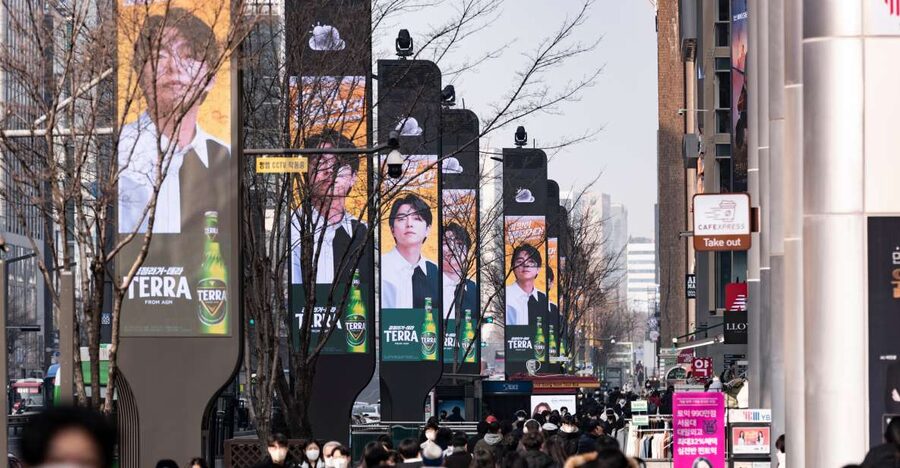
Start at Gangnam Station, Exit 11, at 820-10, Yeoksam-dong, Gangnam-gu. The meeting point places you in the middle of one of Seoul’s best-known commercial districts, where enormous signs, office towers, beauty businesses, restaurants, and shopping streets crowd into a small area.
That setting matters. A museum can tell you that South Korea changed quickly after war and poverty. Gangnam lets you see the result in real time: polished buildings, expensive goods, carefully managed faces, and a constant message that success should be visible.
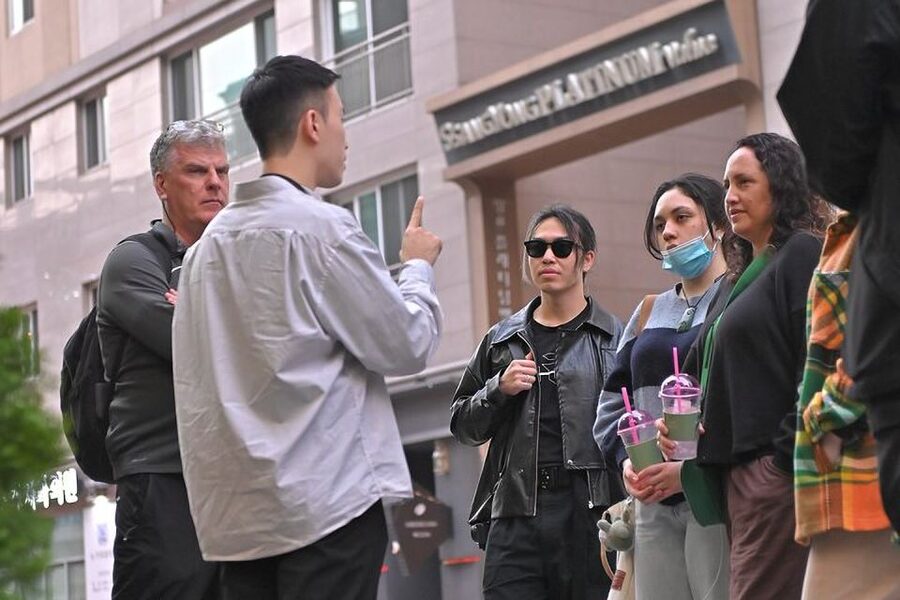
Your guide does not simply point out famous places. You’ll use what you see to discuss why so many Koreans want to live in Gangnam, how wealth and education shape opportunity, and why the district can feel both exciting and exhausting. The tour asks you to read the city as evidence of social priorities.
I especially like this approach because it avoids treating Gangnam as a backdrop for photographs. You still see the shiny side, but you also learn to question it. A beauty advertisement is not just an advertisement. A private academy sign is not just another storefront. A luxury shop says something about aspiration, class, and the pressure to keep up.
More nights out in Hongdae and Gangnam:
- Gangnam Walking Tour on Youth and Society in Seoul Korea
★ 5.0 · 401 reviews - Seoul: Itaewon Premium Pub Crawl with VIP Bottle Service
★ 5.0 · 101 reviews - Korean Home Style Cooking Class in Gangnam Seoul
★ 5.0 · 40 reviews
From Korea’s rapid growth to today’s social rules
The walking route includes historical context so the modern discussion has a foundation. You’ll learn how Korea’s past helped form its attitudes toward family, education, work, hierarchy, and achievement.
The tour’s central idea is simple: South Korea’s economic success brought real gains, but it also created fierce competition. A country that moved from hardship to global influence within a few generations developed strong habits around discipline, study, career progress, and family duty.
That background helps explain why success can feel like an obligation rather than a personal choice. You may hear about the expectations placed on children, parents, young professionals, and older people. The point is not to label Korean culture as good or bad. It is to see how several forces operate at once.
The guides are at their best when they connect national trends to everyday choices. Reviews of Jessica and June repeatedly praise their storytelling, their ability to answer questions, and their habit of presenting more than one viewpoint. Jessica’s experience of growing up abroad and living in South Korea gives her a useful outsider-insider perspective, while June is praised for his clear explanations and easy humor.
Do not expect a formal lecture delivered without interruption. The tone is conversational, and you have chances to ask about what you see and how Korean life compares with your own country. That makes the experience especially useful if you have already noticed cultural differences but lack the background to understand them.
Beauty clinics and the pressure to look right

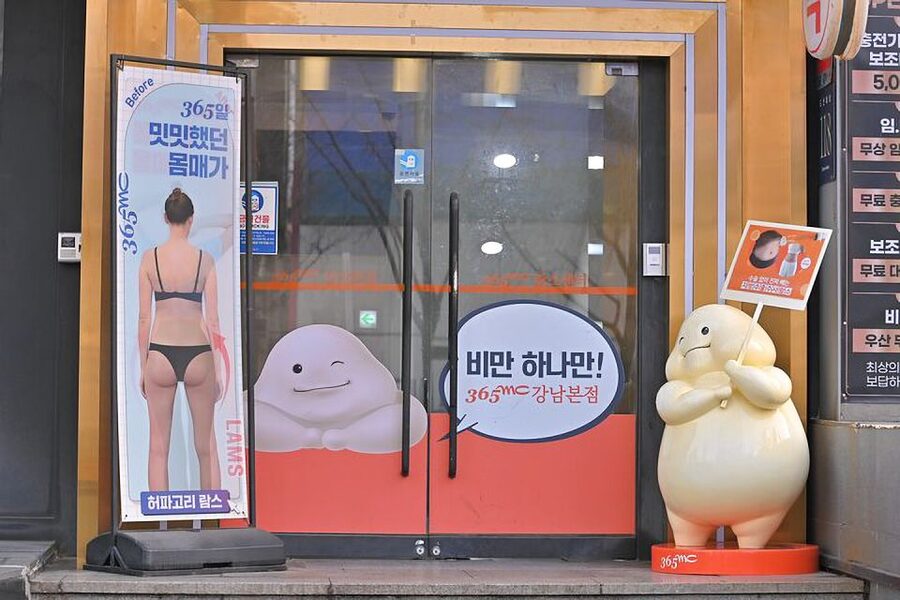
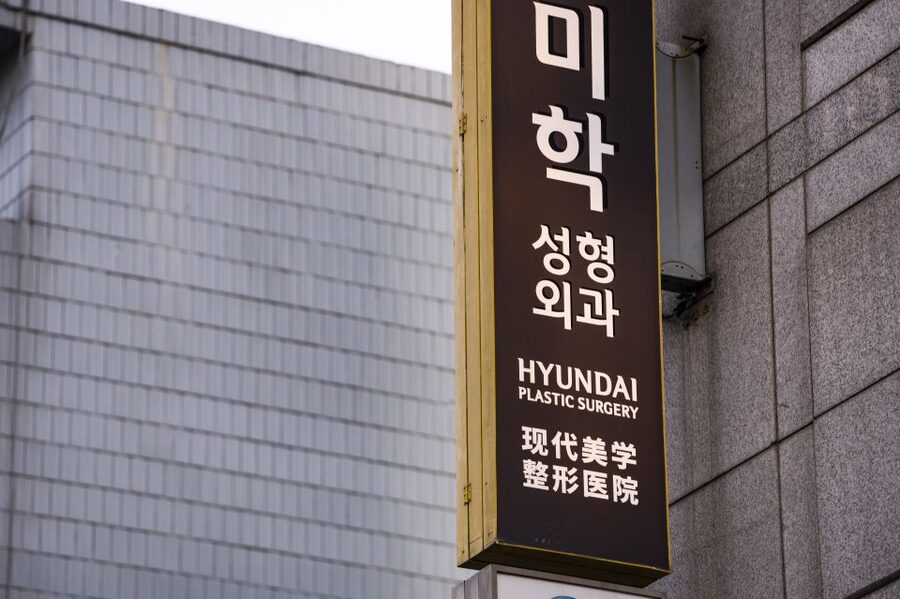
Gangnam is famous for its beauty industry, and the tour takes that subject beyond the usual comments about K-pop stars and skincare. You’ll see advertisements for beauty products, luxury labels, and plastic surgery clinics, then discuss why appearance carries such weight in Korean society.
This is one of the most memorable parts because the evidence is right in front of you. You do not need to enter a clinic or buy anything. The signs and storefronts show how commercial beauty has become part of the district’s identity.
The discussion includes Korean beauty standards and the plastic surgery boom. You’ll consider how appearance can affect dating, work, confidence, and social standing. The topic is not presented as a simple accusation against individuals who choose cosmetic procedures. Instead, the tour looks at the social setting that can make those choices feel expected or even necessary.
You’ll also hear about the broader ideal of perfection. It can apply to skin, body shape, clothing, photographs, school results, career status, and the appearance of a successful family life. That wider link is important. Beauty is not treated as a separate fashion issue, but as one part of a larger demand to present yourself correctly.
I would book this section alone if you have an interest in Korean popular culture. It gives more useful context than simply visiting a cosmetics shop. At the same time, you should be comfortable discussing sensitive subjects without expecting a clinical or academic seminar.
Education, parents, and the race for a secure future
Education receives major attention, and rightly so. You’ll look at why academic results carry such force in South Korea, how parents feel pressure to invest in their children, and how young people experience the demand to succeed.
The tour connects school pressure to later life. Grades can affect access to universities, careers, income, housing, and social status. That means the competition begins early and can shape a child’s daily routine, a parent’s finances, and the family’s sense of pride or worry.
This part should help you understand why education appears so often in conversations about Korean youth. It is not only about studying hard. It is about the fear that one wrong result can close doors in an already competitive society.
The guide also places education beside other pressures, including work, dating, marriage, and housing. You’ll see how these subjects overlap. A young person may be expected to attend a good university, find a stable job, afford a home, marry at the right time, and support family expectations. Each goal can make the next one harder.
The subject can feel bleak, but the tour does not present young Koreans as helpless. It asks how people cope, adapt, resist, or leave and later return. That balance is one of the experience’s strengths. You get a look at the strain without losing sight of ambition, humor, affection, and the benefits people still find in Korean life.
A completely different kind of day, same trip:
- Best DMZ Tour Korea from Seoul (Red Suspension Bridge Optional)
★ 5.0 · 41,422 reviews - DMZ Tour: 3rd Tunnel, Option(Suspension Bridge, Boat) from Seoul
★ 5.0 · 21,373 reviews - DMZ tour south Korea from Seoul (NK experience hall, defector)
★ 5.0 · 20,599 reviews - DMZ Insider Tour: 3rd Tunnel, NK Defector Meet & Red Bridge
★ 4.9 · 15,214 reviews
Housing, work, dating, and the shape of adulthood
Gangnam’s expensive image gives the guide a natural opening to discuss housing. You’ll consider why location matters, how apartment living fits into status and family goals, and why finding a stable home can be such a major concern for younger adults.
The tour does not promise access to private homes or a detailed real-estate lesson. Instead, the streets become prompts for understanding how people measure security. High-rise buildings, office districts, and commercial rents help explain why income and career status matter so much.
Work is treated in the same practical way. The conversation covers careers, long hours, professional expectations, and the gap between economic success on paper and personal happiness. This helps explain the tour’s question about why a wealthy country can still have serious mental-health concerns and high suicide rates.
Dating and marriage also enter the picture. You may hear about how friends introduce people, how appearance and employment affect relationships, and why family expectations can shape private decisions. These topics are handled as social patterns, not rules that describe every Korean person.
That distinction matters. No two families live exactly the same way, and Seoul includes many competing attitudes. A good guide should help you spot broad pressures without turning them into stereotypes. The strongest feedback about Jessica and June points to this ability to explain social habits while still making room for personal differences.
The walk toward the Han River
The route eventually heads toward the Han River, giving the tour a clear sense of movement and an ending away from the station. You see Gangnam change as you walk, from commercial streets and advertising to a more open setting.
The river ending also works symbolically. After discussing competition, status, and pressure among tall buildings, you get physical space and a chance to think over the conversation. The experience is less about collecting landmark photographs than about leaving with a different way to read Seoul.
One detail mentioned in the tour experience is a seated conversation of roughly 30 minutes. That break is welcome, especially in summer heat or after a long day of sightseeing. It also gives you time to ask questions that did not fit naturally into the walking sections.
The full activity lasts 150 minutes, though some sessions have run longer in practice. Plan for about two and a half hours, and avoid booking it immediately before an important reservation. You’ll need a small subway or transportation payment of 2,000 KRW, and an optional Korean food session is not included.
What the guides add to the experience
A social-history tour lives or dies by its guide. Here, Jessica and June receive especially strong praise for their English, humor, preparation, and ability to make difficult subjects understandable.
Jessica is described as a strong storyteller who can hold attention through a long session. Her background abroad gives her a useful way to compare Korean customs with Western assumptions. She also offers practical help after tours in some cases, including answers to questions about places to visit.
June is praised for a relaxed manner, strong English, and detailed explanations of life for Korean youth and young professionals. You may see his name written as Jun or June in booking details, so check the confirmed guide information when you reserve.
Both styles appear to favor discussion over memorized facts. That is important here. Topics such as suicide, plastic surgery, family pressure, and low birth rates need tact and context. A guide who can explain the difficult parts while also discussing why people choose to stay in or return to South Korea makes the tour feel more honest.
You should also expect the group to ask questions. If you prefer a silent walk with a fixed script, this may feel slow. If you like being able to stop and ask why a custom exists, the format is a good match.
Is $33 a fair price?
At $33 per person, this is not the cheapest way to walk around Gangnam. You could explore the streets for free, photograph the signs, and read about Korean society on your own.
The price makes sense if you value interpretation. You are paying for a local historian, a planned route, live English explanation, and the chance to ask about subjects that are hard to understand from signs alone. The tour also saves you from spending hours sorting through disconnected facts about education, beauty, work, family, and mental health.
There are no major admission tickets included, and transportation costs an additional 2,000 KRW. Food is also optional, so budget separately if you want to add the Korean food session.
For me, the strongest value comes from timing. Take it near the start of your Seoul stay and you’ll have a better lens for the rest of your visit. K-pop stores, beauty shops, apartment towers, university districts, and workplace culture will all make more sense afterward.
Weather, walking, and practical limits
The walk is described as physically easy, with flat sections, some stairs, and subway steps. One account also included time sitting in chairs, making the pace manageable for some older participants.
Still, the published restrictions say the activity is not suitable for people over 70 or people with mobility impairments. If either applies to you, do not rely on a general description of an easy walk. Contact the provider before booking and confirm whether the route can meet your needs.
Seoul summers can be hot and humid. Bring water, wear light clothing, and use the portable hands-free fan supplied in the summer season. In winter, hot packs are provided, but you should still dress for an outdoor walk.
Bring cash for the transportation fee and any optional food. Audio recording is not allowed. The tour is in English, and strong listening skills will help because the subject matter includes social terms, historical references, and comparison between cultures.
Free cancellation is available up to 24 hours before the start time, and you can reserve now and pay later. Those policies are useful if your Seoul schedule is still shifting, but the main decision is whether the subject matter suits you.
Who will get the most from this Gangnam walk?
I would recommend it to first-time Seoul visitors who want more than shopping, architecture, and pop-culture landmarks. It also suits parents, teachers, students, and anyone interested in how education and family expectations shape adult life.
Teenagers may find the discussion especially relevant, provided they are comfortable with serious topics. One family found the experience engaging for a teenage daughter, and the open question format can work well for younger people who already follow Korean music, television, beauty, or social media.
The tour is also useful for visitors from Japan or other East Asian countries. Similarities can make the comparisons more interesting, while differences in school, dating, family duty, and appearance become easier to spot.
I would skip it if you want a cheerful food tour, a history-only walk, or a quick list of famous Gangnam sights. This experience spends more time on pressure and social structure than on monuments. It is thoughtful and often funny, but parts of it may leave you unsettled.
Should you book the Gangnam youth and society tour?
Book it if you want to understand the people behind Seoul’s polished image. The tour’s best feature is the way it turns ordinary sights into useful questions about beauty, education, work, housing, relationships, and happiness.
At $33, it is a solid buy for an English-speaking visitor who values context. Schedule it early, carry water and cash, and arrive ready to discuss uncomfortable subjects. If Jessica or June is leading your session, expect clear explanations, personal examples, and plenty of room for questions.
Skip it only if you want a purely lighthearted outing or have mobility needs that do not fit the stated limits. For most curious adults and older teenagers, this is one of the more useful ways to see Gangnam as a place where aspiration and pressure share the same street.
FAQ
Where does the Gangnam society tour meet?
Meet the guide at Gangnam Station, Exit 11. The English address is 820-10, Yeoksam-dong, Gangnam-gu, Seoul. The Korean address is 강남역 11번 출구.
How long does the tour last?
The scheduled duration is 150 minutes, or two and a half hours. Some sessions may run longer, so avoid placing a tight reservation immediately afterward.
What language is the tour in?
The live tour guide speaks English. Guides named Jessica and June, also written as Jun in some information, are associated with the tour.
What subjects does the tour cover?
You’ll discuss Korean history and modern society, including beauty standards, plastic surgery, education, housing, work, dating, marriage, family expectations, mental health, suicide rates, and the low birth rate.
Is transportation included?
No. A transportation fee of 2,000 KRW is not included. Bring cash, as requested in the practical information.
Is Korean food included?
No. The Korean food session is optional and costs extra.
Is the tour suitable for people with mobility limitations?
The activity is listed as unsuitable for people over 70 and people with mobility impairments. The route includes walking, some subway stairs, and a seated discussion. Contact the provider before booking if you have concerns about the physical demands.
Just added around Seoul
- Incheon Airport Private Transfer between Seoul City★ 4.0 · 4 reviews
- Seoul’s Stars: Open Mic with Local & International Talent★ 4.8 · 4 reviews
- Samaksan Cable Car and Nami Island Day Escape with Railbike★ 4.0 · 4 reviews
- DMZ 2nd Tunnel and Cheorwon Peace Observatory with Admission★ 5.0 · 4 reviews
- Nami & Maple Road & Theatre des Lumieres Day Tour from Seoul★ 4.8 · 4 reviews
- Hire Photographer, Professional Photo Shoot – Seoul★ 5.0 · 4 reviews
- [KoreaByLocal] Authentic Seoul Night Walk and Chicken & Beer★ 5.0 · 4 reviews
- Play Gayageum in Hanbok Cultural Experience in Bukchon★ 5.0 · 4 reviews
Hongdae & Gangnam Nightlife, compared.

Gangnam Walking Tour on Youth and Society in Seoul Korea
Read our review →Itaewon Premium Pub Crawl with VIP Bottle Service
Read our review →
Korean Home Style Cooking Class in Gangnam Seoul
Read our review →
Seoul Food n Night view with Local Korean BBQ dinner Hongdae st.
Read our review →
4-Hour Gangnam Walking Tour With Customized Itinerary
Read our review →
Traditional Korean Bookbinding Experience in Seoul, Hongdae
Read our review →
(Private tour) Seoul highlights; Gangnam and beyond Tour
Read our review →Browse the lists this tour appears in