
Reviewed · HISTORICAL TOURS
Seoul: Ganghwa Island UNESCO World Heritage Private Tour
Ganghwa Island packs ancient stone monuments, royal refuge sites, coastal fortresses, and a modern border viewpoint into one long day from Seoul. The UNESCO-listed dolmens are the headline, but the island’s real appeal is the range: one moment you are looking toward North Korea, and the next you are walking through a quiet temple or beside the sea.
I like the private format, which lets you set the pace and choose from a broad list of sights. I also like having an English-speaking guide such as Peter or Charlie to connect the sites, explain Korea’s past, and help with practical choices such as photo stops and lunch. The main drawback is time: ten hours sounds generous, but the island has enough stops to make the day feel full, especially on weekends when traffic can slow the return to Seoul.
In This Review
- Key points
- Why Ganghwa Makes a Strong Day Trip
- Starting at the Ganghwa Peace Observatory
- Standing Beneath Ganghwa’s Ancient Dolmens
- Lunch at a Local Restaurant
- Four and a Half Hours Across Ganghwa Island
- Goryeo-gung Palace Site
- Ganghwa Anglican Church and Yongheung-gung Palace
- Gwangseongbo Fortress
- Jeondeung-sa Temple
- Joyang Bangjik and Ganghwa’s Textile Story
- Hwamunseok and the Island’s Craft Tradition
- Dongmak Beach: A Coastal Finish
- What $180 Per Person Really Buys
- Timing, Pickup, and Practical Limits
- Who Should Book This Ganghwa Day?
- Should You Book It?
- FAQ
- How long does the Ganghwa Island tour last?
- Is hotel pickup included?
- Is lunch included in the price?
- What should I do if I have dietary restrictions?
- Is the tour private?
- Is the tour conducted in English?
- Is the tour wheelchair accessible?
- What happens if bad weather cancels the tour?
Key points
- A full day beyond Seoul: Spend about 10 hours traveling by air-conditioned vehicle between historic sites, coastal views, and cultural stops.
- A private route: Choose your pace and focus from attractions such as the Peace Observatory, dolmens, fortresses, temples, beaches, and textile traditions.
- History with a human guide: Peter and Charlie have led particularly strong days, explaining local events and helping with restaurants and photographs.
- A rare North Korea viewpoint: The Ganghwa Peace Observatory gives the day a modern border perspective alongside its older monuments.
- Lunch is extra: The guide recommends a local restaurant, but choices may be limited, so bring food if you have strict dietary needs.
- Best for curious first-time visitors: You get a broad introduction to Ganghwa rather than a slow, single-site visit.
Why Ganghwa Makes a Strong Day Trip
Ganghwa is close enough to reach from Seoul in roughly an hour under favorable conditions, yet it offers a very different day out. The island has been important because of its position near the west coast and its role in Korea’s defensive and royal history.
That mix gives the tour more shape than a simple sightseeing drive. You are not only checking off old buildings. You are seeing how geography affected warfare, royal power, farming, religion, trade, and the daily life of island communities.
The private vehicle matters here. Ganghwa’s attractions are spread across the island, so moving between them by public transport would require more planning and patience. With hotel pickup in Seoul, you can leave the navigation to the driver and spend your energy listening, looking, and deciding what deserves more time.
The day is not designed as a relaxed beach outing. It is a broad sampler of Ganghwa, with history taking the largest share. If you prefer two or three slow stops and plenty of unplanned wandering, the schedule may feel brisk. If you want to see how many sides of the island fit together, the packed format works well.
A few more Seoul trips worth weighing up
- Seoul: Evening Dark History, Folklore & Ghost Story Walking Tour
★ 5.0 · 593 reviews - Hanbok Photoshoot and History Tour at Gyeongbokgung Palace
★ 5.0 · 276 reviews - From Seoul: Dae Jang Geum Park Historic K-Drama Set Tour
★ 4.9 · 143 reviews
Starting at the Ganghwa Peace Observatory
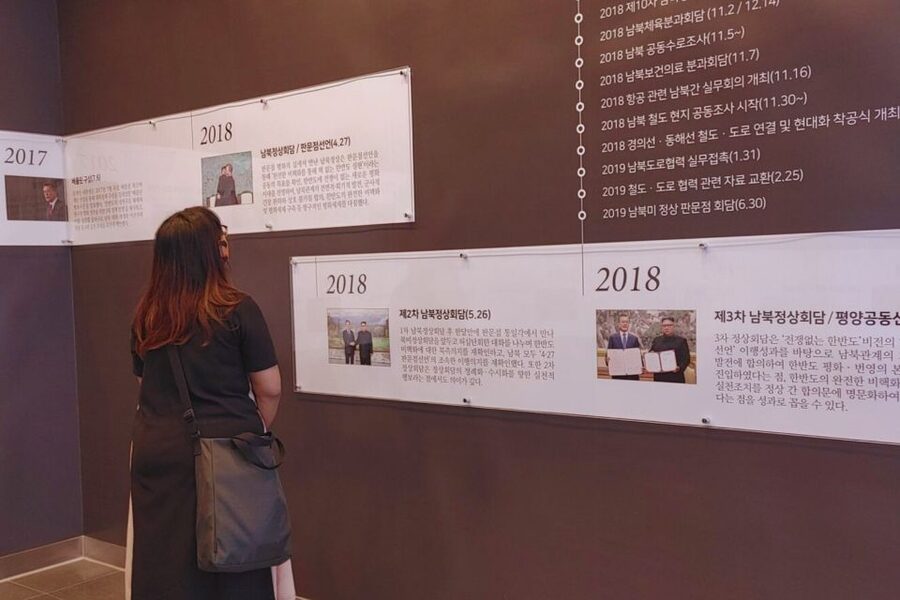
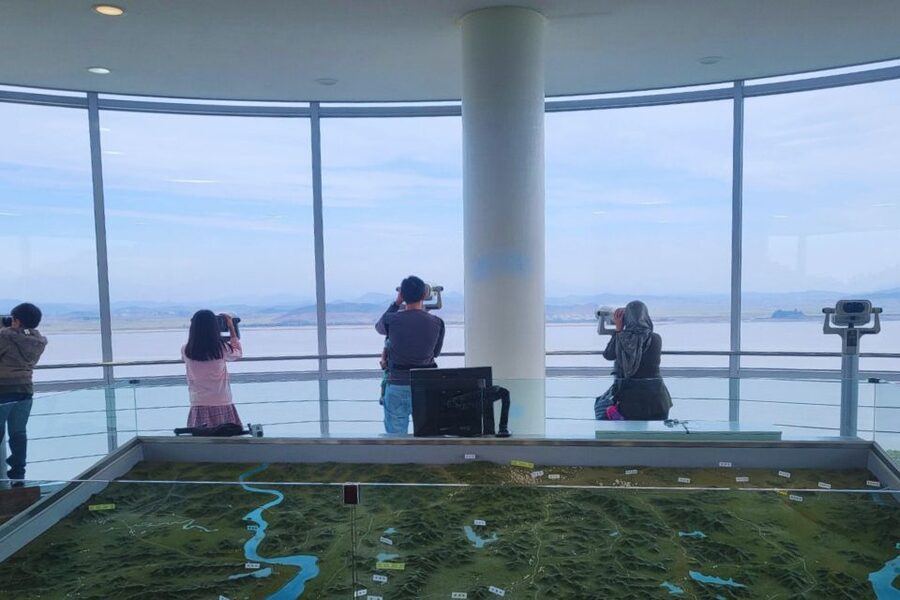
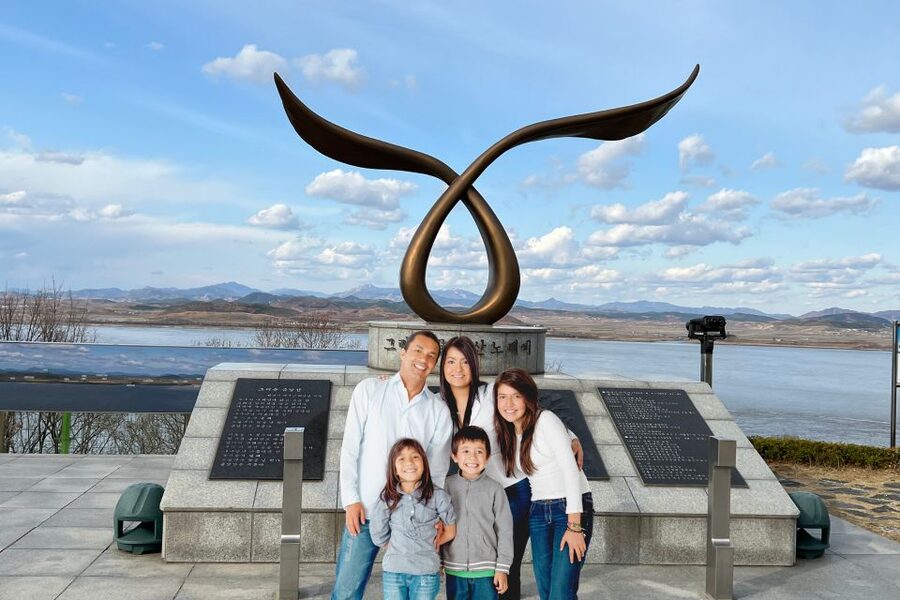
The Ganghwa Peace Observatory gives the tour a modern and sobering opening. Its purpose is tied to the divided Korean Peninsula, and the viewpoint helps explain why Ganghwa has remained strategically important long after its older fortifications were built.
You receive a guided visit of about 45 minutes. That is enough time for an introduction to the area and its border setting without turning the first stop into a long lecture. The value here comes from context. Later fortresses and defensive sites make more sense after you have seen Ganghwa’s position near the northern frontier.
This stop may be especially meaningful if you want to understand present-day South Korea beyond Seoul’s polished city center. It is not just a scenic overlook. It connects the island’s past to the unresolved realities of modern Korea.
Your guide’s explanations will shape this visit. Peter, who led several highly praised outings, is described as especially strong at explaining each place and adding useful photo suggestions. Charlie also received praise for his energy and command of the subject. Guide assignments can vary, so treat those names as examples rather than a guarantee.
Standing Beneath Ganghwa’s Ancient Dolmens
The Ganghwa dolmen site is one of the clearest reasons to make the trip. These large stone burial monuments date back thousands of years and form part of the UNESCO World Heritage listing for Korean dolmens.
The visit lasts about 30 minutes, which is enough for a focused look and an explanation of what you are seeing. Do not expect a museum-style presentation with a long indoor exhibit. The power of the site is physical: massive slabs of stone, open ground, and the realization that people built these structures with tools and methods very different from ours.
A guide adds real value here because the stones can look simple at first glance. With background on their purpose and age, the site becomes easier to read. I would pay attention to the explanation rather than rushing through for a quick photograph.
This is also one of the day’s best contrasts. The observatory addresses a living political division, while the dolmens reach back into prehistory. Ganghwa places both subjects within a short drive of each other.
Lunch at a Local Restaurant
Lunch is scheduled for about an hour at a local restaurant selected with help from the guide. Food and drinks are not included in the $180 price, so budget separately for the meal.
The restaurant choice may be part of the local flavor, but you should keep expectations practical. The available choices can be limited, and the tour specifically advises anyone with dietary restrictions to bring their own lunch. That is useful advice, not a minor footnote.
One outing included a good fish meal at a traditional restaurant. That gives you an idea of what may be available, but it does not promise a particular dish or venue. Tell the guide about food needs before the day begins, and carry a backup meal if you need vegetarian, allergy-safe, or otherwise specific food.
The hour also gives you a needed pause. The rest of the day includes walking and several stops, so lunch is not just about eating. It is your chance to sit down before the longer afternoon stretch.
A completely different kind of day, same trip:
- Best DMZ Tour Korea from Seoul (Red Suspension Bridge Optional)
★ 5.0 · 41,422 reviews - DMZ Tour: 3rd Tunnel, Option(Suspension Bridge, Boat) from Seoul
★ 5.0 · 21,373 reviews - DMZ tour south Korea from Seoul (NK experience hall, defector)
★ 5.0 · 20,599 reviews - DMZ Insider Tour: 3rd Tunnel, NK Defector Meet & Red Bridge
★ 4.9 · 15,214 reviews
Four and a Half Hours Across Ganghwa Island
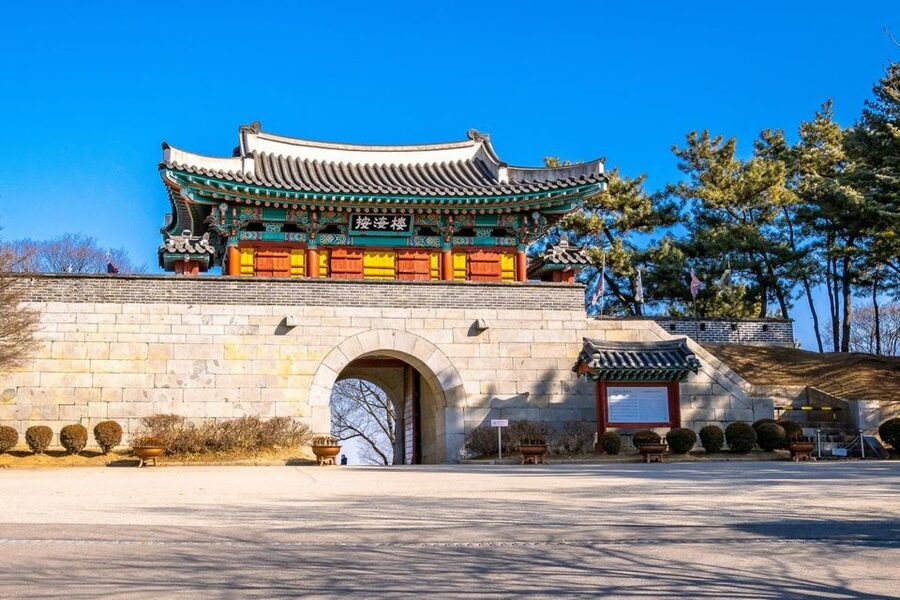
The main Ganghwa Island portion lasts about four and a half hours and combines guided visits with walking. This is where the private format earns its keep, since your guide can adjust the rhythm within the available day.
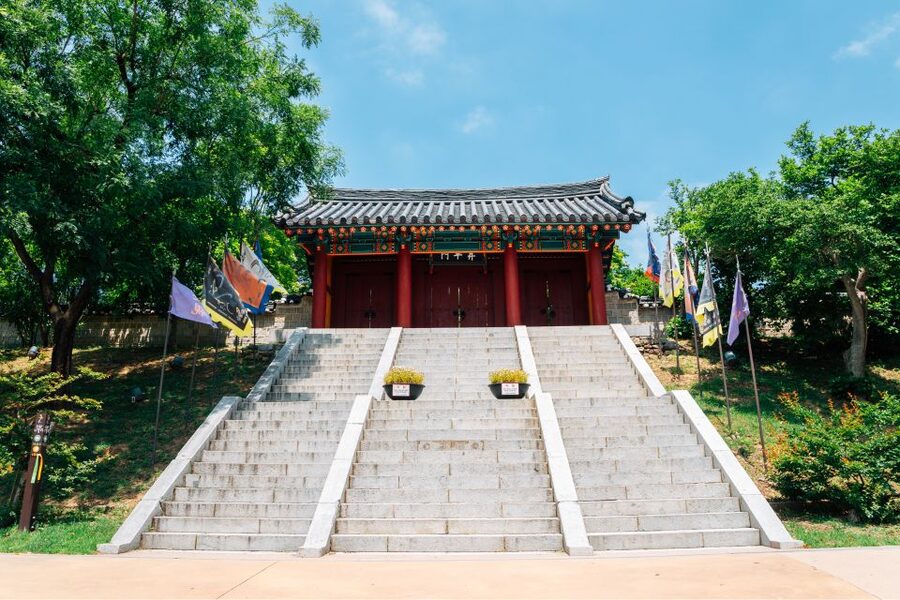
The recommended choices include the Goryeo-gung Palace Site, Ganghwa Anglican Church, Yongheung-gung Palace, Gwangseongbo Fortress, Jeondeung-sa Temple, Joyang Bangjik, Dongmak Beach, and the Hwamunseok Culture Center. You may not spend equal time at all of them. Ask your guide early which sites best match your interests and how much walking you want.
Goryeo-gung Palace Site
The Goryeo-gung Palace Site introduces Ganghwa’s role as a place of royal refuge. One account of the day described seeing a historic capital site and the home in exile of a future king, which points to the island’s connection with Korea’s royal court during unsettled times.
This is a stop for people who enjoy historical setting more than grand surviving architecture. A palace site does not offer the intact rooms and painted halls found at Korea’s better-known palace complexes. Its importance lies in what happened there and why the court came to Ganghwa.
A guide is particularly helpful at sites like this. Without explanation, you may see open space and old traces. With the story, you can picture the island as a place of government and refuge rather than simply a rural escape.
Ganghwa Anglican Church and Yongheung-gung Palace
These two sites broaden the cultural picture. Ganghwa Anglican Church reflects the island’s later religious and architectural story, while Yongheung-gung Palace ties back to royal life and the island’s connection with the court.
They are useful stops if you enjoy seeing different layers of Korean identity in one place. You move from early monuments to royal history, then to religious heritage, without needing separate day trips.
The exact time at each location depends on the day’s route. That flexibility is an advantage for a private group, but it also means you should not assume every listed attraction receives a full guided tour. Clarify your priorities at pickup.
Gwangseongbo Fortress
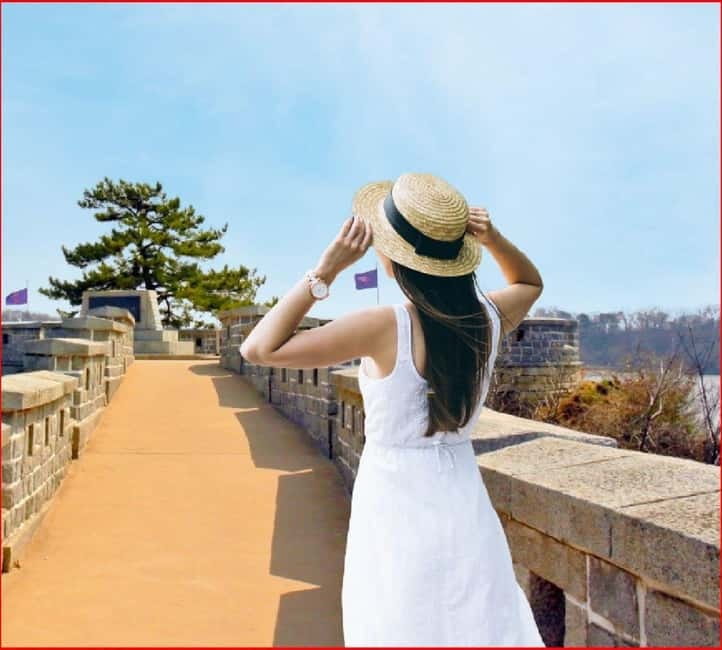
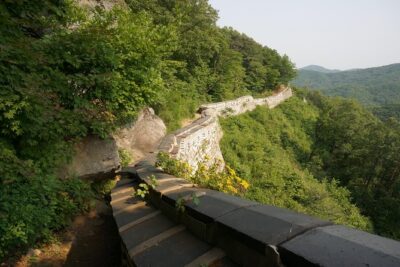
Gwangseongbo Fort is among the most rewarding stops for views and military history. The fortification looks out toward the water, and the setting helps explain why Ganghwa was valuable to rulers trying to protect approaches to the capital.
Expect sightseeing and walking rather than a purely indoor visit. Wear comfortable shoes, especially if you want to take your time around the grounds. The combination of defensive walls, water views, and open air makes this one of the day’s more memorable places for photographs.
The fort also helps connect the island’s geography to its past. Instead of hearing that Ganghwa was strategic in the abstract, you can see the waterways and elevated positions that made defensive works worthwhile.
Jeondeung-sa Temple
Jeondeung-sa Temple brings a quieter, more spiritual mood to the afternoon. The temple is set among trees, and one day reached the site near sunset, when the forested surroundings made a particularly strong impression.
Timing will vary with traffic, the chosen route, and the season, so sunset is not guaranteed. Still, this stop offers a welcome change from forts and historical explanations. You can slow down, look at the setting, and experience a different side of Korean heritage.
A ceremony was also seen during one visit. That is an occasional event rather than something you should count on, but it shows why a flexible private day can be rewarding. If something special is taking place, your guide may be able to help you make room for it.
Joyang Bangjik and Ganghwa’s Textile Story
Joyang Bangjik, also called Joyang Textile, is one of the more unusual stops. The former textile setting has been given new life as a cafe and cultural space, making it different from a standard historic building.
The tour description calls it an enchanting cafe, while one day included a stop known as Fashion Cafe. The names may reflect how the place is presented locally, but the useful point is simple: expect a heritage-style cafe visit tied to Ganghwa’s textile past, not only a cup of coffee.
This stop adds texture to the day. Ancient dolmens and fortresses can make Ganghwa feel like a history lesson, while Joyang Bangjik shows how an older industrial or craft identity can continue in a modern setting. It is also a good place to take a breather.
You may find the cafe more appealing if you enjoy design, old buildings, and local cultural spaces. If your priority is military history, this is one of the stops you may want to keep shorter.
Hwamunseok and the Island’s Craft Tradition
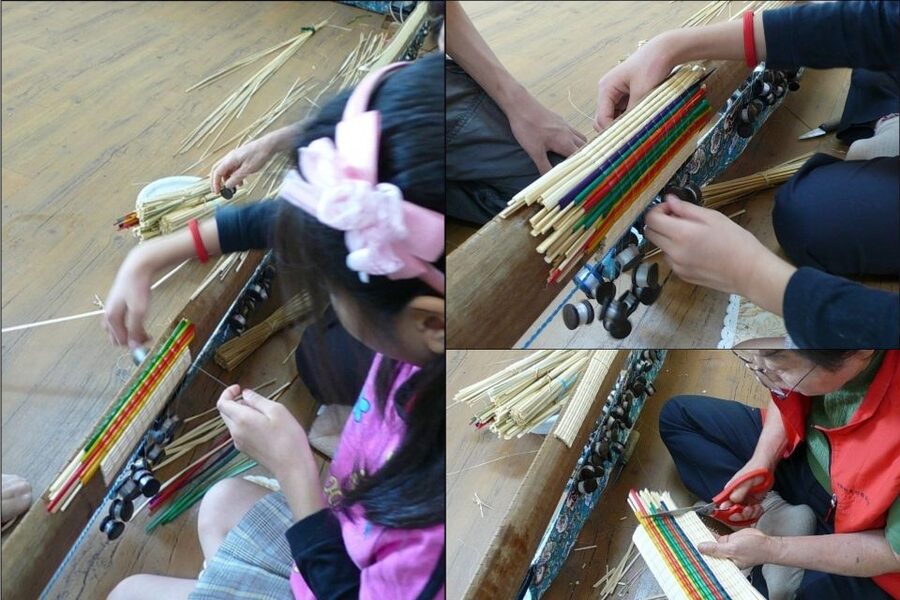
The Ganghwa Hwamunseok Culture Center focuses on the island’s traditional mat-making craft. Hwamunseok is associated with finely woven sedge mats, and the center gives the tour a look at a local skill rather than another royal or military site.
This kind of stop is valuable because it shows how ordinary work shaped the island’s identity. You see not only where rulers stayed or armies fought, but also what local artisans made and passed down.
The visit is listed as a sightseeing stop, so the amount of demonstration or hands-on activity is not specified. Think of it as a cultural introduction, not a guaranteed workshop. If you are interested in Korean crafts, ask the guide for extra explanation and allow enough time to look carefully.
Optional seaweed snacks may also be sampled during the tour and offered for purchase at the end. Buying them is entirely up to you. You should not feel pressured to add this expense.
Dongmak Beach: A Coastal Finish

Dongmak Beach gives the long day a change of scenery. After monuments, palaces, churches, and forts, the shore offers open space and a chance to enjoy Ganghwa’s natural side.
The beach is described as pristine, but the experience remains weather-dependent. On a clear day, it can be a pleasant place for photographs and a short walk. On a cold, wet, or windy day, you may prefer to keep the stop brief.
This is not presented as a swimming excursion, and no beach equipment or meal is included. It works best as a scenic stop within a cultural day. I like its place in the route because it keeps Ganghwa from feeling like a string of indoor historical sites.
What $180 Per Person Really Buys
At $180 per person, this is not the cheapest way to visit Ganghwa. The price includes round-trip air-conditioned transportation, tolls, hotel pickup and drop-off within Seoul, a professional driver and guide, and a private group.
The value depends heavily on your group size. For a solo visitor or couple, the price is a premium for privacy, door-to-door service, and an English-speaking guide. For a family or group sharing the booking, the cost can make more sense because you are not paying separately for transport, navigation, and a full-day guide.
I would compare it with the cost and effort of arranging a private vehicle for 10 hours. The tour also saves you from deciding how to connect far-flung sites. That convenience matters on Ganghwa, where traffic, changing weather, and a long list of possible stops can complicate an independent day.
Lunch, drinks, personal spending, insurance, and optional snack purchases are extra. Build those costs into your plan before booking. The guide can recommend a restaurant, but you should not expect the meal to be part of the package.
Timing, Pickup, and Practical Limits
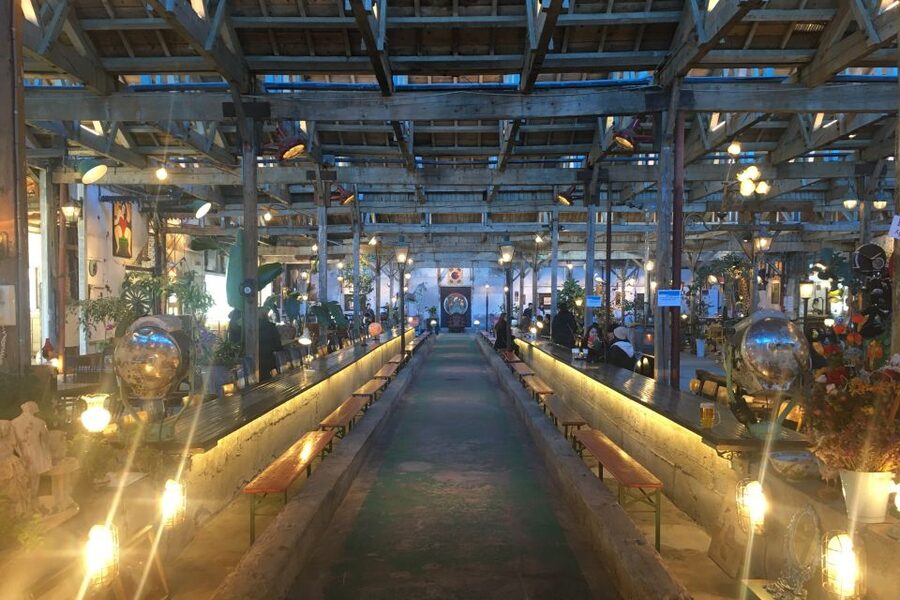
Pickup and drop-off are included from Seoul, but they must be at the same location within Seoul city. Wait in your hotel lobby 10 minutes before the arranged pickup time, and provide the exact number of people when booking so the vehicle can fit everyone.
The tour lasts 10 hours, including travel. Weekend traffic and high passenger volumes can make the day slower, especially on holiday weekends. I would choose a weekday when possible and avoid scheduling an important evening reservation too close to your planned return.
The tour is wheelchair accessible, and the group is private. Still, the route includes walking at fortresses, temple grounds, beach areas, and historical sites. If someone in your group has mobility concerns, discuss the desired stops and walking pace with the provider in advance.
Children under two years old can go free without occupying a seat, but you must mention them when making the appointment. The exact passenger count remains important for vehicle planning.
The tour runs in English with a live guide. Weather can affect the day, particularly at outdoor sites and the coast. If severe conditions such as a blizzard make the trip unsafe or impractical, the final decision is made on the same day, with a full refund for a weather-canceled trip.
You can cancel up to 24 hours in advance for a full refund, and the reserve-now, pay-later option gives you some flexibility while your Seoul plans take shape.
Who Should Book This Ganghwa Day?
I would choose this tour if you want a broad introduction to Korean history outside Seoul and do not want to rent a car or build a complicated route. It suits first-time visitors who want ancient monuments, royal sites, military history, religion, craft, and the coast in one day.
It is also a good match for families and small groups that value a private vehicle. You can ask for photo stops, adjust the pace, and spend more time on the subjects that interest you. Guides such as Peter have also helped with restaurant ideas and photography locations, which adds useful local judgment to a long day.
I would hesitate if you dislike full itineraries or need guaranteed food choices. The route covers a lot, and some attractions may receive a shorter visit than you would give them on a slow independent trip. The $180 cost also deserves careful thought if you are traveling alone.
Should You Book It?
Book this Ganghwa tour if you want to see a side of Korea that most Seoul city itineraries skip, especially the combination of the Peace Observatory, UNESCO dolmens, royal sites, coastal forts, Jeondeung-sa Temple, and Dongmak Beach.
The best reason to go is not one single monument. It is the way the guide and private vehicle connect several periods of Korean life in one manageable day. Choose it on a weekday, bring backup food if needed, wear walking shoes, and tell the guide your top three priorities at the start.
If your ideal outing is relaxed and unplanned, select fewer stops or visit independently. For an efficient, guided day beyond Seoul with flexibility built into a private route, this is a strong choice.
FAQ
How long does the Ganghwa Island tour last?
The tour lasts 10 hours, including pickup from Seoul, travel around Ganghwa Island, and return transportation to Seoul.
Is hotel pickup included?
Yes. Round-trip pickup and drop-off are included for locations within Seoul city, and pickup and drop-off must be at the same location.
Is lunch included in the price?
No. Lunch and drinks cost extra. The guide will recommend a local restaurant, but choices may be limited.
What should I do if I have dietary restrictions?
You may want to bring your own lunch because restaurant options can be limited. You should also inform the provider or guide about your dietary needs.
Is the tour private?
Yes. This is a private group tour, so you can choose your pace and focus from the recommended Ganghwa attractions.
Is the tour conducted in English?
Yes. The tour includes a live English-speaking guide.
Is the tour wheelchair accessible?
Yes, the activity is listed as wheelchair accessible. The route also includes walking at several outdoor and historic sites.
What happens if bad weather cancels the tour?
In severe weather, the final decision is made on the day of the tour. A full refund is provided when the trip is canceled because of weather.
Just added around Seoul
- Incheon Airport Private Transfer between Seoul City★ 4.0 · 4 reviews
- Seoul’s Stars: Open Mic with Local & International Talent★ 4.8 · 4 reviews
- Samaksan Cable Car and Nami Island Day Escape with Railbike★ 4.0 · 4 reviews
- DMZ 2nd Tunnel and Cheorwon Peace Observatory with Admission★ 5.0 · 4 reviews
- Nami & Maple Road & Theatre des Lumieres Day Tour from Seoul★ 4.8 · 4 reviews
- Hire Photographer, Professional Photo Shoot – Seoul★ 5.0 · 4 reviews
- [KoreaByLocal] Authentic Seoul Night Walk and Chicken & Beer★ 5.0 · 4 reviews
- Seoul Film Camera Club★ 5.0 · 4 reviews
Historical Tours, compared.
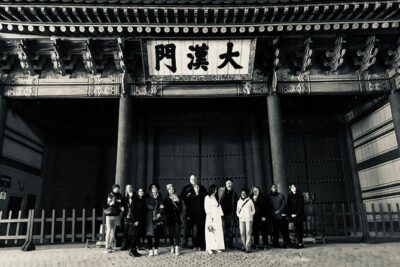
Evening Dark History, Folklore & Ghost Story Walking Tour
Read our review →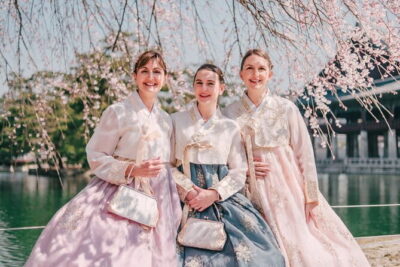
Hanbok Photoshoot and History Tour at Gyeongbokgung Palace
Read our review →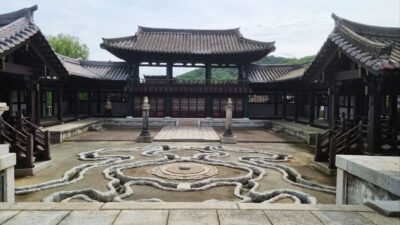
City Highlights and Historical Experience No Shopping
Read our review →
Street photoshoot and Seoul Hidden gem History Walking Tour
Read our review →
Namhansanseong UNESCO Historical Sites and Korean Folk Village-Private Tour
Read our review →Browse the lists this tour appears in