
Reviewed · DMZ & JSA TOURS
Seoul: DMZ Tour with Japanese-Speaking Guide
The Korean DMZ is not a theme park attraction. It is a guarded border zone where the division of Korea is still visible, and that gives this day trip a weight you will not find at ordinary sightseeing stops. I like the chance to look toward North Korea from Dora Observatory, and I like that the tour includes both major sights and quieter reminders of separation, such as the Bridge of Freedom.
I also like the Japanese-speaking guidance, especially for a subject filled with political and historical detail. Guides including Hong Yusun, Park, and Yoon have been praised for clear, lively explanations. The main drawback is the Third Tunnel: its steep return walk can be tiring, and military rules or weather can change the plan without notice.
In This Review
- Key points to know before you go
- Why the DMZ feels different from a normal day trip
- Imjingak Park puts the border in human terms
- The Bridge of Freedom recalls repatriated prisoners
- The Third Infiltration Tunnel is the day’s physical challenge
- Dora Observatory offers the clearest view toward North Korea
- Unification Village adds a quieter final stop
- What the $50 price really covers
- Japanese guidance is a major part of the experience
- Delays and route changes are part of the bargain
- Who should book this DMZ tour
- Should you book the Seoul DMZ tour?
- FAQ
- How long does the Seoul DMZ tour take?
- What language is the tour conducted in?
- What sights are included?
- Can I see North Korea from Dora Observatory?
- Do I need my passport?
- Is the Third Infiltration Tunnel difficult to walk through?
- Is food included?
- Is hotel pickup and drop-off included?
- Does the tour visit the JSA at Panmunjom?
- Can the itinerary change?
Key points to know before you go
- The Third Infiltration Tunnel requires a steep 30 to 40 minute walk, with an option to wait outside if you cannot manage it.
- Dora Observatory can offer a direct view toward North Korea, sometimes without using the telescope when conditions are clear.
- Imjingak Park and the Bridge of Freedom add human meaning to what could otherwise feel like a quick military sightseeing stop.
- The Japanese-language guide matters, and guides such as Hong Yusun, Park, and Yoon are known for clear, engaging explanations.
- The $50 price covers transport and entrance fees, but not meals, drinks, insurance, or hotel pickup.
- The route can change suddenly because the DMZ is controlled by the military and subject to government and weather restrictions.
Why the DMZ feels different from a normal day trip
From Seoul, the bus heads north into Gyeonggi Province. The ride takes about an hour, but the subject begins before you reach the border. A good guide uses this time to explain the division of Korea and what you are about to see, rather than leaving you to stare at the highway.
This is where the Japanese-language format earns its price. The tour is not simply a sequence of photo stops. You need context to understand why a bridge, tunnel, park, and distant view matter. Japanese-speaking guides Hong Yusun, Park, and Yoon have each been praised for clear delivery, interesting stories, and detailed explanations. Hong Yusun was also described as attentive to both Japanese and Korean participants, occasionally speaking Korean to include a Korean guest.
The group travels by air-conditioned bus or minivan. Hotel pickup and drop-off are not included, so you need to reach the selected meeting point in central Seoul. One listed starting point is near Myeongdong Station Exit 10, though the exact meeting point depends on the option you book.
Expect a long day, usually 7 to 8 hours. Traffic can affect the return time, and a military-controlled site does not run with the easy certainty of a palace or shopping district.
More ways to reach the DMZ:
- Best DMZ Tour Korea from Seoul (Red Suspension Bridge Optional)
★ 5.0 · 41,422 reviews - DMZ Tour: 3rd Tunnel, Option(Suspension Bridge, Boat) from Seoul
★ 5.0 · 21,373 reviews - DMZ tour south Korea from Seoul (NK experience hall, defector)
★ 5.0 · 20,599 reviews
Imjingak Park puts the border in human terms
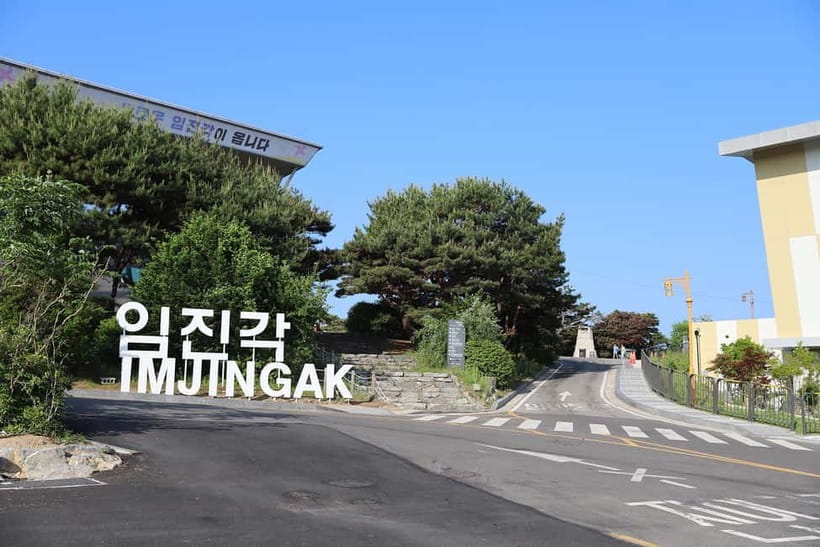
The first main stop is Imjingak, where you have about an hour for a guided visit. The park is built around the division of Korea and the wish for reconciliation. That makes it a useful opening stop because it gives the day an emotional and historical frame before you enter more restricted areas.
You will have time to look around rather than simply step off the bus for a photograph. The guide’s explanation is important here. Without it, Imjingak can seem like a collection of monuments and public spaces. With context, the park becomes a place connected to separated families, repatriation, and the long-standing division that began in its current form in 1953.
The stop may also help you understand why the DMZ is such an unusual tourist destination. You are not visiting a battlefield preserved only in the past. The boundary remains active, and access is managed by military and government rules.
Bring your passport. It is required for the tour, not an optional identification document. Keep it accessible, since the route enters a controlled area.
The Bridge of Freedom recalls repatriated prisoners
The Bridge of Freedom receives about 30 minutes of guided attention. Its name is easy to read as a slogan, but its purpose is more specific: prisoners of war used it when they were repatriated from North Korea.
That detail gives the bridge a direct human connection. You are looking at a crossing associated with people who had been held on the other side of the divide, not merely a scenic structure near a border. The visit is brief, so listen closely while the guide explains what you are seeing.
This is also one of the places where the tour benefits from a Japanese-language guide. The physical view is simple, but the meaning is not. A clear explanation helps you connect the bridge to the wider story of separation and return.
Do not expect a relaxed stroll across an ordinary public bridge. The stop is part of a regulated DMZ-area visit, and the group follows the access rules in place that day.
The Third Infiltration Tunnel is the day’s physical challenge
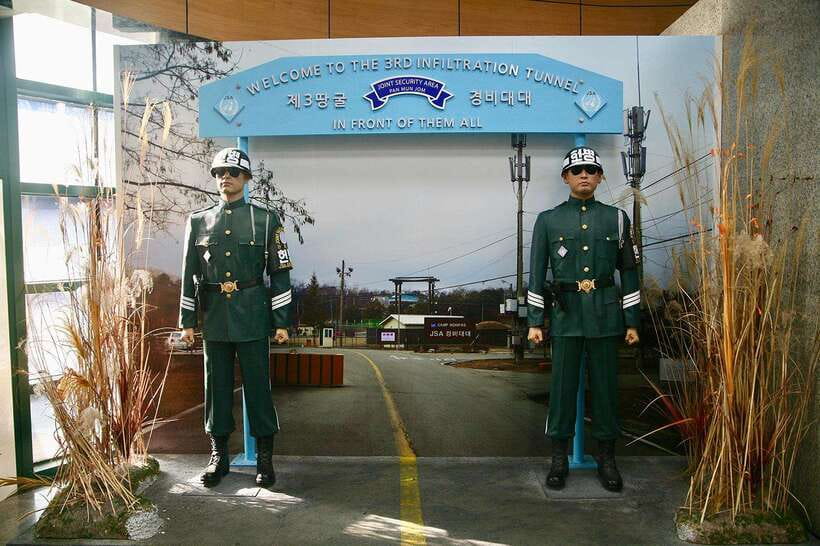
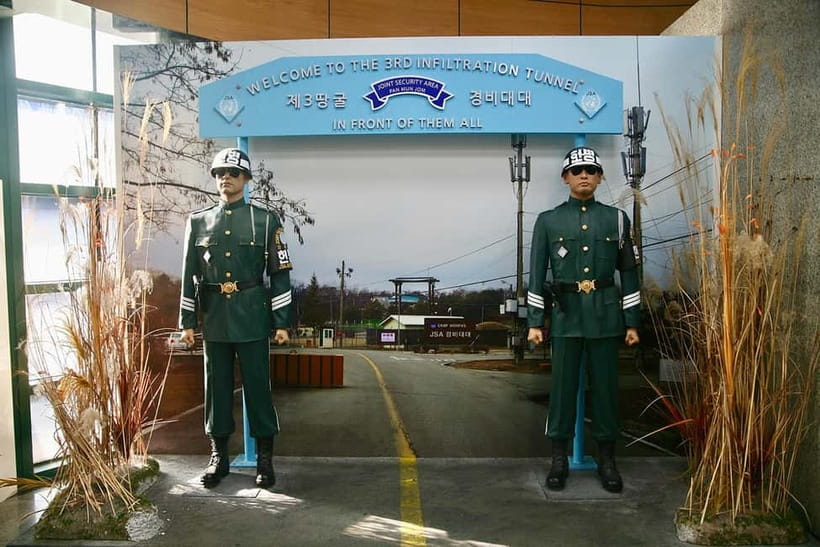
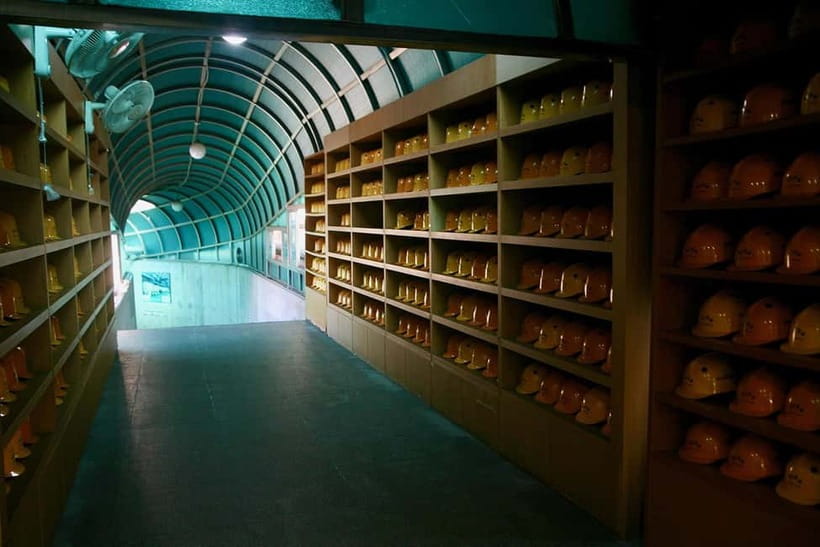
The Third Tunnel of Aggression is likely to be the most memorable stop, and also the one that demands the most from you. It is an incomplete passage built by North Korea that runs beneath the Demilitarized Zone. The tour takes you inside on foot.
The round trip takes about 30 to 40 minutes, and the slope is steep. The return climb is the part that tends to test your legs. The tunnel can feel cool even during a hot Korean summer, which makes it a welcome break from the heat, but the temperature does not remove the physical effort.
You should wear proper walking shoes. Flip-flops, slippers, and high heels are strongly discouraged, and for good reason. The tour is not suitable for wheelchair users, and people with heart problems should not book it. Children and older adults may find the incline difficult, though it is possible to wait at the tunnel entrance instead of walking through.
The tunnel is not a polished museum attraction. Its appeal comes from the uneasy fact that it was built for military purposes and discovered beneath the border. You walk through a narrow, unfinished passage and then return to the surface knowing that this is part of a still-sensitive frontier.
If you dislike confined spaces or steep paths, treat this stop as optional in practice. You can remain in front of the tunnel while the rest of the group goes inside, but the guide’s timing still applies.
A few more Seoul trips worth weighing up
- Seoul: Night Market Food Tour with Local Guide
★ 4.9 · 943 reviews - DMZ Guided Tour with Suspension Bridge / Gondola from Seoul
★ 5.0 · 876 reviews - Downtown Seoul Guided Food & Market Tour with 8+ Local Tastings
★ 5.0 · 580 reviews - Seoul: DMZ Guided Tour with Suspension Bridge and Gondola
★ 4.9 · 553 reviews
Dora Observatory offers the clearest view toward North Korea
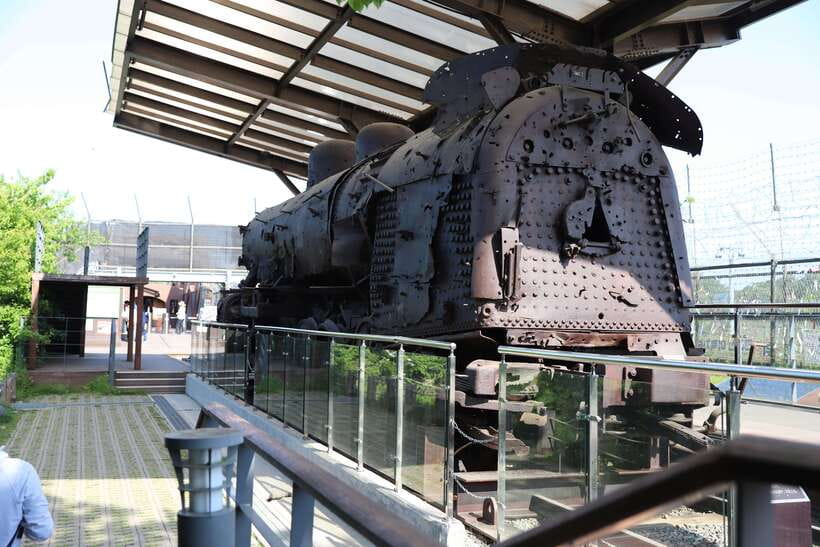
After the tunnel, the tour climbs the slopes of Mount Dora to Dora Observatory. You have about an hour here, making it one of the most important stops of the day.
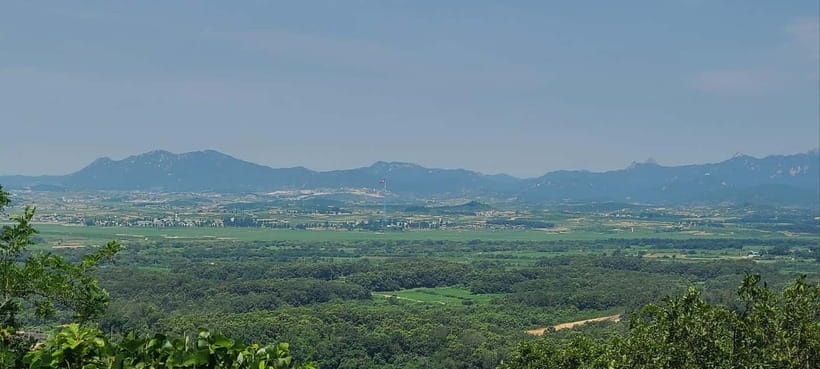
From the viewing area, you look across the 4-kilometer-wide DMZ toward North Korea. On a clear day, the view can reach North Korea without the observatory telescope. Weather and visibility matter, so do not treat a distant view as guaranteed. Even when haze limits the details, the act of looking across a guarded dividing line gives the stop its force.
This is where expectations need a little managing. You are not promised a close, detailed look at North Korean life. The view is distant, and conditions can change. The observatory is valuable because it lets you see the physical separation, not because it guarantees a dramatic photograph.
Give yourself time to listen to the guide and take in the full scene. The DMZ is described as a 4-kilometer stretch that has divided Korea since 1953. From Dora Observatory, that division becomes something you can see rather than just read about.
The stop can feel more meaningful after the tunnel. First you walk below the border through a passage built for infiltration. Then you stand above ground and look across the same divided zone. The sequence gives the day a clear shape.
Unification Village adds a quieter final stop
The last sightseeing stop is Unification Village, near the DMZ in South Korea. You have around 30 minutes to look around and browse souvenirs, snacks, and goods connected with peace and reconciliation.
This stop is less intense than the tunnel or observatory. That is useful late in a long day. You can take a breath, buy something small, and reflect on the themes that have appeared throughout the tour.
The village often sells items from North Korea as well as South Korean souvenirs. That makes the shopping stop more connected to the subject of the tour than a generic gift shop. You may find food or keepsakes that fit the border and reunification theme.
Do not expect a large shopping session. Thirty minutes is enough for a quick look and a few purchases, not a full afternoon of browsing. Food and drinks are not included in the tour price, so use this stop as a chance to buy snacks if needed.
What the $50 price really covers
At $50 per person, this is a useful value for a full-day excursion from Seoul. The fee includes round-trip shared transportation, entrance fees, an air-conditioned bus or minivan, and a licensed professional DMZ guide.
The transport matters. Reaching the DMZ independently is not as simple as taking a city train to a regular attraction. This tour handles the long overland connection and the entry arrangements, leaving you to focus on the sites.
The price does not include hotel pickup or drop-off. You need to make your own way to the assigned central Seoul meeting point, and the tour finishes in the Myeongdong area or near City Hall depending on your selected option. Food, drinks, travel insurance, and any visit to the Joint Security Area, also called Panmunjom, are excluded.
The tour does not include the JSA. That is an important distinction when comparing DMZ trips. You are visiting Imjingak, the Bridge of Freedom, the Third Tunnel, Dora Observatory, and Unification Village, but not the blue conference buildings and Panmunjom area associated with some other border tours.
The high transport rating and perfect overall score suggest that the basic operation is a strong part of the experience, but you should still allow extra time after the scheduled return. Traffic, group size, and military procedures can all affect arrival in Seoul.
Japanese guidance is a major part of the experience
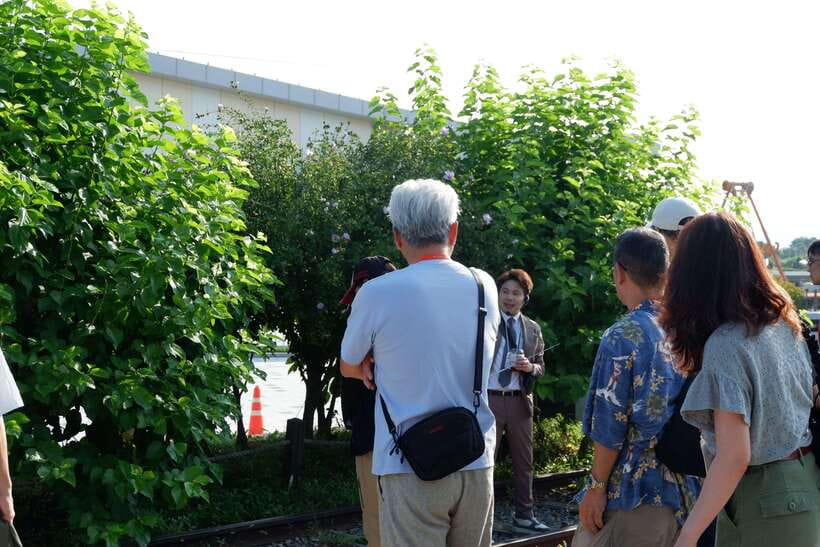
The tour runs in Japanese, not merely with a Japanese-language handout. That matters because the guide is responsible for explaining sensitive history while the group moves between controlled stops.
The strongest feedback centers on guides who make the subject easy to follow without turning it into a dry lecture. Hong Yusun has been praised for clear Japanese explanations, detailed information, and a friendly, energetic manner. Park has been singled out for entertaining and easy-to-understand commentary, while Yoon has also received praise for a lively, helpful approach.
Guide names may vary by departure date, so do not assume a specific person will lead your group. Still, the repeated praise for the Japanese-language guiding gives you a useful expectation: this is best booked if you want the historical background explained in Japanese rather than pieced together from signs.
The format can also work for mixed Japanese and Korean groups. One account described a Korean participant joining a Japanese tour and still feeling included when the guide spoke Korean during spare moments.
Delays and route changes are part of the bargain
The DMZ is operated by the military. That means the tour can be canceled without prior notice, and the route can change because of weather, military decisions, or government regulations.
If the planned DMZ route is unavailable, the substitute stops can include Imjingak, Art Space BEAT 131, Odusan Unification Observatory, the War Memorial of Korea, City Hall, or Myeongdong. The information provided for this tour says no refund will be offered for these changes, so you should book with flexibility rather than with one single must-see stop in mind.
A transfer to a DMZ shuttle bus may also be required if fewer than 30 people are in the vehicle, in line with government policy. This can add a step to the day, but it is part of operating within the area’s rules.
Check your email the day before departure for a possible pickup time change. Arrive sober, since intoxicated passengers will not be permitted to join and will not receive a refund. Smoking is not allowed in the vehicle, and alcohol and drugs are prohibited.
Infants under 24 months can join free of charge, but no separate seat is provided. Unaccompanied minors are not permitted.
Who should book this DMZ tour
I would recommend this experience to you if you want a structured introduction to the Korean border, prefer Japanese-language explanations, and value transport that handles the long trip from Seoul.
It suits first-time visitors who want more than a distant photo stop. Imjingak, the bridge, the tunnel, the observatory, and the village create a useful progression from history to physical evidence and then to present-day reflection.
You should think carefully before booking if you have heart problems, use a wheelchair, dislike enclosed spaces, or cannot manage a steep 30 to 40 minute walk. The tunnel can be skipped in practice by waiting outside, but the day still involves walking and standing at several sites.
This is not the best choice if your main goal is Panmunjom. The JSA is not included. It is also not ideal if you need a precise return time for a flight, show, or restaurant reservation, since traffic and border procedures can push the schedule.
Should you book the Seoul DMZ tour?
Book it if you want the historical meaning explained clearly in Japanese, with transport, admissions, and the main accessible DMZ sights bundled into one $50 day trip. The strongest part is the combination of the Third Tunnel and Dora Observatory, while Imjingak and the Bridge of Freedom give those places human context.
Before paying, confirm the meeting point, read the day-before email, wear sturdy shoes, and carry your passport. Accept that weather or military decisions may replace the planned route. If you can handle that uncertainty, this is a practical and thoughtful way to visit one of the world’s most unusual borders.
FAQ
How long does the Seoul DMZ tour take?
The tour lasts approximately 7 to 8 hours, including the bus journeys between Seoul and the DMZ area.
What language is the tour conducted in?
The live tour guide speaks Japanese. Guides named in the available information include Hong Yusun, Park, and Yoon, though the assigned guide can vary.
What sights are included?
The route includes Imjingak, the Bridge of Freedom, the Third Infiltration Tunnel, Dora Observatory, and Unification Village.
Can I see North Korea from Dora Observatory?
In good weather, you can see toward North Korea from Dora Observatory, sometimes without using the telescope. Visibility depends on the conditions that day.
Do I need my passport?
Yes. You must bring your passport for the DMZ tour.
Is the Third Infiltration Tunnel difficult to walk through?
The tunnel has a steep slope and takes about 30 to 40 minutes for a round trip on foot. It may be difficult for children and older adults, and you can wait in front of the tunnel instead.
Is food included?
No. Food and drinks are not included in the tour price.
Is hotel pickup and drop-off included?
No. Hotel pickup and drop-off are not included. The meeting point varies by booking option, and the return is to Myeongdong or City Hall depending on your selected preference.
Does the tour visit the JSA at Panmunjom?
No. A visit to the Joint Security Area, also called Panmunjom, is not included.
Can the itinerary change?
Yes. The DMZ is controlled by the military, and weather, military decisions, or government regulations can lead to cancellations or substitute stops.
Just added around Seoul
- Incheon Airport Private Transfer between Seoul City★ 4.0 · 4 reviews
- Seoul’s Stars: Open Mic with Local & International Talent★ 4.8 · 4 reviews
- Samaksan Cable Car and Nami Island Day Escape with Railbike★ 4.0 · 4 reviews
- DMZ 2nd Tunnel and Cheorwon Peace Observatory with Admission★ 5.0 · 4 reviews
- Nami & Maple Road & Theatre des Lumieres Day Tour from Seoul★ 4.8 · 4 reviews
- Hire Photographer, Professional Photo Shoot – Seoul★ 5.0 · 4 reviews
- [KoreaByLocal] Authentic Seoul Night Walk and Chicken & Beer★ 5.0 · 4 reviews
- Play Gayageum in Hanbok Cultural Experience in Bukchon★ 5.0 · 4 reviews
DMZ & JSA Tours, compared.
Best DMZ Tour Korea from Seoul (Red Suspension Bridge Optional)
Read our review →
DMZ Tour: 3rd Tunnel, Option(Suspension Bridge, Boat) from Seoul
Read our review →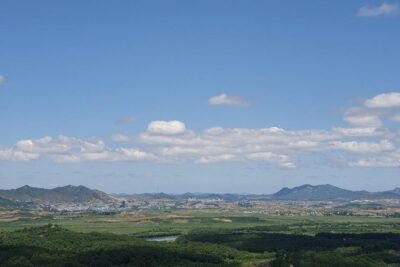
DMZ tour south Korea from Seoul (NK experience hall, defector)
Read our review →
DMZ Insider Tour: 3rd Tunnel, NK Defector Meet & Red Bridge
Read our review →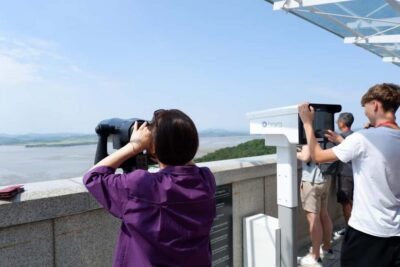
Thrilling Korean DMZ 3rd Tunnel Tour from Seoul + Red Bridge Rush
Read our review →
DMZ Past and Present: Korean Demilitarized Zone Tour from Seoul
Read our review →
Ultimate Korea DMZ Tour from Seoul (Gondola & Suspension Bridge)
Read our review →Browse the lists this tour appears in